# 1. Overview
Perth Modern School is a public, selective high school in Subiaco, Western Australia. It offers an academically rigorous environment with a strong focus on inquiry-based learning and the International Baccalaureate (IB) Diploma Programme within a public-school setting. The school is medium-sized, drawing many families from across the local area and beyond, and it emphasises high standards, student voice, and a supportive learning community.
- School type: Public, selective
- School size: Medium
- Class size: Approximately 22–25 students
- Atmosphere/culture: Academic, diverse, inclusive
# 2. Academics & Learning
Perth Modern School places a strong emphasis on rigorous academics and holistic development.
- Academic strengths: IB Diploma Programme, strong STEM and English faculties, language study, and leadership development.
- Special programs: International Baccalaureate Diploma Programme; opportunities for high-achieving students and accelerated pathways within the WA curriculum.
- NAPLAN / trends: Consistently strong performance in literacy and numeracy relative to state benchmarks, with a trend of solid year-on-year improvement and high attainment in many cohorts.
- Student-teacher ratios: Typically around 1:15–1:20, varying by year level and subject.
- Support for diverse learners: Dedicated EAL (English as an Additional Language) support; SEN (special educational needs) coordination; inclusive education practices and targeted intervention where needed.
# 3. Sports & Extracurricular Strengths
Sports and clubs are a key part of the school experience, especially for students seeking balance with academics.
- Sports offered: Basketball, netball, soccer, athletics, swimming, cricket, tennis, football (soccer), and other inter-school options.
- Strong teams or achievements: Competitive inter-school teams with regular participation in WA school sport competitions and annual carnivals.
- Music, arts, drama programs: Robust music program, choir, band, and theatre/drama opportunities; dedicated spaces for performing arts.
- Clubs: Robotics, chess, coding, debating, public speaking, and various student-led clubs.
- Partnerships: Collaboration with local clubs and competitions (robotics, debating leagues, arts programs) to broaden opportunities beyond the classroom.
# 4. Wellbeing & Pastoral Care
Student wellbeing is a central focus, supporting academic success and personal growth.
- Anti-bullying approach: Clear anti-bullying policies and proactive programs to foster a safe and respectful school environment.
- House system: A house-based framework to build belonging, friendly competition, and peer support.
- Counsellors / wellbeing officers: Availability of school counsellors and wellbeing staff to support mental health, adjustment, and personal development.
- Transition support for new students: Structured orientation, buddy programs, and transitional supports to help new students settle in.
# 5. Facilities
The school provides strong facilities to support learning across disciplines and activities.
- Sports grounds
- Libraries
- Science labs
- Music/performing arts centers
- Tech/innovation labs
- Cafeteria
- Updated playgrounds
# 6. School Values & Community Culture
The school fosters a culture oriented toward excellence, respect, and inclusion, with active student involvement.
- School values / mission: Commitment to academic excellence, integrity, global-mindedness, and inclusion; emphasis on inquiry and personal growth.
- Leadership style: Distributed leadership across staff with strong student voice and leadership opportunities (e.g., student council, clubs, peer mentoring).
- Behaviour expectations: Clear codes of conduct, consistent expectations, and positive behaviour supports.
- Community reputation: Respected for academic rigor, a supportive environment, and strong family/community partnerships.
- Diversity & inclusion: Focus on inclusive practices, support for diverse learners, and programs that celebrate cultural and linguistic diversity.
# 7. School Logistics & Daily Operations
Practical information to help families plan around school life.
- School hours: Typical school day runs during standard WA hours (start and finish times may vary by year level; check current timetable).
- Before/after school care: Availability of supervised options or partner programs; check with the school for specifics.
- Uniform requirements: School uniform is standard; details provided in the student/parent handbook.
- Transport (train/bus routes): Accessible by public transport (train and bus options available in the Subiaco area); information on routes and concession schemes provided by the school.
- Canteen availability: On-site canteen or canteen services offering lunch options.
- Fees (low/medium/high ranges): Public school with no tuition fees; there are voluntary contributions and costs for certain activities/trips; uniform and other incidental costs may apply.
# 8. Enrolment & Admissions
11. What is the enrolment process and timeline?
- Perth Modern is part of the Western Australia public selective-entry system. Applications are submitted through the Department of Education’s Selective Entry process, followed by eligibility assessment, testing, and a timeline for offers. The exact timing can vary by year; families should monitor Department updates for application windows, testing dates, and offer periods.
12. Is there a waiting list, and how does it work?
- Yes, there is a waiting list managed by the Department of Education. Positions on the waiting list are assigned as spaces become available. Families remain on the list until an offer is made or the process concludes.
13. Are there any entry requirements, tests, or interviews?
- Entry typically involves a selective-entry assessment (standardised tests and academic information). There may be documentation requirements and, in some cases, an interview or additional evidence reviewed as part of the process. Specific requirements are issued by the Department of Education and the school and can vary by year.
14. Does the school accept mid-year transfers?
- Mid-year transfers may be possible if there is space, but they are subject to the selective-entry process and school capacity. Prospective families should contact the school early to discuss availability, testing/assessment needs, and enrollment steps.
# 9. Frequently Asked Questions
- Why do parents choose this school?
- Parents often choose Perth Modern for its strong academic program (including the IB Diploma), selective entry environment, supportive wellbeing framework, and opportunities across academics, arts, and sport.
- What type of student thrives at this school?
- Self-motivated, academically oriented students who enjoy challenging coursework, inquiry-based learning, and a collaborative, respectful school culture tend to thrive.
- What opportunities are available for students to extend their skills (academics, sports, arts)?
- IB Diploma coursework, leadership roles, extended essays, science and math extension programs, high-level athletics, performing arts productions, and a wide range of clubs (robotics, coding, debating, chess, etc.).
- How does the school communicate with parents?
- Communication typically includes email notices, newsletters, a school portal, parent–teacher interviews, information evenings, and social media updates.
- What is the school’s approach to teaching and learning?
- The school combines IB-based inquiry with a strong WA curriculum, emphasising student-centred learning, project-based tasks, differentiation, and cross-disciplinary projects.
- How does the school support students who need extra academic help?
- Support includes tutoring or after-school study options, EAL and SEN support, targeted interventions, and access to learning support staff.
- What support is available for academic challenges?
- Dedicated teachers and learning support staff provide targeted assistance; students can access additional help through tutoring, small-group sessions, and resource rooms.
- How does the school communicate with parents? (duplicate)
- See above: email, newsletters, portal, interviews, and information evenings.
- What are the class sizes and how much individual attention do students receive?
- Class sizes are typically around 22–25 students, with teachers able to provide targeted support, differentiate instruction, and offer opportunities for individual questions and feedback.
- What extracurricular and sports opportunities are available?
- A broad range of sports (basketball, netball, soccer, athletics, swimming, etc.) and many clubs (robotics, chess, coding, debating) are available, alongside music and performing arts programs.
- What facilities does the school offer (sports, science, arts)?
- Facilities include sports grounds, libraries, science labs, music/performing arts centers, tech/innovation labs, a cafeteria, and updated playgrounds.
- What is the school’s approach to technology and digital learning?
- Digital learning is integrated into teaching, with ICT resources, potential use of devices (e.g., school-provided or student devices), online platforms for learning, and emphasis on developing digital literacy.
- What transport and accessibility options are available?
- Accessible by public transport (train and bus networks in Subiaco), with information on routes and accessibility provided by the school; parking options and accessibility accommodations are addressed as needed.
- What are the typical school fees or additional costs?
- As a public school, there are no tuition fees. Costs may arise from voluntary contributions, activities/trips, excursions, and uniform purchases. Some financial support options may be available for families in need.
# 10. Short Pros & Cons list
- Pros
- Strong academic program with IB Diploma
- Selective entry environment that supports high-achieving students
- Broad range of extracurriculars (sports, arts, clubs)
- Thoughtful wellbeing and pastoral care
- Modern facilities and dedicated learning spaces
- Cons
- Competitive environment may feel intense for some students
- Entry is selective and not guaranteed; process can take time
- Mid-year transfers depend on space and assessment
- Public school costs beyond tuition (uniforms, trips) may add up
- Transportation considerations may require planning around public transit schedules
If you’d like, I can tailor this content further (tone, length, or emphasis) or add any locally specific details you’d like highlighted for Aroundschools.com.au.












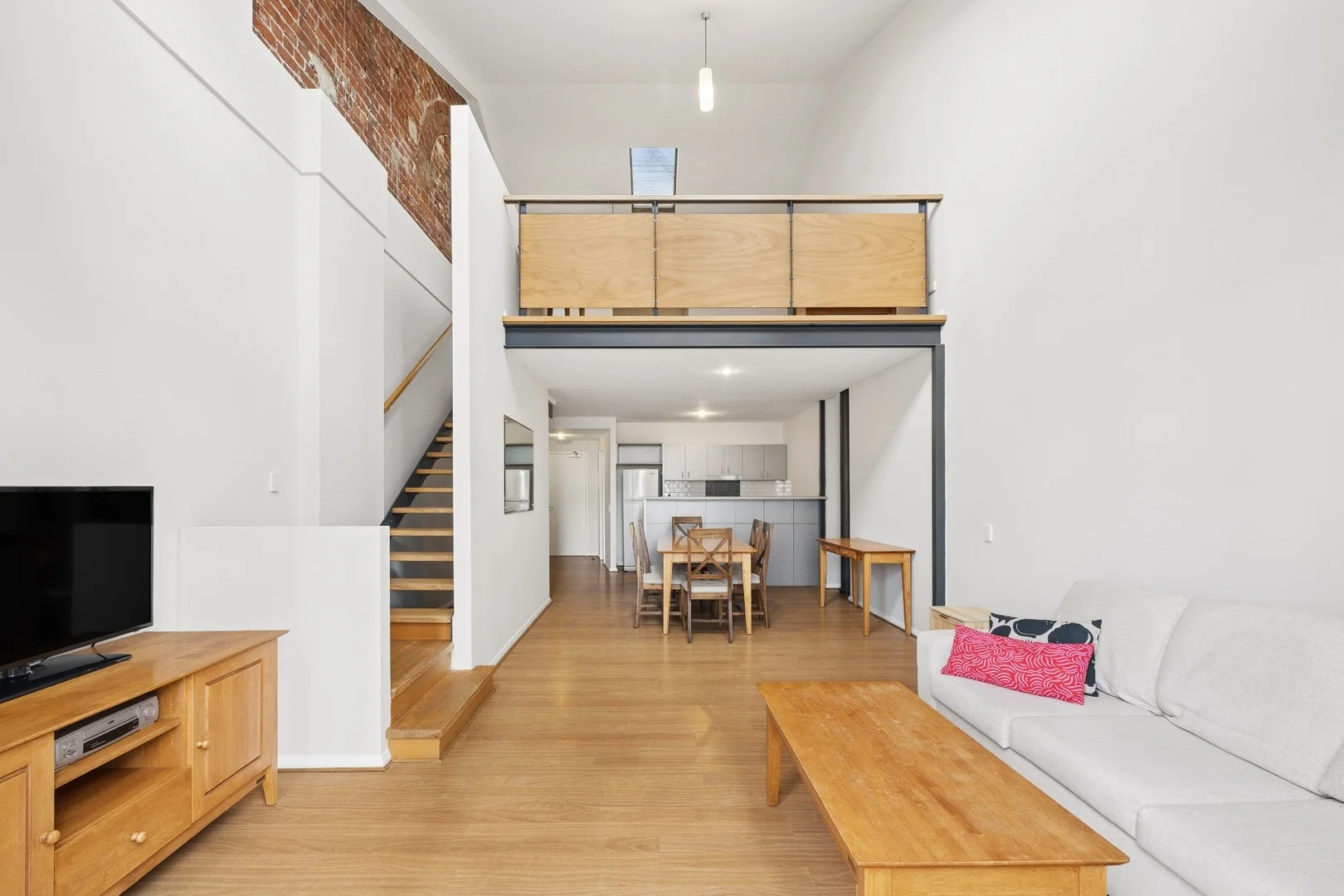 $549,000
Apartment / Unit / Flat
$549,000
Apartment / Unit / Flat
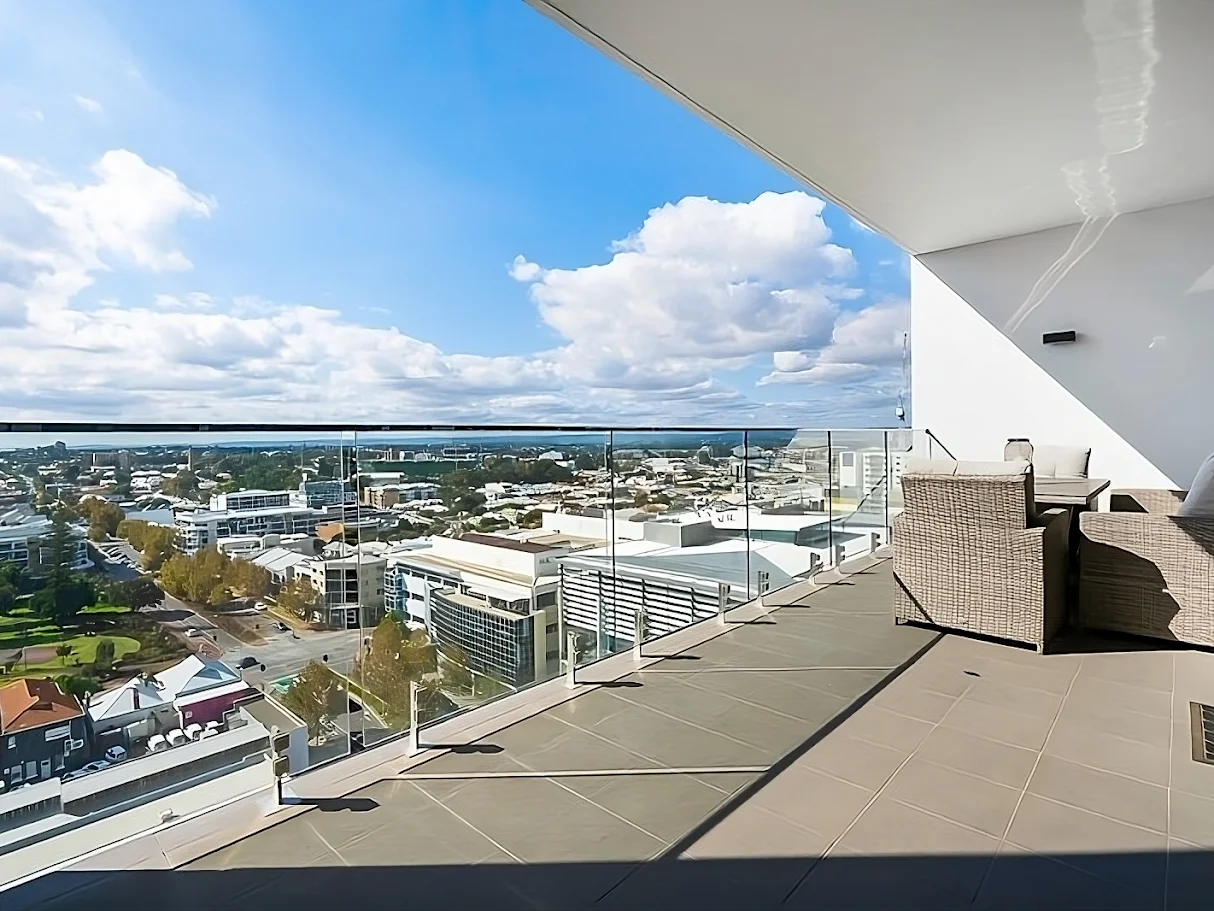 $580,000
Apartment / Unit / Flat
$580,000
Apartment / Unit / Flat
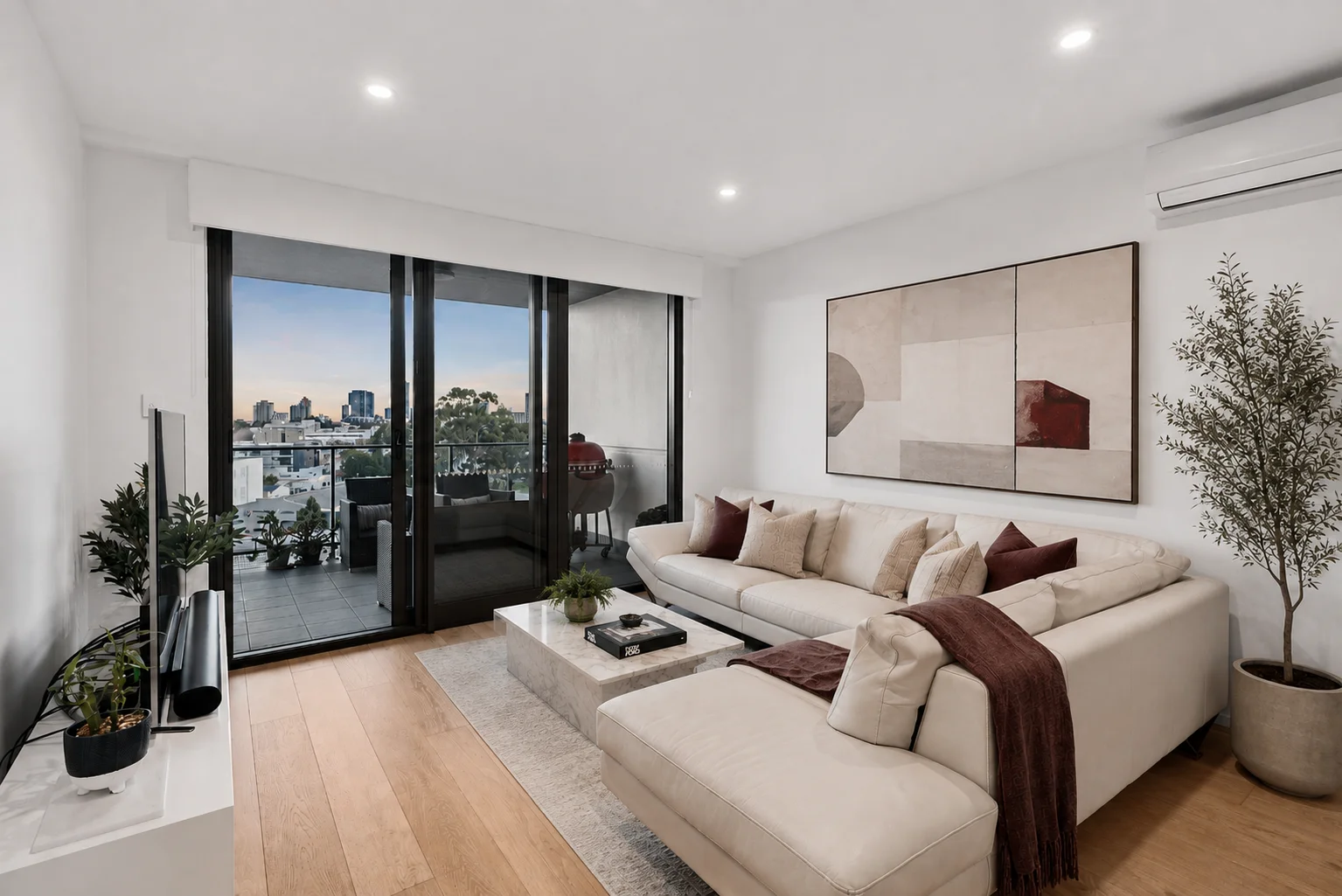 $700,000
Apartment / Unit / Flat
$700,000
Apartment / Unit / Flat