Overview
## 1. Overview
SEDA College VIC is an independent/private senior secondary college located in Hawthorn East, Victoria. The school focuses on providing a supportive, student-centred environment for Year 11–12 students, with pathways to VCE, VCAL, and related post-secondary options. The atmosphere tends to be inclusive and nurturing, with small-to-medium sized cohorts that enable more individualized attention and a collaborative learning culture.
With a smaller to mid-sized campus feel, the college aims to build a sense of community where students can focus on their academic and personal development. The environment is designed to support diverse learner needs and to foster resilience, leadership, and a passion for learning.
---
## 2. Academics & Learning
- Academic strengths: English, the arts and design-focused subjects, digital technologies, and pathways toward post-secondary study. The college emphasises a balanced curriculum that supports both core academics and pathway flexibility.
- Special programs: VCE/VCAL options with flexible delivery; opportunities for personalised study plans, and pathways into vocational education or higher education. Some cohorts may have access to accelerated or enriched options depending on student needs.
- NAPLAN / Ofsted trends: As a private independent college, publicly published NAPLAN data and comparable Ofsted-style metrics are less central. Parents can review the school’s annual reports or Victoria’s school performance data for context; trends are typically discussed in annual reviews and information evenings.
- Student-teacher ratios: Class sizes and teacher contact are designed to support individualized attention. The college aims for favourable student-teacher ratios to help with monitoring progress, feedback, and targeted support.
- Support for diverse learners: Support for diverse learners is commonly available, including English as an Additional Language (EAL) support, learning support staff, and targeted programs for different learning needs to help all students access the curriculum.
---
## 3. Sports & Extracurricular Strengths
- Sports offered: A range of school-based sports commonly available at independent colleges, including team and individual activities such as basketball, netball, soccer, tennis, athletics, and gym-based programs. Participation emphasizes development, teamwork and fitness.
- Strong teams or achievements: Students have opportunities to participate in regional and inter-school competitions; achievements vary by cohort year and program involvement.
- Music, arts, drama programs: The college supports music ensembles, drama productions, visual arts, and design-related activities to complement academics.
- Clubs: Robotics, chess, coding, debating, and other interest-based clubs help students develop with peers who share similar passions.
- Partnerships: Local partnerships with community academies, arts and technology groups, or coding/competition programs exist to broaden experiences and competition opportunities.
---
## 4. Wellbeing & Pastoral Care
- Anti-bullying approach: A clear anti-bullying policy with restorative practices and ongoing education supports a respectful school culture.
- House system: A house or pastoral system helps build community, leadership opportunities, and peer mentoring across year groups.
- Counsellors / wellbeing officers: Access to school counsellors and wellbeing staff is typically available to support mental health, social-emotional development, and transition needs.
- Transition support for new students: Induction programs, buddy systems, and transition activities help new students settle in and build connections quickly.
---
## 5. Facilities
- Sports grounds: On-site sports facilities or access to nearby fields/courts for physical education and team sports.
- Libraries: On-campus libraries or resource centers supporting study, research, and independent reading.
- Science labs: Equipped science laboratories to support practical experiments and STEM learning.
- Music/performing arts centers: Dedicated spaces for music, drama, and performance activities.
- Tech/innovation labs: Design studios or IT/computer labs for digital learning, coding, and technology projects.
- Cafeteria: On-site or affiliated dining facilities for students.
- Updated playgrounds: Age-appropriate outdoor spaces that support recreation and social interaction.
- Visual/spatial spaces: Creative studios and collaborative workspaces to support project-based learning.
---
## 6. School Values & Community Culture
- School values / mission: A clear emphasis on respect, integrity, collaboration, resilience, and academic achievement within a student-centred framework.
- Leadership style: A leadership approach that emphasises student voice, supportive teaching, and staff accessibility to foster a trusting learning environment.
- Behaviour expectations: Positive behaviour expectations aligned with school values, with consistent routines and restorative practices where needed.
- Community reputation: The college aims to build a welcoming, inclusive community that supports students from varied backgrounds.
- Diversity & inclusion: Commitment to diversity and inclusion, with supports in place to ensure all students feel valued and able to participate fully.
---
## 7. School Logistics & Daily Operations
- School hours: Typical day structure runs during standard school hours with timetable variations by year level and subject choice; check current year timetables for specifics.
- Before/after school care: Some independent schools offer before/after school care or supervision; availability varies by campus.
- Uniform requirements: A formal uniform policy is common, with guidance on daily wear and any required seasonal adjustments.
- Transport (train/bus routes): Hawthorn East is well-served by public transport options; families should verify nearby train stations and bus routes for convenient access.
- Canteen availability: Canteen or snack options are typically available on-site or via approved providers.
- Fees (low/medium/high ranges): Fees for independent schools in Victoria are generally in the mid-to-high range; exact amounts depend on year level, programs, and additional services.
---
## 8. Enrolment & Admissions
- 11. What is the enrolment process and timeline?
- Generally involves completing an application, submitting supporting documents (e.g., academic records, immunisation status, and any specialist assessments if applicable), and attending an information session or interview. The timeline varies by intake period; expect steps from initial inquiry through offer to enrolment.
- 12. Is there a waiting list, and how does it work?
- Waiting lists are common for independent schools. If a vacancy isn’t immediately available, families may be placed on a waiting list and updated as spaces open. Criteria for prioritisation can include date of application, student needs, and year level requirements.
- 13. Are there any entry requirements, tests, or interviews?
- Entry often includes a formal interview or information session, and may include reviews of prior academic records. Some programs could require additional assessments or portfolios, particularly for specialised streams.
- 14. Does the school accept mid-year transfers?
- Many independent schools consider mid-year transfer requests, subject to space and alignment with the program. Availability can depend on cohort size and current academic planning.
---
## 9. Frequently Asked Questions
- Why Parents Choose This School?
- Parents often value small-to-medium class sizes, personalised attention, a supportive culture, clear values, and pathways that suit post-secondary plans.
- What type of student thrives at this school?
- Students who are motivated, collaborative, and looking for a supportive environment with strong teacher access and a clear pathway to Year 11–12 completion tend to thrive.
- What opportunities are available for students to extend their skills (academics, sports, arts)?
- A mix of extended academic options, arts and design programs, sport participation, and clubs (robotics, coding, debating) provide multiple avenues to deepen skills.
- How does the school communicate with parents?
- Common channels include email newsletters, parent portals, scheduled information evenings, and parent-teacher meetings; timely updates are typically provided during term time.
- What is the school’s approach to teaching and learning?
- A student-centred approach that often includes project-based learning, practical applications, and integration of technology to support learning outcomes.
- How does the school support students who need extra academic help?
- Support may include tutoring, learning support staff, targeted interventions, and EAL or SEN services where applicable.
- What support is available for academic challenges?
- Access to mentors, guidance from teachers, and structured plans to address learning gaps or progression barriers.
- How does the school communicate with parents? (Repeated)
- See above: newsletters, portals, meetings, and direct contact with teachers and leaders.
- What are the class sizes and how much individual attention do students receive?
- Class sizes are designed to be smaller-to-medium to maximise teacher-student contact and individual feedback.
- What extracurricular and sports opportunities are available?
- A range of clubs, sports teams, arts programs, and competitions, with opportunities to participate in regional or inter-school events.
- What facilities does the school offer (sports, science, arts)?
- Facilities typically include sports spaces, libraries, science labs, performing arts spaces, and dedicated creative/tech spaces.
- What is the school’s approach to technology and digital learning?
- Emphasis on integrating technology into learning, with digital platforms for communication, research, and collaboration; attention to digital literacy and online safety.
- What transport and accessibility options are available?
- Proximity to public transport hubs in Hawthorn East and nearby suburbs; information on drop-off/pick-up, accessibility, and parking is usually provided on school communications.
- What are the typical school fees or additional costs?
- Fees vary by program and year level; private/independent schooling in Victoria generally falls in the mid-to-high range with possible extra costs for uniforms, excursions, and materials.
---
## 10. Short Pros & Cons list
- Pros
- Smaller-to-mid-sized community with opportunities for personalised support.
- Clear pathways to VCE/VCAL and post-secondary options.
- Inclusive, student-centred culture with a focus on wellbeing and leadership.
- Broad extracurricular options (arts, sports, clubs, and technology).
- Dedicated facilities supporting science, arts, and digital learning.
- Cons
- Independent/private school fees can be higher than public options; costs vary by program.
- Availability of places can be limited; mid-year transfers may be restricted by space.
- Publicly published performance data may be less detailed than government data for comparison.
- Specific programs and facilities may change year to year; families should verify current offerings.













 $1,250,000
Apartment / Unit / Flat
$1,250,000
Apartment / Unit / Flat
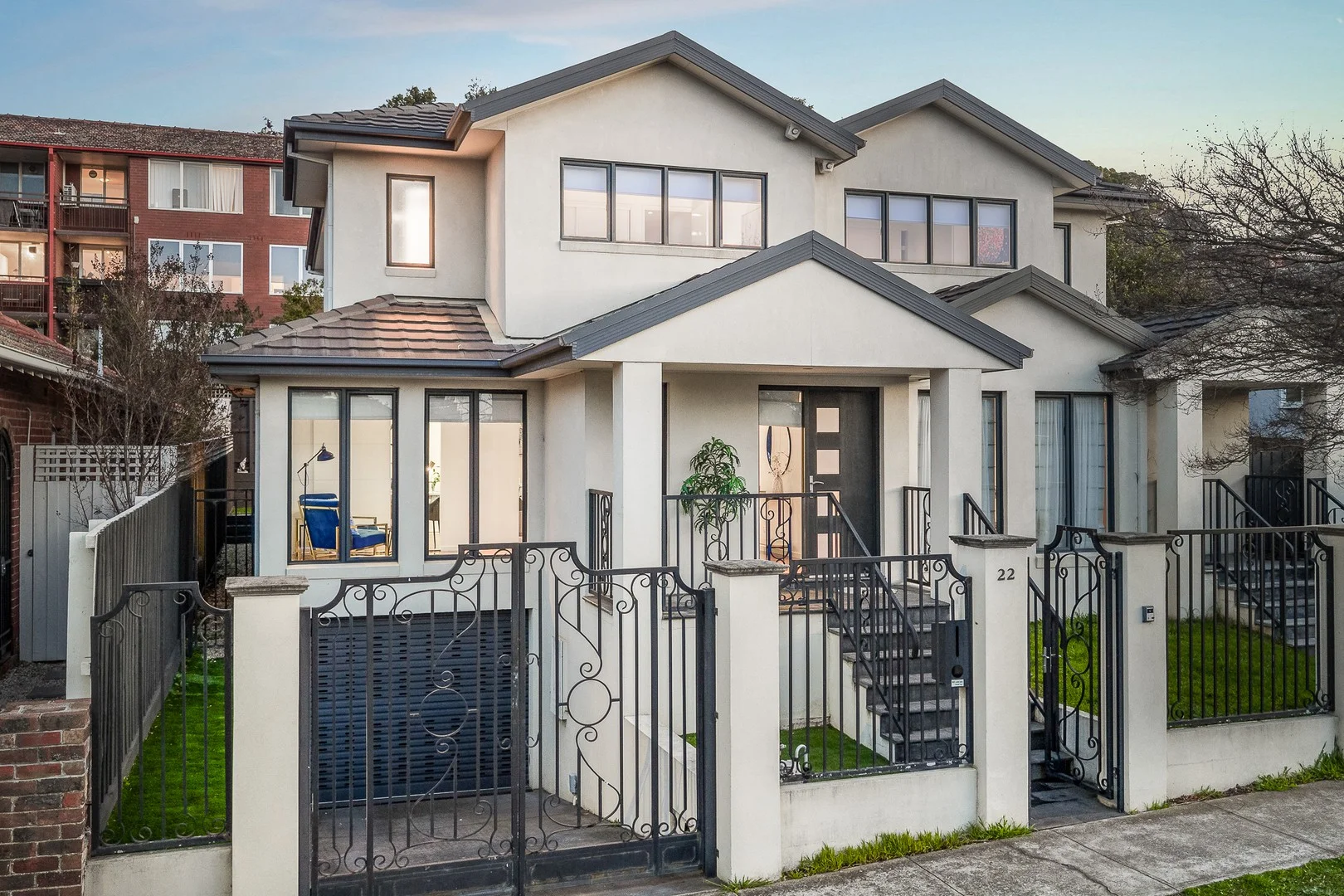 $2,390,000
Townhouse
$2,390,000
Townhouse
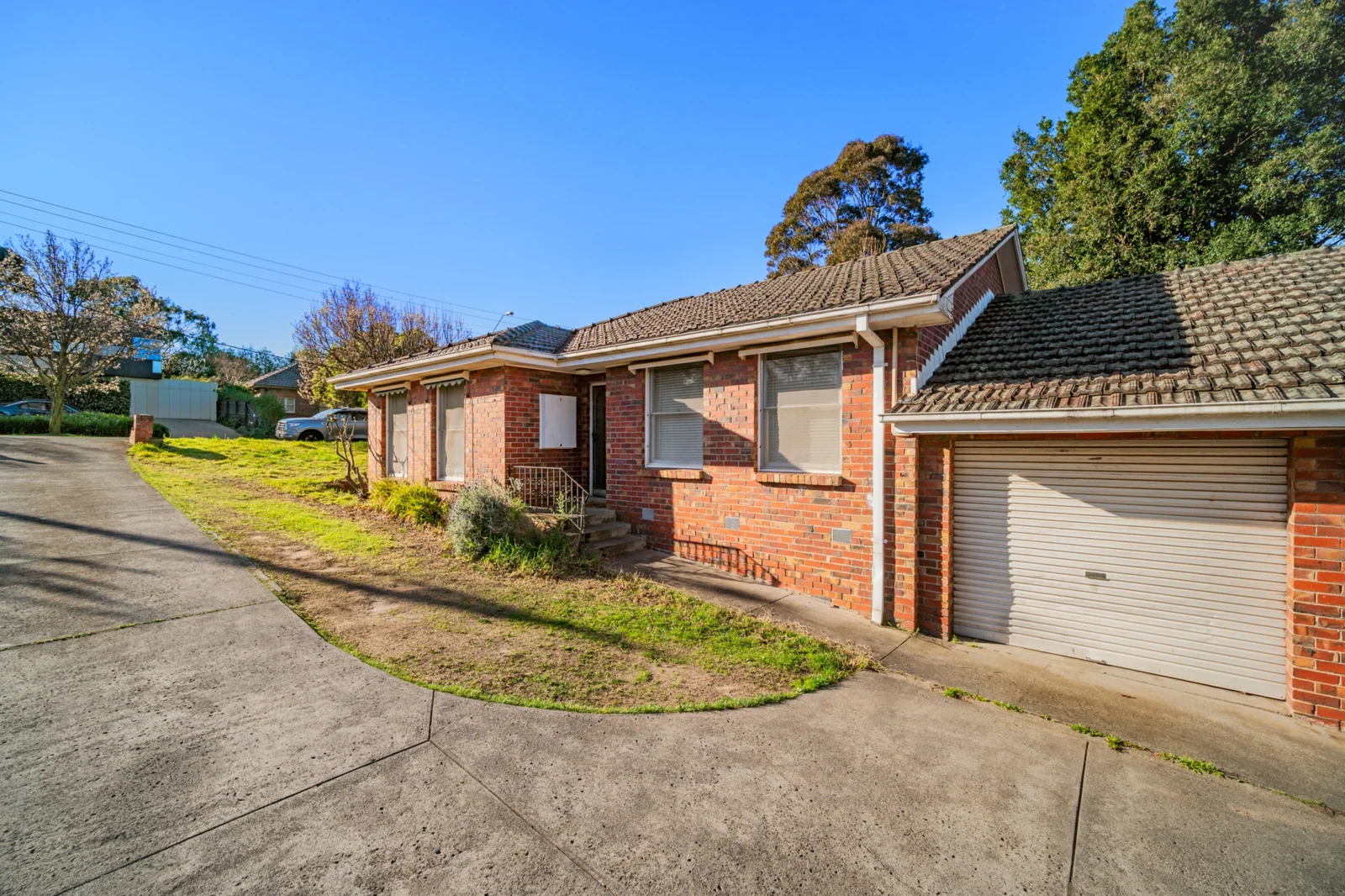 $580
Apartment / Unit / Flat
$580
Apartment / Unit / Flat
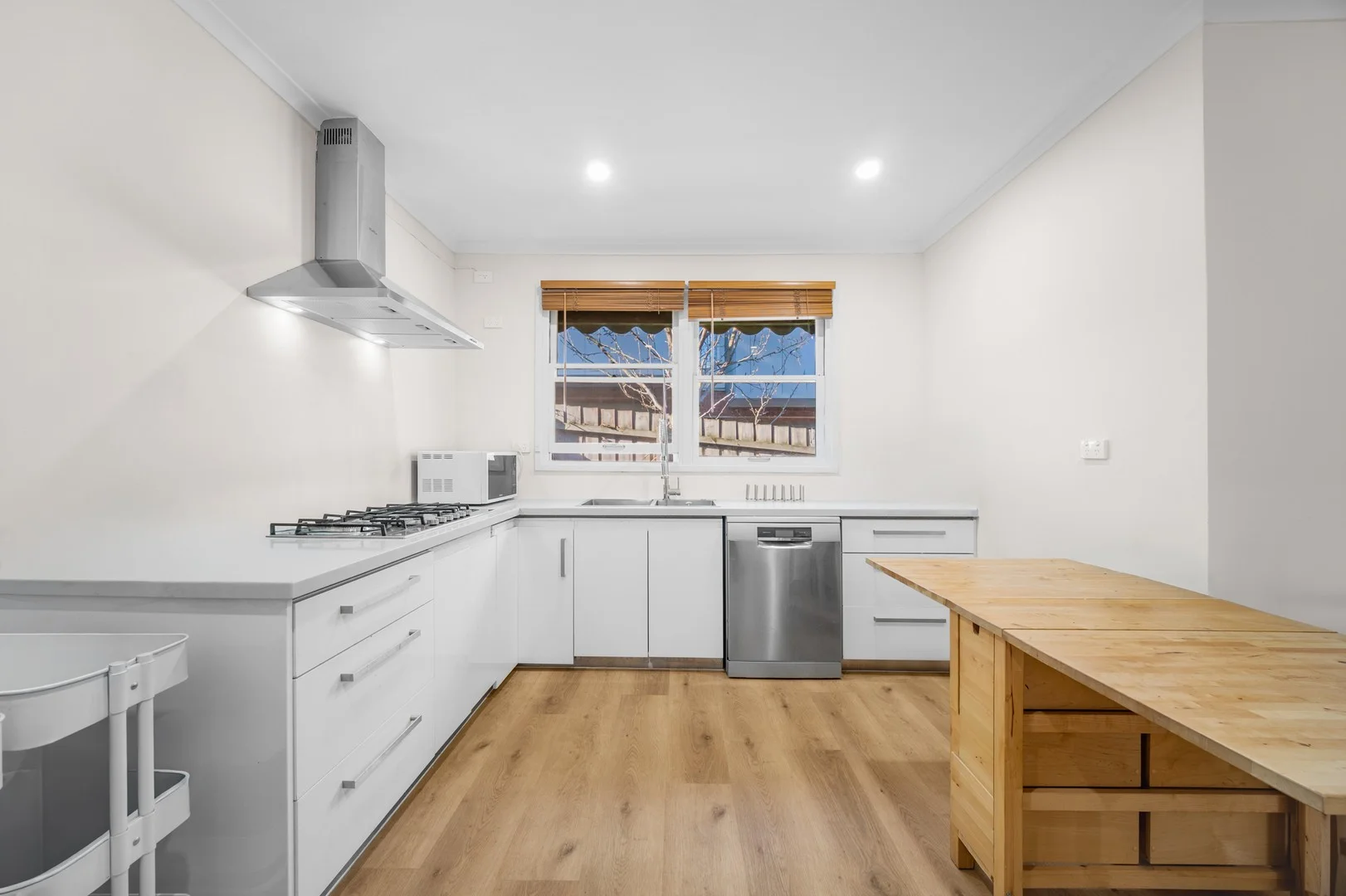 $680
Apartment / Unit / Flat
$680
Apartment / Unit / Flat
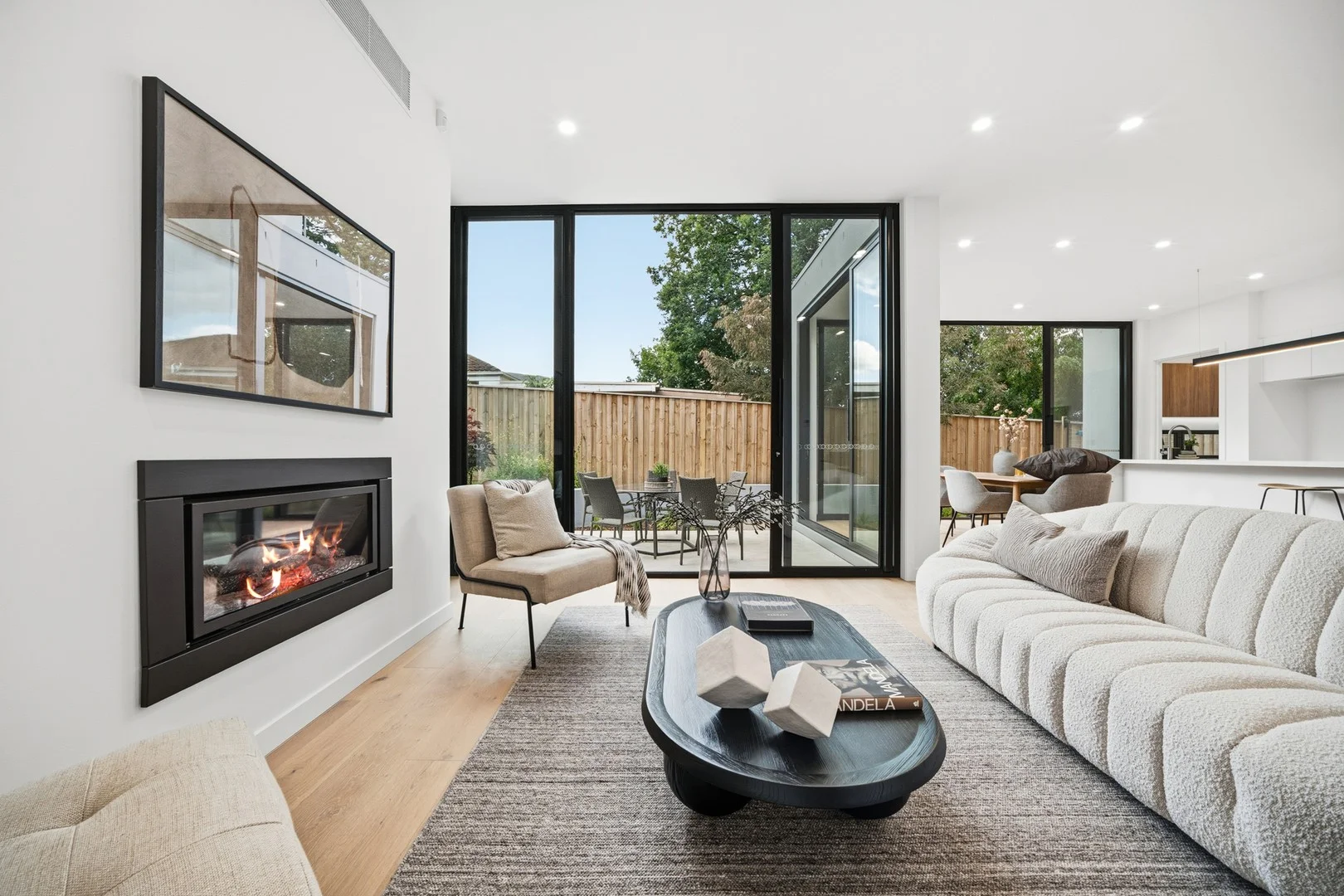 $1,750,000
Townhouse
$1,750,000
Townhouse
 $630,000 - $680,000
Apartment / Unit / Flat
$630,000 - $680,000
Apartment / Unit / Flat
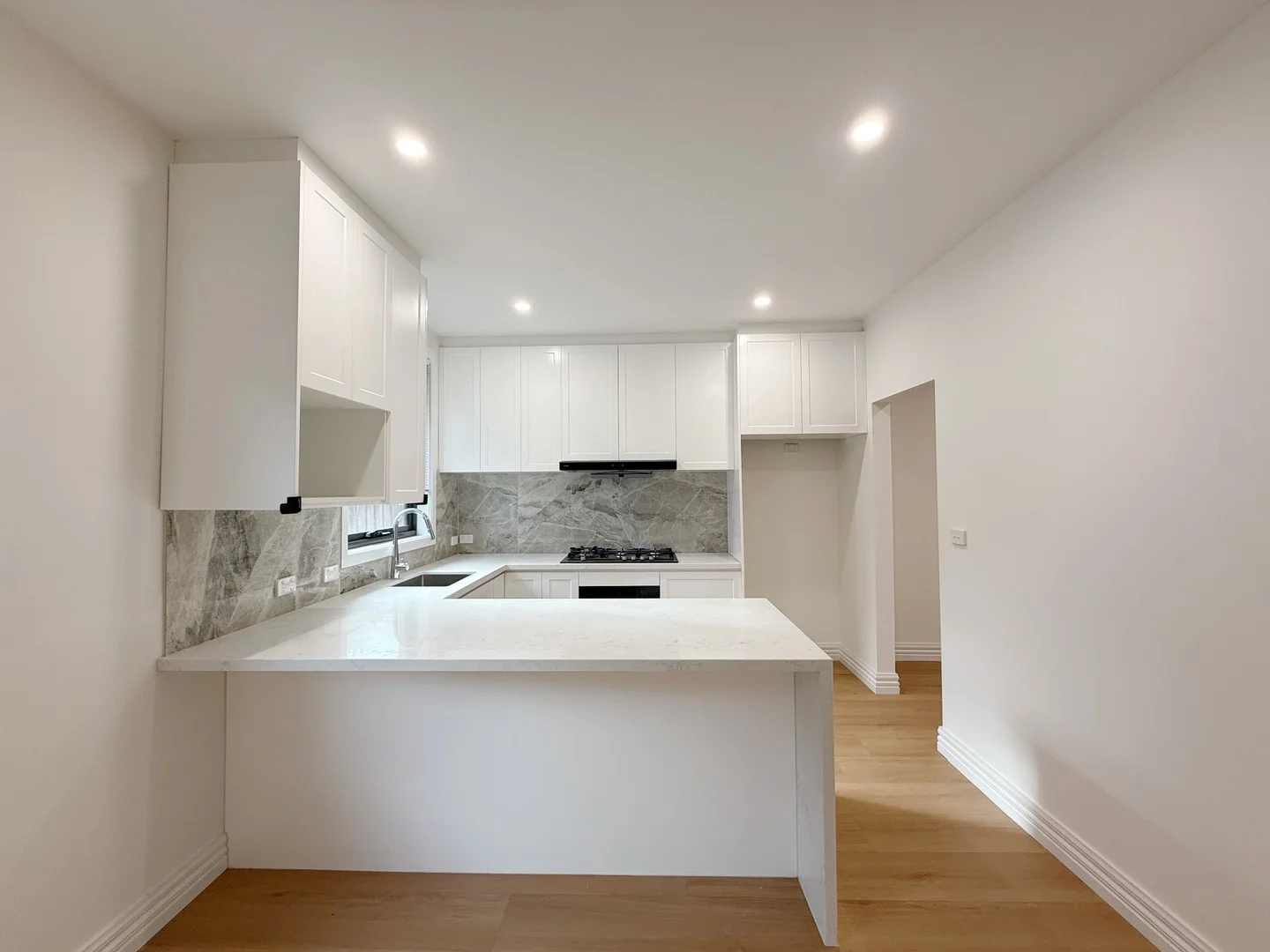 $1,280
House
$1,280
House
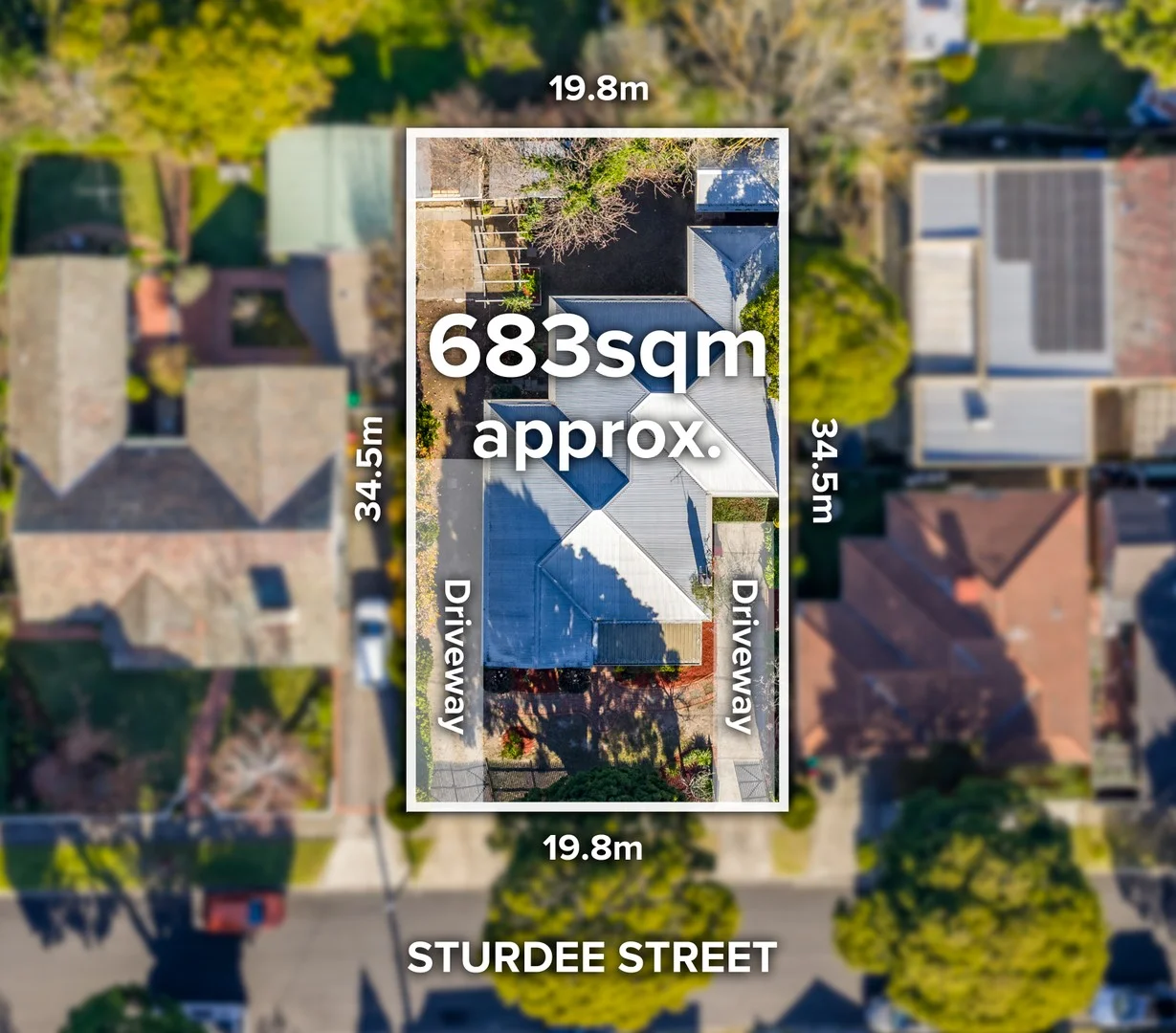 $2,000,000
House
$2,000,000
House
 $1,600,000 - $1,750,000
House
$1,600,000 - $1,750,000
House