## 1. Overview
Camberwell Girls Grammar School is an independent, Anglican-affiliated day school for girls located in Canterbury, Melbourne. The school offers a comprehensive K–12 program with a strong emphasis on academic excellence, leadership development and a well-rounded co-curricular calendar. Its size and facilities support a broad range of learning opportunities, with a culture that balances high expectations with warmth and inclusivity. The atmosphere is generally nurturing and academically focused, while also valuing sport, arts and community involvement.
The school is known for its inclusive environment, dedicated teaching staff and active student life. Class sizes are designed to foster close teacher–student interactions, and there is a strong emphasis on developing confident, respectful young women who contribute to both school and community life.
⸻
## 2. Academics & Learning
- Academic strengths: The school places a strong emphasis on STEM, English and languages, complemented by a robust leadership development program and opportunities for academic extension across year levels.
- Special programs: Provision for gifted and talented learners, accelerated learning options in appropriate year levels, and leadership-focused initiatives are part of the curriculum. The senior years typically include a VCE pathway with opportunities for study across core and elective subjects.
- NAPLAN trends: NAPLAN results for the school have shown stability and strength relative to state and national averages, with notable consistency in writing and numeracy over recent years and positive year-on-year improvements in specific cohorts.
- Student-teacher ratios: Class sizes and teacher contact are structured to enable meaningful interaction, with smaller groups in the junior years and engaged, supportive teacher involvement across all year levels. Typical ratios sit around the low teens.
- Support for diverse learners: Dedicated learning support and EAL (English as an Additional Language) programs are available, along with SEN support and access to specialist staff to assist students requiring additional help or accommodations.
⸻
## 3. Sports & Extracurricular Strengths
- Sports offered: Netball, hockey, tennis, basketball, athletics, swimming, cross-country and other school sport programs are available, with opportunities to represent the school in interschool competitions.
- Strong teams or achievements: The school supports competitive teams across multiple sports, with a track record of success in interschool and age-group competitions and a culture that encourages participation at both elite and development levels.
- Music, arts, drama programs: A comprehensive music program includes ensembles, choirs and instrument tuition, along with strong drama and performing arts productions and facilities that support creativity and stage work.
- Clubs: Robotics, chess, coding, debating and other clubs provide extended opportunities for students to explore interests beyond the classroom.
- Partnerships: The school participates in local and regional competitions and partnerships with external arts, science and sporting programs to broaden student experiences and provide external benchmarking opportunities.
⸻
## 4. Wellbeing & Pastoral Care
- Anti-bullying approach: A whole-school approach to wellbeing and anti-bullying, with clear policies and education to promote respectful behavior and a safe learning environment.
- House system: A house-based pastoral framework supports regular activities, mentorship and peer support, fostering belonging and positive competition.
- Counsellors / wellbeing officers: On-site counsellors and wellbeing staff provide accessible support for students, families and transition periods.
- Transition support for new students: Orientation programs, buddy systems and targeted transition support help new students settle in comfortably and quickly.
⸻
## 5. Facilities
- Sports grounds: On-site sports facilities and grounds to support physical education and team sports.
- Libraries: Dedicated library spaces with resources to support reading, research and study.
- Science labs: Well-equipped science laboratories for practical experiments and project work.
- Music/performing arts centers: Facilities that support music education, rehearsals and performances.
- Tech/innovation labs: Modern classrooms and labs for technology, coding and innovation projects.
- Cafeteria: On-site canteen and dining facilities offering student-friendly options.
- Updated playgrounds: Contemporary outdoor spaces designed for safe play and active learning.
⸻
## 6. School Values & Community Culture
- School values / mission: The school communicates a values-driven ethos, often centered on qualities such as integrity, compassion, courage, respect and inclusivity.
- Leadership style: A collaborative, student-centered leadership approach that encourages student voice and responsibility through formal programs and daily practice.
- Behaviour expectations: Clear codes of conduct and expectations around conduct, respect, responsibility and contribution to the school community.
- Community reputation: The school is widely regarded for strong family involvement, a supportive alumnae network and a positive, engaged parent community.
- Diversity & inclusion: A commitment to diversity and inclusive practices with programs and policies designed to welcome students from varied backgrounds.
⸻
## 7. School Logistics & Daily Operations
- School hours: Typical school day runs during standard school hours with a schedule that may include early and late dismissal on specific days or for assemblies and events.
- Before/after school care: Local options or on-site care programs are commonly available to support working families.
- Uniform requirements: A specified uniform policy with seasonal alterations (summer and winter) and appropriate accessories.
- Transport (train/bus routes): Access to public transport (train and bus routes) and nearby drop-off/pick-up arrangements are part of the logistics, with some families using school transportation options.
- Canteen availability: On-site canteen or snack facilities with meal options for students.
- Fees (low/medium/high ranges): Fees are in the higher range relative to local independent schools, reflecting comprehensive programs, facilities and services; school levies or extra costs may apply for specific activities.
⸻
## 8. Enrolment & Admissions
- 11. What is the enrolment process and timeline?
- Applications are typically submitted online, followed by documentation review, potential assessments or interviews, and a formal offer of place if a vacancy exists. The timeline varies by year level and intake, with open days and enrolment rounds held periodically. Families may be advised of documentation deadlines and interview slots during the process.
- 12. Is there a waiting list, and how does it work?
- There is often a waiting list for popular year levels or entry points. Priority may be given to siblings or returning families, with the length of the waitlist influenced by vacancies, cohort balance and year-level demand. The school will provide an estimated timeline if a waitlist applies.
- 13. Are there any entry requirements, tests, or interviews?
- Entry typically involves an application, interviews or information sessions, and may include age-appropriate assessments or tasks to gauge readiness and fit. The precise requirements can vary by year level and program.
- 14. Does the school accept mid-year transfers?
- Mid-year transfers may be possible depending on space and subject/year-level availability. Transfer candidates usually provide prior school reports, transcripts and may undergo an interview or assessment as part of the acceptance process.
⸻
## 9. Frequently Asked Questions
- “Why Parents Choose This School?”
- Parents often choose the school for its independent, values-based education, strong academic focus, supportive wellbeing environment and broad extracurricular opportunities that cater to diverse interests.
- “What type of student thrives at this school?”
- Students who are motivated, collaborative, curious and eager to be part of a community that values leadership, service, academics and the arts typically thrive here.
- “What opportunities are available for students to extend their skills (academics, sports, arts)?”
- There are enrichment options across STEM, languages, leadership programs, advanced subjects in the senior years, and a wide range of sports, music, drama and clubs to broaden talents.
- “How does the school communicate with parents?”
- Communication channels include regular newsletters, parent portals, email updates, parent-teacher interviews and attendance at assemblies and events.
- “What is the school’s approach to teaching and learning?”
- The school emphasizes a student-centered approach with rigorous academics, differentiated instruction, and opportunities for inquiry-based learning and leadership experiences.
- “How does the school support students who need extra academic help?”
- There are learning support services, EAL programs and access to specialist staff to assist students requiring additional assistance or accommodations.
- “What support is available for academic challenges?”
- Targeted tutoring, mentoring, study skills programs and tailored support plans are commonly available to meet individual needs.
- “What are the class sizes and how much individual attention do students receive?”
- Class sizes are designed to enable meaningful teacher-student interaction, with smaller groups in the junior years and active teacher involvement across all levels. Exact numbers vary by year and subject.
- “What extracurricular and sports opportunities are available?”
- A broad spectrum of sports, music, drama and clubs (robotics, chess, coding, debating, etc.) are offered to suit a range of interests and talents.
- “What facilities does the school offer (sports, science, arts)?”
- Facilities include sports grounds, libraries, science labs, music/performing arts centers, tech/innovation labs, canteen and updated outdoor spaces.
- “What is the school’s approach to technology and digital learning?”
- Technology and digital literacy are integrated into the learning program, with dedicated facilities and teachers guiding responsible and innovative use of digital tools.
- “What transport and accessibility options are available?”
- Access via public transport (train and bus routes) and convenient school drop-off/pick-up arrangements are provided, with information available to families.
- “What are the typical school fees or additional costs?”
- Tuition and associated fees are in the higher range for independent schools in the area, with some additional costs for materials, activities and levies depending on year level and programs.
⸻
## 10. Short Pros & Cons list
- Pros
- Independent, girls-only, Anglican-affiliated school with a broad range of academic and co-curricular options.
- Strong emphasis on wellbeing, pastoral care and a supportive community.
- Comprehensive facilities and resources across STEM, arts, sport and performing arts.
- Wide range of clubs and partnerships, with opportunities for leadership and enrichment.
- Cons
- Fees are in the higher range for independent schooling.
- Competitive environment may not suit every student; some may prefer smaller or different-school dynamics.
- Preference for in-person involvement may require active participation in after-school programs.

 $57+
$57+













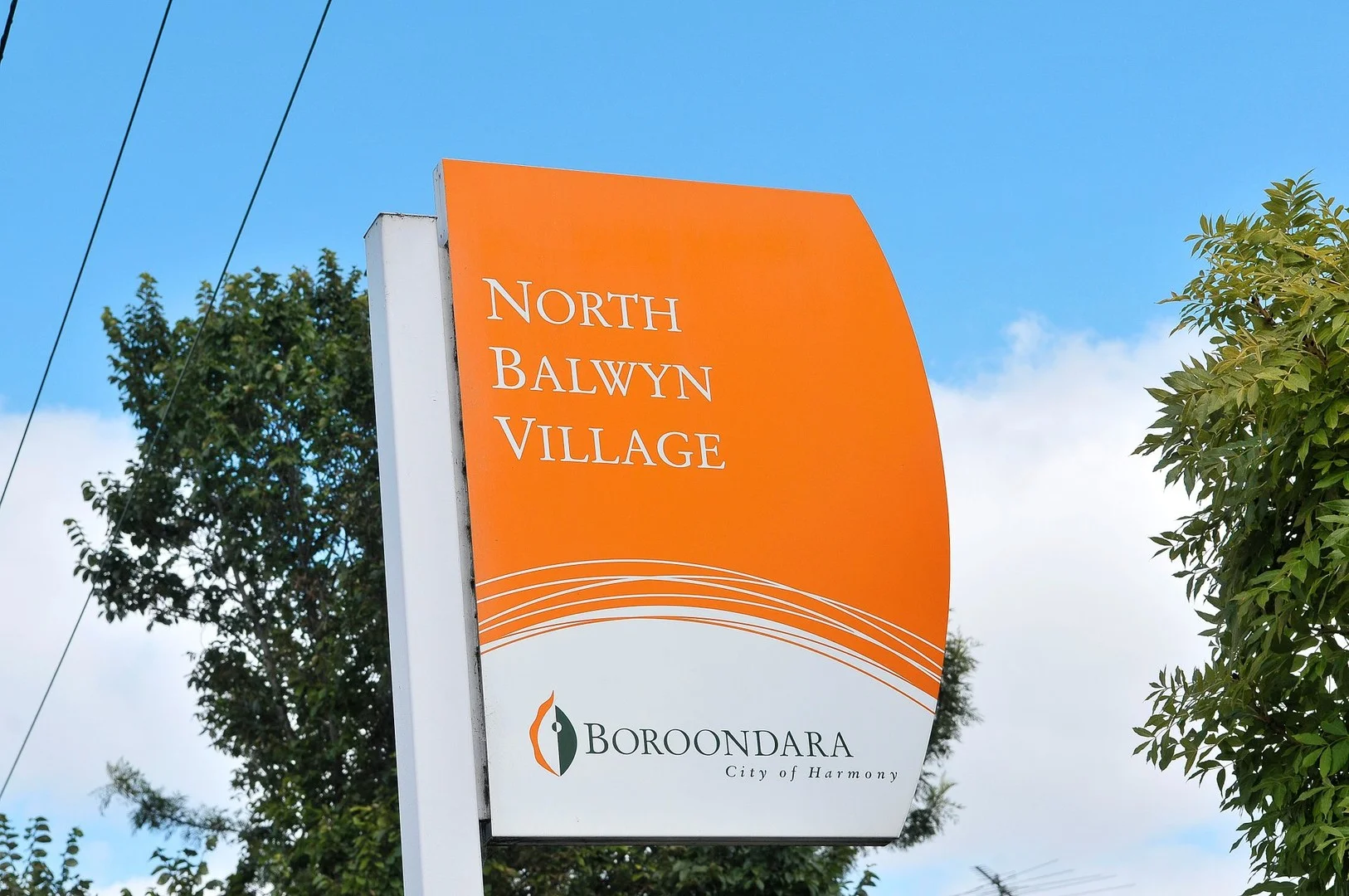 $1,250,000
Apartment / Unit / Flat
$1,250,000
Apartment / Unit / Flat
 $580
Apartment / Unit / Flat
$580
Apartment / Unit / Flat
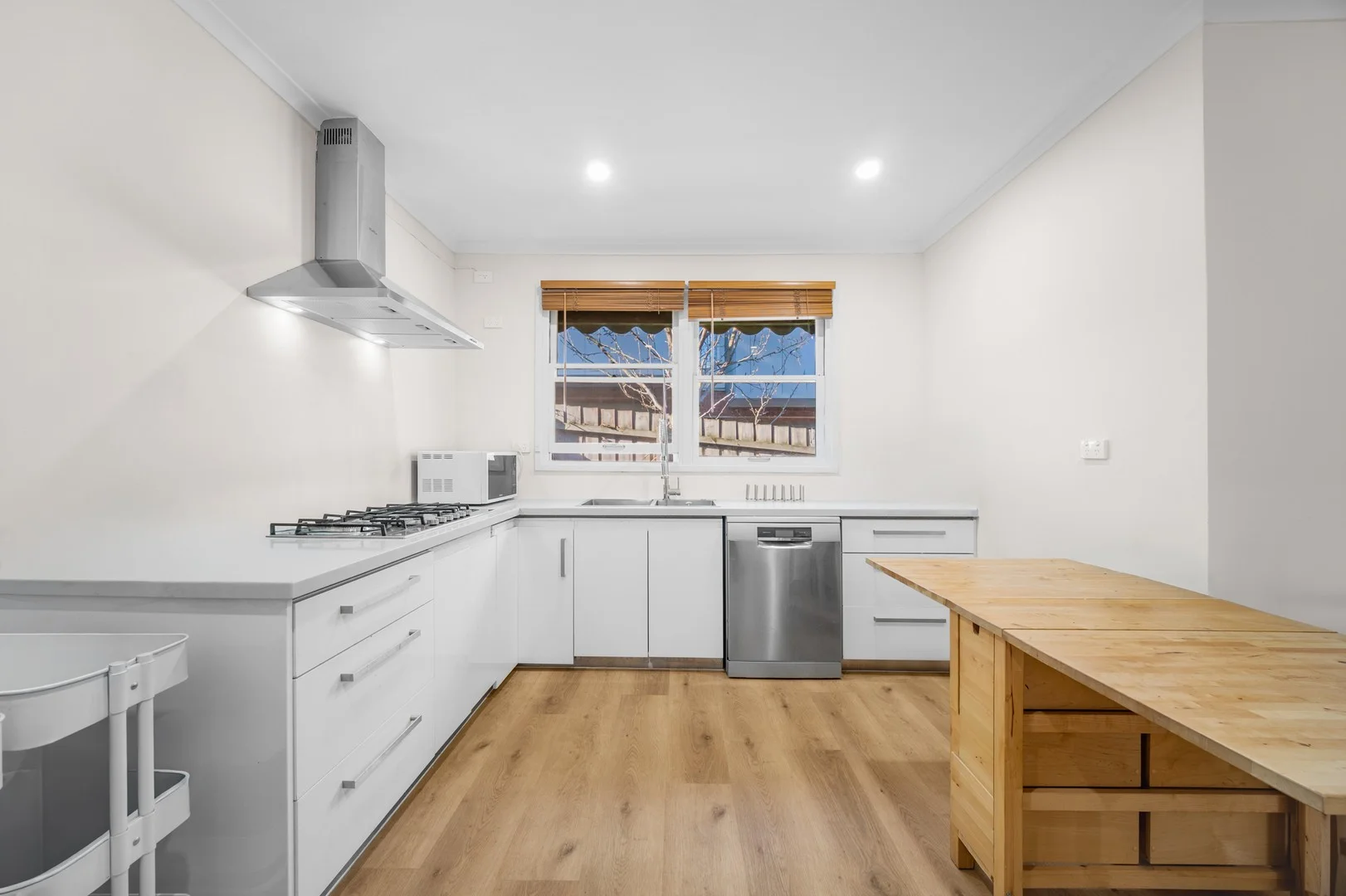 $680
Apartment / Unit / Flat
$680
Apartment / Unit / Flat
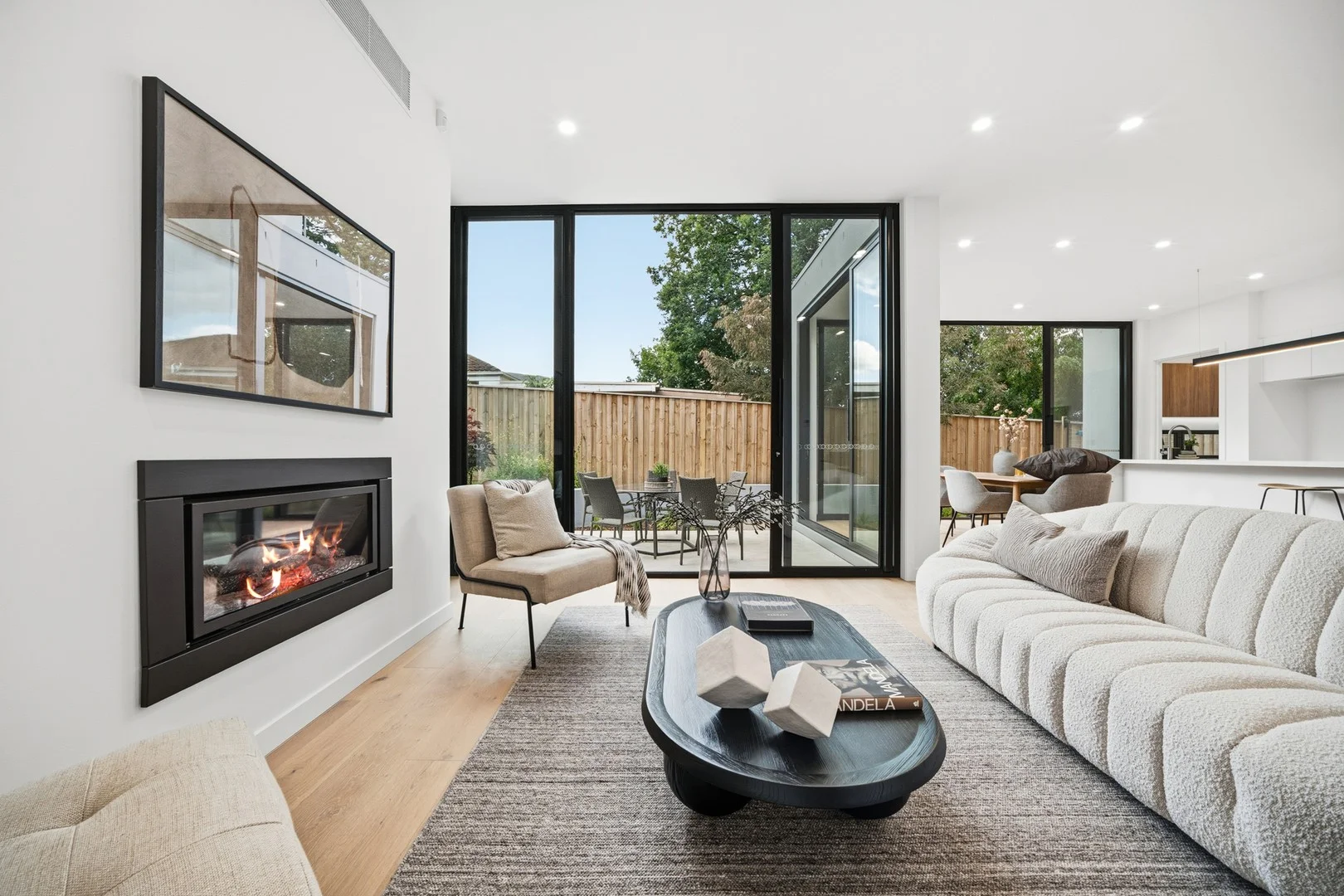 $1,750,000
Townhouse
$1,750,000
Townhouse
 $1,600,000 - $1,750,000
House
$1,600,000 - $1,750,000
House
 $2,550,000
House
$2,550,000
House
 $630,000 - $680,000
Apartment / Unit / Flat
$630,000 - $680,000
Apartment / Unit / Flat
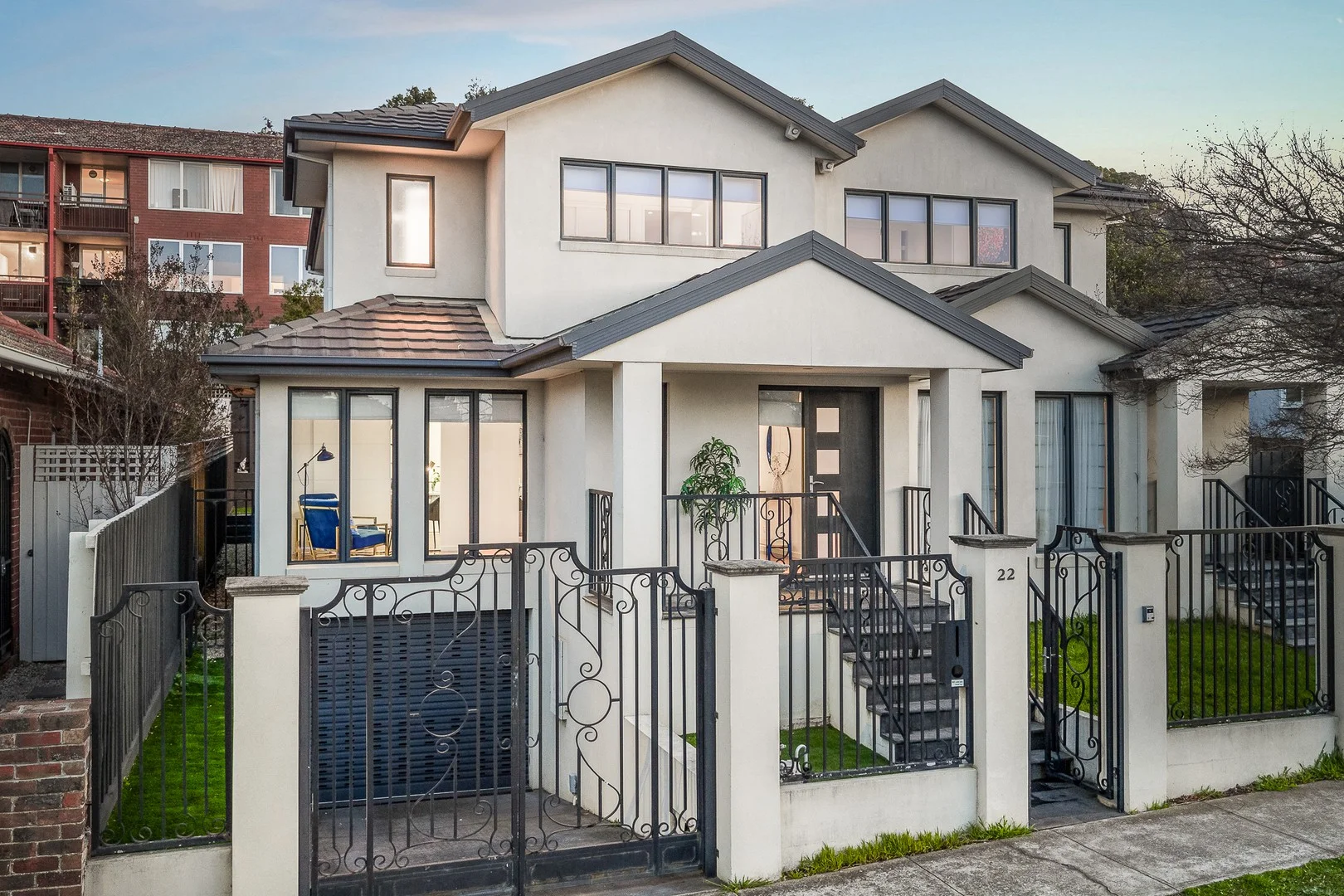 $2,100,000
Townhouse
$2,100,000
Townhouse
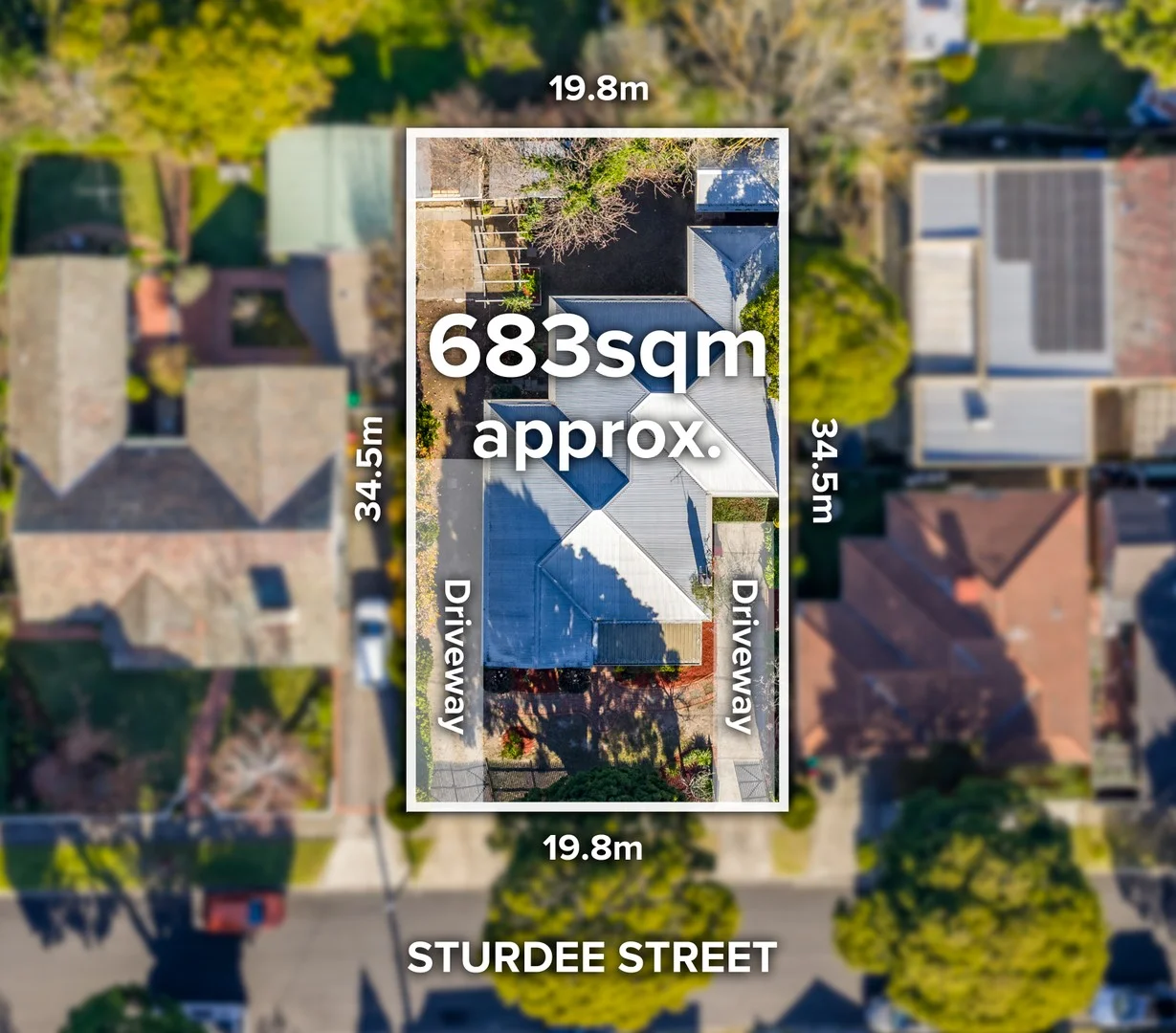 $2,000,000
House
$2,000,000
House


