Overview
1. Overview
SEDA WA Wembley is an independent private college in Wembley, Western Australia, focused on drama and the performing arts while delivering a balanced academic program. The school supports students who are passionate about performance with a structured, career-friendly approach to arts education and general schooling.
The campus tends to be small to medium in size, with intimate class settings that encourage collaboration and hands-on learning. The atmosphere is creative, inclusive, and supportive, helping students develop artistic confidence alongside core academic skills.
⸻
2. Academics & Learning
- Academic strengths: Strong emphasis on performing arts alongside English and communication skills. Students often develop presentation, collaboration, and creative thinking through project-based work and productions.
- Special programs: Drama and performing-arts focused curriculum, with opportunities for practical productions and theatre-related projects. Leadership and teamwork development are integrated through team-based performances and school productions.
- NAPLAN / Ofsted trends: Publicly published NAPLAN scores are not the primary measure for this type of school; trends are typically monitored internally through assessments, productions, and portfolio work to show ongoing progress rather than singling out scores.
- Student-teacher ratios: Small-to-moderate class sizes that enable personalized feedback and closer teacher-student interaction.
- Support for diverse learners: EAL (English as an Additional Language) support and targeted learning assistance are available to help diverse learners access the curriculum and participate in activities.
⸻
3. Sports & Extracurricular Strengths
- Sports offered: A range of school sports is typically available, including team and individual options such as basketball, soccer, netball, athletics, and aquatic pursuits as part of broader health and fitness programs.
- Strong teams or achievements: Emphasis on participation, teamwork, and personal development; achievements are often highlighted through production titles, school showcases, and local arts events rather than solely competitive sports results.
- Music, arts, drama programs: Robust performing arts program with acting, singing, dance, stagecraft, and related disciplines; regular school productions and public performances.
- Clubs: robotics, chess, coding, debating, and other clubs support STEM, logic, and communication skills alongside arts activities.
- Partnerships: Collaborations with local arts companies, theatres, dance studios, and regional arts competitions to provide real-world experience and performance opportunities.
⸻
4. Wellbeing & Pastoral Care
- Anti-bullying approach: Clear policies and proactive initiatives to create a respectful, safe learning environment, with staff training and student education.
- House system: A house or pastoral grouping helps build belonging, mentoring, and healthy competition across activities and events.
- Counsellors / wellbeing officers: Access to student support staff, including counsellors or wellbeing officers, to support mental health, resilience, and social-emotional learning.
- Transition support for new students: Orientation programs, buddy systems, and dedicated staff to help new students settle into both academic and performing-arts routines.
⸻
5. Facilities
- Sports grounds: Outdoor spaces suitable for games, fitness, and warm-ups.
- Libraries: On-site libraries or resource centers with fiction, non-fiction, and study spaces.
- Science labs: Dedicated science facilities to support core subjects and inquiry-based learning.
- Music/performing arts centers: Rehearsal spaces, music rooms, dance studios, and performance venues to support productions.
- Tech/innovation labs: Creative tech labs and media/stage-technology facilities to support lighting, sound, and multimedia production.
- Cafeteria: On-site dining or canteen facilities for students.
- Updated playgrounds: Modern and maintained outdoor areas suitable for breaks and informal activities.
⸻
6. School Values & Community Culture
- Values / mission: A commitment to artistic excellence, collaboration, and academic achievement within a caring, inclusive community.
- Leadership style: Student-centered and collaborative, with opportunities for student voice in clubs, productions, and leadership roles.
- Behaviour expectations: Clear standards for respect, responsibility, inclusivity, and safety.
- Community reputation: Recognized for its arts-focused environment, supportive staff, and emphasis on holistic development.
- Diversity & inclusion: Emphasis on an inclusive culture that welcomes students from diverse backgrounds and fosters belonging.
⸻
7. School Logistics & Daily Operations
- School hours: Typical day runs during standard school hours, with rehearsals or productions sometimes extending into late afternoons or evenings for performances.
- Before/after school care: Availability varies; some supervision or care options may be offered or arranged through partnerships or by request.
- Uniform requirements: School uniform or dress code applicable to daily classes, with additional costumes or rehearsal attire for performances as needed.
- Transport (train/bus routes): Accessible by public transport with nearby bus/train routes; information on routes is provided by admissions.
- Canteen availability: On-site canteen or lunch facilities; snacks and meals available during the day.
- Fees (low/medium/high ranges): Fees are typical of private/independent schools and reflect program breadth, facilities, and extras such as productions and materials.
⸻
8. Enrolment & Admissions
11. What is the enrolment process and timeline?
- Applicants submit an online or paper application with supporting documents (academic records, identification). Where relevant, audition or portfolio submissions for the performing-arts program are required. Following review, families may be invited to an interview or audition. Offers are made, and enrolment is finalized with acceptance, fees, and orientation. Timeline varies by intake and space availability but typically spans a few weeks to a couple of months.
12. Is there a waiting list, and how does it work?
- Waiting lists can apply when spaces are limited. Applicants on the list are considered as spaces open up, with priority given according to audition results, readiness, and potential fit with the program and cohort.
13. Are there any entry requirements, tests, or interviews?
- Yes. Drama or performing-arts track entries usually require an audition or portfolio review. Academic records, immunisation status (as required by local policies), and proof of residency may also be requested. Some programs may have interview components to assess fit and motivation.
14. Does the school accept mid-year transfers?
- Mid-year transfers may be possible if there is space and the student’s academic and arts program needs can be accommodated. Prospective transfer students should contact the admissions team to review availability and requirements.
⸻
9. Frequently Asked Questions
- Why Parents Choose This School?
- What type of student thrives at this school?
- What opportunities are available for students to extend their skills (academics, sports, arts)?
- How does the school communicate with parents?
- What is the school’s approach to teaching and learning?
- How does the school support students who need extra academic help?
- What support is available for academic challenges?
- How does the school communicate with parents?
- What are the class sizes and how much individual attention do students receive?
- What extracurricular and sports opportunities are available?
- What facilities does the school offer (sports, science, arts)?
- What is the school’s approach to technology and digital learning?
- What transport and accessibility options are available?
- What are the typical school fees or additional costs?
Answers are provided throughout this profile to reflect a holistic, arts-focused independent approach, with emphasis on small-class learning, student wellbeing, and opportunities in drama and the performing arts, while still delivering core academic foundations and practical productions. Families are encouraged to contact the admissions team for the most current details on programs, schedules, and costs.
⸻
10. Short Pros & Cons list
Pros
- Strong emphasis on performing arts with real production experience
- Small-to-medium class sizes supporting personalized feedback
- Inclusive, creative, and collaborative school culture
- Access to dedicated arts facilities and partnerships with local arts groups
- Comprehensive wellbeing and pastoral support
Cons
- Private/independent school fees; additional costs for costumes, productions, and materials
- Performing-arts focus may mean additional audition requirements and scheduling around productions
- Transportation options depend on location and public transit access
⸻








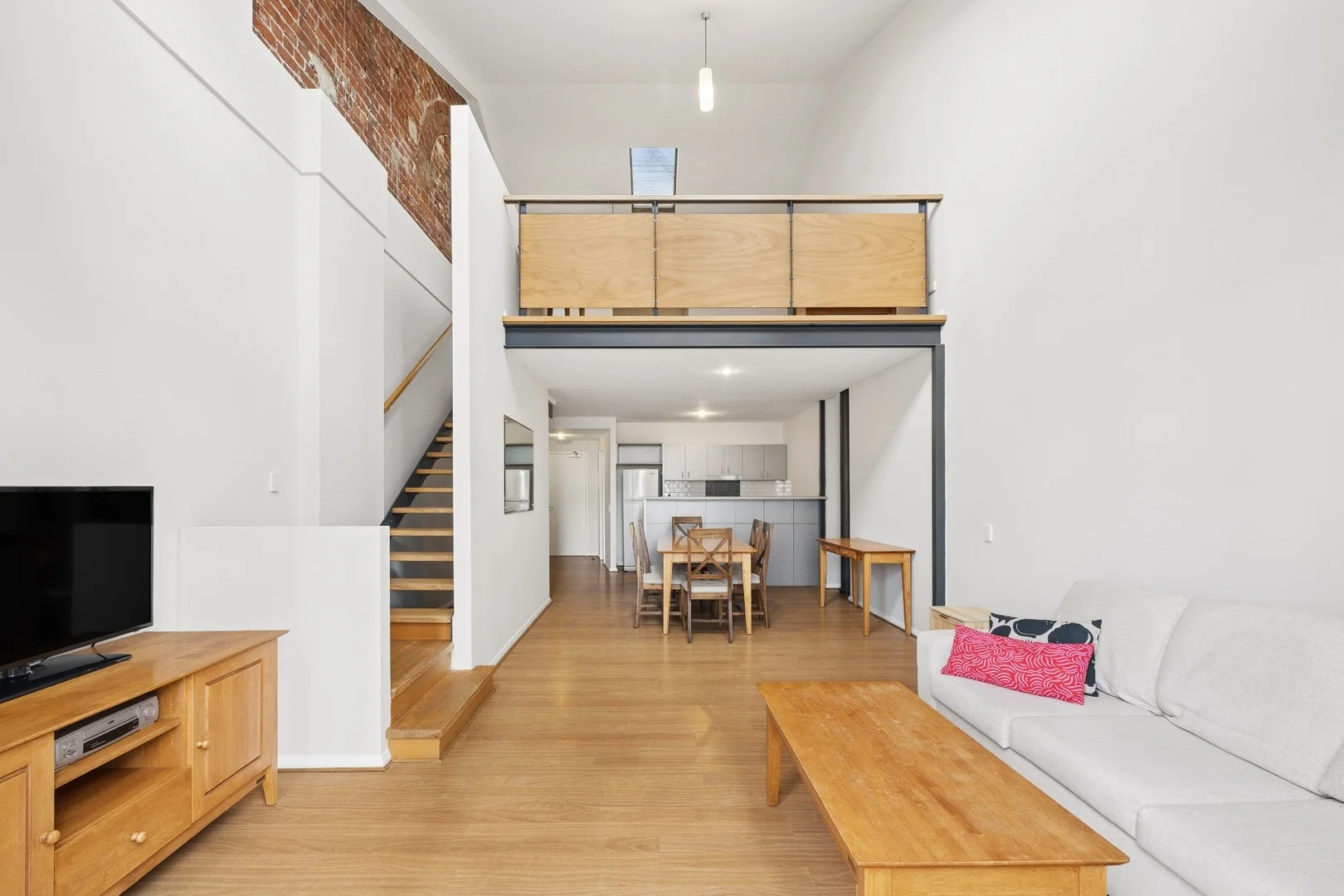 $549,000
Apartment / Unit / Flat
$549,000
Apartment / Unit / Flat
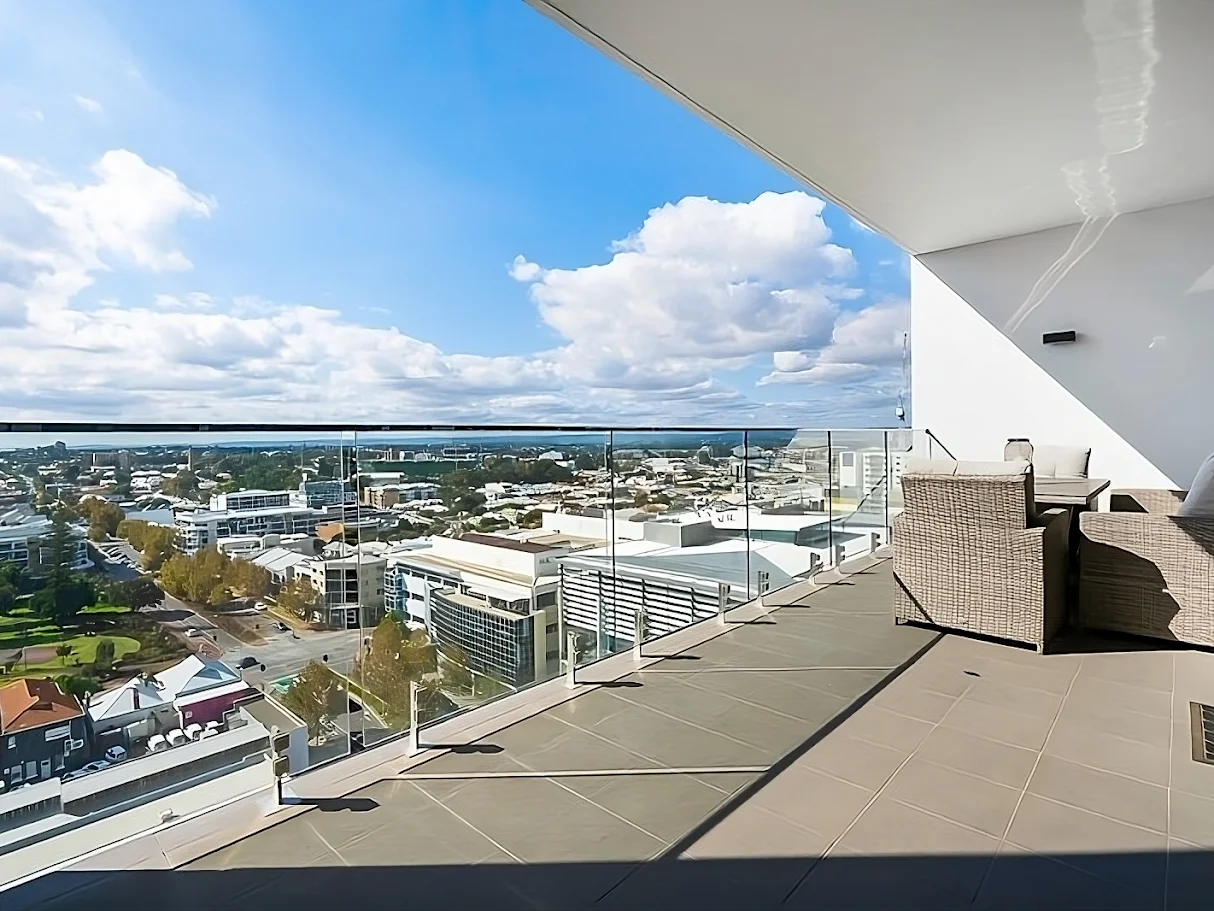 $580,000
Apartment / Unit / Flat
$580,000
Apartment / Unit / Flat
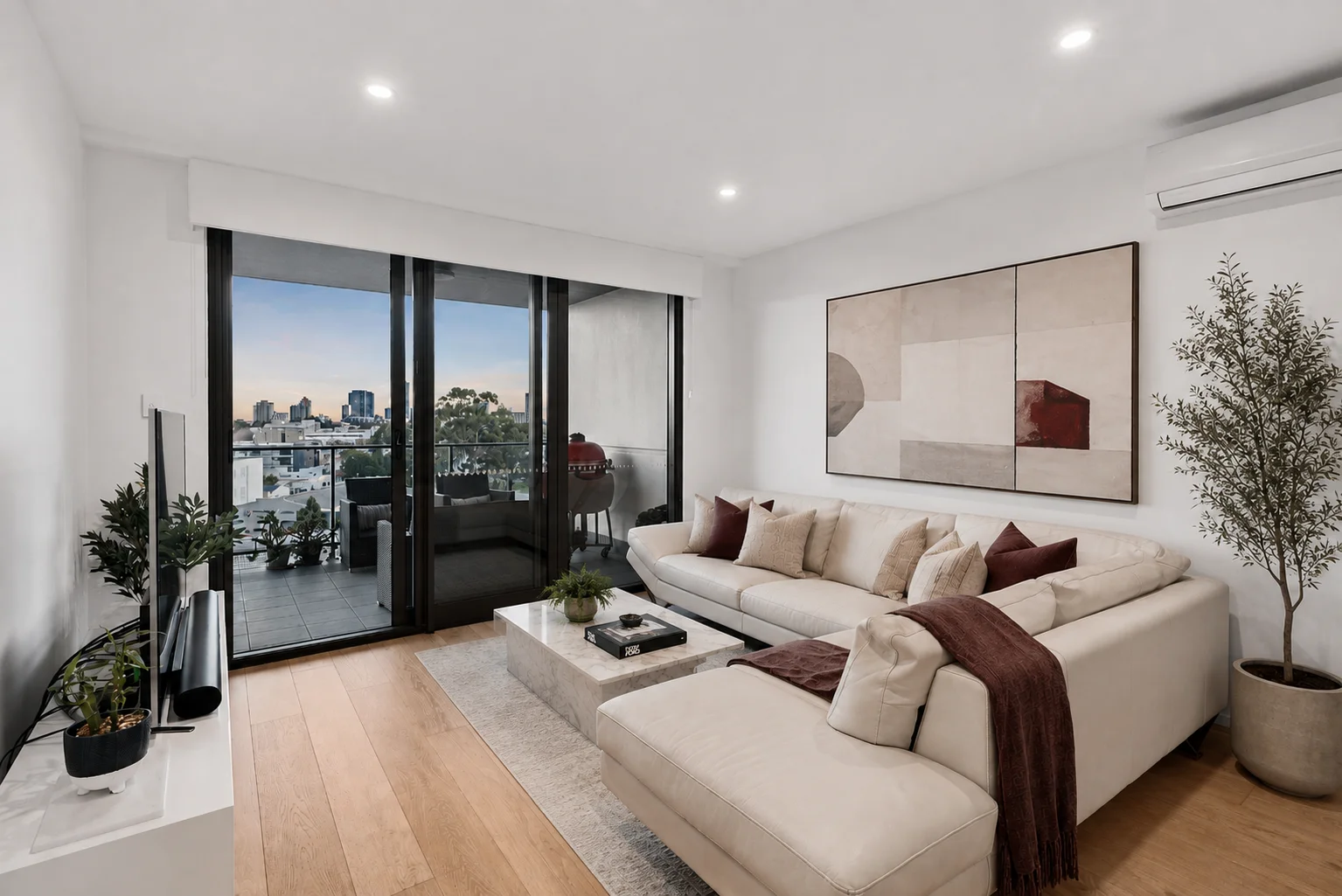 $700,000
Apartment / Unit / Flat
$700,000
Apartment / Unit / Flat
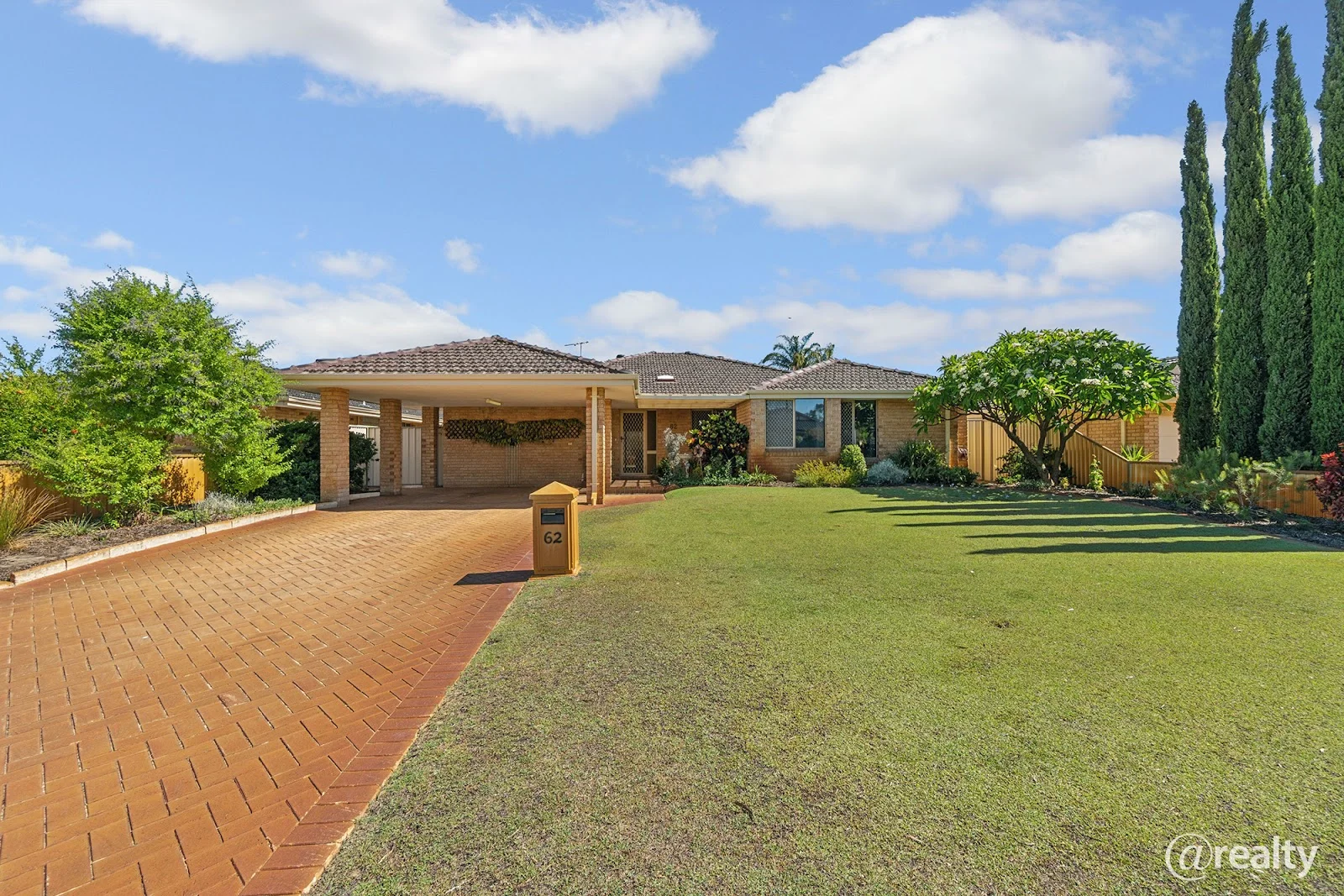 $1,099,000 - $1,153,950
House
$1,099,000 - $1,153,950
House