## 1. Overview
Floreat Park Primary School is a public primary school located in Floreat, WA. The school serves the local community with a medium-sized student body and a focus on creating an inclusive, supportive learning environment where students feel safe to explore, ask questions and grow.
Class sizes are typical for Western Australian public primary schools, with most year levels grouped into small to medium classes. The atmosphere is generally described as welcoming, practical and community-minded, emphasizing student well-being, cooperation and active participation in learning.
⸻
## 2. Academics & Learning
- Academic strengths: A solid emphasis on literacy and numeracy foundation skills, with opportunities to engage in STEM activities and arts-integrated learning. The school typically supports a well-rounded curriculum that fosters critical thinking and problem solving.
- Special programs: WA primary schools commonly offer enrichment opportunities and targeted extension activities; Floreat Park Primary may provide additional in-school extension and collaboration with external providers where available.
- NAPLAN / trends: Trends for primary schools in WA tend to show stable performance relative to state averages, with gradual improvements in reading and numeracy in some years. The school aims to monitor progress and adjust supports accordingly.
- Student-teacher ratios: Class sizes and teacher allocations are designed to balance enabling individual support with collaborative learning; typical ratios for WA primary schools fall in the mid- to high-20s per class range, with directorates providing additional support where needed.
- Support for diverse learners: Strong emphasis on inclusive education, with access to support for EAL (English as an Additional Language) learners and adjustments or supports for students with SEN (Special Educational Needs) as required.
⸻
## 3. Sports & Extracurricular Strengths
- Sports offered: A range of team and individual sports commonly available, including outdoor games, athletics, soccer, netball and cross-country activities appropriate for primary-aged students.
- Strong teams or achievements: The school participates in school-level competitions and events, with opportunities for students to showcase teamwork, resilience and sport-specific skills.
- Music, arts, drama programs: A focus on music and performing arts, with opportunities for students to participate in choirs, instrumental programs and school productions where available.
- Clubs: Robotics, coding, chess and debating clubs are commonly offered, providing avenues for students to apply logic, strategy and creative thinking outside the classroom.
- Partnerships: Local community engagement with clubs, associations or competitions is typical, offering students avenues to participate beyond the school gates.
⸻
## 4. Wellbeing & Pastoral Care
- Anti-bullying approach: Programs and practices aimed at fostering respectful relationships, safe reporting, and proactive intervention to maintain a positive school climate.
- House system: A house-style structure commonly used to build school spirit, friendly competition and peer mentoring across year levels.
- Counsellors / wellbeing officers: Access to school-based wellbeing support through counsellors or wellbeing staff to assist with social, emotional and academic challenges.
- Transition support for new students: Structured orientation and buddy programs to help new students settle in, build connections and feel part of the school community.
⸻
## 5. Facilities
- Sports grounds: Open spaces and designated play areas for physical education and recess.
- Libraries: A school library supporting reading programs and learning activities.
- Science labs: Dedicated spaces for practical science activities and experiments.
- Music/performing arts centers: Facilities or spaces for music practice, rehearsals and performances.
- Tech/innovation labs: Access to technology-rich areas to support coding, digital literacy and project-based learning.
- Cafeteria: On-site canteen or lunch facilities to support daily meal needs.
- Updated playgrounds: Modern, engaging outdoor play equipment and safe play zones.
⸻
## 6. School Values & Community Culture
- School values / mission: A focus on respect, responsibility, inclusion and a positive learning culture that supports student growth.
- Leadership style: Collaborative and student-centered, with leadership opportunities and teacher facilitation to enable student voice.
- Behaviour expectations: Clear codes of conduct that promote respectful behavior, accountability and proactive problem-solving.
- Community reputation: A locally valued school with strong ties to families and a reputation for a supportive, community-minded environment.
- Diversity & inclusion: Commitment to inclusive practices and celebrating diversity within the school community.
⸻
## 7. School Logistics & Daily Operations
- School hours: The day typically runs during standard WA primary hours, with start and finish times aligned to the district schedule; specifics can be confirmed with the school.
- Before/after school care: Availability of before/after care programs or activities to support working families.
- Uniform requirements: A school uniform policy is in place, with details on acceptable attire and any seasonal changes.
- Transport (train/bus routes): Access via local bus services and public transport; families may rely on school-sourced or recommended routes.
- Canteen availability: On-site canteen or lunch facilities that support daily meals and snack options.
- Fees (low/medium/high ranges): Public primary schools in WA charge minimal voluntary contributions and may levy costs for activities beyond the standard curriculum; exact amounts vary by year and program.
⸻
## 8. Enrolment & Admissions
11. What is the enrolment process and timeline?
- Enrolments are typically managed through the WA Department of Education with a catchment-based intake. Applications are usually submitted through the school or regional office, with timelines varying by year. Families should check the school’s intake period and provide required documentation (proof of residency, immunization records, child’s birth certificate, and parent/guardian details).
12. Is there a waiting list, and how does it work?
- If the school is over-subscribed, a waiting list may be formed. Priorities generally follow the Department of Education guidelines, including catchment eligibility and sibling considerations. Availability depends on space at the relevant year level.
13. Are there any entry requirements, tests, or interviews?
- Public primary schools in WA generally do not require entry tests or interviews for standard enrollment. Documentation (proof of residency, immunization status, and birth certificate) is typically all that’s required, though some programs or year-specific arrangements might involve informal assessments or discussions to understand student needs.
14. Does the school accept mid-year transfers?
- Mid-year transfers are possible if space is available, subject to the school’s enrolment processes and the regional intake plan. Parents should contact the school’s administration as early as possible to discuss space and transfer procedures.
⸻
## 9. Frequently Asked Questions
- Why Parents Choose This School?
- Many families choose Floreat Park Primary for its approachable, inclusive environment, focus on literacy and numeracy, and a sense of community where children feel supported to try new things.
- What type of student thrives at this school?
- Students who are curious, cooperative, and motivated to engage in both academic and co-curricular activities tend to thrive. The school supports a range of learners, from those who excel in academics to students who benefit from targeted support and enrichment opportunities.
- What opportunities are available for students to extend their skills (academics, sports, arts)?
- Opportunities typically include enrichment programs in literacy and math, STEM activities, music and performing arts, sports teams, and clubs such as robotics, coding, chess and debating. Extra-curricular and competition involvement is encouraged where possible.
- How does the school communicate with parents?
- Regular communication channels often include newsletters, whole-school notices, email updates, and parent-teacher meetings. Digital platforms may be used to share student progress and school news.
- What is the school’s approach to teaching and learning?
- The school emphasizes foundational skills in literacy and numeracy, hands-on and inquiry-based learning, and a supportive environment that encourages student voice, collaboration and critical thinking.
- How does the school support students who need extra academic help?
- Targeted support via SEN programs and EAL assistance, plus differentiated instruction within classrooms and access to specialist staff, are typical approaches to ensuring students receive appropriate help.
- What support is available for academic challenges?
- Diagnostic assessments, targeted in-class support, and referrals to literacy, numeracy or learning support professionals help address academic challenges. Parents are encouraged to collaborate with teachers to develop individualized plans.
- How does the school communicate with parents?
- See above: through newsletters, meetings, and digital communications; schools often provide timely updates on student progress and school activities.
- What are the class sizes and how much individual attention do students receive?
- Class sizes are typically in the small to medium range for WA primary schools, with teachers delivering both whole-class instruction and targeted small-group or one-on-one support where needed.
- What extracurricular and sports opportunities are available?
- A range of sports along with clubs in robotics, coding, chess and debating are commonly offered, with opportunities to participate in competitions and school events.
- What facilities does the school offer (sports, science, arts)?
- Facilities usually include sports grounds, a library, science labs, music/performing arts space, tech/innovation labs, a canteen and updated play areas.
- What is the school’s approach to technology and digital learning?
- Emphasis on digital literacy, use of age-appropriate technology in learning activities, and integration of coding or computational thinking within the curriculum where possible.
- What transport and accessibility options are available?
- Access typically includes public transport options and established pick-up/drop-off arrangements; detailed routes and accessibility considerations can be confirmed with the school.
- What are the typical school fees or additional costs?
- Being a public school, compulsory tuition is not charged; there are voluntary contributions and potential costs for certain programs or activities beyond the standard curriculum.
⸻
## 10. Short Pros & Cons list
- Pros
- Public, community-focused environment with stable, inclusive culture
- Strong emphasis on literacy and numeracy with opportunities in STEM and arts
- Broad range of extracurriculars and clubs
- Supportive wellbeing and transition programs
- Access to facilities typical of WA primary schools (library, science labs, performing arts spaces)
- Cons
- Class sizes and resources vary by year level and space; some years may have larger cohorts
- Being a public school, selective programs or specialized tracks may be more limited compared with independents
- Transport options rely on local routes and may require coordination for families
⸻
![Storytime at Cambridge Library [Every Thursdays]](https://image.aroundschools.com.au/[object Object]) Free
Free











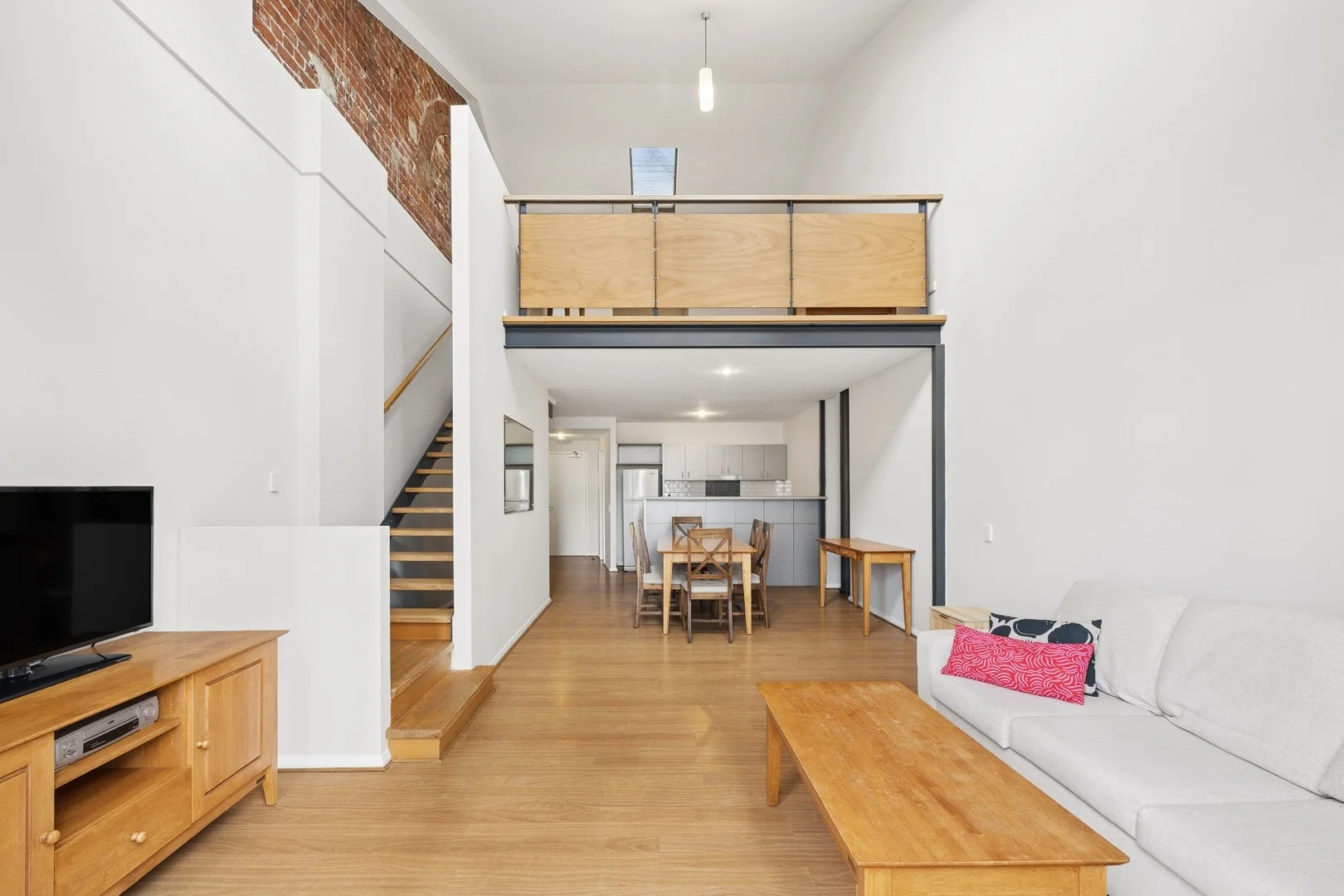 $549,000
Apartment / Unit / Flat
$549,000
Apartment / Unit / Flat
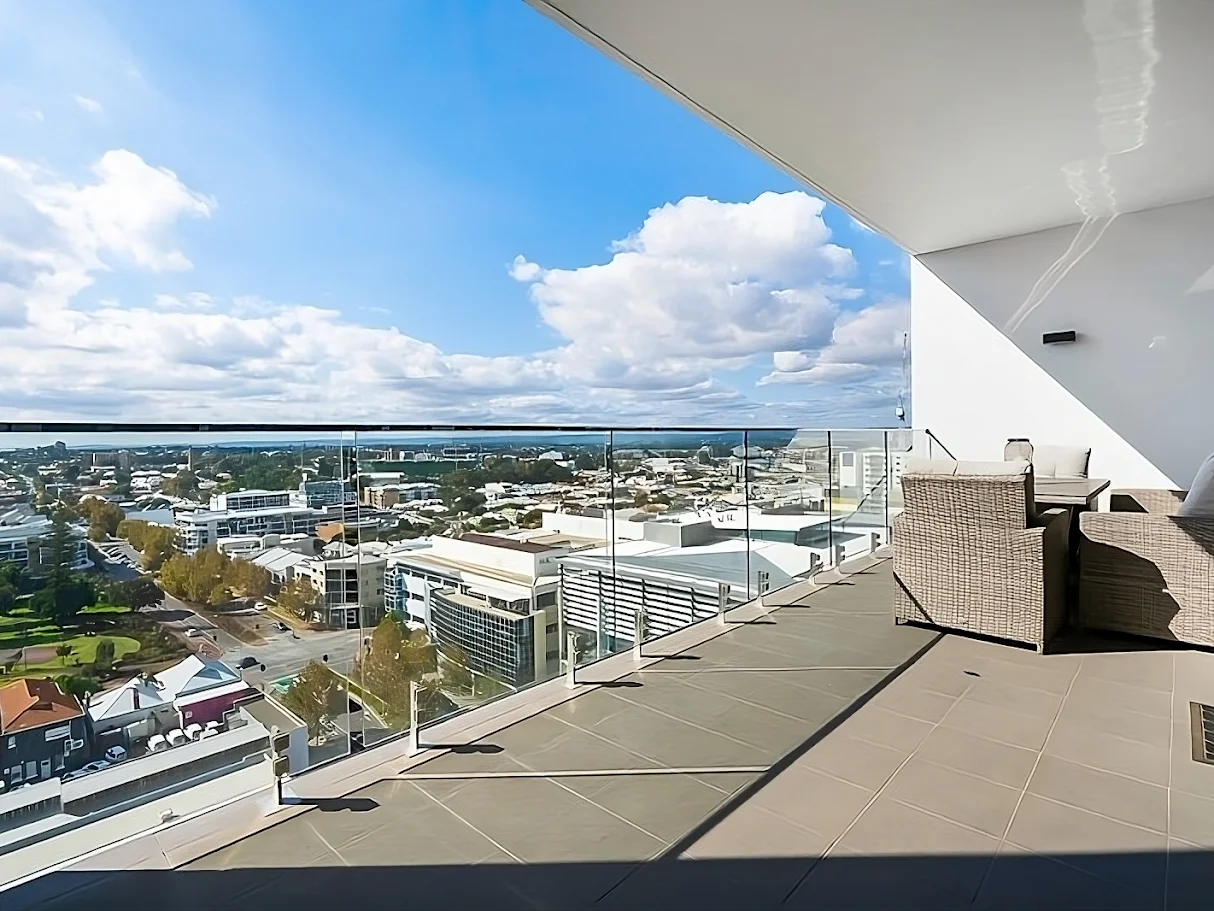 $580,000
Apartment / Unit / Flat
$580,000
Apartment / Unit / Flat
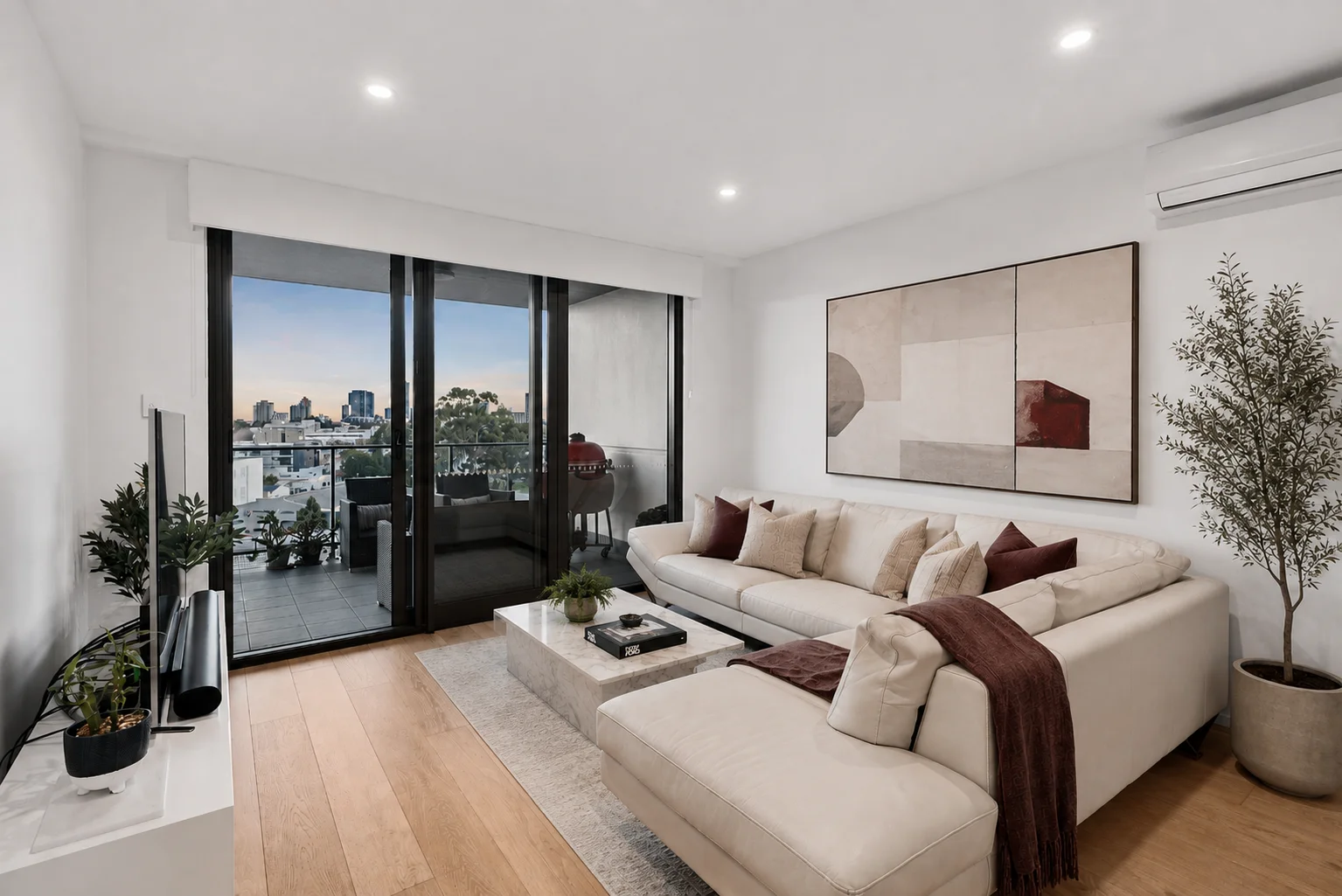 $700,000
Apartment / Unit / Flat
$700,000
Apartment / Unit / Flat