## 1. Overview
Servite College Tuart Hill is a Catholic independent day school in Perth’s northern suburbs, providing secondary education within the WA Catholic Education framework. It aims to offer a values‑driven, academically focused learning community with opportunities in faith formation, service, and personal growth.
- School type: Catholic (independent, non-government)
- School size: Medium
- Class size: Approximately 20–25 students
- Atmosphere/culture: Nurturing, academically focused, inclusive, with strong emphasis on participation in sports and the arts
⸻
## 2. Academics & Learning
- Academic strengths: English, Mathematics, STEM subjects, language studies, and leadership development form core strengths, supported by a broad curriculum and subject depth.
- Special programs: ATAR pathways and accelerated/ gifted and talented options; religious education as a central part of learning; vocational education and training (VET) pathways where relevant.
- NAPLAN / trends: Historic trends show stable to improving performance across tested areas, with notable strengths in English and numeracy and steady Year-to-Year progression.
- Student-teacher ratios: Generally around 1:12 to 1:18, depending on year level and subject.
- Support for diverse learners: EAL support, SEN coordination, and targeted learning support staff to assist students with diverse learning needs.
⸻
## 3. Sports & Extracurricular Strengths
- Sports offered: Netball, basketball, soccer, athletics, swimming, and other team and individual sports are available.
- Strong teams or achievements: Competitive regional teams and representation across major school sports.
- Music, arts, drama programs: Instrumental ensembles, choir, theatre and drama production opportunities.
- Clubs: Robotics, coding, chess, debating, and other interests to develop skills and teamwork.
- Partnerships: Connections with local clubs, regional competitions, and statewide or national events through sport, arts, and STEM programs.
⸻
## 4. Wellbeing & Pastoral Care
- Anti-bullying approach: Clear policies, restorative practices, and student voice initiatives to promote respectful behavior.
- House system: House-based pastoral groups that foster belonging, support, and friendly competition.
- Counsellors / wellbeing officers: Access to school counsellors and wellbeing staff to support emotional and social health.
- Transition support for new students: Orientation programs, buddy/mentoring systems, and family information sessions to ease transitions.
⸻
## 5. Facilities
- Sports grounds
- Libraries
- Science labs
- Music/performing arts centers
- Tech/innovation labs
- Canteen
- Updated outdoor spaces and learning environments
⸻
## 6. School Values & Community Culture
- School values / mission: Catholic ethos focused on faith, service, integrity, respect, and striving for excellence.
- Leadership style: Collaborative and student-inclusive leadership with opportunities for student voice and leadership roles.
- Behaviour expectations: Clear standards around respect, responsibility, and resilience.
- Community reputation: Positive standing within the WA Catholic education community; engaged families and supportive alumni networks.
- Diversity & inclusion: Commitment to an inclusive environment that respects and celebrates diverse backgrounds.
⸻
## 7. School Logistics & Daily Operations
- School hours: Typical day starts around 8:00–8:30 am and ends around 3:00 pm, with lunch in the middle of the day.
- Before/after school care: Available on site or through partner programs to support families.
- Uniform requirements: Formal school uniform with seasonal variations (summer and winter options) and guidelines for appearance.
- Transport: Access to local bus routes and proximity to public transport; suitable for families in the broader northern suburbs.
- Canteen availability: On-site canteen offering a range of healthy options.
- Fees (range): Fees are in the mid-to-high range for WA independent Catholic schools.
⸻
## 8. Enrolment & Admissions
11. What is the enrolment process and timeline?
- Applications are typically submitted online with supporting documents. After an initial review, families may be invited to interviews or information sessions. Offers are made on a defined timeline, with important dates communicated by the school.
12. Is there a waiting list, and how does it work?
- A waiting list is common; placement depends on space in the requested year. Priority may be given to siblings or families aligned with the school’s admissions policies; the school will advise expected wait times.
13. Are there any entry requirements, tests, or interviews?
- Generally, applications include pastoral and suitability discussions, with interviews. Standardized testing is not always required, though some pathways (e.g., advanced subjects or gifted programs) may involve additional assessments.
14. Does the school accept mid-year transfers?
- Mid-year transfers are possible subject to space, availability, and completion of the standard admissions steps (transcripts, references, and relevant documents).
⸻
## 9. Frequently Asked Questions
- Why Parents Choose This School?
- Parents value the strong Catholic ethos, focus on academic growth, supportive wellbeing framework, and broad extracurricular opportunities.
- What type of student thrives at this school?
- Students who are motivated by faith-informed education, who engage with academics across core and specialist subjects, and who enjoy participating in clubs, sports, and arts tend to thrive.
- What opportunities are available for students to extend their skills (academics, sports, arts)?
- Pathways include ATAR and accelerated options, gifted and talented programs, sport teams, music ensembles, drama productions, robotics and coding clubs, and debating.
- How does the school communicate with parents?
- Regular communications through newsletters, emails, parent portals, and scheduled information evenings; responsive channels for comments and concerns.
- What is the school’s approach to teaching and learning?
- A focus on strong core literacy and numeracy, inquiry-based and faith-informed learning, and differentiated support to meet diverse learner needs.
- How does the school support students who need extra academic help?
- Targeted learning support, EAL and SEN services, small-group or one-on-one tutoring, and pathways to appropriate subject choices.
- What support is available for academic challenges?
- Access to learning support staff, counselor input, and adjustments within the classroom to help students succeed.
- How does the school communicate with parents? (repeat)
- See above: regular updates via multiple channels and active parent engagement opportunities.
- What are the class sizes and how much individual attention do students receive?
- Class sizes typically range around 20–25 students, with additional individual or small-group support available through learning support services.
- What extracurricular and sports opportunities are available?
- A wide range of sports (netball, basketball, soccer, athletics, swimming), music and arts programs, and clubs (robotics, coding, chess, debating).
- What facilities does the school offer (sports, science, arts)?
- Comprehensive facilities include sports grounds, libraries, science labs, music/performing arts centers, tech/innovation labs, a canteen, and updated outdoor spaces.
- What is the school’s approach to technology and digital learning?
- Integration of digital learning tools across the curriculum, with appropriate devices and platforms to support modern teaching and student learning.
- What transport and accessibility options are available?
- Access to local bus routes and proximity to public transport; convenient options for families in the northern suburbs.
- What are the typical school fees or additional costs?
- Fees are in the mid-to-high range for WA independent Catholic schools; additional costs may apply for trips, camps, and elective programs.
⸻
## 10. Short Pros & Cons
- Pros
- Strong Catholic ethos and values-driven education
- Balanced emphasis on academics, wellbeing, and extracurriculars
- Broad range of clubs, sports, and arts programs
- Supportive learning environment and pastoral care
- Good facilities that support a variety of learning experiences
- Cons
- Fees are higher than public schools and some other non-government options
- Despite small-to-medium class sizes, some families may still seek larger school communities
- Commute considerations for families outside the immediate vicinity
 Free
Free












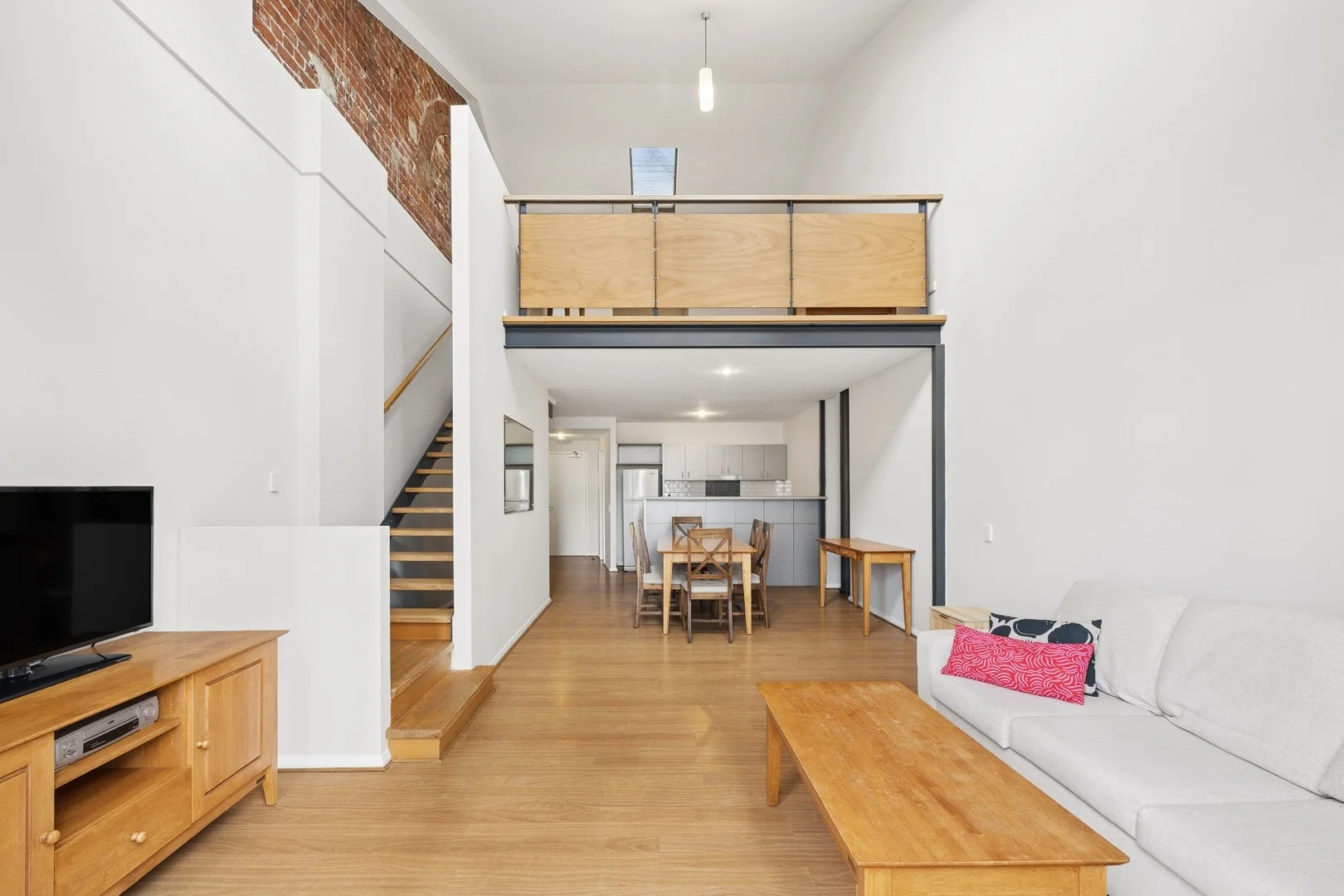 $549,000
Apartment / Unit / Flat
$549,000
Apartment / Unit / Flat
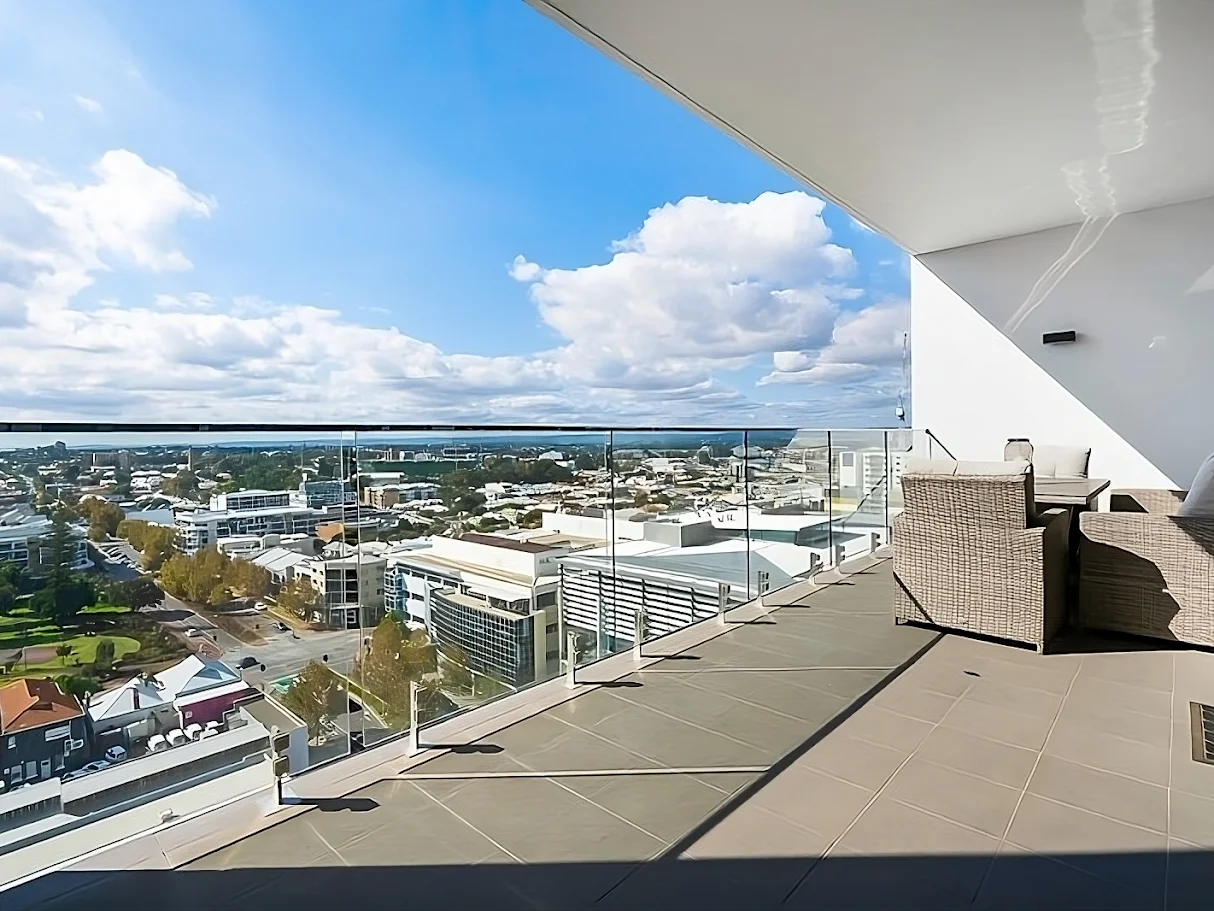 $580,000
Apartment / Unit / Flat
$580,000
Apartment / Unit / Flat
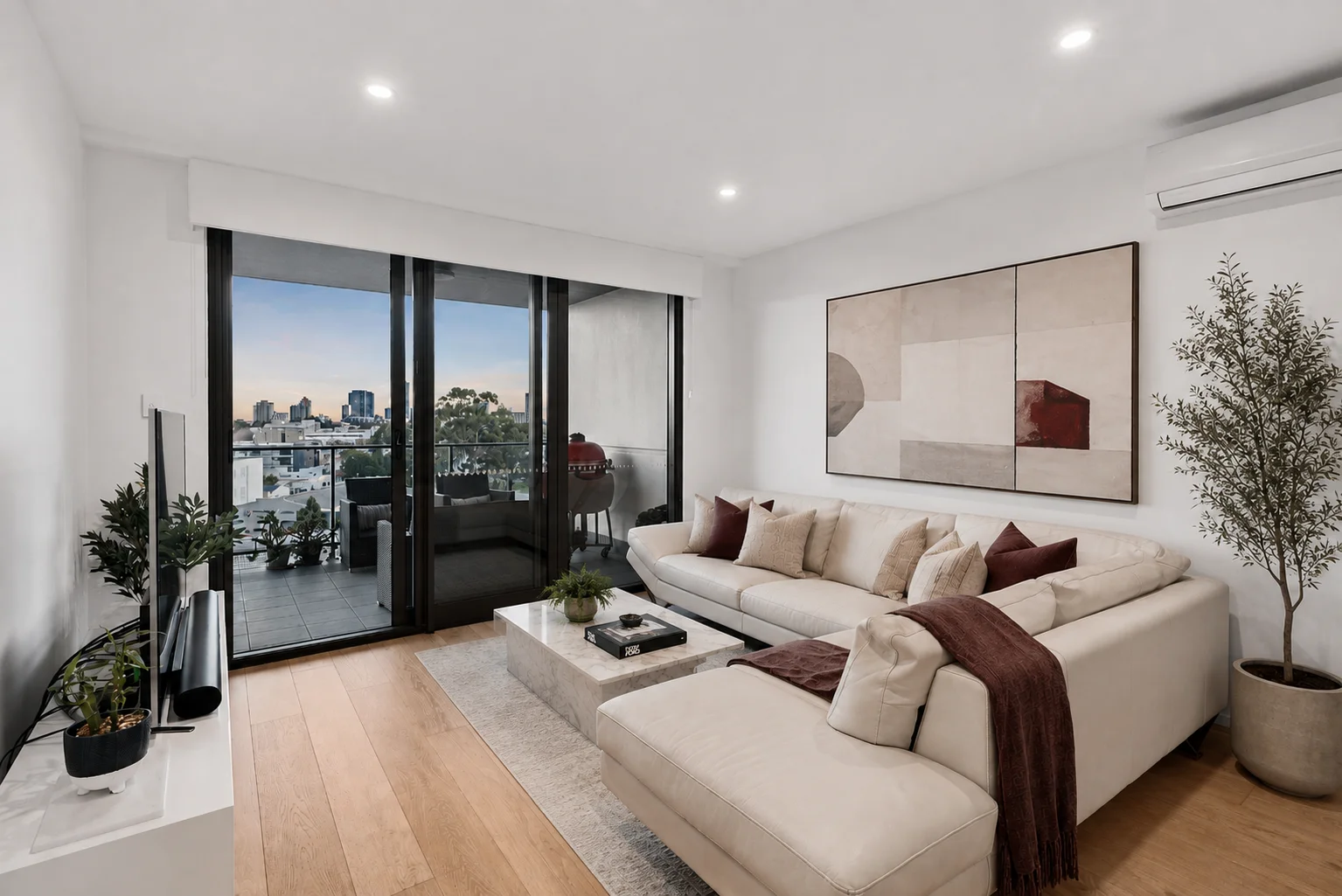 $700,000
Apartment / Unit / Flat
$700,000
Apartment / Unit / Flat
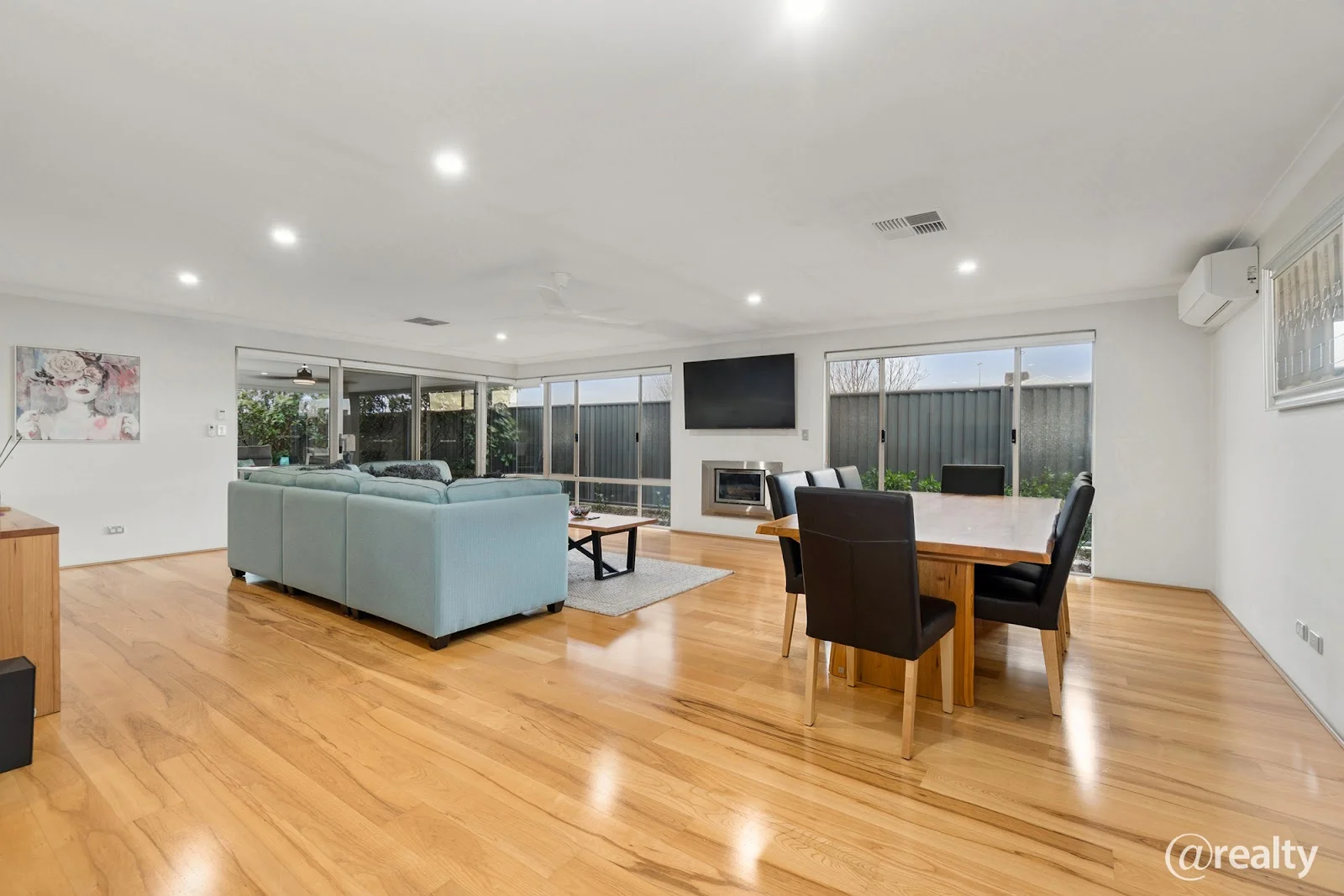 $1,030,000
House
$1,030,000
House


