Overview
## 1. Overview
- School type: [Public / Private / Independent / Catholic]
- School size: [Small / Medium / Large]
- Class size: [Average class size e.g., 22–28 students]
- Atmosphere/culture: The school aims for a nurturing, inclusive environment with a balanced emphasis on academics and extracurriculars. Expect a diverse student body and a culture that supports collaboration, personal growth, and sporting or arts involvement as part of the student experience.
Note: Replace placeholders with the school’s actual details to reflect Tuart Hill’s specific profile.
---
## 2. Academics & Learning
- Academic strengths: [STEM / English / Leadership / Languages] with programs designed to build core skills, critical thinking and problem solving.
- Special programs: [IB / accelerated learning / gifted and talented / vocational education] options to suit diverse learner needs and aspirations.
- NAPLAN trends: [Provide trend context, e.g., “reading and numeracy have shown stable to improving results over recent cohorts”], rather than focusing on raw scores.
- Student-teacher ratios: [Approx. ratio, e.g., 1:15–1:20] to indicate access to teachers and support.
- Support for diverse learners: [EAL / SEN] supports and targeted interventions to help students reach their goals.
---
## 3. Sports & Extracurricular Strengths
- Sports offered: [e.g., cricket, soccer/football, basketball, netball, athletics, swimming, tennis] with season schedules and pathways.
- Strong teams or achievements: Notable club or school-level successes and ongoing programs to develop athletic talent.
- Music, arts, drama programs: Comprehensive offerings and regular performances or showcases.
- Clubs: robotics, chess, coding, debating, and other STEM or service clubs.
- Partnerships: Local academies, community clubs, and competitions that provide extra opportunities for inter-school events and broader exposure.
Note: If you have specific sports and arts programs for Tuart Hill, replace placeholders with exact names and achievements.
---
## 4. Wellbeing & Pastoral Care
- Anti-bullying approach: Clear policies, restorative practices, and a focus on safe, respectful relationships.
- House system: If applicable, a house structure with intra-school competitions and community building.
- Counsellors / wellbeing officers: Access to guidance staff and wellbeing supports for students.
- Transition support for new students: Orientation programs, buddy systems, and targeted enrolment support to ease arrivals.
---
## 5. Facilities
- Sports grounds: On-site fields courts or multi-use spaces for physical activity.
- Libraries: Well-stocked library with study spaces and digital resources.
- Science labs: Modern labs equipped for experiments and hands-on learning.
- Music/performing arts centers: Rehearsal spaces and performance venues.
- Tech/innovation labs: Computer suites, maker spaces, and digital learning environments.
- Cafeteria: On-site food service or canteen with healthy options.
- Updated playgrounds: Safe outdoor spaces for breaks and recreation.
Note: Add any unique facilities the school has to highlight its strengths.
---
## 6. School Values & Community Culture
- School values / mission: Core beliefs that guide student behavior, learning, and community engagement.
- Leadership style: Collaborative, student-centered leadership with opportunities for student voice.
- Behaviour expectations: Clear codes of conduct and consistent expectations across staff and students.
- Community reputation: Perceived as supportive, inclusive, and active in local partnerships.
- Diversity & inclusion: Commitment to inclusive practices, programs that reflect diverse backgrounds, and equitable access to opportunities.
---
## 7. School Logistics & Daily Operations
- School hours: Start and finish times, with variation for specific year groups if relevant.
- Before/after school care: Availability of supervision or care programs.
- Uniform requirements: Dress code and any seasonal variations or supplier details.
- Transport: Information on bus routes or train access and proximity to public transport.
- Canteen availability: Whether canteen services exist and typical offerings.
- Fees: General sense of cost ranges (low/medium/high) for standard activities, with notes on any additional costs (e.g., camps, excursions).
---
## 8. Enrolment & Admissions
11. What is the enrolment process and timeline?
- Step-by-step process: Submit initial expression of interest or application, provide required documents, attend any interviews or information sessions, and complete enrollment by the stated timeline. Timelines vary by intake period; check the school’s admissions calendar for precise dates.
12. Is there a waiting list, and how does it work?
- Waiting lists may apply when programs or year levels are at capacity. Applications are typically prioritized by catchment area, sibling enrollment, and vacancy availability. Expect notification timing to depend on your entry point and cohort.
13. Are there any entry requirements, tests, or interviews?
- Typical requirements include submission of documents (birth certificate, immunization records, proof of address), possible interviews or information sessions, and, in some cases, short assessments or eligibility checks. Specific entry tests or interviews depend on year level and program.
14. Does the school accept mid-year transfers?
- Mid-year transfers are usually considered subject to space availability and meeting enrollment requirements. If you’re transferring mid-year, contact the admissions team early to discuss eligibility and required documentation.
---
## 9. Frequently Asked Questions
- Why Parents Choose This School?
Families often choose for strong student support, a balanced curriculum, and opportunities across academics, sports, arts, and clubs in a welcoming community.
- What type of student thrives at this school?
Students who are motivated, collaborative, eager to engage in both classroom and extracurricular activities, and who value a supportive school environment.
- What opportunities are available for students to extend their skills (academics, sports, arts)?
Advanced coursework, leadership programs, science and coding clubs, competitive sports, music and drama productions, and partnerships with local organizations.
- How does the school communicate with parents?
Regular updates via newsletters, a school portal or app, emails, and parent-teacher meetings. Emergency notices are sent promptly through established channels.
- What is the school’s approach to teaching and learning?
A student-centered approach focusing on inquiry, critical thinking, and practical application, with differentiated learning supports and opportunities for project-based learning.
- How does the school support students who need extra academic help?
Targeted tutoring, small-group interventions, EAL/SEN supports, and accessible teacher assistance during and after school.
- What support is available for academic challenges?
Access to learning support staff, accommodation or modification options where appropriate, and a structured plan to monitor progress.
- What are the class sizes and how much individual attention do students receive?
Class sizes are designed to be manageable with opportunities for individualized feedback, teacher check-ins, and small-group support where needed.
- What extracurricular and sports opportunities are available?
A range of clubs (robotics, coding, chess, debating) and sports across seasonal offerings, plus arts and performing opportunities.
- What facilities does the school offer (sports, science, arts)?
Sports facilities, well-equipped science labs, libraries, performing arts spaces, and technology/innovation labs.
- What is the school’s approach to technology and digital learning?
Emphasis on digital literacy, responsible use, and integrating technology to support learning, creativity, and collaboration.
- What transport and accessibility options are available?
Information on public transport access, school bus routes (if offered), and accessibility features within the campus.
- What are the typical school fees or additional costs?
Fees or costs vary by program and activity; there are often additional costs for excursions, camps, and elective resources. Check the current schedule with the school for exact figures.
---
## 10. Short Pros & Cons list
- Pros
- Supportive, inclusive environment with a focus on student wellbeing
- Range of academic and extracurricular opportunities
- Modern facilities and accessible learning spaces
- Clear communication channels with families
- Potential for strong community and partnerships
- Cons
- Enrollment capacity and waiting lists can affect intake timing
- Fees or costs for certain activities or programs may apply
- Availability of mid-year transfers depends on space
- Specific programs or pathways may vary year to year
---
If you can share exact details for Tuart Hill (school type, size, programs, facilities, and current enrolment policies), I can tailor each section with precise information.













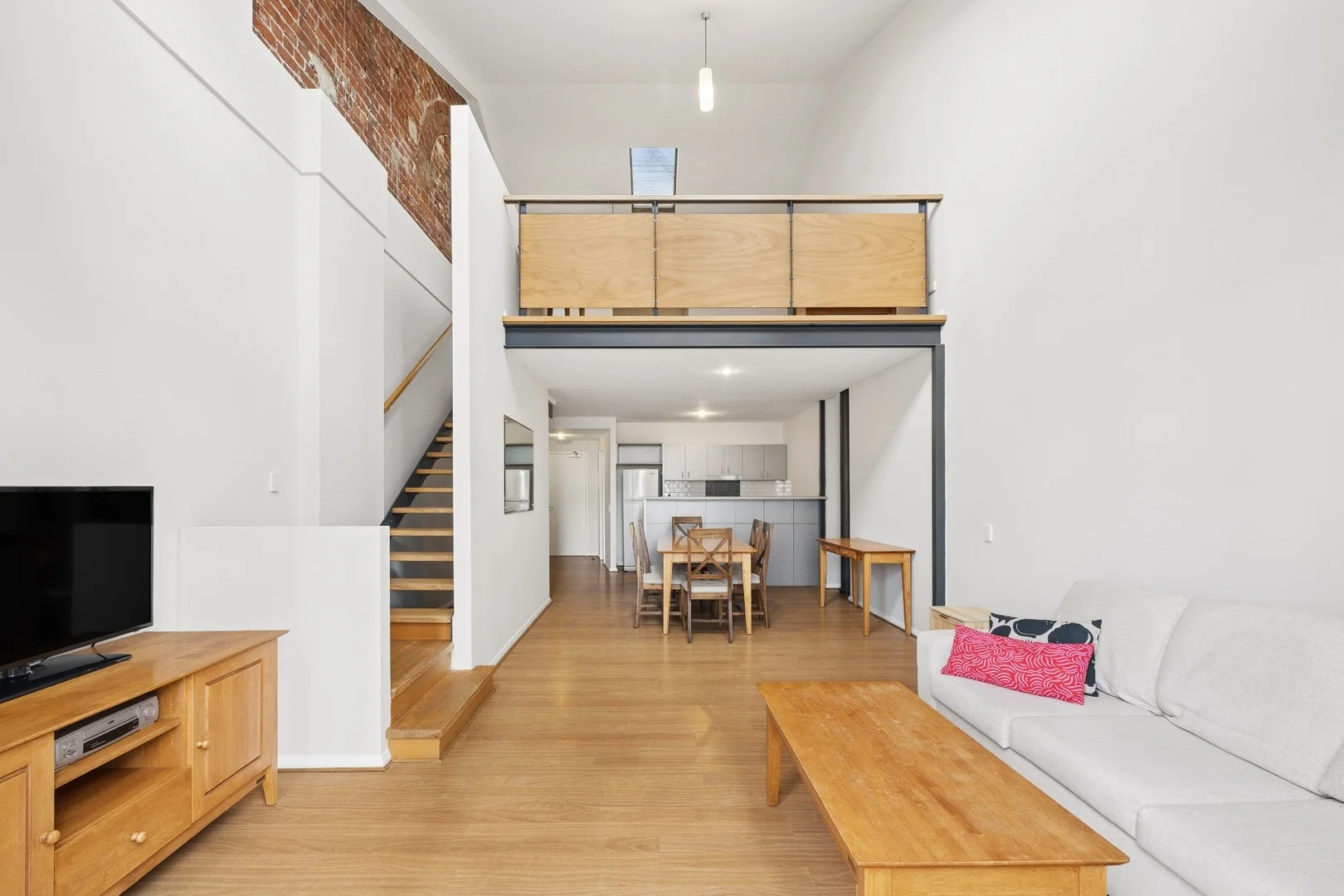 $549,000
Apartment / Unit / Flat
$549,000
Apartment / Unit / Flat
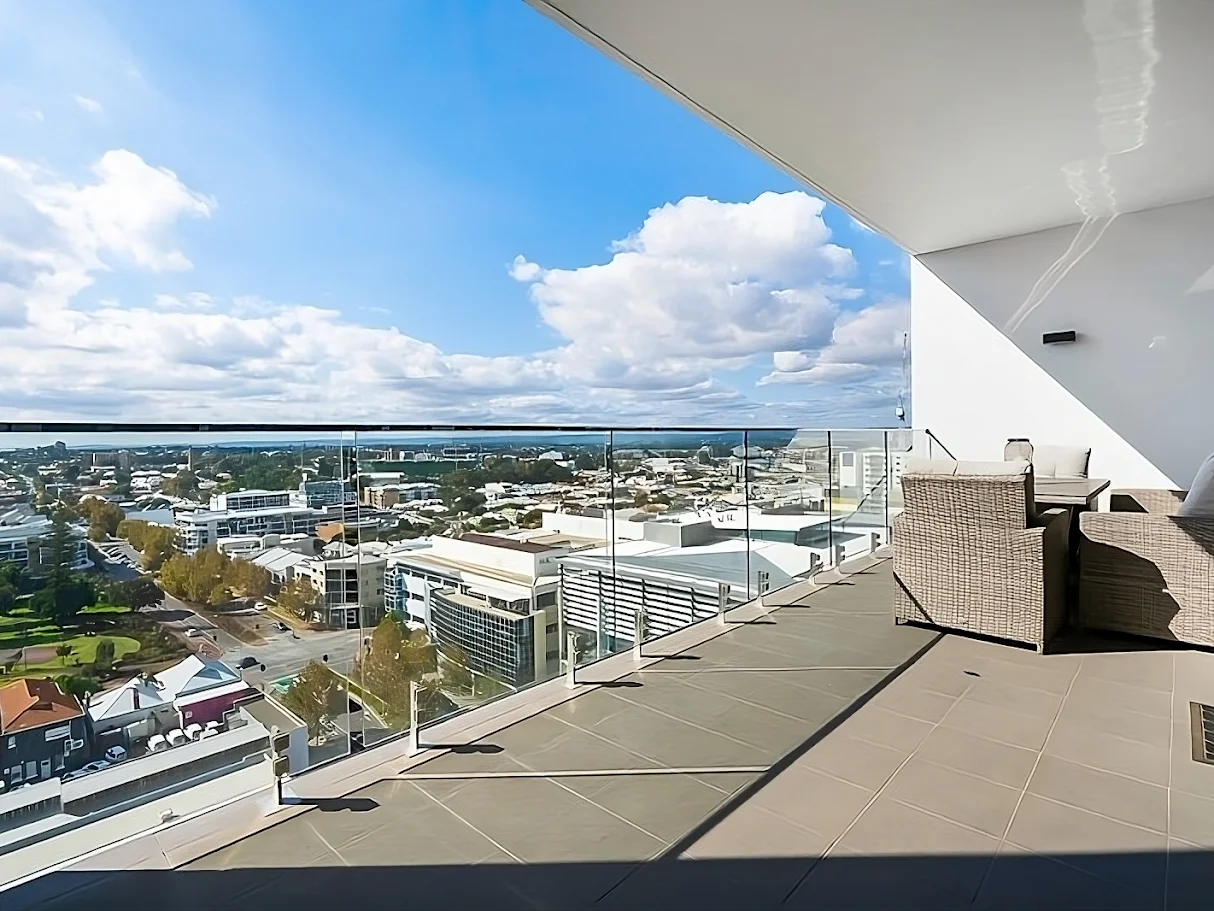 $580,000
Apartment / Unit / Flat
$580,000
Apartment / Unit / Flat
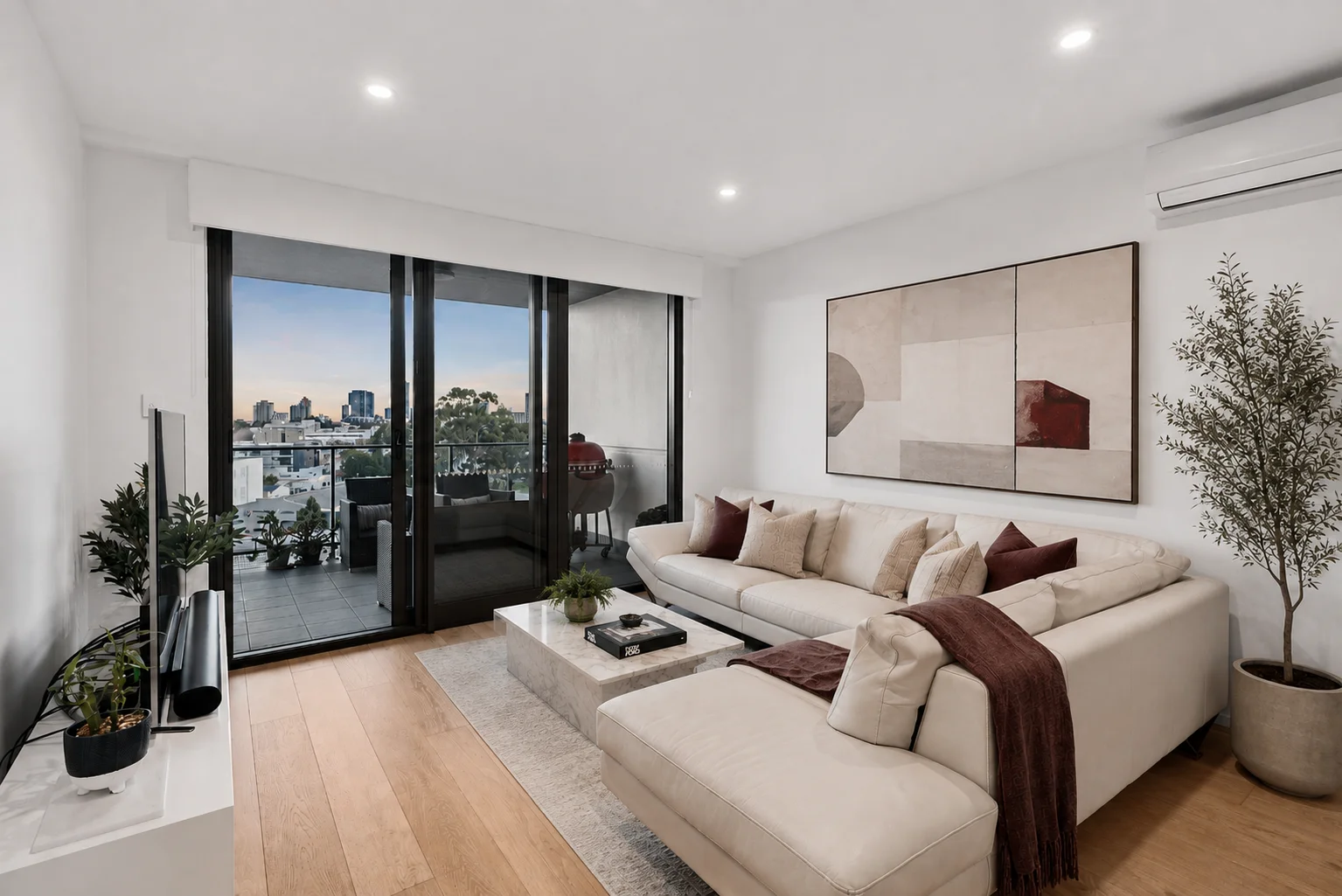 $700,000
Apartment / Unit / Flat
$700,000
Apartment / Unit / Flat
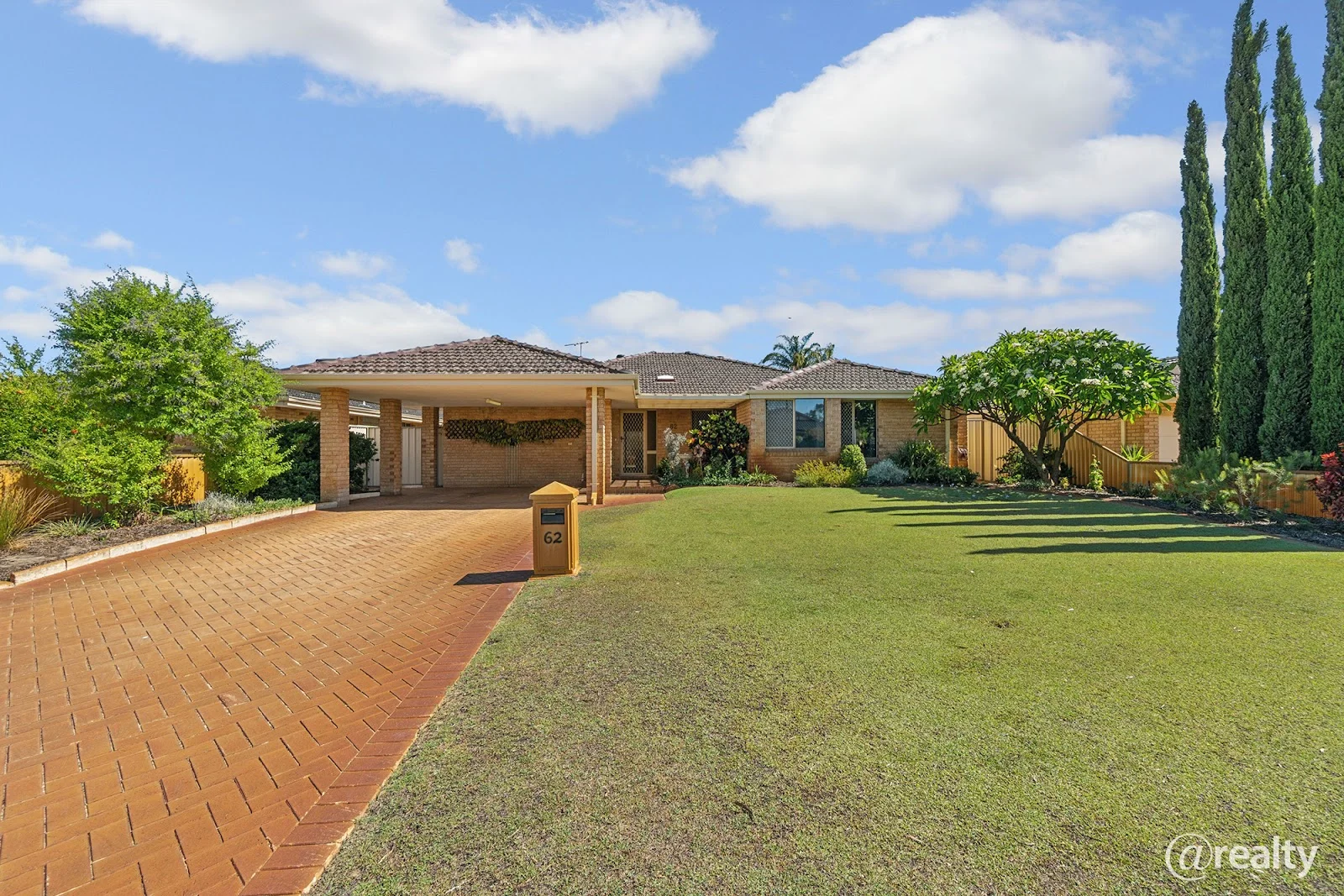 $1,099,000 - $1,153,950
House
$1,099,000 - $1,153,950
House
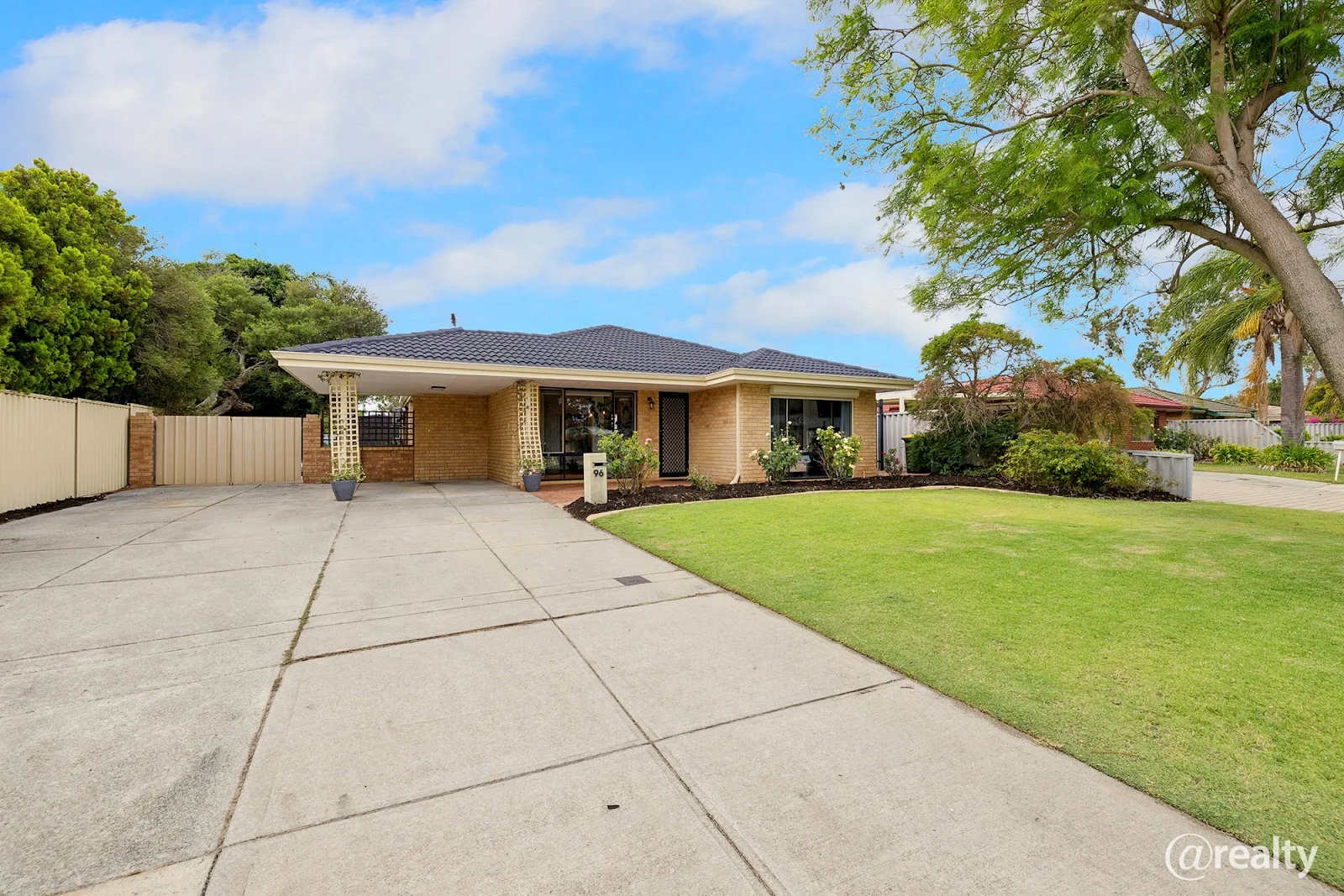 $899,000 - $943,950
House
$899,000 - $943,950
House
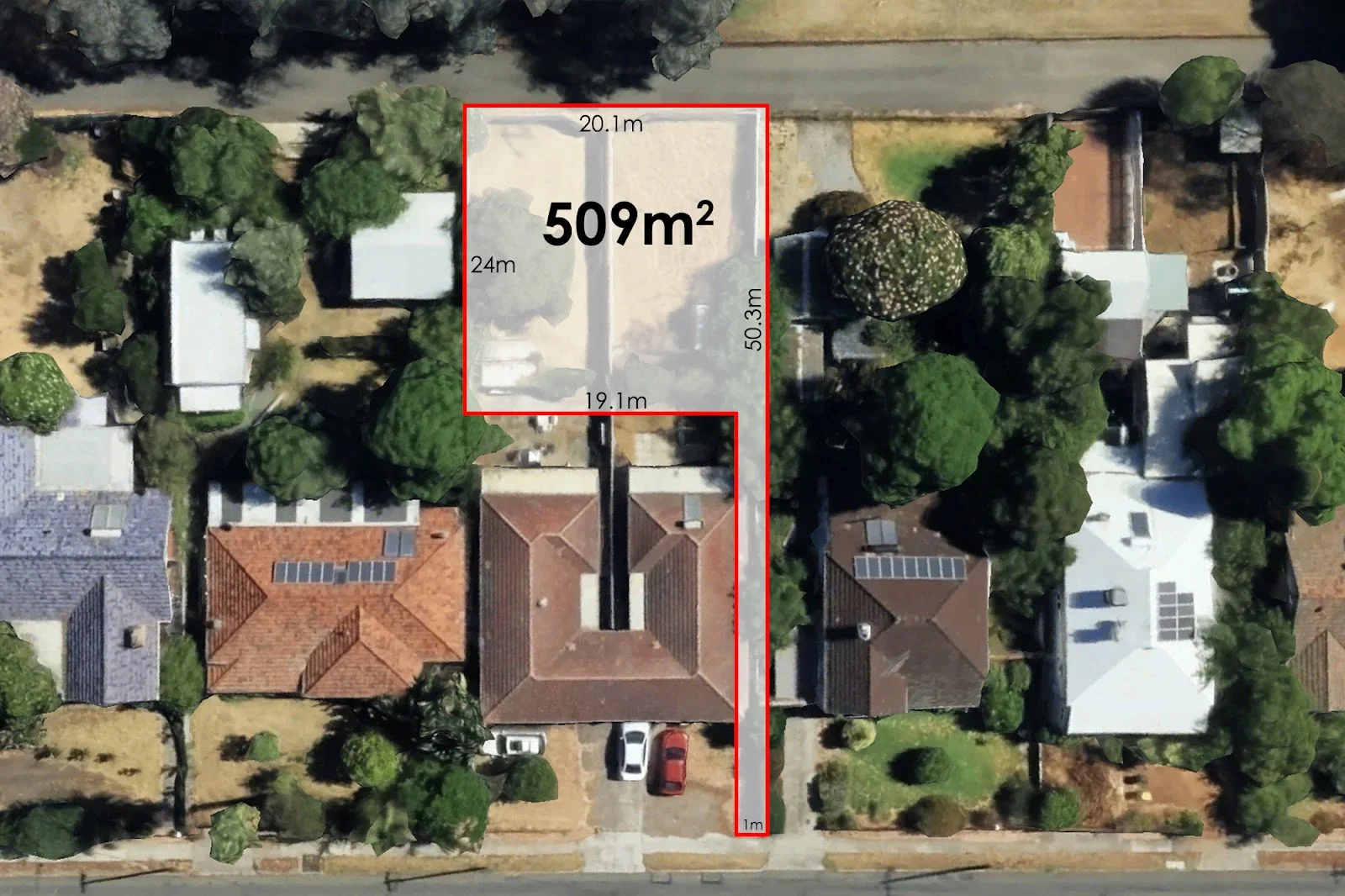 $480,000
Vacant Land
$480,000
Vacant Land