## 1. Overview
Simonds Catholic College is a Catholic, co-educational secondary school in West Melbourne, offering Year 7–12 education within a faith-filled community. The college emphasises forming the whole person through strong academics, faith formation, service, and pastoral care, helping students grow intellectually and morally.
The school is a medium-to-large secondary community with class sizes that sit in the mid-20s, allowing personalised attention within a supportive, inclusive atmosphere. The culture is nurturing and values-driven, focused on respect, resilience, and collaboration across diverse backgrounds.
---
## 2. Academics & Learning
- Academic strengths: Strong emphasis on STEM, English, leadership development, and languages, supported by robust literacy and numeracy programs.
- Special programs: VCE/VCAL pathways, opportunities for accelerated learning and gifted/talented initiatives, and enrichment activities within core subject areas.
- NAPLAN trends: Focus on steady improvement and ongoing literacy/numeracy development; emphasis on consistent progress year to year.
- Student-teacher ratios: Relatively low ratios to promote personalised learning, mentoring, and timely feedback.
- Support for diverse learners: EAL support, SEN/coordinator services, learning support/SEN staff, and inclusive education practices to help every student access the curriculum.
---
## 3. Sports & Extracurricular Strengths
- Sports offered: Basketball, netball, soccer, AFL-style football, cricket, soccer, athletics, swimming, and other school-based teams.
- Strong teams or achievements: Competitive representative programs across popular sports with regular participation in regional inter-school competitions.
- Music, arts, drama programs: Comprehensive performing arts offerings, school productions, choir, ensembles, and music theory study.
- Clubs: Robotics, coding, chess, debating, and other academic/interest-based clubs.
- Partnerships: Involvement with local clubs and inter-school competitions to broaden opportunities in sport, music, drama, and STEM activities.
---
## 4. Wellbeing & Pastoral Care
- Anti-bullying approach: Restorative practices and a clear anti-bullying policy to promote respectful relationships and safe learning environments.
- House system: Competitive, supportive house structure that fosters camaraderie, leadership, and peer mentoring.
- Counsellors / wellbeing officers: Dedicated wellbeing team and access to school counsellors for student mental health and pastoral support.
- Transition support for new students: Orientation programs, buddy systems, and parent information sessions to ease transitions into the school community.
---
## 5. Facilities
- Sports grounds: On-site sports facilities to support physical education and team sports.
- Libraries: Modern library or resource centre with study spaces and digital resources.
- Science labs: Well-equipped science laboratories for practical experiments and inquiry-based learning.
- Music/performing arts centers: Spaces for music rehearsals, drama, and performance.
- Tech/innovation labs: Dedicated spaces for STEM, coding, robotics, and technology projects.
- Cafeteria: On-site dining facility with healthy meal options.
- Updated playgrounds: Safe and well-maintained outdoor spaces for breaks and activity.
---
## 6. School Values & Community Culture
- School values / mission: Catholic identity framed around values such as respect, integrity, compassion, and service; emphasis on faith formation and ethical leadership.
- Leadership style: Student voice is encouraged through student councils and leadership opportunities; collaborative decision-making where appropriate.
- Behaviour expectations: Clear behavioural framework built on respect, responsibility, and restorative practices.
- Community reputation: Known for a welcoming, inclusive Catholic community with strong parental involvement and faithful, supportive culture.
- Diversity & inclusion: Programs and practices designed to welcome diverse backgrounds and learning needs, with a focus on belonging and equity.
---
## 7. School Logistics & Daily Operations
- School hours: Typical school day runs mornings to afternoons with standard start and finish times; times may vary by year level.
- Before/after school care: Availability may be offered on-site or through partnerships with local providers; check exact arrangements for each year.
- Uniform requirements: School uniform with specified items; expectations around neatness and presentation.
- Transport (train/bus routes): Accessible by public transport with nearby bus or tram routes and rail links; proximity to major hubs can aid commuting for students from various areas.
- Canteen availability: On-site canteen or school dining options during break times.
- Fees (low/medium/high ranges): Fees fall within a moderate-to-mid range for Catholic secondary education; additional costs may include levies or targeted programs—verify current figures with the school.
---
## 8. Enrolment & Admissions
11. What is the enrolment process and timeline?
- Prospective families typically submit an online application with required documentation (birth certificates, baptism/child/school confirmations where applicable, and supporting references). There are formal intake timelines (often set annually) for applications, interviews, and enrolment offers. Expect family information sessions and school open days as part of the process.
12. Is there a waiting list, and how does it work?
- Waiting lists can apply when vacancies are limited. Applications are reviewed, and places are offered based on criteria such as parish/school allocation, availability, and suitability. If a waiting list applies, it will be managed in order of priority and date of application.
13. Are there any entry requirements, tests, or interviews?
- Entry typically involves submission of documentation and may include an interview or discussion with a student and family. Some Catholic schools also consider parish involvement or Catholic identity as part of the selection process.
14. Does the school accept mid-year transfers?
- Mid-year transfers are possible subject to vacancies and meeting enrolment criteria. Families interested in a mid-year transfer should contact the school early to discuss availability and required steps.
---
## 9. Frequently Asked Questions
- Why Parents Choose This School?
- A values-led Catholic education with strong pastoral care, a supportive community, balanced academics, and opportunities for faith formation and service.
- What type of student thrives at this school?
- Students who value a faith-infused community, engage with academics, participate in extracurriculars, and appreciate caring teachers and peers.
- What opportunities are available for students to extend their skills (academics, sports, arts)?
- Access to enhanced subjects (STEM, languages, leadership programs), VCE/VCAL pathways, sports teams, arts and drama productions, music ensembles, and clubs (robotics, coding, debating).
- How does the school communicate with parents?
- Regular updates through newsletters, a parent portal, emails, parent-teacher interviews, and information evenings; clear channels for reporting progress and concerns.
- What is the school’s approach to teaching and learning?
- Student-centred, differentiated instruction with explicit teaching, regular assessment, and opportunities for growth in literacy, numeracy, and higher-order thinking.
- How does the school support students who need extra academic help?
- Targeted learning support, tutoring or mentoring, EAL and SEN services, and advisory staff to tailor help to individual needs.
- What support is available for academic challenges?
- Early intervention, catch-up programs, study skills development, and personalised learning plans where appropriate.
- What are the class sizes and how much individual attention do students receive?
- Class sizes are designed to enable reasonable student-teacher interaction and personalised feedback, with additional support available through learning support staff and mentors.
- What extracurricular and sports opportunities are available?
- A broad range of sports (team and individual), music and drama programs, clubs (robotics, coding, chess, debating), and opportunities to compete in inter-school events.
- What facilities does the school offer (sports, science, arts)?
- Modern sports facilities, science labs, a performing arts centre or spaces, a library/resource centre, and tech/innovation labs.
- What is the school’s approach to technology and digital learning?
- Emphasis on digital literacy, use of technology across the curriculum, and structured programs to build 21st-century skills in a safe learning environment.
- What transport and accessibility options are available?
- Access via public transport (bus/train routes) and convenient campus location, with consideration for families in nearby suburbs.
- What are typical school fees or additional costs?
- Fees fall within a moderate-to-mid range for Catholic secondary education; additional costs may include material levies and program-specific fees. Check the latest with the school for precise figures.
---
## 10. Short Pros & Cons list
- Pros
- Strong Catholic identity with faith formation and service opportunities
- Supportive pastoral care and inclusive culture
- Balanced academics with opportunities in STEM, languages, arts, and leadership
- Active extracurriculars: sports, music, clubs, and competitions
- Modern facilities and dedicated learning spaces
- Cons
- Class sizes in the mid-range; some families prefer very small classes
- Fees and levies are a consideration for some families
- Transport options depend on location and public transport access; some commutes may be longer for distant students
- Availability of mid-year transfers depends on vacancies and enrolment demand

 Free
Free








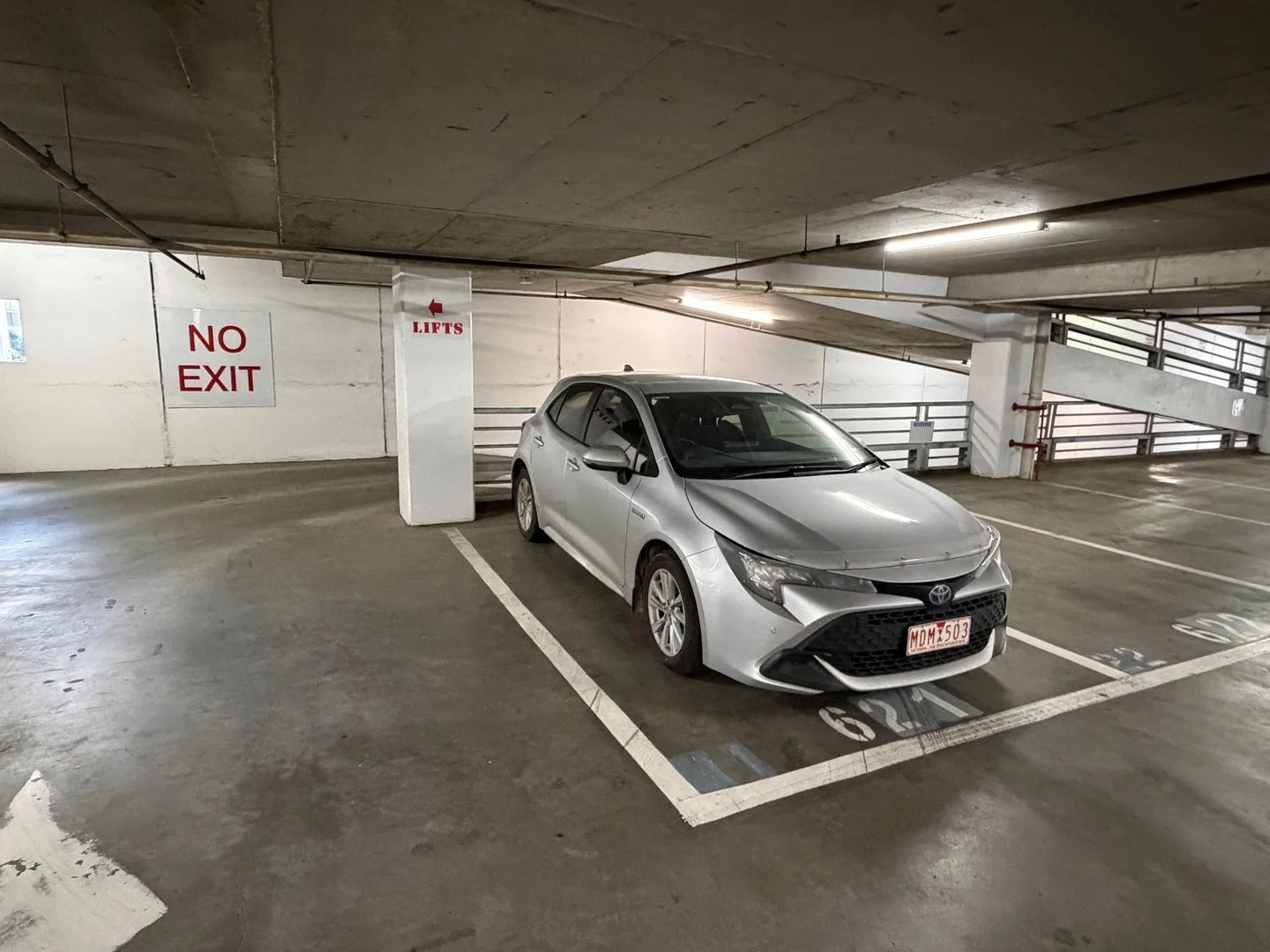 $27,500
propertyType.CAR SPACE
$27,500
propertyType.CAR SPACE
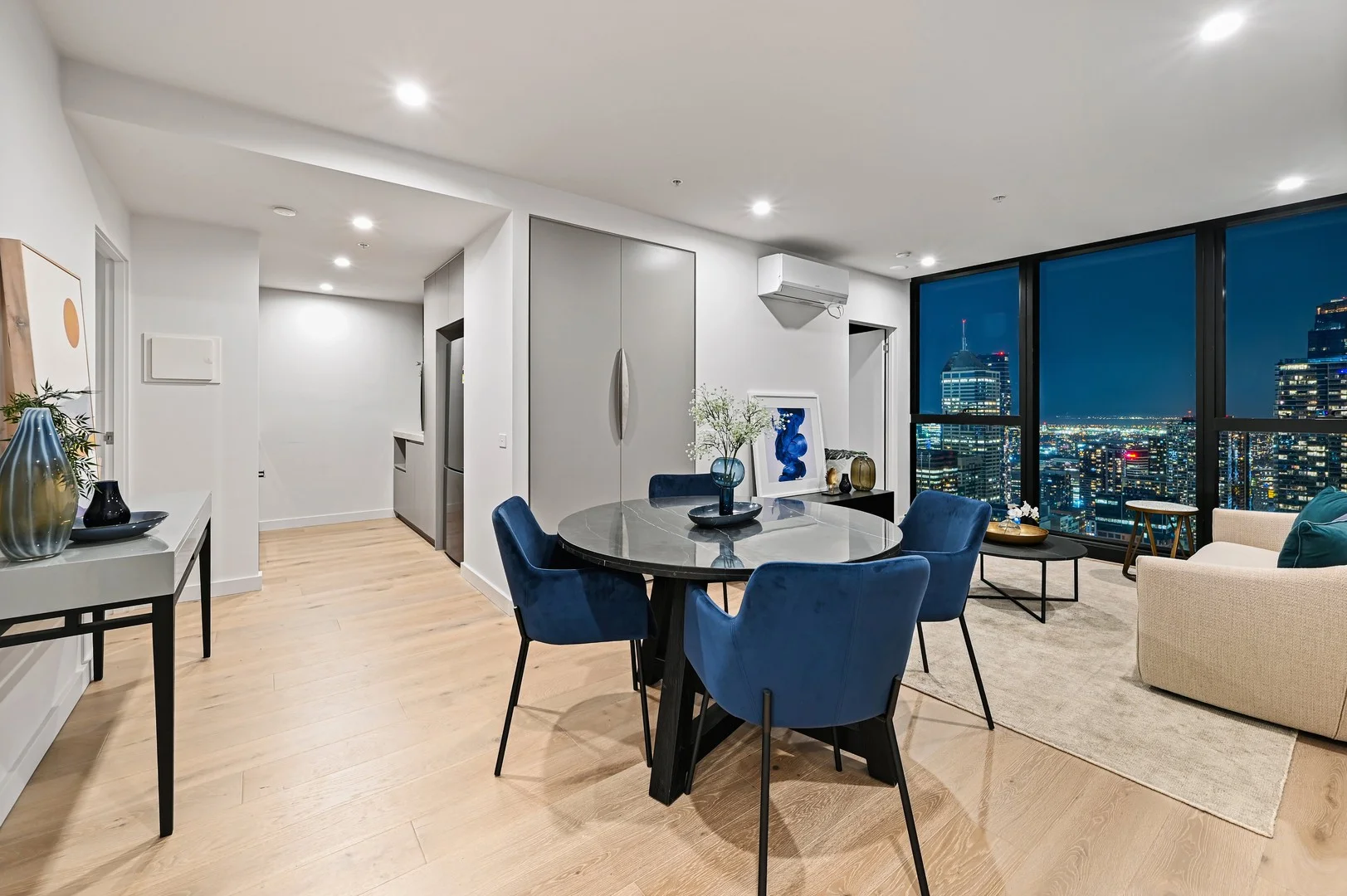 $943,000
propertyType.NEW APARTMENTS / OFF THE PLAN
$943,000
propertyType.NEW APARTMENTS / OFF THE PLAN
 $2,008,000
propertyType.NEW APARTMENTS / OFF THE PLAN
$2,008,000
propertyType.NEW APARTMENTS / OFF THE PLAN
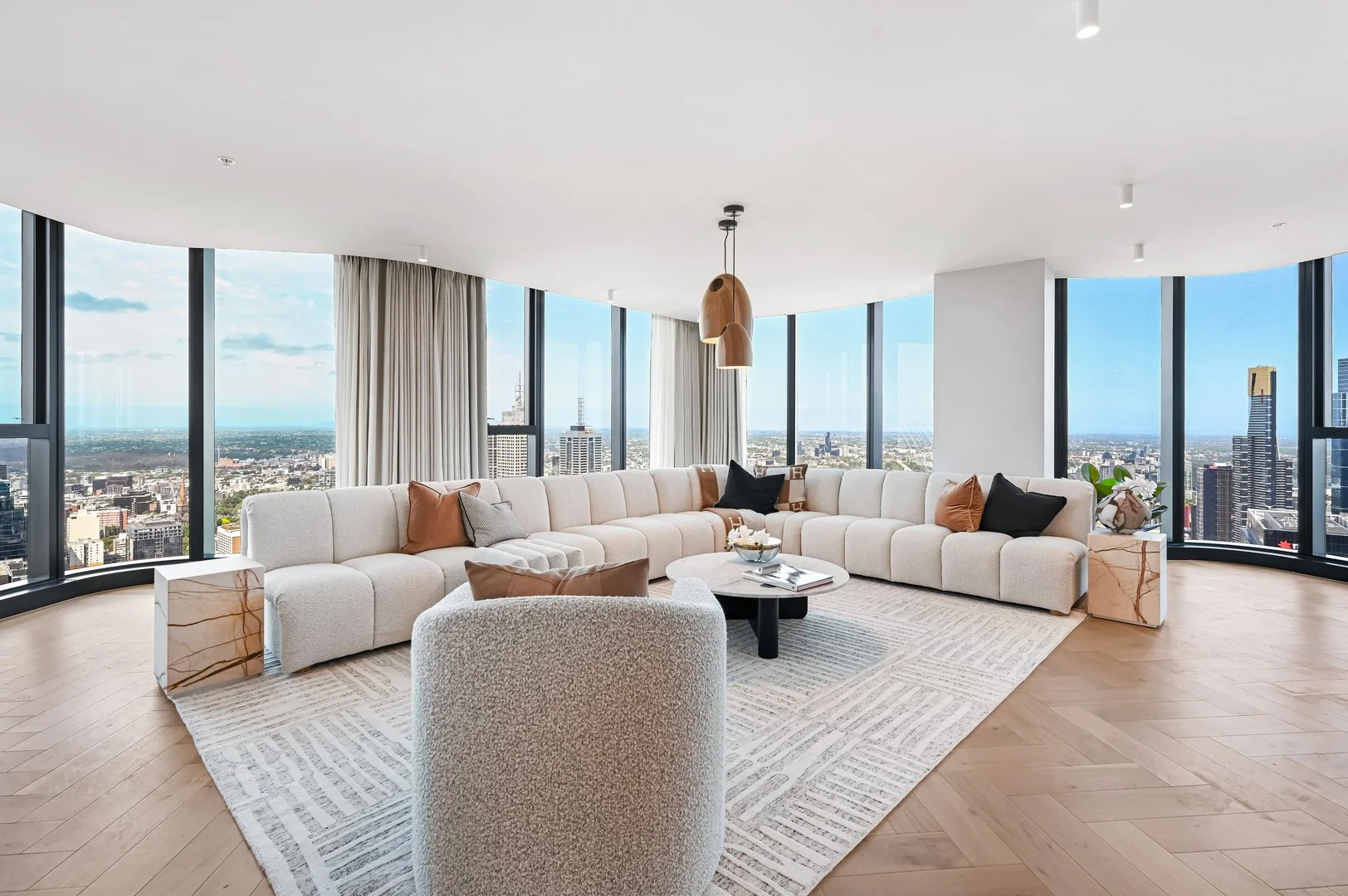 $5,512,000
propertyType.NEW APARTMENTS / OFF THE PLAN
$5,512,000
propertyType.NEW APARTMENTS / OFF THE PLAN
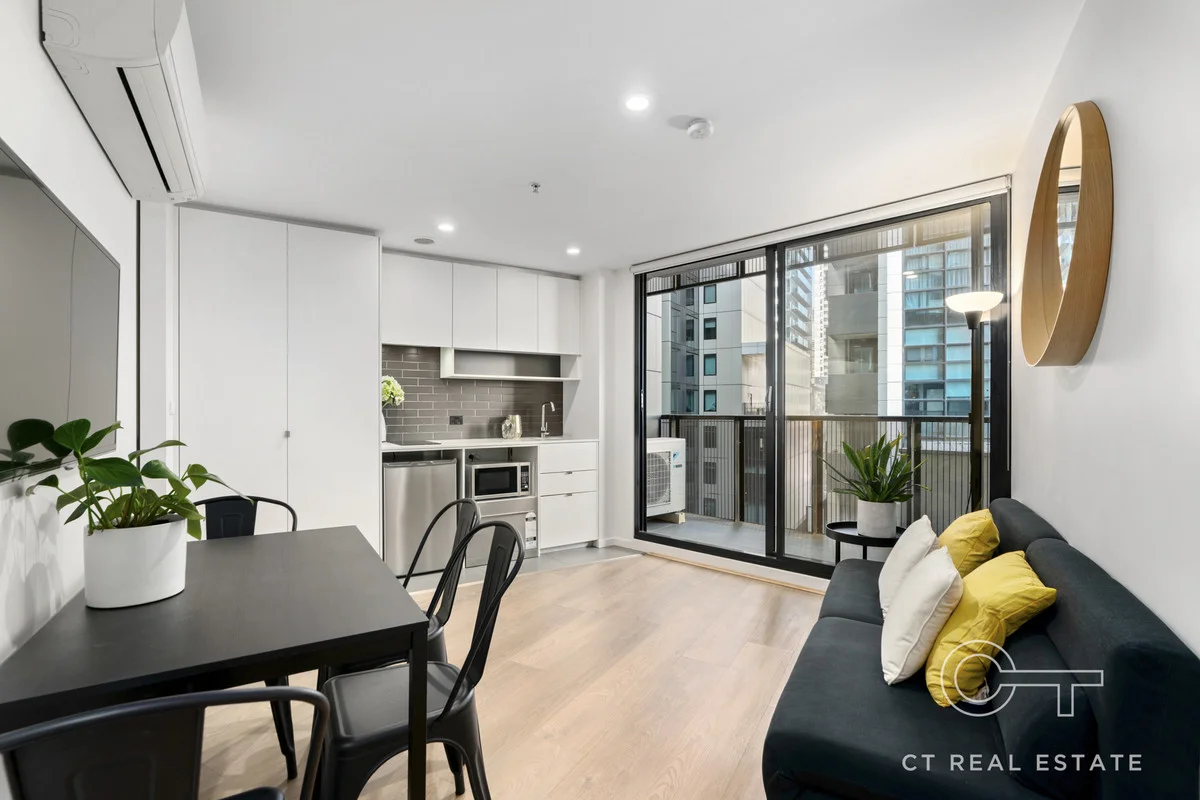 $360,000
Apartment / Unit / Flat
$360,000
Apartment / Unit / Flat
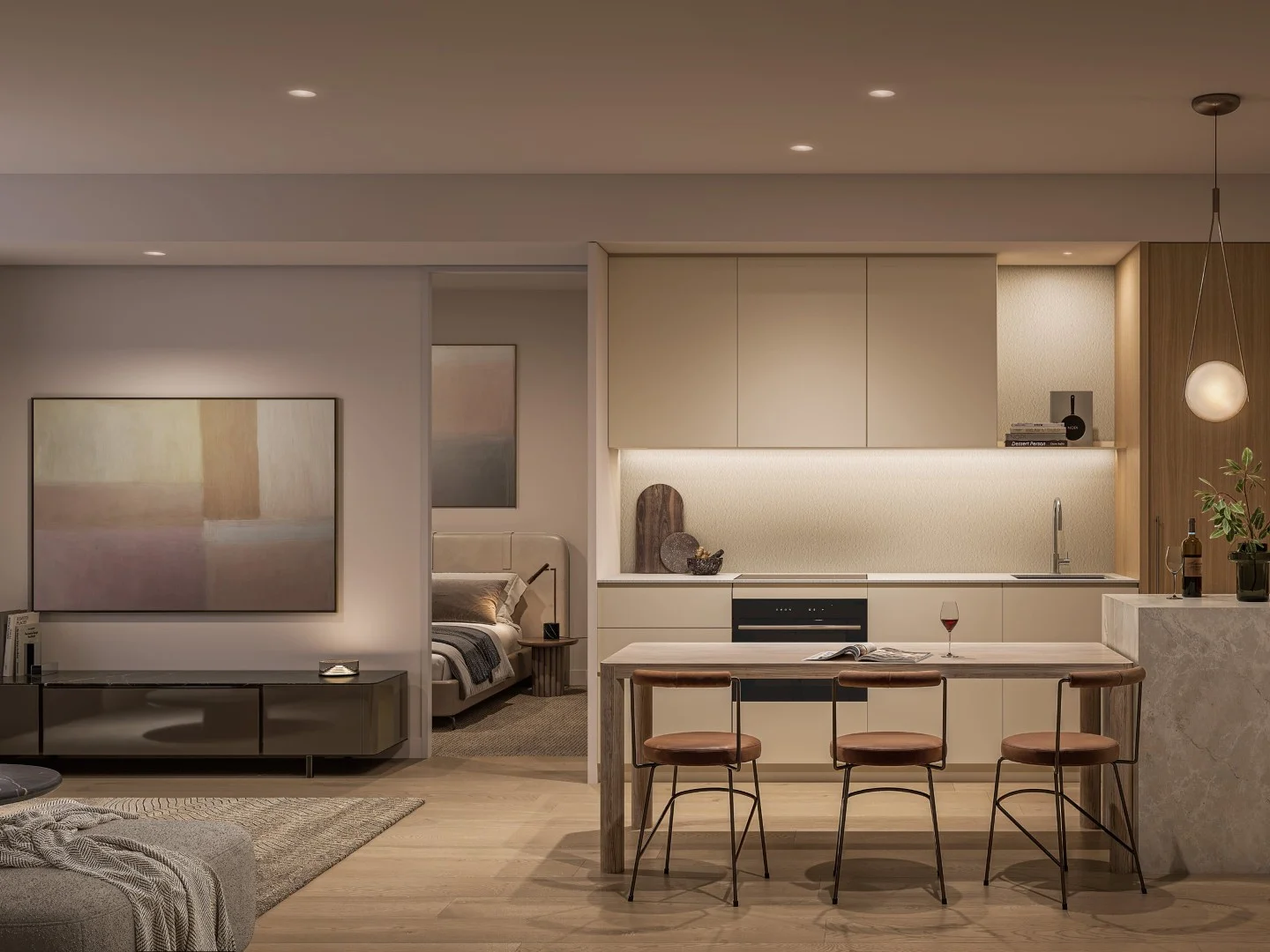 $666,000
Apartment / Unit / Flat
$666,000
Apartment / Unit / Flat
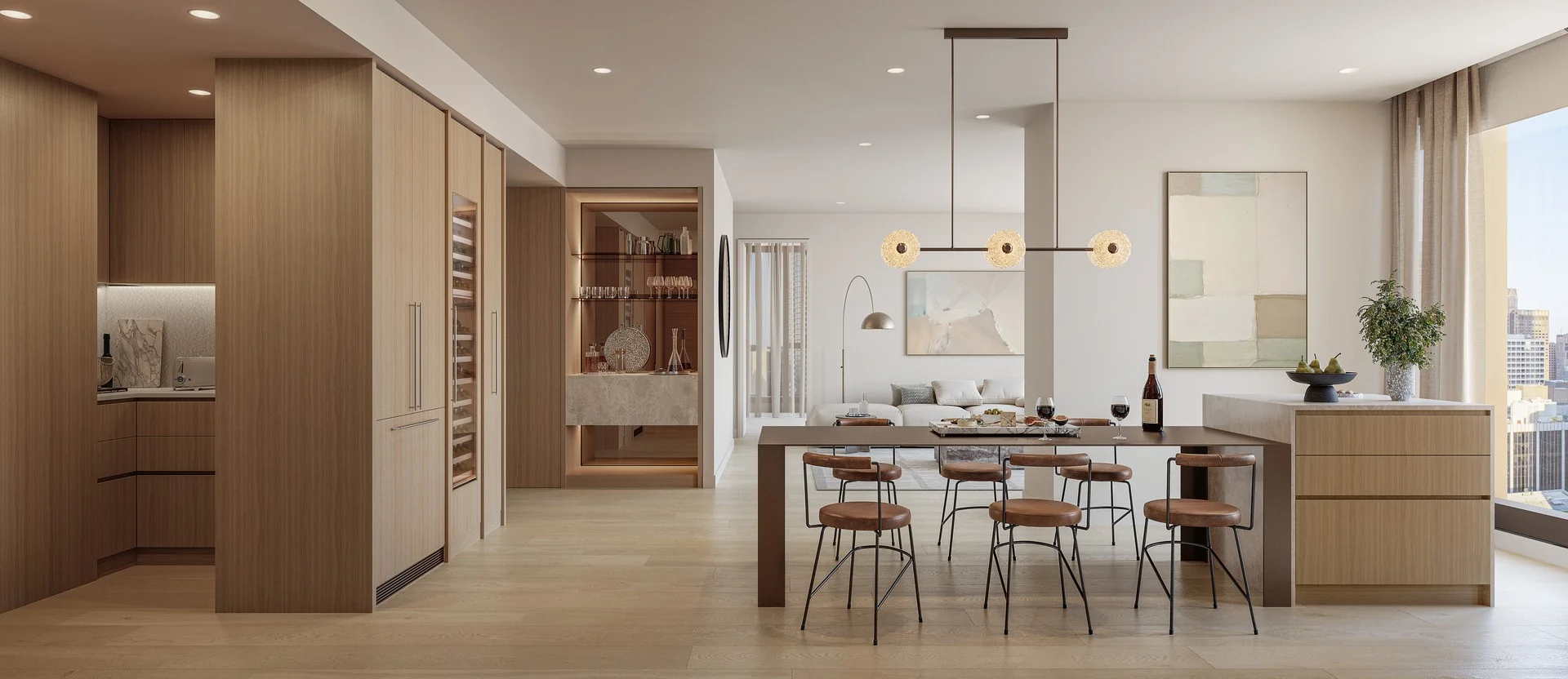 $2,865,000
Apartment / Unit / Flat
$2,865,000
Apartment / Unit / Flat
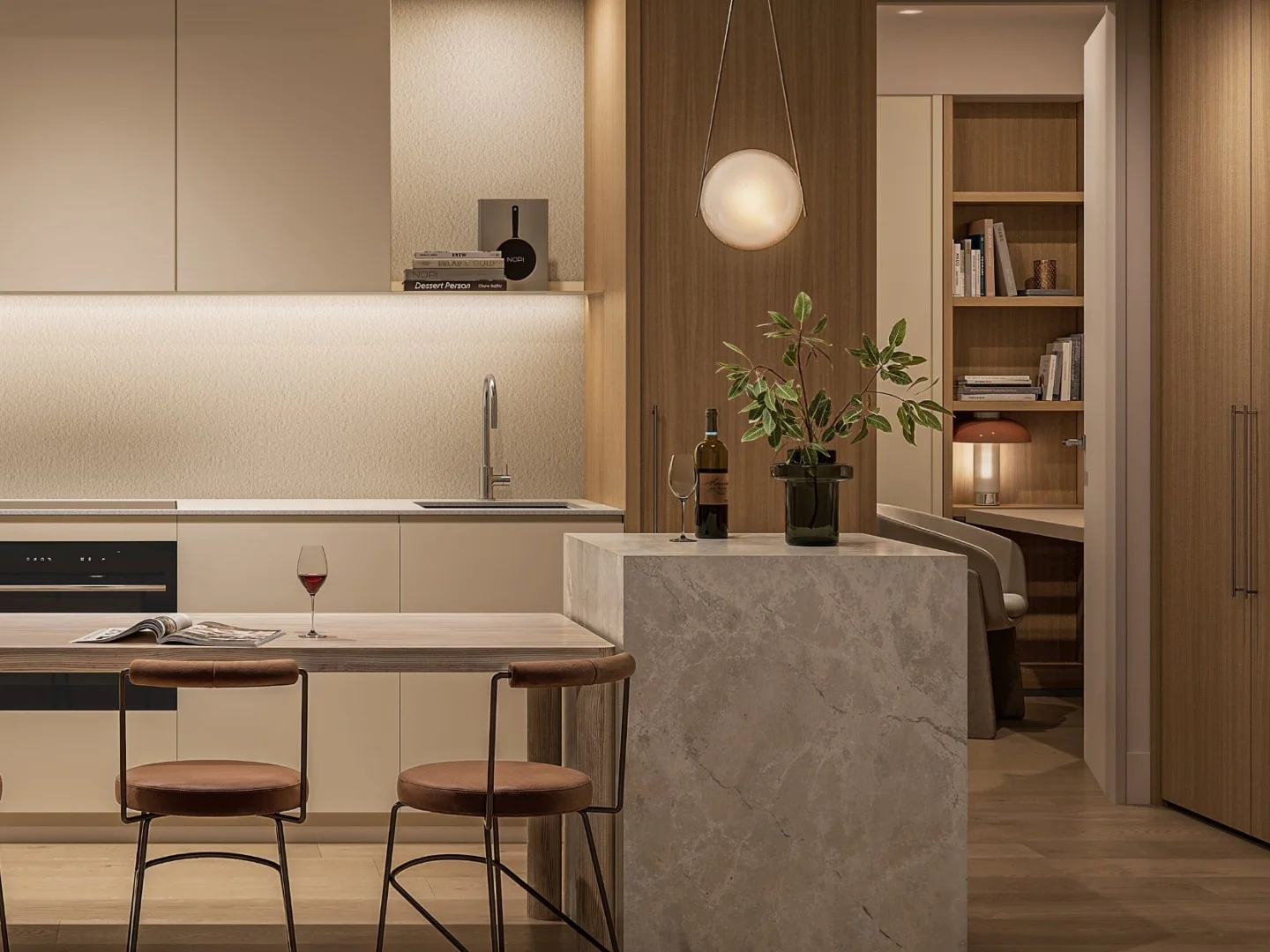 $712,500
Apartment / Unit / Flat
$712,500
Apartment / Unit / Flat
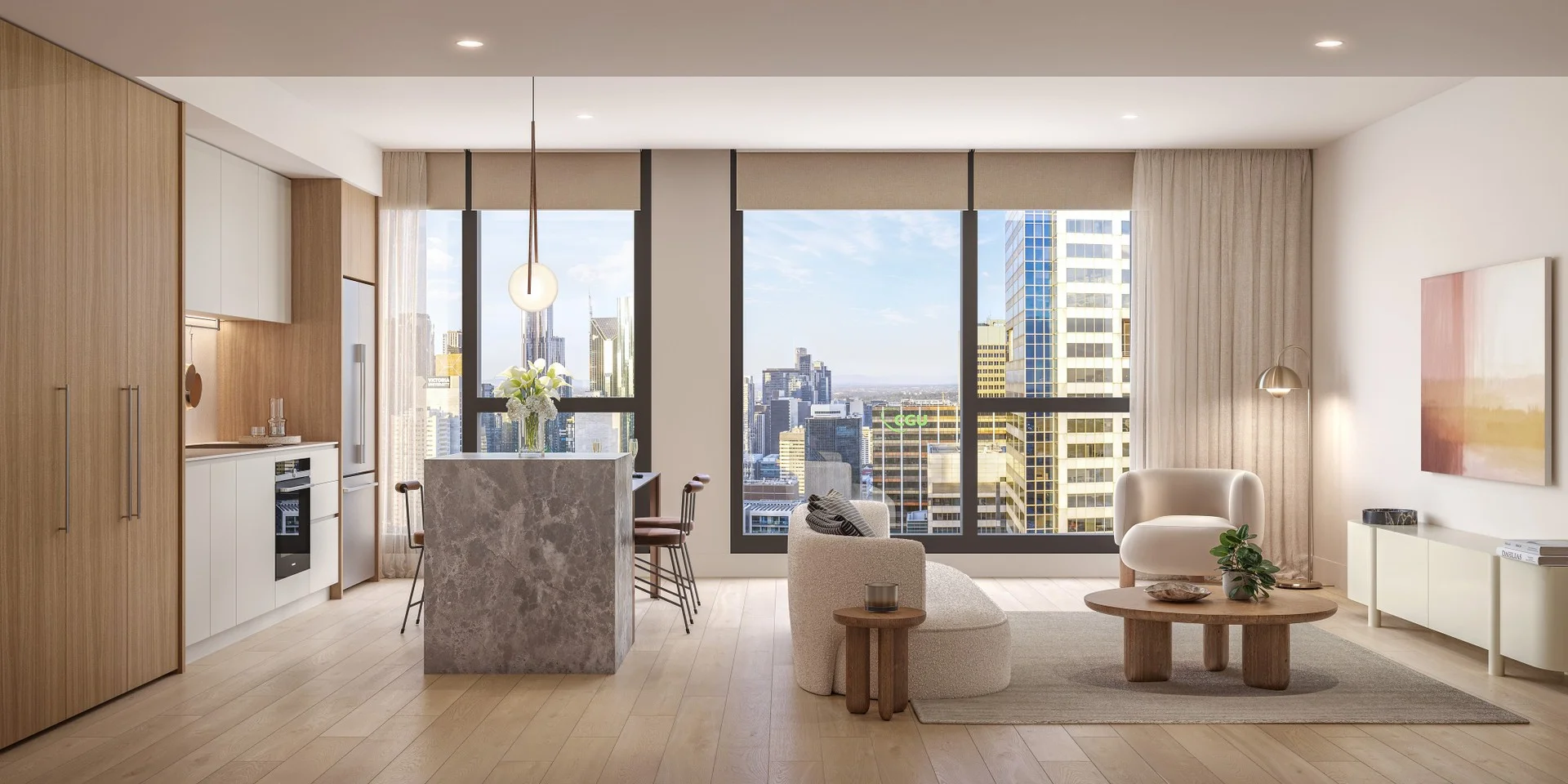 $1,870,000
propertyType.NEW APARTMENTS / OFF THE PLAN
$1,870,000
propertyType.NEW APARTMENTS / OFF THE PLAN


