Overview
# Overview
School Soldiers' Settlement Public School (P-6) is a public NSW primary school focused on delivering a supportive, inclusive learning environment for students in Matraville. The school emphasises creating a nurturing atmosphere where every child can grow academically, socially and emotionally.
- School type: Public
- School size: Medium
- Class size: Approximately 20–25 students
- Atmosphere/culture: Inclusive, nurturing, diverse, community-driven
# Academics & Learning
This school prioritises strong literacy and numeracy foundations while offering opportunities in STEM, the arts and leadership development. Hands-on, engaging learning experiences help students develop essential skills for lifelong learning.
- Academic strengths: English, Mathematics, STEM, and creative arts; leadership opportunities and targeted literacy/numeracy support
- Special programs: Gifted and Talented (where available), enrichment activities, and targeted extension opportunities
- NAPLAN / trends: Trends typically focus on steady improvement and ongoing literacy/numeracy growth year over year (specific year trends should be checked with the school for the latest data)
- Student-teacher ratios: Generally around 1:20–1:25
- Support for diverse learners: EAL/D support, Learning Support Team, SEN and inclusive education programs
# Sports & Extracurricular Strengths
A strong emphasis on participation, teamwork and well-rounded development. Students have opportunities to compete, create and explore across a range of activities.
- Sports offered: Soccer, cricket, netball, athletics, and other federation-approved activities; opportunities for inter-school events
- Strong teams or achievements: Active participation in district-level events and school-level team development
- Music, arts, drama programs: Visual and performing arts programs integrate into the curriculum; occasional school productions and community performances
- Clubs: Robotics, chess, coding, debating and other student-led clubs where space allows
- Partnerships: Local sport and community partnerships for pathways, tournaments and competitions
# Wellbeing & Pastoral Care
Wellbeing is a top priority, with structures in place to support social and emotional development, safety, and positive school life.
- Anti-bullying approach: Proactive policies, student-led anti-bullying initiatives, and whole-school involvement
- House system: A house structure to foster belonging, teamwork and healthy competition
- Counsellors / wellbeing officers: Access to school-based support staff for students and families
- Transition support for new students: Orientation activities, buddy programs, and targeted induction to ease transitions
# Facilities
Facilities are designed to support a range of learning experiences, with spaces that are easy to navigate and visually engaging.
- Sports grounds
- Libraries
- Science labs
- Music/performing arts centers
- Tech/innovation labs
- Cafeteria
- Updated playgrounds
# School Values & Community Culture
The school promotes a values-driven culture that supports respectful and responsible citizenship, with a collaborative approach to leadership and student voice.
- School values / mission: Respect, responsibility, resilience, and inclusion
- Leadership style: Student voice and leadership opportunities alongside teacher guidance
- Behaviour expectations: Clear positive-behaviour for learning expectations and consistent reinforcement
- Community reputation: Positive, family-friendly, collaborative community
- Diversity & inclusion: Strong emphasis on equity, inclusion and celebrating diverse backgrounds
# School Logistics & Daily Operations
Practical information to help families plan daily life around school routines.
- School hours: Typical day runs during standard NSW primary school hours (e.g., roughly 9:00am–3:00pm); check the current term schedule
- Before/after school care: Often available through OSHC providers or school approved programs
- Uniform requirements: Public primary school uniform policy (specific colours and items to be confirmed by the school)
- Transport (train/bus routes): Services available via local public transport; details depend on the family’s catchment and transport arrangements
- Canteen availability: Canteen or lunch program available on school days
- Fees (low/medium/high ranges): Primary education in NSW is funded by the government; expect minimal voluntary contributions and optional fees for activities or excursions
# Enrolment & Admissions
11. What is the enrolment process and timeline?
- Check catchment eligibility and school boundaries.
- Submit the enrolment application during the NSW Department of Education window for public primary schools.
- Provide required documents (birth certificate, immunisation status, proof of address, previous school records if applicable).
- The school will confirm enrolment offers in line with capacity and catchment rules; timelines vary by year and space availability.
12. Is there a waiting list, and how does it work?
- If the school is at capacity or enrolling out-of-area, a waiting list may operate.
- In-catchment enrolments are prioritised; out-of-catchment applicants may be considered if space becomes available, subject to governing policies.
13. Are there any entry requirements, tests, or interviews?
- For most public primary enrollments, there are no entrance exams or interviews.
- Documentation and eligibility (catchment status, immunisation) are required.
- Some programs or year levels may have additional processes, but these are not typical for standard K-6 enrollment.
14. Does the school accept mid-year transfers?
- Mid-year transfers can be accommodated if there is space and appropriate documentation.
- Parents should contact the school promptly to discuss availability and transfer requirements.
# Frequently Asked Questions
- Why Parents Choose This School?
- A welcoming, inclusive community with a focus on strong literacy and numeracy, well-being, and a broad range of learning opportunities. Parents value the supportive environment and local connections.
- What type of student thrives at this school?
- Curious, respectful, and engaged students who enjoy collaborative learning, extracurricular involvement and forming positive relationships with peers and teachers.
- What opportunities are available for students to extend their skills (academics, sports, arts)?
- Enrichment programs, clubs (robotics, coding, chess, debating), sports teams, arts and performing arts activities, and leadership opportunities through student voice and committees.
- How does the school communicate with parents?
- Regular newsletters, emails, parent-teacher meetings, and digital platforms for updates and billing; opportunities to engage with the P&C and school events.
- What is the school’s approach to teaching and learning?
- Differentiated instruction, student-centred learning, and ongoing assessment to support growth and ensure all students are appropriately challenged.
- How does the school support students who need extra academic help?
- Learning Support Team, targeted interventions, EAL/D support, and alignment with classroom differentiation to assist progress.
- What support is available for academic challenges?
- Access to learning support staff, additional classroom support, and targeted programs to address specific gaps or needs.
- How does the school communicate with parents? (repeated)
- See above: newsletters, digital platforms, meetings, and direct contact with teachers and leadership.
- What are the class sizes and how much individual attention do students receive?
- Typical class sizes around 20–25 students with teacher attention and opportunities for targeted small-group or one-on-one support.
- What extracurricular and sports opportunities are available?
- A range of sports, robotics, chess, coding, debating and arts programs; local and inter-school events and competitions when possible.
- What facilities does the school offer (sports, science, arts)?
- Sports grounds, library, science labs, performing arts spaces, tech/innovation labs, canteen, and well-maintained playgrounds.
- What is the school’s approach to technology and digital learning?
- Integration of ICT in learning, digital resources to support inquiry, coding and age-appropriate technology use.
- What transport and accessibility options are available?
- Access to local bus/train routes and pedestrian-friendly facilities within the catchment; specifics depend on location and available routes.
- What are the typical school fees or additional costs?
- NSW public primary schools have low to moderate voluntary contributions; costs for activities, excursions, uniforms and additional resources may apply.
# Short Pros & Cons list
- Pros
- Public public-school environment with a supportive, inclusive culture
- Strong focus on literacy, numeracy and wellbeing
- Broad range of extracurricular activities and clubs
- Accessible support for diverse learners (EAL/D, SEN)
- Active community involvement and parent engagement
- Cons
- Class sizes may vary by year level and staffing; peak periods can be busier
- Availability of some enrichment programs or clubs may depend on funding and space
- Transport options depend on local routes and catchment boundaries
- Mid-year transfers depend on space and may require adjustment periods
Notes:
- This content is designed as a decision-support resource for parents. For the most accurate and up-to-date information, please verify specifics with School Soldiers' Settlement Public School directly, including current enrolment policies, facilities, program offerings, and any recent changes to procedures.









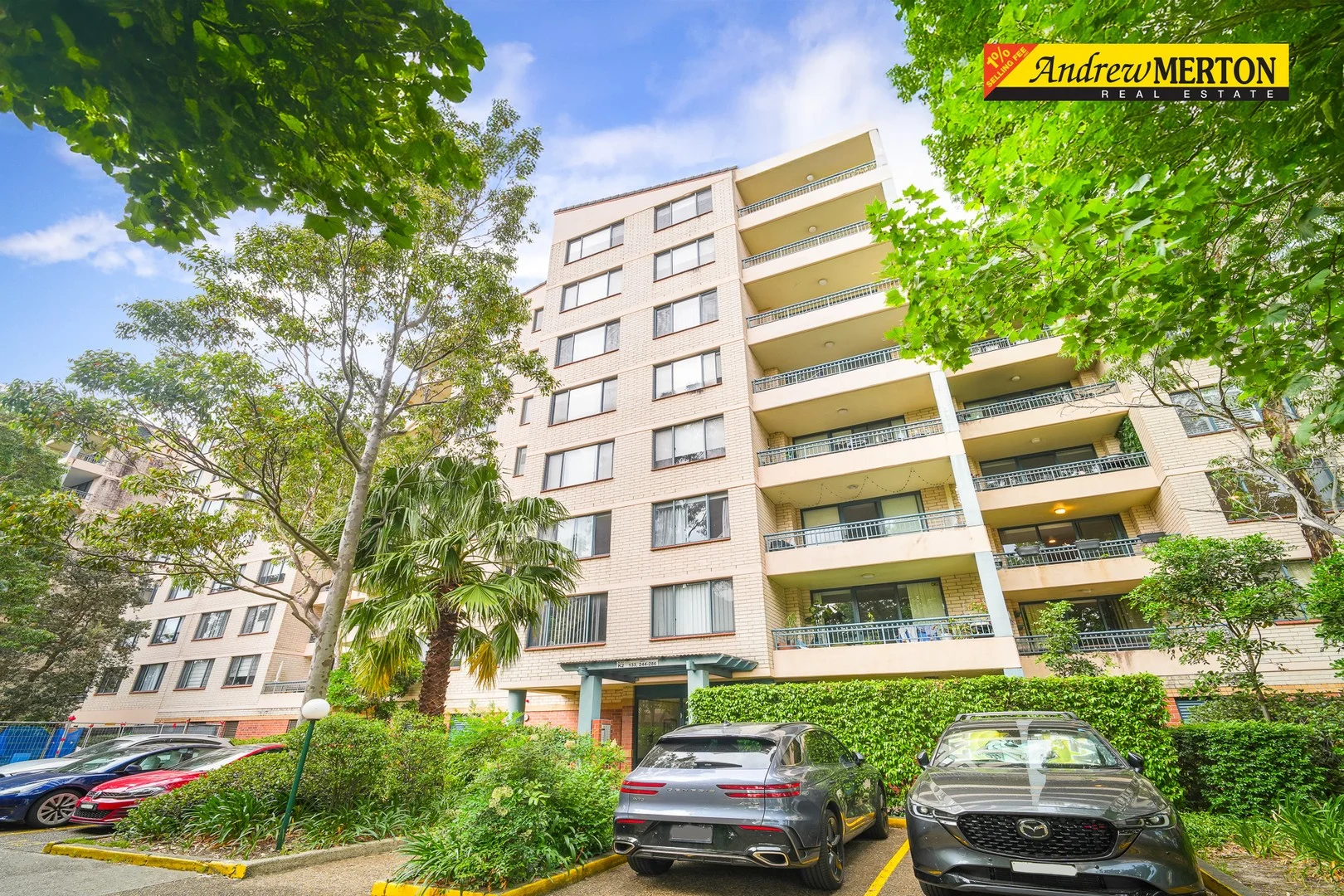 $933,000
Apartment / Unit / Flat
$933,000
Apartment / Unit / Flat
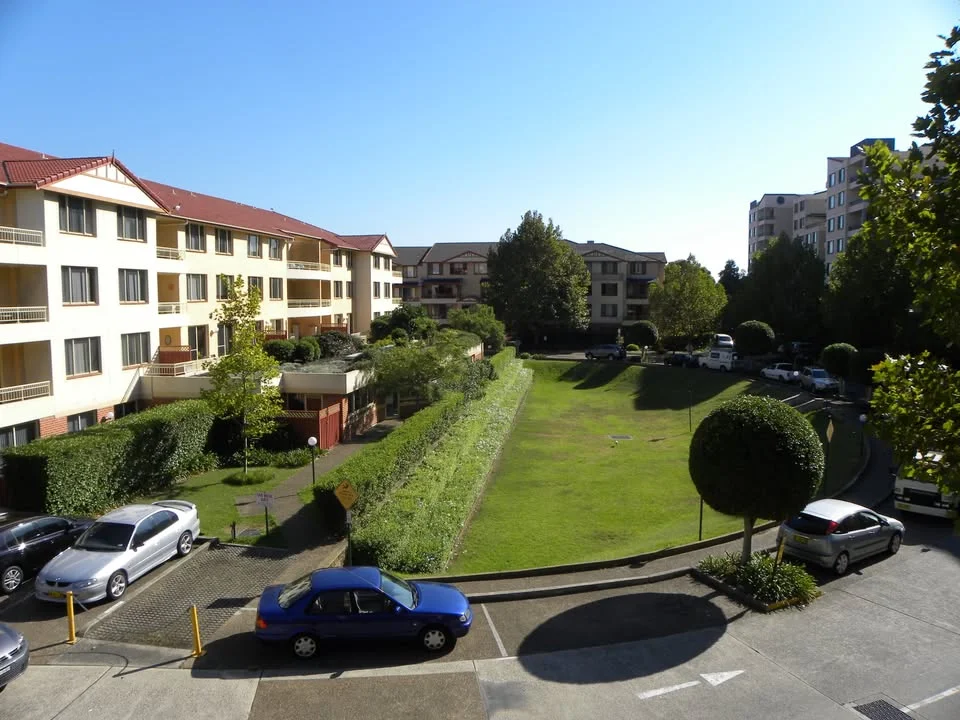 $990
Apartment / Unit / Flat
$990
Apartment / Unit / Flat
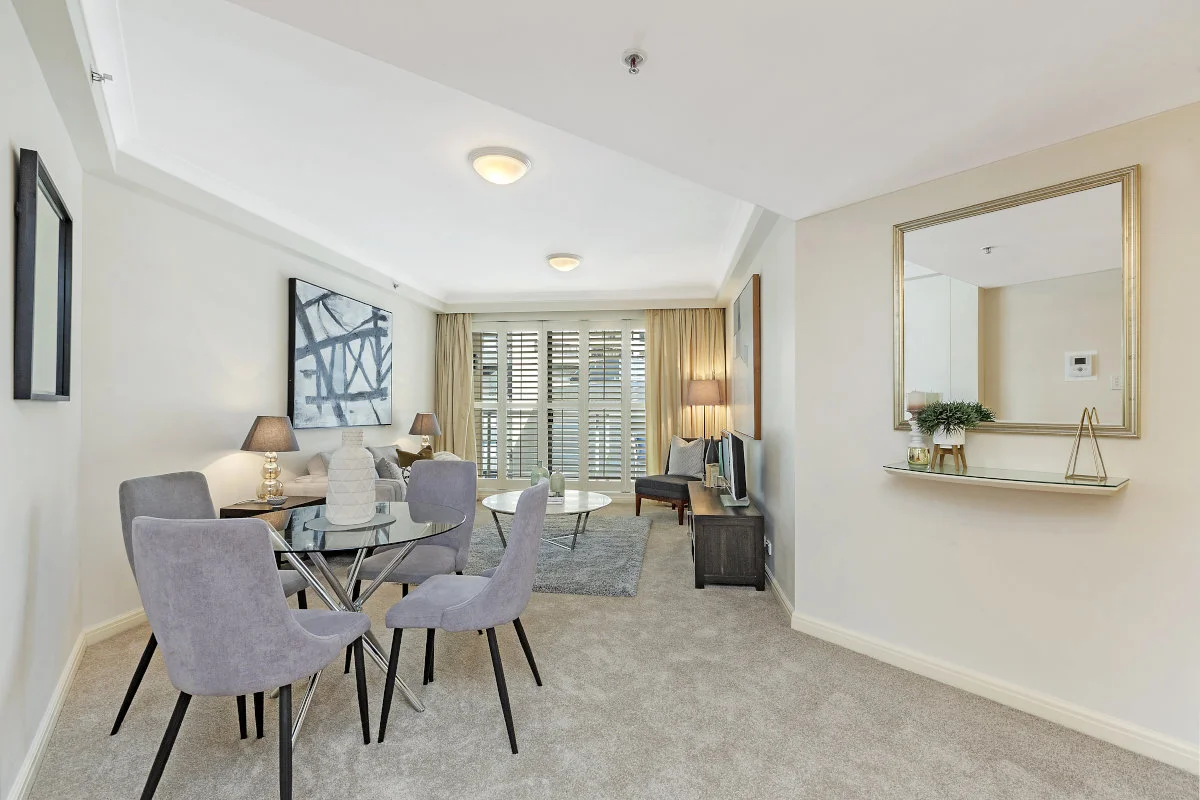 $660,000 - $725,000
Apartment / Unit / Flat
$660,000 - $725,000
Apartment / Unit / Flat
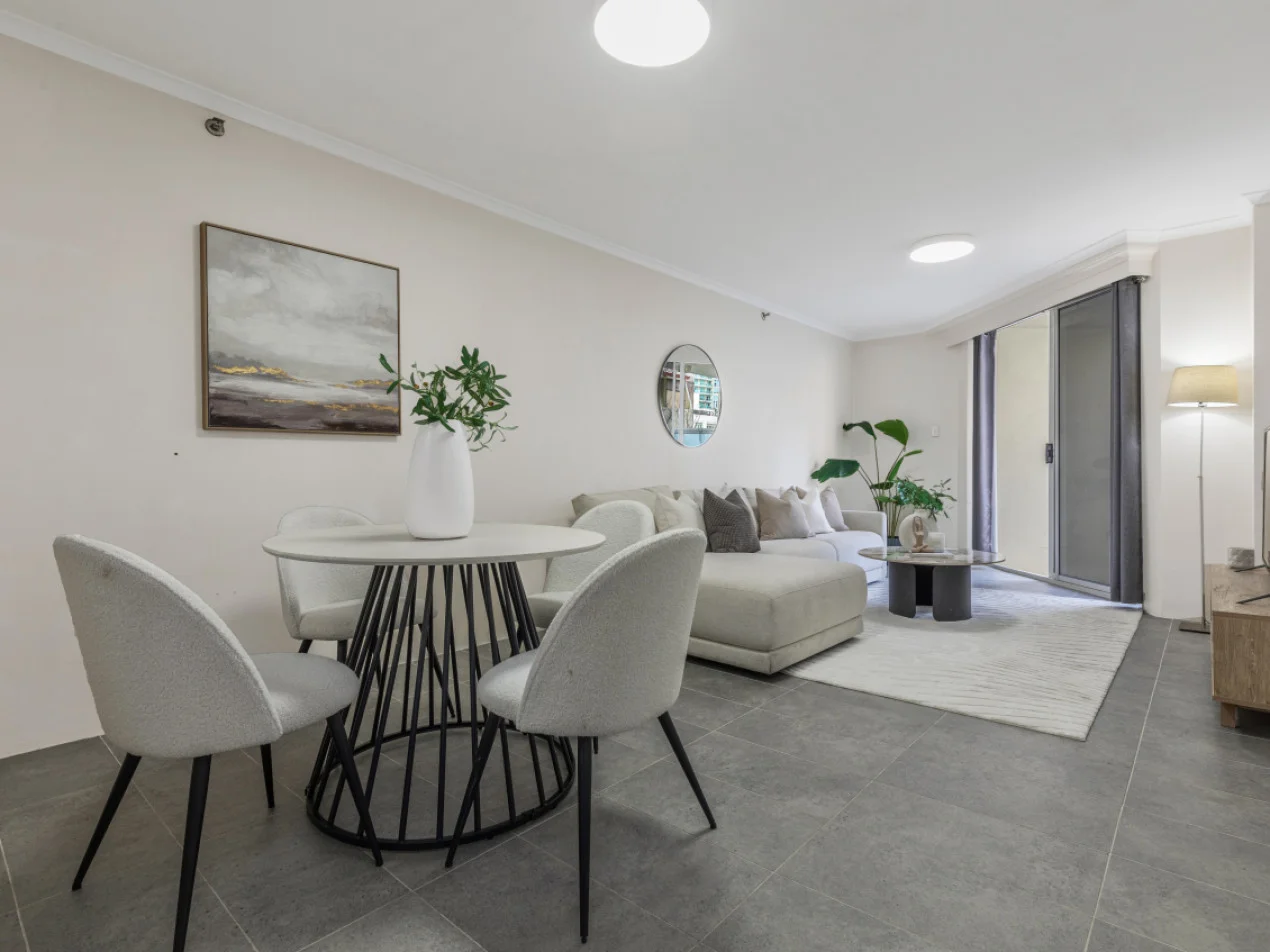 $640,000 - $675,000
Apartment / Unit / Flat
$640,000 - $675,000
Apartment / Unit / Flat
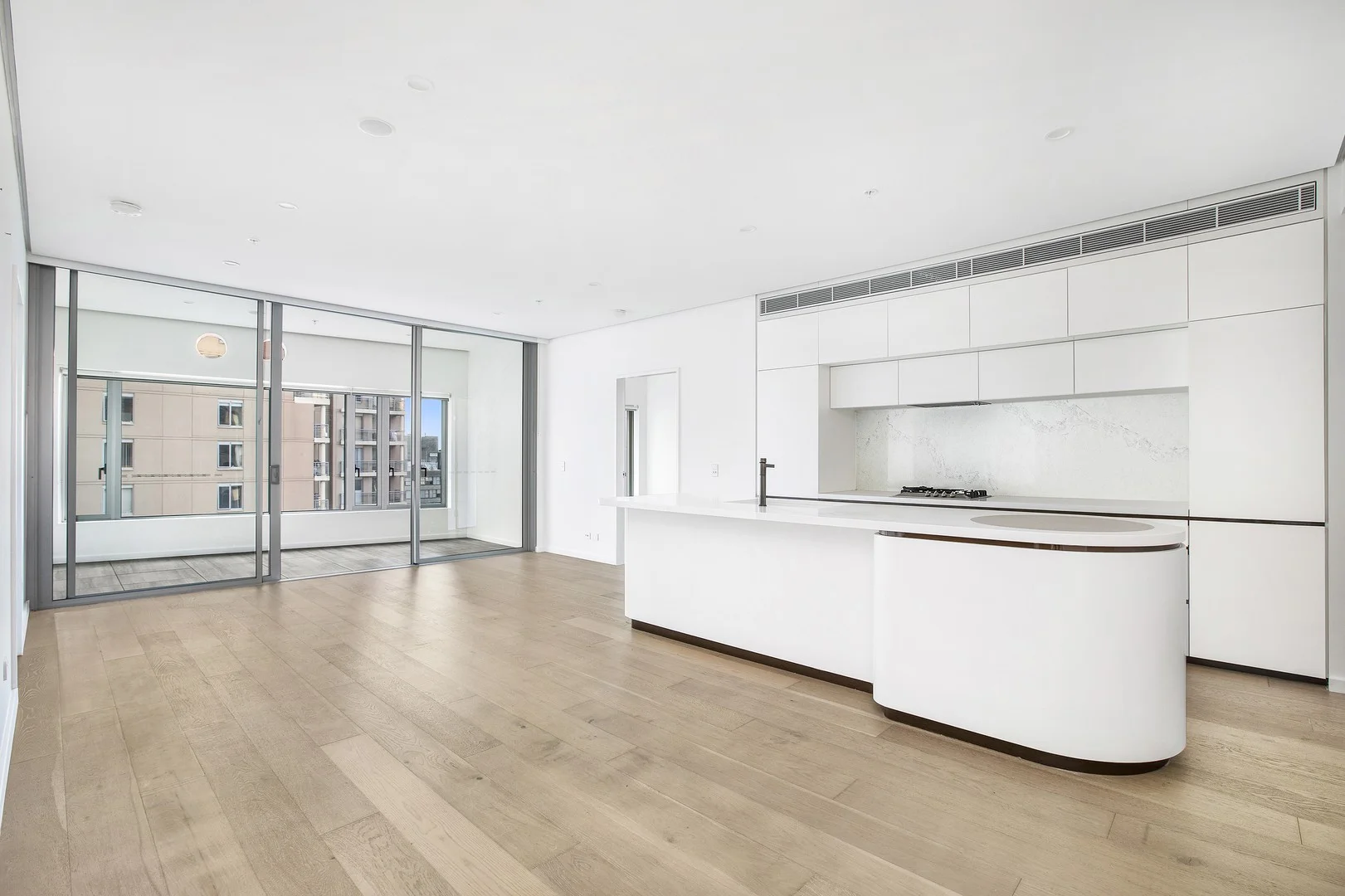 $2,250,000
Apartment / Unit / Flat
$2,250,000
Apartment / Unit / Flat
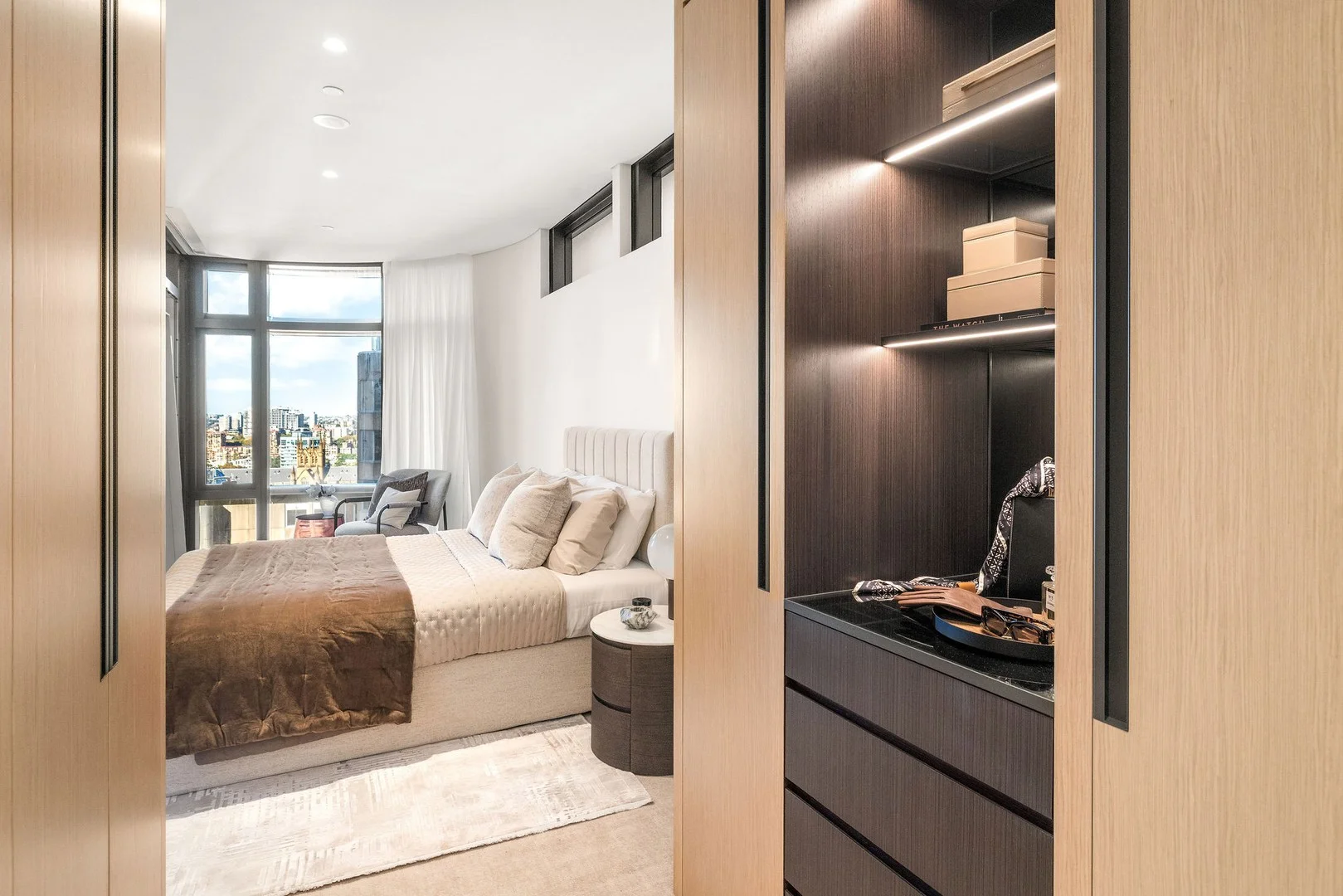 $2,745,000
propertyType.NEW APARTMENTS / OFF THE PLAN
$2,745,000
propertyType.NEW APARTMENTS / OFF THE PLAN
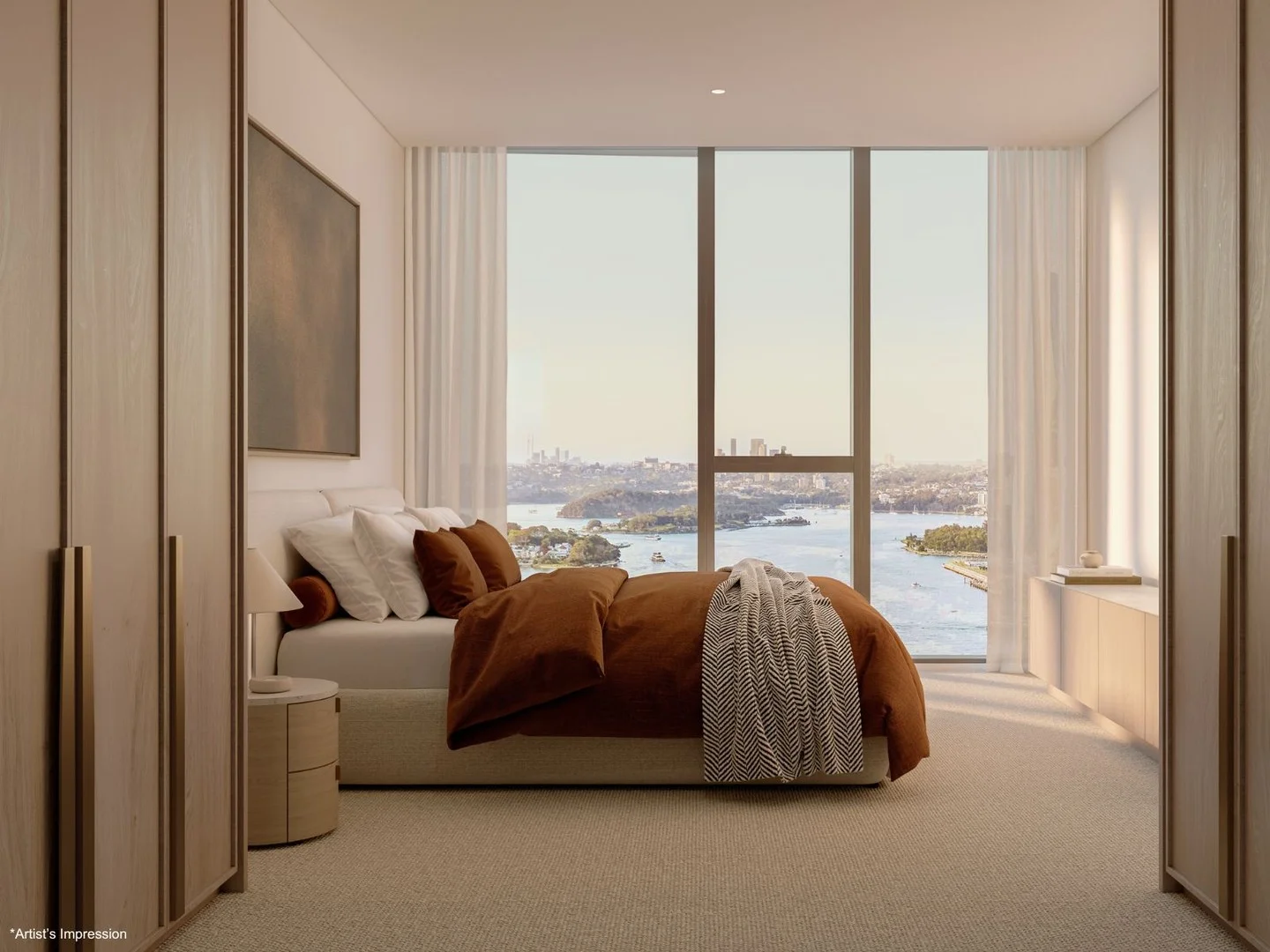 $8,630,000
propertyType.NEW APARTMENTS / OFF THE PLAN
$8,630,000
propertyType.NEW APARTMENTS / OFF THE PLAN
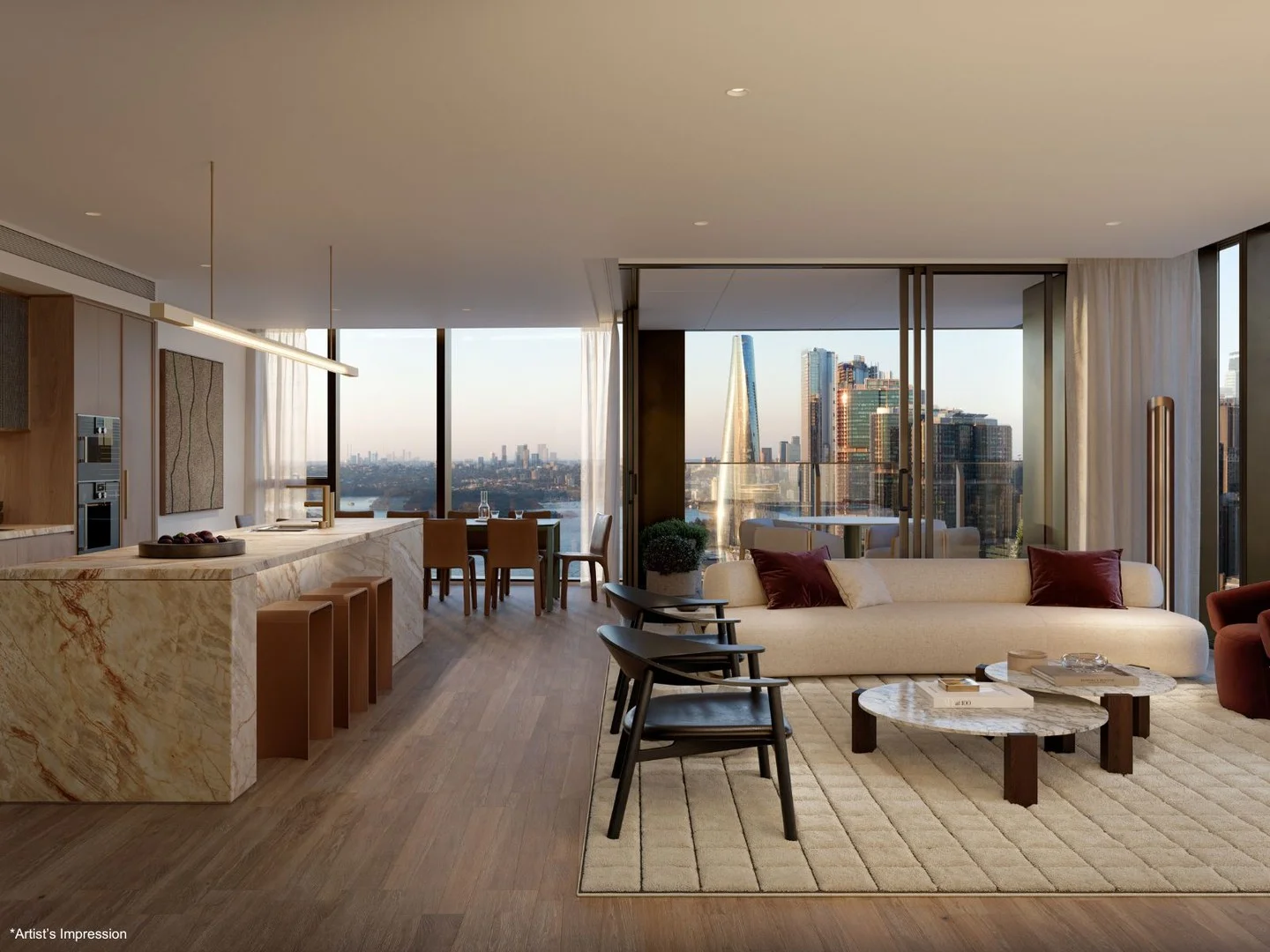 $12,980,000
propertyType.NEW APARTMENTS / OFF THE PLAN
$12,980,000
propertyType.NEW APARTMENTS / OFF THE PLAN
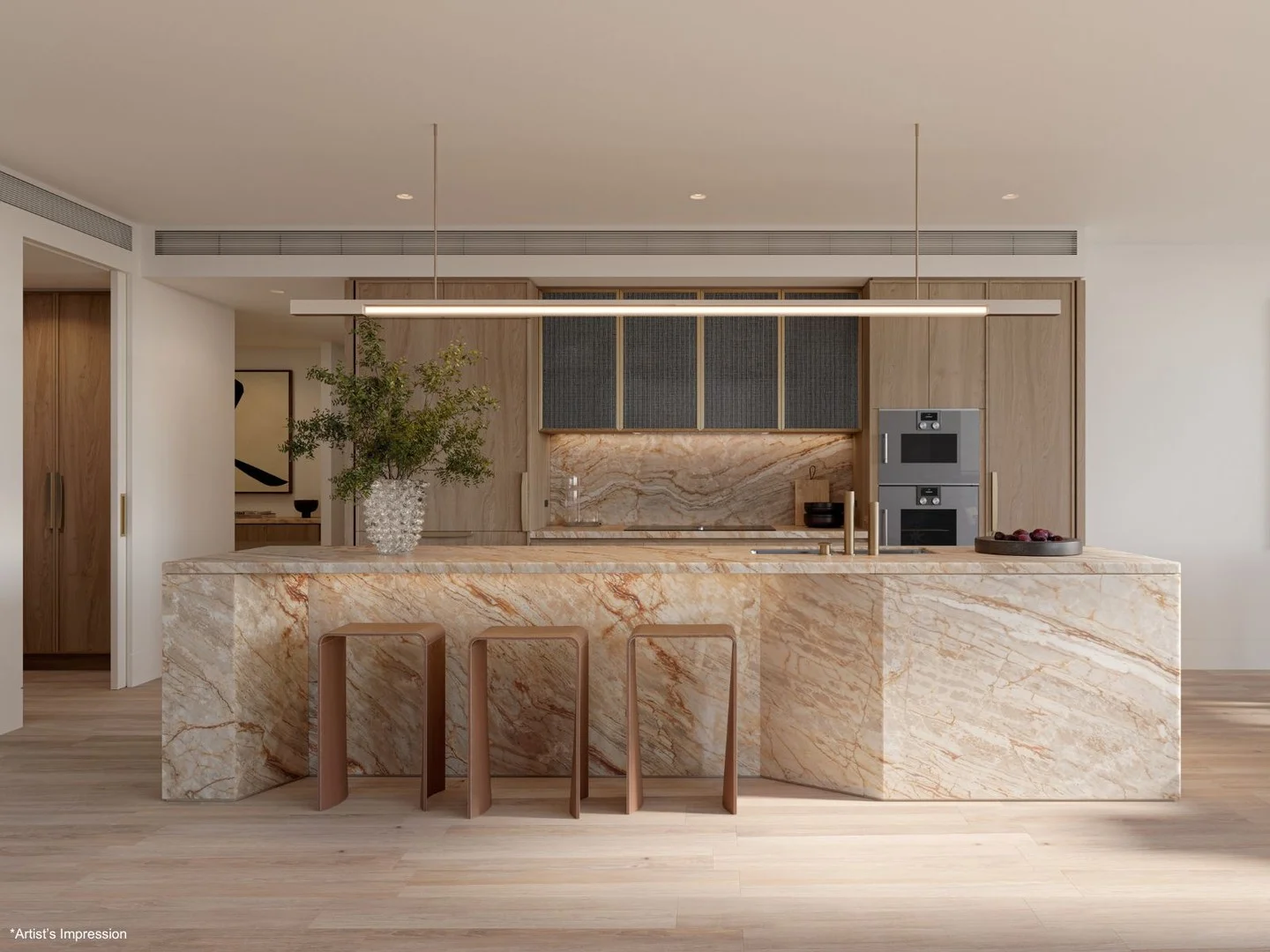 $6,225,000
propertyType.NEW APARTMENTS / OFF THE PLAN
$6,225,000
propertyType.NEW APARTMENTS / OFF THE PLAN


