Overview
# 1. Overview
St Agnes Catholic Primary School Mount Gravatt is a Catholic, co‑educational primary school serving families in Mount Gravatt and the surrounding communities. The school offers a faith‑based, values‑driven education for students from Prep to Year 6, emphasising a supportive, family‑like learning environment.
The school is a medium‑sized community with class sizes typically in the low‑ to mid‑20s. The atmosphere is nurturing and inclusive, combining a strong faith foundation with a focus on academic growth, community service, and everyday collaboration between staff, students, and families.
# 2. Academics & Learning
- Academic strengths: Strong literacy and numeracy programs underpin learning across all year levels, with additional focus on STEM, digital technologies, and religious education as core components of the curriculum. The school emphasises both foundational skills and higher‑order thinking to prepare students for continued learning.
- Special programs: Inclusive learning supports and enrichment opportunities are available to cater for varied learning needs, with integration of gifted and talented or extension activities where possible. Religious education is integrated as a central element of daily life.
- NAPLAN trends: NAPLAN results typically show solid performance with steady year‑to‑year improvements in literacy and numeracy, with many cohorts trending at or above state averages in key strands.
- Student‑teacher ratios: Class sizes are designed to be small to moderate, promoting accessible teacher support and individual feedback. The overall student‑teacher ratio generally falls in the mid‑teens to low‑20s per teacher, depending on year level and staffing.
- Support for diverse learners: The school provides support for diverse learners, including English as an Additional Language (EAL) assistance and targeted support for students with additional learning needs (SEN), aiming to create an inclusive learning environment.
# 3. Sports & Extracurricular Strengths
- Sports offered: A broad range of interschool and school‑level sports such as soccer, netball, cricket, basketball, AFL/rugby league, athletics, and swimming are typically available, encouraging broad participation.
- Strong teams or achievements: Students regularly participate in district and local inter‑school competitions and carnivals, with opportunities to develop teamwork, resilience, and sporting excellence.
- Music, arts, drama programs: Active performing arts options include school choirs, concerts, and drama activities that showcase student talent and creativity.
- Clubs: Robotics, coding, chess, debating, and other STEM/academic clubs are available to broaden skills beyond core academics.
- Partnerships: The school often partners with local community and diocesan programs, as well as regional sporting and arts competitions, to provide wider opportunities for students.
# 4. Wellbeing & Pastoral Care
- Anti‑bullying approach: A proactive behavioural framework and anti‑bullying policies support a safe, respectful environment for all students.
- House system: A house system fosters friendly competition, teamwork, and belonging across co‑curricular activities.
- Counsellors / wellbeing officers: Access to school counsellors or wellbeing staff helps students navigate social, emotional, and academic challenges.
- Transition support for new students: Orientation programs, buddy systems, and targeted transition activities ease entry for new students and help them settle quickly.
# 5. Facilities
- Sports grounds: On‑site ovals or multipurpose sports courts support physical education and outdoor activities.
- Libraries: A library for reading, research, and collaboration is available to students.
- Science labs: Dedicated spaces support practical science learning and experiments.
- Music/performing arts centers: Facilities for music and drama activities enhance performance opportunities.
- Tech/innovation labs: ICT and technology spaces enable coding, robotics, and digital learning experiences.
- Cafeteria: On‑site canteen or tuckshop services promote healthy eating options.
- Updated playgrounds: Safe, engaging outdoor play areas support active breaks and recreation.
# 6. School Values & Community Culture
- School values / mission: The school emphasises Catholic values such as faith, respect, compassion, integrity, and service as central to daily life and learning.
- Leadership style: A collaborative leadership approach involves the principal, leadership team, teachers, and student representatives for a well‑connected school community.
- Behaviour expectations: Clear behavioural expectations promote respectful conduct, responsibility, and care for others.
- Community reputation: The school is known for its supportive parish connection, family‑friendly environment, and commitment to inclusive education.
- Diversity & inclusion: A welcoming culture supports students from diverse backgrounds, with inclusive practices to meet varying needs.
# 7. School Logistics & Daily Operations
- School hours: The school day generally runs during standard school hours (e.g., start in the morning and finish in the afternoon), with routines designed to support learning and wellbeing.
- Before/after school care: Before and after school care options are typically available to assist families with school drop‑offs and pickups.
- Uniform requirements: A formal uniform is required, with guidance on everyday wear and sport uniforms for physical education and activities.
- Transport (train/bus routes): Access to public transport and local bus routes is common, with information provided to families about transport options and drop‑off zones.
- Canteen availability: A canteen or tuckshop service operates to provide meals and snacks.
- Fees (low/medium/high ranges): Fees are in line with other Catholic primary schools in the area, generally reflecting a moderate, predictable cost structure with possible additional charges for camp, activities, or excursions.
# 8. Enrolment & Admissions
11. What is the enrolment process and timeline?
- To enrol, families typically complete an application and submit required documentation (birth certificate, immunisation records, baptismal details for Catholic families, etc.). Information sessions or school tours are often offered, with timelines varying by year and intake. Space allocations and intake priority (such as siblings or parish considerations) can influence timing.
12. Is there a waiting list, and how does it work?
- There is often a waiting list when a year level is full. Applications may be placed on the list and offers are made as places become available, with priority given to criteria such as siblings, parish affiliations, or enrolment caps.
13. Are there any entry requirements, tests, or interviews?
- Entry commonly involves an information session or interview with families. Most Catholic primary schools do not require formal academic testing for entry, but admissions decisions may involve consideration of family background, Catholic connection, and readiness. Documentation such as immunisation and birth certificates is usually requested.
14. Does the school accept mid-year transfers?
- Mid‑year transfers are sometimes possible depending on space and administrative processes, subject to interview or enrolling procedures and alignment with the school calendar.
# 9. Frequently Asked Questions
- Why Parents Choose This School?
- Families often choose for the Catholic ethos, strong community, supportive staff, and emphasis on values, literacy, and student wellbeing.
- What type of student thrives at this school?
- Students who respond well to a faith‑based, inclusive environment with a focus on community, good attendance, and active participation in both academics and co‑curriculars.
- What opportunities are available for students to extend their skills (academics, sports, arts)?
- Enrichment options include STEM and coding clubs, advanced literacy/numeracy support, performing arts, music programs, interschool sports, and competitive teams.
- How does the school communicate with parents?
- Regular communications through newsletters, parent portals, phone calls, parent‑teacher meetings, and information sessions.
- What is the school’s approach to teaching and learning?
- A balanced approach combining core literacy and numeracy with inquiry, hands‑on learning, and integration of faith and values; emphasis on pastoral care and student wellbeing.
- How does the school support students who need extra academic help?
- Targeted learning support, EAL assistance, and access to teaching staff and counsellors to tailor interventions.
- What support is available for academic challenges?
- Additional tutoring, small group or one‑to‑one instruction, and progress reviews to monitor and adapt support plans.
- How does the school communicate with parents? (Repeated)
- See above: regular updates via newsletters, portals, meetings, and direct contact from teachers.
- What are the class sizes and how much individual attention do students receive?
- Class sizes are designed to be manageable (typically in the low‑ to mid‑20s per class), enabling frequent teacher feedback and targeted support.
- What extracurricular and sports opportunities are available?
- A range of sports (soccer, netball, cricket, basketball, AFL/rugby league, athletics), plus robotics, coding, chess, debating, music, drama, and arts programs.
- What facilities does the school offer (sports, science, arts)?
- Sports grounds, library, science labs, music/performing arts spaces, technology/innovation labs, canteen, and updated playgrounds.
- What is the school’s approach to technology and digital learning?
- Integration of digital technologies and coding into the curriculum, with access to appropriate ICT resources and learning platforms.
- What transport and accessibility options are available?
- Access to local bus routes and proximity to public transport, with information provided to families about routes and pickup points.
- What are the typical school fees or additional costs?
- Fees align with other Catholic primary schools in the area, with potential extra costs for camps, excursions, and elective activities.
# 10. Short Pros & Cons list
- Pros
- Catholic, values‑driven community with supportive staff
- Medium‑sized school offering small to mid‑sized classes
- Strong focus on literacy, numeracy, and faith education
- Broad range of co‑curriculars: sports, arts, robotics, debating
- Inclusive environment with EAL and SEN support
- Active wellbeing and pastoral care, with a house system and student leadership
- Good facilities including science labs, arts spaces, and tech labs
- Convenient transport options and after‑care availability
- Cons
- Fees aligned with private Catholic schooling may be a consideration for some families
- Availability of places can be competitive in certain intake years
- Some specialist programs or extensions may have limited spots depending on staffing and enrollment numbers





 $1,475,000 - $2,090,000
propertyType.NEW APARTMENTS / OFF THE PLAN
$1,475,000 - $2,090,000
propertyType.NEW APARTMENTS / OFF THE PLAN
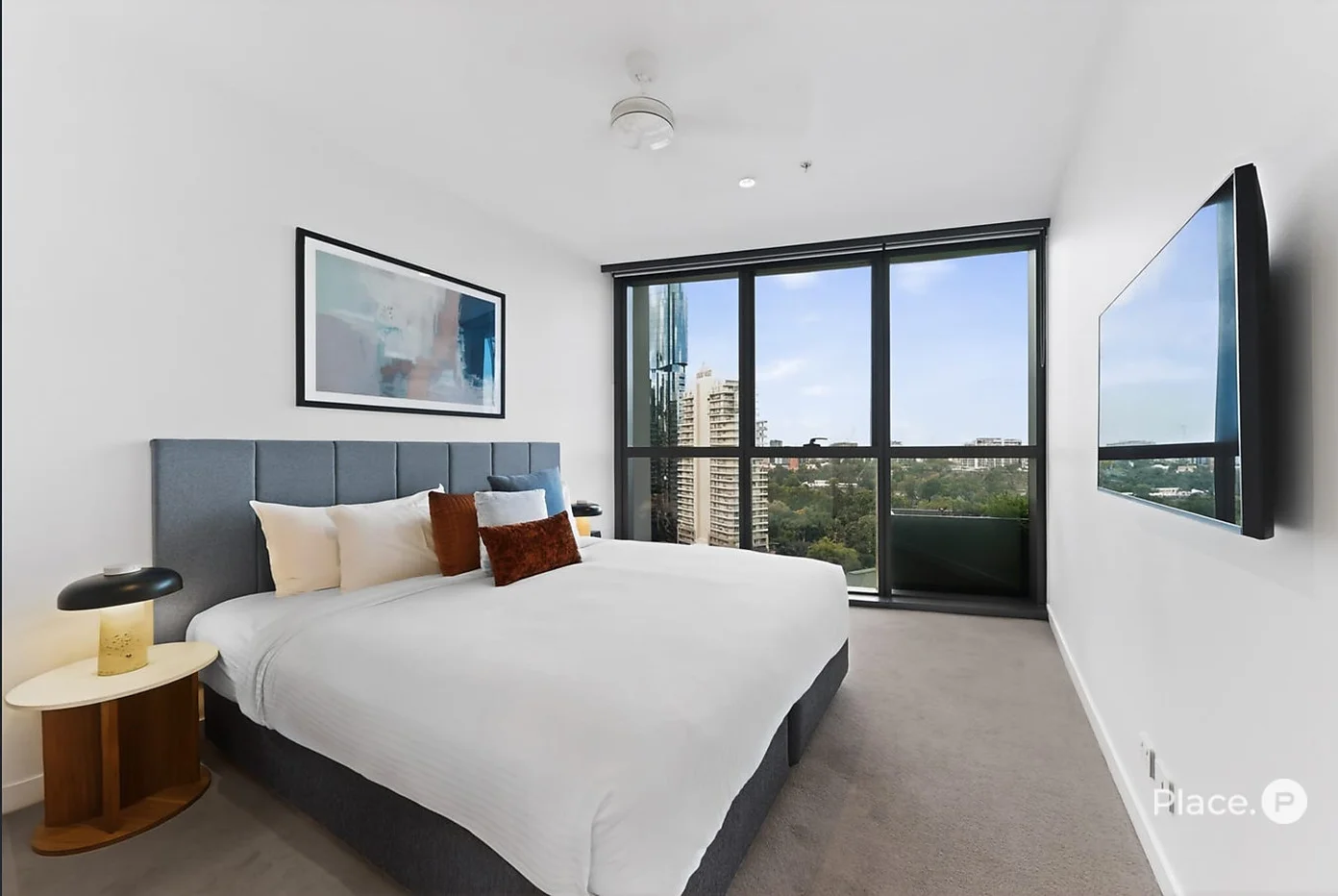 $770,000
Apartment / Unit / Flat
$770,000
Apartment / Unit / Flat
 $550,000
Apartment / Unit / Flat
$550,000
Apartment / Unit / Flat
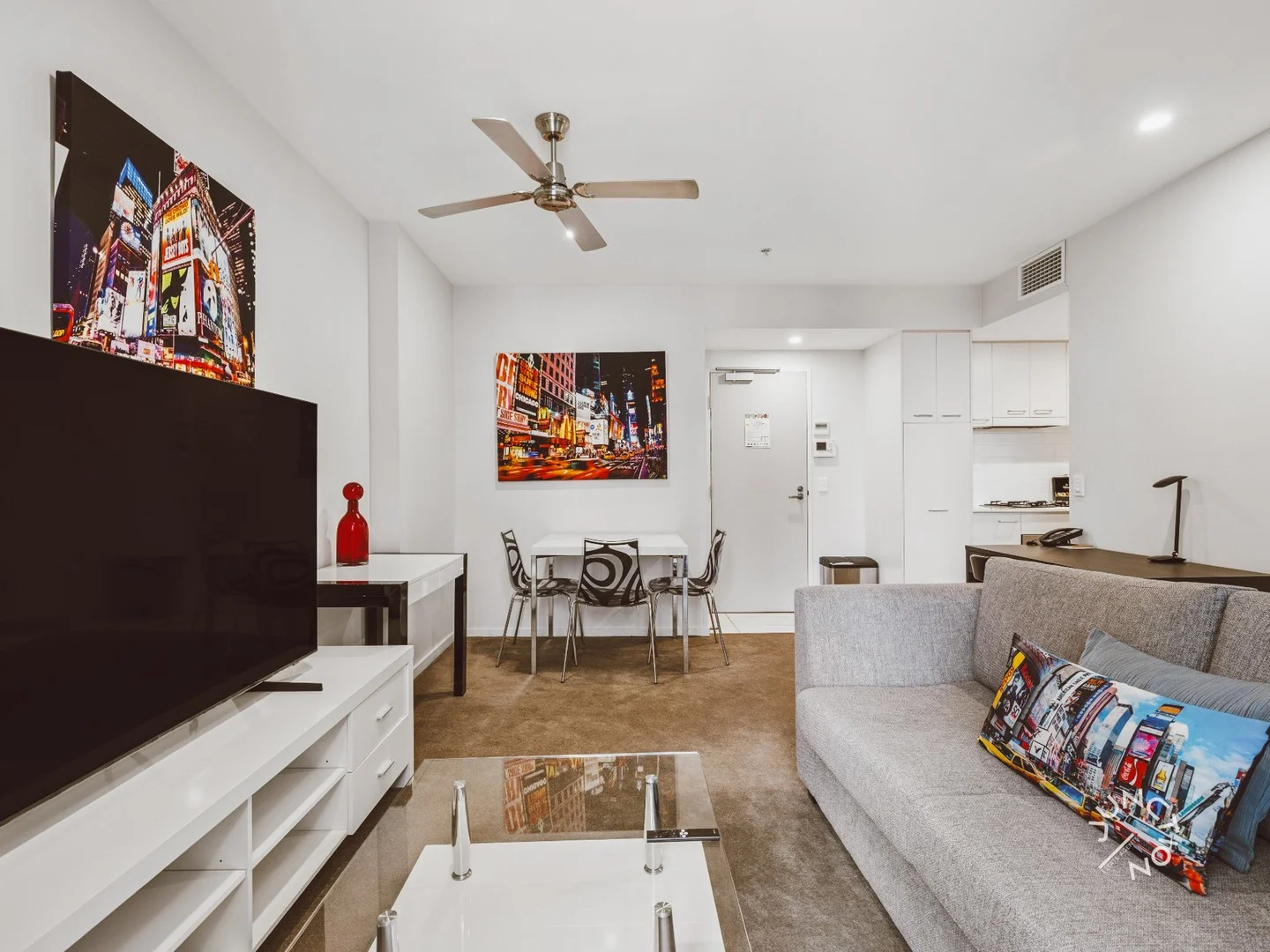 $523,200 - $566,800
Apartment / Unit / Flat
$523,200 - $566,800
Apartment / Unit / Flat
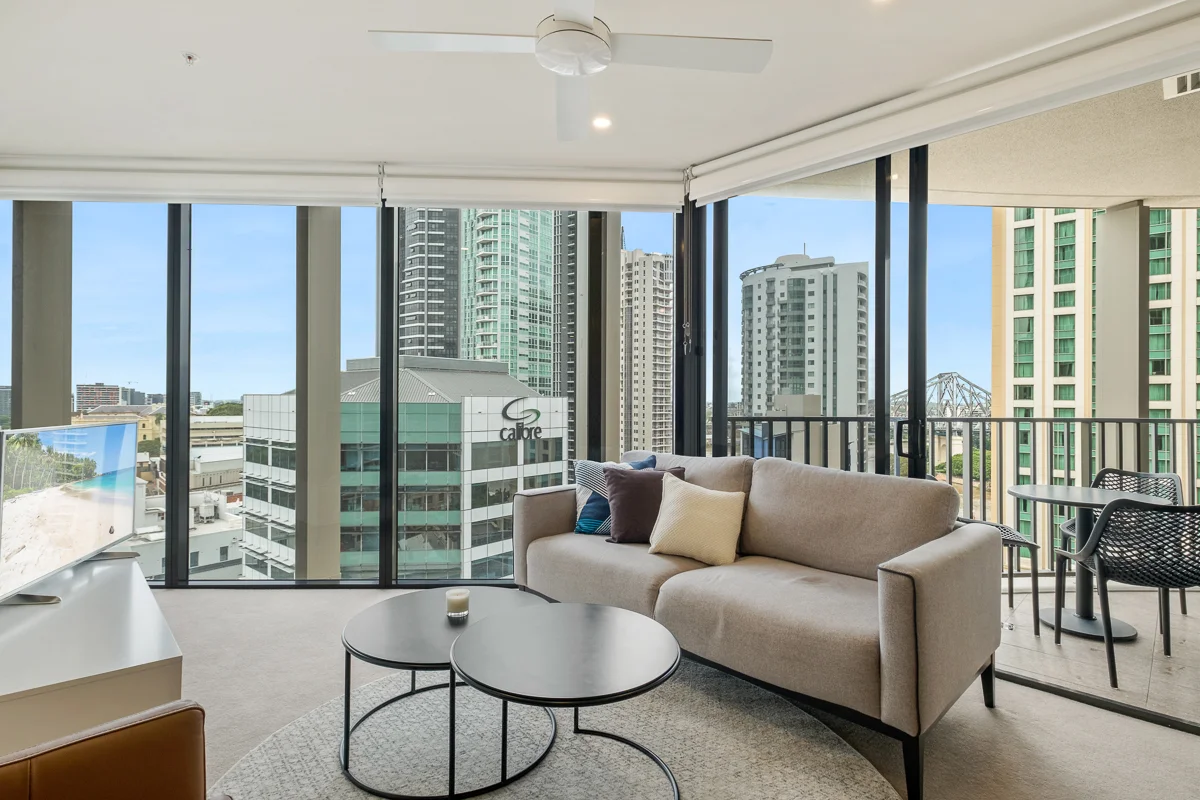 $950,000
Apartment / Unit / Flat
$950,000
Apartment / Unit / Flat