Overview
## Overview
Yarranlea Primary School is a public, co-educational primary school that serves the local Mount Gravatt community. The school focuses on creating a nurturing, inclusive learning environment with a strong emphasis on building solid foundations in literacy and numeracy while encouraging curiosity and a love of learning. With a medium-sized student body, classes are designed to support personalised learning and active participation across year levels.
The atmosphere is community-focused and supportive, with a culture that values respectful relationships, collaboration, and opportunities for students to contribute to school life. The school balances academic development with wellbeing, sport, and creative pursuits to help students grow as well-rounded individuals.
## Academics & Learning
- Academic strengths: Strong literacy and numeracy foundations, with emphasis on STEM literacy, digital skills, leadership opportunities, and cross-curricular learning.
- Special programs: Gifted and talented pathways or acceleration options where available, targeted intervention and extension activities, and library/read-and-respond programs to promote higher-level thinking.
- NAPLAN / trends: Consistent assessment monitoring with trends showing steady improvement or stable performance in key areas over recent years; school works to close gaps through targeted supports.
- Student-teacher ratios: Class sizes typically in the range of 16–25 students depending on year level, with smaller group instruction and targeted support to maximise individual attention.
- Support for diverse learners: Strong inclusion focus with targeted support for EAL/D students and students with SEN, plus in-class differentiation and access to specialist staff for targeted interventions.
## Sports & Extracurricular Strengths
- Sports offered: A range of team and individual sports commonly offered at primary schools, such as soccer, rugby league, cricket, basketball, netball, athletics, and swimming.
- Strong teams or achievements: Active participation in district school sport events; teams routinely compete and clubs celebrate participation, development, and sportsmanship.
- Music, arts, drama programs: School music programs, choir or ensembles, and opportunities to participate in school drama productions and performances.
- Clubs: Robotics, coding, chess, debating, and other technology or academic clubs to build problem-solving and teamwork skills.
- Partnerships: Connections with local community groups and nearby clubs for coaching support, competitions, and enrichment opportunities.
## Wellbeing & Pastoral Care
- Anti-bullying approach: Whole-school anti-bullying and respectful relationships programs; emphasis on a safe, welcoming environment for every student.
- House system: A house-based framework to foster teamwork, leadership, and healthy competition across activities and events.
- Counsellors / wellbeing officers: Access to school wellbeing staff or a guidance counsellor to support social, emotional, and mental health needs.
- Transition support: Orientation programs for new students, buddy systems, and dedicated transition activities to help students adapt to new year levels or school settings.
## Facilities
- Sports grounds: On-site sports fields or courts suitable for PE and team sports.
- Libraries: A central library with resources to support reading, research, and creative projects.
- Science labs: Dedicated spaces for practical science activities and experiments.
- Music/performing arts centers: Facilities to support music education, rehearsals, and school performances.
- Tech/innovation labs: Classrooms equipped with digital devices and learning technologies to support coding and STEAM activities.
- Cafeteria: On-site canteen or lunch facilities offering healthy options.
- Updated playgrounds: Well-maintained outdoor play spaces for recreation and physical activity.
## School Values & Community Culture
- School values / mission: Clear emphasis on respect, responsibility, resilience, and inclusion; mission focused on developing capable, caring students.
- Leadership style: Student leadership opportunities and a collaborative, supportive approach from staff to empower learners.
- Behaviour expectations: Positive behaviour framework with explicit expectations and consistent routines.
- Community reputation: Strong sense of community with active parental involvement and a welcoming environment for families.
- Diversity & inclusion: Commitment to embracing students from diverse backgrounds and promoting inclusive practices across the school.
## School Logistics & Daily Operations
- School hours: Typical primary school hours (commonly around 9:00 am–3:00 pm, with variations by year level).
- Before/after school care: OSHC or community-based after-school care options may be available to support families.
- Uniform requirements: School uniform policy requiring appropriate daytime wear; sports uniform for certain activities or days.
- Transport (train/bus routes): Access to public transport options and bus routes servicing the area; drop-off and pick-up zones arranged for safety.
- Canteen availability: On-site canteen or food service offering healthy meal options.
- Fees: Public schools usually have low to moderate fees related to voluntary contributions, activities, and materials; uniform costs apply.
## Enrolment & Admissions
11. What is the enrolment process and timeline?
- Enrolment typically begins with an online or in-person application through the school or state education portal, followed by documentation review (proof of age, identity, address, immunisation where required) and a submission deadline. Families are informed of timelines, including offer or placement notifications, and any required orientation or information sessions before start.
12. Is there a waiting list, and how does it work?
- Waiting lists can occur when the school reaches capacity. Prospective families are usually added to the list and given a priority relative to distance, sibling connections, or placement policies. Offers are made when space becomes available.
13. Are there any entry requirements, tests, or interviews?
- Generally, enrolment does not require entrance tests or interviews for standard intake. If a gifted and talented pathway or specific program is available, there may be additional screening or selection processes for those programs. Immunisation and health documentation are commonly required.
14. Does the school accept mid-year transfers?
- Yes, mid-year transfers are possible provided there is space and all enrolment documentation is complete. Timing and availability may affect placement decisions.
## Frequently Asked Questions
- Why Parents Choose This School?
- A welcoming, inclusive community with a focus on strong literacy and numeracy, supportive staff, and opportunities across academics, sport, and the arts.
- What type of student thrives at this school?
- Students who respond well to a nurturing environment that emphasises collaboration, responsible conduct, and active participation in class and extracurricular activities.
- What opportunities are available for students to extend their skills (academics, sports, arts)?
- Enrichment in literacy and numeracy, STEM and digital learning, leadership roles, sports teams, music, drama, and clubs such as robotics, coding, and chess.
- How does the school communicate with parents?
- Regular updates via newsletters, emails, a school portal, and parent-teacher meetings; timely communication on student progress and events.
- What is the school’s approach to teaching and learning?
- An inclusive, evidence-based approach that differentiates instruction to meet diverse learner needs, emphasizes active learning, and integrates technology and real-world applications.
- How does the school support students who need extra academic help?
- Targeted intervention and extension options, small-group or one-on-one support, and collaboration with specialists to ensure progress across literacy and numeracy.
- What support is available for academic challenges?
- Access to learning support staff, SEN coordination, and tailored strategies to help students meet learning goals.
- How does the school communicate with parents? (Repeated)
- See above.
- What are the class sizes and how much individual attention do students receive?
- Class sizes typically range from mid-teens to mid-20s; schools aim to provide opportunities for individual feedback, targeted instruction, and frequent student–teacher interactions.
- What extracurricular and sports opportunities are available?
- A range of sports, music and arts programs, and clubs (robotics, coding, chess, debating) to cater to diverse interests and talents.
- What facilities does the school offer (sports, science, arts)?
- Sports grounds, library, science labs, music/performing arts facilities, tech/innovation spaces, canteen, and updated playgrounds.
- What is the school’s approach to technology and digital learning?
- Integration of digital tools and platforms to support learning, coding, and 21st-century skills; emphasis on safe and responsible technology use.
- What transport and accessibility options are available?
- Access to local bus services and supported transport arrangements where eligible; clear drop-off/pick-up zones for safety.
- What are the typical school fees or additional costs?
- Public primary schools generally have low to moderate fees related to educational resources, activities, and uniforms; some costs may be incurred for excursions or optional programs.
## Short Pros & Cons list
- Pros
- Supportive, inclusive community with a focus on foundational academics.
- Balanced emphasis on wellbeing, sport, arts, and technology.
- Small-to-medium class sizes enabling more individualized attention.
- Strong transition and student leadership opportunities; active parent involvement.
- Cons
- As a smaller-to-mid-sized school, some specialist programs may have limited capacity or availability.
- Availability of certain programs may vary year to year depending on staffing and funding.
- Mid-year transfer availability depends on space; wait times can occur during peak periods.





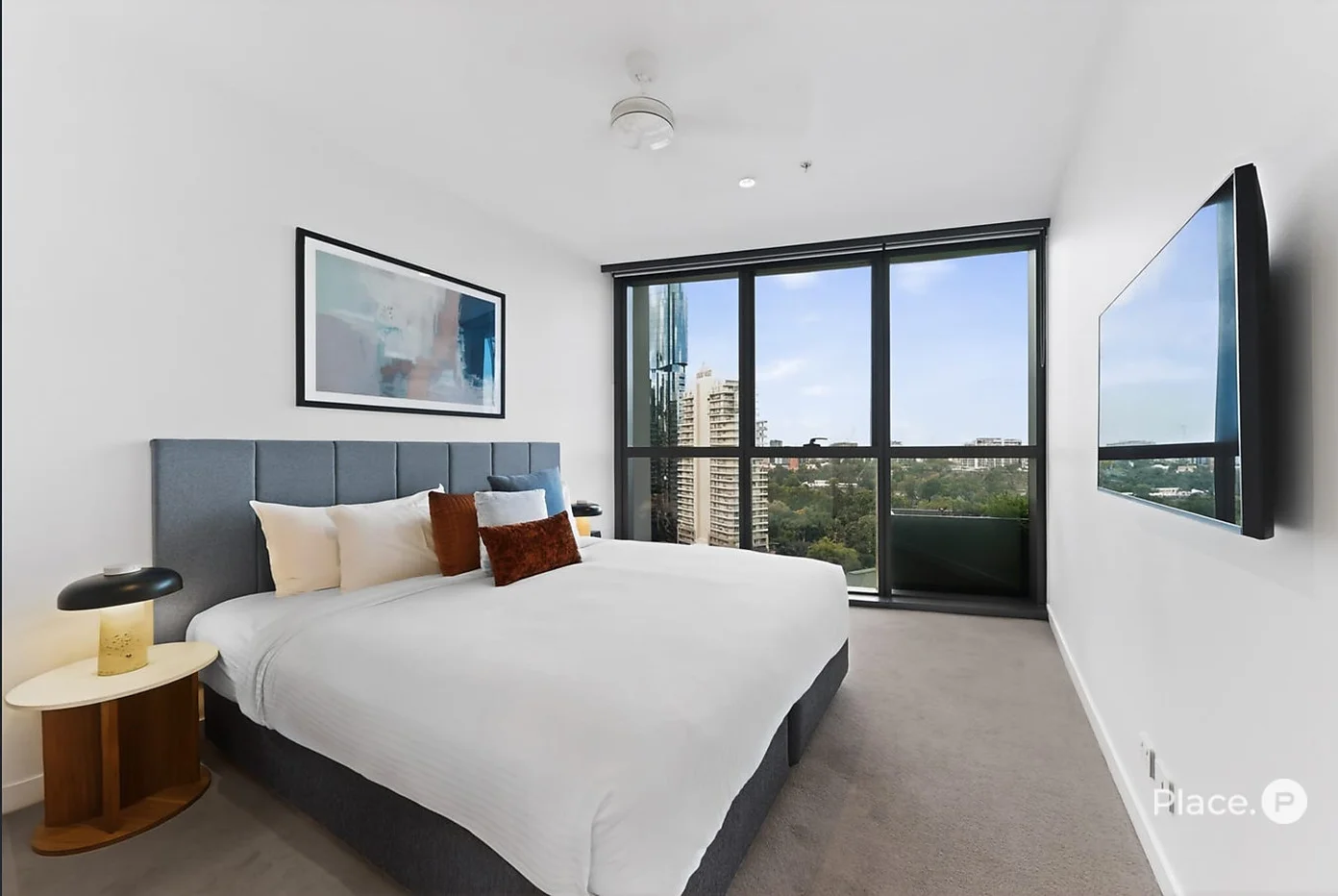 $770,000
Apartment / Unit / Flat
$770,000
Apartment / Unit / Flat
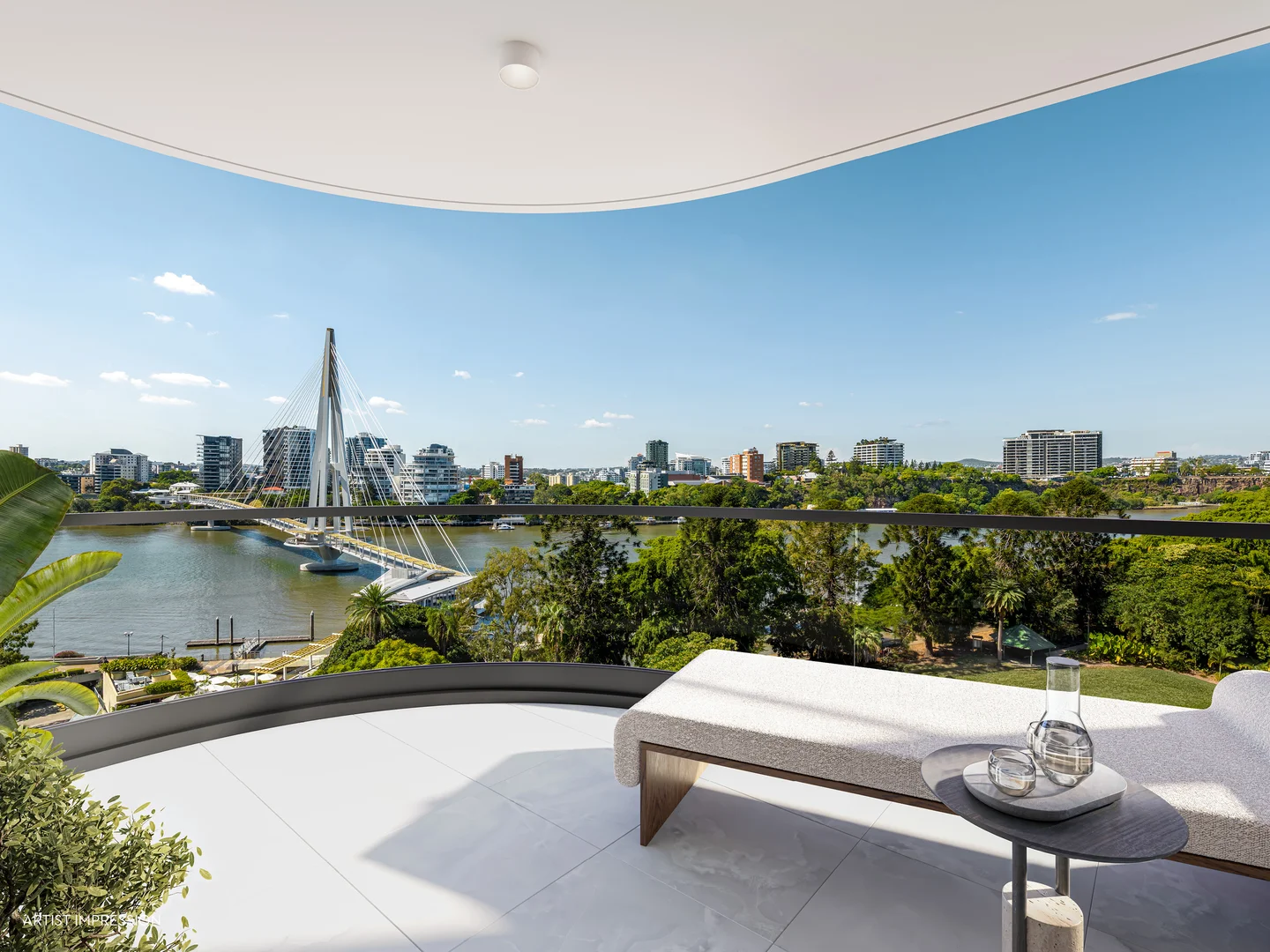 $1,475,000 - $2,090,000
propertyType.NEW APARTMENTS / OFF THE PLAN
$1,475,000 - $2,090,000
propertyType.NEW APARTMENTS / OFF THE PLAN
 $550,000
Apartment / Unit / Flat
$550,000
Apartment / Unit / Flat
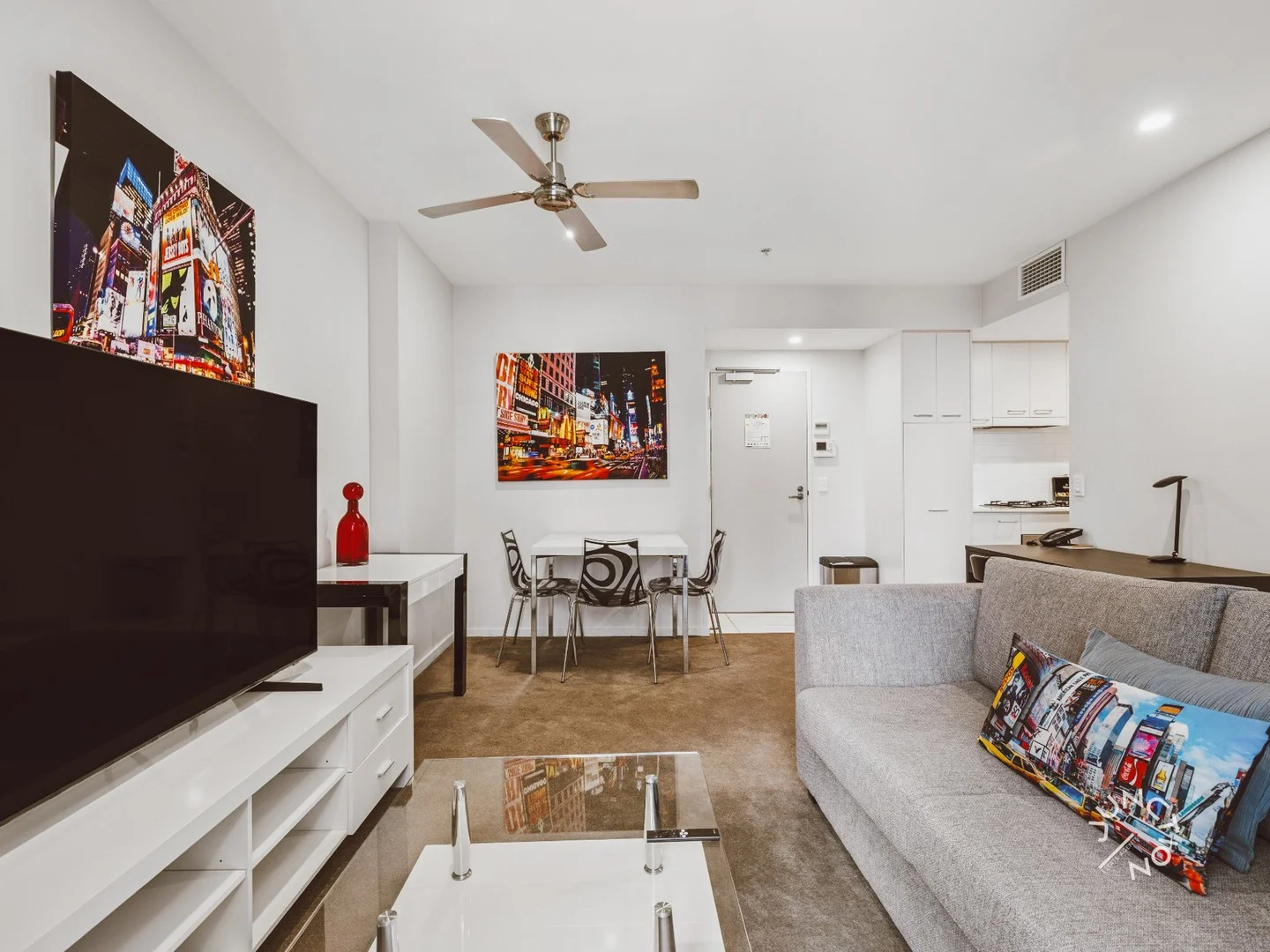 $523,200 - $566,800
Apartment / Unit / Flat
$523,200 - $566,800
Apartment / Unit / Flat
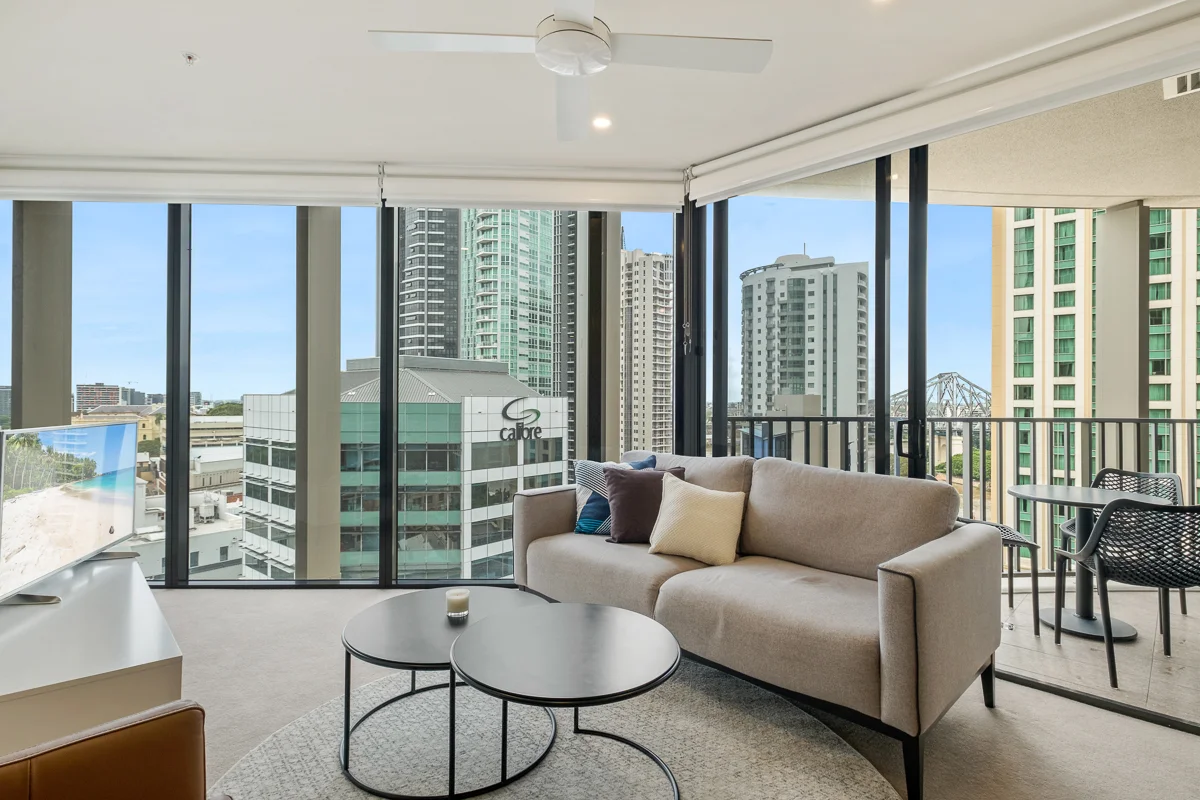 $950,000
Apartment / Unit / Flat
$950,000
Apartment / Unit / Flat


