Overview
## 1. Overview
St Anne’s Catholic Primary School, Strathfield South is a Catholic, co-educational primary school serving families in Strathfield South and the surrounding area. Grounded in Catholic faith and values, the school aims to provide a nurturing, inclusive environment that supports each child’s academic, spiritual and personal development.
The school runs from Kindergarten to Year 6 and typically features small-to-medium class sizes. The atmosphere is described as warm and welcoming, emphasising faith, service and a strong sense of community, with a clear focus on academic achievement and student well-being.
---
## 2. Academics & Learning
- Academic strengths: Strong emphasis on literacy and numeracy, with a solid Religious Education program, and integration of STEM and digital literacy to prepare students for the modern world.
- Special programs: Gifted and talented extension opportunities, faith formation and religious education integrated with learning, plus support for diverse learners (EAL and SEN) as part of an inclusive framework.
- NAPLAN / trends: Recent cohorts show steady performance with improvements in key areas such as Reading and Numeracy; outcomes reflect a consistent focus on foundational literacy and numeracy.
- Student-teacher ratios: Typically around 1:15 to 1:20, allowing for meaningful teacher-student interaction and targeted support.
- Support for diverse learners: Learning Support Team, targeted interventions, EAL support, and inclusive practices to help students reach their potential.
---
## 3. Sports & Extracurricular Strengths
- Sports offered: Soccer, basketball, netball, cricket, athletics, and a structured swimming program during appropriate terms.
- Strong teams or achievements: Active participation in inter-school and local Catholic school sports, with opportunities for student athletes to compete and develop.
- Music, arts, drama programs: School choir and instrumental opportunities, regular arts experiences and school performances.
- Clubs: Robotics, chess, coding, debating, and other STEM/academic clubs to extend student interests.
- Partnerships: Links with local clubs and community organizations to support competitions and enrichment activities.
---
## 4. Wellbeing & Pastoral Care
- Anti-bullying approach: Clear anti-bullying policies and wellbeing programs to foster respectful relationships and a safe school environment.
- House system: House-based activities and events to encourage teamwork, leadership and community spirit.
- Counsellors / wellbeing officers: Access to a school counsellor and a wellbeing team to support emotional and social development.
- Transition support for new students: Buddy programs, orientation activities and family welcome initiatives to ease transitions.
---
## 5. Facilities
- Sports grounds
- Libraries
- Science labs
- Music / performing arts centers
- Tech / innovation labs
- Cafeteria
- Updated playgrounds
Visual, modern facilities are designed to support a broad range of learning and activities from science and technology to the arts and physical education.
---
## 6. School Values & Community Culture
- School values / mission: Catholic faith-based education emphasizing respect, service, integrity, compassion and responsibility.
- Leadership style: Collaborative leadership with opportunities for student voice and leadership roles (e.g., student council) to foster responsibility and agency.
- Behaviour expectations: Clear, positive behaviour framework focusing on respect, responsibility and safety.
- Community reputation: Known for a supportive, family-friendly environment with active parish involvement and community engagement.
- Diversity & inclusion: Welcomes families from diverse backgrounds and aims to be inclusive across curriculum and school life.
---
## 7. School Logistics & Daily Operations
- School hours: Typically 9:00 am–3:00 pm, with some flexibility for earlier starts or specific programs.
- Before/after school care: Available to provide extended care for families.
- Uniform requirements: Formal school uniform with summer and winter options; standard items and hats as part of the dress code.
- Transport (train/bus routes): Accessible via public transport with nearby bus routes and train connections; convenient to Strathfield and surrounding suburbs.
- Canteen availability: Canteen services available with healthy options.
- Fees (low/medium/high ranges): Fees generally fall in the low-to-medium range for Catholic primary schools, with additional costs for uniforms, excursions and other standard contributions.
---
## 8. Enrolment & Admissions
- What is the enrolment process and timeline? Submit the enrolment form with required documents (birth certificate, baptism certificate if applicable, immunisation records). The school may conduct information sessions or interviews as part of the process; offers are made according to space and policy timelines.
- Is there a waiting list, and how does it work? Yes, a waiting list may operate when applications exceed places. Offers are made as spaces become available, with preferences typically given to Catholic families, siblings, and then other applicants based on school policy.
- Are there any entry requirements, tests, or interviews? Typically an information session or interview may be part of the process; documentation and community/peripheral requirements (e.g., baptism) may be requested; reports from previous schools may be considered.
- Does the school accept mid-year transfers? Yes, subject to space and alignment with the school program; transfers are coordinated with the principal and relevant staff to ensure a smooth transition.
---
## 9. Frequently Asked Questions
- Why Parents Choose This School? A values-based Catholic education with a nurturing community, strong literacy and numeracy focus, and opportunities across sports, arts and leadership.
- What type of student thrives at this school? Students who value community, faith, service, and active participation in school life; those who respond well to a supportive learning environment and a focus on well-being.
- What opportunities are available for students to extend their skills (academics, sports, arts)? Extended literacy and numeracy support, STEM and coding clubs, extensive sports programs, music and drama, debating and public speaking, and leadership opportunities.
- How does the school communicate with parents? Regular newsletters, a school app/portal, email, notices, parent-teacher interviews and social media updates.
- What is the school’s approach to teaching and learning? A balanced, student-centered approach integrating Faith Education, differentiated instruction, inquiry-based learning, and a strong emphasis on literacy and numeracy, supported by technology.
- How does the school support students who need extra academic help? Learning Support Team, targeted interventions, EAL support, SEN provisions, and regular progress monitoring with parent involvement.
- What support is available for academic challenges? Early identification, individual and small-group supports, progress checks, and collaboration with families to develop learning plans.
- How does the school communicate with parents? See above.
- What are the class sizes and how much individual attention do students receive? Classes commonly range around 20-25 students, with teachers providing ongoing feedback and targeted small-group support.
- What extracurricular and sports opportunities are available? A broad mix including soccer, basketball, netball, cricket, athletics, swimming; music, drama, robotics, chess, coding, debating; and opportunities to participate in inter-school events.
- What facilities does the school offer (sports, science, arts)? Sports grounds, libraries, science labs, music/arts centers, tech/innovation labs, canteen, and updated playgrounds.
- What is the school’s approach to technology and digital learning? Integrated ICT across the curriculum, use of devices and coding opportunities, and a focus on digital citizenship and safe online practices.
- What transport and accessibility options are available? Access via public transport with nearby bus routes and train connections; appropriate drop-off zones and accessible facilities.
- What are the typical school fees or additional costs? Fees are in the low-to-medium range for Catholic primary schools, with potential extra costs for uniforms, excursions and standard school contributions.
---
## 10. Short Pros & Cons list
- Pros
- Catholic, values-based education that emphasizes faith, service and community
- Nurturing, inclusive environment with strong well-being support
- Solid focus on literacy and numeracy, plus diverse learning programs
- Wide range of extracurriculars (sports, arts, clubs)
- Active opportunities for student leadership and involvement
- Accessible facilities and supportive staff
- Cons
- Faith-based setting may be most suitable for Catholic families or those comfortable with a religious education context
- Moderate class sizes may limit the number of specialist lessons available in a single subject at times
- Transport logistics may vary for families outside the immediate area, potentially requiring travel or commute planning
- Some programs or facilities may be contingent on funding cycles and enrolment demand









 $36,000,000 - $39,500,000
Vacant Land
$36,000,000 - $39,500,000
Vacant Land
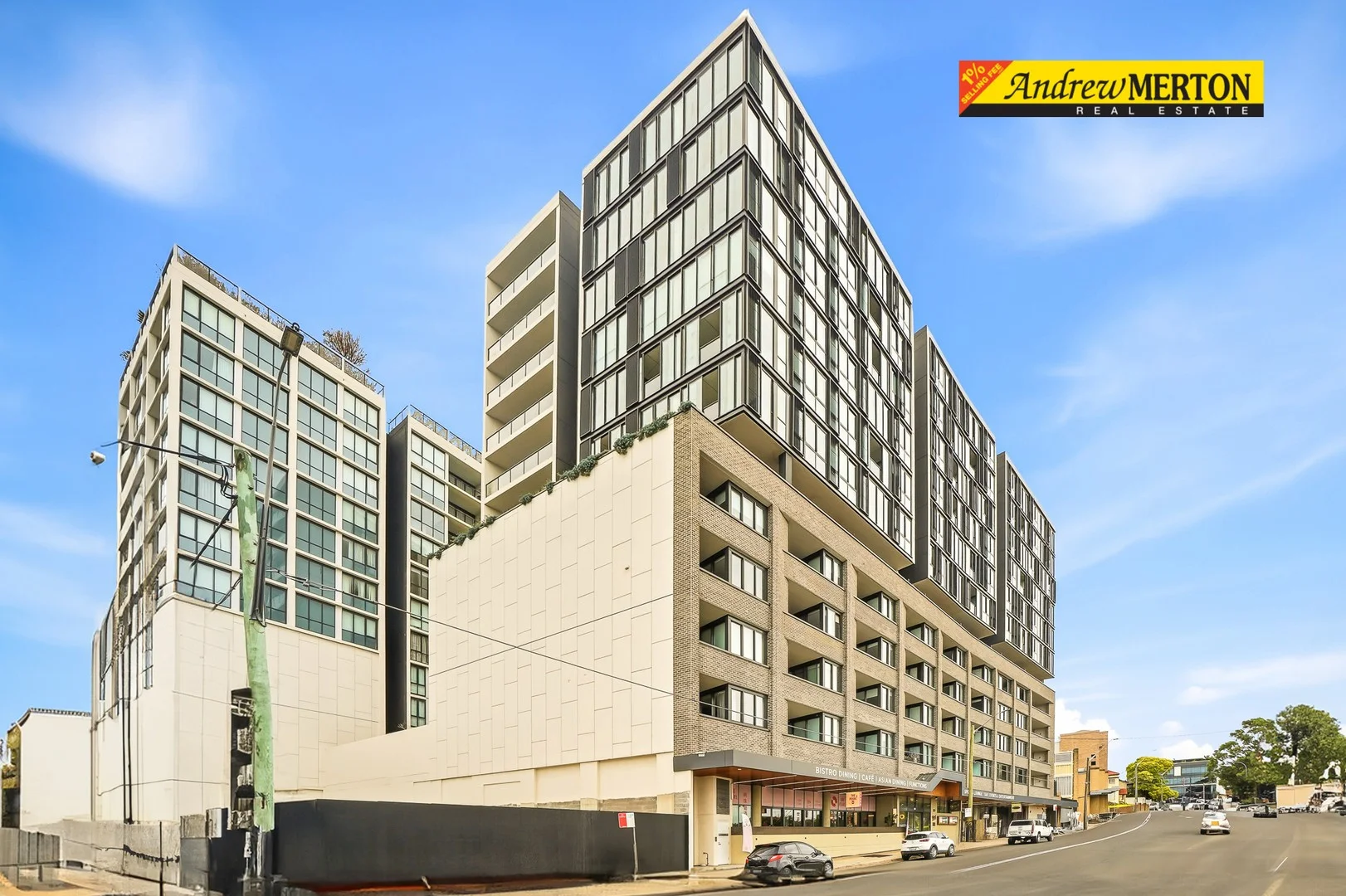 $699,000
Apartment / Unit / Flat
$699,000
Apartment / Unit / Flat
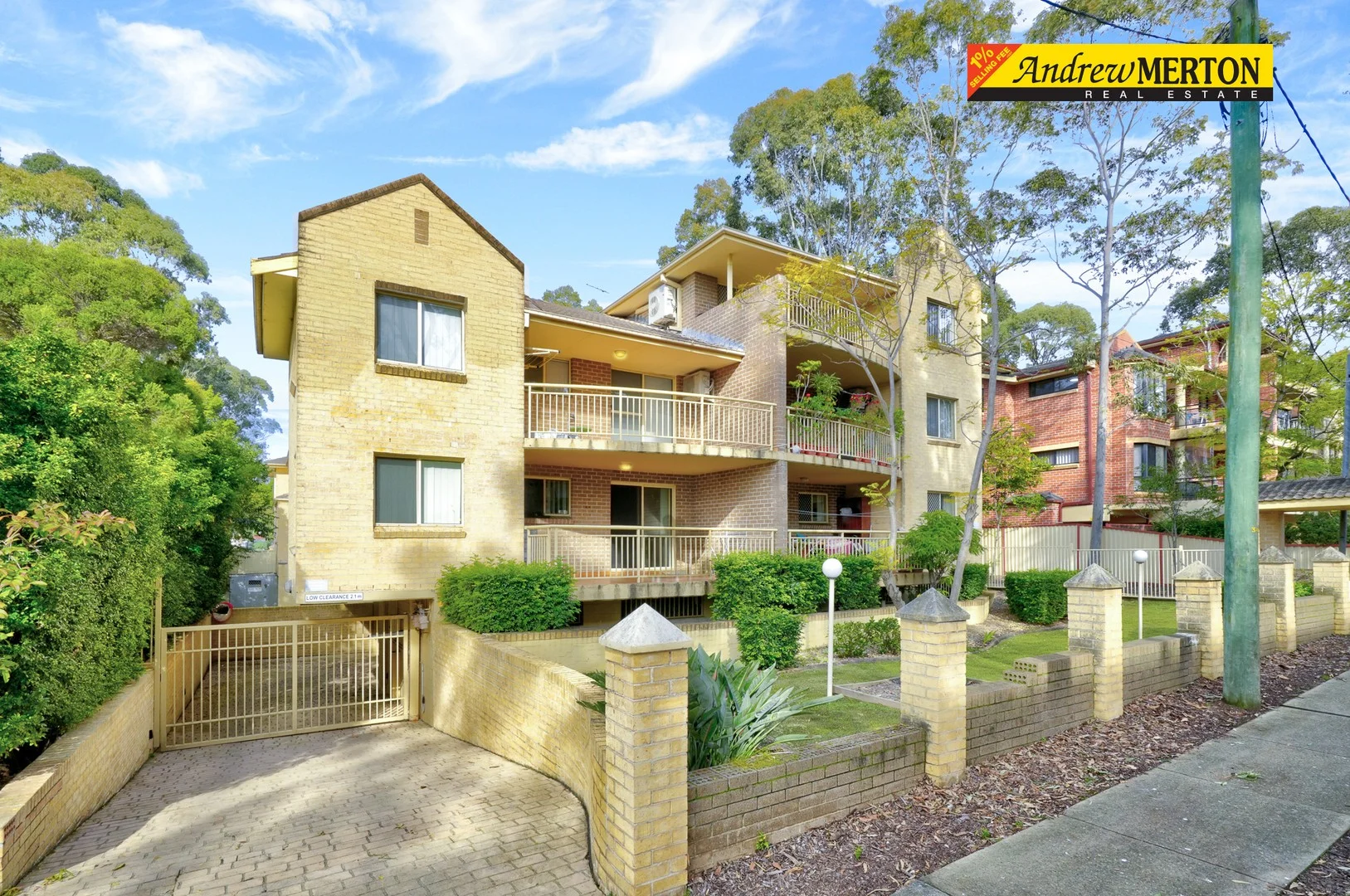 $530,000
Apartment / Unit / Flat
$530,000
Apartment / Unit / Flat
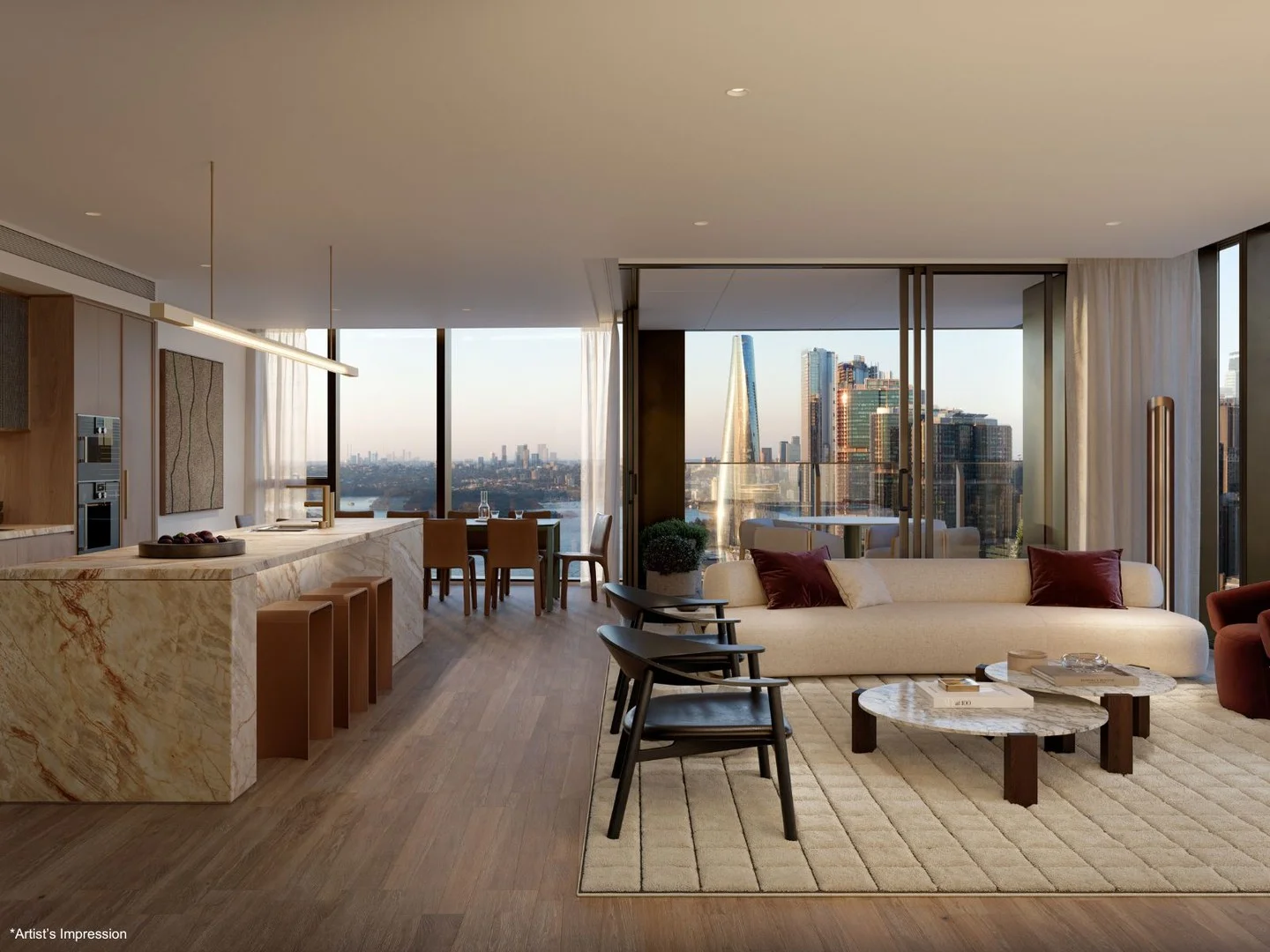 $12,980,000
propertyType.NEW APARTMENTS / OFF THE PLAN
$12,980,000
propertyType.NEW APARTMENTS / OFF THE PLAN
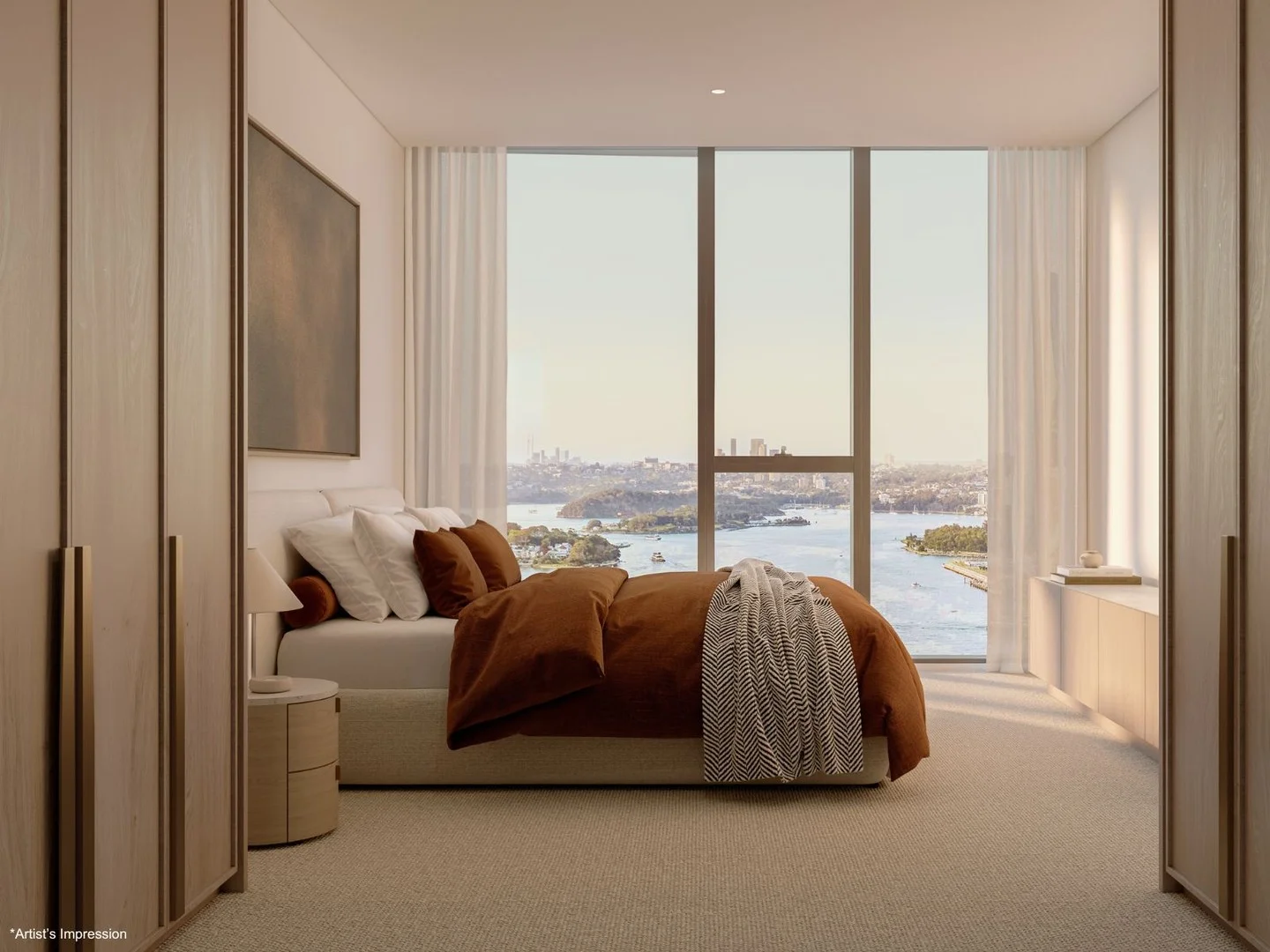 $8,630,000
propertyType.NEW APARTMENTS / OFF THE PLAN
$8,630,000
propertyType.NEW APARTMENTS / OFF THE PLAN
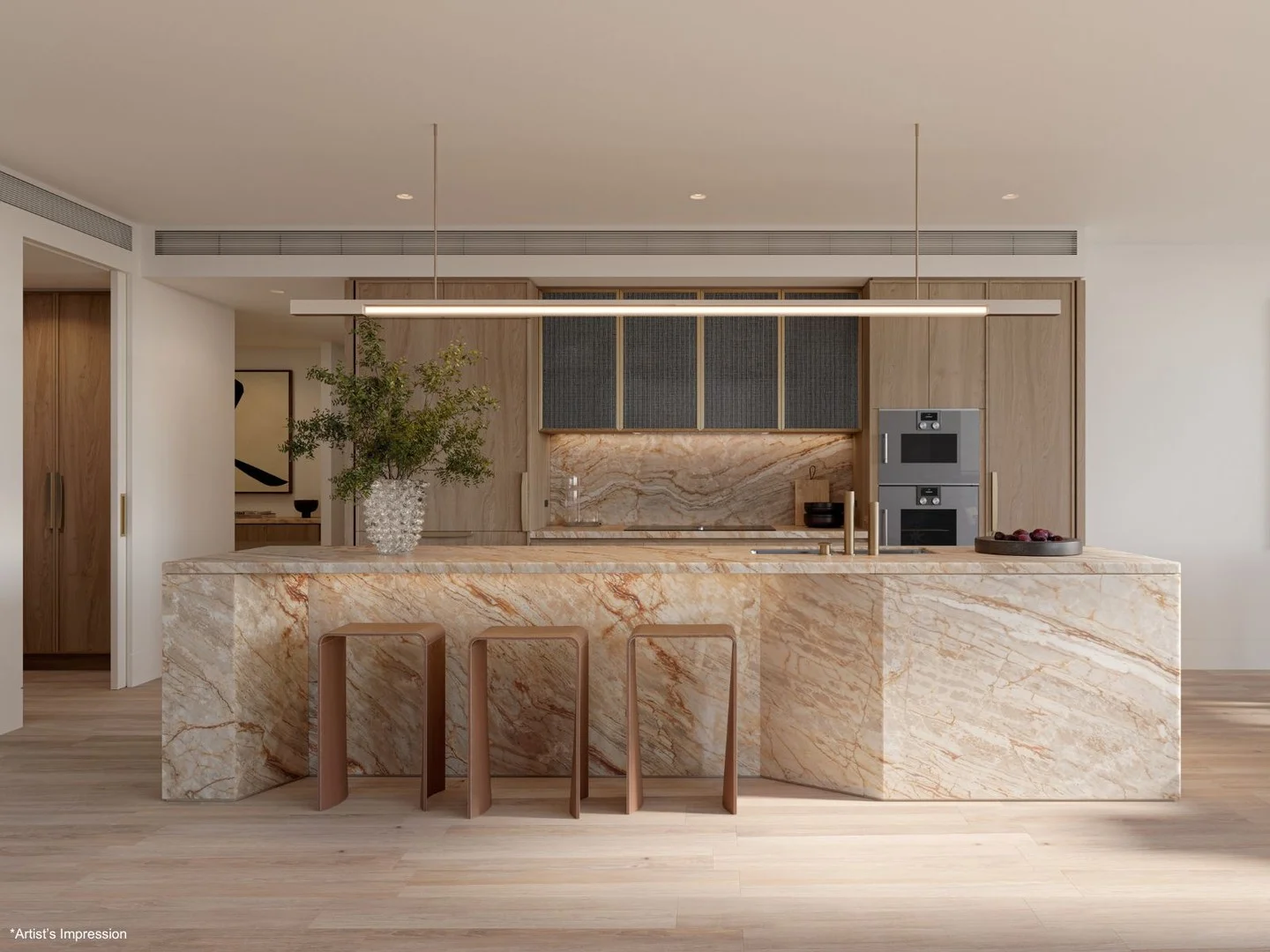 $6,225,000
propertyType.NEW APARTMENTS / OFF THE PLAN
$6,225,000
propertyType.NEW APARTMENTS / OFF THE PLAN
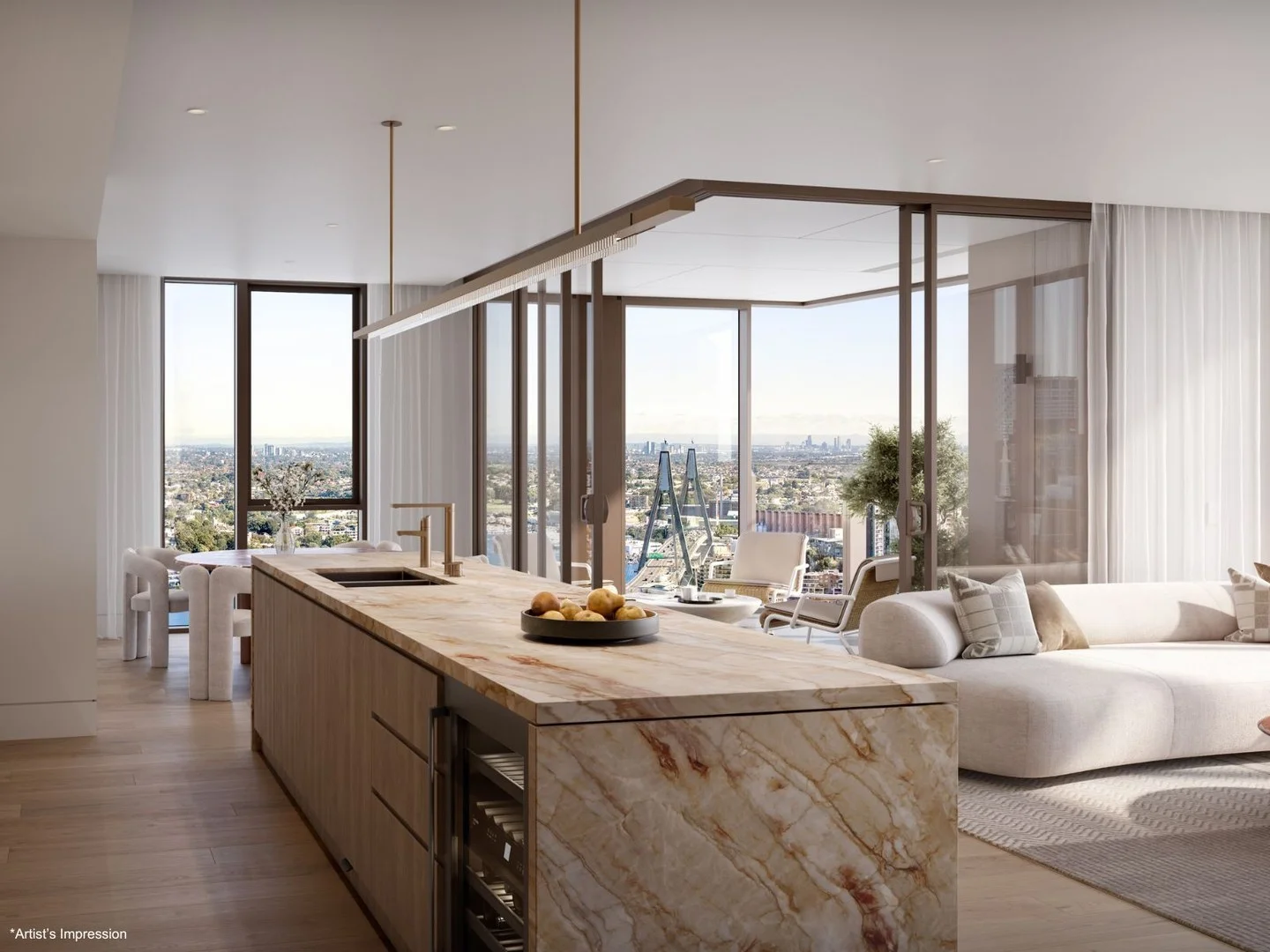 $9,020,000
propertyType.NEW APARTMENTS / OFF THE PLAN
$9,020,000
propertyType.NEW APARTMENTS / OFF THE PLAN
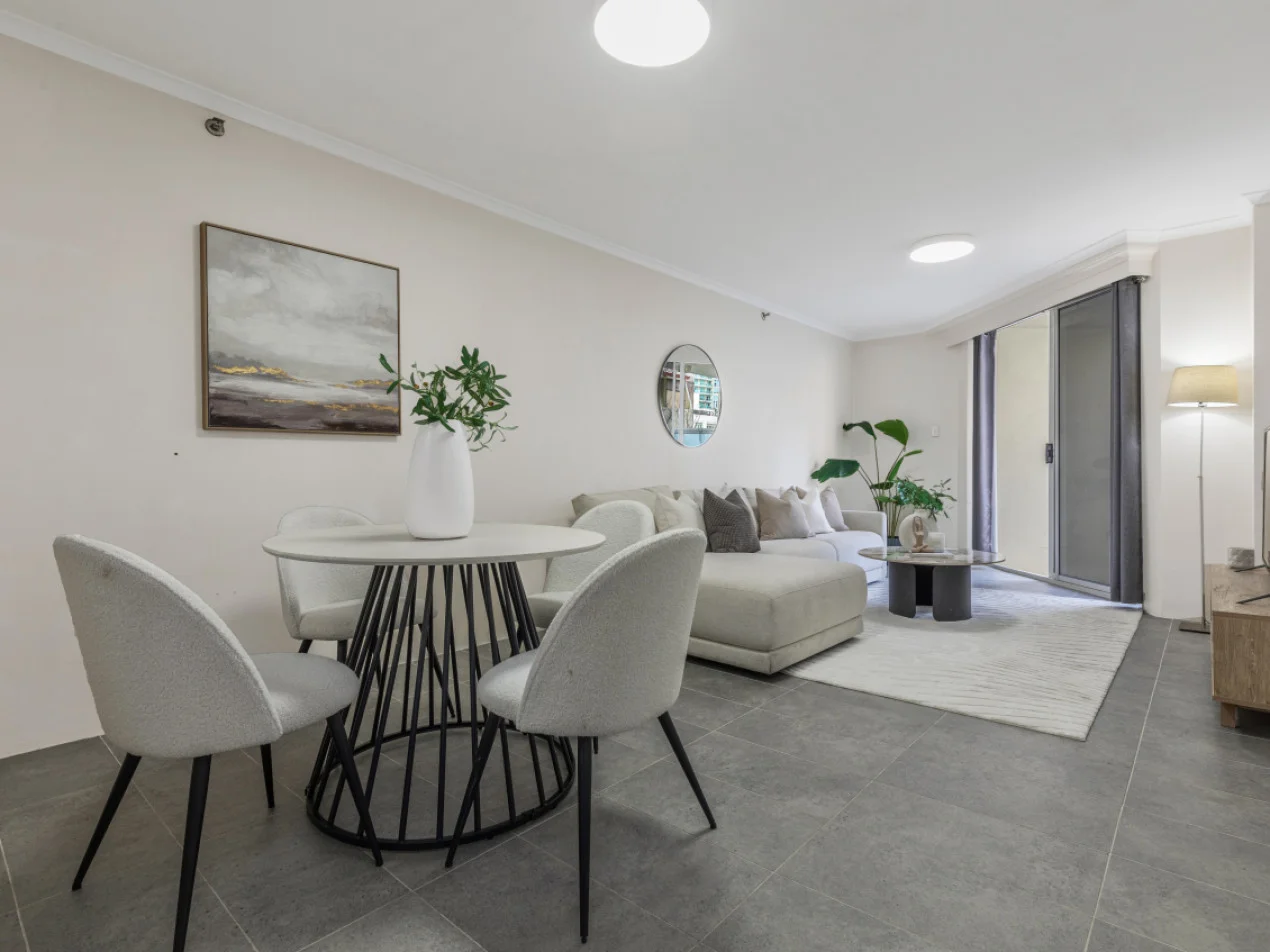 $640,000 - $675,000
Apartment / Unit / Flat
$640,000 - $675,000
Apartment / Unit / Flat
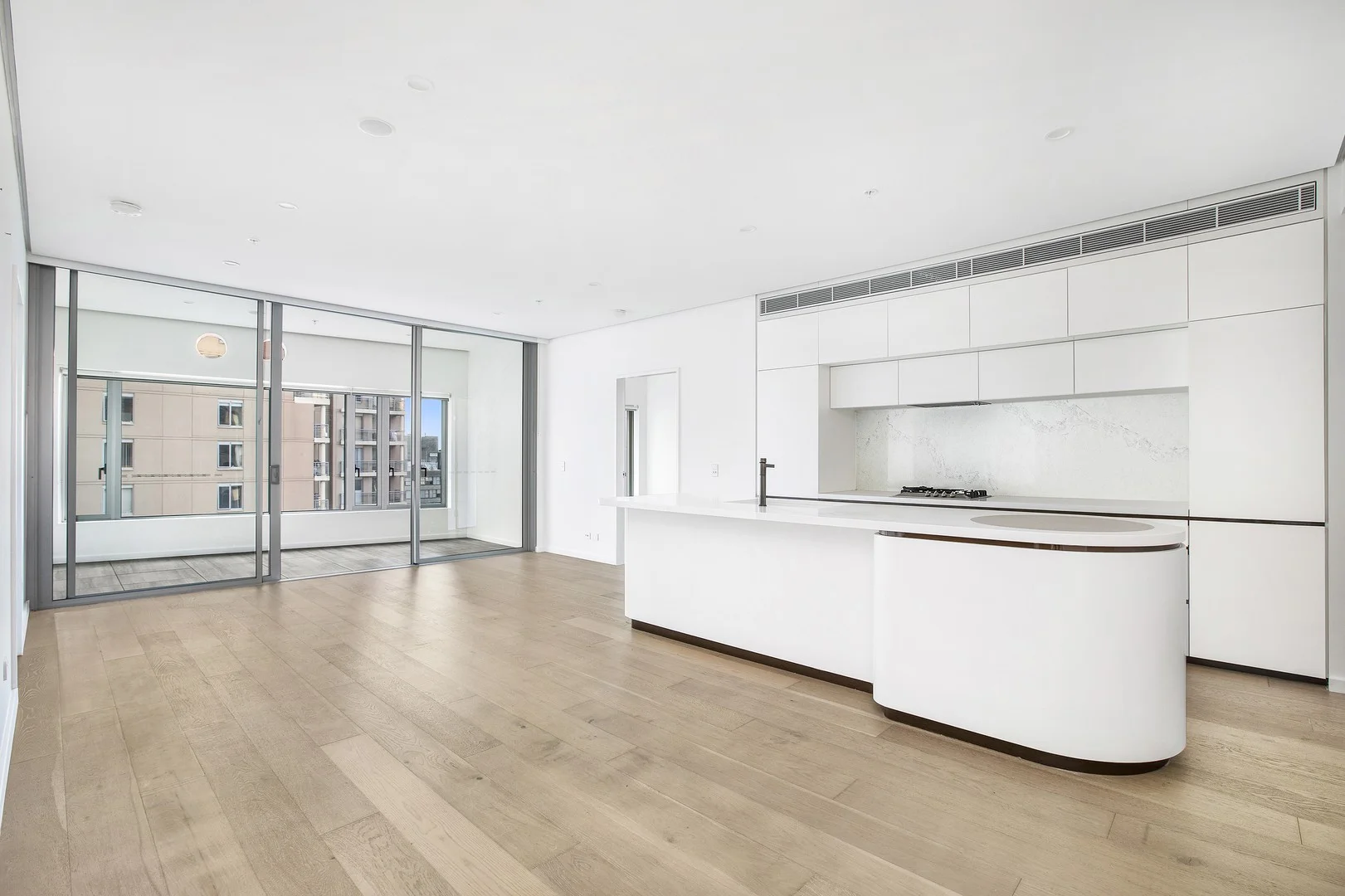 $2,250,000
Apartment / Unit / Flat
$2,250,000
Apartment / Unit / Flat