Overview
## 1. Overview
Strathfield South Public School is a public, co-educational primary school serving the Strathfield South community. The school is medium-sized, with class experiences designed to be manageable and personal, typically around 25 students per class. The atmosphere emphasises inclusivity, warmth, and support, with a focus on creating a nurturing environment where students feel valued and engaged.
The school supports a diverse student body and places emphasis on wellbeing, academic growth, and community involvement. It aims to balance strong literacy and numeracy foundations with opportunities in STEM, arts, and sport to help students develop holistically.
---
## 2. Academics & Learning
- Academic strengths: Strong focus on literacy and numeracy development, with integrated STEM and digital literacy across year levels. English and mathematics are core priorities, supported by targeted interventions as needed.
- Special programs: Possible access to enrichment opportunities for gifted and talented learners; dedicated support for students requiring additional language or learning assistance (EAL/D and SEN support).
- NAPLAN / trends: Consistent emphasis on literacy and numeracy with school-wide improvement programs; annual data used to guide teaching, with aims for steady year-by-year progress.
- Student-teacher ratios: Generally in the mid-teens to low-twenties per teacher in class ranges, enabling meaningful teacher-student interaction.
- Support for diverse learners: Strong systems for EAL/D learners and students with special educational needs, including learning support plans and targeted in-class assistance.
---
## 3. Sports & Extracurricular Strengths
- Sports offered: A range of team and individual sports, including football codes, netball, athletics, cricket, and swimming programs as part of school sport participation.
- Strong teams or achievements: Regular involvement in inter-school events and local competitions, with emphasis on teamwork, fair play, and skill development.
- Music, arts, drama programs: Active music and performing arts programs; opportunities to participate in school concerts and performances.
- Clubs: Robotics, coding, chess, debating, and other enrichment clubs to extend student interests beyond the core curriculum.
- Partnerships: Local community clubs and inter-school competitions provide additional opportunities for sport, coding, and broader skill-building experiences.
---
## 4. Wellbeing & Pastoral Care
- Anti-bullying approach: Whole-school anti-bullying policies supported by clear procedures, student empowerment programs, and staff training.
- House system: House structure to promote belonging, leadership, and healthy competition (staff-student and student-student collaborations across cohorts).
- Counsellors / wellbeing officers: Access to school wellbeing staff and guidance to support social, emotional, and mental health needs.
- Transition support for new students: Structured orientation activities and buddy systems to help students settle in and build connections.
---
## 5. Facilities
- Sports grounds: On-site sporting fields or courts suitable for a range of physical activities.
- Libraries: A primary library equipped for reading, research, and collaborative learning.
- Science labs: Science facilities to support practical investigations and hands-on learning.
- Music/performing arts centers: Spaces for music education, drama, and performances.
- Tech/innovation labs: Access to digital learning spaces and introductory coding/technology activities.
- Cafeteria: On-site or nearby canteen facilities for student meals and snack options.
- Updated playgrounds: Well-maintained play areas and outdoor spaces for recreation and active play.
---
## 6. School Values & Community Culture
- School values / mission: Clear focus on respect, responsibility, inclusion, and striving for personal and communal excellence.
- Leadership style: Student voice and leadership opportunities balanced with supportive adult guidance; emphasis on collaborative decision-making.
- Behaviour expectations: Positive behaviour for learning framework, with consistent routines and restorative approaches where needed.
- Community reputation: Known for a welcoming, diverse, and family-friendly atmosphere that values parent involvement.
- Diversity & inclusion: Strong commitment to inclusion and celebrating diverse backgrounds within the school community.
---
## 7. School Logistics & Daily Operations
- School hours: Typical primary school hours with start around 9:00 am and finish around 3:00 pm; slight variation may occur by year level or term.
- Before/after school care: Availability of before/after school care through local providers or OSHC services.
- Uniform requirements: NSW public schools require a school uniform; there are standard items and guidelines for daily wear and excursions.
- Transport (train/bus routes): Local bus routes and proximity to train lines; details provided to families based on home address and enrolment.
- Canteen availability: Canteen or lunch program available, offering healthy meal and snack options.
- Fees (low/medium/high ranges): Public schools generally have low tuition with voluntary contributions; additional costs may include uniforms, excursions, and specific program fees.
---
## 8. Enrolment & Admissions
11. What is the enrolment process and timeline?
- Applications are submitted through the NSW Department of Education enrolment process. Families should check catchment eligibility, gather required documents (proof of identity, residency, immunisation, and birth certificates), and follow the school’s published enrolment timelines. Timelines vary by year and intake, so contact the school or the local education authority for precise dates.
12. Is there a waiting list, and how does it work?
- Some years may have a waiting list, particularly for popular year levels or out-of-area requests. Waiting lists are typically managed by the NSW Department of Education and the school, with priority given to students within the catchment. Availability depends on vacancies.
13. Are there any entry requirements, tests, or interviews?
- Entry generally does not involve academic tests or interviews for NSW primary enrolments. The process focuses on eligibility (age, residency within catchment, and required documentation). Some schools may conduct brief orientation conversations to help families and students settle in, but formal testing is not standard.
14. Does the school accept mid-year transfers?
- Mid-year transfers are considered based on vacancy availability and the school’s enrolment capacity. Families seeking a mid-year transfer should contact the school as early as possible to discuss eligibility and placement.
---
## 9. Frequently Asked Questions
- Why Parents Choose This School?
- A welcoming, diverse community with a strong focus on literacy, numeracy, wellbeing, and well-rounded development; opportunities across academics, sport, arts, and technology.
- What type of student thrives at this school?
- Students who respond well to a supportive, inclusive environment, who enjoy collaborative learning, and who engage in a balanced program across academics, sport, and the arts.
- What opportunities are available for students to extend their skills (academics, sports, arts)?
- Enrichment in literacy and numeracy, STEM and digital learning, gifted/talented opportunities where available, inter-school sport, music and performing arts programs, and clubs such as robotics, coding, chess, and debating.
- How does the school communicate with parents?
- Regular newsletters, email updates, a student progress system, parent-teacher conferences, and information shared via the school’s communications platforms.
- What is the school’s approach to teaching and learning?
- Student-centered approaches with a focus on core literacy and numeracy, supported by differentiated instruction, inclusive practices, and integration of technology to enhance learning.
- How does the school support students who need extra academic help?
- Targeted interventions, learning support plans, EAL/D and SEN assistance, and access to support staff and specialist programs as needed.
- What support is available for academic challenges?
- Diagnostic assessments, targeted tutoring or small-group support, and ongoing teacher collaboration to adjust teaching strategies.
- How does the school communicate with parents? (Same question repeated)
- See above: regular updates, parent-teacher meetings, and digital platforms for ongoing dialogue.
- What are the class sizes and how much individual attention do students receive?
- Class sizes are typically in the mid-20s, with teaching staff able to provide frequent individual or small-group support and monitoring of progress.
- What extracurricular and sports opportunities are available?
- A range of sports, music and performing arts programs, and clubs such as robotics, coding, chess, and debating; opportunities to participate in inter-school events and competitions.
- What facilities does the school offer (sports, science, arts)?
- Sports grounds, library, science labs, music/performing arts spaces, tech/innovation labs, canteen, and well-maintained outdoor play areas.
- What is the school’s approach to technology and digital learning?
- Integration of digital literacy across key subjects, access to age-appropriate tech resources, and practical opportunities to use technology to enhance learning and collaboration.
- What transport and accessibility options are available?
- Local bus routes and proximity to train lines; information provided to families based on residence and enrolment; school facilities are designed to be accessible to all students.
- What are the typical school fees or additional costs?
- As a public school, tuition is not charged; families may incur modest costs for uniforms, excursions, and optional programs.
---
## 10. Short Pros & Cons list
- Pros
- Public, diverse, and inclusive community with a focus on wellbeing and holistic development
- Strong literacy and numeracy emphasis with supportive learning programs
- Broad range of extracurriculars including sports, arts, and clubs
- Active family engagement and clear communication channels
- Accessible facilities and a nurturing school culture
- Cons
- Being a public school, community demand can affect wait times and enrolment pressures in some years
- Class and resource levels vary with enrolment and budget cycles
- Transport options depend on family location and could require commuting for some families
Note: This overview provides a general, parent-focused snapshot. For the most current and specific details (enrolment dates, exact programs, and facilities), please contact the school directly or check the NSW Department of Education enrolment resources.









 $36,000,000 - $39,500,000
Vacant Land
$36,000,000 - $39,500,000
Vacant Land
 $699,000
Apartment / Unit / Flat
$699,000
Apartment / Unit / Flat
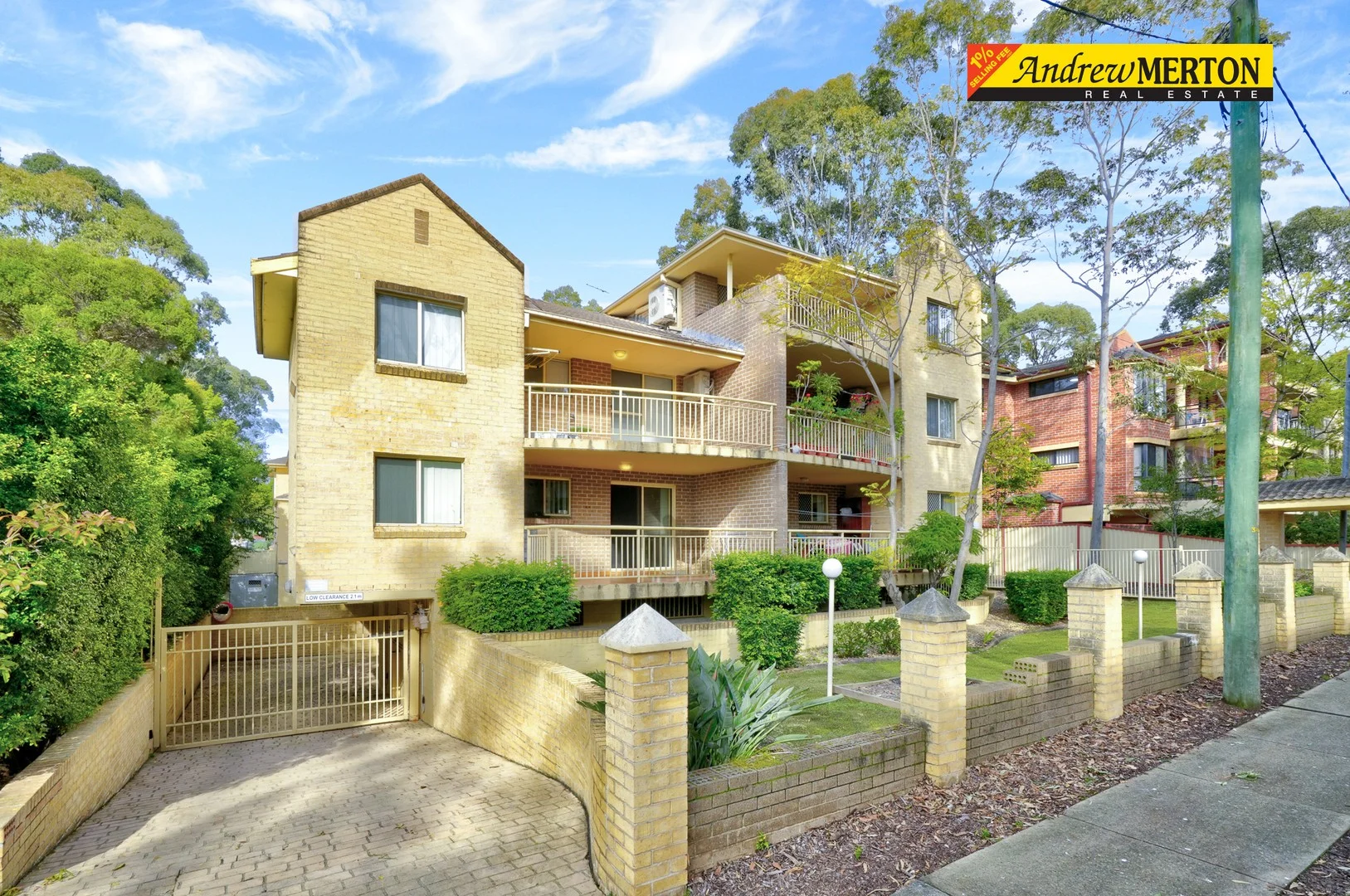 $530,000
Apartment / Unit / Flat
$530,000
Apartment / Unit / Flat
 $12,980,000
propertyType.NEW APARTMENTS / OFF THE PLAN
$12,980,000
propertyType.NEW APARTMENTS / OFF THE PLAN
 $6,225,000
propertyType.NEW APARTMENTS / OFF THE PLAN
$6,225,000
propertyType.NEW APARTMENTS / OFF THE PLAN
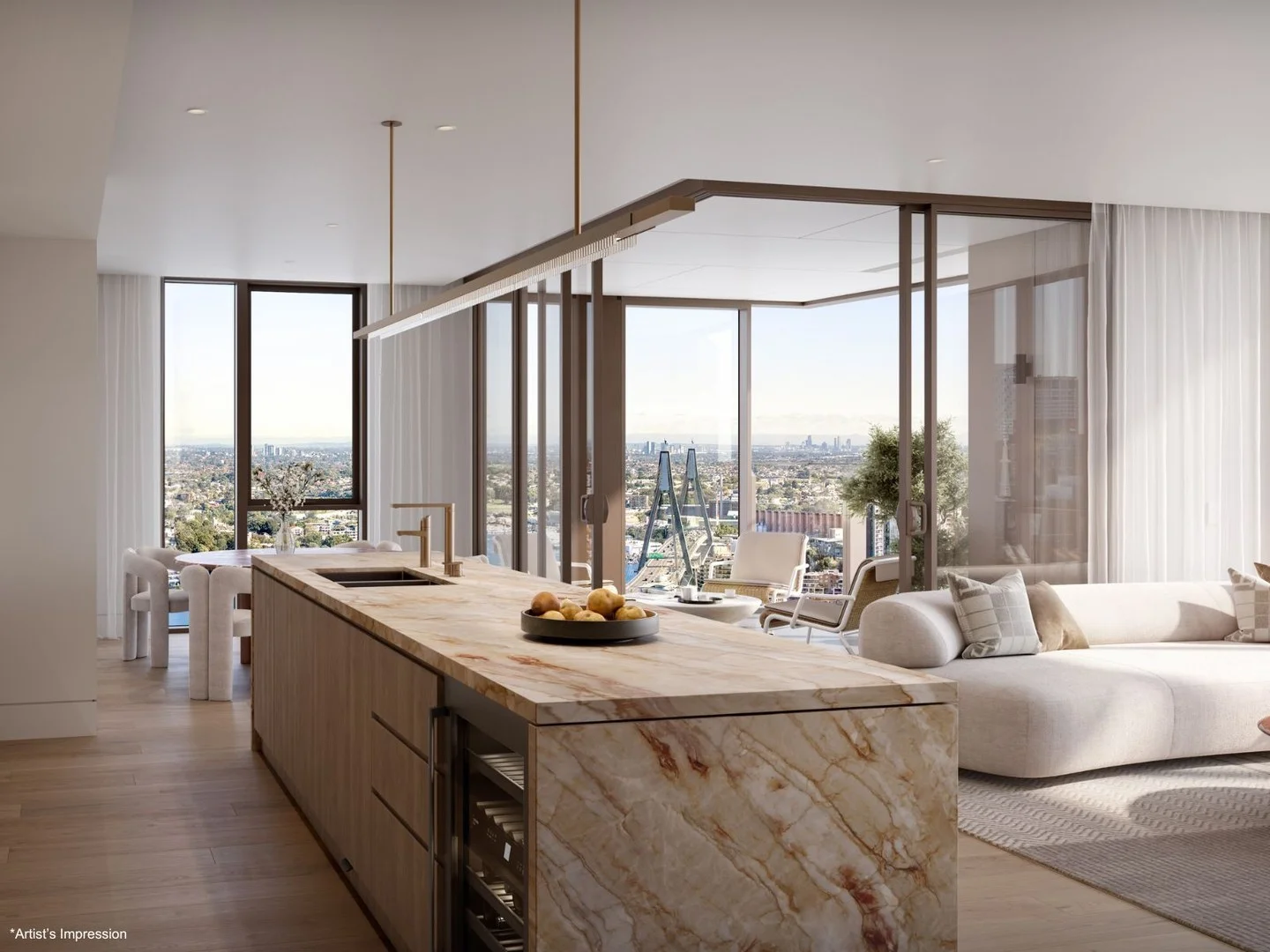 $9,020,000
propertyType.NEW APARTMENTS / OFF THE PLAN
$9,020,000
propertyType.NEW APARTMENTS / OFF THE PLAN
 $8,630,000
propertyType.NEW APARTMENTS / OFF THE PLAN
$8,630,000
propertyType.NEW APARTMENTS / OFF THE PLAN
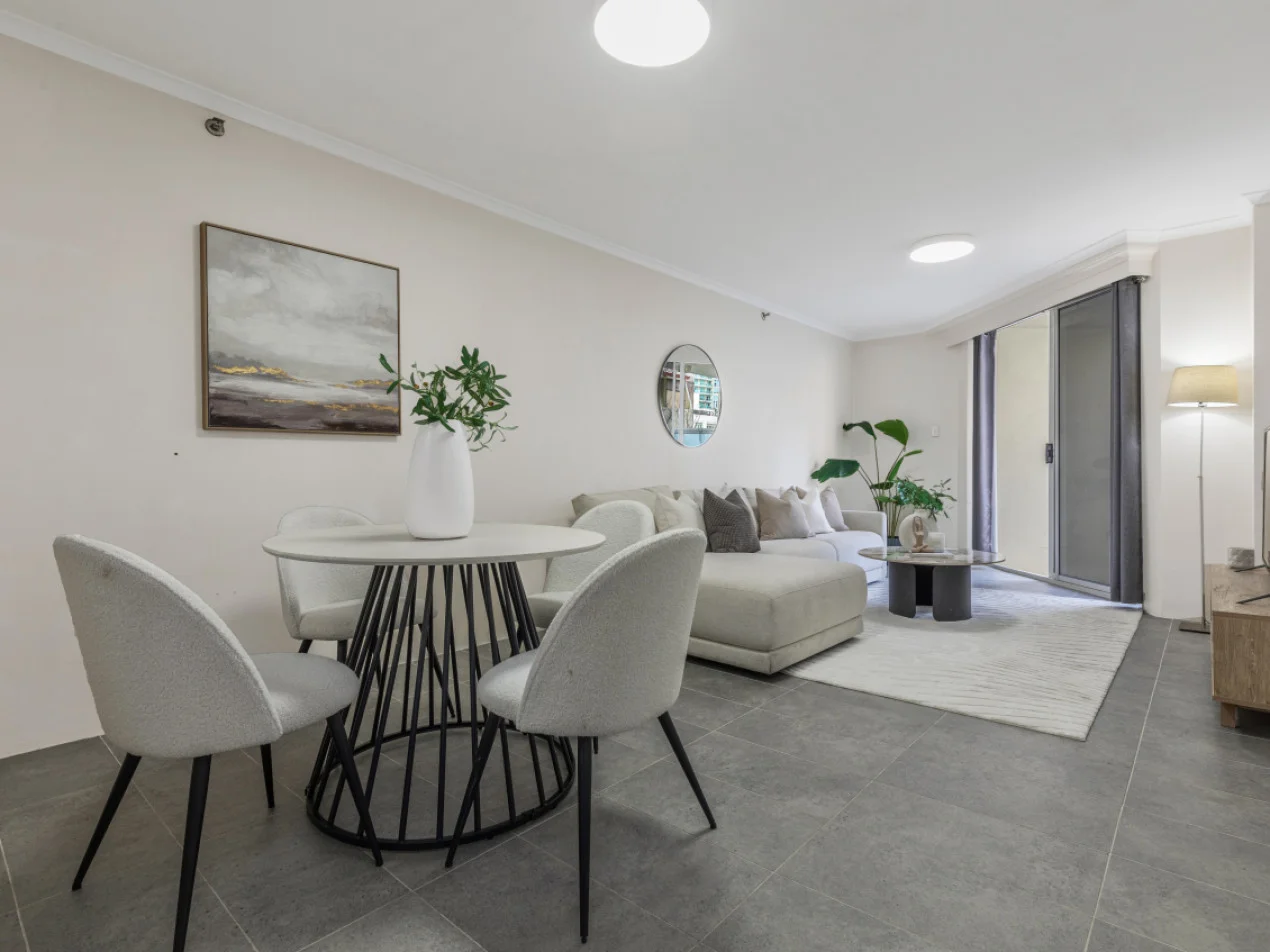 $640,000 - $675,000
Apartment / Unit / Flat
$640,000 - $675,000
Apartment / Unit / Flat
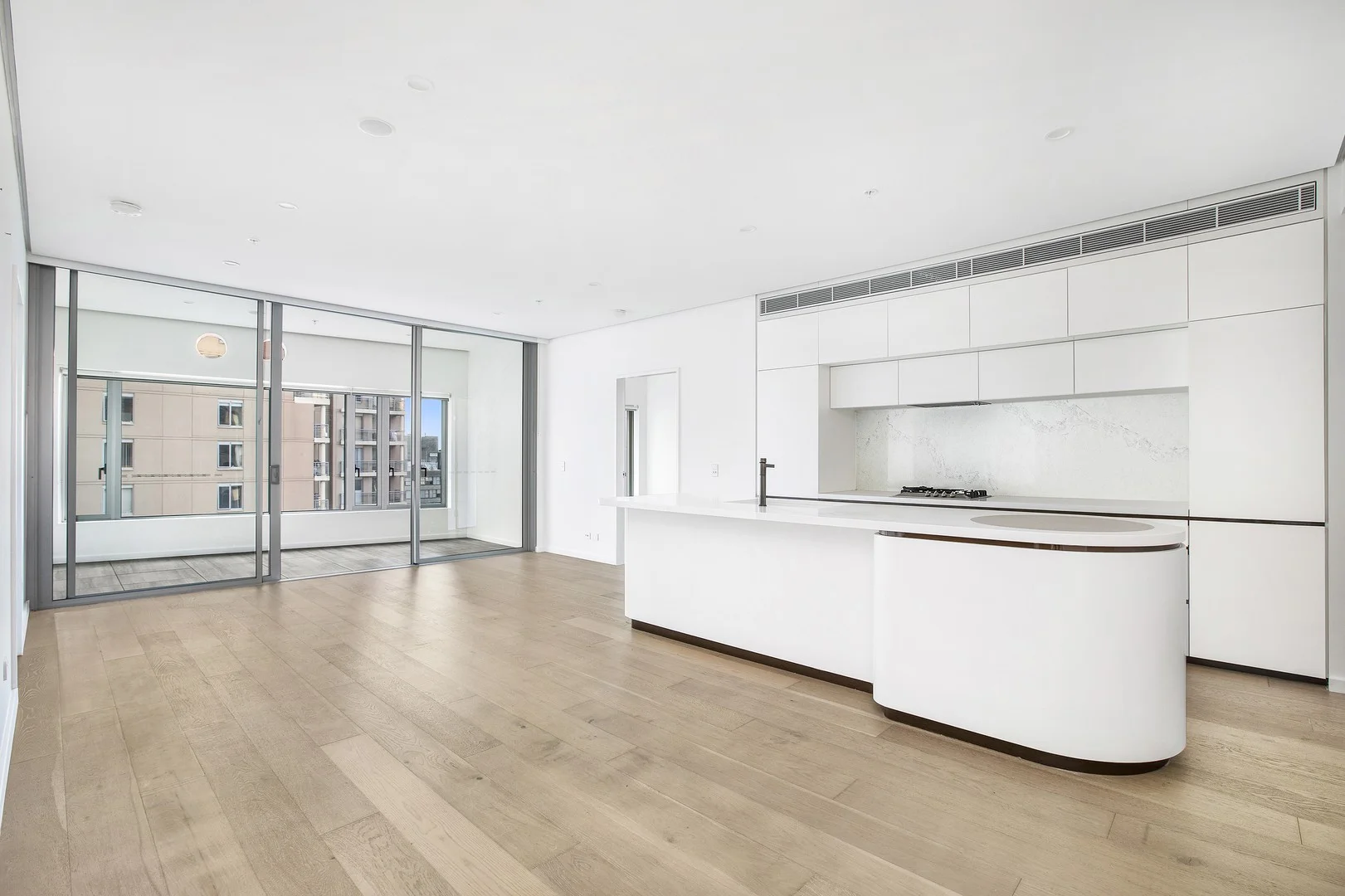 $2,250,000
Apartment / Unit / Flat
$2,250,000
Apartment / Unit / Flat