Overview
# 1. Overview
St Michael’s Catholic Primary School Belfield is a Catholic, co-educational primary school that participates in the Sydney Catholic Education system. The school is best described as a medium-sized community that focuses on delivering a faith-informed, well-rounded education in a nurturing environment. Class sizes are typically in the low-to-mid 20s, allowing for close, personalized teaching and support.
The atmosphere emphasises inclusivity, faith-based values, and a caring culture where students are encouraged to grow academically, socially, and spiritually. The school aims to foster resilience, respect, and a sense of service within a supportive community.
# 2. Academics & Learning
- Academic strengths: literacy and numeracy development are central, with an emphasis on building strong foundational skills. Religious education is integrated throughout the curriculum to reinforce values and community.
- Special programs: opportunities for Gifted & Talented pathways and leadership experiences are commonly available, along with faith-based learning integrated across-year levels.
- NAPLAN / Ofsted trends: public trend data for this specific school is not provided here. Schools in this sector typically focus on steady literacy and numeracy progress year over year.
- Student-teacher ratios: generally around 1:20, with smaller groupings for targeted support where needed.
- Support for diverse learners: dedicated support for EAL/D learners and students with additional needs; inclusive education practices and targeted intervention where appropriate.
# 3. Sports & Extracurricular Strengths
- Sports offered: a range of team sports common to NSW primary schools, including soccer, rugby league, cricket, netball, basketball, and athletics.
- Strong teams or achievements: participates in local and diocese-level sporting events; opportunities exist for competitive teams.
- Music, arts, drama programs: active music and performing arts programs, with opportunities to participate in choir or school productions.
- Clubs: robotics, coding, chess, debating, and other enrichment clubs commonly run across the year.
- Partnerships: connections with local clubs, diocesan competitions, and community organisations to broaden opportunities outside the classroom.
# 4. Wellbeing & Pastoral Care
- Anti-bullying approach: proactive pastoral care with a respectful relationships framework and anti-bullying strategies.
- House system: house-based activities and events to build community, teamwork, and belonging.
- Counsellors / wellbeing officers: dedicated wellbeing support available to students, with access to counselling as needed.
- Transition support for new students: orientation programs, buddy systems, and welcoming activities to assist with transitions between year levels and starting school.
# 5. Facilities
- Sports grounds: on-site sports fields and courts for a variety of activities.
- Libraries: well-equipped library for reading, research, and literacy activities.
- Science labs: dedicated spaces for hands-on science learning.
- Music/performing arts centers: facilities for music practice, rehearsals, and small performances.
- Tech/innovation labs: spaces for technology, coding, and digital learning.
- Cafeteria: on-site canteen/cafeteria supporting student meals and breaks.
- Updated playgrounds: modern, well-maintained play areas for breaks and outdoor learning.
# 6. School Values & Community Culture
- School values / mission: anchored in Catholic faith, with emphasis on respect, compassion, justice, and service to others.
- Leadership style: collaborative and student-inclusive, with opportunities for student leadership and voice.
- Behaviour expectations: clear code of conduct and consistent expectations across the school community.
- Community reputation: viewed as a supportive, family-oriented school with a welcoming atmosphere.
- Diversity & inclusion: welcoming of families from diverse backgrounds; commitment to inclusive education practices.
# 7. School Logistics & Daily Operations
- School hours: typically a morning-to-afternoon schedule aligned with NSW primary timetables; exact times may vary by year level.
- Before/after school care: arrangements commonly available to support families (before and after school care options).
- Uniform requirements: school uniform is required; details on items and guidelines are provided by the school.
- Transport (train/bus routes): accessible by local transport; bus routes and drop-off/pick-up options available; check local timetables for specifics.
- Canteen availability: canteen or lunch facilities operate on certain days to support students.
- Fees (low/medium/high ranges): fees are in the mid-range for NSW Catholic primary schools, with additional costs for excursions, activities, and uniforms as applicable.
# 8. Enrolment & Admissions
11. What is the enrolment process and timeline?
- Applications are typically submitted through the school’s process, followed by any school-level interviews or information sessions. Notifications and acceptance follow, with consideration of available places throughout the year.
12. Is there a waiting list, and how does it work?
- Waiting lists are common when year levels reach capacity. Priority is often given to siblings and then other applicants based on space and criteria set by the school.
13. Are there any entry requirements, tests, or interviews?
- Primary entry generally does not involve formal academic testing; there may be family interviews or information sessions to understand fit and for school culture alignment.
14. Does the school accept mid-year transfers?
- Yes, subject to space and approvals; parents should contact the school early in the process to discuss availability and requirements.
# 9. Frequently Asked Questions
- Why Parents Choose This School?
- A faith-centered, nurturing environment with a strong sense of community, focusing on both academic growth and personal development.
- What type of student thrives at this school?
- Students who value community, faith-based learning, collaborative work, and a balanced approach to academics, sport, and the arts.
- What opportunities are available for students to extend their skills (academics, sports, arts)?
- A range of enrichment options, including literacy and numeracy support, leadership opportunities, sports teams, music and drama programs, and clubs like robotics, coding, and debating.
- How does the school communicate with parents?
- Regular updates through newsletters, emails, parent-teacher meetings, and digital platforms; open channels for feedback and engagement.
- What is the school’s approach to teaching and learning?
- Student-centered, differentiated instruction with a focus on core literacy and numeracy, integrated faith education, and opportunities for inquiry-based learning.
- How does the school support students who need extra academic help?
- Targeted interventions, learning support staff, and EAL/D or SEN assistance where applicable.
- What support is available for academic challenges?
- Additional tutoring, small-group support, and individualized planning as needed.
- How does the school communicate with parents? (Repeated)
- See above: newsletters, emails, parent-teacher meetings, and a school app or portal where available.
- What are the class sizes and how much individual attention do students receive?
- Class sizes are typically around 20–25 students, with differentiated instruction and targeted support to provide individual attention where possible.
- What extracurricular and sports opportunities are available?
- A broad range of sports and arts activities, plus clubs such as robotics, coding, chess, and debating.
- What facilities does the school offer (sports, science, arts)?
- Comprehensive facilities including sports grounds, library, science labs, performing arts spaces, tech/innovation labs, and a canteen.
- What is the school’s approach to technology and digital learning?
- Integration of technology in the curriculum, with digital learning tools and resources to support classroom instruction.
- What transport and accessibility options are available?
- Local transport links, bus routes, and accessibility considerations; details provided by the school and local transport authorities.
- What are the typical school fees or additional costs?
- Fees are mid-range for NSW Catholic primary schools, with additional costs for uniforms, excursions, and certain activities.
# 10. Short Pros & Cons list
- Pros
- Catholic, values-based education in a nurturing, inclusive environment
- Moderate class sizes enabling individual attention
- Strong emphasis on literacy, numeracy, and faith education
- Wide range of extra-curriculars, sports, arts, and clubs
- Supportive wellbeing framework and transition assistance
- Cons
- Fees and uniform costs are part of ongoing commitments
- Availability of places can vary by year level; waiting lists may apply
- Transport options depend on local routes and schedules
- Specific programs and opportunities may vary year to year; check current offerings
If you’d like, I can tailor any section with more precise details from the school’s current publications or help format this content for a specific page on your site.








 $699,000
Apartment / Unit / Flat
$699,000
Apartment / Unit / Flat
 $36,000,000 - $39,500,000
Vacant Land
$36,000,000 - $39,500,000
Vacant Land
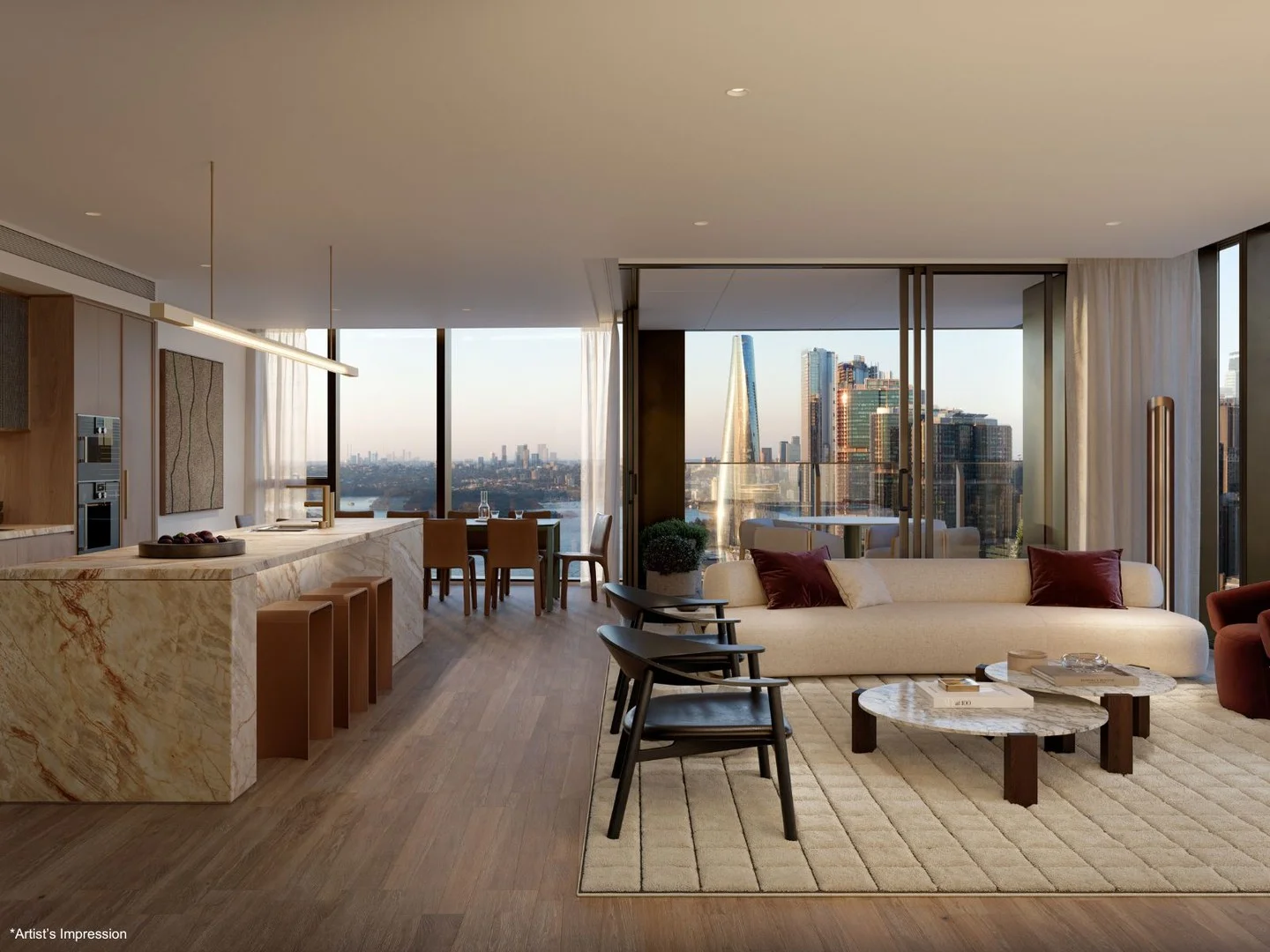 $12,980,000
propertyType.NEW APARTMENTS / OFF THE PLAN
$12,980,000
propertyType.NEW APARTMENTS / OFF THE PLAN
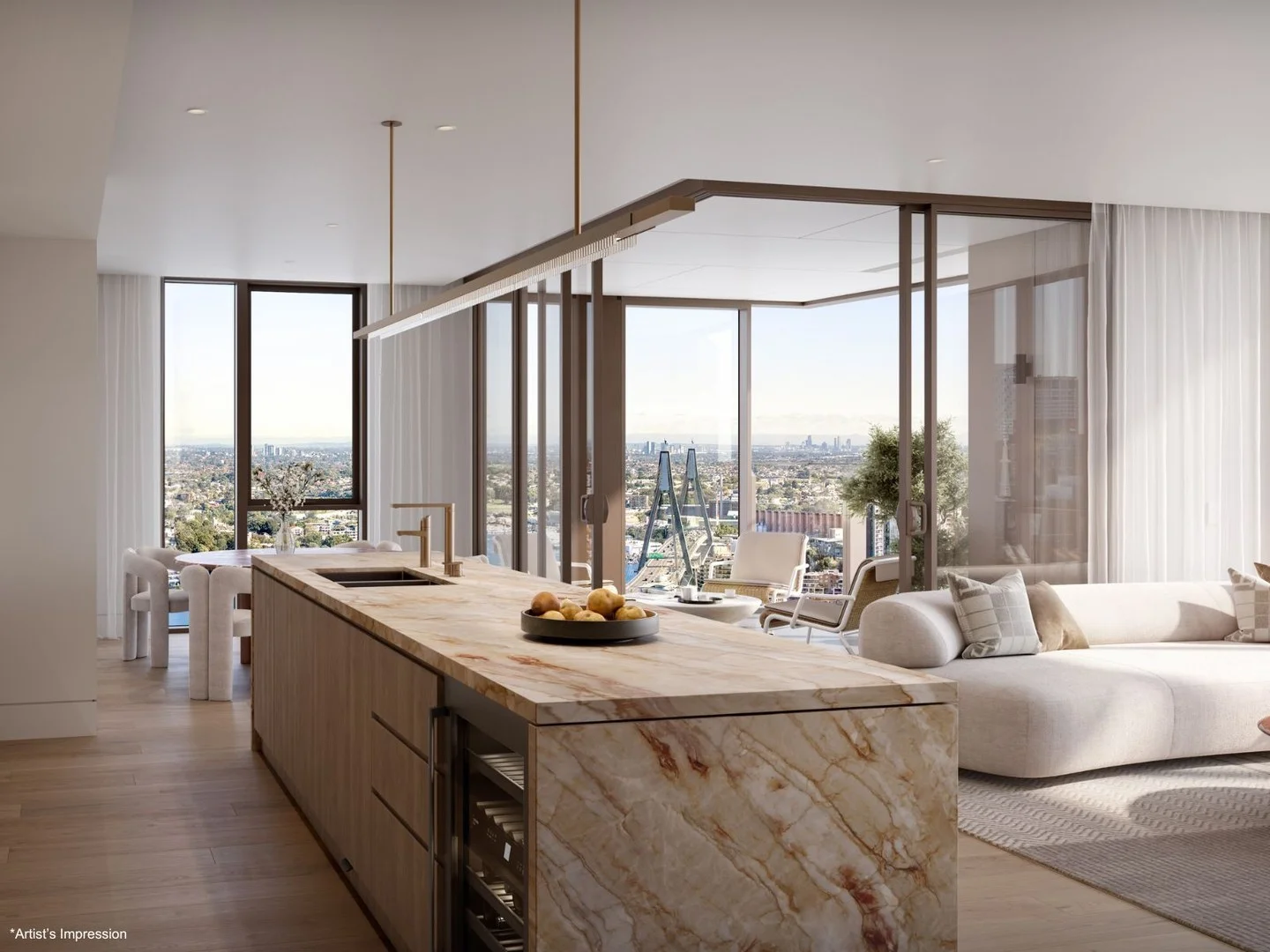 $9,020,000
propertyType.NEW APARTMENTS / OFF THE PLAN
$9,020,000
propertyType.NEW APARTMENTS / OFF THE PLAN
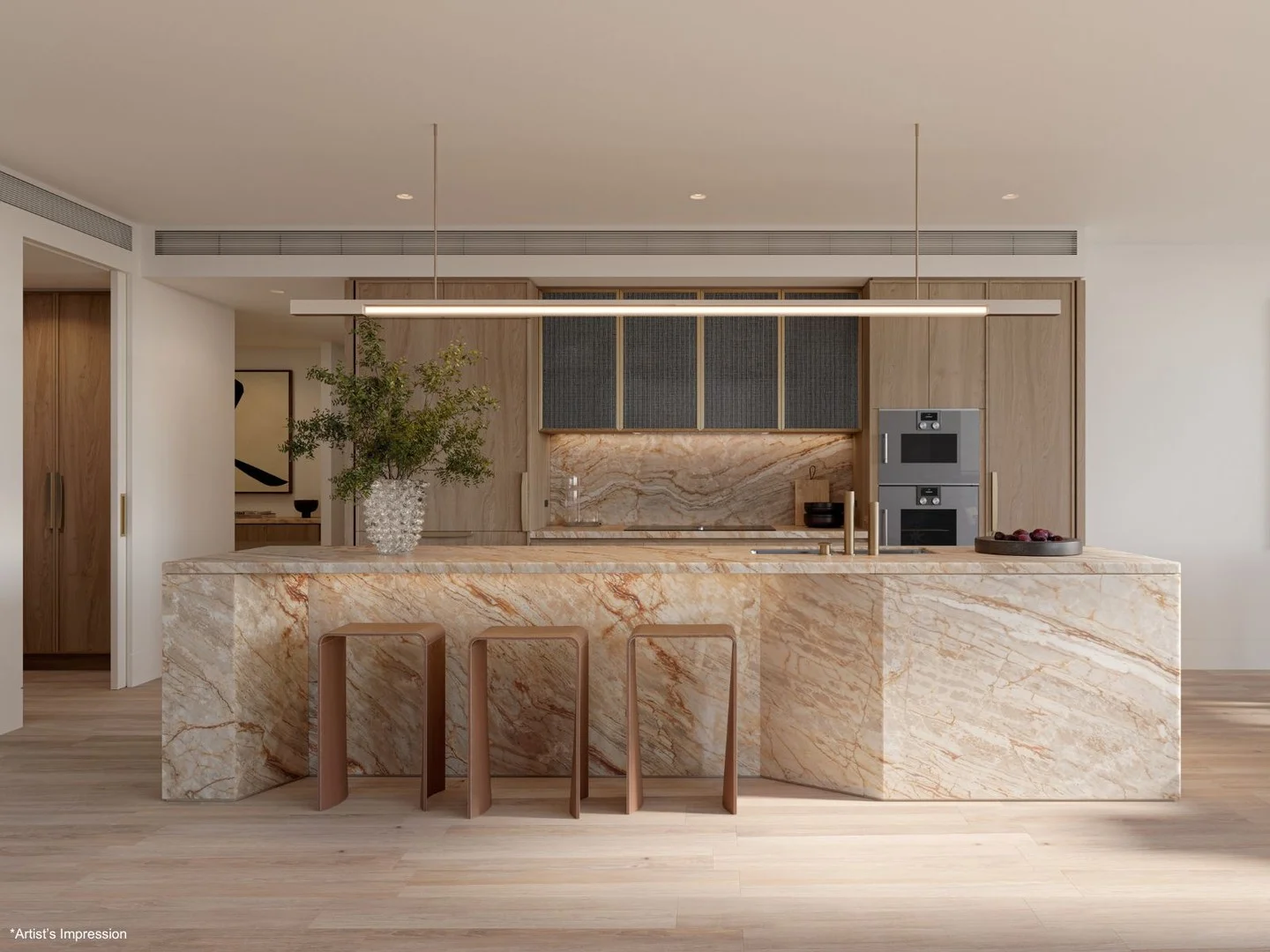 $6,225,000
propertyType.NEW APARTMENTS / OFF THE PLAN
$6,225,000
propertyType.NEW APARTMENTS / OFF THE PLAN
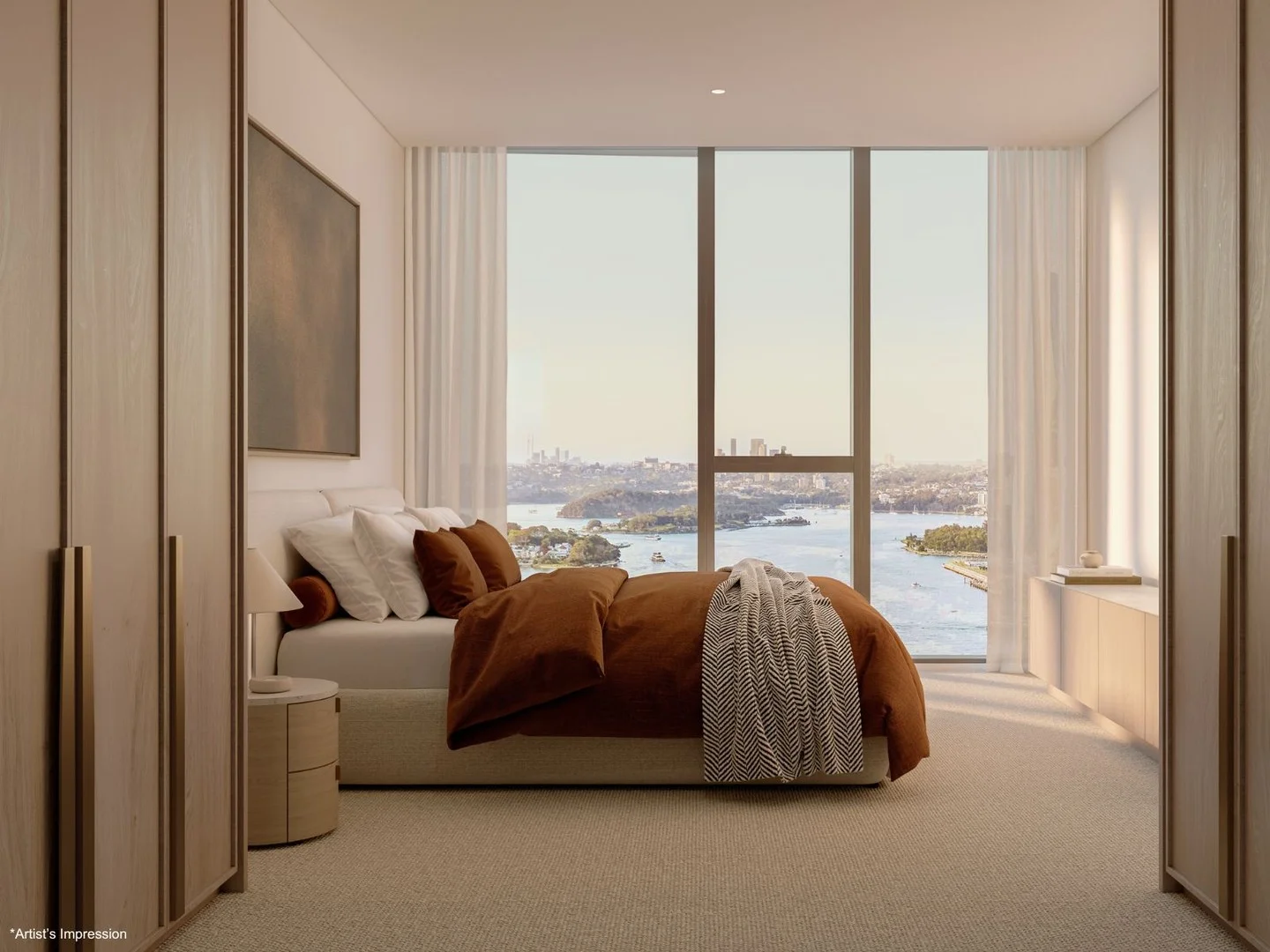 $8,630,000
propertyType.NEW APARTMENTS / OFF THE PLAN
$8,630,000
propertyType.NEW APARTMENTS / OFF THE PLAN
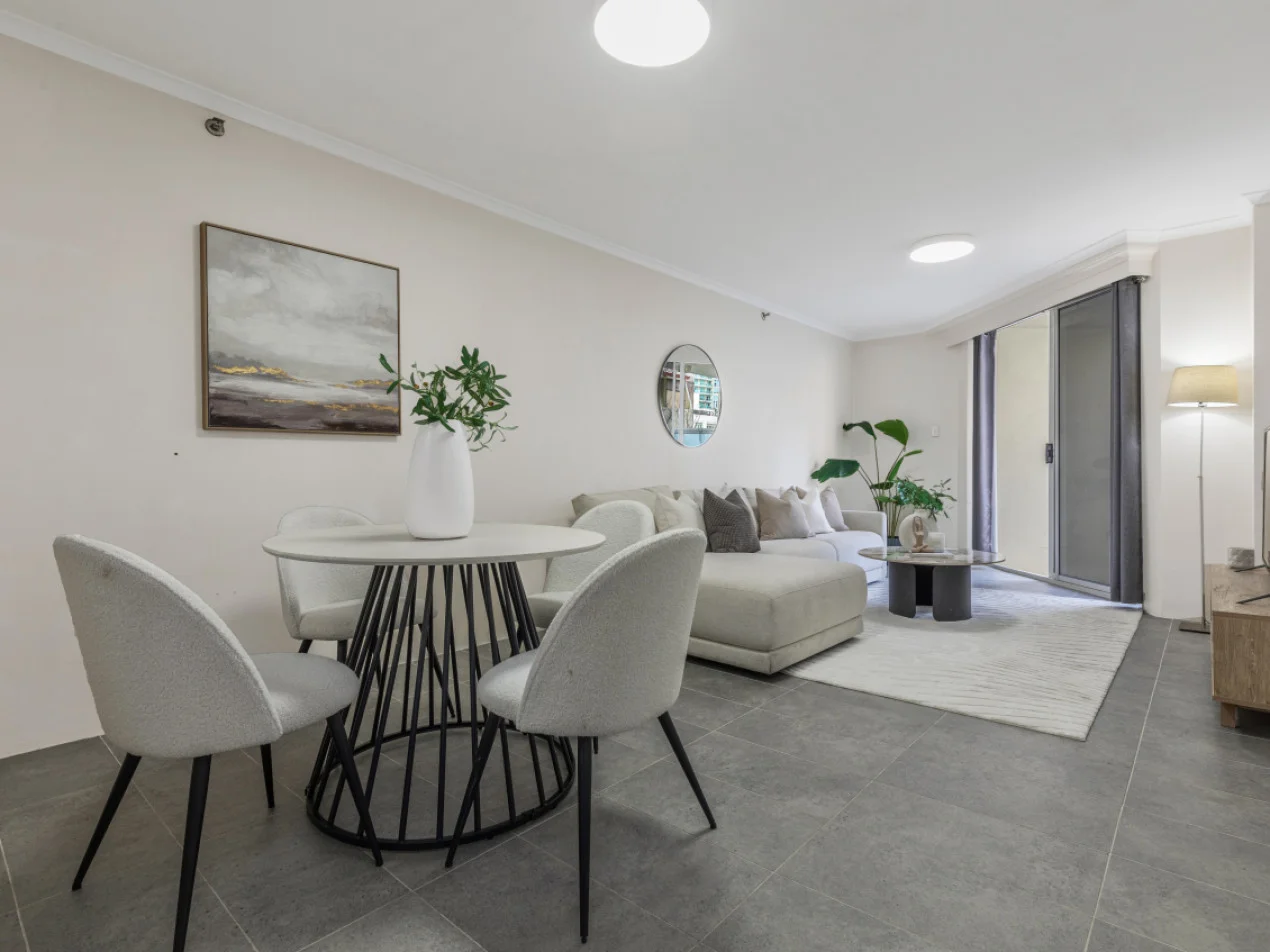 $640,000 - $675,000
Apartment / Unit / Flat
$640,000 - $675,000
Apartment / Unit / Flat
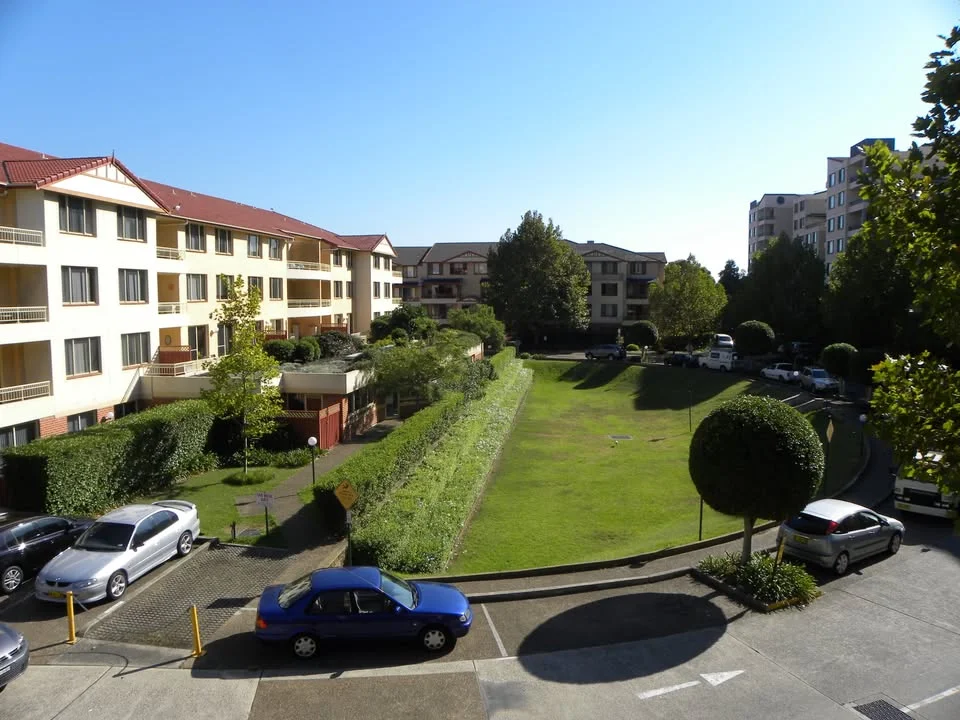 $990
Apartment / Unit / Flat
$990
Apartment / Unit / Flat
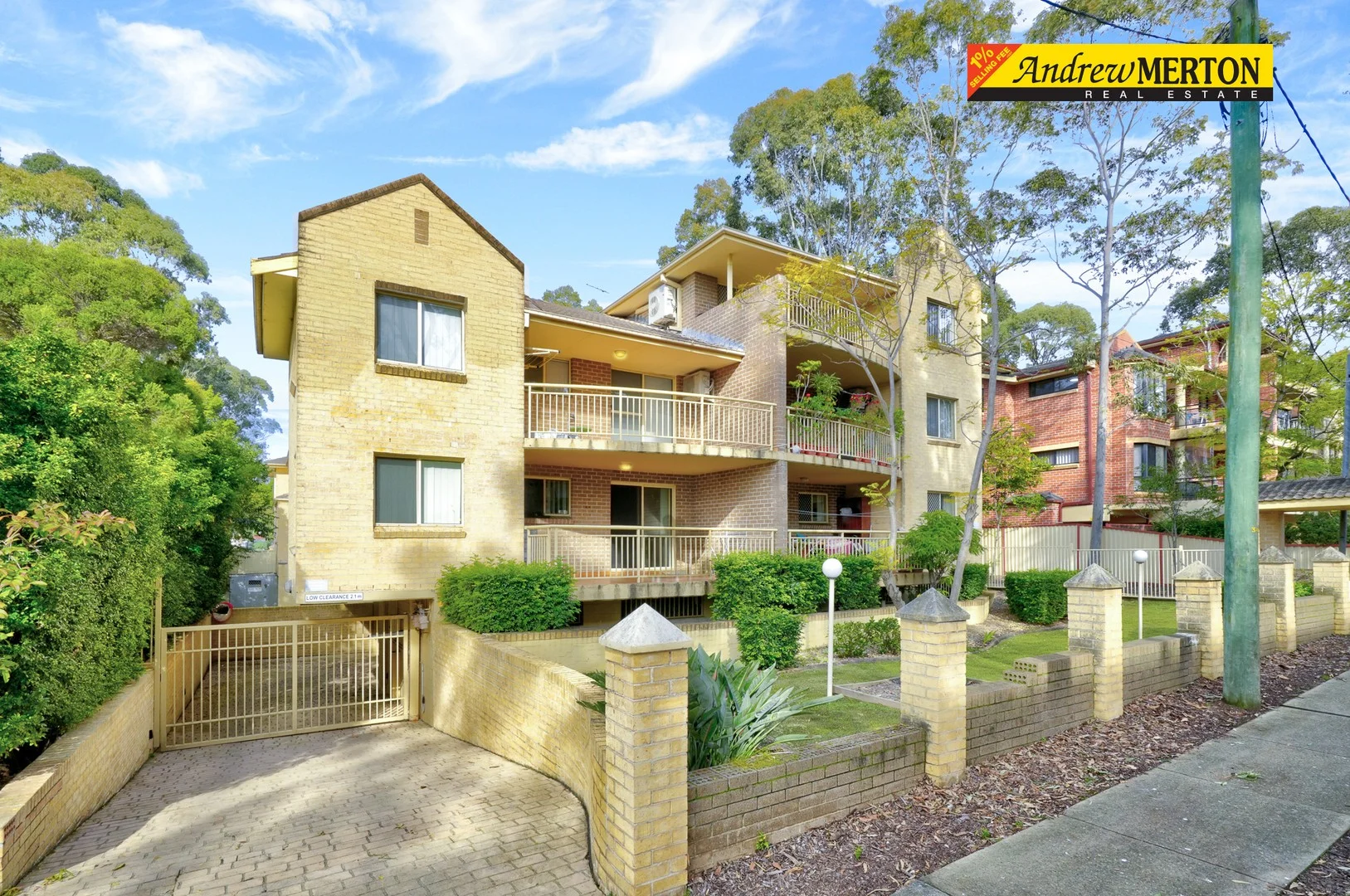 $530,000
Apartment / Unit / Flat
$530,000
Apartment / Unit / Flat