Overview
Cumberland High School is a public NSW high school serving students in Carlingford and the surrounding area. As a mid-to-large, government-operated school, it aims to provide a balanced learning environment where academic growth sits alongside sport, arts, and personal development. The school community is diverse and welcoming, with an emphasis on inclusivity and real opportunities for every student to succeed.
The atmosphere is nurturing and student-centered, with a focus on practicality and achievement. Students are encouraged to participate in a range of programs that support academic progress, leadership, teamwork, and well-rounded development.
Academics & Learning
- Academic strengths: English and Mathematics are core strengths, with solid programs in Science and Technology. There are opportunities to develop leadership skills and explore additional languages where available.
- Special programs: Gifted and Talented/enrichment pathways, with targeted challenges for advanced learners; senior study options tailored to HSC preparation in NSW.
- Support for diverse learners: EAL support and dedicated SEN/coordinator resources; tutoring and targeted in-class supports to help diverse learners reach their goals.
- Sports offered: Soccer, rugby league, netball, basketball, cricket, athletics, swimming, and other school-based teams.
- Strong teams or achievements: Active participation in local and regional inter-school competitions with record of team involvement and achievement across multiple sports.
- Music, arts, drama: School bands, choirs, and drama programs; opportunities to perform in school and community events.
- Clubs: Robotics, chess, coding, debating, and other interest clubs that support curious and motivated students.
- Partnerships: Collaborations with local clubs and regional competitions to provide additional opportunities and pathways in sport, tech, and arts.
Wellbeing & Pastoral Care
- Anti-bullying approach: Whole-school policies and programs focusing on respectful behavior, restorative practices, and a safe campus culture.
- House system: House-based activities and leadership opportunities that build belonging and healthy competition.
- Counsellors / wellbeing officers: Access to school-based counsellors and wellbeing staff to support academic and personal wellbeing.
- Transition support: Structured programs to help new students settle in, including buddy systems and orientation activities.
Facilities
- Sports grounds: On-site sporting facilities for training and inter-school events.
- Libraries: Central library with study spaces and resources.
- Science labs: Modern science labs for practical experiments and investigations.
- Music/performing arts centers: Spaces for music practice, rehearsals, and performances.
- Tech/innovation labs: Dedicated spaces for coding, robotics, and technology projects.
- Cafeteria: On-site canteen providing meals and healthy options.
- Updated playgrounds: Active, refreshed spaces for downtime and socialising.
- School values / mission: A focus on respect, responsibility, inclusion, and striving for excellence.
- Leadership style: Student voice is encouraged; distributed leadership with teacher and student leadership roles.
- Behaviour expectations: Clear code of conduct and positive behaviour for learning to foster a respectful environment.
- Community reputation: Known for a welcoming, supportive community with involvement from parents and local partners.
- Diversity & inclusion: Deliberate emphasis on cultural diversity and inclusive practices across activities and programs.
School Logistics & Daily Operations
- School hours: Typically a daytime schedule (roughly 9:00 am–3:15 pm) with families advised to check the school calendar for exact times.
- Before/after school care: Often supported by local OSHC providers; families should confirm availability and booking options with the school.
- Uniform requirements: NSW public high schools usually require a defined uniform; details and suppliers provided by the school.
- Transport (train/bus routes): Access via local bus routes and nearby train stations; school provides guidance on drop-off/pick-up arrangements.
- Canteen availability: On-site canteen offering lunch and snack options during recess and lunch.
- Fees (low/medium/high ranges): Public school fees are generally modest, with voluntary contributions and costs for uniforms and some activities; specifics provided by the school's administration.
Enrolment & Admissions
- What is the enrolment process and timeline?
- Check catchment eligibility and any eligibility requirements for specialised programs.
- Gather required documents (e.g., birth certificate, proof of address, immunisation records).
- Submit an enrolment application through NSW Department of Education channels and the school.
- Wait for confirmation and guidance on the next steps, including orientation or information sessions.
- Plan for a smooth start with orientation activities or welcome days.
- Is there a waiting list, and how does it work?
- Some intake periods may be full or use a catchment-based prioritisation.
- If spaces are limited, applicants may be placed on a waiting list; priority is typically given to in-catchment applicants.
- Offers are made when places become available; families are notified by the school or department.
- Are there any entry requirements, tests, or interviews?
- For standard intake, there are usually no entry exams or interviews.
- Some schools may have selective or gifted/talented pathways that require additional assessments or interviews; this varies by program.
- Routine documentation and verification are required as part of the enrolment process.
- Does the school accept mid-year transfers?
- Mid-year transfers are possible subject to space and meeting enrolment requirements.
- Families should contact the school early to discuss availability and required documents, including transcripts and ongoing support needs.
Frequently Asked Questions
- Why Parents Choose This School?
- Public, accessible education with a supportive community, balanced academics, sport, and arts opportunities; emphasis on inclusion and real student growth.
- What type of student thrives at this school?
- Motivated learners who value a balanced program, enjoy participating in sports and clubs, and benefit from an inclusive, community-focused environment.
- What opportunities are available for students to extend their skills (academics, sports, arts)?
- Enrichment programs, STEM and humanities clubs, leadership roles, strong sport teams, music and drama programs, and regional competitions.
- How does the school communicate with parents?
- Regular newsletters, parent portals, emails, SMS updates, scheduled parent-teacher meetings, and information sessions.
- What is the school’s approach to teaching and learning?
- Student-centered, differentiated instruction, and use of technology to support learning; emphasis on literacy, numeracy, and practical application.
- How does the school support students who need extra academic help?
- Dedicated learning support, EAL and SEN resources, targeted tutoring, and monitoring by teachers and support staff.
- What support is available for academic challenges?
- Access to learning support teams, adjustment of tasks, additional tutoring, and coordination with parents to track progress.
- How does the school communicate with parents? (Repeated)
- See above: newsletters, portals, calls, and meetings to keep parents informed and involved.
- What extracurricular and sports opportunities are available?
- A broad mix of sports, arts, and clubs including robotics, chess, coding, debating, music, drama, and inter-school events.
- What facilities does the school offer (sports, science, arts)?
- Sports grounds, libraries, science labs, music/performing arts centers, tech/innovation labs, and a canteen, plus upgraded outdoor spaces.
- What is the school’s approach to technology and digital learning?
- Integration of digital tools, online resources, potential BYOD considerations, coding and computational thinking, and safe, responsible use of technology.
- What transport and accessibility options are available?
- Access via public transport routes (bus/train), with guidance on safe drop-off/pick-up; accessibility considerations for students with special needs.
- What are the typical school fees or additional costs?
- Public school fees are generally moderate, with costs for uniforms and optional activities; families are advised to check the latest schedule of contributions and fees.
Short Pros & Cons list
Pros
- Public school with diverse student body and inclusive culture
- Strong balance of academics, sports, arts, and clubs
- Active wellbeing and pastoral care, with targeted support
- Good facilities for science, technology, arts, and athletics
- Clear communication with families and welcoming community
Cons
- Like many public schools, some programs may have limited capacity during peak periods
- Fees for uniforms and optional activities apply; routine costs exist
- Mid-year transfers depend on space and availability
- For highly specialized programs, some pathways may require additional assessments or entry steps
- Transport options rely on local routes and scheduling; commuting may be a consideration for some families

 Free
Free








 $36,000,000 - $39,500,000
Vacant Land
$36,000,000 - $39,500,000
Vacant Land
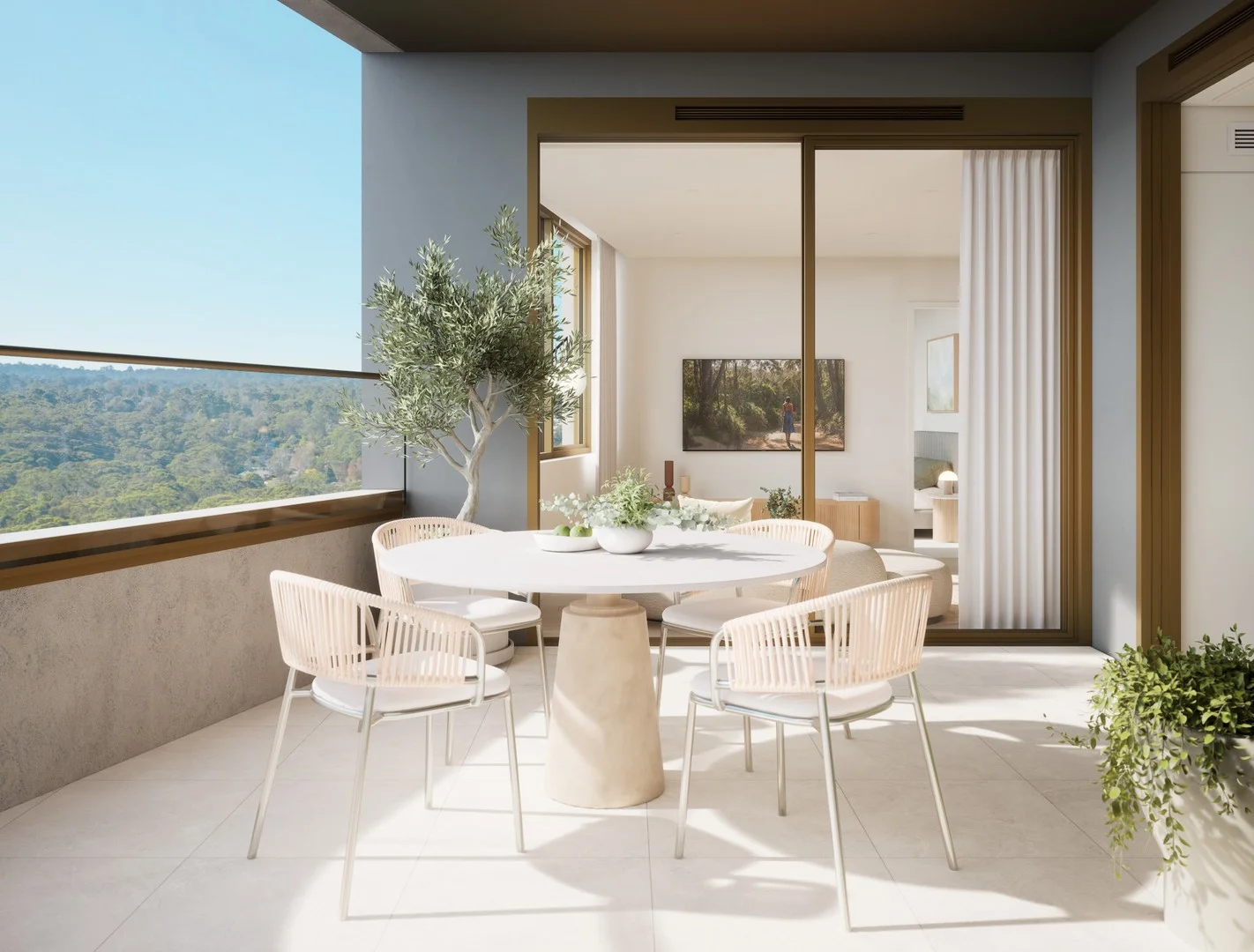 $1,525,000
Apartment / Unit / Flat
$1,525,000
Apartment / Unit / Flat
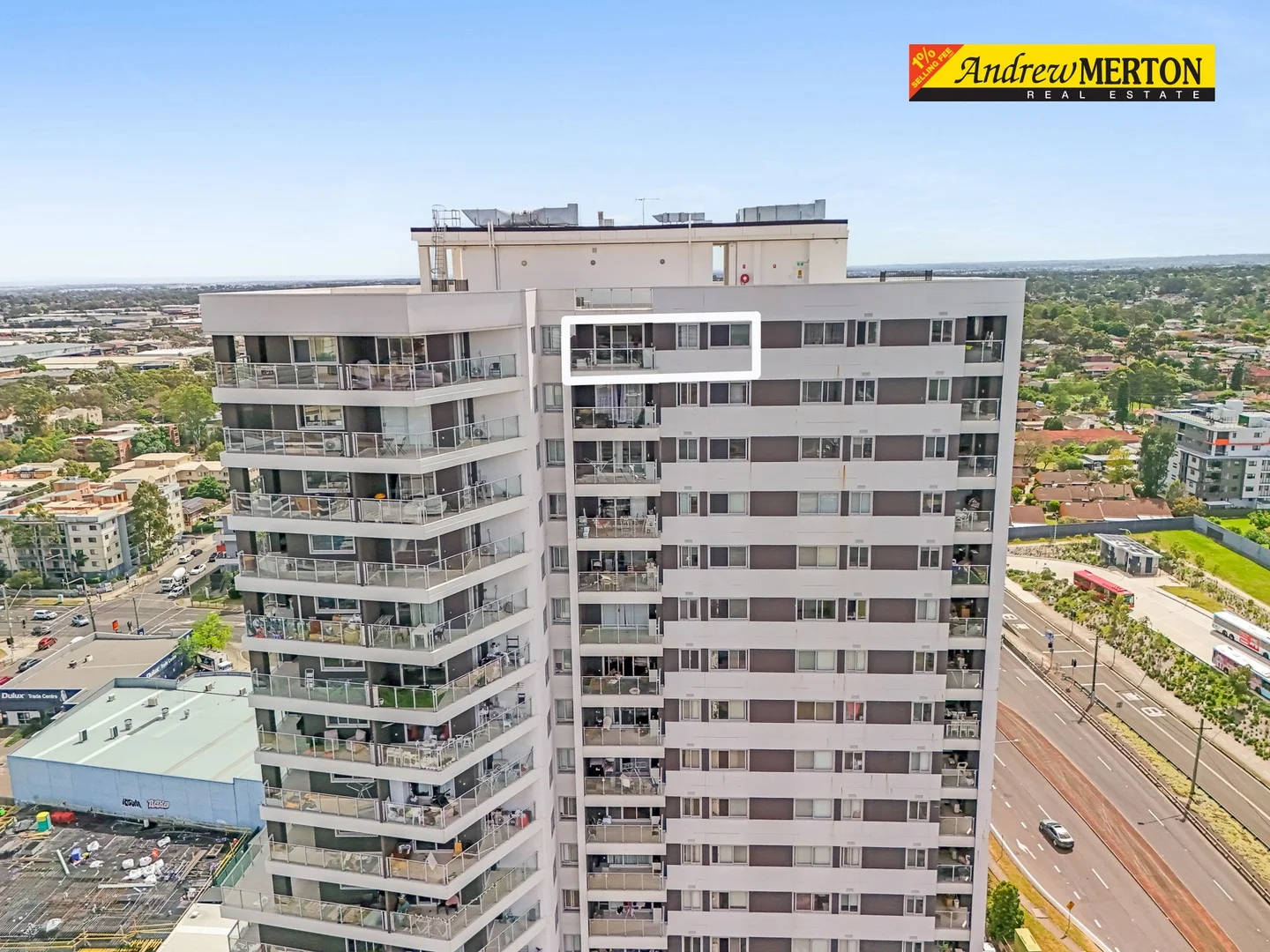 $399,900
Apartment / Unit / Flat
$399,900
Apartment / Unit / Flat
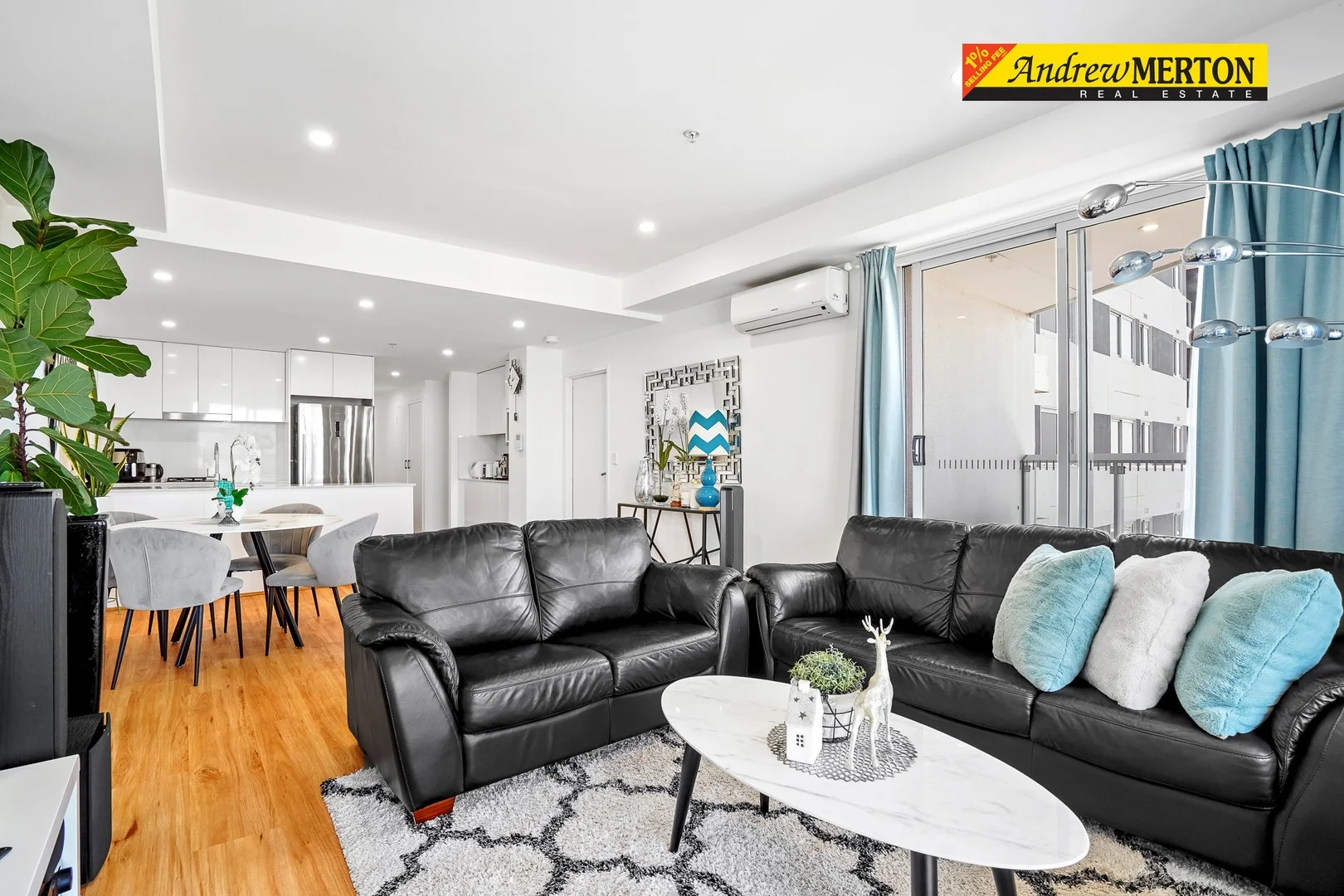 $450,000 - $470,000
Apartment / Unit / Flat
$450,000 - $470,000
Apartment / Unit / Flat