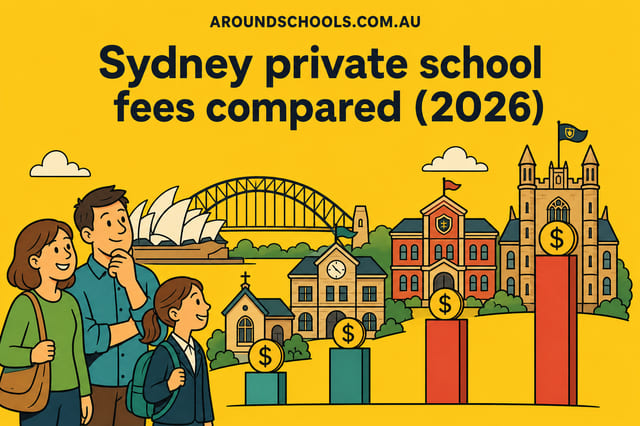
Overview
## 1. Overview
St Brendan's Catholic Primary School is a Catholic, co-educational primary school serving families in Annandale and the surrounding Inner West community. The school emphasises faith formation, holistic development and a caring, inclusive learning environment.
It is a small-to-medium sized school with a close-knit feel, where class sizes are typically around 20–25 students. The atmosphere is nurturing and values-driven, centred on community, faith, respect and service.
⸻
## 2. Academics & Learning
- Academic strengths: Focus on strong literacy and numeracy foundations, with a clear emphasis on Religious Education. The school supports leadership development and fosters digital literacy as part of a well-rounded curriculum.
- Special programs: Religious education is integrated throughout the year; opportunities for leadership roles and community involvement. Gifted and talented programs and targeted supports may be available where appropriate, along with EAL/SEN supports to promote inclusive learning.
- NAPLAN trends: NSW Catholic primary schools in the region generally show stable to improving trends in reading and numeracy over time, with ongoing focus on writing improvement and overall literacy.
- Student-teacher ratios: Class sizes around 20–25 students; typical student-teacher ratios reflect a strong emphasis on individual attention within the group setting.
- Support for diverse learners: Dedicated supports for students with diverse learning needs, including EAL (English as an Additional Language) assistance and SEN (Special Education Needs) supports, with an inclusive approach to learning.
⸻
## 3. Sports & Extracurricular Strengths
- Sports offered: Common primary offerings include soccer, netball, rugby league, basketball, athletics and swimming, with opportunities to participate in inter-school and diocesan events.
- Strong teams or achievements: Students often participate in regional or diocesan competitions and showcases; emphasis on participation, teamwork and sportsmanship.
- Music, arts, drama programs: School music programs, choir and occasional drama performances or school productions; opportunities to develop performance skills.
- Clubs: Availability may include robotics, coding, chess and debating, with activities varying by year and cohort.
- Partnerships: Connections with local parish activities, community clubs and diocesan competitions to enrich opportunities outside the classroom.
⸻
## 4. Wellbeing & Pastoral Care
- Anti-bullying approach: Clear anti-bullying policies and positive behavioural frameworks, with restorative practices and a focus on respectful relationships.
- House system: Typically part of the pastoral and leadership framework to foster belonging, healthy competition and teamwork.
- Counsellors / wellbeing officers: Access to wellbeing support, either through a school counsellor or a designated wellbeing role, to assist students with social and emotional needs.
- Transition support for new students: Orientation activities, buddy systems and pastoral care to help new families and students settle in smoothly.
⸻
## 5. Facilities
- Sports grounds: On-site spaces for physical education and outdoor activity.
- Libraries: A school library supports reading, research and quiet study.
- Science facilities: Resources to support science, hands-on learning and experiments.
- Music/performing arts centers: Spaces for music practice, rehearsals and performances.
- Tech/innovation labs: Computer labs or ICT facilities to support digital learning and coding activities.
- Cafeteria: On-site or nearby canteen facilities with healthy options.
- Updated playgrounds: Functional outdoor spaces designed for play and physical activity.
⸻
## 6. School Values & Community Culture
- School values / mission: A faith-centered mission founded on Catholic values such as faith, service, respect, compassion and integrity.
- Leadership style: Democratic and collaborative, with opportunities for student voice and leadership; partnership between staff, families and parish.
- Behaviour expectations: Clear behavioural expectations rooted in respect, responsibility and resilience; positive reinforcement and consistent routines.
- Community reputation: Known for a welcoming, faith-based community with strong parental and parish involvement.
- Diversity & inclusion: Committed to an inclusive environment that welcomes families from diverse backgrounds and needs.
⸻
## 7. School Logistics & Daily Operations
- School hours: Term times with a daily schedule aligned to NSW primary school norms; exact start and finish times provided by the school.
- Before/after school care: Often available through school-arranged programs or local providers.
- Uniform requirements: School uniform with appropriate formal wear, plus sport uniform for physical education days; hat and dress code as part of the standard uniform kit.
- Transport (train/bus routes): Accessible by public transport with nearby bus routes; drop-off and pick-up arrangements managed by the school; parking and pedestrian safety considerations in place.
- Canteen availability: Canteen or canteen services on certain days, offering healthy options.
- Fees (low/medium/high ranges): School fees apply; the exact amounts vary by year and program; families should contact the school for current fee schedules and any additional costs (e.g., excursions, uniforms).
⸻
## 8. Enrolment & Admissions
11. What is the enrolment process and timeline?
- Submit an enrolment application by the school’s stated deadline.
- Provide required documents (birth certificate, immunisation records, proof of identity/addresses as requested).
- Attend any information sessions or open days if offered.
- Application is reviewed; families are informed of outcomes within the announced timelines.
- If offered a place, families complete confirmation of enrolment and initial orientation steps.
12. Is there a waiting list, and how does it work?
- Waiting lists are common; placement often depends on availability, sibling priority, parish boundaries, and other school-specific criteria. Timeframes vary by year and intake.
13. Are there any entry requirements, tests, or interviews?
- Entry typically requires completion of the standard enrolment process; an interview or information session with families may be part of the process, along with confirmation of Catholic identity or parish involvement where applicable. Formal entrance exams are not commonly used for primary Catholic schools.
14. Does the school accept mid-year transfers?
- Mid-year transfers are possible if vacancies exist. Families seeking mid-year transfer should contact the school promptly to understand availability, required documentation, and the enrolment process.
⸻
## 9. Frequently Asked Questions
- Why Parents Choose This School?
- Strong Catholic identity, nurturing community, pastoral care, and a focus on values-led education.
- What type of student thrives at this school?
- Students who value community, faith-based learning, collaboration and a supportive, inclusive environment.
- What opportunities are available for students to extend their skills (academics, sports, arts)?
- Strong literacy and numeracy foundations, leadership opportunities, sport, arts, music, drama and various clubs (availability varies by year).
- How does the school communicate with parents?
- Regular newsletters, parent portals or communications apps, parent-teacher interviews and school events.
- What is the school’s approach to teaching and learning?
- Differentiated, inclusive teaching with a mix of direct instruction, guided learning, and hands-on activities; integration of faith formation.
- How does the school support students who need extra academic help?
- Targeted interventions, EAL/SEN supports, learning support staff and tailored plans where needed.
- What support is available for academic challenges?
- Access to learning support services, adjustment plans and regular check-ins with teachers and support staff.
- How does the school communicate with parents?
- See above (consistent channels and updates are provided to families).
- What are the class sizes and how much individual attention do students receive?
- Class sizes typically around 20–25 students, with teachers able to provide targeted support within the class structure.
- What extracurricular and sports opportunities are available?
- A range of sports (e.g., soccer, netball, athletics), music and arts programs, and clubs such as robotics, coding, chess or debating (availability varies).
- What facilities does the school offer (sports, science, arts)?
- Sports grounds, library, science facilities, music/performing arts spaces, ICT facilities, canteen and updated outdoor areas.
- What is the school’s approach to technology and digital learning?
- Integration of ICT across the curriculum, access to computer labs or devices, and focus on digital literacy and online safety.
- What transport and accessibility options are available?
- Public transport access and school-supported drop-off/pick-up arrangements; parking and accessibility considerations are in place.
- What are the typical school fees or additional costs?
- Fees apply; exact amounts vary by year and program; contact the school for current schedules and any extra costs (uniforms, excursions, etc.).
⸻
## 10. Short Pros & Cons
- Pros
- Strong Catholic identity with a faith-centered community
- Nurturing, inclusive environment and small-to-medium class sizes
- Focus on holistic development, pastoral care and leadership opportunities
- Supportive learning environment with classroom differentiation and student support
- Access to arts, sports and some clubs, plus local parish connections
- Cons
- Smaller school may have fewer elective options than larger schools
- Availability of certain clubs and programs can vary year-to-year
- Specific facilities or programs may differ from other campuses; verify current offerings
- Fees apply and can vary; check current schedules and any extra costs
⸻









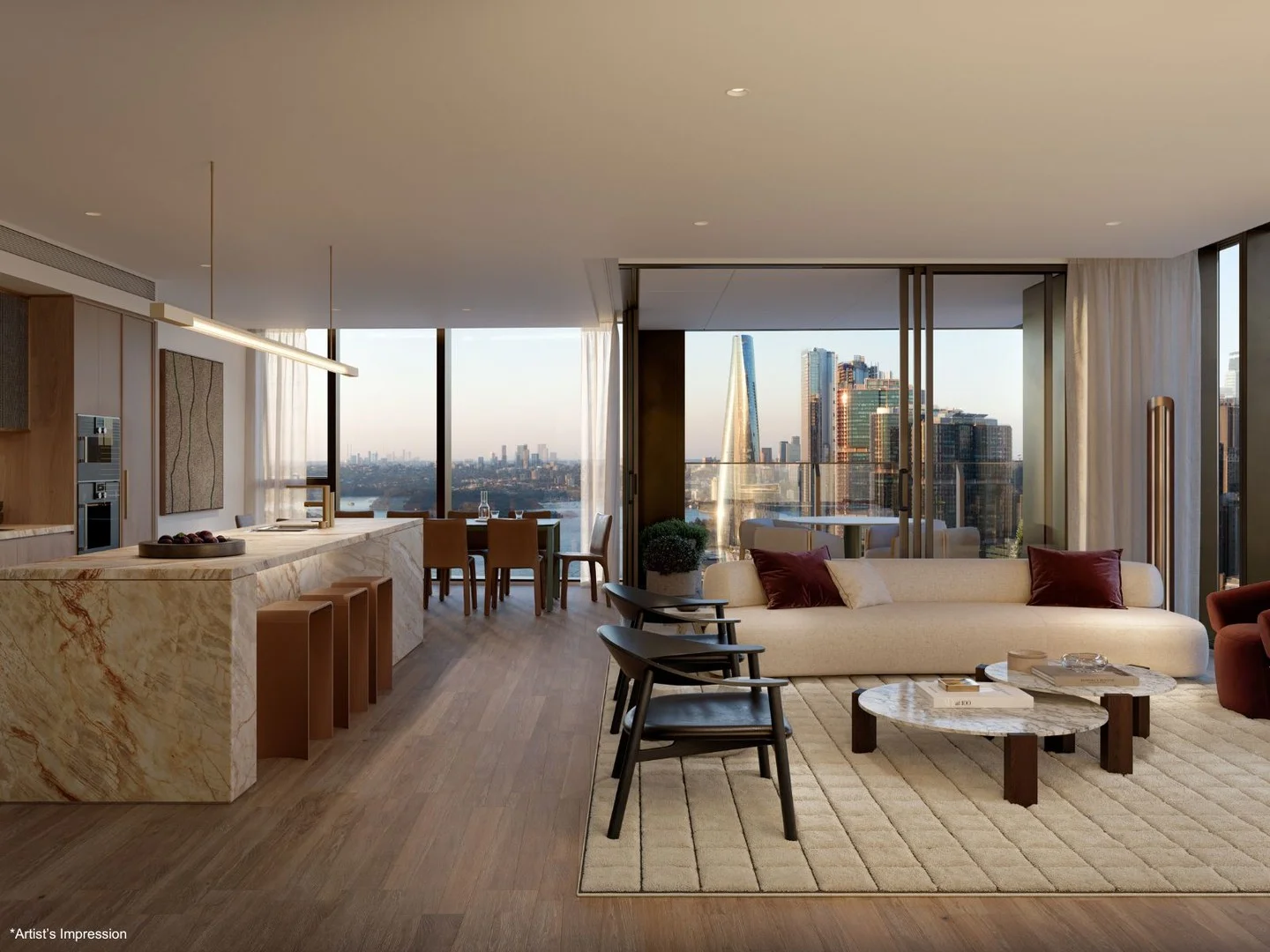 $12,980,000
propertyType.NEW APARTMENTS / OFF THE PLAN
$12,980,000
propertyType.NEW APARTMENTS / OFF THE PLAN
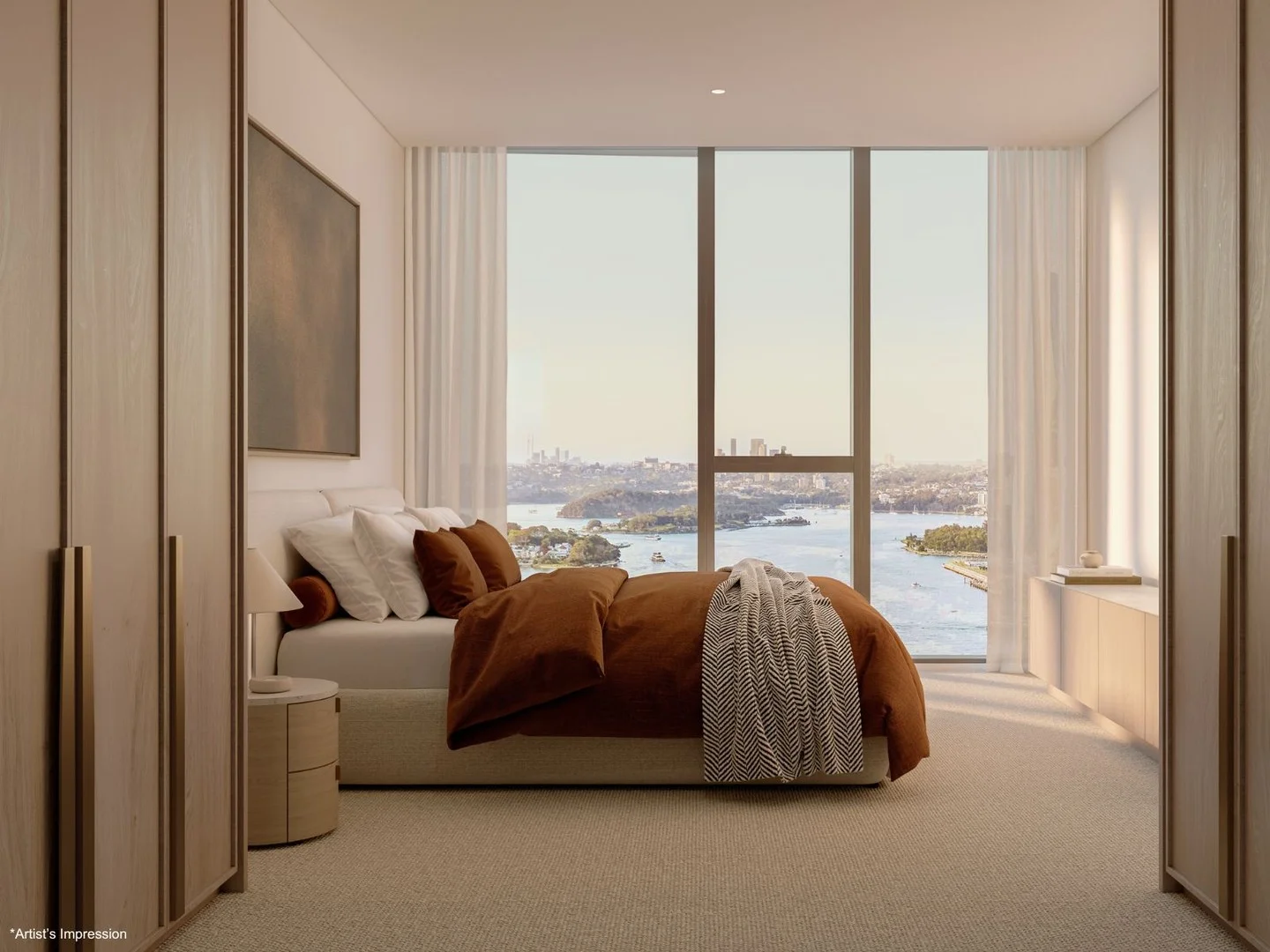 $8,630,000
propertyType.NEW APARTMENTS / OFF THE PLAN
$8,630,000
propertyType.NEW APARTMENTS / OFF THE PLAN
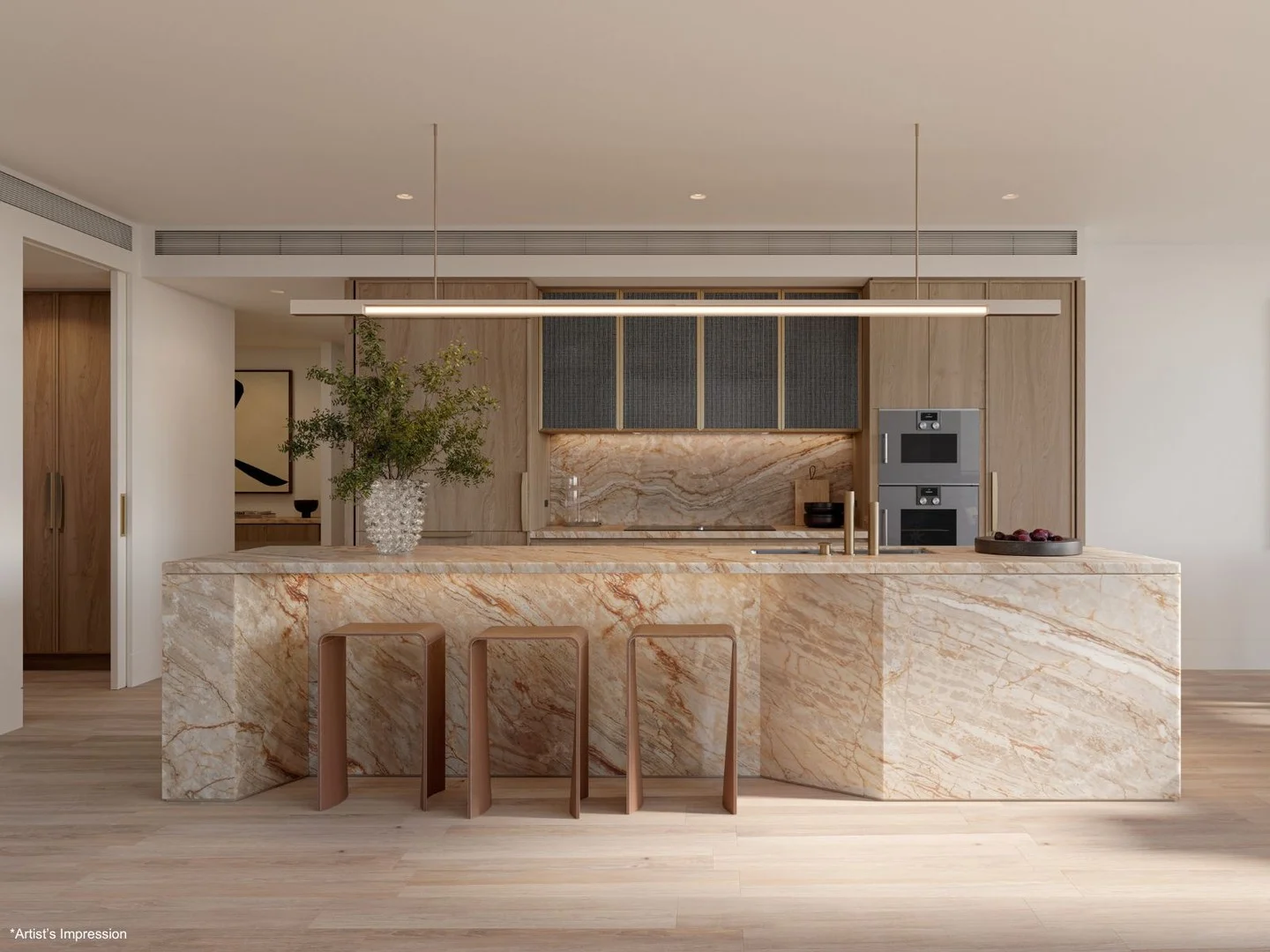 $6,225,000
propertyType.NEW APARTMENTS / OFF THE PLAN
$6,225,000
propertyType.NEW APARTMENTS / OFF THE PLAN
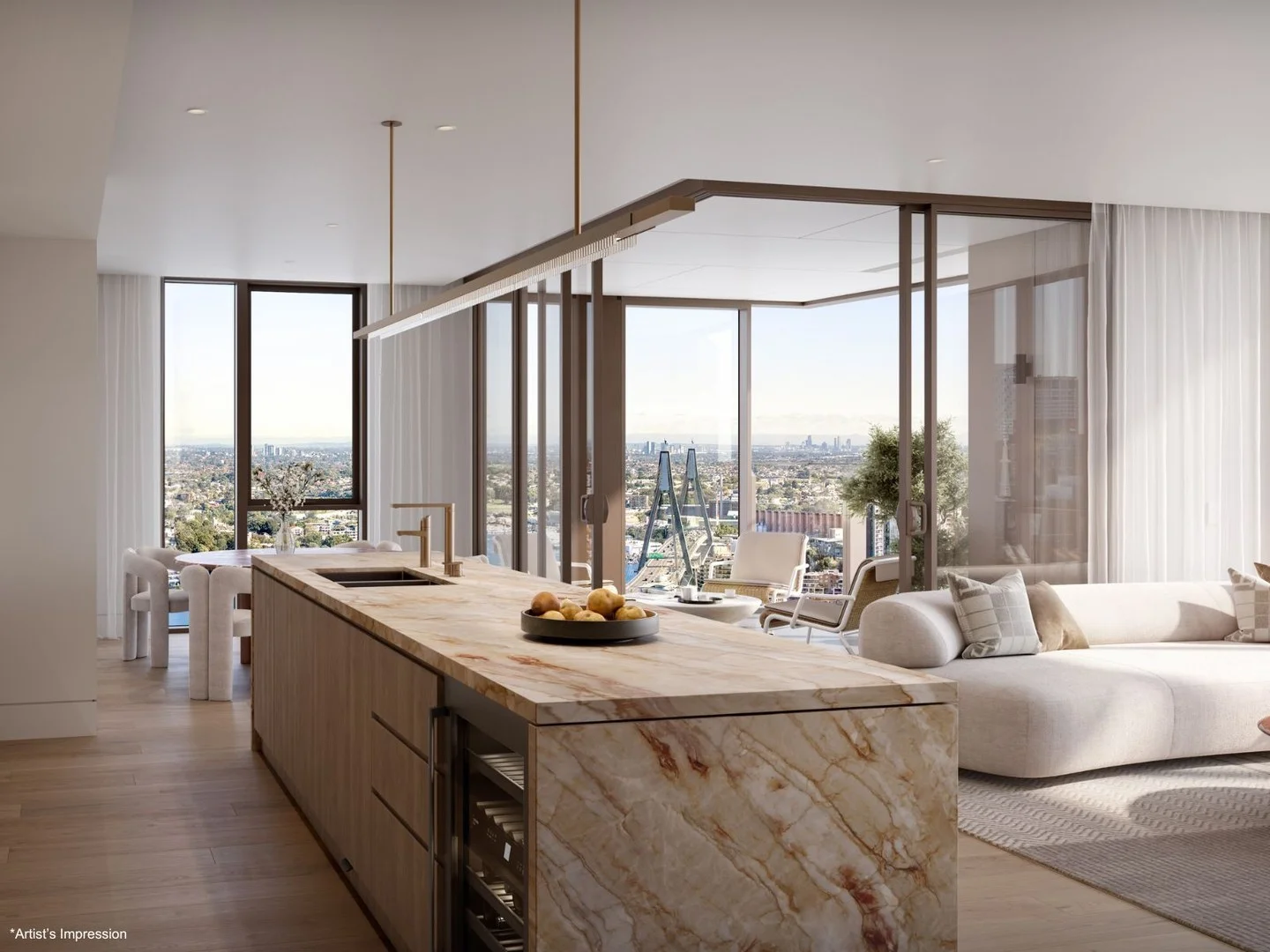 $9,020,000
propertyType.NEW APARTMENTS / OFF THE PLAN
$9,020,000
propertyType.NEW APARTMENTS / OFF THE PLAN
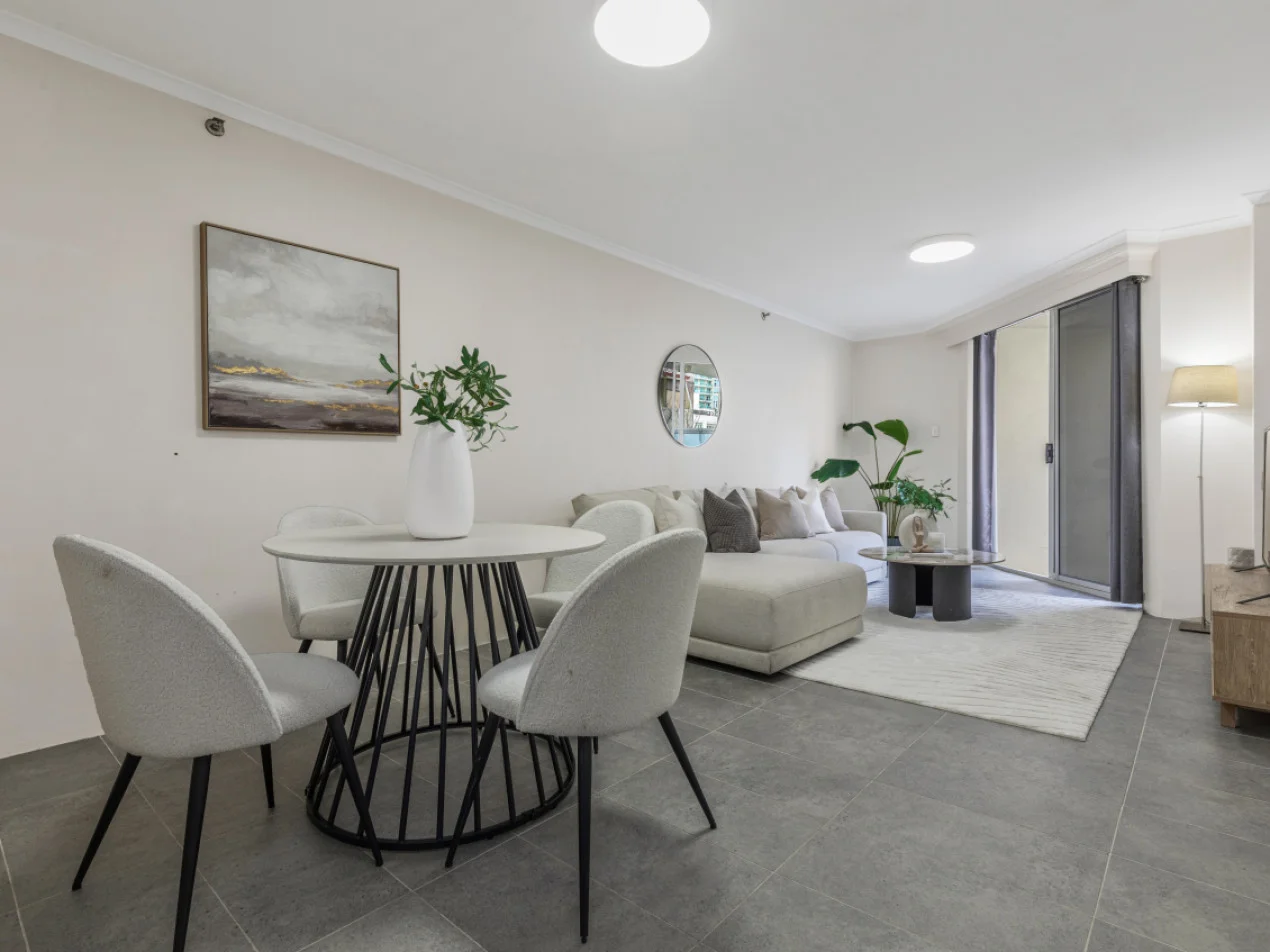 $640,000 - $675,000
Apartment / Unit / Flat
$640,000 - $675,000
Apartment / Unit / Flat
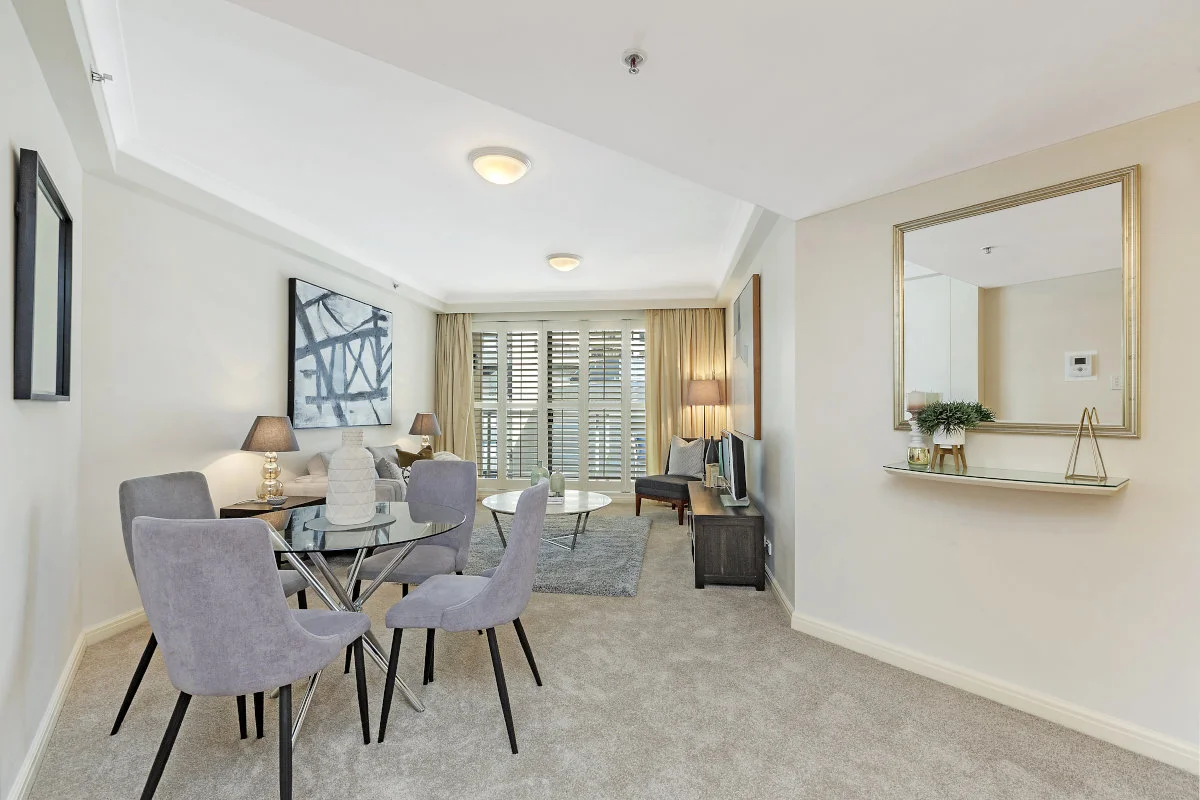 $660,000 - $725,000
Apartment / Unit / Flat
$660,000 - $725,000
Apartment / Unit / Flat
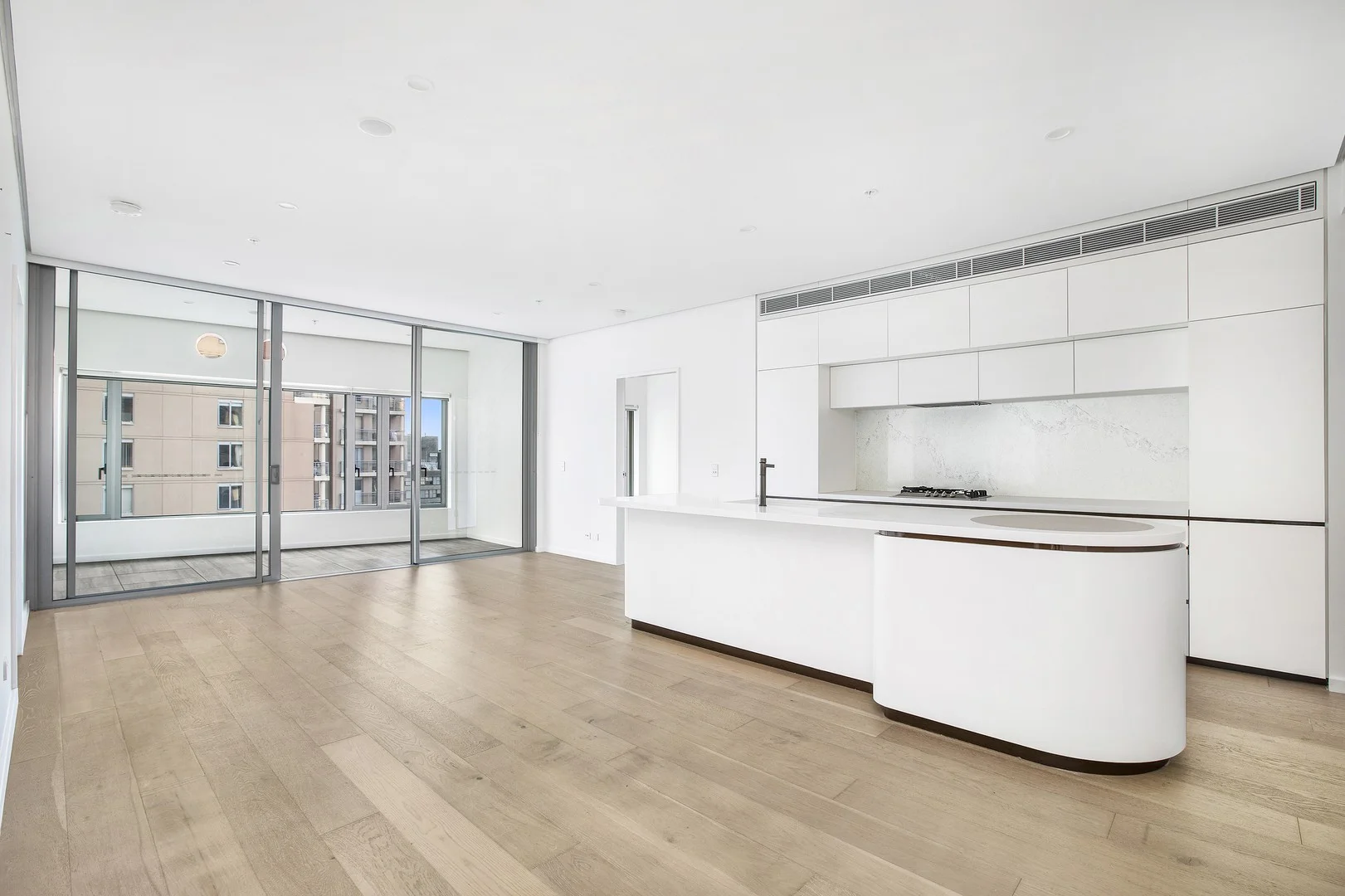 $2,250,000
Apartment / Unit / Flat
$2,250,000
Apartment / Unit / Flat
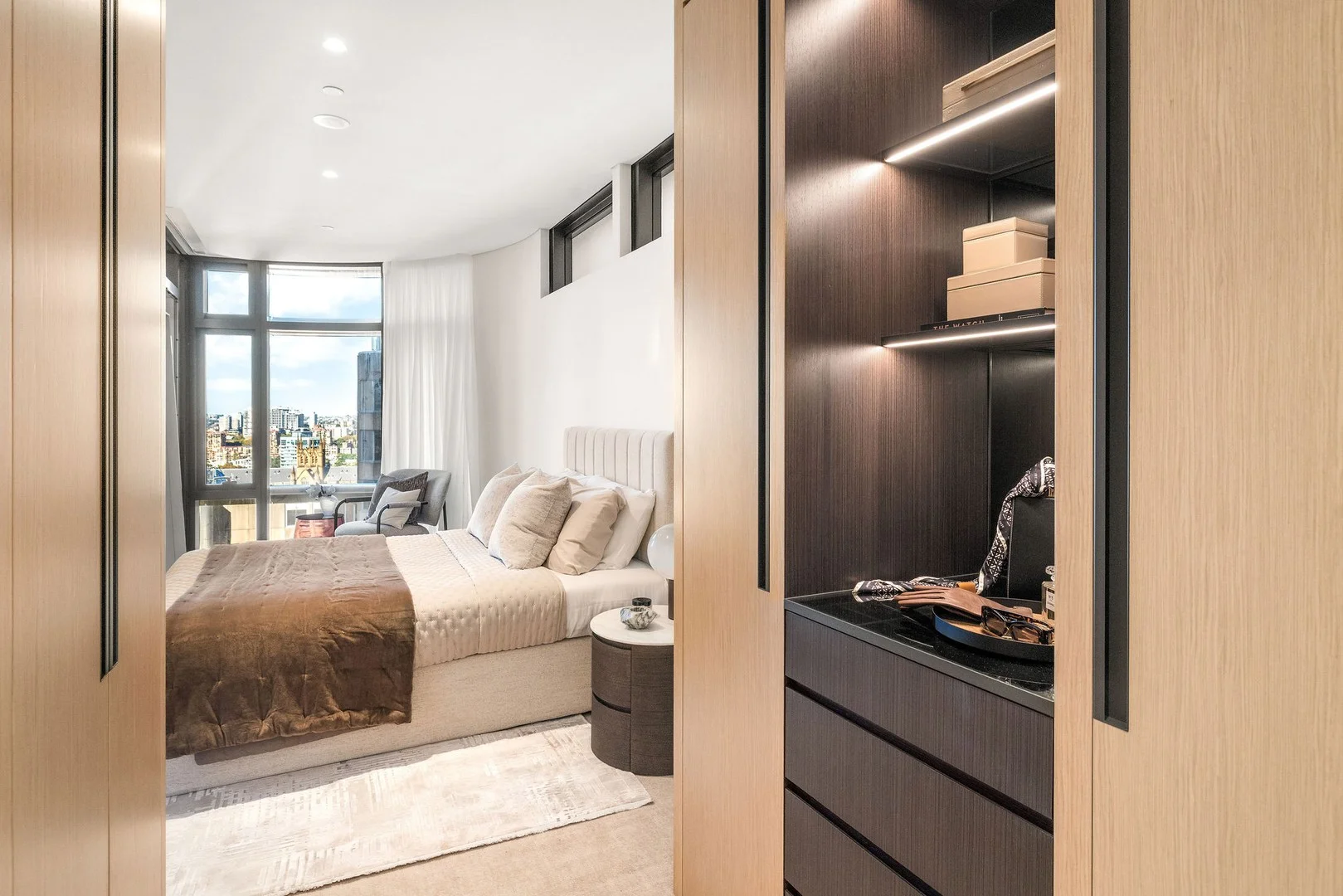 $2,745,000
propertyType.NEW APARTMENTS / OFF THE PLAN
$2,745,000
propertyType.NEW APARTMENTS / OFF THE PLAN
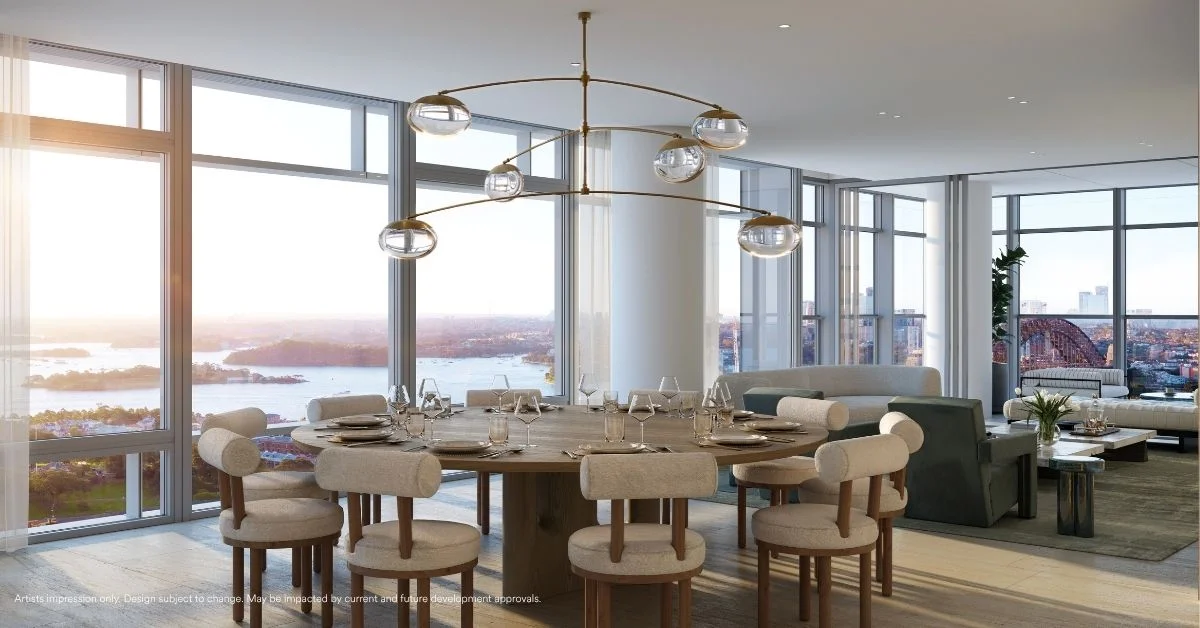 $26,550,000
propertyType.NEW APARTMENTS / OFF THE PLAN
$26,550,000
propertyType.NEW APARTMENTS / OFF THE PLAN