Overview
## Overview
St Bridget's Catholic Primary School is a Catholic, co-educational primary school serving families in the Balwyn North/Greythorn area. It offers faith-based education for students from Prep to Year 6, with a strong emphasis on community, service, and academic growth within a nurturing environment.
The school is small to medium in size, with class sizes designed to support meaningful teacher-student interactions. The atmosphere is warm, inclusive, and values-driven, focusing on academic development alongside spiritual formation and social-emotional growth.
## Academics & Learning
- Academic strengths: The school emphasises literacy and numeracy, with integration of religious education to support character development and critical thinking. Focus areas often include inquiry-based learning and real-world problem solving.
- Special programs: Opportunities may include enrichment, gifted/talented options, STEM/STEAM activities, and language learning as part of a well-rounded curriculum.
- NAPLAN trends: Look for stable or improving literacy and numeracy trends over recent years; trends can vary year to year, so check the latest school performance data for current insights.
- Student-teacher ratios: Classrooms are structured to support small-group instruction and individualized feedback, with a focus on responsive teaching.
- Support for diverse learners: Acknowledges diverse learner needs with targeted support, including EAL (English as an Additional Language) and SEN (Special Educational Needs) supports, along with intervention programs as required.
## Sports & Extracurricular Strengths
- Sports offered: A broad range of team and individual sports typical of Australian primary schools (e.g., soccer, basketball, netball, athletics, cricket) with opportunities to compete in local events.
- Strong teams or achievements: Participation in inter-school and local competitions is common, providing pathways for development and teamwork.
- Music, arts, drama programs: Active music and performing arts programs, school productions, choirs, and opportunities to engage in arts-based activities.
- Clubs: Robotics, coding, chess, debating, and other clubs are typically offered to broaden interests and critical thinking.
- Partnerships: Collaborations with local community organizations and community sports/arts programs support extended opportunities and competitions.
## Wellbeing & Pastoral Care
- Anti-bullying approach: A whole-school approach with clear policies, fostering respectful relationships and restorative practices.
- House system: A house framework promotes belonging, teamwork, and healthy competition across activities and events.
- Counsellors / wellbeing officers: Access to wellbeing support, with scheduled check-ins and a focus on mental health, resilience, and social-emotional learning.
- Transition support for new students: Orientation programs, buddy systems, and targeted transition activities help new students settle in comfortably.
## Facilities
- Sports grounds: Access to outdoor play and sports facilities suitable for a range of physical activities.
- Libraries: Well-equipped library spaces supporting reading and research.
- Science labs: Dedicated spaces for practical science exploration.
- Music/performing arts centers: Facilities for music rehearsals, drama, and performances.
- Tech/innovation labs: Access to ICT and practical technology learning environments.
- Cafeteria: On-site canteen or lunch facilities supporting healthy eating.
- Updated playgrounds: Modern, safe play areas for breaks and outdoor learning.
## School Values & Community Culture
- School values / mission: A faith-informed mission centered on Catholic values such as respect, service, compassion, and integrity.
- Leadership style: Collaborative and supportive leadership that fosters strong relationships among staff, students, and families.
- Behaviour expectations: Clear behavioural codes with positive reinforcement and restorative approaches to discipline.
- Community reputation: Built on a welcoming, faith-filled community that values family involvement and partnerships with parish and local community.
- Diversity & inclusion: Commitment to an inclusive environment that welcomes students from diverse backgrounds and needs.
## School Logistics & Daily Operations
- School hours: Standard Victorian school day with morning and afternoon sessions and breaks; actual times are published by the school each year.
- Before/after school care: Typically available through school-run programs or approved providers to support families.
- Uniform requirements: School uniform policy with defined items, standards, and grooming guidelines.
- Transport (train/bus routes): Access to local public transport options; proximity to bus routes or train stations with designated drop-off/pick-up arrangements.
- Canteen availability: Canteen services or lunch options available on designated days.
- Fees (low/medium/high ranges): Fees fall within the mid-range for primary Catholic schools, with additional costs for camps, excursions, and some activities; exact amounts are published by the school each year.
## Enrolment & Admissions
11. What is the enrolment process and timeline?
- Submit an application or expression of interest according to the school’s intake year.
- The school will provide deadlines, documentation requirements, and interview/participation dates.
- Offers are made subject to space and policy, followed by confirmation and enrollment steps (immunisations, records, and fees).
12. Is there a waiting list, and how does it work?
- Many Catholic primary schools maintain a waiting list when year levels reach capacity.
- Placement on the list is typically determined by published criteria (e.g., siblings, priority for parish families, date of application) and space availability.
- Contact the admissions team for the current status and expected timelines.
13. Are there any entry requirements, tests, or interviews?
- Entry may involve a family information session or interview with the principal or admissions team.
- Documentation such as birth certificates, immunisation records, and prior school reports may be required.
- Some schools may request a short information meeting to discuss student needs and supports.
14. Does the school accept mid-year transfers?
- Mid-year transfers may be possible if there is space, subject to records transfer, meeting admission criteria, and a smooth transition plan.
- Families should contact the school early to arrange records, transcripts, and any testing or orientation requirements.
## Frequently Ask Questions
- Why Parents Choose This School?
Parents often choose for faith-based education, a strong sense of community, supportive pastoral care, and small-to-medium class sizes that enable individual attention.
- What type of student thrives at this school?
Students who value values-based learning, community involvement, and opportunities to grow academically, spiritually, and socially tend to thrive.
- What opportunities are available for students to extend their skills (academics, sports, arts)?
Extensive opportunities across academics, arts, sports, and clubs (e.g., robotics, coding, debating, music) to develop a broad skill set.
- How does the school communicate with parents?
Regular updates through newsletters, email, parent-teacher meetings, online portals, and timely responses from teachers.
- What is the school’s approach to teaching and learning?
A holistic approach that combines literacy, numeracy, inquiry-based learning, and faith formation with differentiation to meet diverse needs.
- How does the school support students who need extra academic help?
Access to targeted intervention, learning support staff, EAL programs, SEN accommodations, and small-group tutoring where appropriate.
- What support is available for academic challenges?
Individual and small-group support plans, monitoring progress, and collaboration with families to adjust learning goals.
- How does the school communicate with parents? (Repeated)
See above: newsletters, portals, meetings, and direct lines to teachers and administration.
- What are the class sizes and how much individual attention do students receive?
Class sizes are designed to be small-to-medium, enabling regular formative feedback and more opportunities for one-on-one or small-group instruction.
- What extracurricular and sports opportunities are available?
A range of sports teams, arts programs, and clubs such as robotics, coding, chess, and debating, with opportunities to compete locally and participate in performances.
- What facilities does the school offer (sports, science, arts)?
Facilities include sports grounds, libraries, science labs, performing arts spaces, technology labs, and dining/canteen facilities.
- What is the school’s approach to technology and digital learning?
Emphasises safe, age-appropriate use of technology with digital literacy, online safety, and integration of devices to support learning.
- What transport and accessibility options are available?
Access to local transport options with planned drop-off/pick-up, parking considerations, and accessible facilities to support students and families.
- What are the typical school fees or additional costs?
Fees are in the mid-range for primary Catholic schools, with additional costs for excursions, camps, and optional activities. Exact figures are provided by the school.
## Short Pros & Cons list
Pros
- Faith-based, values-driven education
- Small-to-medium class sizes for individualized attention
- Strong pastoral care and wellbeing support
- Welcoming, inclusive community
- Broad range of extracurriculars (academics, arts, sports, clubs)
- Opportunities for leadership and service
- Positive parent-school partnerships
Cons
- Religious focus may not align with all families
- Limited elective options compared to larger schools
- Transport and commute considerations depending on location
- Smaller campus may have fewer specialized facilities than larger independent schools
If you’d like, I can tailor this with actual, current details from the school’s latest prospectus or review any publicly available data to make the content more precise.









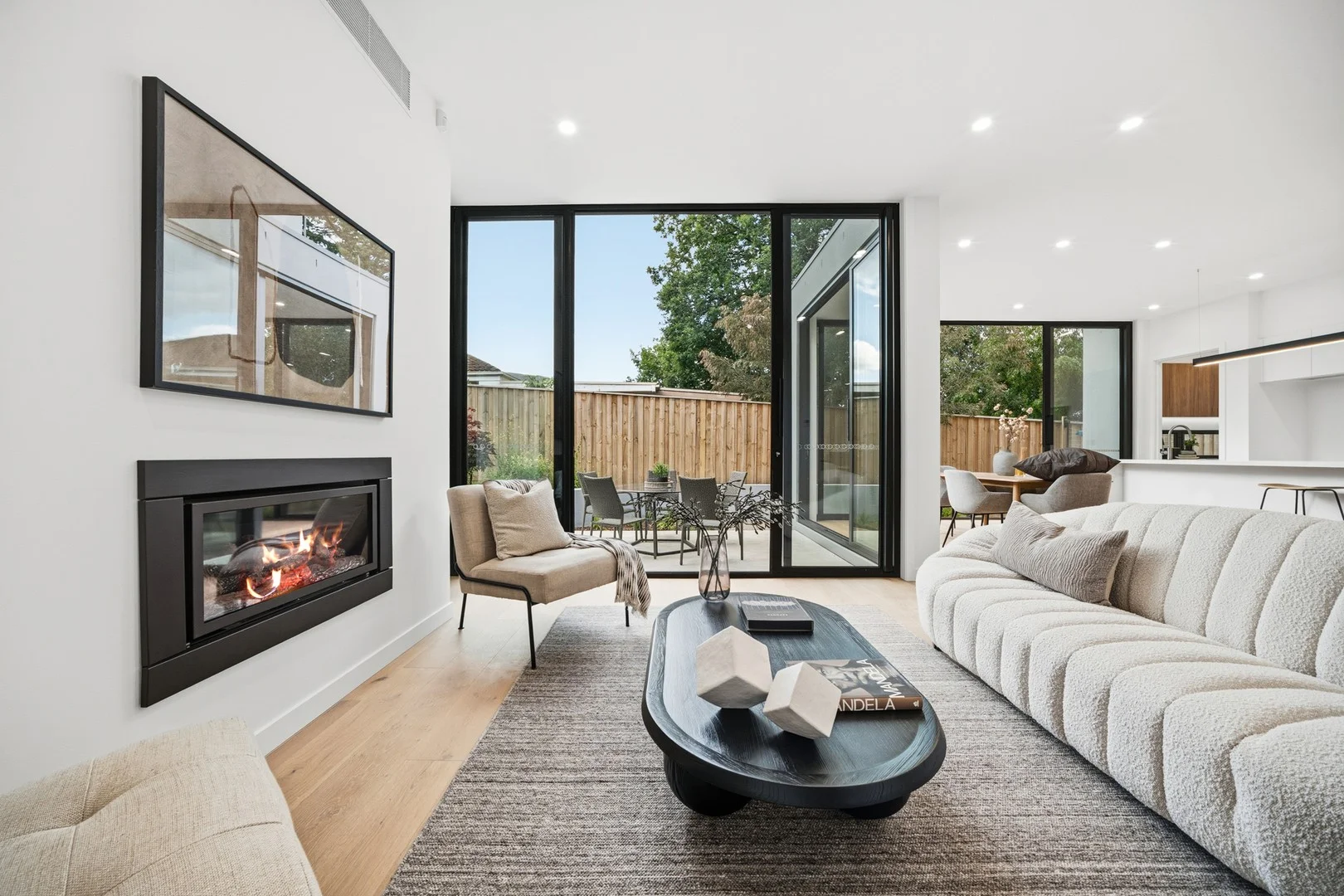 $1,750,000
Townhouse
$1,750,000
Townhouse
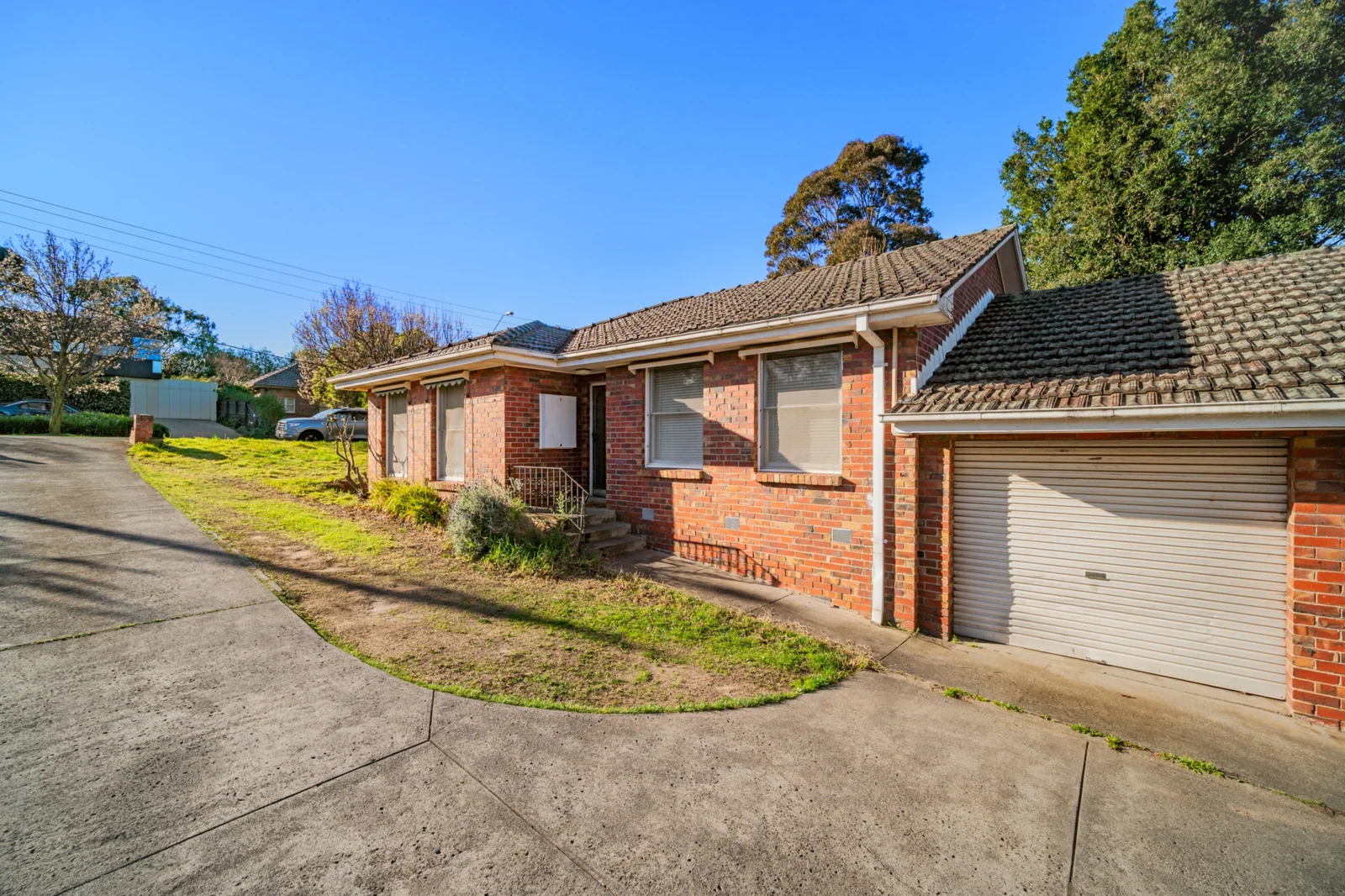 $580
Apartment / Unit / Flat
$580
Apartment / Unit / Flat
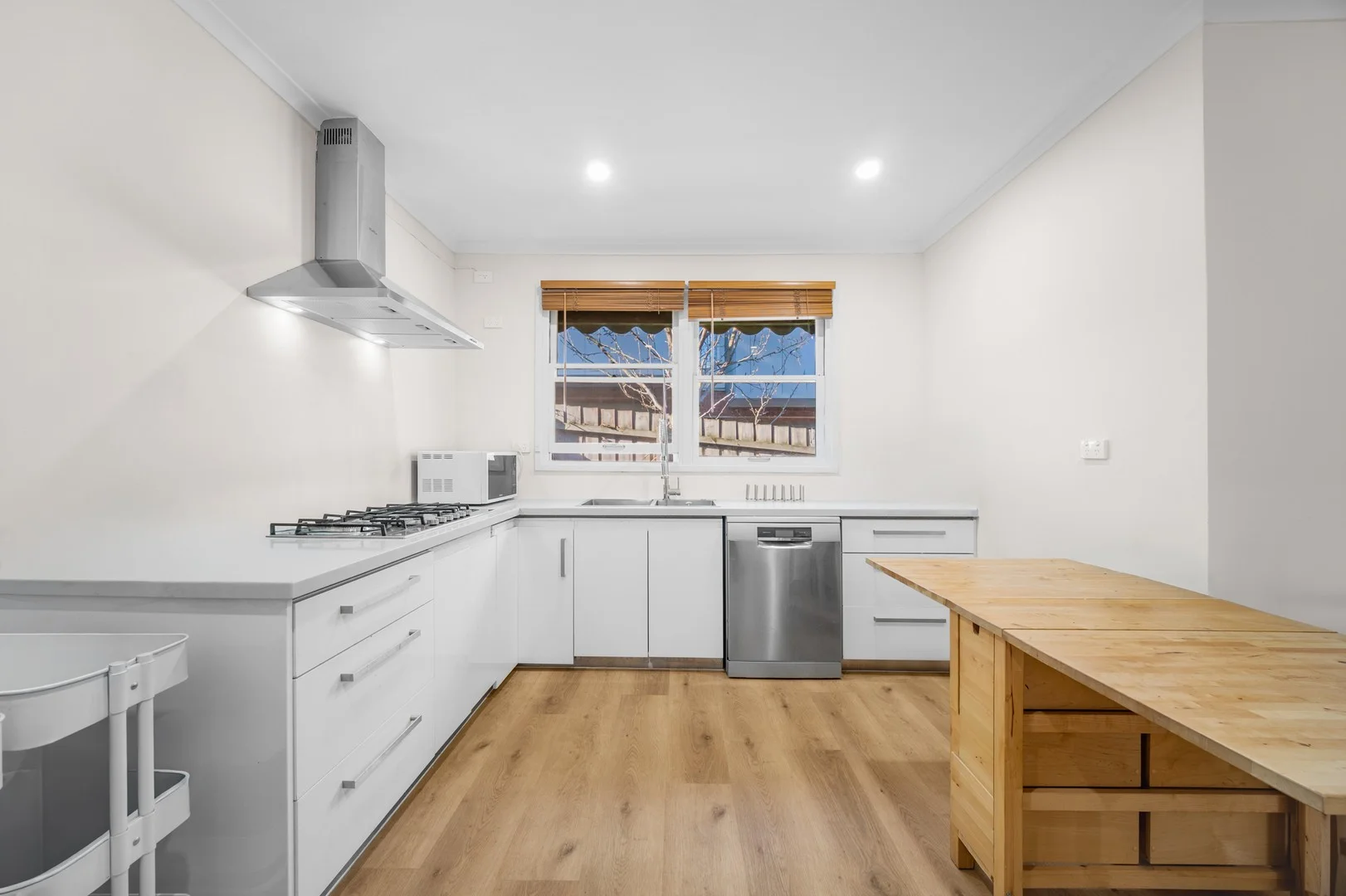 $680
Apartment / Unit / Flat
$680
Apartment / Unit / Flat
 $1,600,000 - $1,750,000
House
$1,600,000 - $1,750,000
House
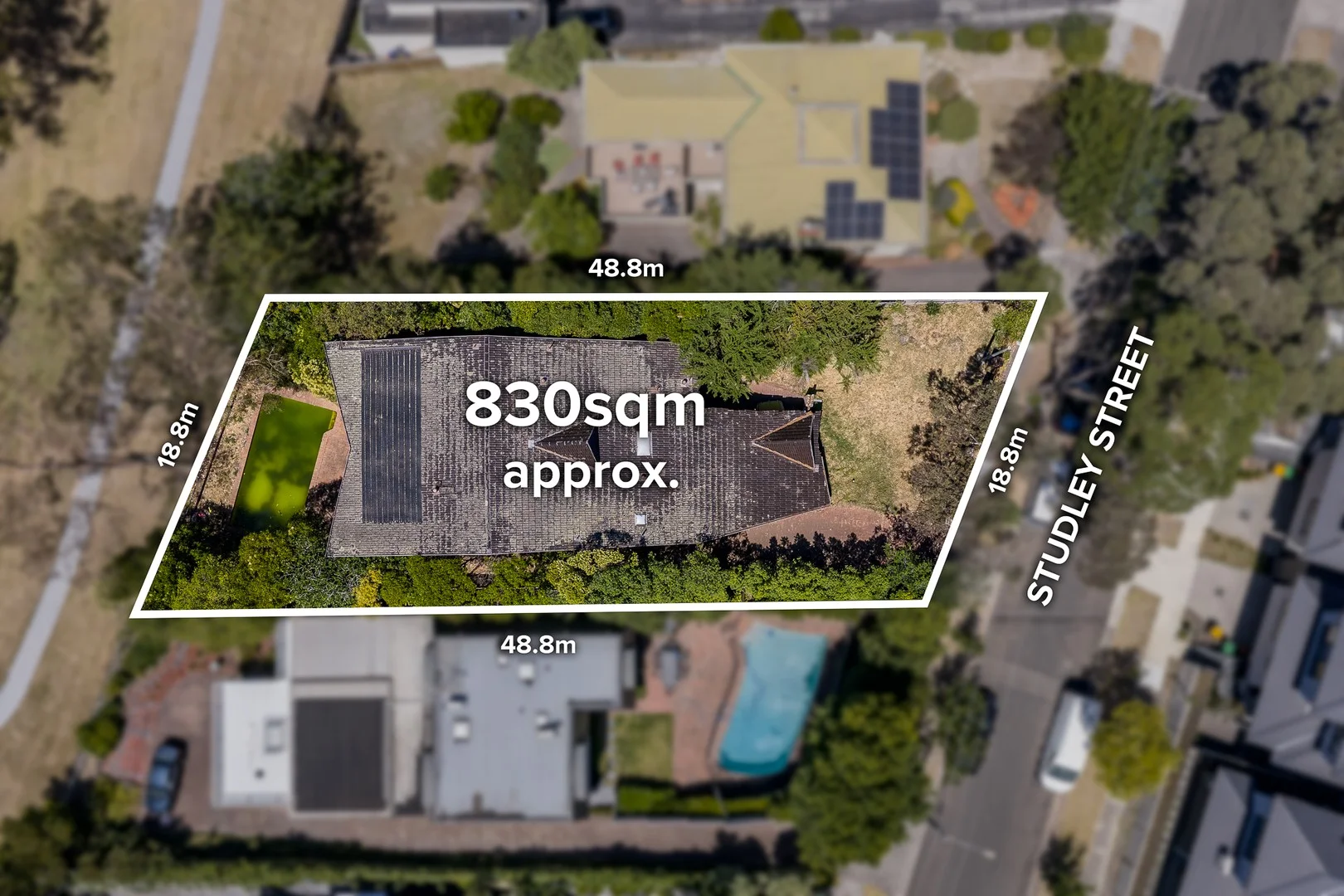 $1,400,000 - $1,500,000
House
$1,400,000 - $1,500,000
House
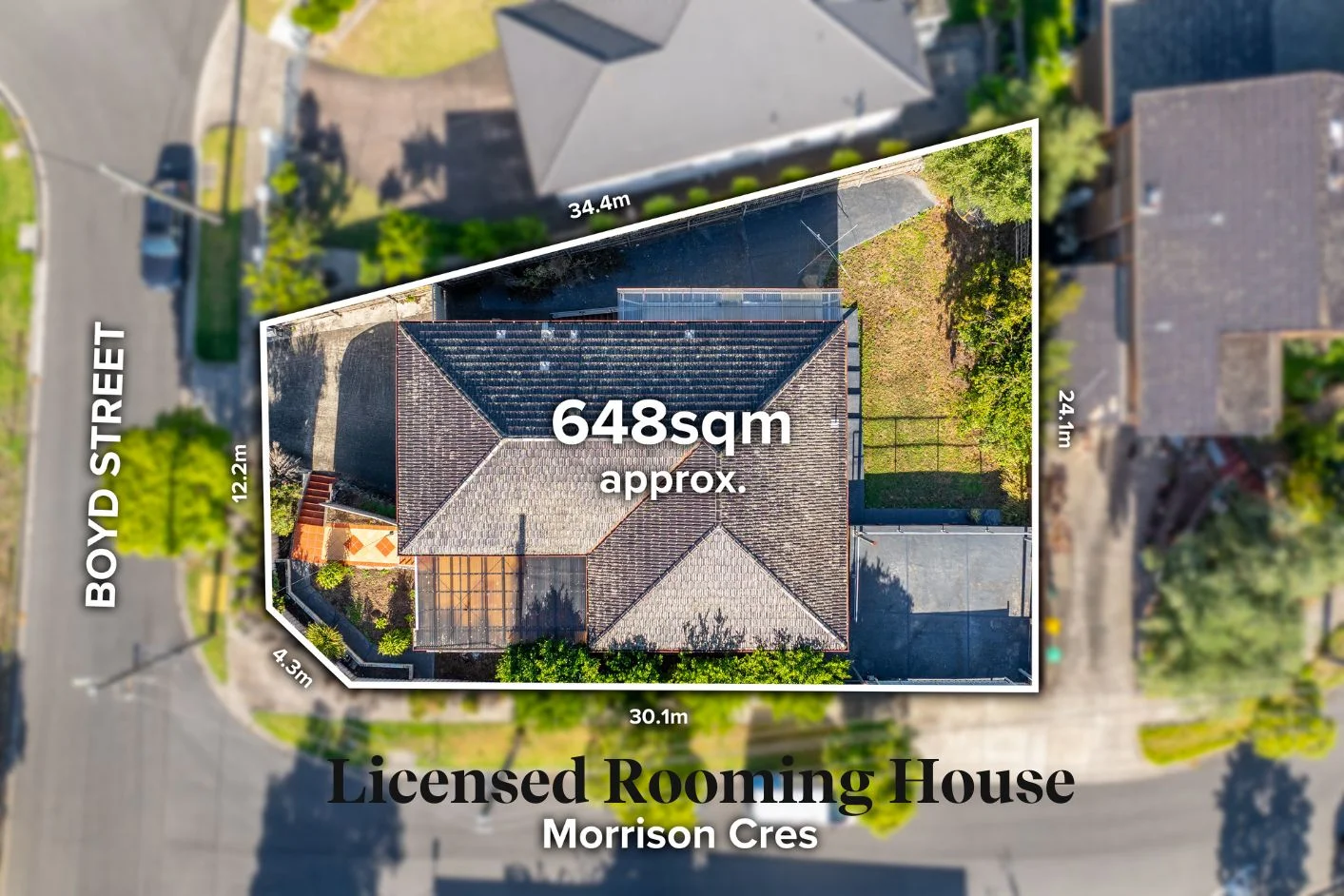 $1,780,000
House
$1,780,000
House
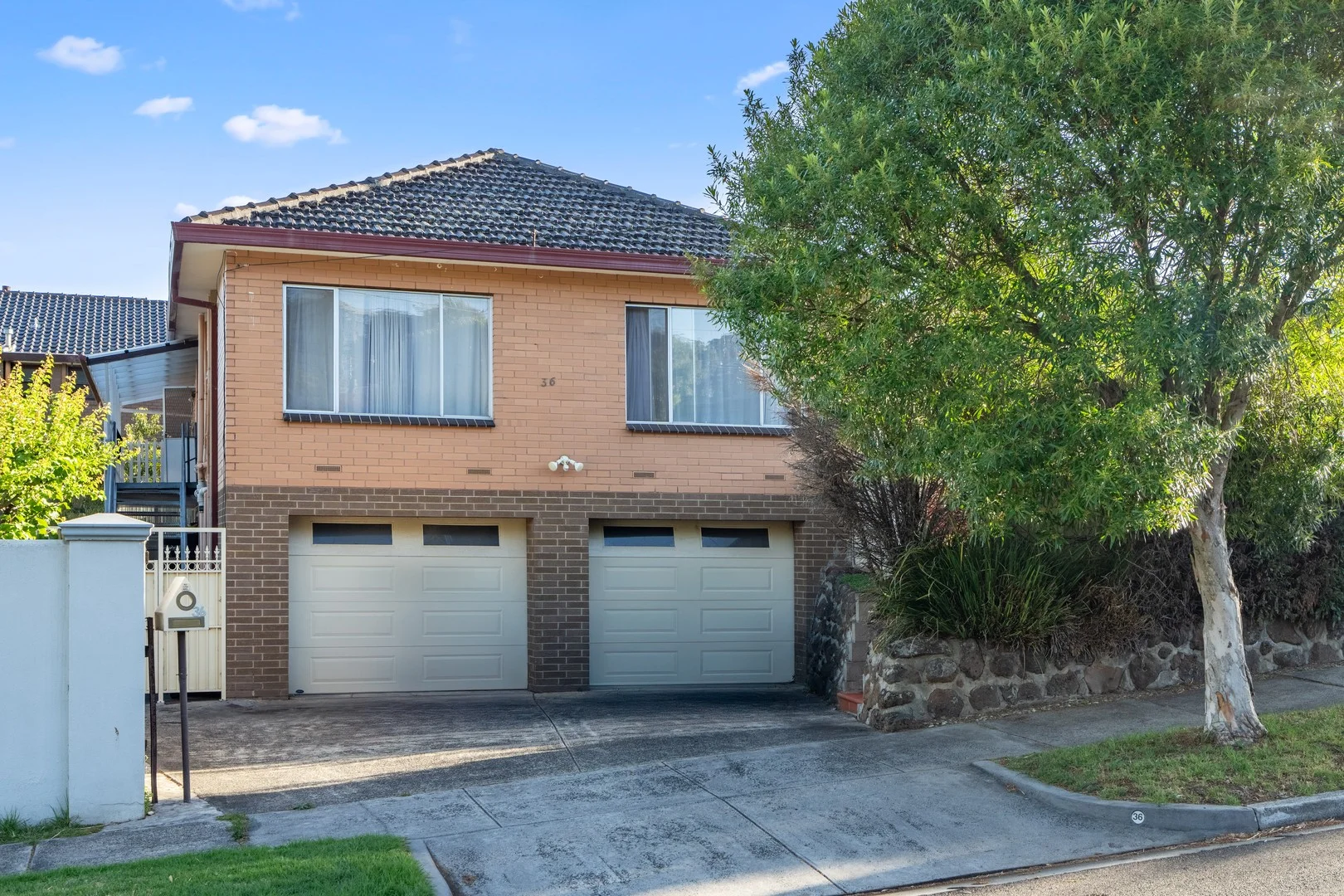 $140
Studio
$140
Studio
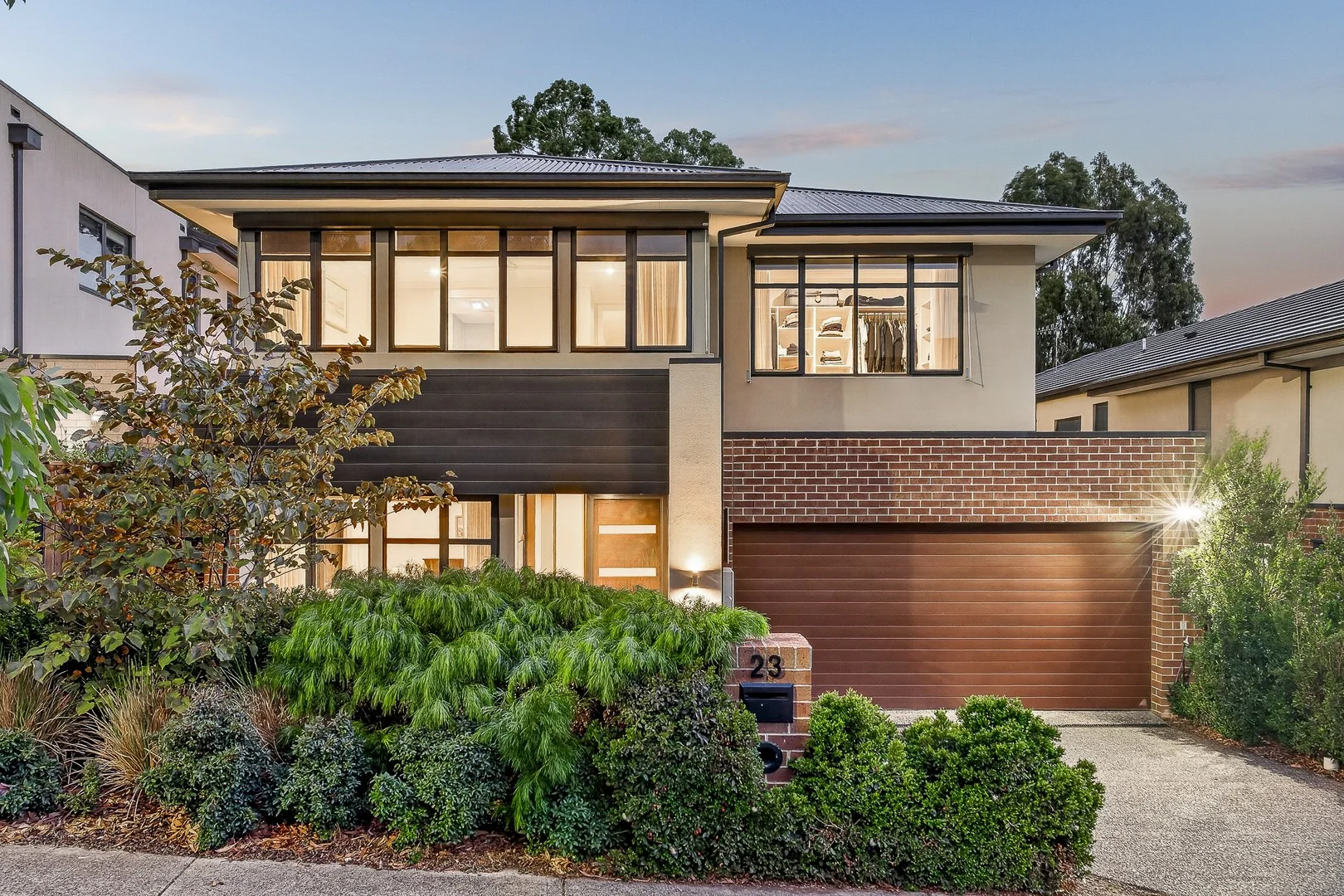 $1,780,000 - $1,880,000
House
$1,780,000 - $1,880,000
House
 $985,000 - $1,080,000
Townhouse
$985,000 - $1,080,000
Townhouse