## 1. Overview
Koonung Secondary College is a public, co-educational secondary school located in Mont Albert North, Victoria. Servicing students from Year 7–12, it offers a broad Victorian curriculum within a medium-sized school community. The school prioritises an inclusive, supportive atmosphere that fosters a positive culture, academic growth and well-rounded development for students.
Class sizes are typically in the low-to-mid 20s, supporting approachable teacher access and a collaborative learning environment. The school aims to balance strong academic programs with opportunities in sport, arts and in-curriculum experiences, creating a welcoming place where students from diverse backgrounds can thrive.
## 2. Academics & Learning
- Academic strengths: English and humanities, STEM disciplines, and languages are well-supported, with a range of elective and core subjects across Year 7–12.
- Special programs: VCE pathways are available, with opportunities for extension and enrichment; gifted and talented options and practical learning pathways are offered where appropriate.
- NAPLAN trends: Recent years show steady progress in key literacy and numeracy areas, with continued focus on improving writing and problem-solving skills.
- Student-teacher ratios: Class sizes typically sit in the low-to-mid 20s, with teaching teams organised to support individual learning and small-group needs.
- Support for diverse learners: Strong support structures for EAL and several SEN services, including targeted interventions and learning support staff to assist students with additional needs.
## 3. Sports & Extracurricular Strengths
- Sports offered: A range of team and individual sports, including basketball, soccer, netball, cricket, athletics and swimming, with opportunities across inter-school competition and school programs.
- Strong teams or achievements: Active participation in inter-school events; regular opportunities for students to contribute to regional competitions and showcases.
- Music, arts, drama programs: Active music ensembles and performing arts programs, with opportunities to participate in productions and concerts.
- Clubs: Robotics, chess, coding, debating, and other interest-based clubs are available to develop skills beyond the classroom.
- Partnerships: Connections with local clubs, sporting academies and regional competitions help extend opportunities for students to excel in their interests.
## 4. Wellbeing & Pastoral Care
- Anti-bullying approach: Whole-school anti-bullying initiatives and a positive behaviour framework promote respectful relationships and safe environments.
- House system: A house-based structure supports belonging, leadership opportunities and school-wide activities.
- Counsellors / wellbeing officers: A dedicated wellbeing team provides counselling and mental health supports, with accessible pathways for students seeking help.
- Transition support: Orientation sessions, buddy programs and transition activities help new students settle in smoothly and build connections early.
## 5. Facilities
- Sports grounds
- Libraries
- Science labs
- Music/performing arts centers
- Tech/innovation labs
- Cafeteria
- Updated playgrounds
## 6. School Values & Community Culture
- School values / mission: Emphasis on respect, integrity, inclusion and excellence in learning and conduct.
- Leadership style: A collaborative leadership approach that encourages student voice, teacher leadership and shared ownership of school life.
- Behaviour expectations: Clear codes of conduct and restorative practices aimed at building positive relationships and accountability.
- Community reputation: Known for an inclusive, supportive school culture with a strong sense of community.
- Diversity & inclusion: Commitment to diversity and inclusion, with supports in place for students from varied backgrounds and with different learning needs.
## 7. School Logistics & Daily Operations
- School hours: Aligns with Victorian norms for secondary schools, typically starting mid-morning and concluding in the mid-afternoon.
- Before/after school care: Options are available through school programs or approved local providers; details should be confirmed with the school.
- Uniform requirements: Compulsory school uniform with established items and colour guidelines; details provided by the school.
- Transport (train/bus routes): Accessible by local bus services and nearby train stations; information on specific routes is available from the school.
- Canteen availability: On-site canteen offering healthy meal and snack options.
- Fees (low/medium/high ranges): Public school fees are generally modest, with standard levies for materials, activities and excursions; typical costs are in the low-to-medium range for Australian state schools.
## 8. Enrolment & Admissions
11. What is the enrolment process and timeline?
- Enrolment is typically handled through the state education system with a year-level intake (commonly Year 7). Families submit an application during the designated enrolment period, provide required documents (birth certificate, proof of residence, immunisation status, etc.), and follow the school’s timelines for acceptance or placement.
12. Is there a waiting list, and how does it work?
- Waiting lists can occur, especially for out-of-area applicants or high-demand programs. Offers are made based on space, catchment rules and order of application within the applicable timelines.
13. Are there any entry requirements, tests, or interviews?
- For general enrolment, there is typically no entrance exam. Some programs or pathways (e.g., gifted/advanced learning) may involve additional steps such as conversations or assessments. Immunisation records and documentation are usually required.
14. Does the school accept mid-year transfers?
- Mid-year transfers are possible if there is space and appropriate documentation. Parents should contact the school early to discuss availability and the transfer process.
## 9. Frequently Asked Questions
- Why Parents Choose This School?
- A welcoming, inclusive culture with a balanced focus on academics, wellbeing and a range of extracurricular opportunities; accessible teacher support and a strong sense of community.
- What type of student thrives at this school?
- Students who are motivated, collaborative and curious; those who value a broad range of subjects and activities, and who benefit from supportive pastoral care and a community environment.
- What opportunities are available for students to extend their skills (academics, sports, arts)?
- Diverse VCE pathways, extension or enrichment options, sports teams, performing arts, music ensembles, drama productions and clubs such as robotics, coding, chess and debating.
- How does the school communicate with parents?
- Regular updates through newsletters, emails, parent-teacher meetings and digital platforms that share learning progress, events and school news.
- What is the school’s approach to teaching and learning?
- A balanced, student-centred approach that emphasises core literacy and numeracy, critical thinking, disciplinary knowledge and practical application across subjects.
- How does the school support students who need extra academic help?
- Targeted learning support, EAL/SEN services, small-group tutoring and personalised plans to help students reach their learning goals.
- What support is available for academic challenges?
- Access to counselling, learning support staff and adjustments to learning tasks where needed; ongoing monitoring and adjustments to study plans.
- How does the school communicate with parents? (duplicate question)
- See above; regular updates and engagement channels are used to keep families informed.
- What are the class sizes and how much individual attention do students receive?
- Typical class sizes are in the low-to-mid 20s, with teacher-led guidance and opportunities for individual support within lessons and through targeted interventions.
- What extracurricular and sports opportunities are available?
- A variety of sports, music and drama programs, and clubs (robotics, chess, coding, debating) to support interests beyond the classroom.
- What facilities does the school offer (sports, science, arts)?
- Comprehensive facilities including sports grounds, libraries, science labs, music/performing arts spaces, technology/innovation labs and a canteen.
- What is the school’s approach to technology and digital learning?
- Integration of digital tools and resources to support learning, with a focus on responsible use, research skills and digital literacy across subjects.
- What transport and accessibility options are available?
- Access via local bus and nearby rail options; school facilities and site are designed to be accessible for students with varying needs.
- What are the typical school fees or additional costs?
- Public school fees are generally moderate, covering essential materials, activities and excursions; some optional extras may incur additional costs.
## 10. Short Pros & Cons list
- Pros
- Inclusive, supportive school culture with strong pastoral care
- Broad curriculum with pathways in academics and practical learning
- Active sports, arts and a range of clubs (robotics, chess, coding, debating)
- Solid facilities for science, technology, music and libraries
- Clear communication with families and a focus on student wellbeing
- Cons
- As a public school, class sizes and resources are bounded by funding and enrolment numbers
- Availability of specialised programs may vary year-to-year depending on demand and staffing
- Out-of-area applicants may face waiting lists and placement challenges during peak intake periods
If you’d like, I can tailor any section further with more specific language or adjust the emphasis to match particular enrolment priorities you’re highlighting for Aroundschools.

 Free
Free









 $1,600,000 - $1,750,000
House
$1,600,000 - $1,750,000
House
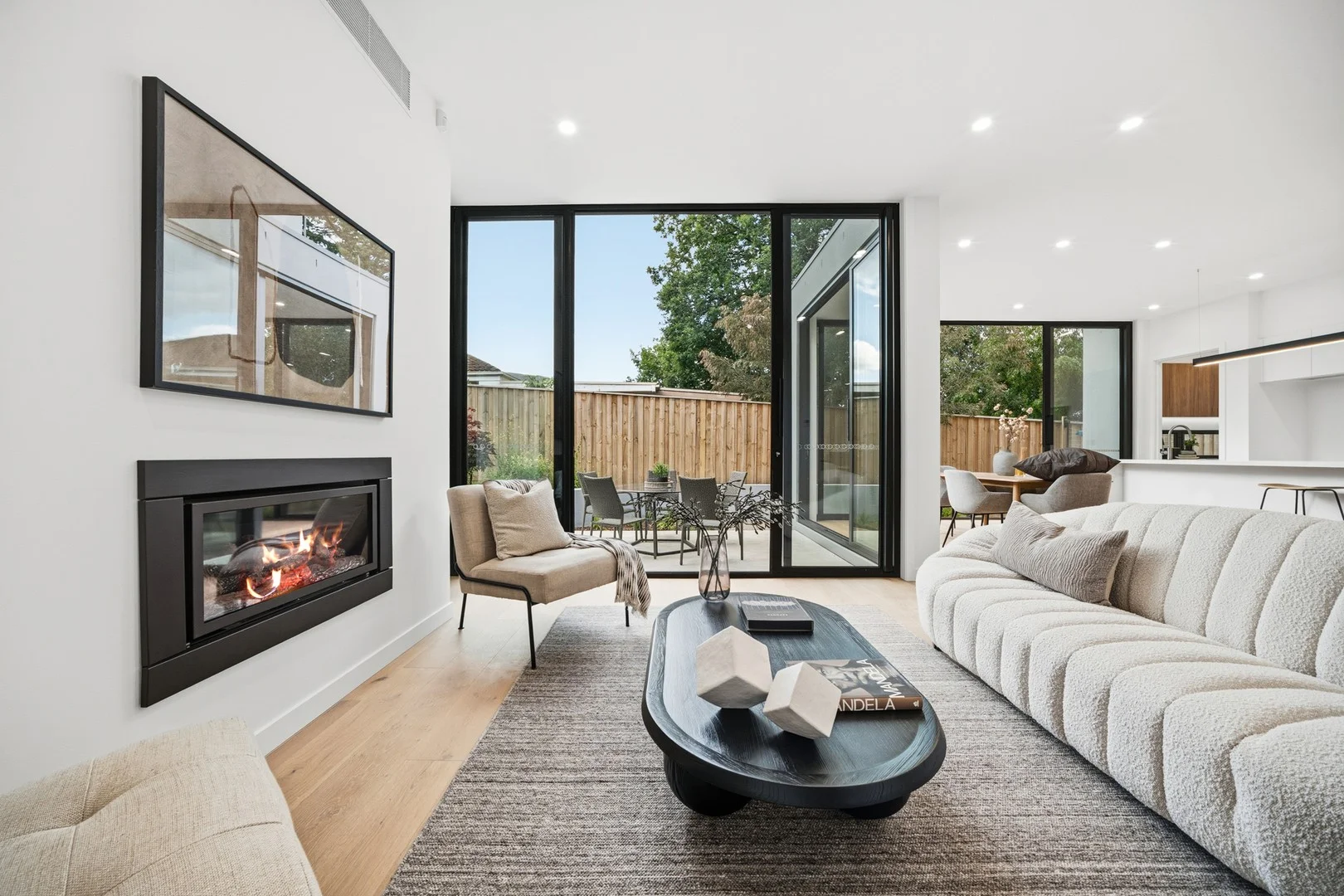 $1,750,000
Townhouse
$1,750,000
Townhouse
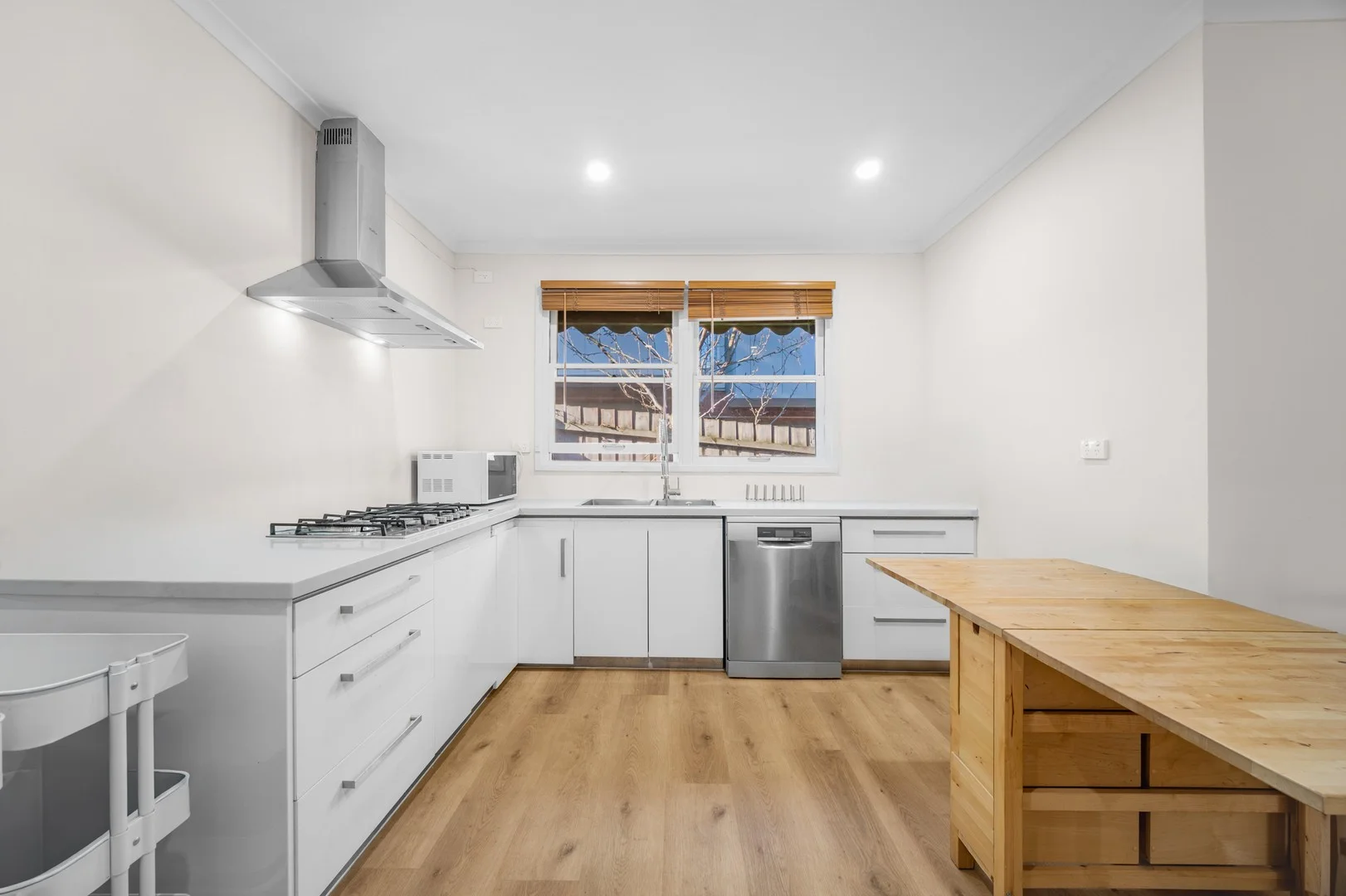 $680
Apartment / Unit / Flat
$680
Apartment / Unit / Flat
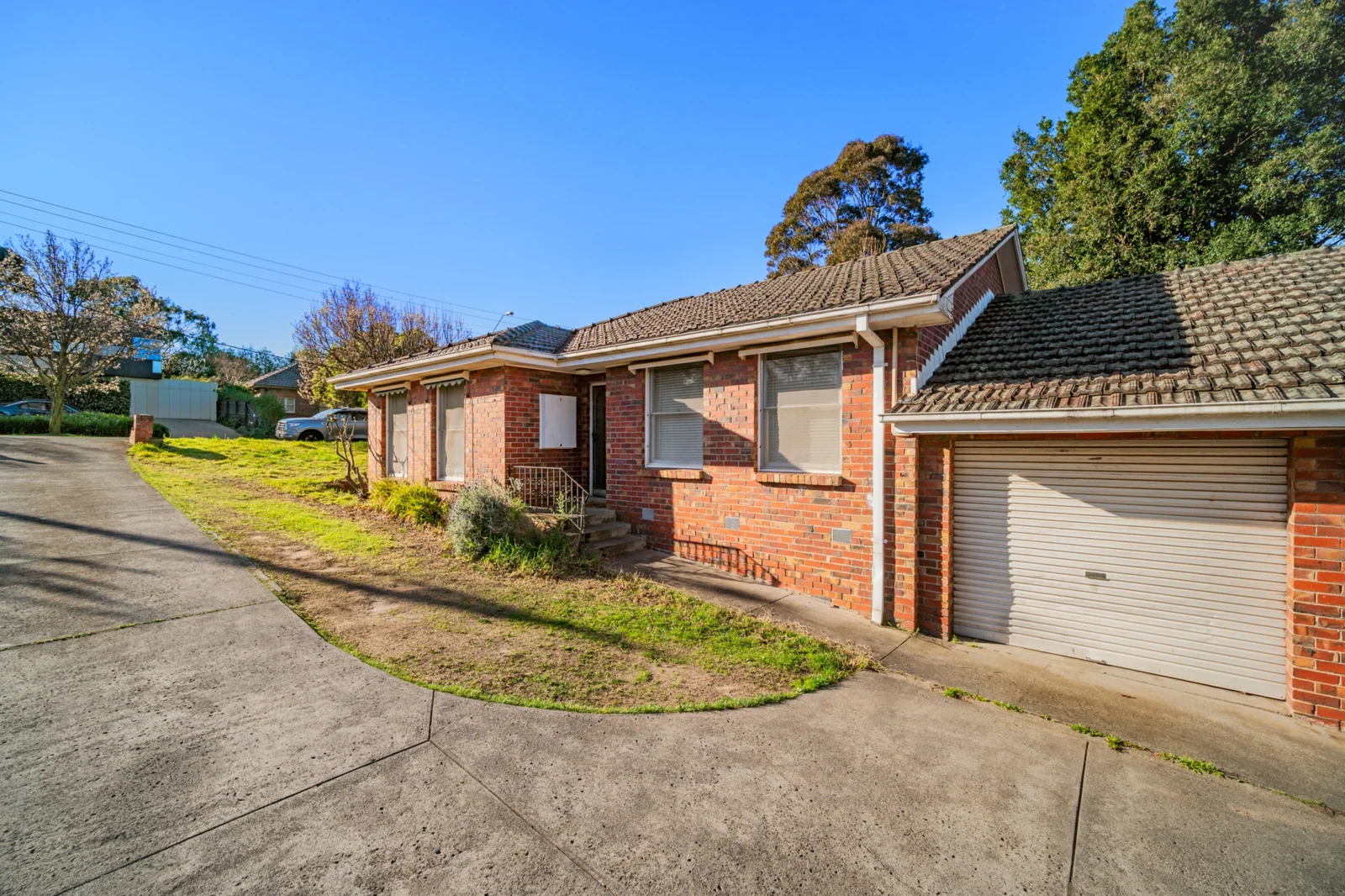 $580
Apartment / Unit / Flat
$580
Apartment / Unit / Flat
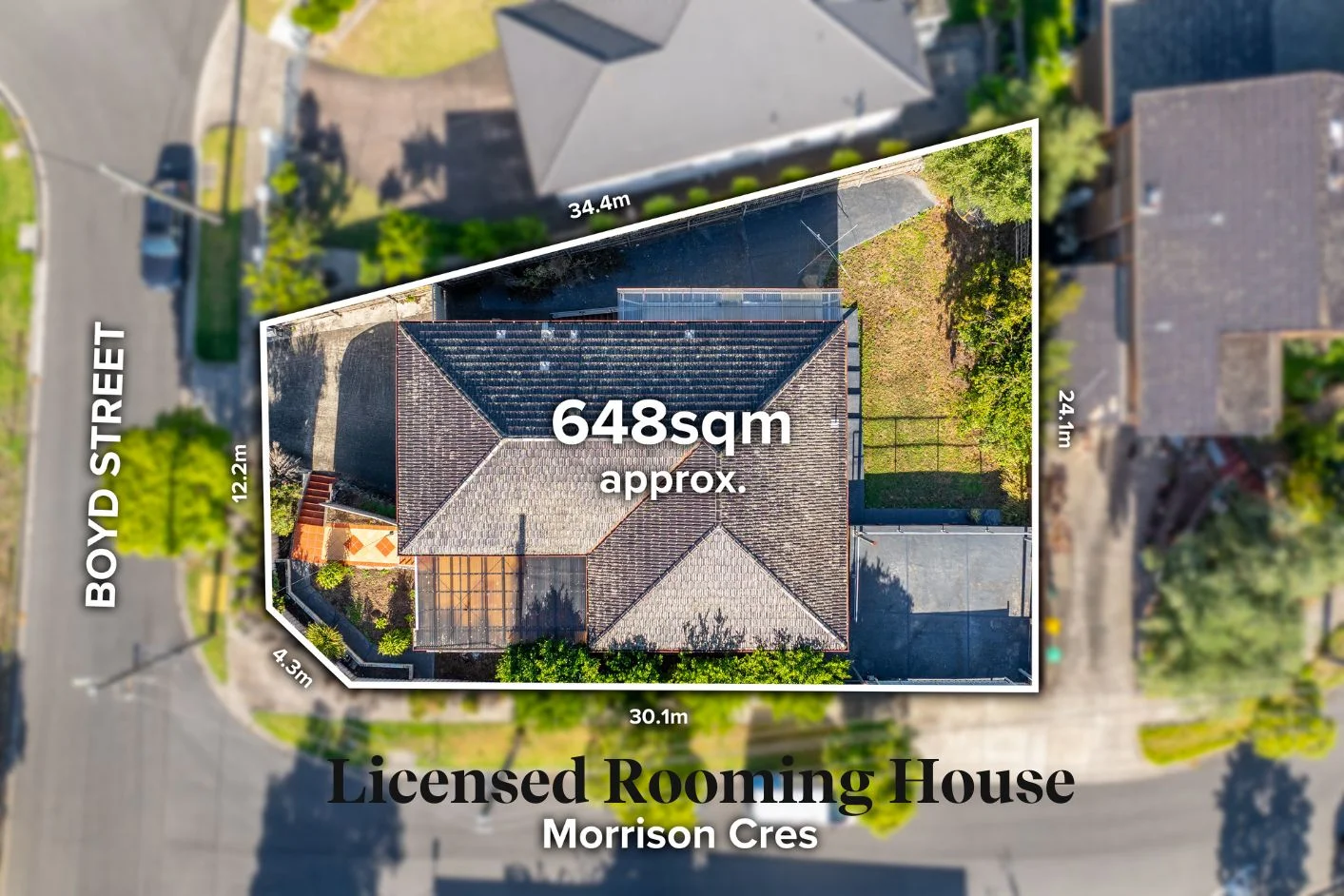 $1,780,000
House
$1,780,000
House
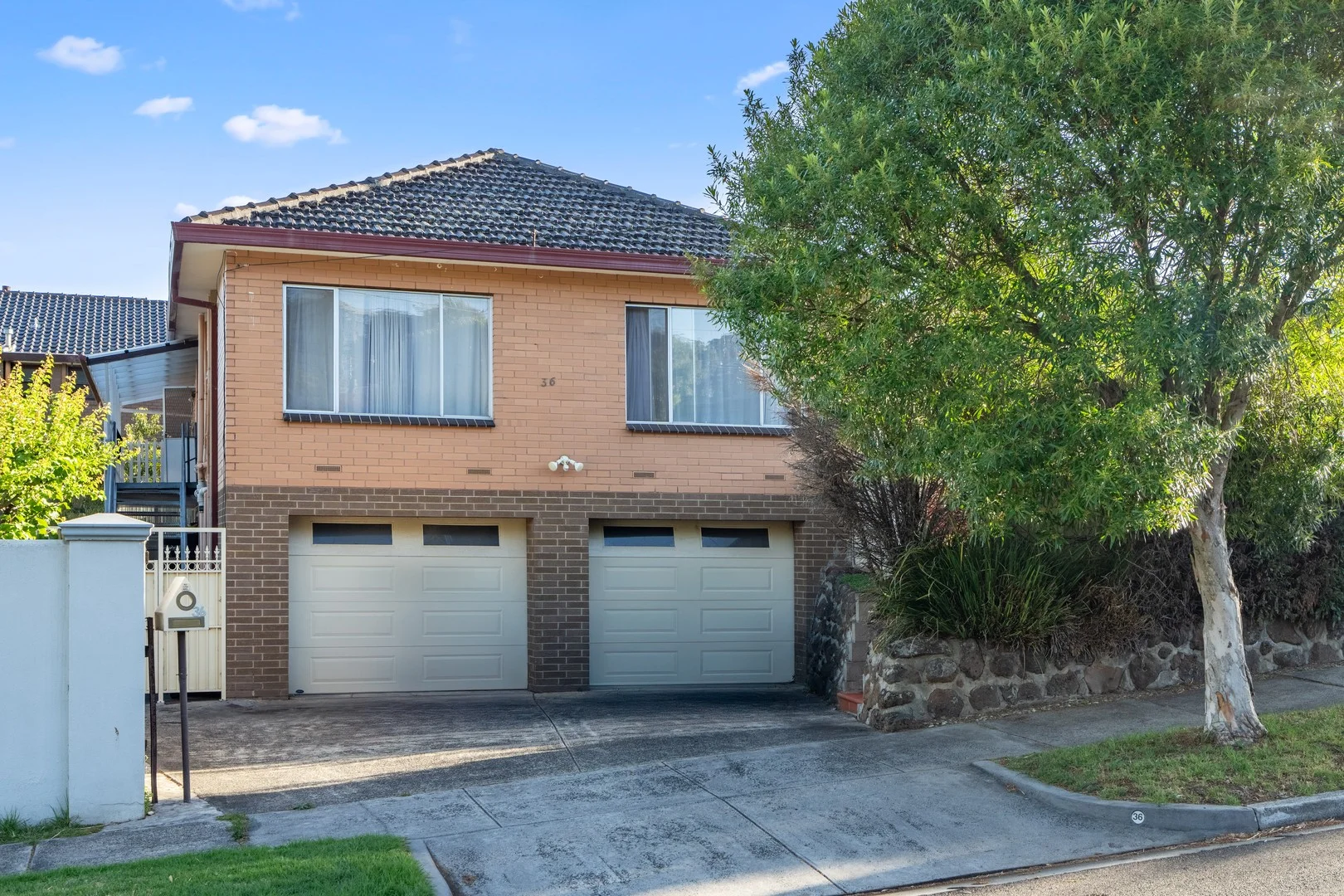 $140
Studio
$140
Studio
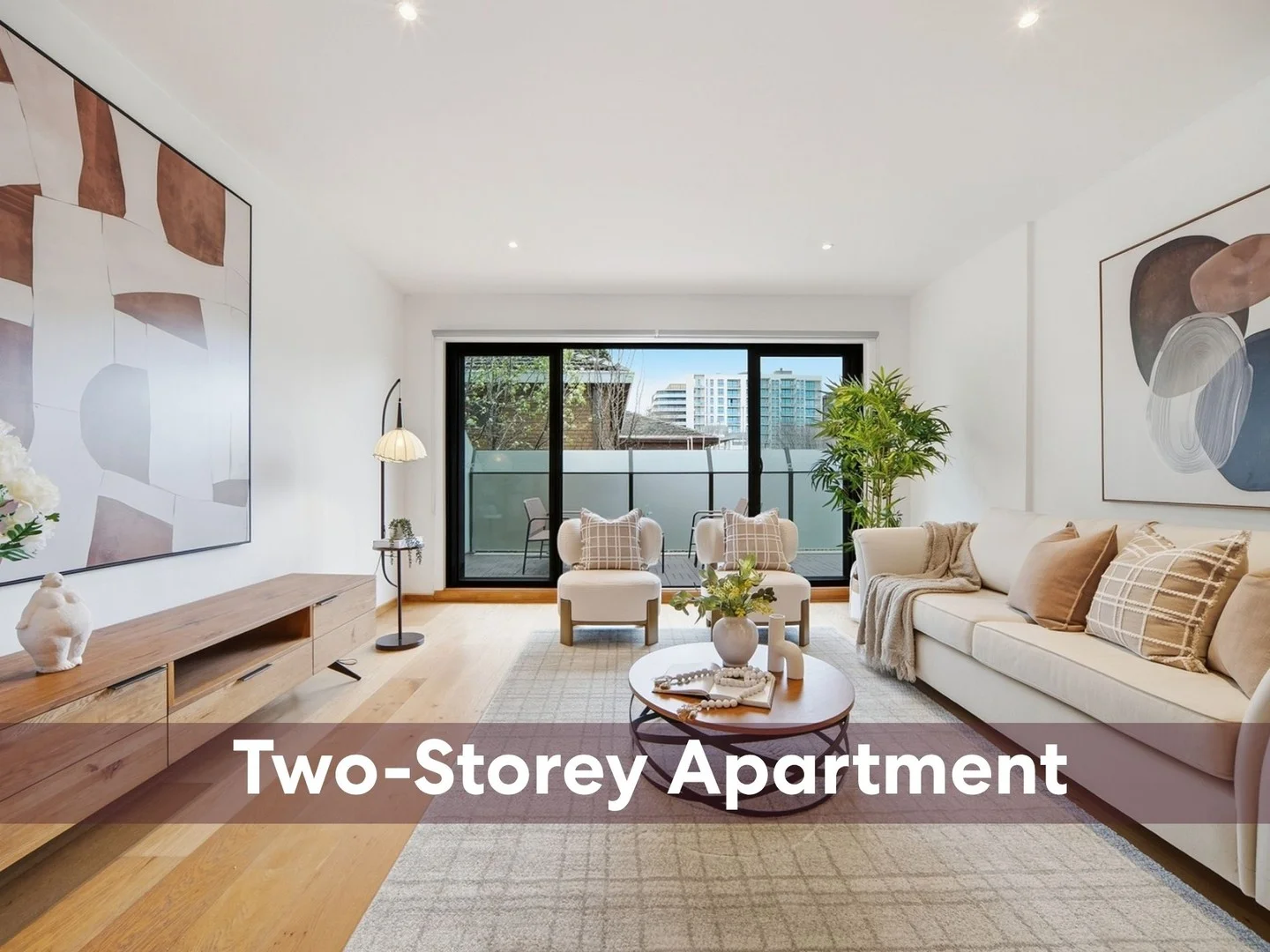 $590,000
Apartment / Unit / Flat
$590,000
Apartment / Unit / Flat
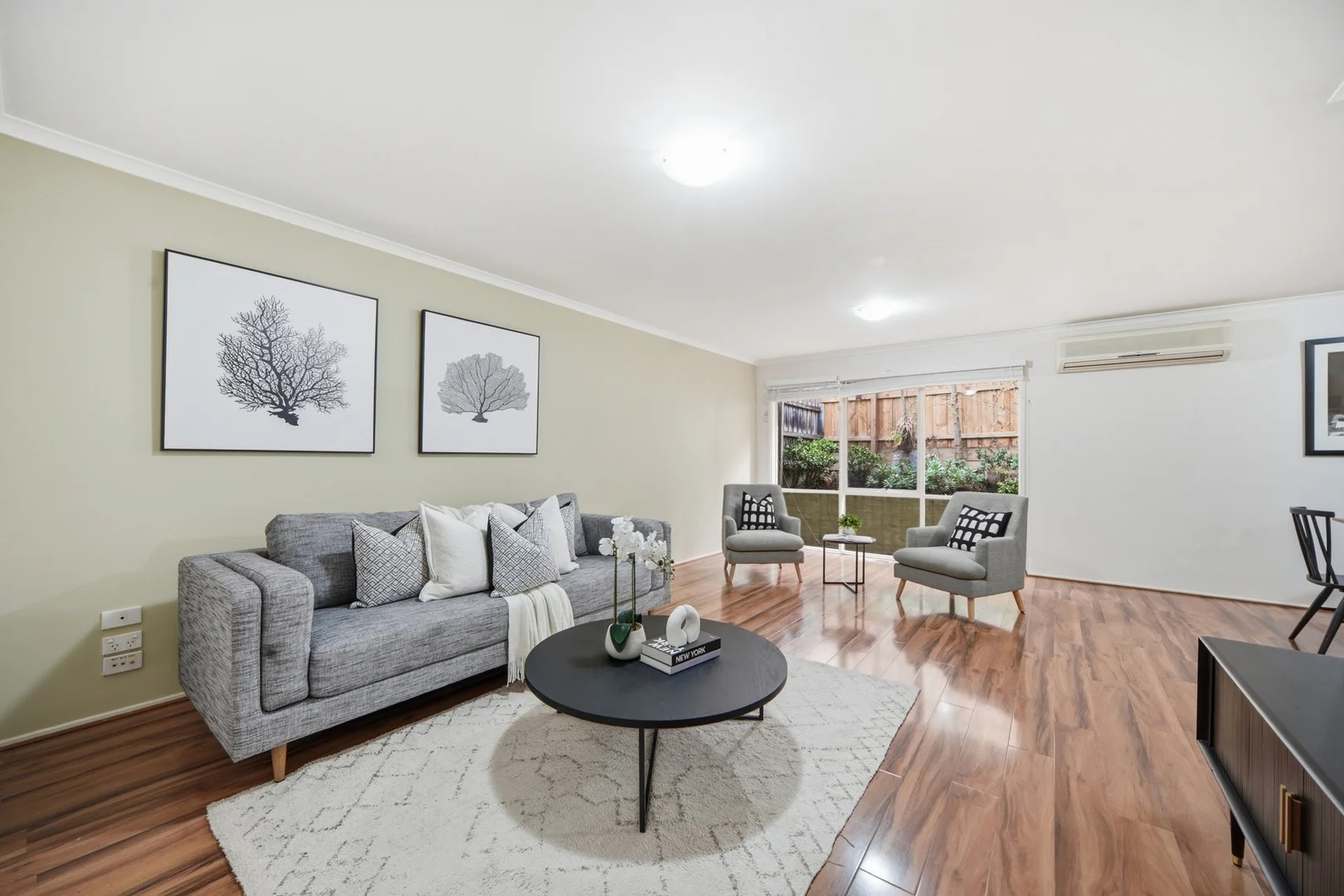 $985,000 - $1,080,000
Townhouse
$985,000 - $1,080,000
Townhouse
 $630,000 - $680,000
Apartment / Unit / Flat
$630,000 - $680,000
Apartment / Unit / Flat


