Overview
1. Overview
St Charles Borromeo Catholic Primary School is a Catholic, co-educational primary school in Templestowe that offers a faith-based, inclusive learning community. The school is best described as small to medium in size, with class groups that foster close relationships between students, teachers and families. The atmosphere emphasises a nurturing culture where Christian values, respect and community involvement are integrated into daily life.
The school aims to balance strong academic foundations with pastoral care, forming a supportive environment where students can grow academically, spiritually and socially. This creates a sense of belonging and encourages active participation in school life and local community activities.
2. Academics & Learning
- Academic strengths: Strong emphasis on core literacy and numeracy, with a values-driven approach to learning. English and mathematics are reinforced through integrated classroom practices, while religious education underpins daily learning and character development.
- Special programs: Inclusive education within a Catholic framework, opportunities for student leadership, and technology integration across the curriculum. Access to age-appropriate digital learning tools supports engaged, modern learning.
- NAPLAN / Trends: NAPLAN performance typically shows steady progress across years, with guiding improvements in literacy and numeracy and ongoing focus on individual student growth.
- Student-teacher ratios: Class groups are designed for attentive teaching, with a typical primary school ratio that supports multi-age interaction and targeted instruction.
- Support for diverse learners: EAL and SEND support is available, with targeted interventions and inclusive practices to assist students with diverse learning needs.
3. Sports & Extracurricular Strengths
- Sports offered: A range of team and individual sports are available (e.g., basketball, netball, football/soccer, athletics) with opportunities to participate in inter-school events.
- Strong teams or achievements: Participation in district and inter-school competitions, with emphasis on teamwork, sportspersonship and personal bests.
- Music, arts, drama programs: Active music and performing arts programs, with opportunities to participate in school performances and concerts.
- Clubs: Robotics, chess, coding and debating are among the clubs that support inquiry, problem-solving and public speaking.
- Partnerships: Engagement with local community groups and inter-school activities to broaden experiences beyond the classroom.
4. Wellbeing & Pastoral Care
- Anti-bullying approach: Clear policies and proactive programs promote respectful relationships, kindness and a safe school climate.
- House system: A house-based structure supports camaraderie, healthy competition and social connections across year levels.
- Counsellors / wellbeing officers: Dedicated wellbeing staff provide support for students’ emotional and social needs and coordinate wellbeing programs.
- Transition support for new students: Orientation processes, buddy programs and family communication help new students settle in smoothly.
5. Facilities
- Sports grounds: On-site playing fields and courts support physical education and after-school sport.
- Libraries: A well-equipped library space for reading and research activities.
- Science labs: Science facilities that enable hands-on experiments and investigative learning.
- Music/performing arts centers: Space for music education and drama activities, with opportunities to perform.
- Tech/innovation labs: ICT facilities and devices to support digital learning and creative projects.
- Cafeteria: On-site canteen or dining area to support daily needs and social time.
- Updated playgrounds: Play spaces designed for safe, active play and imaginative activities.
6. School Values & Community Culture
- School values / mission: A faith-informed mission that emphasises respect, compassion, responsibility and service.
- Leadership style: Student voice and leadership opportunities are encouraged, alongside collaborative teacher-student partnerships.
- Behaviour expectations: Clear, consistent behavioural expectations aligned with restorative practices and positive reinforcement.
- Community reputation: A welcoming, family-friendly school known for strong pastoral care and a supportive local network.
- Diversity & inclusion: Commitment to an inclusive environment that welcomes families from diverse backgrounds and supports all learners.
7. School Logistics & Daily Operations
- School hours: Typically a daytime schedule aligned with local primary school timetables; start and finish times may vary by year level, with break times in between.
- Before/after school care: After-school care and activities are available, aiding working families and smooth dismissal.
- Uniform requirements: Formal school uniform with designated athletic/sport uniforms for physical activities.
- Transport (train/bus routes): Accessible by local bus routes and nearby transport options; families should verify current routes and drop-off points with the school.
- Canteen availability: Canteen or tuck shop services are available to students on most days.
- Fees (low/medium/high ranges): Fees are structured in the typical Catholic primary school range, with occasional costs for excursions and activities.
8. Enrolment & Admissions
11. What is the enrolment process and timeline?
- Begin with an expression of interest or online application, followed by submission of required documents (birth certificate, immunisation evidence, proof of residency, prior school reports where applicable). The school will invite families to an information session or meeting, and may request a brief interview. Offers are issued according to space availability and the school’s enrolment policy. The process timing varies by year, but families are typically notified of offers within a few weeks to a few months after application.
12. Is there a waiting list, and how does it work?
- Waiting lists are common when intake is full. Placement on the list is usually determined by date of application, with additional consideration given to siblings, availability of space in specific year levels, and the school’s enrolment priorities.
13. Are there any entry requirements, tests, or interviews?
- Entry often involves an interview or meeting with the principal or enrolments officer. Families may be asked to confirm faith background or Catholic parish involvement and to provide basic documentation. Formal academic testing is not always required, but may be requested in some cases or for specific programs.
14. Does the school accept mid-year transfers?
- Mid-year transfers are considered if there is available capacity. Families wishing to transfer mid-year should contact the enrolments office to discuss space, class placement and any transitional supports.
9. Frequently Asked Questions
- Why Parents Choose This School?
- Parents choose for the Catholic value-based education, nurturing community, strong pastoral care, and emphasis on character alongside academics.
- What type of student thrives at this school?
- Students who value community, faith-inspired learning, and a balanced focus on academics, wellbeing and participation in school life.
- What opportunities are available for students to extend their skills (academics, sports, arts)?
- Opportunities exist across academics (literacy, numeracy, leadership), sports (team and individual activities), arts (music and drama), and clubs (robotics, coding, chess, debating) to challenge and grow talents.
- How does the school communicate with parents?
- Regular newsletters, year-level updates, online portals, parent-teacher meetings and timely alerts keep families informed and engaged.
- What is the school’s approach to teaching and learning?
- A student-centred approach that integrates faith-based values, strong literacy and numeracy focus, and differentiated instruction to support diverse learners.
- How does the school support students who need extra academic help?
- In-class differentiation, targeted small-group interventions and access to specialist staff for literacy, numeracy and SEN support.
- What support is available for academic challenges?
- Additional tutoring or intervention programs, progress monitoring, and collaboration with families to create personalised learning plans.
- How does the school communicate with parents? (Repeated)
- See above: newsletters, portals, meetings and digital updates.
- What are the class sizes and how much individual attention do students receive?
- Class sizes are designed to be intimate enough for individual attention, typically around 20–24 students per class, with teachers able to provide targeted support and monitoring.
- What extracurricular and sports opportunities are available?
- A broad range of sports, music and drama programs, plus clubs such as robotics, chess, coding and debating; inter-school events and community partnerships.
- What facilities does the school offer (sports, science, arts)?
- Modern facilities include sports grounds, library, science labs, music/performing arts spaces, tech/innovation labs, canteen and updated play areas.
- What is the school’s approach to technology and digital learning?
- Integrated ICT across the curriculum, age-appropriate devices and digital literacy activities to prepare students for future learning.
- What transport and accessibility options are available?
- Access via local bus routes and public transport options; school supports safe drop-off/pick-up and communicates any travel updates.
- What are the typical school fees or additional costs?
- Fees are in the moderate range for Catholic primary schools, with additional costs for excursions, camps, and some extra-curricular activities.
10. Short Pros & Cons list
Pros
- Catholic, values-driven environment with strong pastoral care
- Nurturing, small-to-medium school community
- Support for diverse learners (EAL/SEN) and inclusive practices
- Broad range of extracurriculars (sports, arts, clubs)
- Clear emphasis on character, leadership and student wellbeing
Cons
- Fees are typical for Catholic primary schools and may be a consideration for some families
- Limited to-solely school-based facilities; families may need external programs for specialized interests
- Transfer and admission timelines can vary, sometimes affecting planning for mid-year moves
If you’d like, I can tailor any section to align more closely with official school materials or add more specific local details as you provide them.












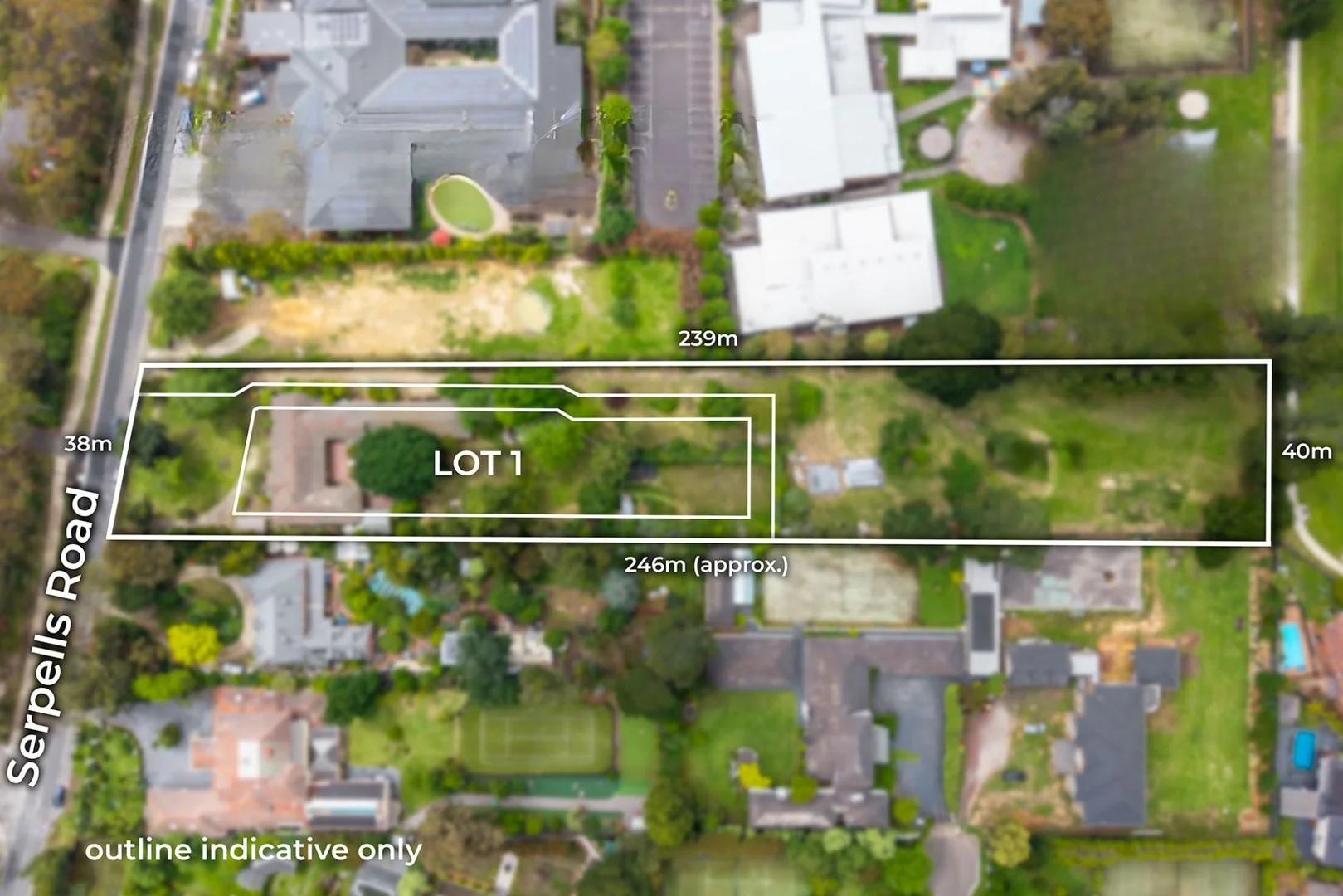 $5,600,000
House
$5,600,000
House
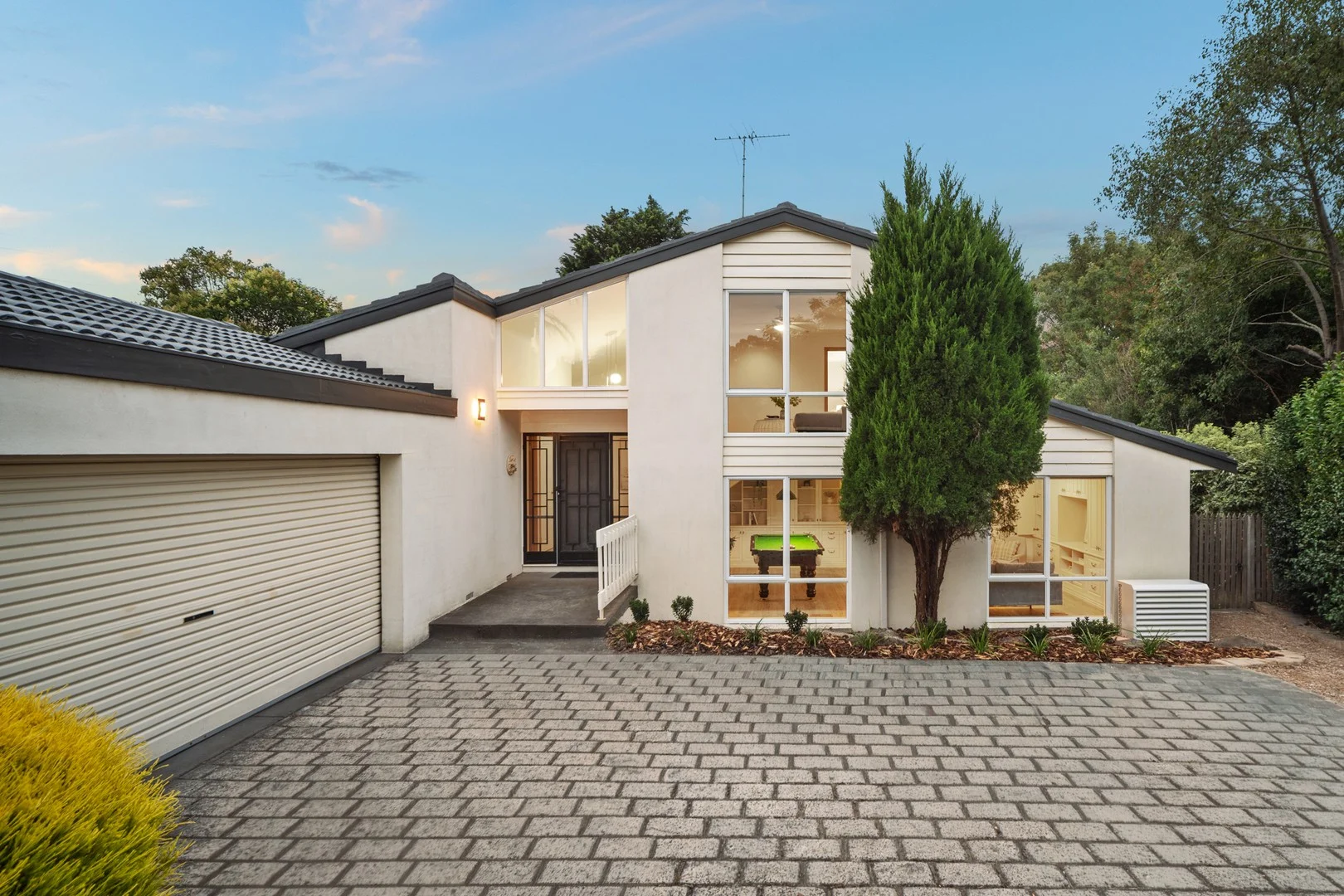 $1,380,000 - $1,500,000
House
$1,380,000 - $1,500,000
House
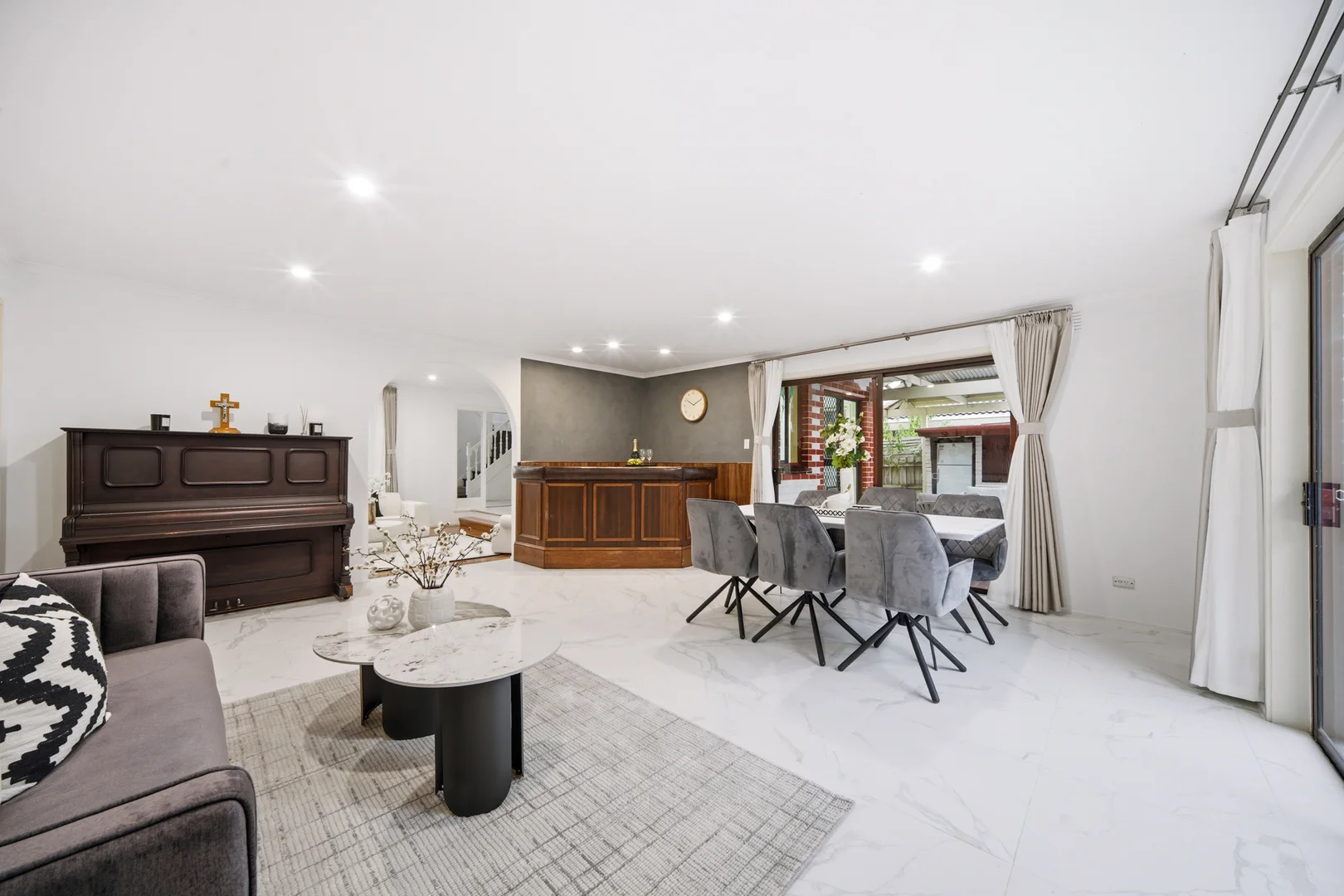 $1,730,000 - $1,830,000
House
$1,730,000 - $1,830,000
House
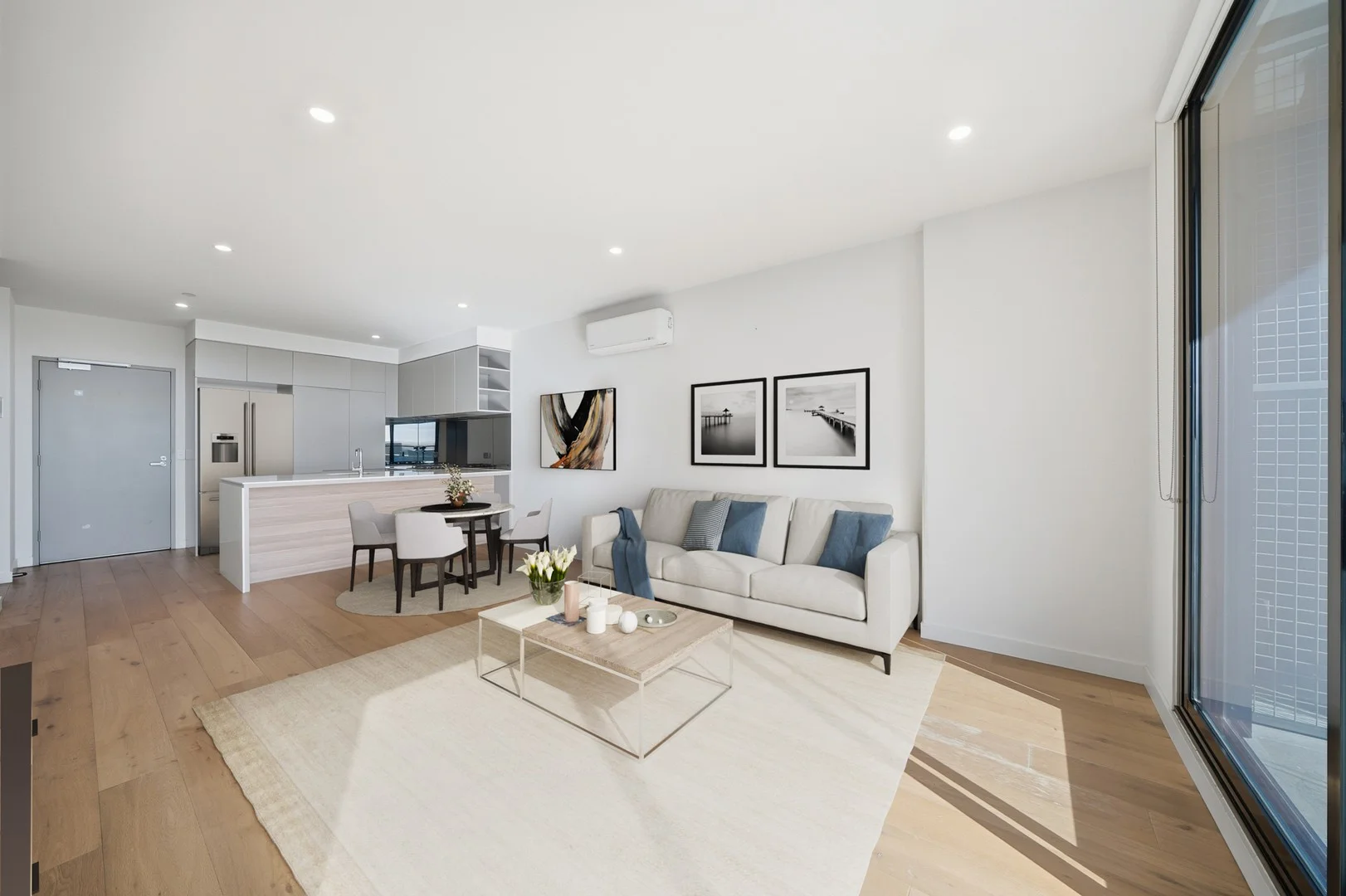 $500,000 - $550,000
Apartment / Unit / Flat
$500,000 - $550,000
Apartment / Unit / Flat
 $1,500,000
House
$1,500,000
House
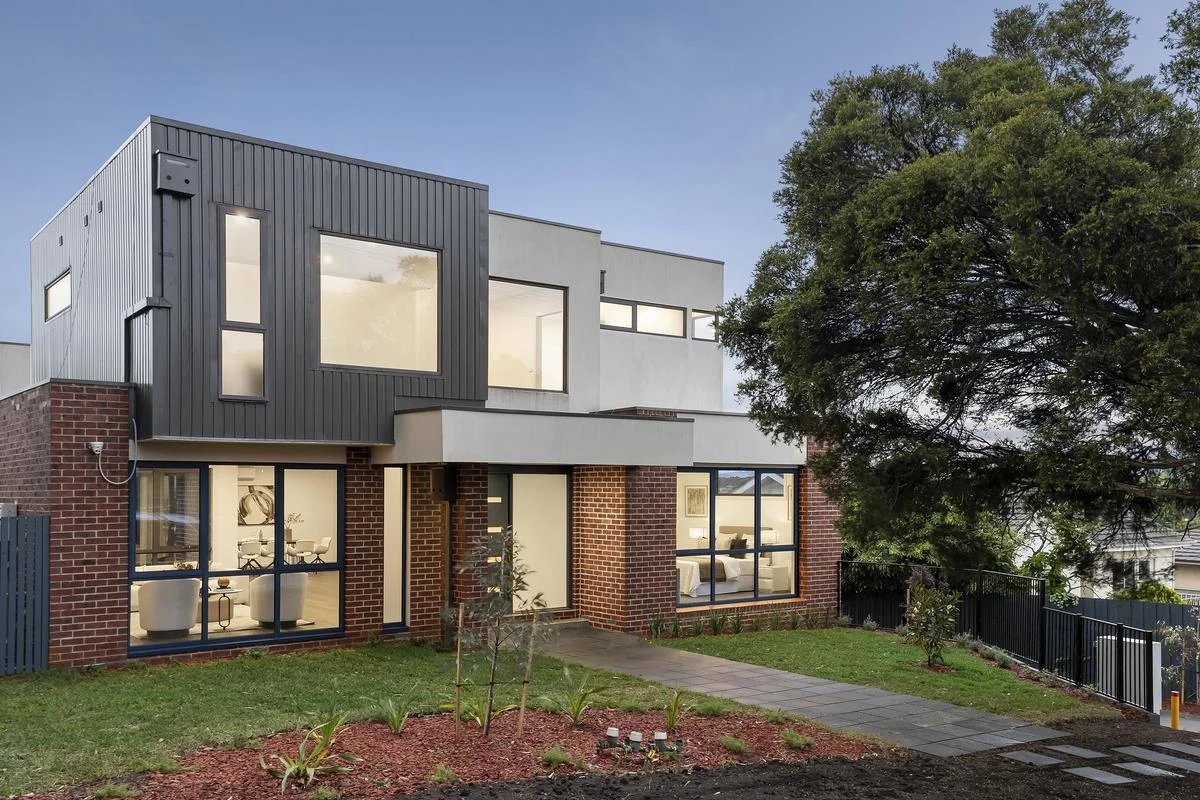 $1,550,000 - $1,650,000
Townhouse
$1,550,000 - $1,650,000
Townhouse
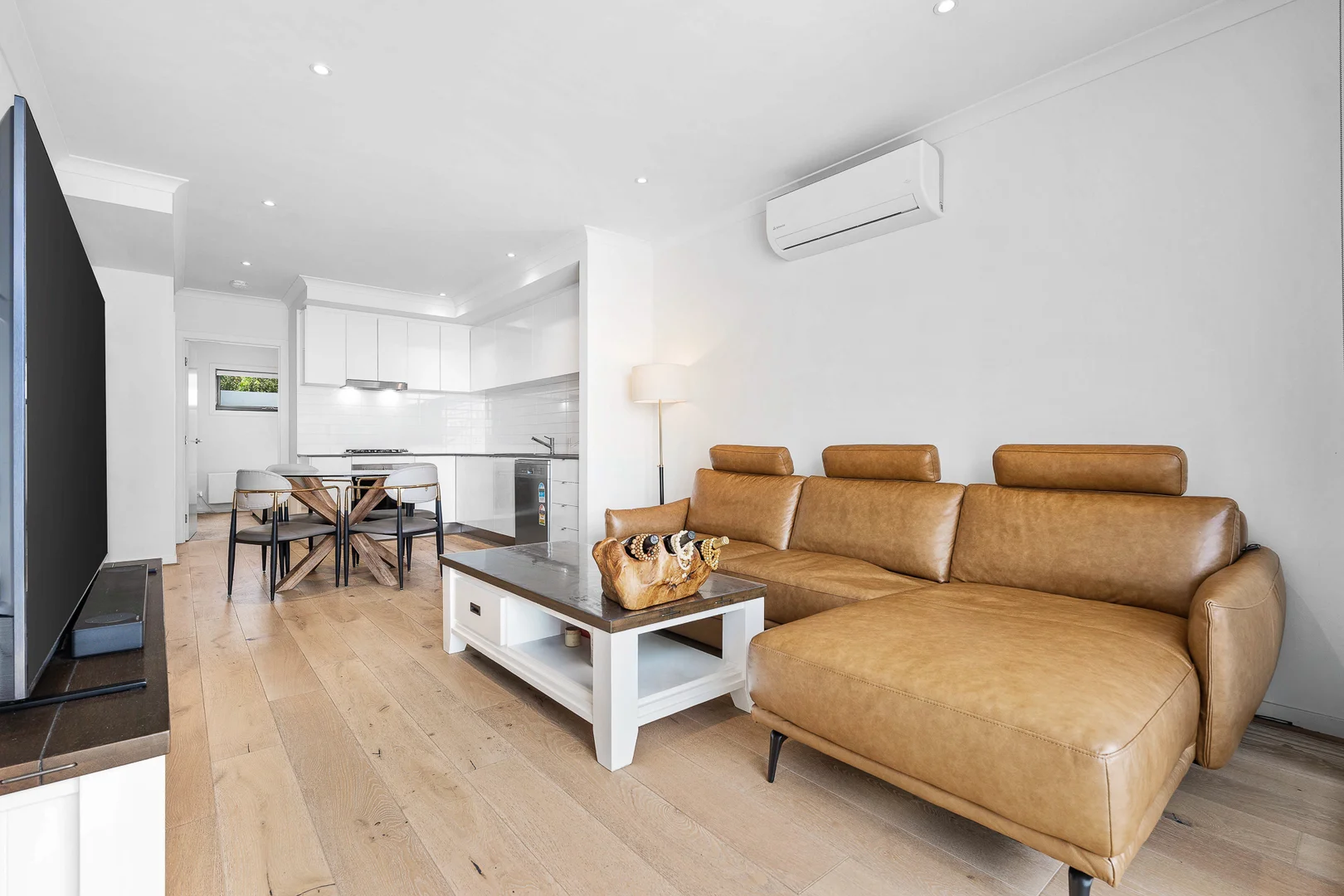 $850,000
Townhouse
$850,000
Townhouse
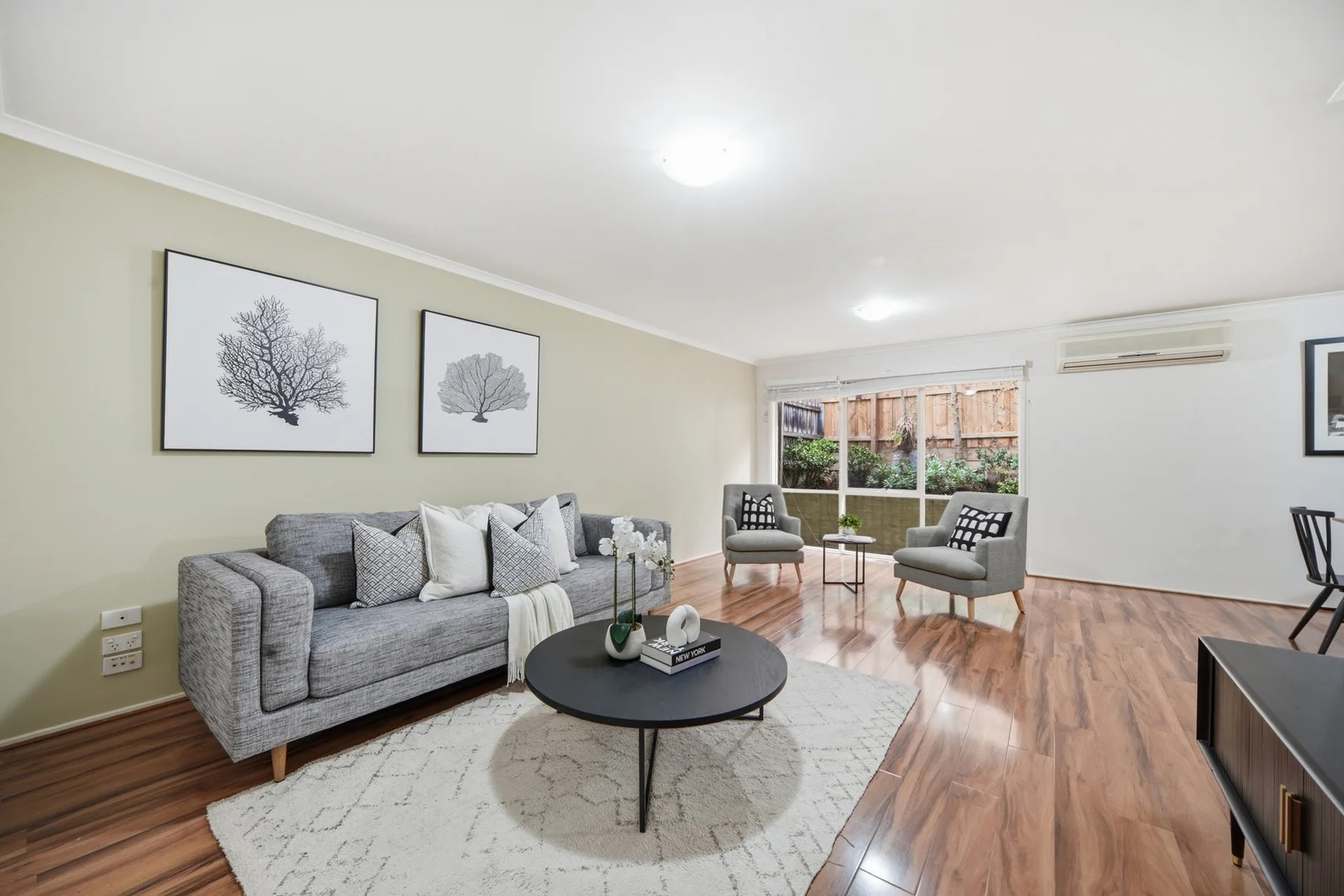 $985,000 - $1,080,000
Townhouse
$985,000 - $1,080,000
Townhouse
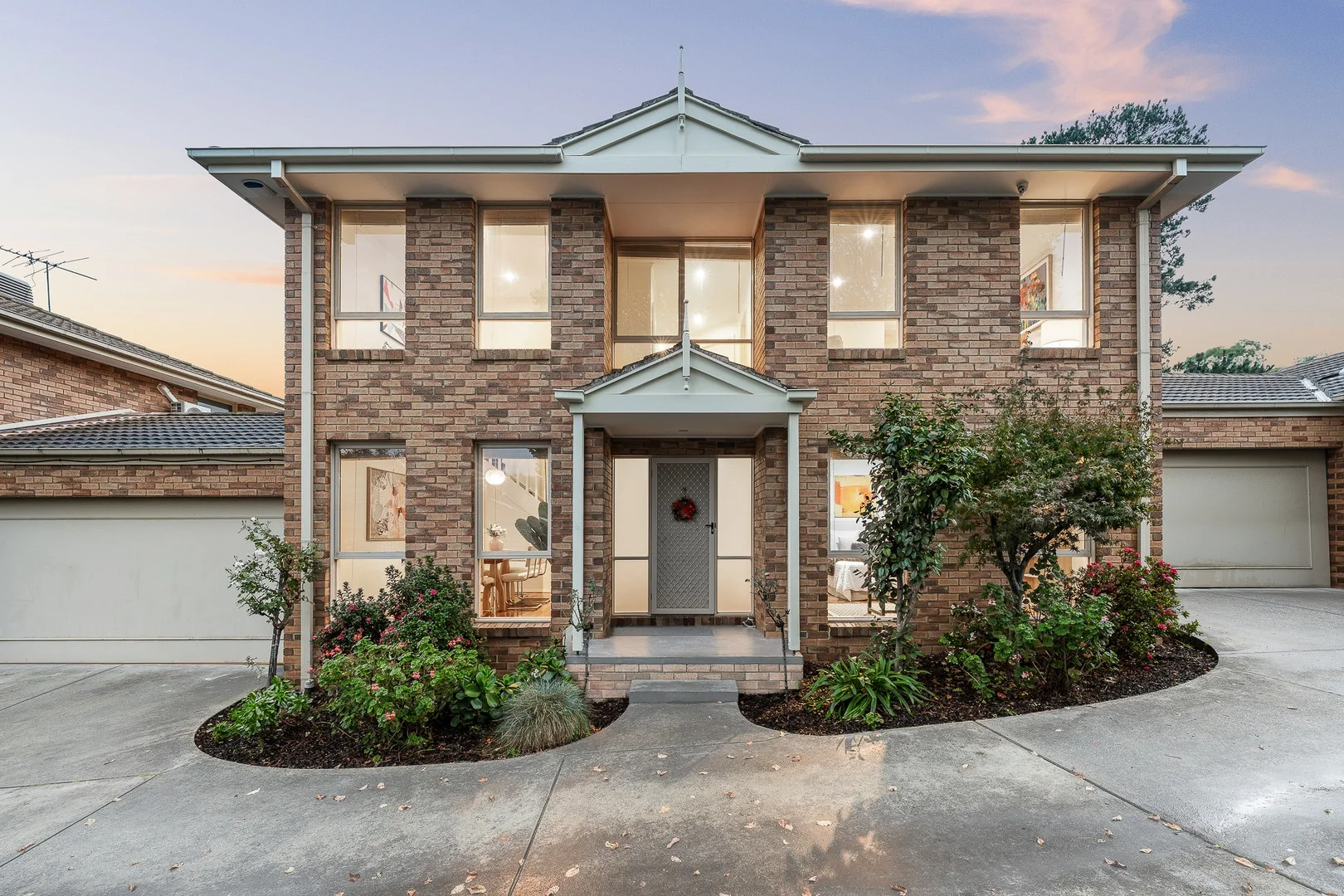 $950,000 - $1,045,000
Apartment / Unit / Flat
$950,000 - $1,045,000
Apartment / Unit / Flat