## 1. Overview
East Doncaster Secondary College is a public, co-educational secondary school serving Doncaster East and surrounding eastern Melbourne suburbs. As a government school, it offers Year 7–12 education with pathways to VCE/VCAL, aiming to provide an inclusive learning environment and strong pastoral care for a diverse student body.
- School type: Public
- School size: Large
- Class size: Approximately 22–25 students per class
- Atmosphere/culture: Inclusive, nurturing, academically engaged with opportunities in sport and the arts
## 2. Academics & Learning
The college emphasises a broad, future-focused curriculum with strong foundations in core literacy and numeracy, plus opportunities to explore STEM and languages. There are pathways and supports to suit different learning goals, from university entrance to vocational tracks.
- Academic strengths: STEM, English, leadership development, languages
- Special programs: VCE and VCAL pathways; VET and other vocational options; gifted and talented programs where available
- NAPLAN trends: Steady year-on-year improvement in reading and numeracy with supportive programs driving ongoing growth
- Student-teacher ratios: Roughly 1:15 in core classes
- Support for diverse learners: EAL support, SEN support, Learning Support staff, inclusive education practices
## 3. Sports & Extracurricular Strengths
Extracurricular life is active, with a mix of sports, arts, and clubs that appeal to students from ages 10–14 and beyond.
- Sports offered: AFL, basketball, netball, soccer, cricket, tennis, athletics, swimming
- Strong teams or achievements: Competitive school teams with regional representation
- Music, arts, drama programs: Active music ensembles, performing arts programs and drama productions
- Clubs: Robotics, chess, coding, debating (plus other student clubs)
- Partnerships: Connections with local clubs, regional competitions, and inter-school events
## 4. Wellbeing & Pastoral Care
Wellbeing and pastoral care are central to the school experience, with programs designed to support students’ social and emotional development.
- Anti-bullying approach: School-wide anti-bullying policies with restorative practices and awareness programs
- House system: House groups for ongoing pastoral care and student belonging
- Counsellors / wellbeing officers: Access to school counsellors or wellbeing staff
- Transition support for new students: Orientation, buddy programs, and targeted transition support
## 5. Facilities
The campus features a range of facilities designed to support learning, performance, and recreation.
- Sports grounds
- Libraries
- Science labs
- Music/performing arts center
- Tech/innovation labs
- Cafeteria
- Updated playgrounds
## 6. School Values & Community Culture
The school aims to foster a respectful, resilient, and inclusive community with student voice and positive leadership opportunities.
- School values / mission: Respect, inclusion, resilience, integrity
- Leadership style: Student voice and distributed leadership across programs
- Behaviour expectations: Clear codes of conduct with restorative approaches
- Community reputation: Positive and supportive reputation within the local area
- Diversity & inclusion: Embraces a diverse student population with inclusive practices
## 7. School Logistics & Daily Operations
Practical details help families plan around school life.
- School hours: Typical day runs roughly 8:30am–3:30pm (check current timetable)
- Before/after school care: Options available through OSHC or external providers
- Uniform requirements: School uniform required; details and shop information provided by the school
- Transport (train/bus routes): Well-served by local bus routes and nearby public transport; accessible commuting options
- Canteen availability: On-site canteen with lunch options
- Fees (low/medium/high ranges): As a public school, there is no tuition; additional costs may apply for excursions, materials, and optional programs
## 8. Enrolment & Admissions
Enrolment pathways reflect Victorian public school processes, with typical steps for Year 7 intake and admissions throughout the year when spaces allow.
- What is the enrolment process and timeline?
- Apply through the Department of Education enrolment system for Year 7 entry; submit required documents; offers common in the lead-up to the new school year; confirmation and orientation follow.
- Is there a waiting list, and how does it work?
- Yes, waiting lists may apply if there are limited places; offers are made based on the department’s placement priorities and available spaces.
- Are there any entry requirements, tests, or interviews?
- Generally no entrance tests for standard streams; some specialist programs or selective options may involve brief interviews or additional steps.
- Does the school accept mid-year transfers?
- Mid-year transfers are possible if places are available and enrolment requirements are met; contact the school early to discuss options.
## 9. Frequently Asked Questions
- Why Parents Choose This School?
- Public, inclusive education with strong wellbeing support, broad academic and co-curricular opportunities, and a welcoming community.
- What type of student thrives at this school?
- Motivated, collaborative, inclusive learners who engage in academics, sports, arts, or leadership opportunities.
- What opportunities are available for students to extend their skills (academics, sports, arts)?
- Varied pathways in VCE/VCAL, VET options, STEM and language programs, sports teams, music and drama programs, and clubs (robotics, coding, debating, etc.).
- How does the school communicate with parents?
- Newsletters, emails, a parent portal/app, and regular parent-teacher interviews; timely updates on activities and student progress.
- What is the school’s approach to teaching and learning?
- Structured, differentiated instruction with a focus on engagement, literacy and numeracy development, and integration of technology.
- How does the school support students who need extra academic help?
- Targeted interventions, Learning Support programs, EAL resources, SEN support, and tutoring options.
- What support is available for academic challenges?
- Individual or small-group support plans, adjustments, and extension opportunities as appropriate.
- How does the school communicate with parents? (Note: repeated question)
- See above: newsletters, portals, emails, and interviews.
- What are the class sizes and how much individual attention do students receive?
- Typical class sizes around 20–25; teachers provide regular feedback and targeted support as part of the learning program.
- What extracurricular and sports opportunities are available?
- Wide range of sports, music and arts programs, robotics, chess, coding, debating and other clubs.
- What facilities does the school offer (sports, science, arts)?
- Sports grounds, libraries, science labs, performing arts spaces, tech/innovation labs, and on-site canteen.
- What is the school’s approach to technology and digital learning?
- Integrated ICT across the curriculum; use of digital resources and devices to support learning; computer labs and online platforms.
- What transport and accessibility options are available?
- Local bus routes and nearby public transport; accessible facilities and convenient access for families living in Doncaster East and surrounding areas.
- What are the typical school fees or additional costs?
- There is no tuition for public schooling; some optional or activity-based costs (excursions, materials, programs) may apply.
## 10. Short Pros & Cons list
- Pros
- Public, inclusive education with broad academic and co-curricular options
- Strong wellbeing and pastoral care framework
- Wide range of sports, arts, and clubs; active student life
- Modern facilities and supportive community
- Cons
- Large school size can mean busier environments and more turnover
- Competition for places in popular programs may occur during intake periods
- Transport reliance for families living farther from campus; some costs for excursions and activities (non-tunding)
 Free
Free









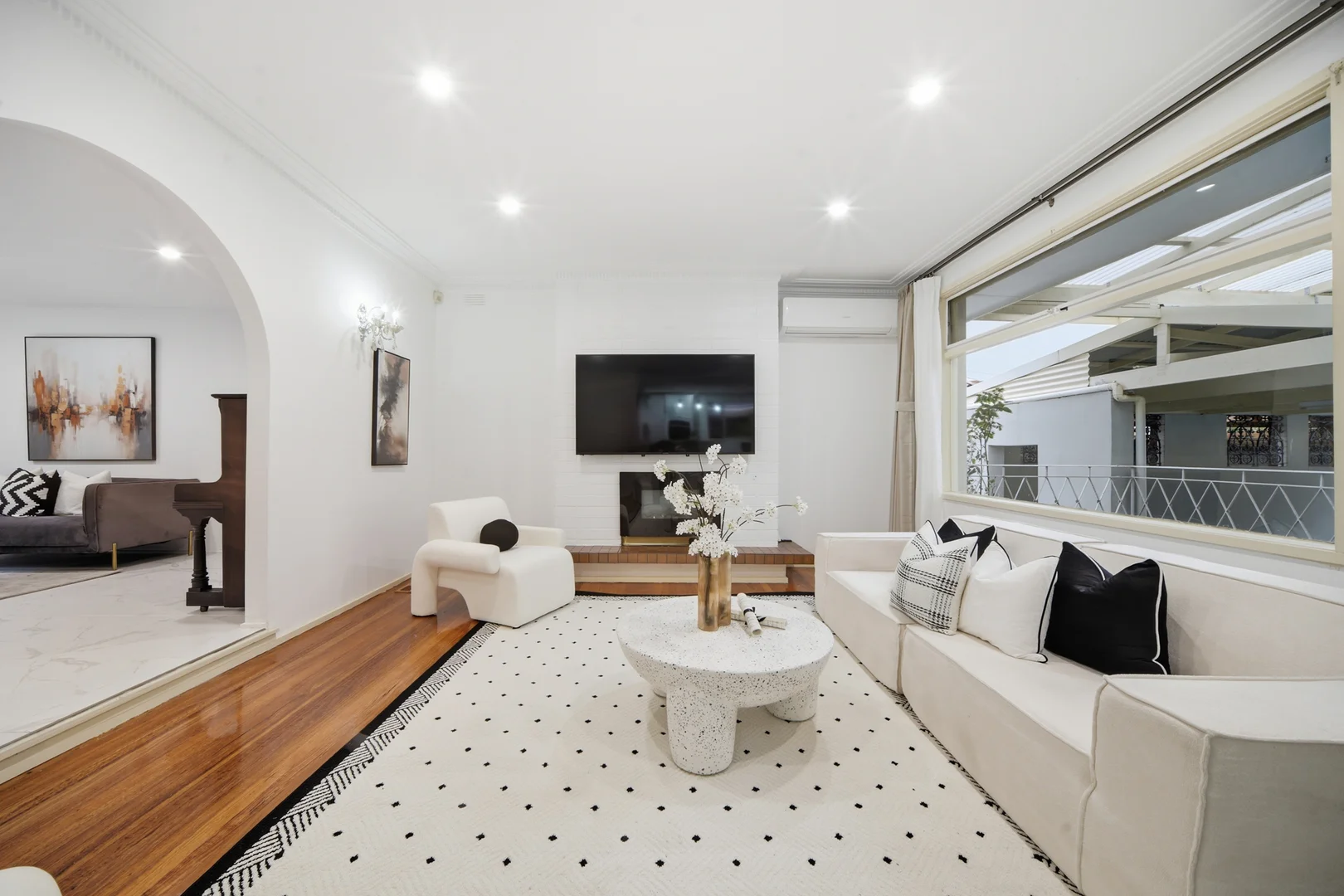 $1,730,000 - $1,830,000
House
$1,730,000 - $1,830,000
House
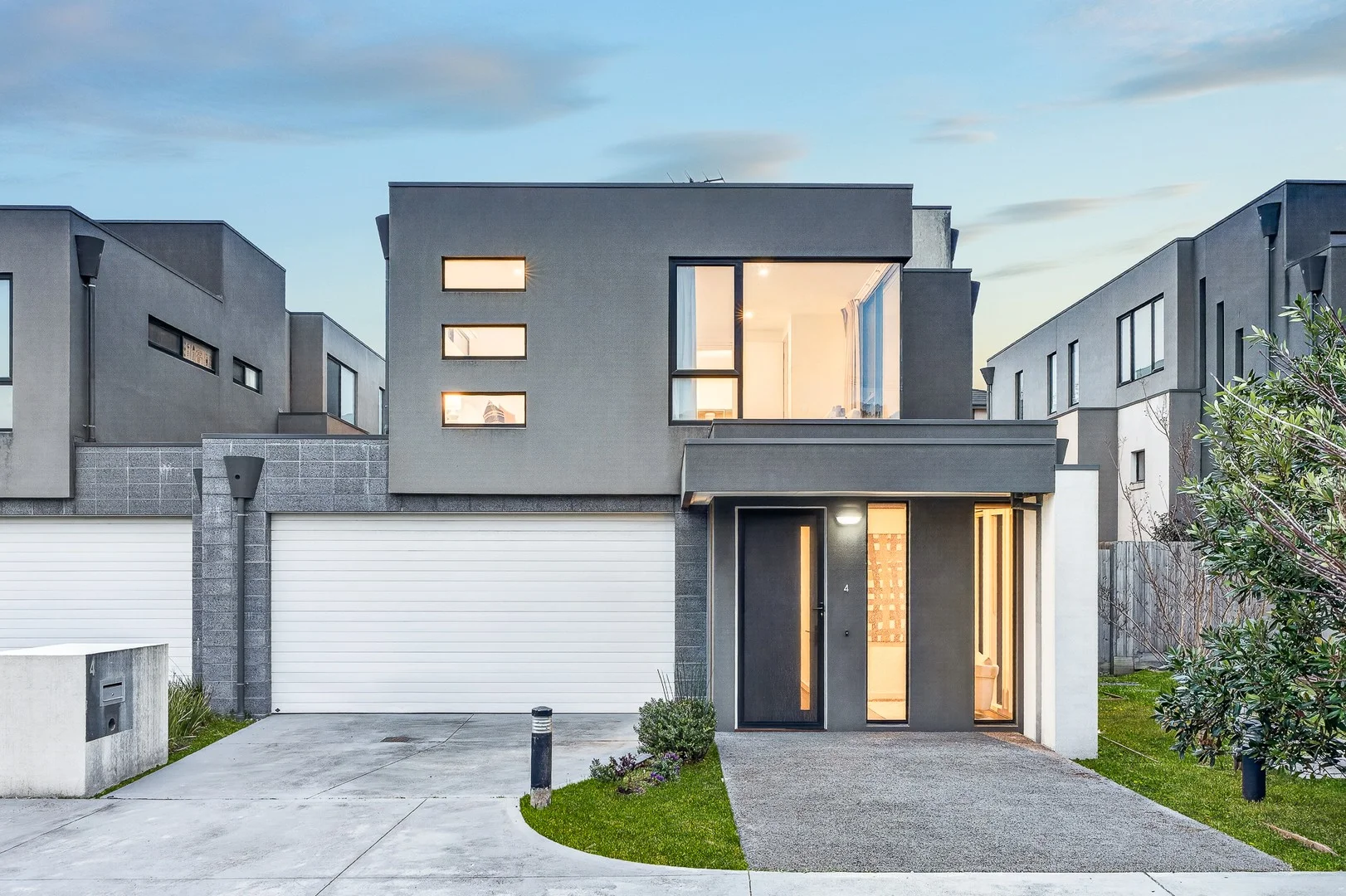 $1,700,000
House
$1,700,000
House
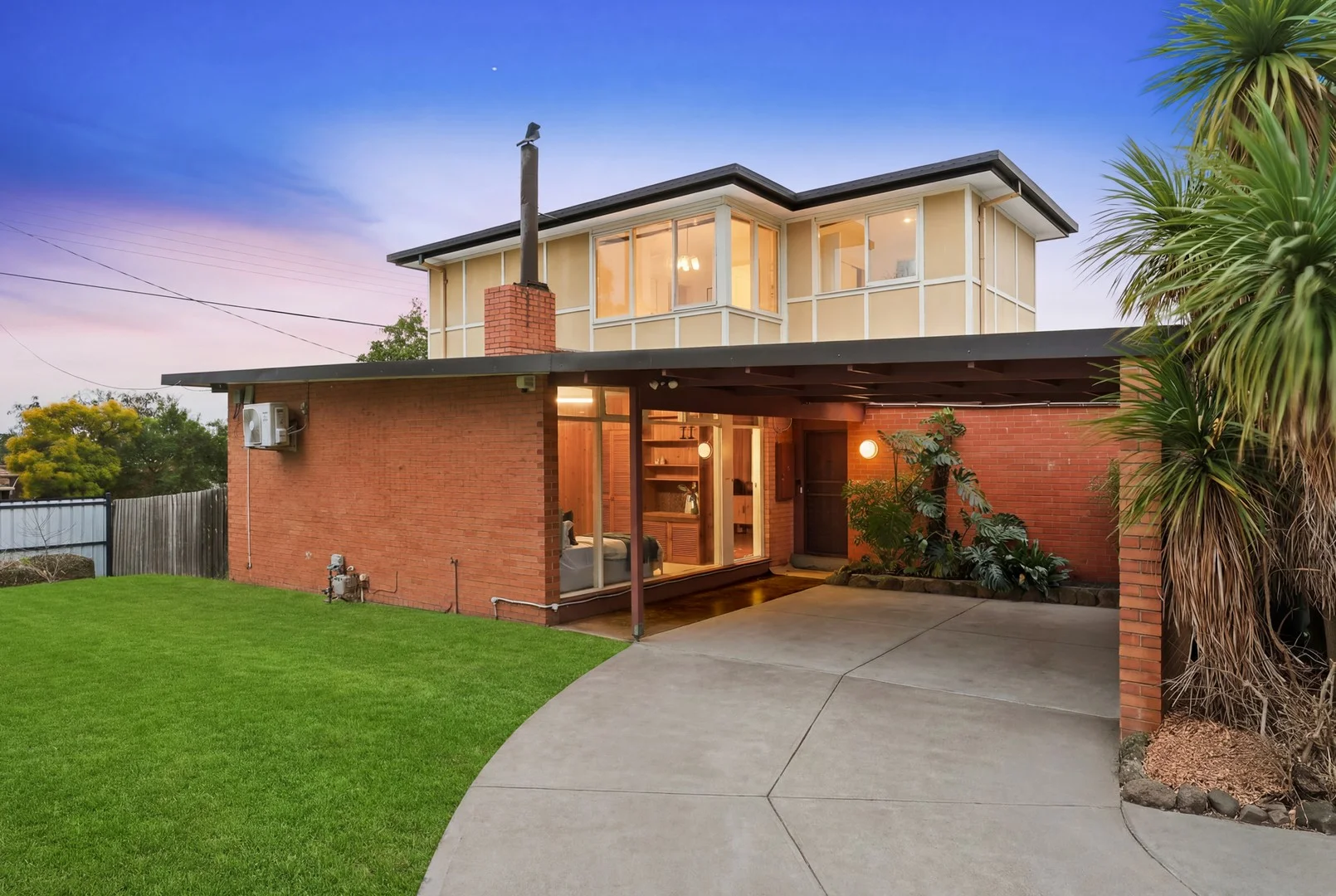 $1,430,000
House
$1,430,000
House
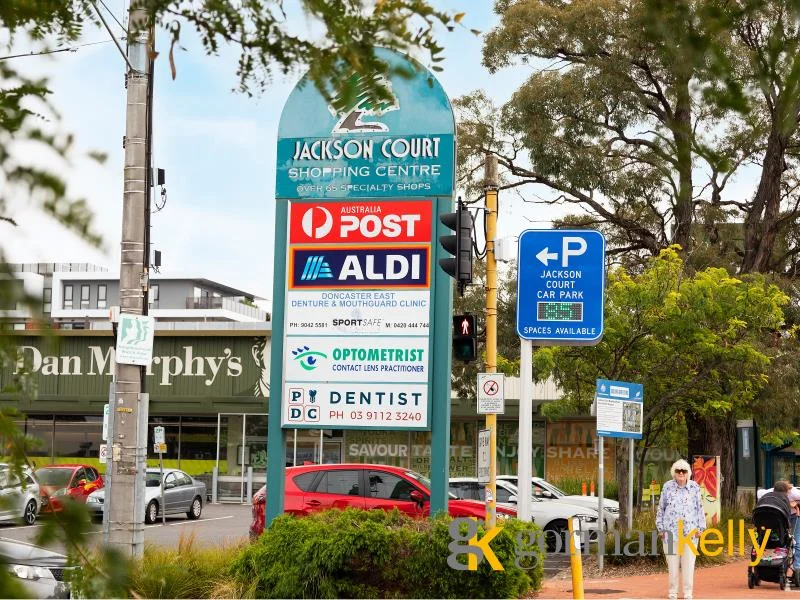 $1,500,000
House
$1,500,000
House
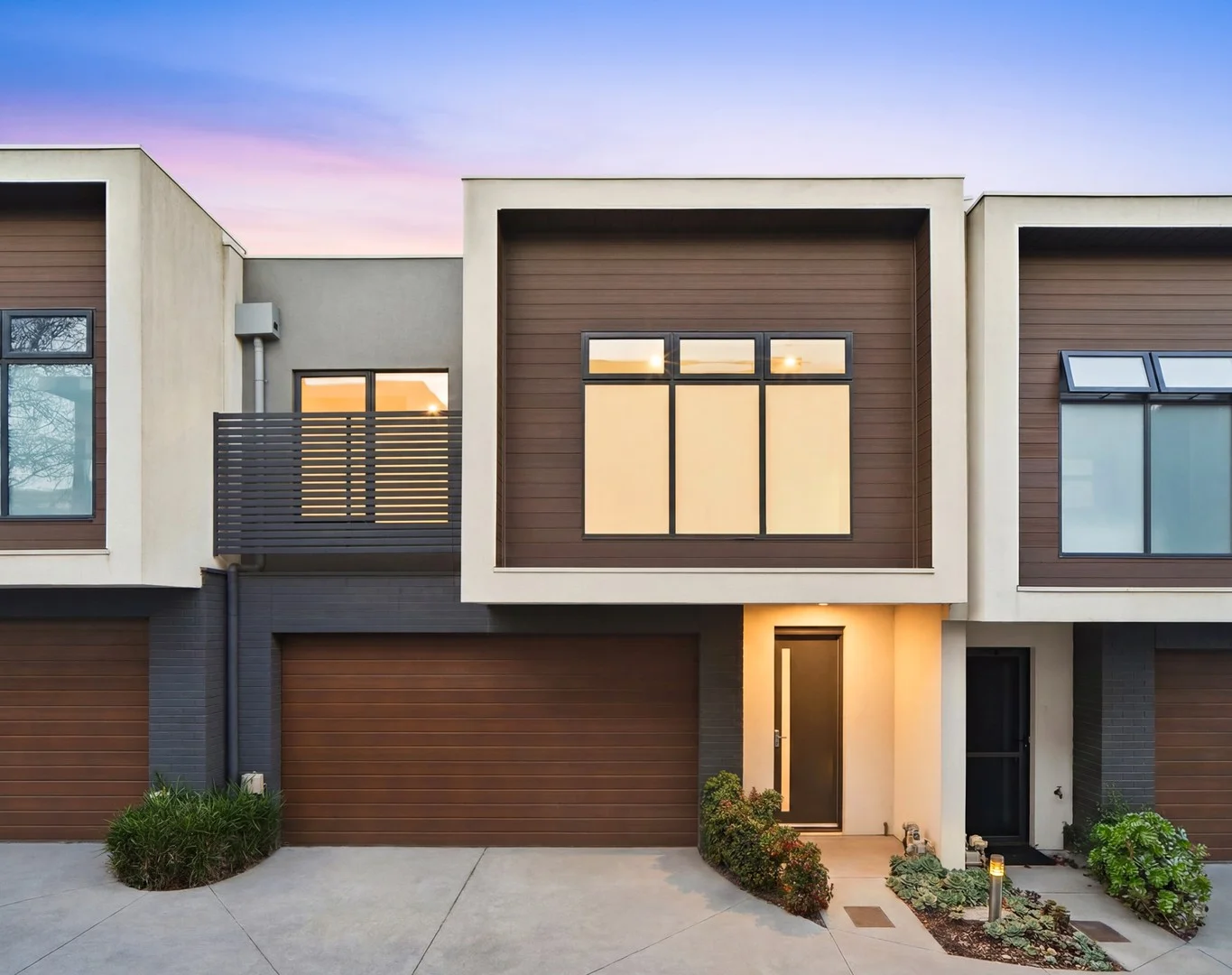 $950,000
Townhouse
$950,000
Townhouse
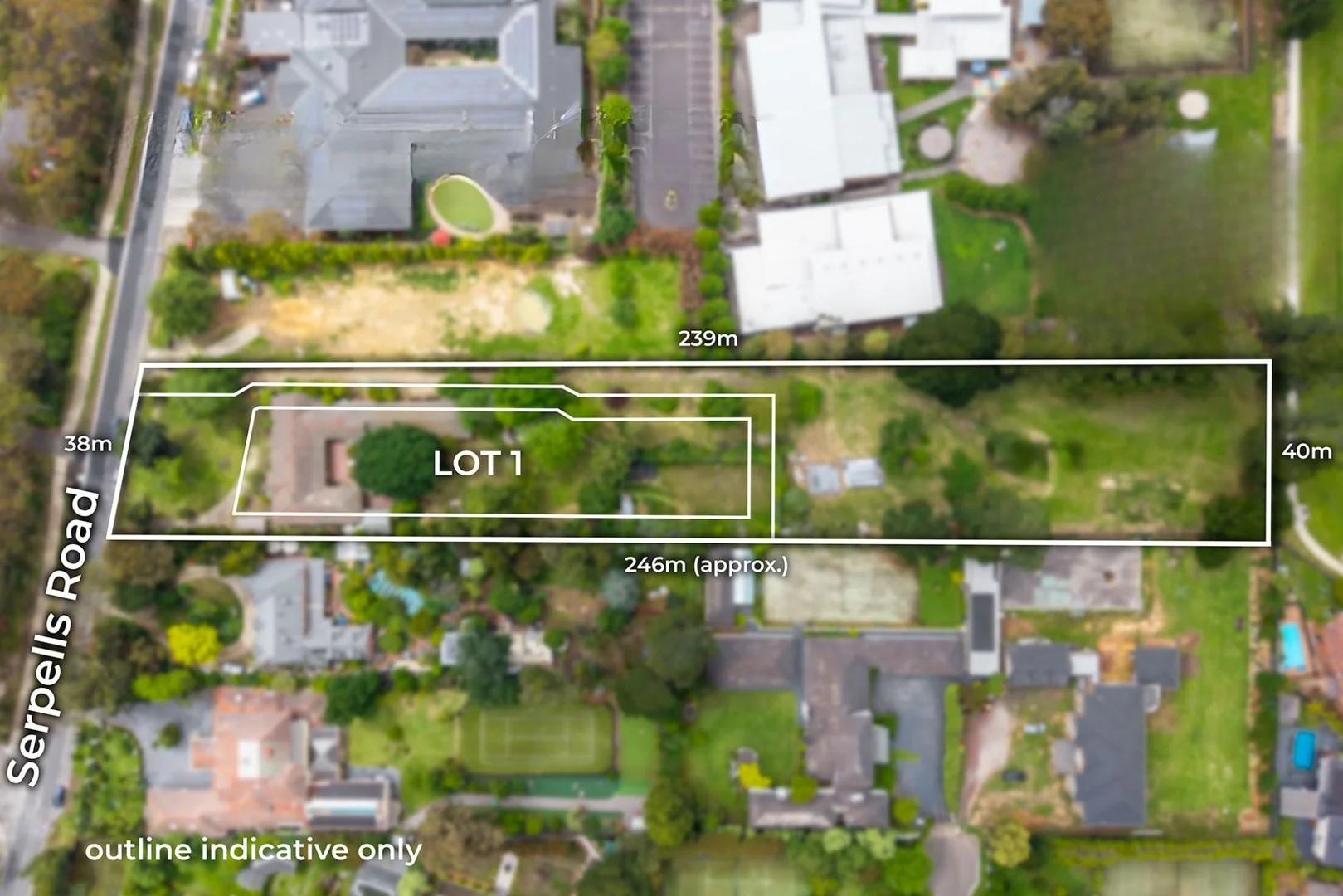 $5,600,000
House
$5,600,000
House
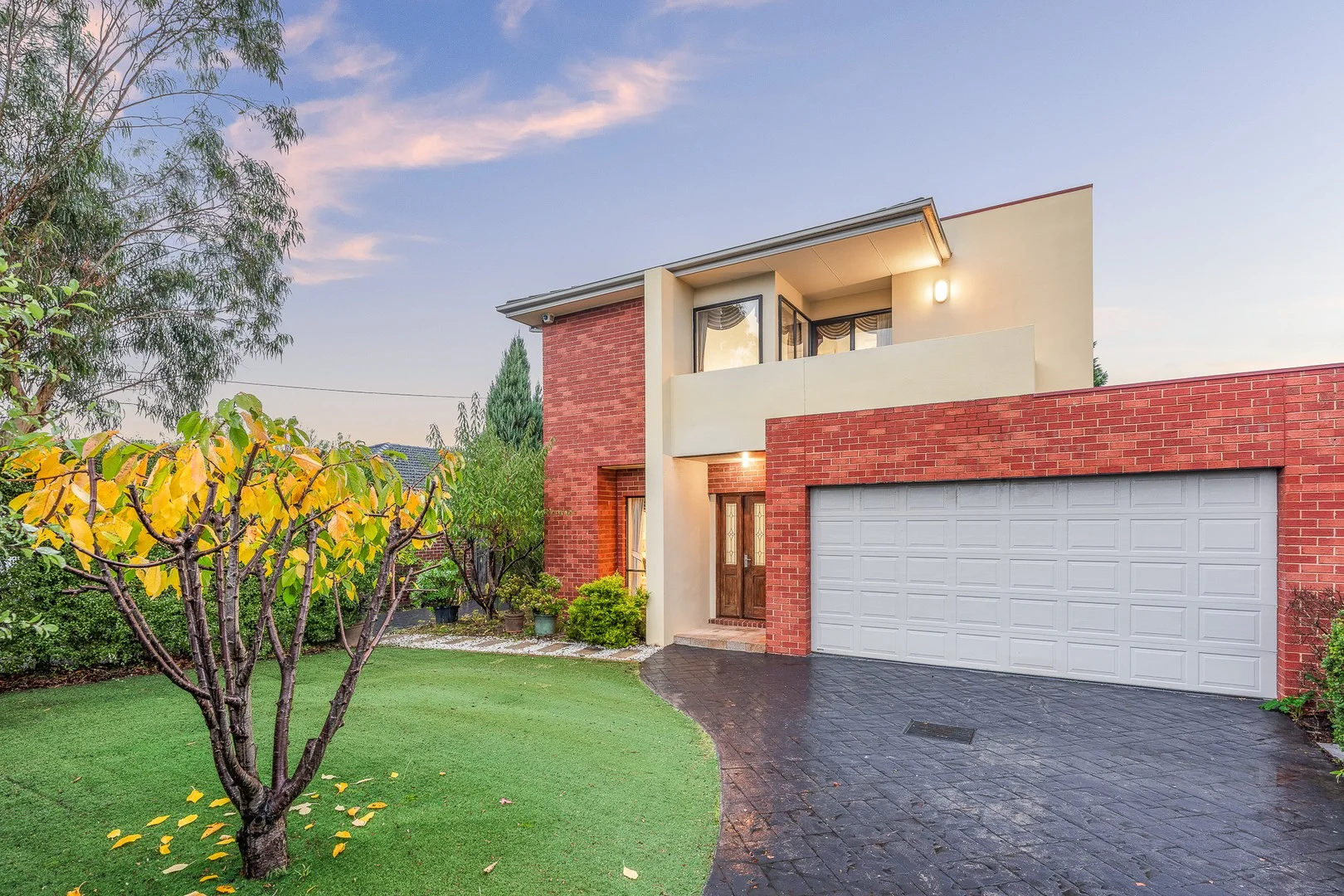 $1,150,000 - $1,250,000
Townhouse
$1,150,000 - $1,250,000
Townhouse
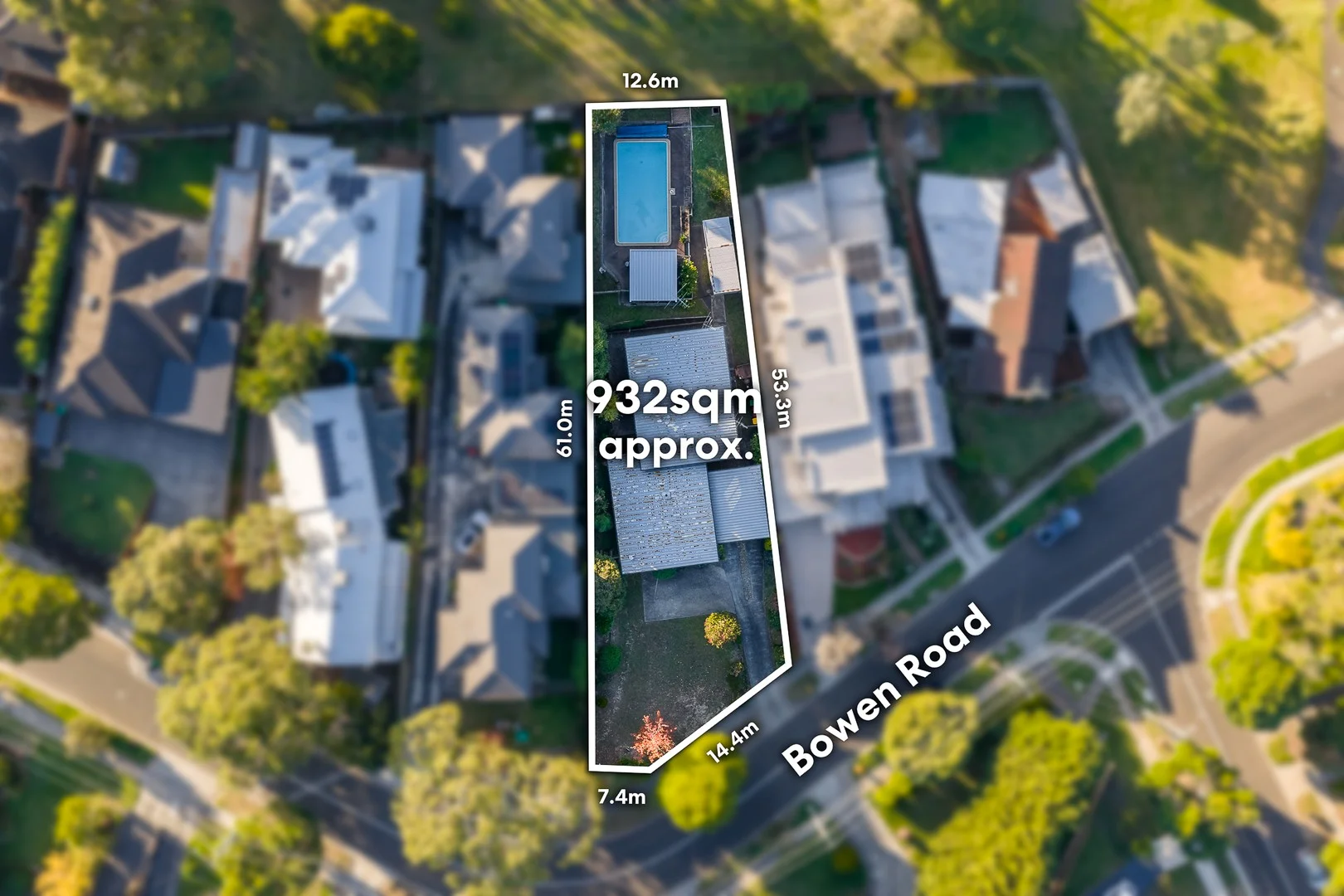 $1,300,000 - $1,400,000
House
$1,300,000 - $1,400,000
House
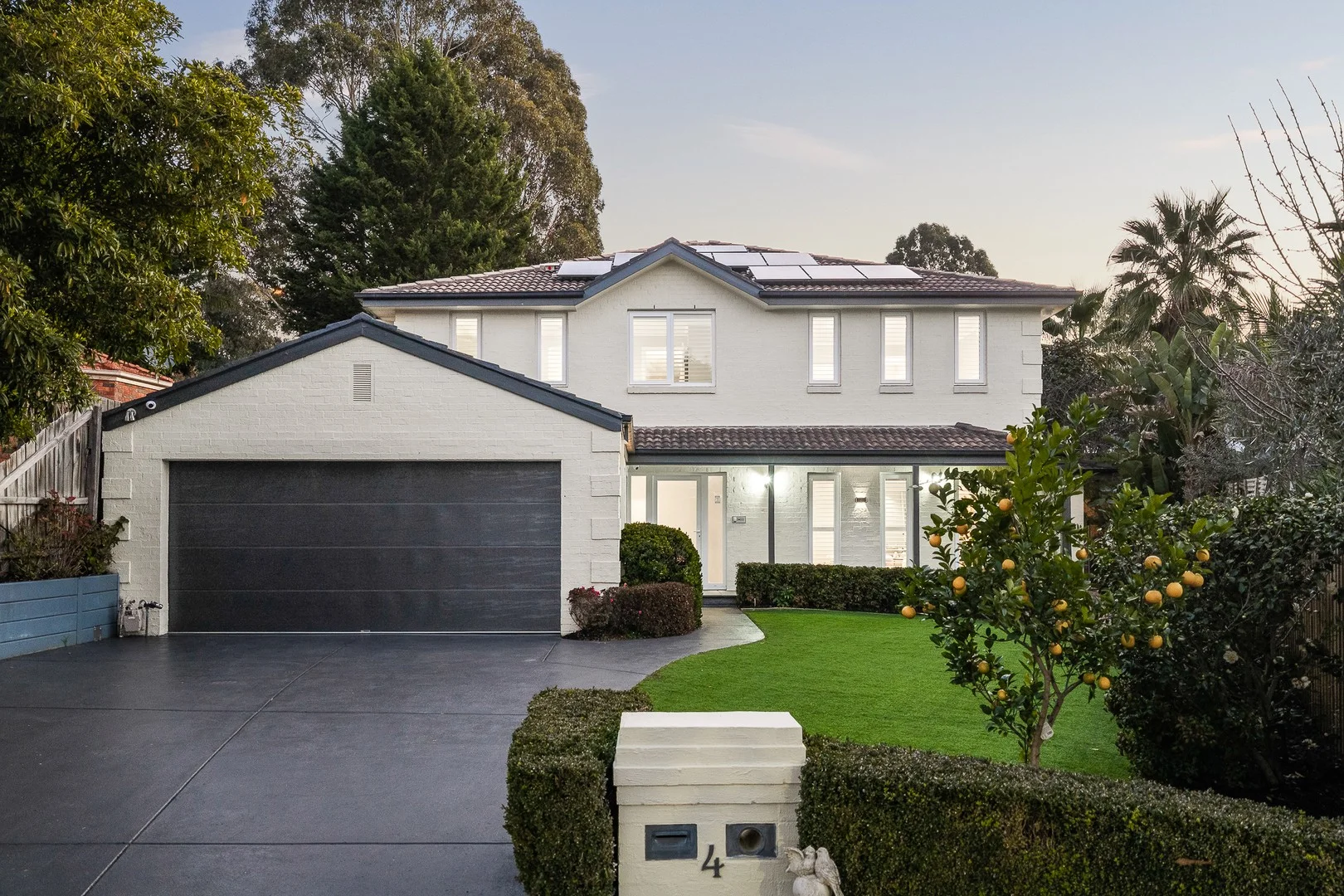 $1,900,000
House
$1,900,000
House


