Overview
## 1. Overview
St Finbar's Catholic Primary School Sans Souci is a Catholic, co-educational primary school focused on faith-based learning within the Sydney Catholic Education system. The school promotes a warm, family-like atmosphere with small-to-medium classes that support individual attention, caring for each student as part of a close-knit school community. The culture emphasises faith formation, academic growth, service, and inclusion, with a strong sense of belonging and community involvement.
The school encourages students to participate in liturgical celebrations, service activities, and school events that connect faith, learning, and daily life. It aims to build well-rounded students who are equipped with strong literacy and numeracy foundations, positive social skills, and a respectful, proactive approach to learning and service.
---
## 2. Academics & Learning
- Academic strengths: Emphasis on literacy and numeracy development alongside religious education; focus on critical thinking, problem-solving, and digital literacy; opportunities to engage in STEM-inspired activities within the primary curriculum.
- Special programs: Integrated faith formation within the curriculum; opportunities for leadership roles and student voice; extension or enrichment options where available to support high-ability learners.
- NAPLAN / trends: Historical trends for NSW Catholic primary schools typically show stable to improving literacy and numeracy progress over time, with a strong focus on individual student growth and achievement.
- Student-teacher ratios: Class sizes and teacher availability are structured to enable targeted support, with ongoing pastoral and academic assistance as needed.
- Support for diverse learners: EAL/D support where needed; learning support staff and inclusive education practices to assist students requiring extra help or accommodations; collaboration with families to create appropriate learning plans.
---
## 3. Sports & Extracurricular Strengths
- Sports offered: A range of traditional primary-school sports (e.g., soccer, basketball, cricket, rugby league, netball) with opportunities for participation in inter-school events.
- Strong teams or achievements: Participation in local inter-school competitions and school teams that foster teamwork, school spirit, and competitive but supportive environments.
- Music, arts, drama programs: School music programs and opportunities to participate in performing arts, choirs, and school productions.
- Clubs: Robotics, coding, chess, debating and other enrichment clubs that promote problem-solving, strategy, and teamwork.
- Partnerships: Connections with local community clubs, sport associations, and inter-school networks for competitions and enrichment activities.
---
## 4. Wellbeing & Pastoral Care
- Anti-bullying approach: Whole-school approach to wellbeing with policies and programs that promote respect, kindness, and safe learning environments.
- House system: A house structure to foster belonging, healthy competition, teamwork, and recognition of achievement across year levels.
- Counsellors / wellbeing officers: Access to wellbeing staff to support social-emotional learning, resilience, and pastoral care.
- Transition support: Programs to assist new students with settling in, including orientation activities, buddy systems, and consistent points of contact for families.
---
## 5. Facilities
- Sports grounds: Outdoor spaces for PE and recreational activities.
- Libraries: On-site library to support reading and research skills.
- Science labs: Dedicated spaces for hands-on science learning and experiments.
- Music/performing arts centers: Facilities or spaces to rehearse and present music and drama.
- Tech/innovation labs: Access to technology-enabled learning and digital exploration.
- Cafeteria: On-site canteen or dining area supporting healthy meal options.
- Updated playgrounds: Safe, age-appropriate play areas and outdoor learning spaces.
---
## 6. School Values & Community Culture
- School values / mission: A faith-centered mission that emphasises respect, service, integrity, and community involvement.
- Leadership style: Inclusive and collaborative leadership that encourages student voice, parental engagement, and shared responsibility for learning.
- Behaviour expectations: Clear code of conduct grounded in Catholic values and school guidelines, promoting responsible, respectful behaviour.
- Community reputation: A welcoming Catholic school community with active family involvement and strong links to parish life.
- Diversity & inclusion: Commitment to respectful, inclusive education that welcomes students from diverse backgrounds and abilities.
---
## 7. School Logistics & Daily Operations
- School hours: Regular school day structure with start and finish times, including morning routines and assemblies.
- Before/after school care: Availability of before- and after-school care or supervision options, where offered.
- Uniform requirements: Clear uniform standards aligned with school policy.
- Transport: Information on local transport options and any bus routes or drop-off zones typically used by families in the area.
- Canteen availability: Access to canteen services or lunch provisions on school days.
- Fees: Fee ranges for tuition and other levies, with information on inclusions like resource charges or activity costs.
---
## 8. Enrolment & Admissions
11. What is the enrolment process and timeline?
- Generally, families complete an enrolment application and attend an open day or information session. Applications are reviewed by the school, with timelines that typically include submission windows, interviews or information meetings, and a notification of offer. Open-day events provide an opportunity to meet staff and see the school environment.
12. Is there a waiting list, and how does it work?
- Waiting lists are common in popular Catholic primary schools. If space is limited, applications may be placed on a waiting list, with priority given to parish communities, siblings, and availability of places. The school will communicate expected timelines and next steps.
13. Are there any entry requirements, tests, or interviews?
- Entry usually involves submission of required documents (birth certificate, immunisation records, parish verification) and may include an informal interview or meeting to discuss the child’s needs and fit with the school culture. Formal entrance tests are not typically required for primary schools.
14. Does the school accept mid-year transfers?
- Mid-year transfers are considered where space allows and alignment with the school’s enrolment policy. Families should contact the school to discuss availability and the process for a mid-year transition.
---
## 9. Frequently Asked Questions
- Why Parents Choose This School?
- A warm, faith-centered community with a supportive learning environment, strong pastoral care, and a focus on values-based education.
- What type of student thrives at this school?
- Students who respond well to a nurturing, inclusive atmosphere, value faith-based learning, and enjoy balanced academic and social development.
- What opportunities are available for students to extend their skills (academics, sports, arts)?
- Enrichment through literacy/numeracy programs, leadership roles, clubs (robotics, coding, chess, debating), music and drama programs, and a range of sports and inter-school activities.
- How does the school communicate with parents?
- Regular updates through newsletters, parent-teacher meetings, digital platforms, and direct contact from teachers and school leadership as needed.
- What is the school’s approach to teaching and learning?
- A student-centered approach that integrates faith formation with core academics, encourages inquiry and collaboration, and supports diverse learning needs through targeted assistance.
- How does the school support students who need extra academic help?
- Access to learning support staff, targeted interventions, EAL/D assistance, and collaboration with families to develop appropriate plans.
- What support is available for academic challenges?
- Additional tutoring, differentiated instruction, and ongoing monitoring of progress to identify and address gaps.
- How does the school communicate with parents? (duplicate)
- See above: regular updates, meetings, and proactive outreach as needed.
- What are the class sizes and how much individual attention do students receive?
- Class sizes are designed to be small-to-medium, enabling closer relationships with teachers and more individualized support within the classroom.
- What extracurricular and sports opportunities are available?
- A broad range of sports, arts, music, and clubs such as robotics, coding, chess, and debating, with opportunities to participate in inter-school events.
- What facilities does the school offer (sports, science, arts)?
- Facilities include sports grounds, library, science labs, music/performing arts spaces, tech/innovation labs, canteen, and well-maintained outdoor areas.
- What is the school’s approach to technology and digital learning?
- Integration of digital literacy and technology across the curriculum, with access to devices and age-appropriate software to support learning.
- What transport and accessibility options are available?
- Information on nearby transport options and school-specific arrangements for drop-off/pick-up may be available through the school or parish community.
- What are the typical school fees or additional costs?
- Fees and levies vary; families should consult the school’s current fee schedule for exact amounts and what is included (resources, activities, excursions).
---
## 10. Short Pros & Cons list
- Pros
- Strong sense of faith-based community and pastoral care
- Inclusive, supportive learning environment with emphasis on student wellbeing
- Balanced focus on academics, sports, arts, and leadership
- Range of enrichment clubs and inter-school opportunities
- Clear values and behaviour expectations aligned with Catholic education
- Cons
- As a single site, access to facilities may be more limited than larger multi-campus schools
- Availability of spaces for mid-year transfers depends on current enrolments
- Inter-school competition opportunities may be subject to scheduling and transport logistics









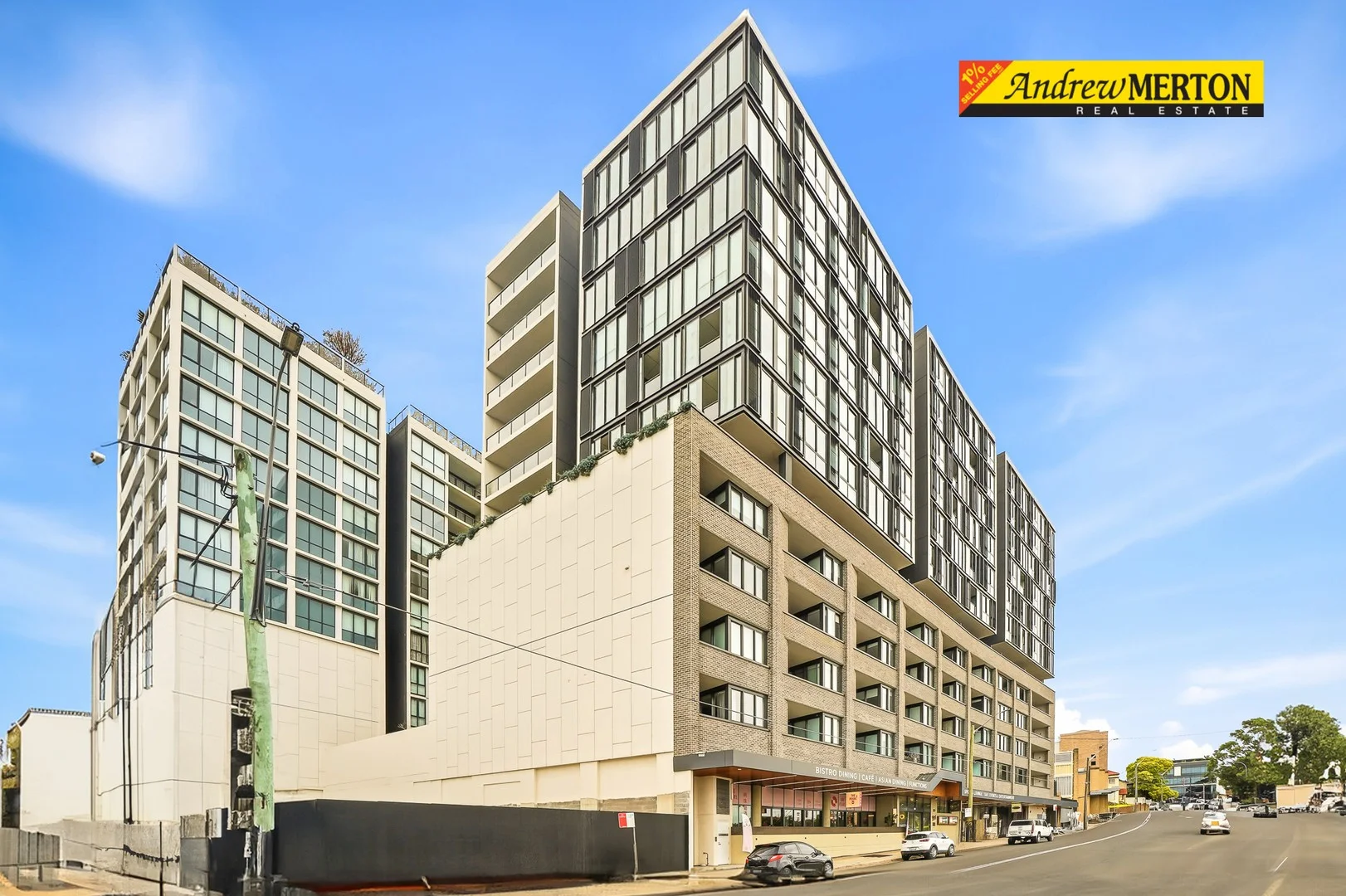 $699,000
Apartment / Unit / Flat
$699,000
Apartment / Unit / Flat
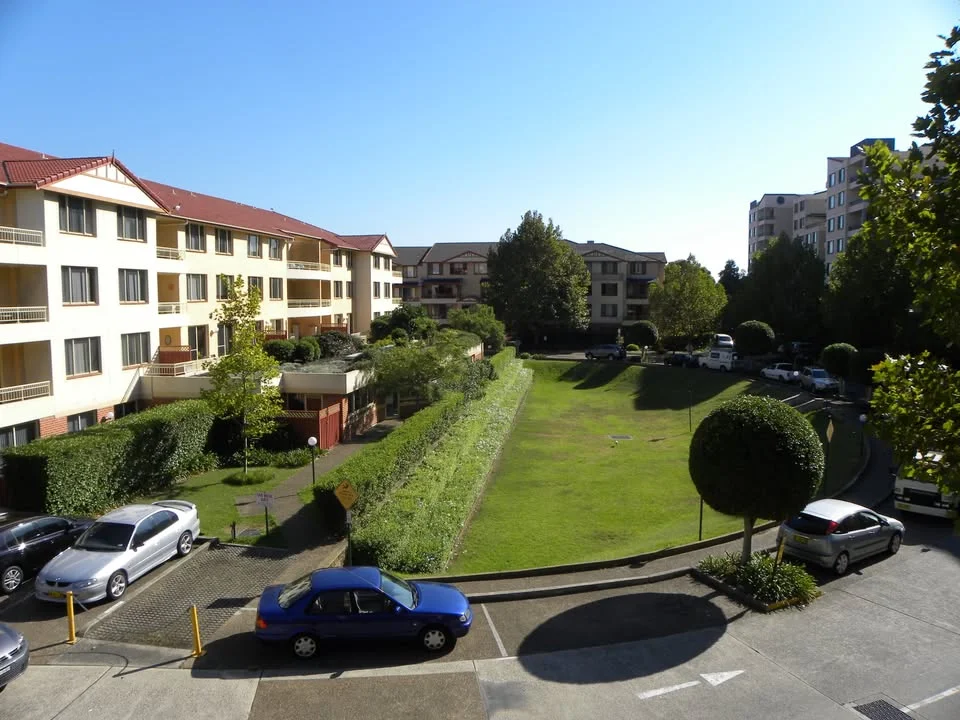 $990
Apartment / Unit / Flat
$990
Apartment / Unit / Flat
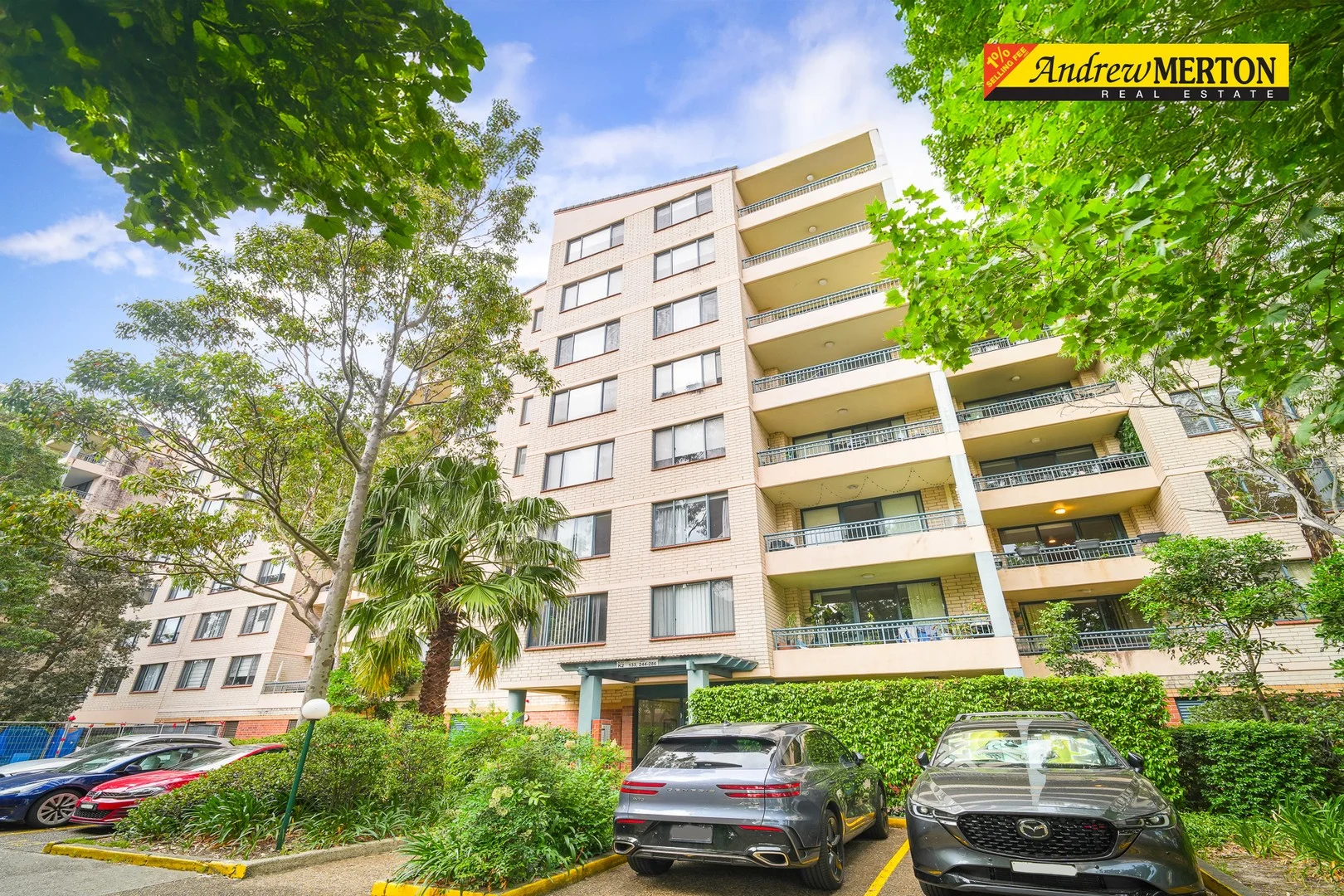 $933,000
Apartment / Unit / Flat
$933,000
Apartment / Unit / Flat
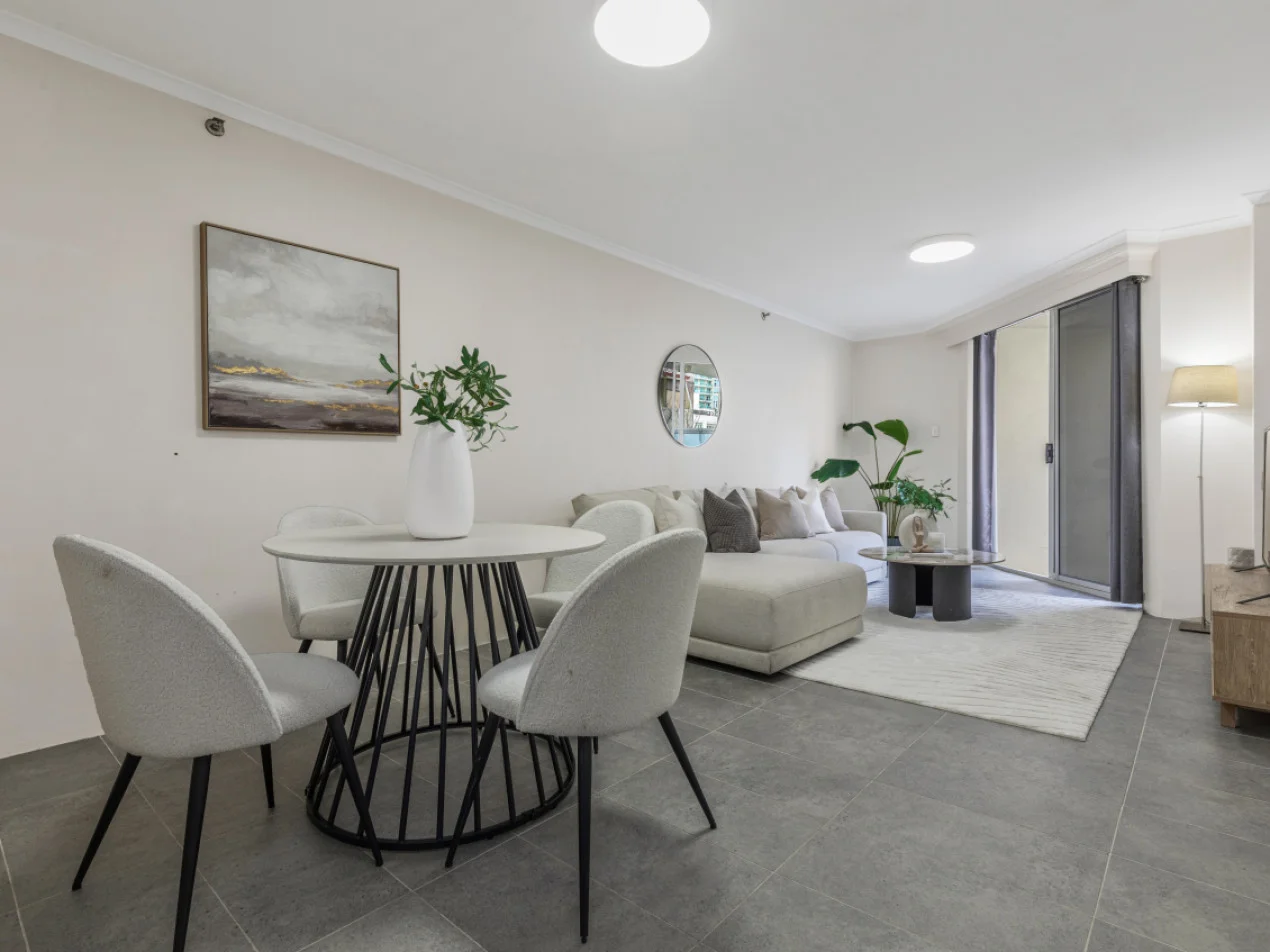 $640,000 - $675,000
Apartment / Unit / Flat
$640,000 - $675,000
Apartment / Unit / Flat
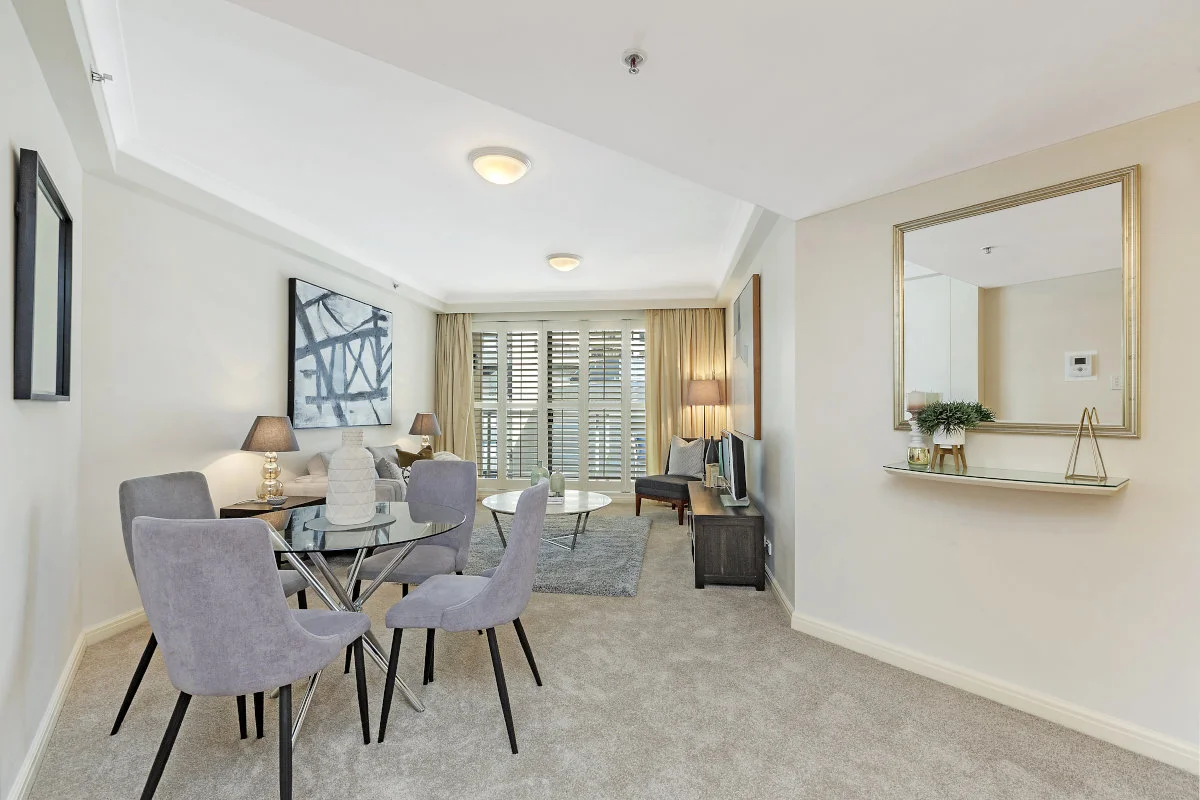 $660,000 - $725,000
Apartment / Unit / Flat
$660,000 - $725,000
Apartment / Unit / Flat
 $12,980,000
propertyType.NEW APARTMENTS / OFF THE PLAN
$12,980,000
propertyType.NEW APARTMENTS / OFF THE PLAN
 $6,225,000
propertyType.NEW APARTMENTS / OFF THE PLAN
$6,225,000
propertyType.NEW APARTMENTS / OFF THE PLAN
 $8,630,000
propertyType.NEW APARTMENTS / OFF THE PLAN
$8,630,000
propertyType.NEW APARTMENTS / OFF THE PLAN
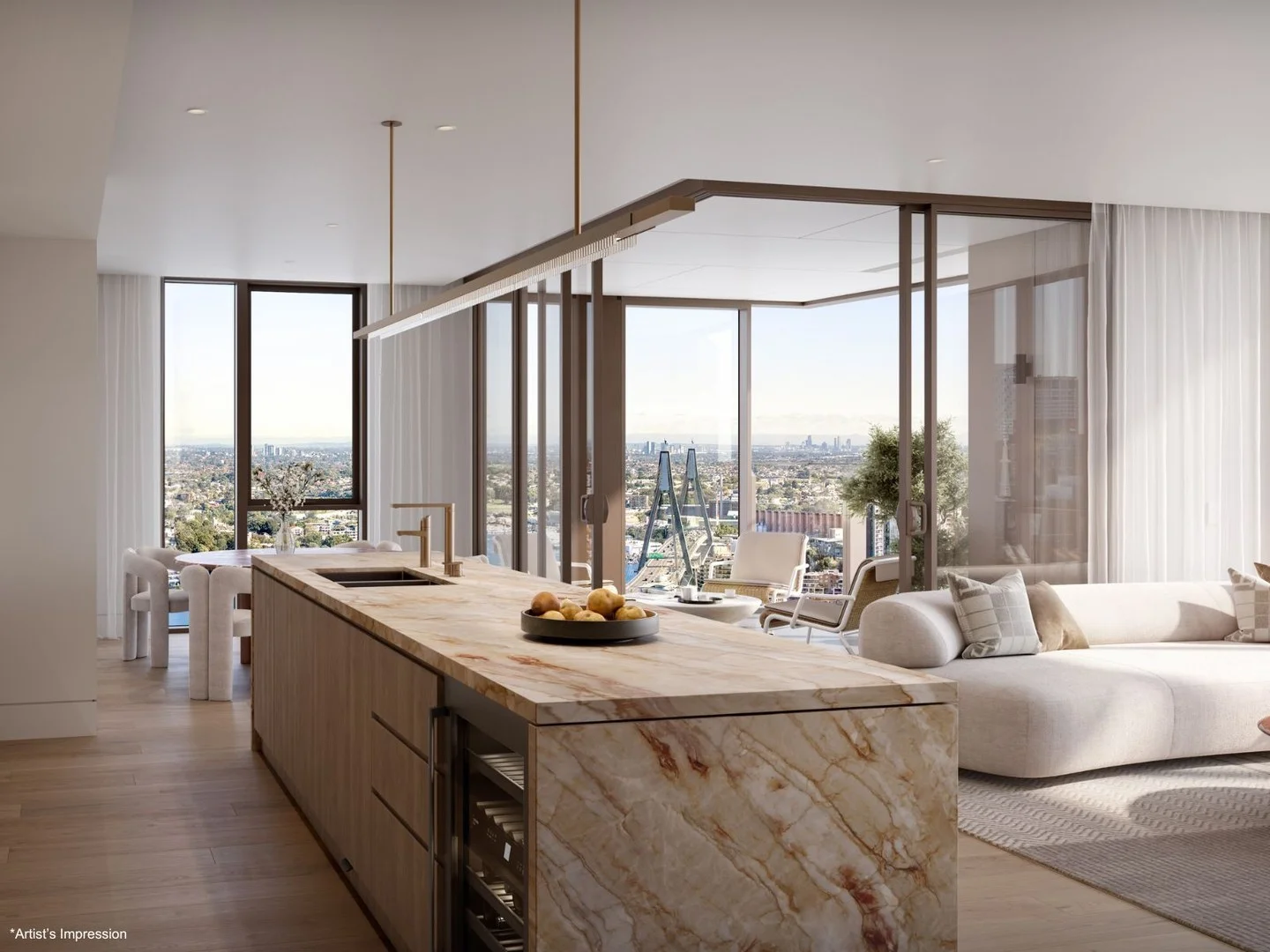 $9,020,000
propertyType.NEW APARTMENTS / OFF THE PLAN
$9,020,000
propertyType.NEW APARTMENTS / OFF THE PLAN


