Overview
## 1. Overview
St Francis de Sales School – Lynbrook is a Catholic, co-educational primary school serving families in Lynbrook and the surrounding area. The school focuses on faith-based education, strong community engagement, and a balanced approach to academics, wellbeing, and extra-curricular life.
The school is small-to-medium in size, which helps maintain close relationships between students, teachers, and families. Class sizes are typically small-to-medium, enabling individual attention, while the overall atmosphere is nurturing and inclusive, with an emphasis on respect, service, and personal growth.
---
## 2. Academics & Learning
- Academic strengths: strong focus on literacy and numeracy, with opportunities in STEM, inquiry-based learning, and language development; emphasis on critical thinking and real-world application.
- Special programs: gifted and talented opportunities, accelerated learning options where available, and targeted support for students needing additional help.
- NAPLAN trends: steady year-on-year progress in core areas, with a focus on closing learning gaps and lifting overall attainment across cohorts.
- Student-teacher ratios: small-to-medium class sizes support regular teacher-student interaction and individualized feedback.
- Diverse learner support: programs for EAL learners and SEN support, with planning to meet individual learning needs through targeted interventions and inclusive practices.
---
## 3. Sports & Extracurricular Strengths
- Sports offered: a range of organised activities such as football (soccer), cricket, basketball, netball, athletics, and swimming programs; opportunities to participate in inter-school events.
- Strong teams or achievements: participation in local inter-school competitions and school-based teams with emphasis on teamwork, effort, and sportsmanship.
- Music, arts, drama: structured programs in music and performing arts; opportunities for choir, instrumental lessons, drama, and school productions.
- Clubs: robotics, coding, chess, debating, and other STEAM or academic clubs are typically available or feasible through partnerships.
- Partnerships: connections with local clubs, community groups, and regional competitions to broaden experiences and competition exposure.
---
## 4. Wellbeing & Pastoral Care
- Anti-bullying approach: proactive, values-based approach to bullying prevention, with clear expectations and supportive intervention when needed.
- House system: house groups used to foster community, leadership opportunities, and healthy intra-school competition.
- Counsellors / wellbeing officers: dedicated wellbeing staff or school counsellor to support emotional health, resilience, and resilience-building.
- Transition support for new students: buddy programs, orientation sessions, and targeted supports to help new students settle in smoothly.
---
## 5. Facilities
- Sports grounds: on-site fields or courts suitable for PE and after-school activities.
- Libraries: purpose-built library spaces that support reading, research, and quiet study.
- Science labs: equipped spaces for hands-on experiments and inquiry-based learning.
- Music/performing arts centers: dedicated spaces or rooms for music, drama, and performances.
- Tech/innovation labs: practical spaces for coding, robotics, and digital projects.
- Cafeteria: on-site canteen or lunch facilities supporting healthy eating.
- Updated playgrounds: safe, engaging outdoor play areas that support physical activity and exploration.
---
## 6. School Values & Community Culture
- School values / mission: a Catholic ethos centered on faith, service, respect, responsibility, and inclusion.
- Leadership style: collaborative leadership with opportunities for student leadership and involvement in civic activities.
- Behaviour expectations: clear positive-behaviour framework emphasizing consistency, respect, and accountability.
- Community reputation: family-focused, supportive environment with strong involvement from parents and parish connections.
- Diversity & inclusion: inclusive practices that welcome families from diverse backgrounds and promote belonging for all students.
---
## 7. School Logistics & Daily Operations
- School hours: typical school day runs from morning to mid-afternoon; precise times are published by the school each year.
- Before/after school care: before/after school care options are usually available through OSHC or the school’s own program.
- Uniform requirements: formal uniform policy with seasonal variations (summer and winter options) and clear expectations for presentation.
- Transport: local bus routes and public transport options may be available; school may provide information on drop-off/pick-up arrangements and parking.
- Canteen availability: on-site canteen or lunch facilities providing simple, healthy options.
- Fees: fees fall in the moderate-to-mid range for Catholic primary schools in the area; typically include tuition/levies with some additional costs for excursions or activities.
---
## 8. Enrolment & Admissions
### 11. What is the enrolment process and timeline?
- Submit an application with required documentation (birth certificate, immunisation records, baptism certificate if applicable, proof of address).
- Attend information sessions/open days and complete any school-specific requirements.
- Shortlisting and interviews with families; may include a brief student interview or readiness discussion.
- Offer of place and acceptance; provision of enrolment documentation and orientation details.
- Pre-year arrival activities or transition visits to help families and students settle in.
### 12. Is there a waiting list, and how does it work?
- Yes, there is often a waiting list for certain year levels or programs; placement depends on capacity, however schools typically keep families informed about likely timelines and next steps.
- Priority may be given to local families, siblings, or those within the parish/community, depending on the school's policy.
### 13. Are there any entry requirements, tests, or interviews?
- Generally, entry involves documentation and an interview or information session for families.
- Most primary programs do not require formal academic testing for admission; assessments or readiness discussions may occur to understand support needs.
- Some Catholic schools request baptism or parish confirmation for Catholic families, but policies vary by school.
### 14. Does the school accept mid-year transfers?
- Mid-year transfers can be possible if space is available and all enrolment requirements are met.
- Parents should contact the enrolments office promptly to discuss space, timelines, and transition arrangements.
---
## 9. Frequently Asked Questions
- Why Parents Choose This School?
- A strong sense of community, values-based education, supportive teachers, and a balanced approach to academics, wellbeing and faith.
- What type of student thrives at this school?
- Students who are curious, respectful, engaged, and ready to participate in a community-focused environment with opportunities to grow academically and socially.
- What opportunities are available for students to extend their skills (academics, sports, arts)?
- A broad program including literacy/numeracy development, STEM activities, arts, music, drama, sport, and clubs such as robotics, coding, debate, and chess.
- How does the school communicate with parents?
- Regular newsletters, parent portals, email updates, parent-teacher interviews, and school events; responsive communications from teachers and administration.
- What is the school’s approach to teaching and learning?
- Student-centered, differentiated instruction with hands-on and inquiry-based learning, aligned with Catholic values and a focus on holistic development.
- How does the school support students who need extra academic help?
- EAL and SEN support, targeted interventions, small-group or individualized instruction, and collaboration with families.
- What support is available for academic challenges?
- Diagnostic assessments, learning plans, extra tutoring or intervention programs, and referrals to allied professionals as needed.
- How does the school communicate with parents? (Note: same as above)
- See above; ongoing updates through multiple channels to keep families informed.
- What are the class sizes and how much individual attention do students receive?
- Class sizes are small-to-medium, enabling regular teacher-student interaction and tailored feedback.
- What extracurricular and sports opportunities are available?
- A range of sports, arts, and clubs including robotics, coding, chess, debating, drama, and music programs.
- What facilities does the school offer (sports, science, arts)?
- Sports grounds, libraries, science labs, music/performing arts spaces, and tech/innovation labs.
- What is the school’s approach to technology and digital learning?
- Integrated ICT use with digital learning tools, safe cyber practices, and activities that build digital literacy.
- What transport and accessibility options are available?
- Local transport options and school guidance on drop-off/pick-up; information on accessibility and convenience for families.
- What are the typical school fees or additional costs?
- Fees are in the moderate range for Catholic primary schools; additional costs may include camps, excursions, and uniform items.
---
## 10. Short Pros & Cons list
- Pros
- Catholic values and inclusive, community-focused culture
- Small-to-medium class sizes with strong pastoral care
- Broad academic and extracurricular programs (STEM, arts, sport, clubs)
- Support for diverse learners (EAL, SEN)
- Good facilities supporting learning across disciplines
- Cons
- Demand for places can lead to waitlists for some year levels
- As a faith-based school, prioritisation may apply for Catholic families (policies vary by year and campus)
- Transport options depend on local routes and commuting time
- Non-uniform costs and occasional excursion/activity expenses







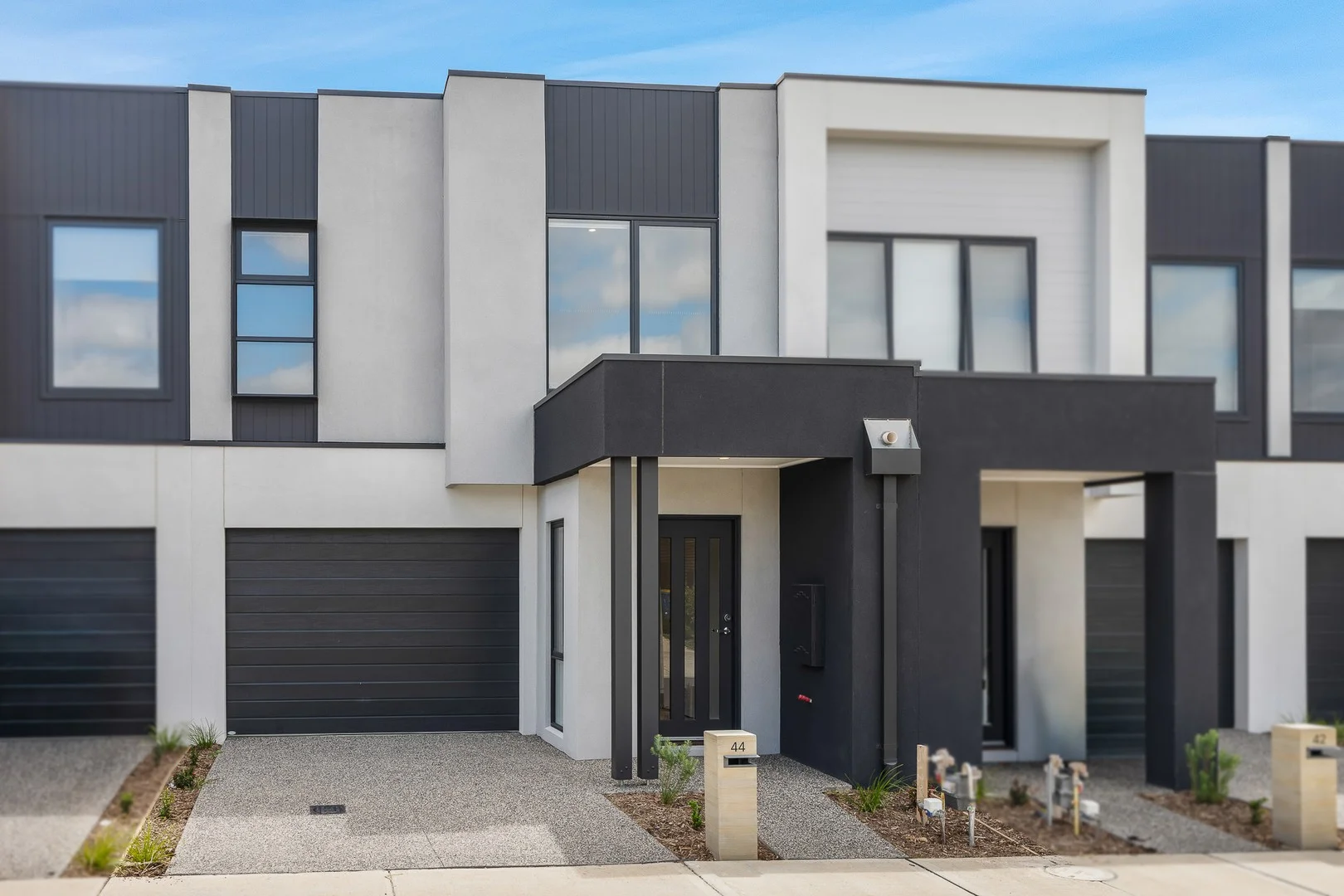 $595,000 - $645,000
House
$595,000 - $645,000
House
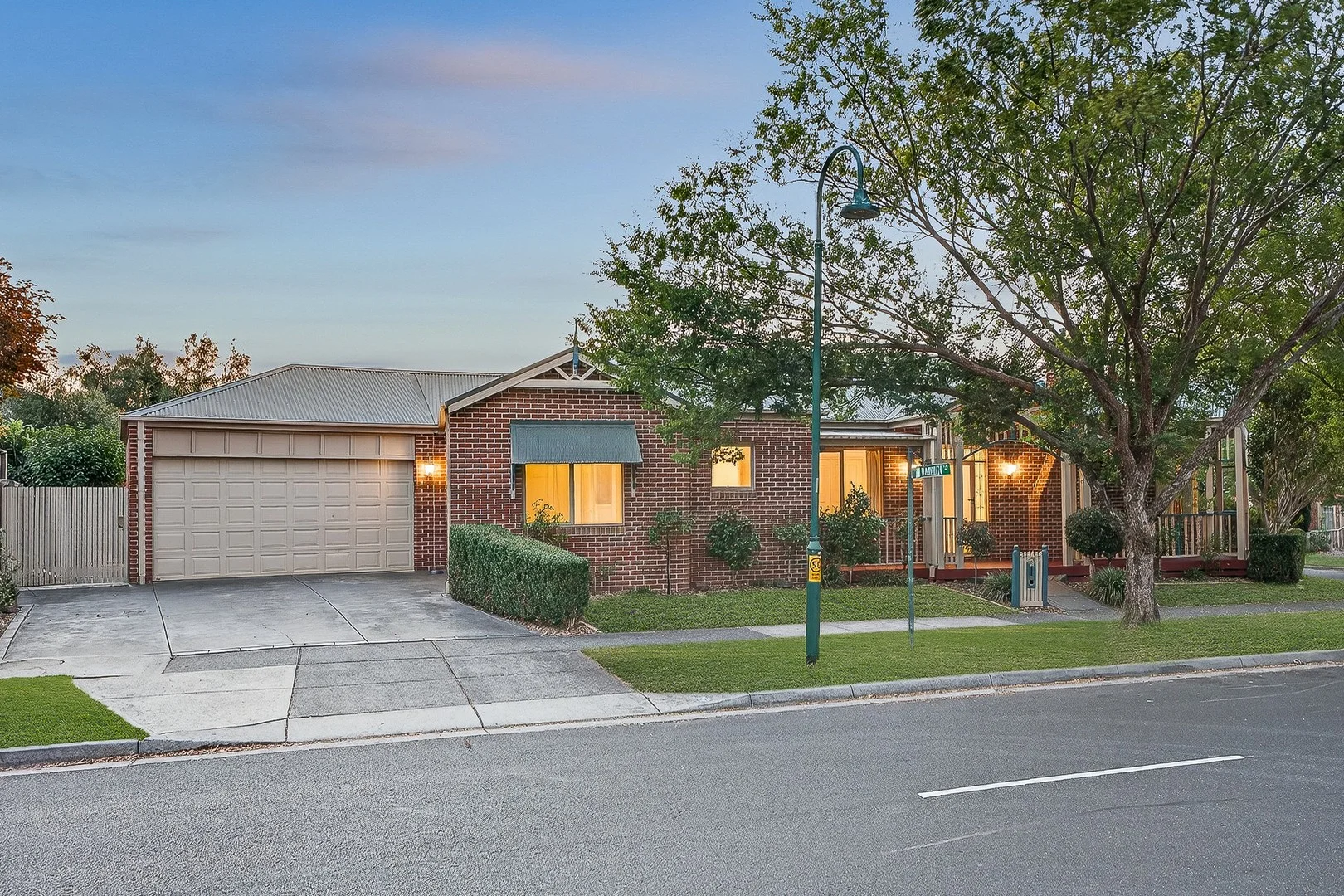 $700
House
$700
House
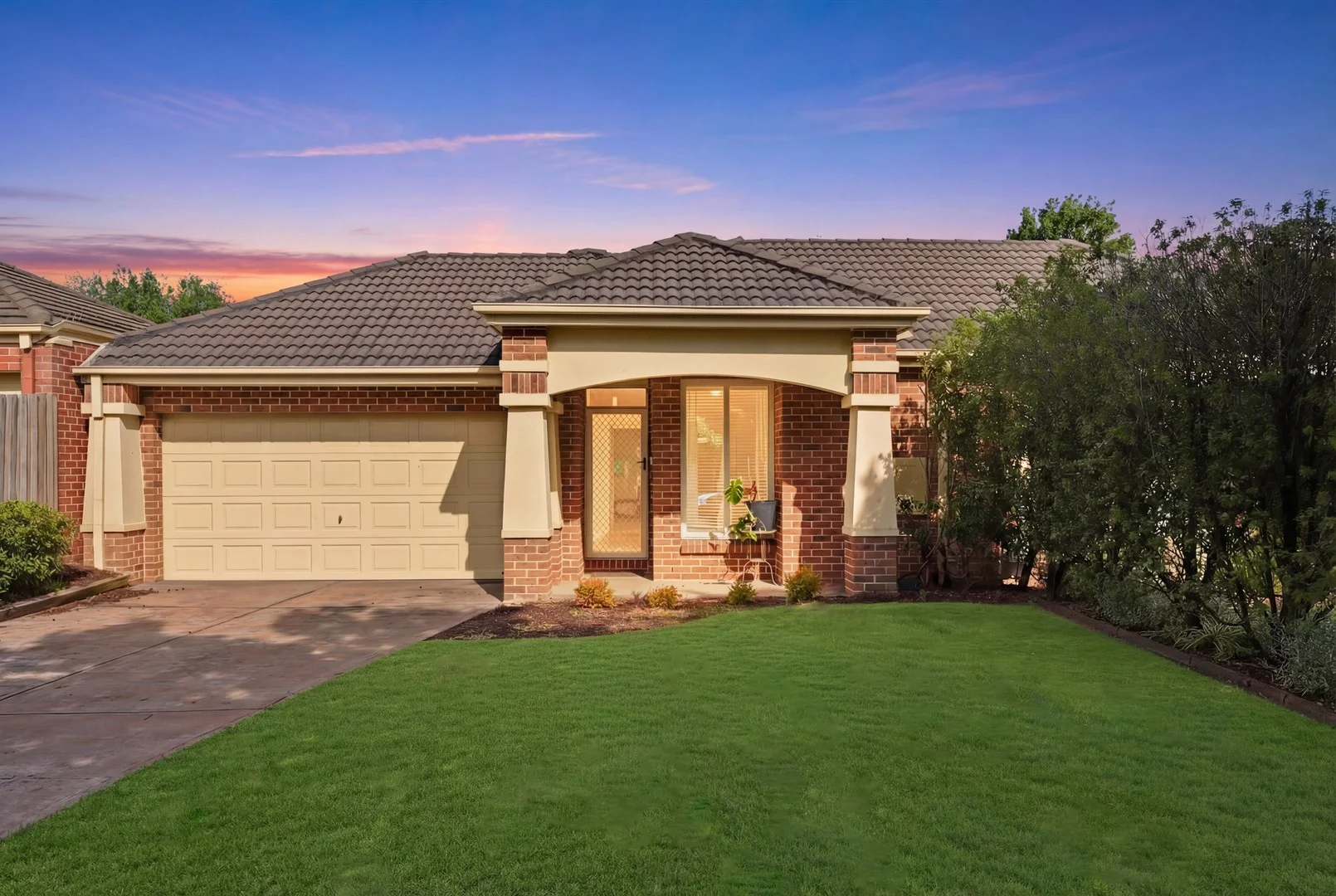 $795,000 - $835,000
House
$795,000 - $835,000
House
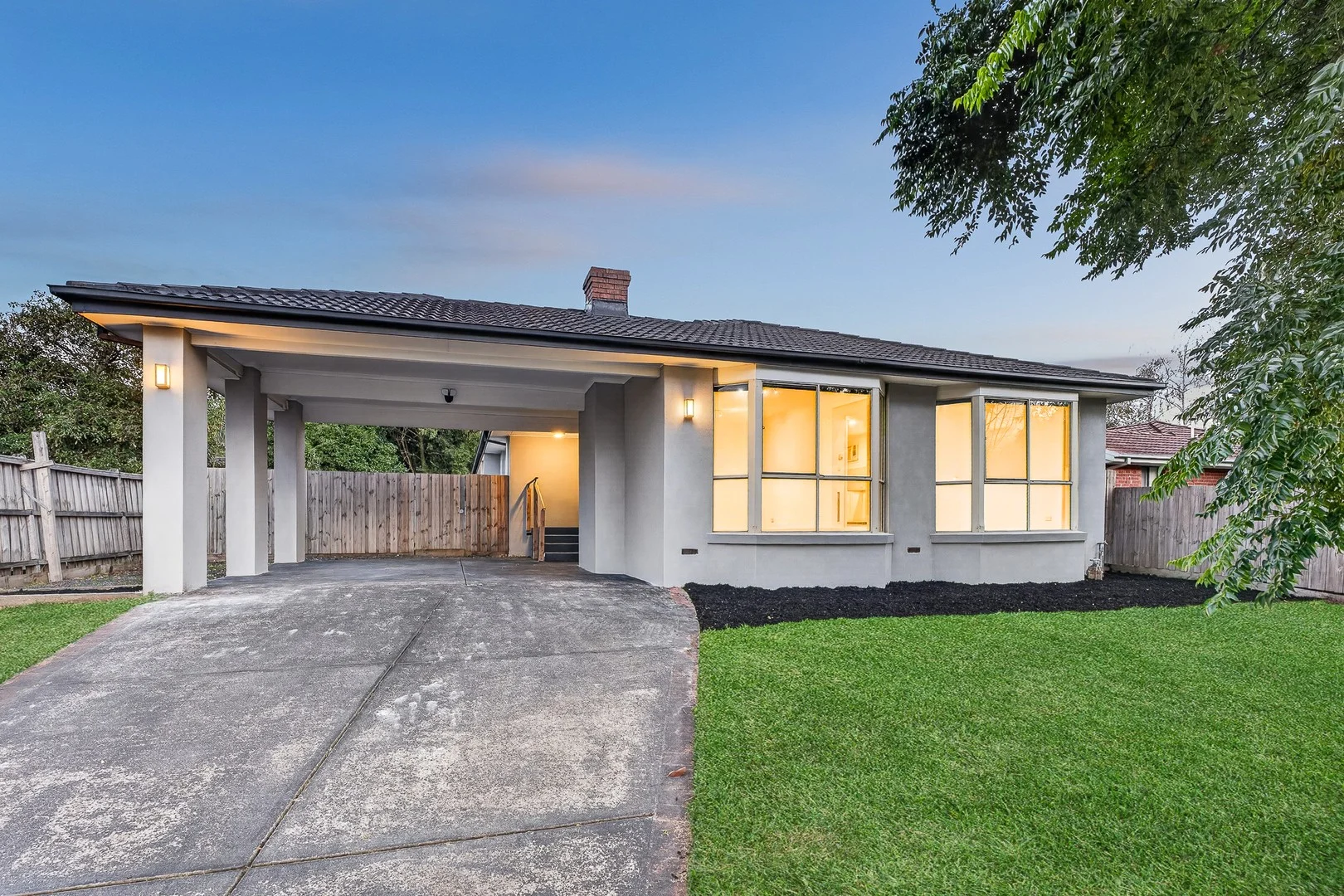 $800,000 - $880,000
House
$800,000 - $880,000
House
 $600
House
$600
House
 $610
House
$610
House