Overview
## 1. Overview
St Francis of Assisi Primary School, Mill Park is a Catholic, co-educational primary school serving families in Mill Park, VIC. As part of the Catholic Education Melbourne network, the school emphasises faith-based learning, character development and a supportive, inclusive community.
Size-wise the school is Medium, with class sizes typically around 20–25 students. The atmosphere tends to be nurturing and inclusive, balancing academic expectations with a strong sense of belonging and faith-informed values.
## 2. Academics & Learning
- Academic strengths: Strong literacy and numeracy foundations, with integrated religious education and a focus on values-based learning. Emphasis on critical thinking, collaboration and personal growth.
- Special programs: Religious education and faith formation are central, with opportunities for student leadership, peer mentoring and digital literacy activities. The school often supports broader learning initiatives such as music, arts and beginner coding or robotics activities.
- NAPLAN / trends: Publicly available trend data vary by year, but many families observe steady or improving performance in reading, writing and numeracy over time within the Catholic primary sector.
- Student-teacher ratios: Typically around 1:10–1:18 depending on year level, with class sizes generally in the 20s.
- Support for diverse learners: Inclusive practices with EAL (English as an Additional Language) support, SEN (special education needs) assistance, in-class differentiation and targeted learning support where needed.
## 3. Sports & Extracurricular Strengths
- Sports offered: A broad range typical of Victorian primary schools, including soccer (footy alternatives as appropriate to school culture), netball, cricket, basketball, athletics and swimming activities.
- Strong teams or achievements: School participates in local inter-school events and district competitions; success varies by year but there is a culture of positive participation and teamwork.
- Music, arts, drama programs: Regular music program, choir or singing activities, school performances and opportunities to participate in arts/events.
- Clubs: Robotics, chess, coding and debating are commonly offered alongside other student clubs and activities.
- Partnerships: Local clubs and community organizations often collaborate for inter-school competitions and enrichment opportunities.
## 4. Wellbeing & Pastoral Care
- Anti-bullying approach: Structured anti-bullying policy and practice, with proactive well-being frameworks and clear reporting pathways.
- House system: House-based activities and events help foster belonging, teamwork and healthy competition.
- Counsellors / wellbeing officers: Access to school wellbeing staff or counsellor support as part of the pastoral care framework.
- Transition support for new students: Buddy programs, orientation sessions, and transition activities to help new students settle in.
## 5. Facilities
- Sports grounds: On-site sports fields and courts suitable for a range of physical activities.
- Libraries: A library with age-appropriate collections to support reading and research.
- Science labs: Dedicated spaces for science experiments and hands-on learning.
- Music/performing arts centers: Performance spaces and music facilities for concerts and productions.
- Tech/innovation labs: Computer labs or maker spaces supporting digital learning and STEM projects.
- Cafeteria: On-site canteen or meal facilities offering healthy options.
- Updated playgrounds: Modern play areas and outdoor spaces for recreation and learning.
## 6. School Values & Community Culture
- School values / mission: A values-driven environment grounded in Catholic ideals such as faith, compassion, respect, service and integrity.
- Leadership style: Collaborative leadership with opportunities for student voice and involvement in school life.
- Behaviour expectations: Clear expectations around respect, responsibility and safety; consistent behaviour management across the school.
- Community reputation: Generally viewed as a welcoming, faith-based community with strong parish connections and family involvement.
- Diversity & inclusion: Commitment to inclusivity and support for families from diverse backgrounds.
## 7. School Logistics & Daily Operations
- School hours: Typical school day runs through the morning and afternoon with start and finish times aligned to Victoria’s primary school schedule.
- Before/after school care: Usually available through on-site or approved external providers; check current offerings.
- Uniform requirements: School uniform with seasonal options; requirements communicated by the school.
- Transport (train/bus routes): Access to public transport options and local bus routes; arrangements for drop-off/pick-up.
- Canteen availability: On-site canteen or lunch facilities offering healthy meal options.
- Fees (low/medium/high ranges): Fees fall in the mid-range for VIC Catholic primary schools; exact amounts and any levies vary by year and program.
## 8. Enrolment & Admissions
11. What is the enrolment process and timeline?
- Check eligibility and preferences, submit an enrolment application, provide required documents (birth certificate/immunisation records, etc.), attend any open days or information sessions, undergo any interviews or readiness discussions, receive an offer if available, complete enrolment paperwork, and participate in orientation and start-date activities.
12. Is there a waiting list, and how does it work?
- Many Catholic primary schools maintain a waiting list when vacancies are limited. Applications are typically processed in order of priority, with offers issued as places become available. Families on the waiting list are kept informed of any changes or opportunities.
13. Are there any entry requirements, tests, or interviews?
- Entry often involves an interview or discussion to understand family expectations, readiness and fit with the school’s ethos. Some Catholic schools may request basic information or documentation; formal entry tests are not always required.
14. Does the school accept mid-year transfers?
- Mid-year transfers can be possible subject to vacancies and the school’s enrolment processes. Prospective families should contact the school promptly to discuss availability and required documentation.
## 9. Frequently Asked Questions
- Why Parents Choose This School?
- A caring, faith-based community with strong pastoral support, a focus on values-based education, and broad extracurricular opportunities that help students grow socially, emotionally and academically.
- What type of student thrives at this school?
- Students who are motivated, respectful, curious and engaged in both academics and community life; families who value faith formation and inclusive education.
- What opportunities are available for students to extend their skills (academics, sports, arts)?
- Extension in literacy and mathematics through differentiation, leadership roles, participation in clubs (robotics, coding, debating), music and performing arts programs, and a range of sports.
- How does the school communicate with parents?
- Regular newsletters, school apps or portals, emails, and parent-teacher consultations; updates about events, performances and student progress.
- What is the school’s approach to teaching and learning?
- Student-centered, differentiated instruction that supports diverse learning needs, integrated with faith formation and a focus on well-being and character development; use of technology to enhance learning.
- How does the school support students who need extra academic help?
- In-class differentiation, targeted learning support, access to learning support staff or specialists, EAL assistance and appropriate referrals when needed.
- What support is available for academic challenges?
- Early identification through assessments, targeted interventions, small-group tutoring and collaboration with families to plan next steps.
- How does the school communicate with parents? (Repeated)
- See above: newsletters, portals, emails and face-to-face meetings.
- What are the class sizes and how much individual attention do students receive?
- Classes typically around 20–25 students; teachers provide in-class differentiation and small-group support to ensure individual attention.
- What extracurricular and sports opportunities are available?
- A range of sports (e.g., football/soccer, netball, cricket, basketball, athletics), plus clubs in robotics, chess, coding and debating, as well as music and drama programs.
- What facilities does the school offer (sports, science, arts)?
- Sports grounds, library, science labs, music/performing arts spaces, tech/innovation labs, cafeteria and updated playgrounds.
- What is the school’s approach to technology and digital learning?
- Integration of ICT across the curriculum, digital literacy and citizenship programs, and access to devices and learning platforms.
- What transport and accessibility options are available?
- Proximity to public transport, bus routes and parking; accessible facilities to accommodate diverse needs.
- What are the typical school fees or additional costs?
- Fees are in the mid-range for VIC Catholic primary schools; additional costs may include excursions, camps, materials and uniform items.
## 10. Short Pros & Cons
- Pros
- Catholic ethos with a community-focused, faith-informed environment
- Nurturing atmosphere and inclusive culture
- Strong emphasis on literacy and numeracy alongside well-being and values education
- Broad range of extracurriculars (sport, arts, clubs)
- Supportive staff and opportunities for student leadership
- Cons
- Class sizes and resources can vary by year level; some families may find demand for places high
- Uniform and additional costs (camps, excursions) are part of the overall investment
- Availability of certain programs or clubs may depend on year cohort and staffing
- Mid-year transfers subject to vacancies and enrolment timing
If you’d like, I can tailor this content more precisely once you share any specific information or preferences from the school (e.g., exact class size ranges, confirmed programs, or current enrolment policies).














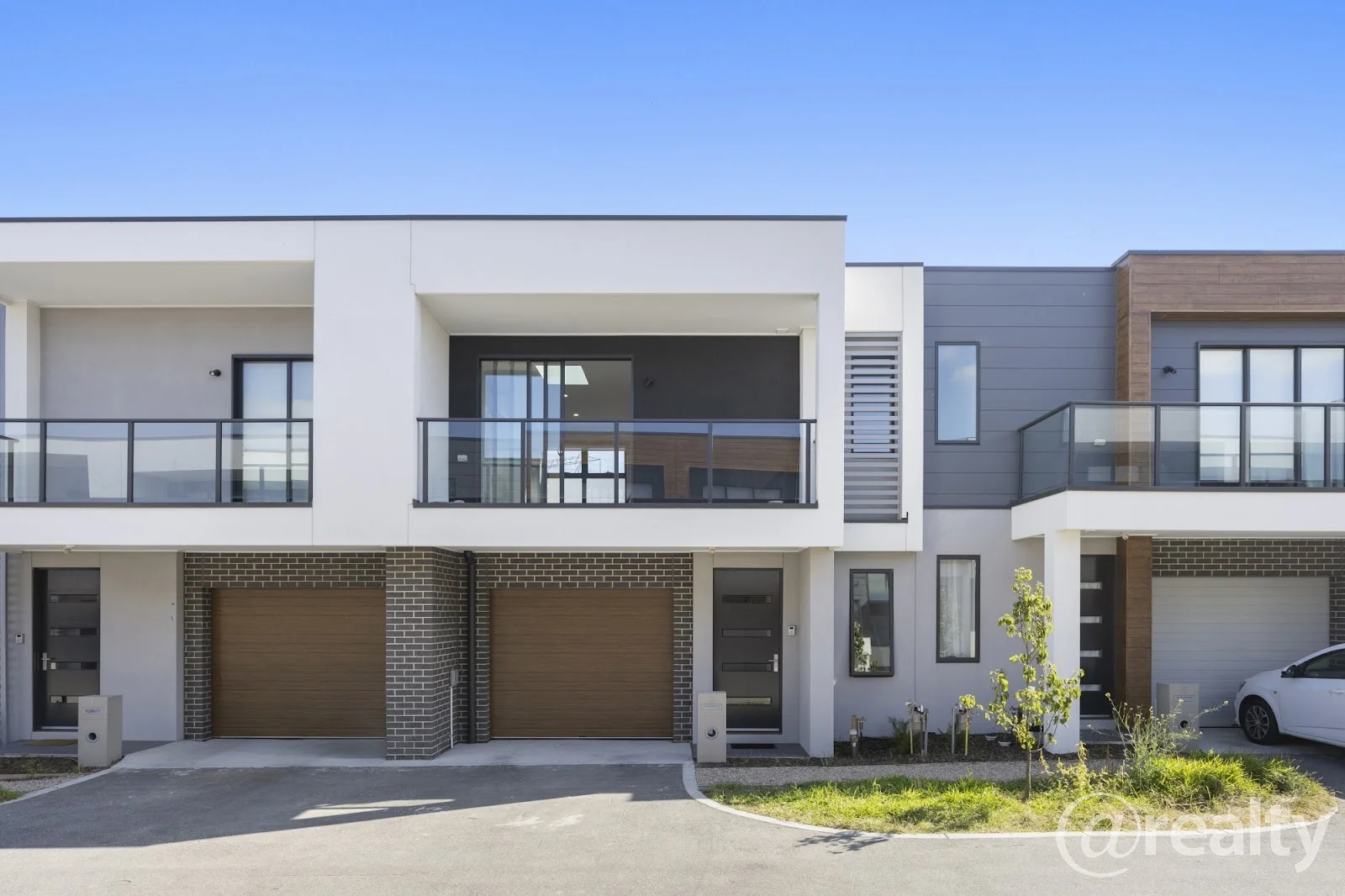 $510
Townhouse
$510
Townhouse
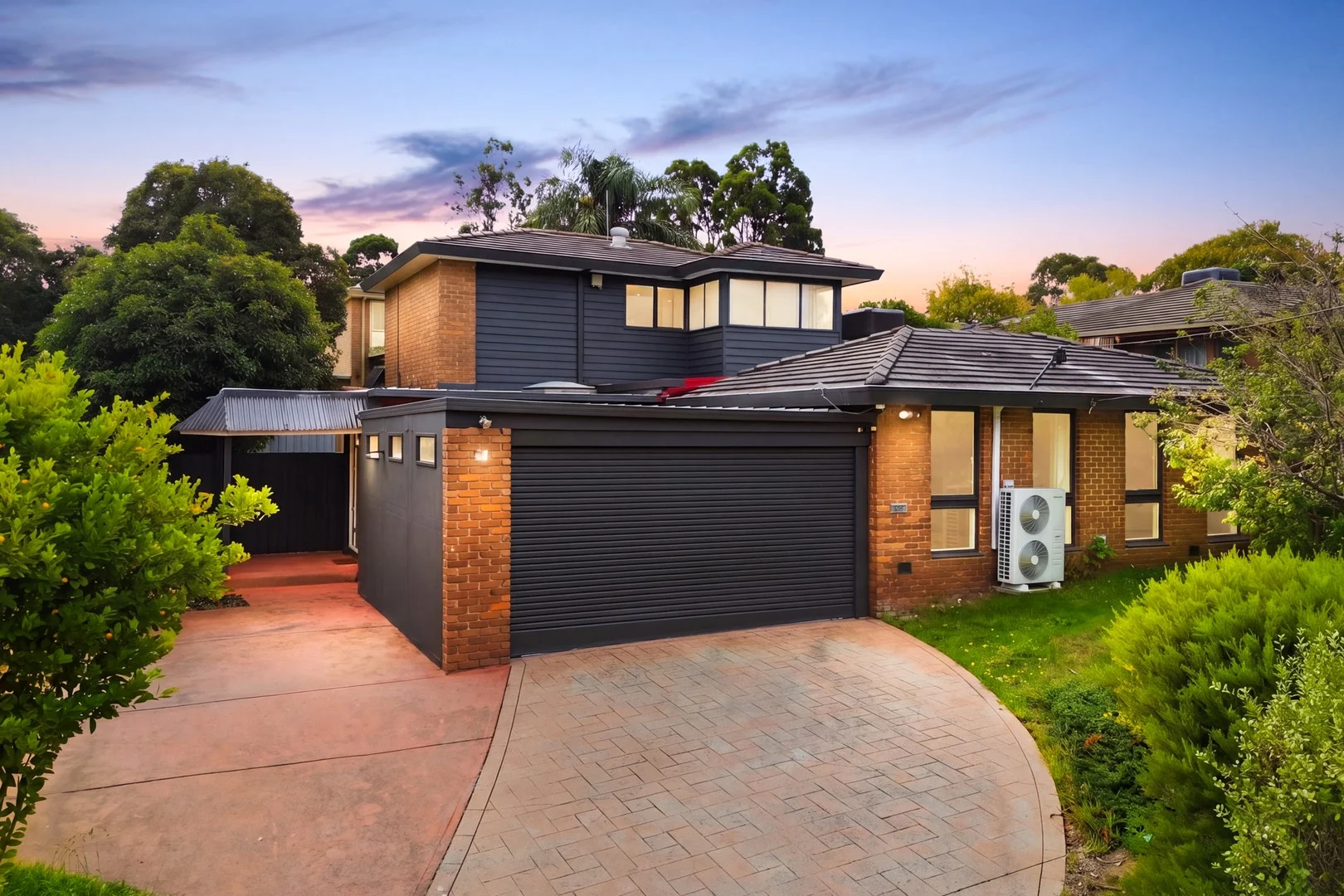 $1,220,000 - $1,320,000
House
$1,220,000 - $1,320,000
House
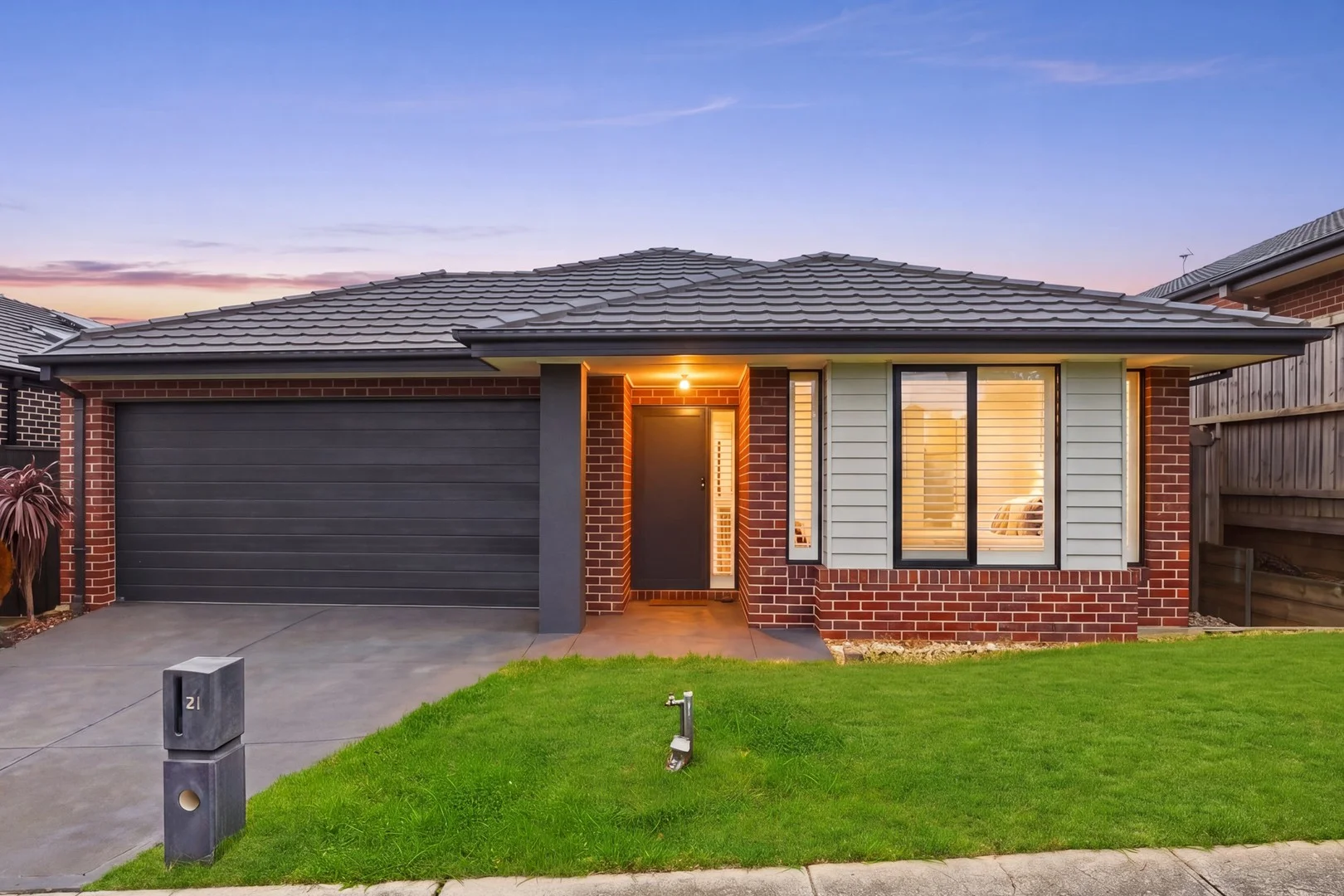 $800,000 - $850,000
House
$800,000 - $850,000
House
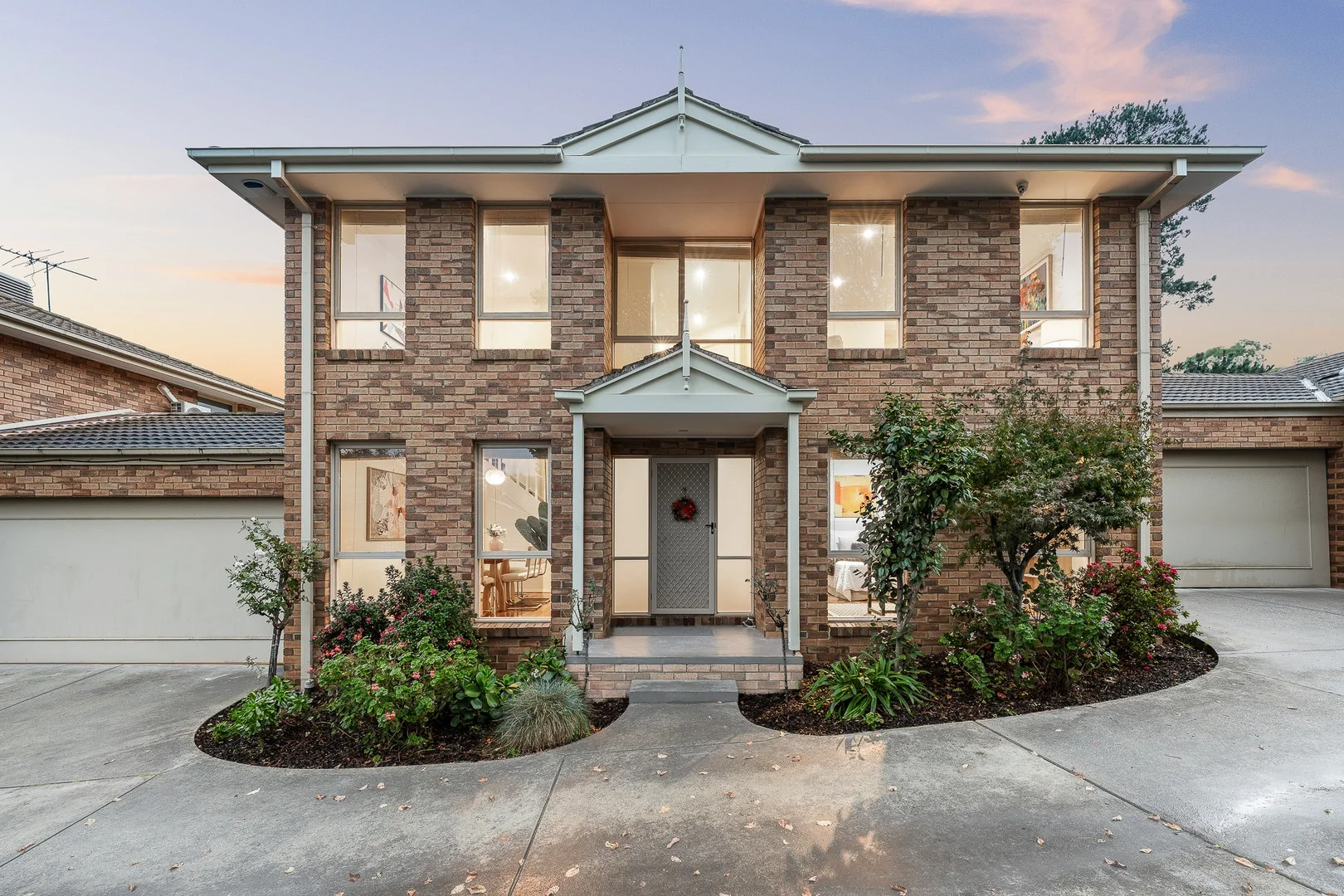 $950,000 - $1,045,000
Apartment / Unit / Flat
$950,000 - $1,045,000
Apartment / Unit / Flat
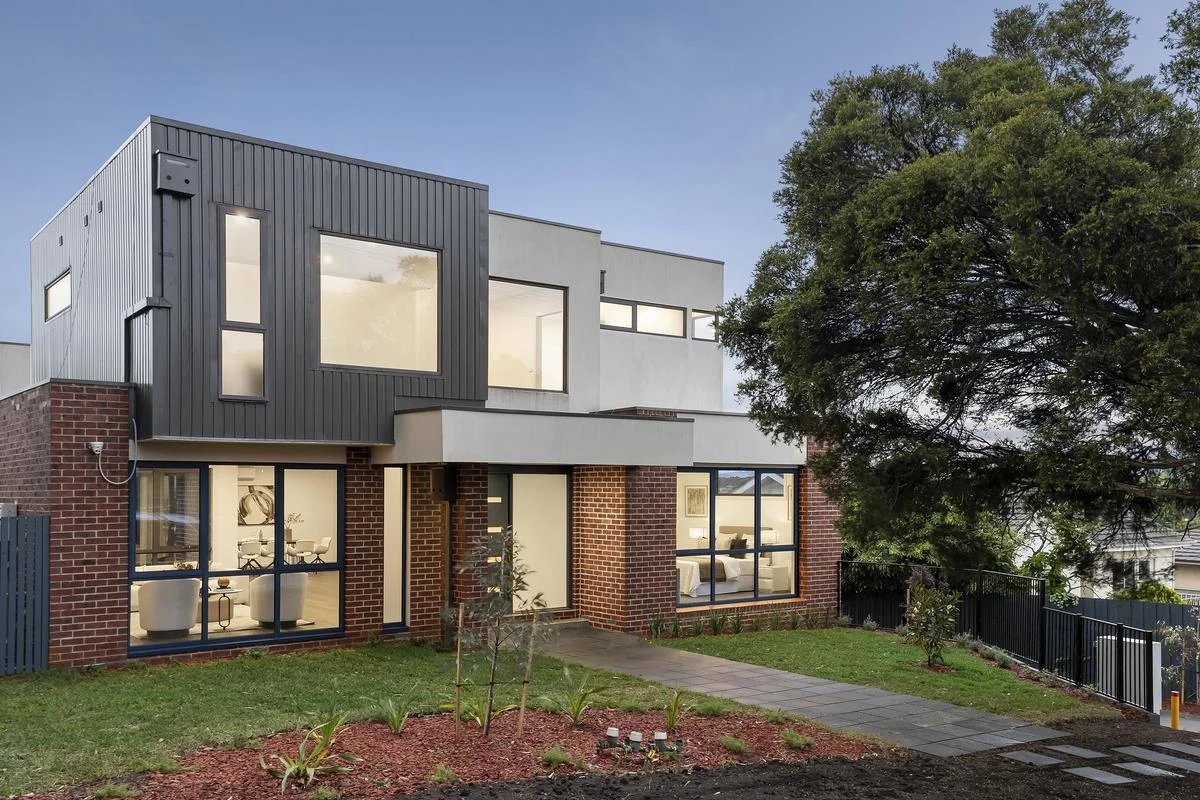 $1,550,000 - $1,650,000
Townhouse
$1,550,000 - $1,650,000
Townhouse
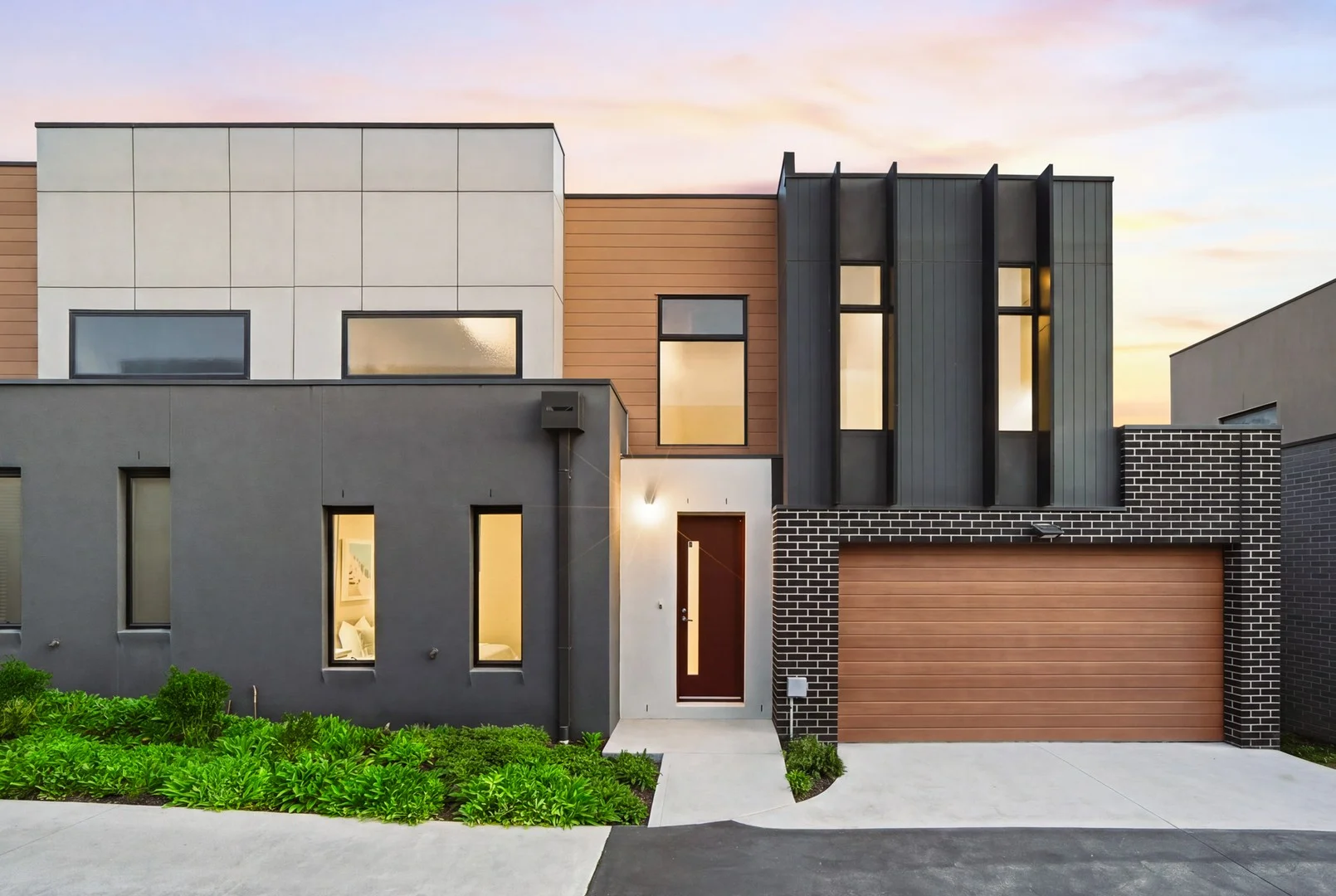 $900,000 - $990,000
Townhouse
$900,000 - $990,000
Townhouse
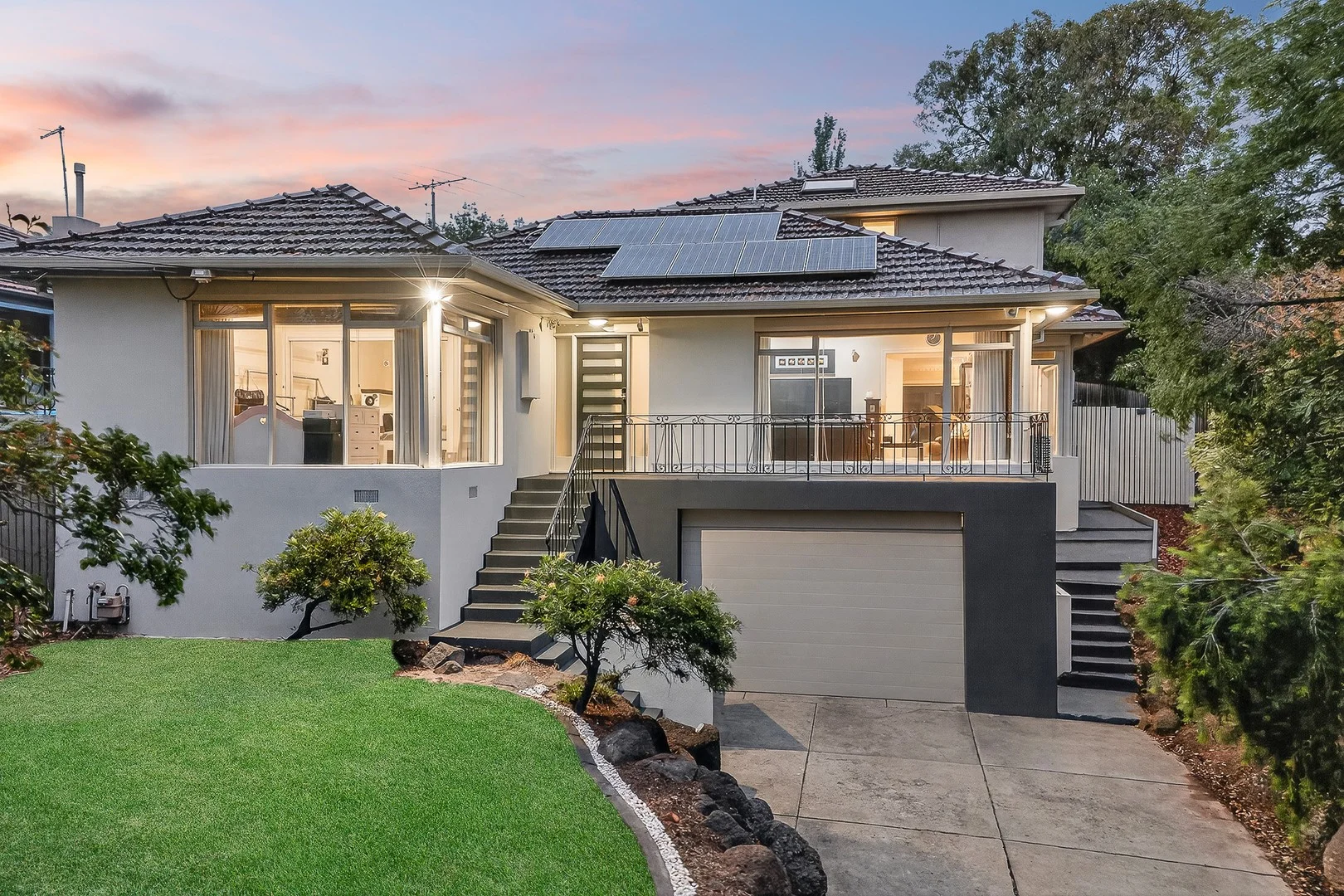 $1,350,000 - $1,450,000
House
$1,350,000 - $1,450,000
House
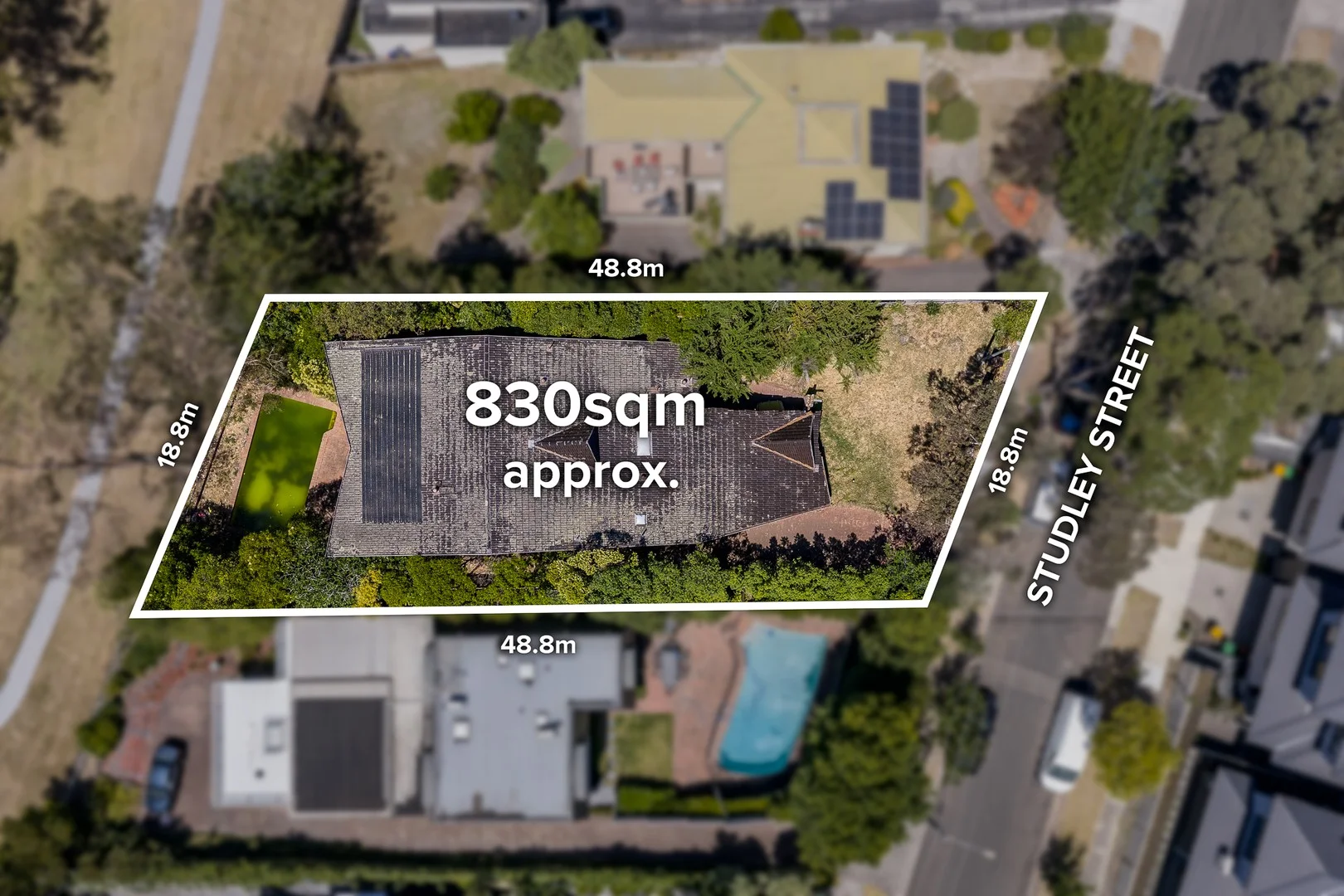 $1,400,000 - $1,500,000
House
$1,400,000 - $1,500,000
House
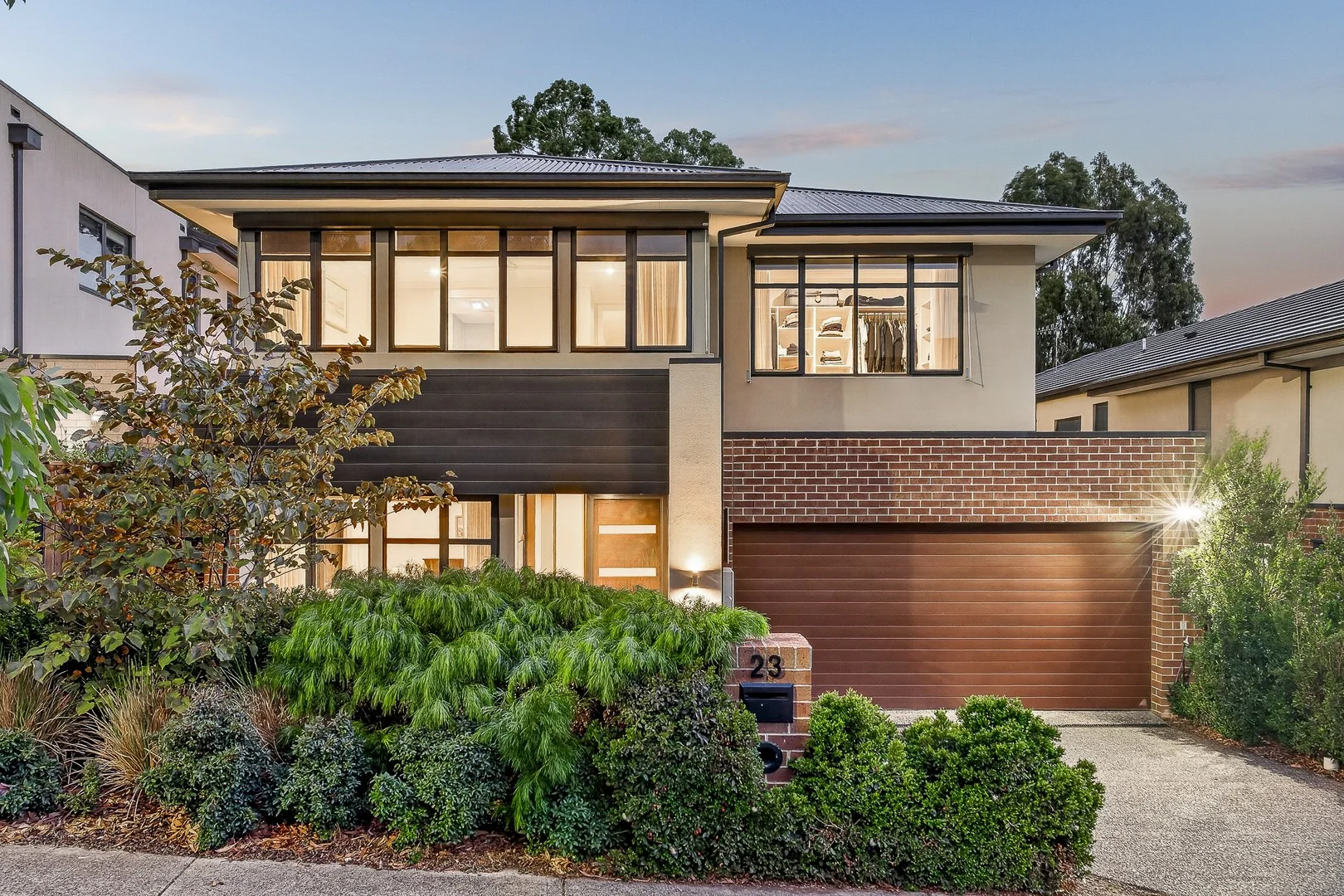 $1,780,000 - $1,880,000
House
$1,780,000 - $1,880,000
House