Overview
## Overview
St Francis of Assisi Regional Catholic Primary School Paddington is a Catholic, co-educational system school serving inner Sydney with a values-based approach. The school blends a nurturing, inclusive culture with a strong academic focus, supporting students to grow socially, emotionally, and academically in a faith-centered environment.
A medium-sized school, class sizes are typically around 20–25 students, with extra support available where needed. The atmosphere is characterized by warmth, a sense of community, and a shared commitment to learning, service, and resilience.
---
## Academics & Learning
- Academic strengths: Strong emphasis on literacy and numeracy, with opportunities for critical thinking, inquiry, and digital literacy integrated across the curriculum.
- Special programs: Central Religious Education program and sacramental preparation; differentiation and extension options for students who need them; learning support initiatives for diverse learners.
- NAPLAN trends: Historical trends show stable performance with results near or above NSW averages, with ongoing focus on improving literacy, numeracy, and writing.
- Student-teacher ratios: Class sizes around 20–25 students, with teacher aides and targeted support in key year levels to maintain strong student-teacher engagement.
- Support for diverse learners: EAL and SEN support through a Learning Support Team, targeted interventions, and inclusive education practices to help all students access the curriculum.
---
## Sports & Extracurricular Strengths
- Sports offered: Soccer, netball, basketball, rugby league, cricket, swimming, athletics, and other NSW primary activities.
- Strong teams or achievements: Participation in local inter-school competitions and district-level events, with opportunities for leadership and team development.
- Music, arts, drama programs: School choirs, instrumental lessons, school productions, and visual arts programs are part of the cultural life.
- Clubs: Robotics, coding, chess, debating, and other interest clubs available to extend skills beyond the core curriculum.
- Partnerships: Connections with local sporting clubs and community groups for coaching, clinics, and competitions to broaden experience.
---
## Wellbeing & Pastoral Care
- Anti-bullying approach: Clear anti-bullying policies with a continuum of care, proactive supervision, and student empowerment to promote respectful behavior.
- House system: House groups foster belonging, teamwork, and healthy competition in pastoral activities and events.
- Counsellors / wellbeing officers: Access to wellbeing staff and school counsellors to support social-emotional learning and student resilience.
- Transition support for new students: Welcome programs, buddy systems, and transition activities to help students settle and thrive from day one.
---
## Facilities
- Sports grounds: Multipurpose spaces and outdoor play areas suitable for physical education and recreation.
- Libraries: A well-stocked library supporting reading and research across year levels.
- Science labs: Dedicated spaces for hands-on science learning.
- Music/performing arts centers: Music rooms and spaces for drama and performance.
- Tech/innovation labs: Computer or ICT spaces supporting digital learning and project work.
- Cafeteria: On-site canteen with healthy options and meal/snack services.
- Updated playgrounds: Modern play areas with shade and safe equipment.
- Additional: A chapel or prayer space integrated into daily school life.
---
## School Values & Community Culture
- School values / mission: Faith-based education grounded in Catholic values such as respect, compassion, service, and integrity.
- Leadership style: Collaborative leadership with opportunities for student voice through councils or representative roles; strong parent involvement welcomed.
- Behaviour expectations: Clear expectations and positive behaviour for learning guidelines to support a respectful learning environment.
- Community reputation: Known for a welcoming, supportive Catholic community with active family engagement.
- Diversity & inclusion: Emphasis on inclusivity, respect for diverse backgrounds, and ensuring all students feel valued.
---
## School Logistics & Daily Operations
- School hours: Typically a morning to afternoon schedule aligned with NSW primary hours (start and finish times may vary by year level).
- Before/after school care: Availability of after-school care programs or arrangements with external providers, depending on term/session.
- Uniform requirements: Formal uniform policy with details provided by the school, including requirements for daily wear and hats for outdoor use.
- Transport (train/bus routes): Accessible by local bus routes with convenient drop-off/pick-up options; walking and bike routes supported where feasible.
- Canteen availability: Canteen or lunch-order options available on site.
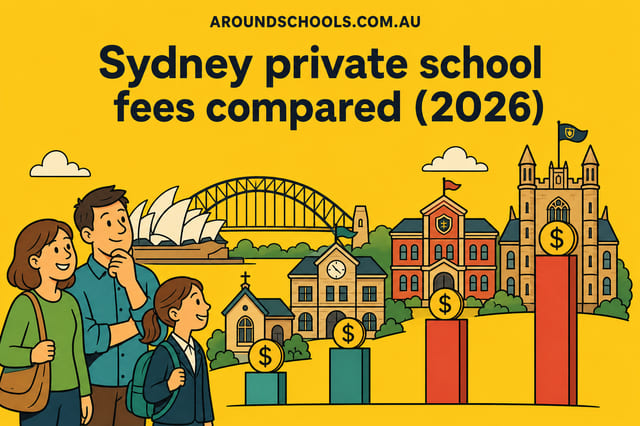
- Fees (low/medium/high ranges): Fees are consistent with mid-range Catholic primary schools in NSW, with standard charges for tuition, uniforms, and excursions.
---
## Enrolment & Admissions
11. What is the enrolment process and timeline?
- Submit an expression of interest or application via the school's admissions process.
- Attend information sessions or open days to learn about the school and meet staff.
- Complete and return required documents (birth certificate, immunisation records, proof of address, parish details, etc.).
- Participate in a family interview and, where appropriate, a child interview or orientation activities.
- Offers are issued according to the school's timeline (may include consideration of siblings, parish affiliation, and place availability).
12. Is there a waiting list, and how does it work?
- Yes, there is typically a waiting list when year-level demand exceeds places.
- Priority is usually given to siblings, parish families, and residents within the designated catchment, followed by a lottery or waitlist ordering for remaining applicants.
13. Are there any entry requirements, tests, or interviews?
- There is no standard entrance exam. Most entry requirements include a family interview and child interview to understand fit with the school’s values and environment.
- Documentation such as birth certificates, immunisation records, and proof of address may be required.
14. Does the school accept mid-year transfers?
- Mid-year transfers are considered subject to space availability and meeting enrolment criteria.
- Parents should contact the school early to discuss options and required documentation, and to arrange a smooth transition plan if possible.
---
## Frequently Asked Questions
- Why Parents Choose This School?
- Families value the strong faith-based, values-driven education, a supportive community, solid academic foundations, and opportunities for leadership, service, and personal growth.
- What type of student thrives at this school?
- Students who are engaged, respectful, curious, and motivated to learn within a caring, faith-centered environment tend to thrive.
- What opportunities are available for students to extend their skills (academics, sports, arts)?
- Extension and enrichment opportunities in literacy, numeracy, and creative projects; participation in sports, music, drama, and clubs such as robotics, coding, chess, and debating.
- How does the school communicate with parents?
- Regular newsletters, parent portals, email updates, parent-teacher meetings, and information evenings. Some year levels may use class-specific communication channels for timely updates.
- What is the school’s approach to teaching and learning?
- A balanced, inclusive curriculum that integrates Religious Education with core subjects, emphasizes literacy and numeracy, differentiates instruction, and uses inquiry-based learning and digital literacy techniques.
- How does the school support students who need extra academic help?
- Targeted interventions through a Learning Support Team, small-group tutoring, and EAL/SEN support as needed to ensure access to learning for all students.
- What support is available for academic challenges?
- Early identification, personalised support plans, and collaboration with families to set goals and monitor progress.
- How does the school communicate with parents? (Repeated)
- See above: newsletters, portals, emails, meetings, and online updates.
- What are the class sizes and how much individual attention do students receive?
- Class sizes are typically around 20–25 students, with teachers providing differentiated instruction and targeted support to ensure individual attention where needed.
- What extracurricular and sports opportunities are available?
- A range of sports (soccer, netball, basketball, rugby league, cricket, swimming), plus clubs in robotics, coding, chess, debating, and arts programs.
- What facilities does the school offer (sports, science, arts)?
- Comprehensive facilities including sports grounds, library, science labs, music/performing arts spaces, tech/innovation labs, a canteen, and updated playgrounds, plus a chapel for liturgical activities.
- What is the school’s approach to technology and digital learning?
- Integrated ICT in learning, with digital literacy, appropriate device use in classrooms, and emphasis on responsible digital citizenship.
- What transport and accessibility options are available?
- Local bus routes and nearby stops; accessible entry and family-friendly drop-off/pick-up options; safe walking/cycling routes where feasible.
- What are typical school fees or additional costs?
- Fees are in the mid-range for NSW Catholic primary schools, with standard costs for tuition, uniforms, excursions, and some optional activities.
---
## Short Pros & Cons list
Pros
- Values-based Catholic education with strong community spirit
- Supportive pastoral care and wellbeing framework
- Solid focus on literacy and numeracy within a holistic program
- Inclusive environment with programs for diverse learners
- Range of sports, arts, and extracurricular opportunities
- Moderate-class sizes enabling individual attention
- Accessible facilities (library, science labs, performing arts spaces, tech labs)
Cons
- Inner-city location can mean higher demand and possible waitlists
- Uniform and excursion costs can add to overall expenses
- Transport options rely on local buses; off-site parking can be limited during busy times
- Availability of certain specialist facilities may vary by year level or subject area









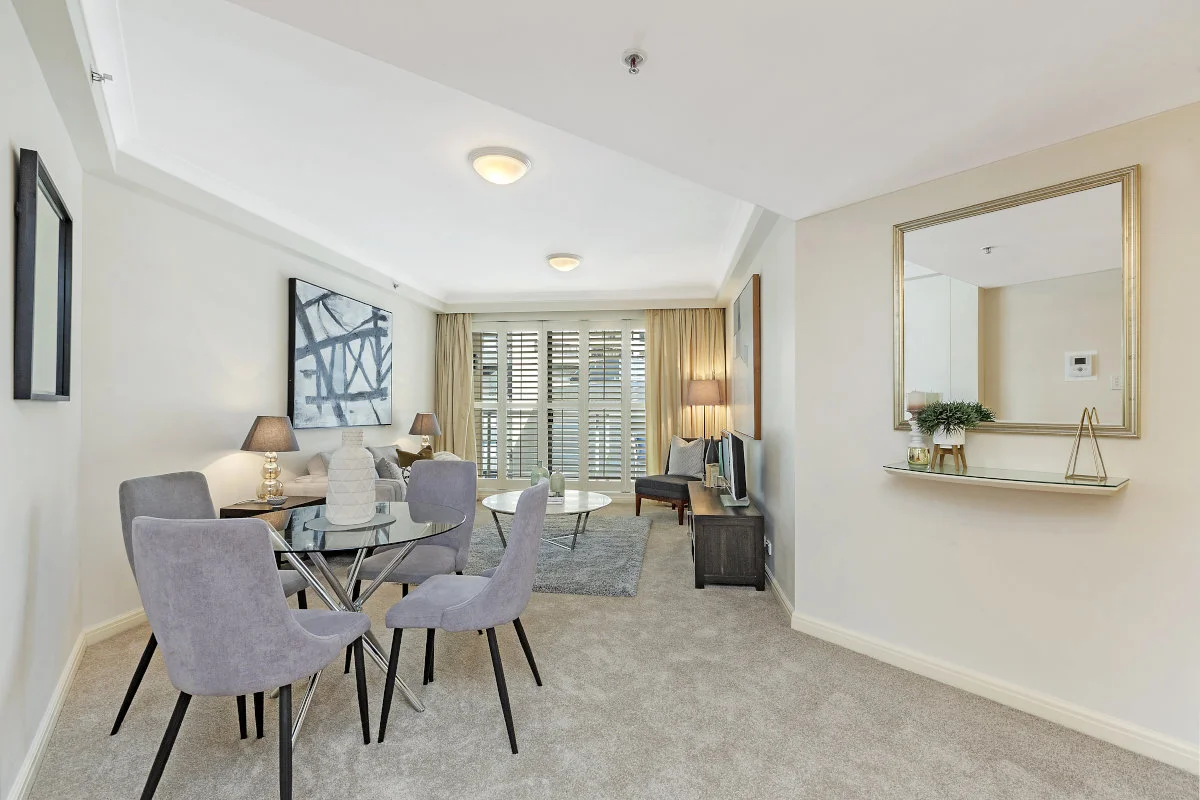 $660,000 - $725,000
Apartment / Unit / Flat
$660,000 - $725,000
Apartment / Unit / Flat
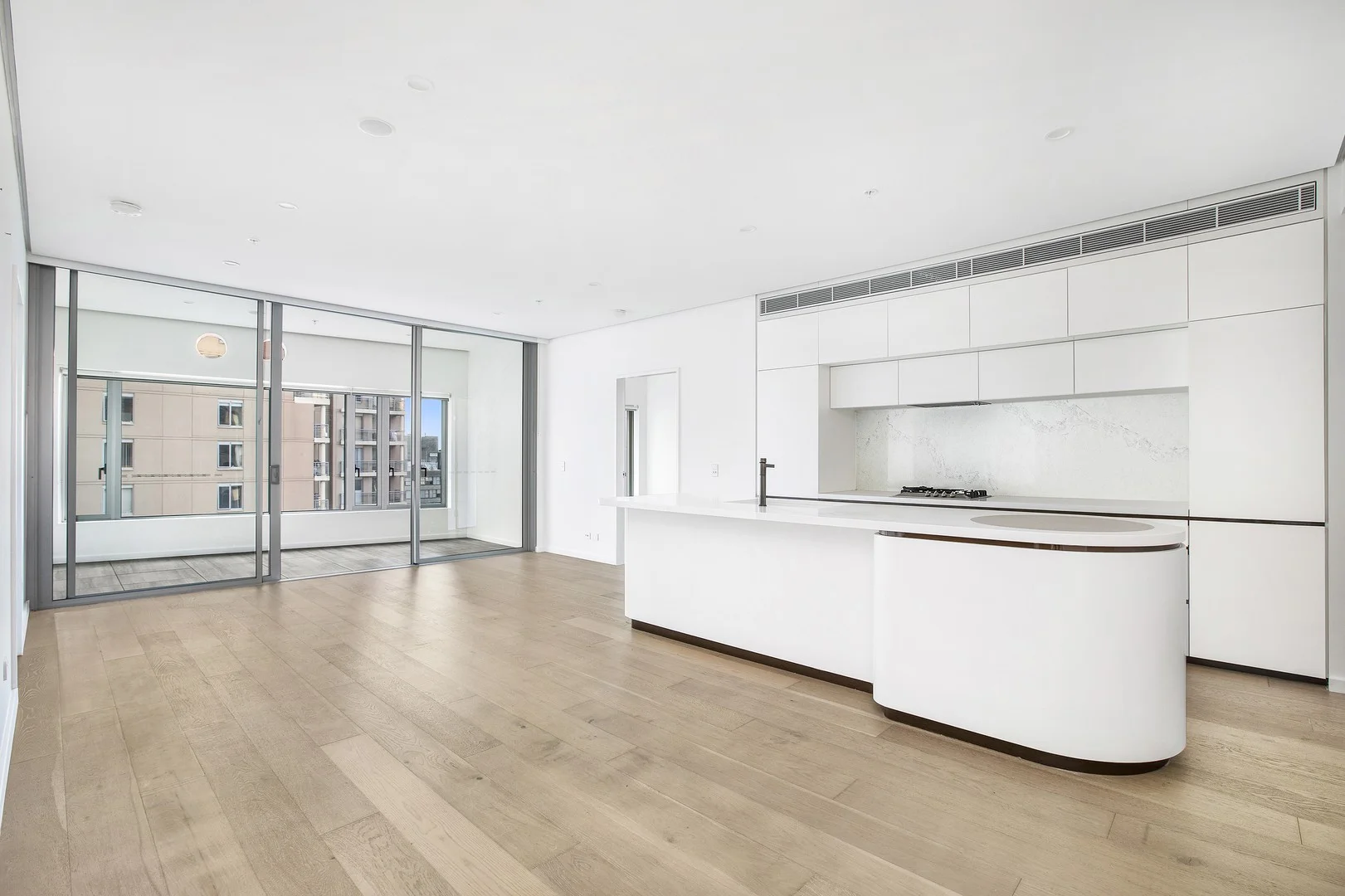 $2,250,000
Apartment / Unit / Flat
$2,250,000
Apartment / Unit / Flat
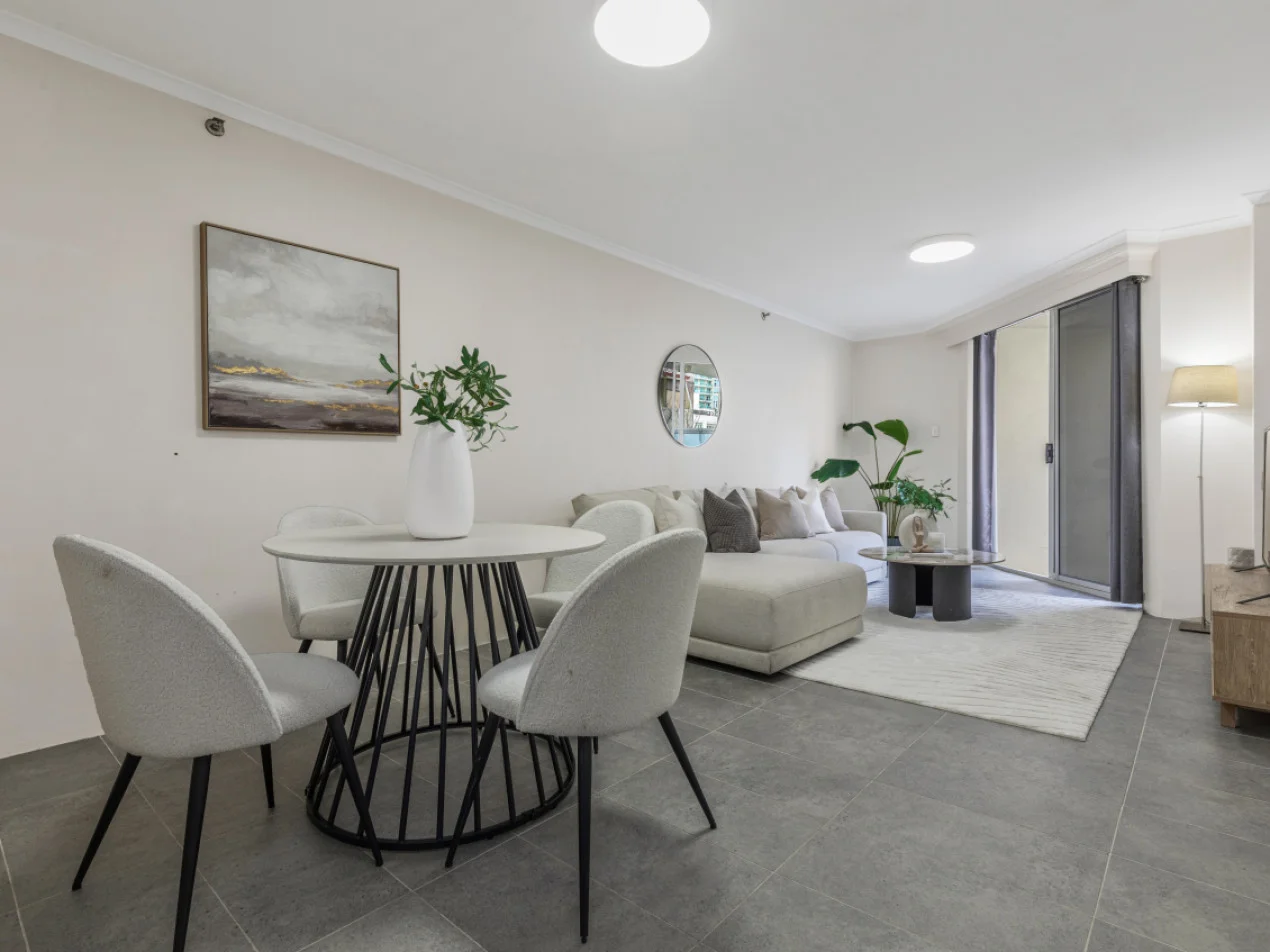 $640,000 - $675,000
Apartment / Unit / Flat
$640,000 - $675,000
Apartment / Unit / Flat
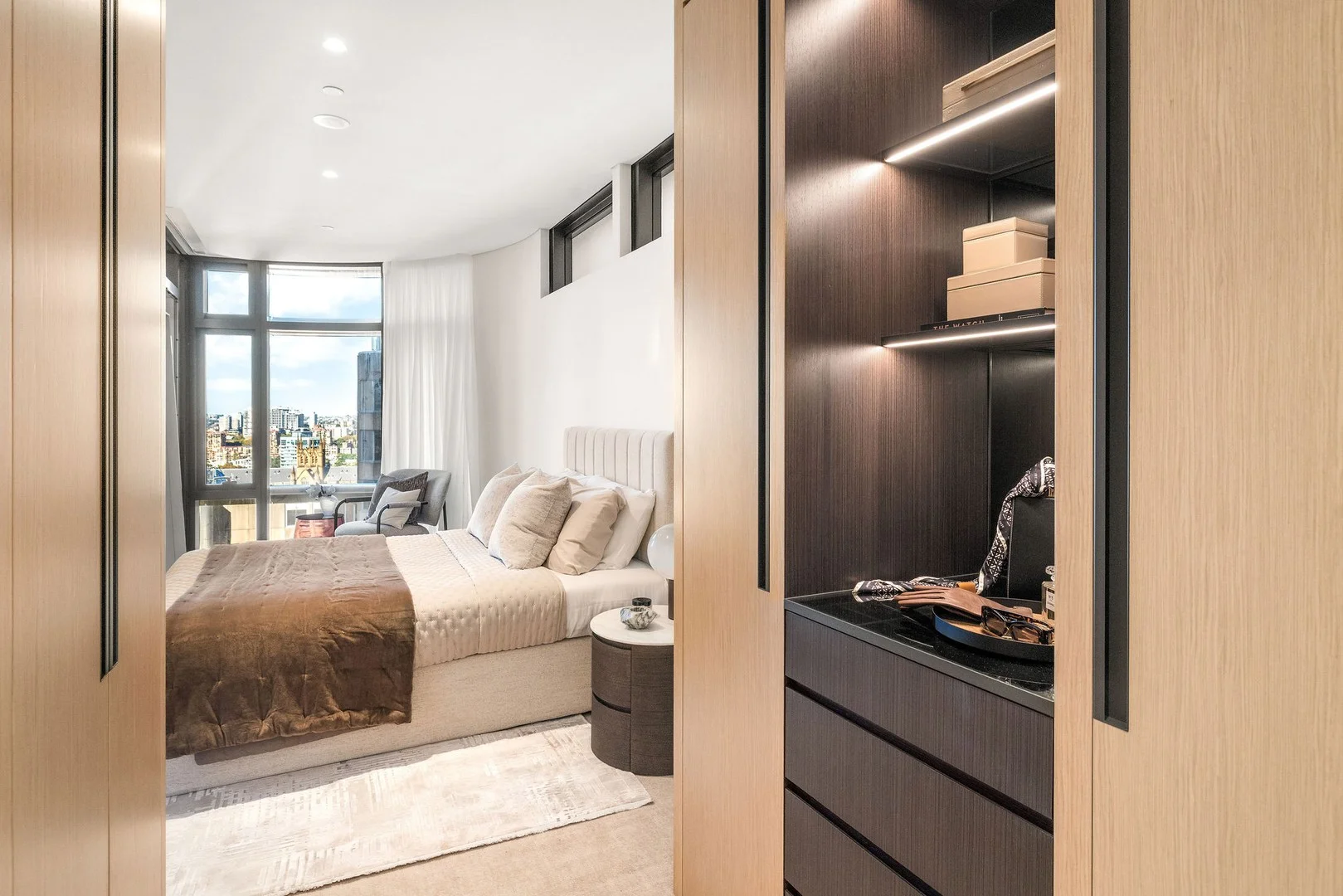 $2,745,000
propertyType.NEW APARTMENTS / OFF THE PLAN
$2,745,000
propertyType.NEW APARTMENTS / OFF THE PLAN
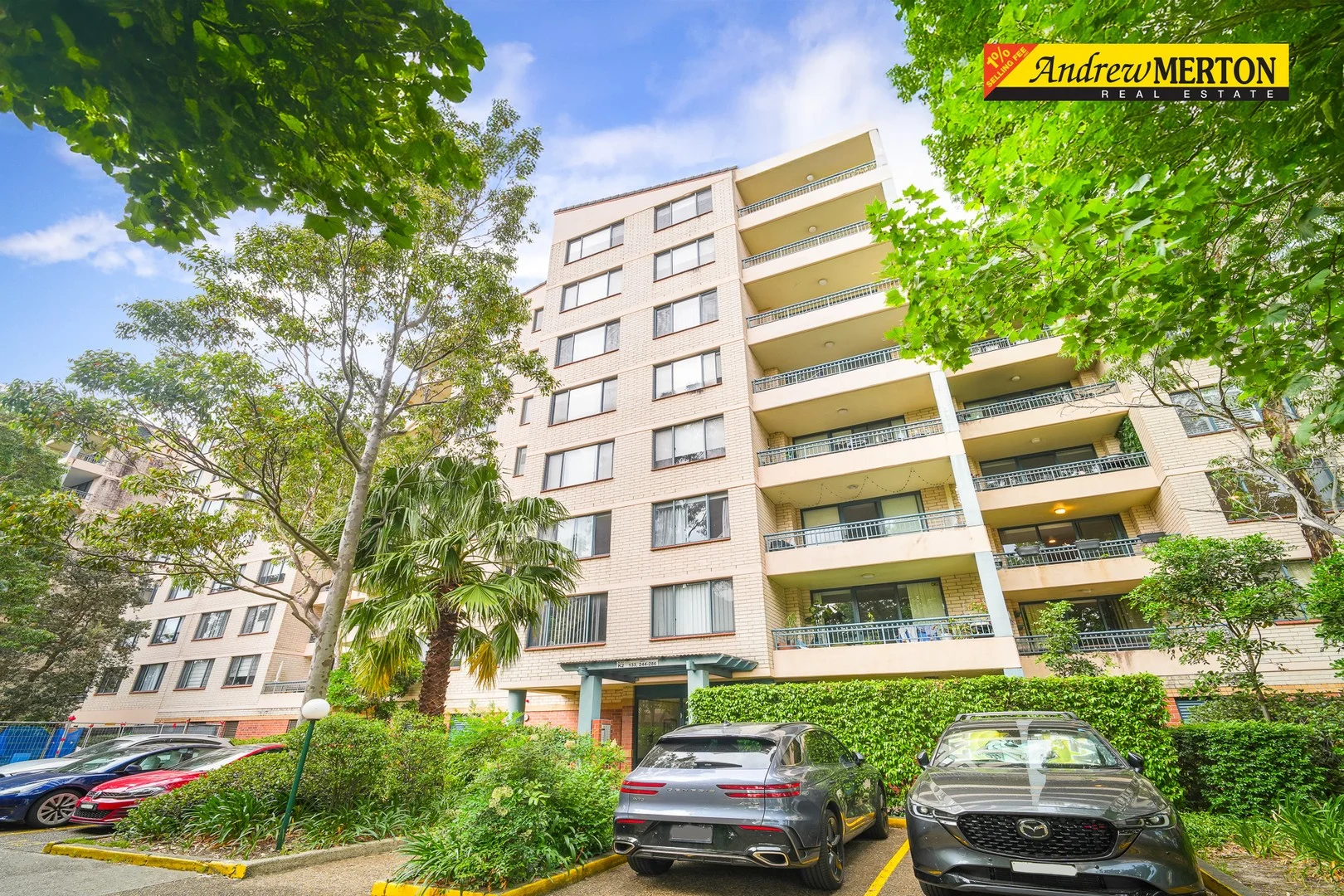 $933,000
Apartment / Unit / Flat
$933,000
Apartment / Unit / Flat
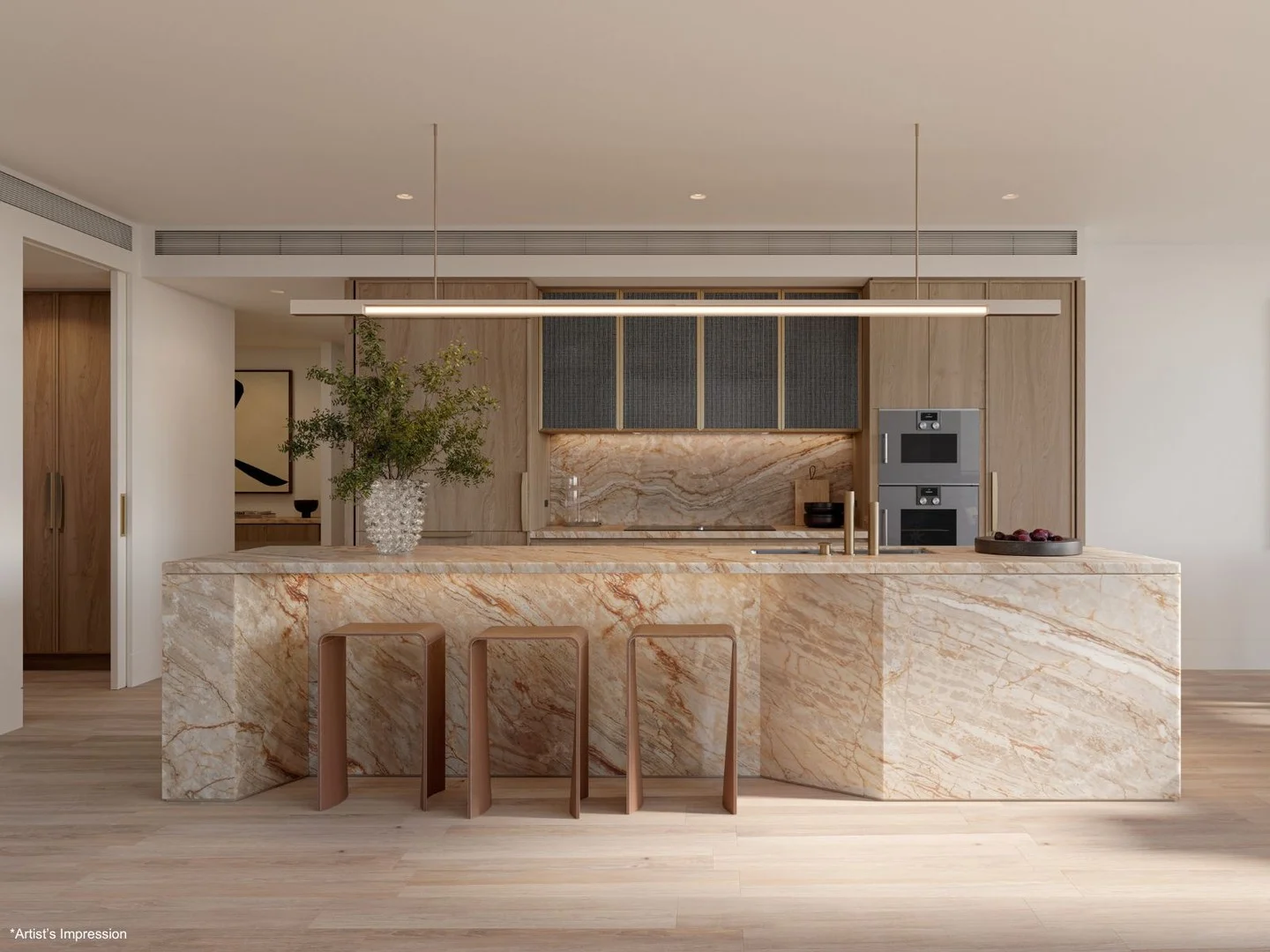 $6,225,000
propertyType.NEW APARTMENTS / OFF THE PLAN
$6,225,000
propertyType.NEW APARTMENTS / OFF THE PLAN
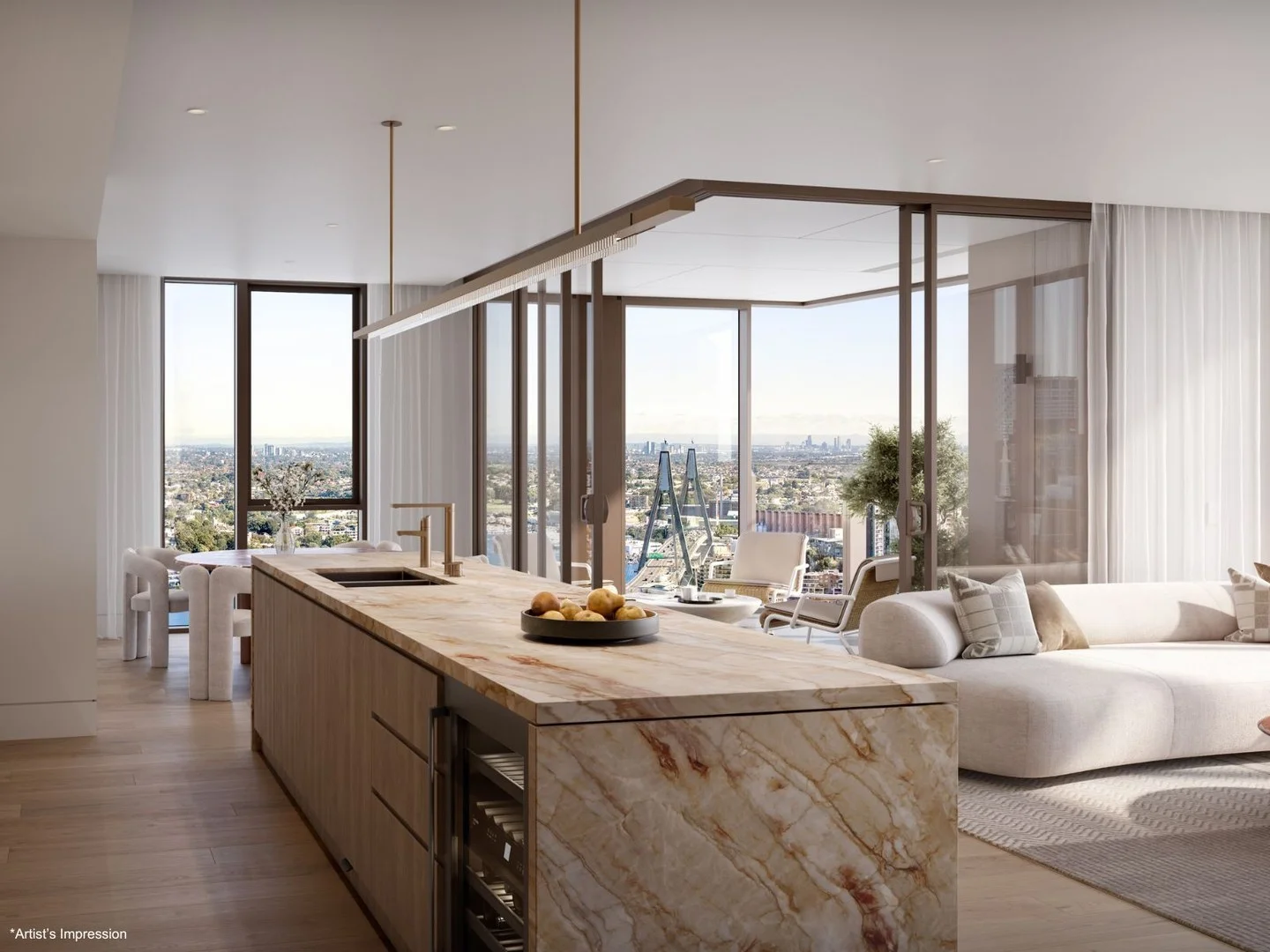 $9,020,000
propertyType.NEW APARTMENTS / OFF THE PLAN
$9,020,000
propertyType.NEW APARTMENTS / OFF THE PLAN
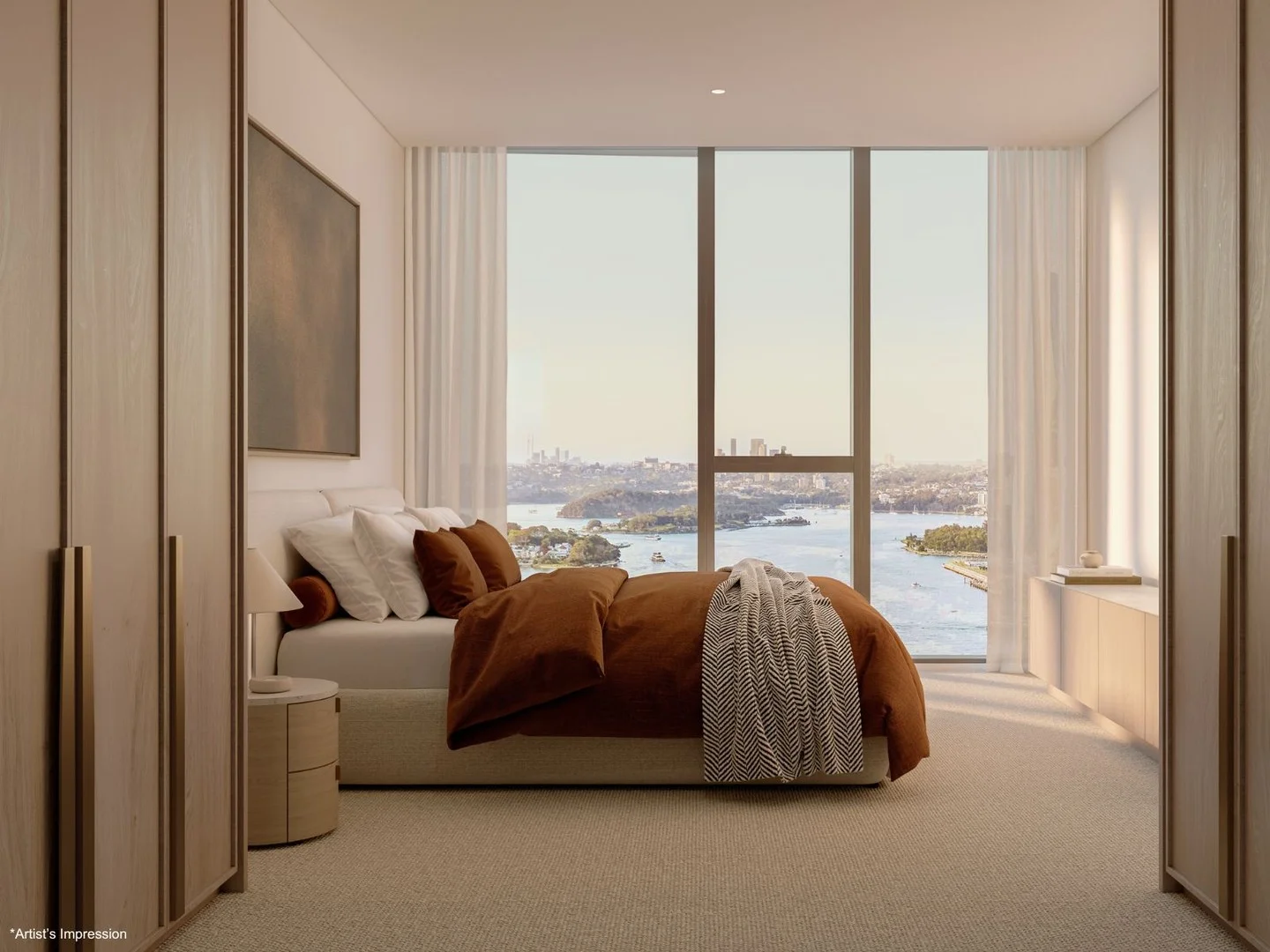 $8,630,000
propertyType.NEW APARTMENTS / OFF THE PLAN
$8,630,000
propertyType.NEW APARTMENTS / OFF THE PLAN
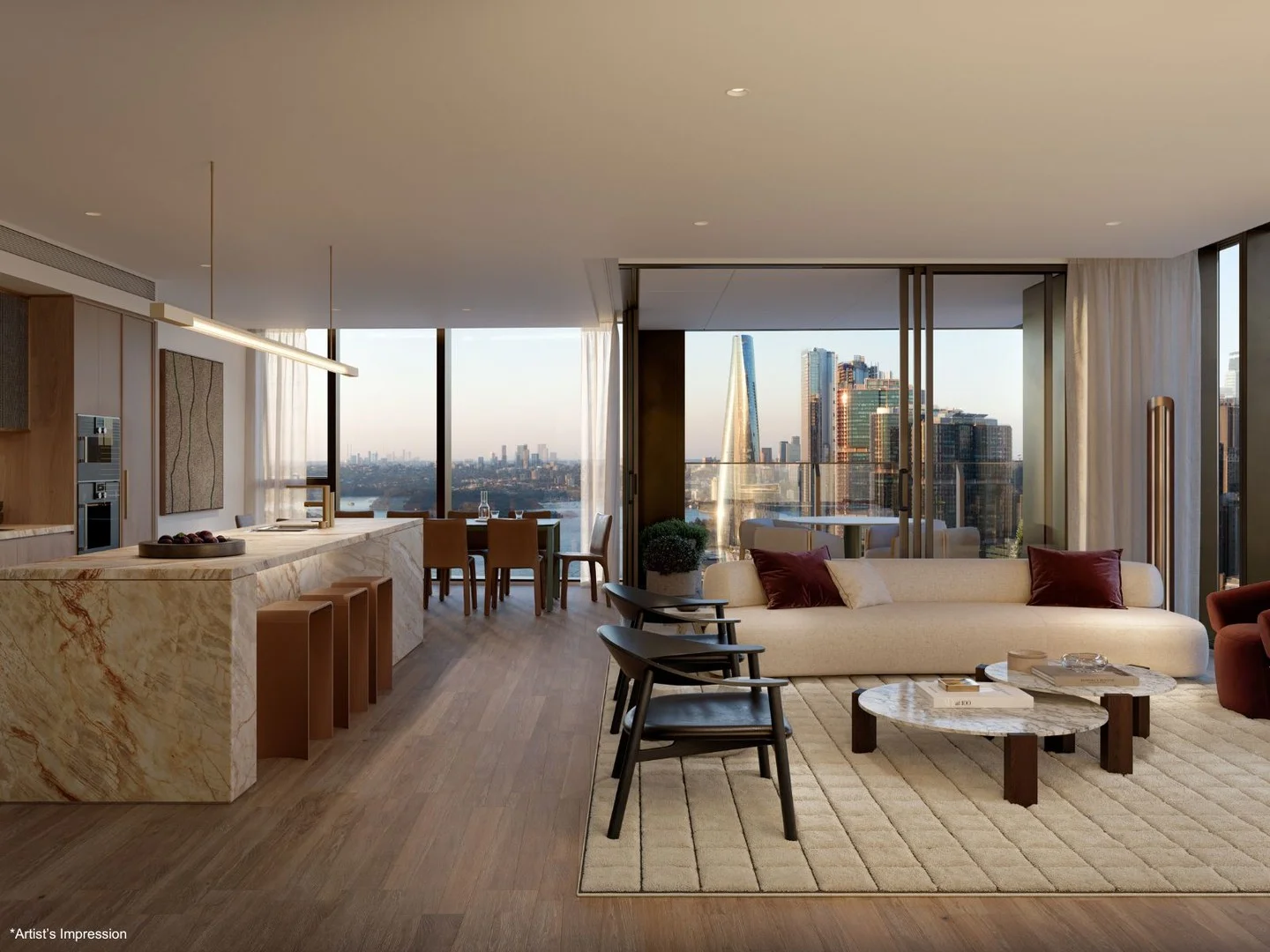 $12,980,000
propertyType.NEW APARTMENTS / OFF THE PLAN
$12,980,000
propertyType.NEW APARTMENTS / OFF THE PLAN