Overview
# Overview
Darlinghurst Public School is a public primary school serving the inner-city Sydney community. The school offers a welcoming, inclusive learning environment that reflects the city’s diversity and emphasis on community involvement.
- School type: Public
- School size: Medium
- Class size: Typically around 20–25 students per class (varies by year and cohort)
- Atmosphere/culture: Inclusive, nurturing, academically focused with a strong sense of community
⸻
# Academics & Learning
- Academic strengths: Strong focus on literacy and numeracy with enquiry-based learning. Broad currículo includes English, mathematics, science, humanities, PDHPE, the arts, and developing digital literacy.
- Special programs: Access to regular learning support and enrichment opportunities; Gifted & Talented education options may be available for eligible students.
- NAPLAN trends: Historically steady progress with improvements in reading and numeracy over time, with performance tracking toward state averages and continuing focus on students achieving higher bands.
- Student-teacher ratios: Class sizes typically in the 20s; overall student-teacher ratios align with NSW norms, supported by specialist teachers (e.g., language, PDHPE, art, music) and support staff.
- Support for diverse learners: EAL/D support for students whose first language isn’t English; Learning and Support Team coordinates targeted interventions; inclusive education practices to assist SEN students.
⸻
# Sports & Extracurricular Strengths
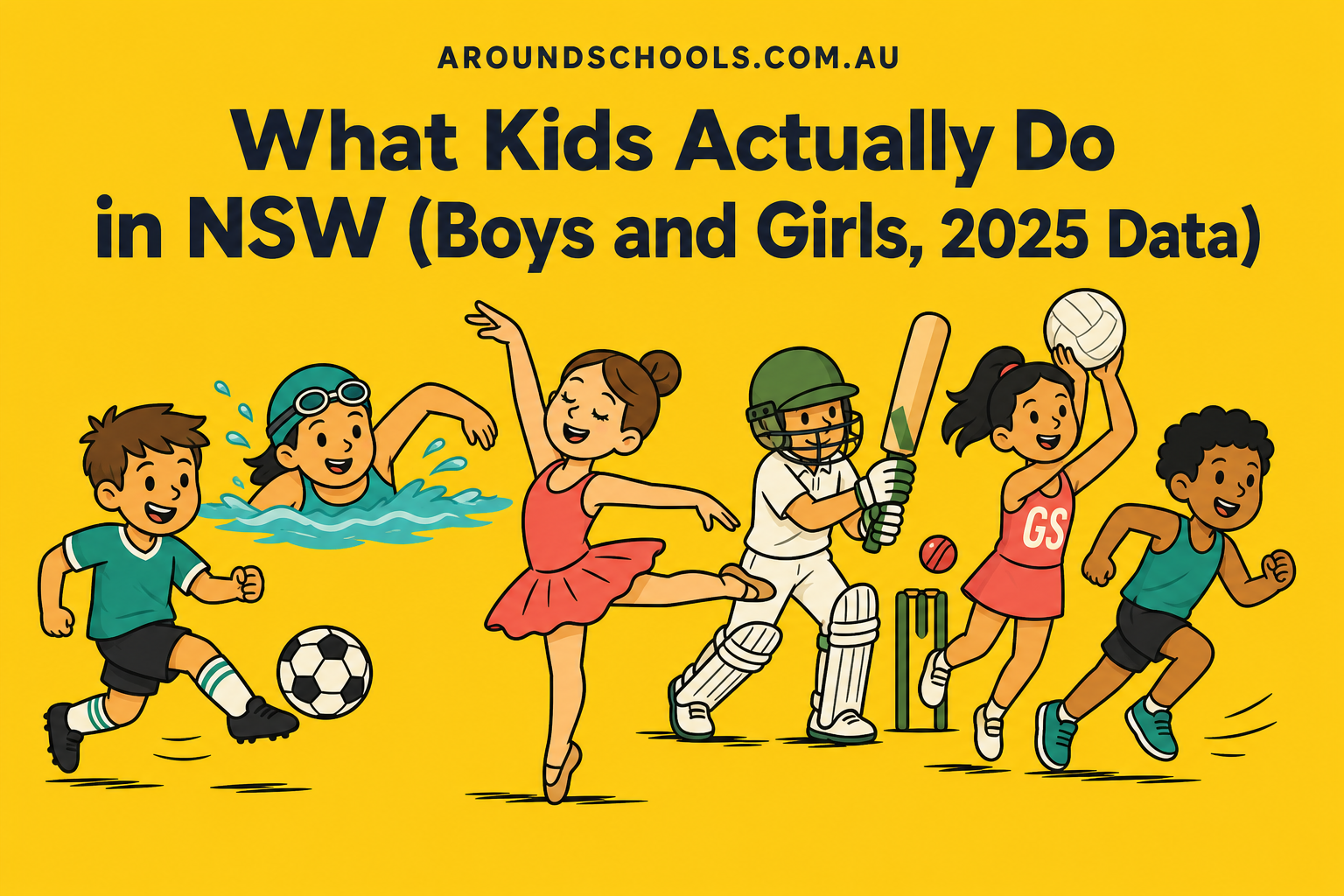
- Sports offered: A range of team and individual sports common to NSW public primary schools (e.g., soccer, netball, athletics, cricket, rugby league) with opportunities for inter-school events.
- Strong teams or achievements: Participation in inter-school competitions and house-based events that promote teamwork, effort, and sportsmanship.
- Music, arts, drama programs: Active music and performing arts activities, including school concerts and ensembles; opportunities to participate in drama and theatre-style performances.
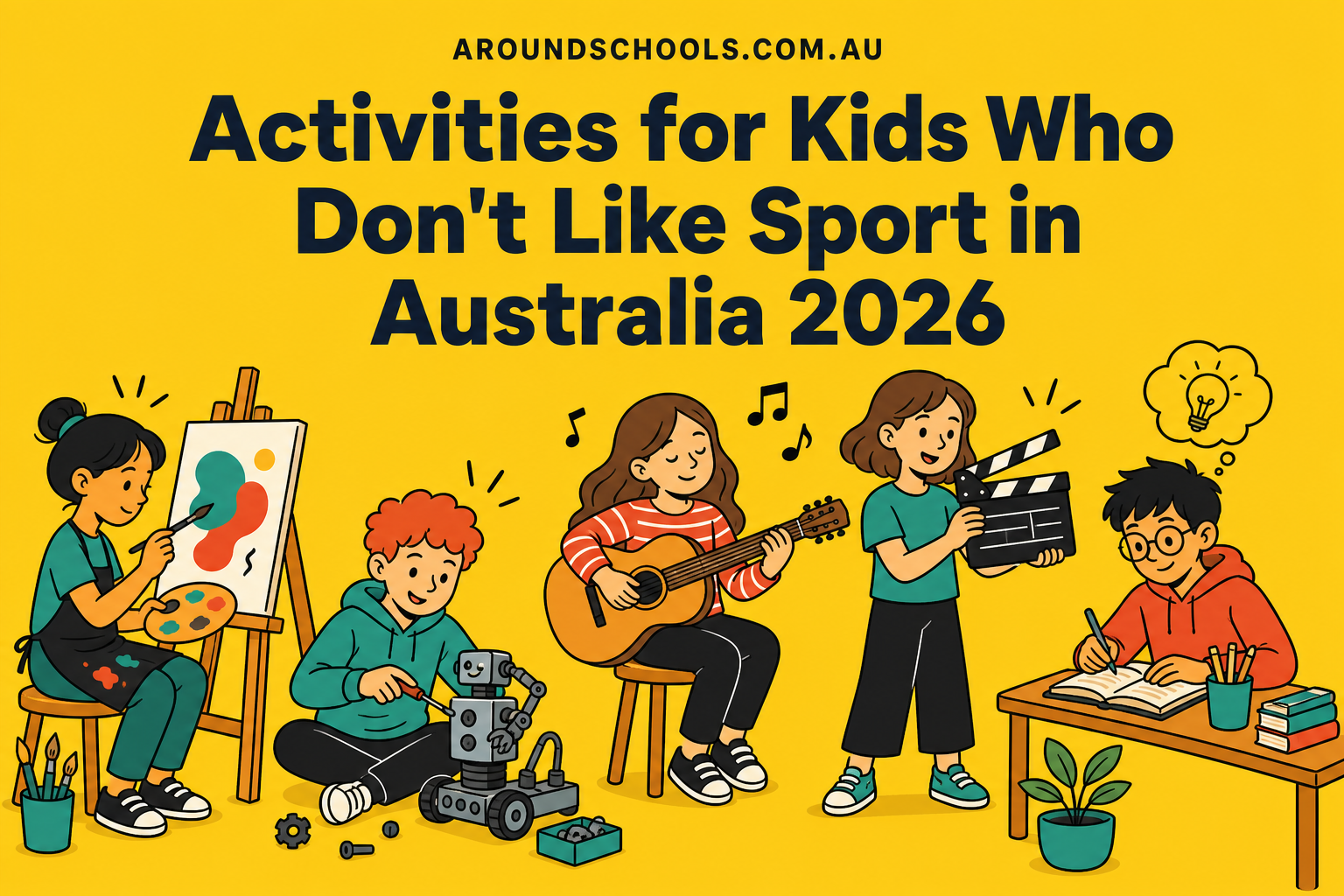
- Clubs: Robotics, coding, chess, debating, and other enrichment clubs commonly available; opportunities to extend skills beyond the classroom.
- Partnerships: Connections with local community clubs and organizations to broaden competition and performance opportunities.
⸻
# Wellbeing & Pastoral Care
- Anti-bullying approach: Whole-school anti-bullying policies and positive behaviour frameworks to foster a safe and respectful environment.
- House system: House-based activities and competitions to build belonging and motivation across year levels.
- Counsellors / wellbeing officers: Access to school counsellors or wellbeing staff to support student mental health and wellbeing.
- Transition support for new students: Buddy programs, orientation activities, and targeted supports to help new students integrate smoothly.
⸻
# Facilities
- Sports grounds: On-site spaces for physical education and outdoor activities.
- Libraries: School library with reading programs and access to a range of resources.
- Science labs: Dedicated spaces for hands-on science learning.
- Music/performing arts centers: Rooms and spaces for music education and performances.
- Tech/innovation labs: Computing and maker-style spaces to support digital literacy and creative projects.
- Cafeteria: On-site canteen or lunch program options.
- Updated playgrounds: Modern, age-appropriate outdoor play areas and equipment.
⸻
# School Values & Community Culture
- School values / mission: Values-led learning focusing on respect, responsibility, inclusion, and community contribution.
- Leadership style: Student voice through leadership opportunities and collaborative decision-making where appropriate.
- Behaviour expectations: Clear codes of conduct with restorative approaches to any behavioural issues.
- Community reputation: Positive standing within the local community, reflecting diversity, openness, and teamwork.
- Diversity & inclusion: Commitment to an inclusive environment that welcomes students from varied backgrounds and abilities.
⸻
# School Logistics & Daily Operations
- School hours: Aligns with NSW Department of Education schedules (typical start mid-morning to early afternoon; exact times published by the school each year).
- Before/after school care: Availability of Out of School Hours Care (OSHC) or similar programs may be offered.
- Uniform requirements: NSW public schools require a uniform; summer and winter options are common, with sport uniform for physical education days.
- Transport (train/bus routes): Access to public transport options; convenient to nearby bus/train routes; parking and drop-off arrangements in place.
- Canteen availability: On-site canteen or lunch facilities with lunch-order options.
- Fees (low/medium/high ranges): Public schools have low to moderate costs with mandatory items (uniforms, excursions) and voluntary contributions; most essential programs are funded through NSW Education system.
⸻
# Enrolment & Admissions
11. What is the enrolment process and timeline?
- Check eligibility and catchment details through the NSW Department of Education portals.
- Gather required documents (proof of address, child’s birth certificate, immunisation records, and any relevant custody or guardianship documents).
- Submit the enrolment application to the school (and/or online) within the specified window. Some steps may occur ahead of the new school year.
- Await confirmation and any orientation information for new students.
12. Is there a waiting list, and how does it work?
- If the school is full, there may be a waiting list based on catchment rules and availability. Applications are usually processed in order, with priority given to catchment students. Space may open as families move or as cohorts transition.
13. Are there any entry requirements, tests, or interviews?
- For most primary enrolments, there are no entrance tests or interviews. Some programs (e.g., Gifted & Talented pathways or language immersion opportunities) may require additional assessments or documentation, but these are not universal for all entrants.
14. Does the school accept mid-year transfers?
- Mid-year transfers are possible if there is space and appropriate documentation. Parents should contact the school as early as possible to discuss vacancy and the transfer process.
⸻
# Frequently Asked Questions
- Why Parents Choose This School?
- Public, inner-city location with a diverse student body, supportive staff, focus on literacy and numeracy, and a community-oriented culture.
- What type of student thrives at this school?
- Curious, collaborative learners who value inclusive, respectful environments and opportunities across academics, sport, and the arts.
- What opportunities are available for students to extend their skills (academics, sports, arts)?
- Enrichment in literacy and numeracy; participation in clubs such as robotics, coding, chess, debating; involvement in music and performing arts; access to inter-school sports and community competitions.
- How does the school communicate with parents?
- Regular newsletters, emails, notices through a school portal or app, and parent-teacher interviews; information about events and student progress is shared consistently.
- What is the school’s approach to teaching and learning?
- NSW syllabus-aligned, with a focus on inquiry-based, collaborative learning, differentiation to meet diverse needs, and emphasis on essential literacy and numeracy skills.
- How does the school support students who need extra academic help?
- Targeted intervention through Learning and Support Team, EAL/D assistance, and additional teacher support or aides as needed.
- What support is available for academic challenges?
- Differentiated instruction, small-group support, and referrals to appropriate services; ongoing monitoring of progress and adjustments to learning plans.
- How does the school communicate with parents?
- See above: newsletters, digital platforms, and scheduled meetings.
- What are the class sizes and how much individual attention do students receive?
- Classes are small to medium in size (around 20–25 students); teachers provide ongoing instruction, with access to specialist teachers and support staff for targeted help.
- What extracurricular and sports opportunities are available?
- Competitive sports, general physical education, and a suite of clubs including robotics, coding, chess, debating, and arts programs.
- What facilities does the school offer (sports, science, arts)?
- On-site sports grounds, a library, science labs, music/performing arts spaces, tech/innovation labs, a canteen, and updated playgrounds.
- What is the school’s approach to technology and digital learning?
- Integration of digital literacy across the curriculum, access to computing resources and age-appropriate technology use, with a focus on safe and productive use of devices.
- What transport and accessibility options are available?
- Access to nearby public transport options; established drop-off/pick-up routines and accessibility considerations for students with additional needs.
- What are typical school fees or additional costs?
- Low to moderate costs typical of NSW public primary schools; essential items are covered by the school system, with voluntary contributions and optional activities or excursions that may carry additional costs.
⸻
# Short Pros & Cons list
- Pros
- Public, inclusive inner-city school with a diverse community
- Strong emphasis on literacy and numeracy
- Broad range of extracurriculars (arts, sports, clubs)
- Supportive wellbeing and inclusive education practices
- Access to specialist teachers and resources for diverse learners
- Cons
- Urban setting can mean higher student turnover and variable noise levels
- Class sizes and resources may vary by year and cohort
- Transport and commuting considerations depend on family location and public transit routes
⸻










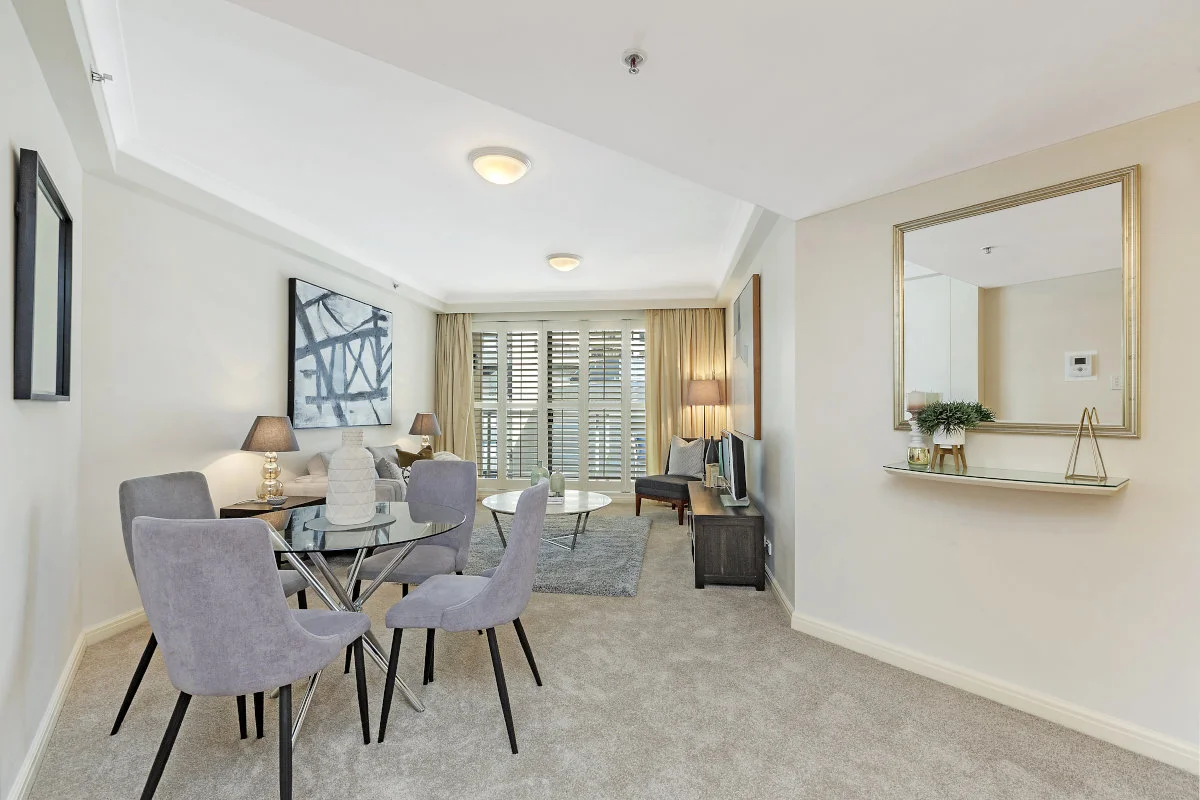 $660,000 - $725,000
Apartment / Unit / Flat
$660,000 - $725,000
Apartment / Unit / Flat
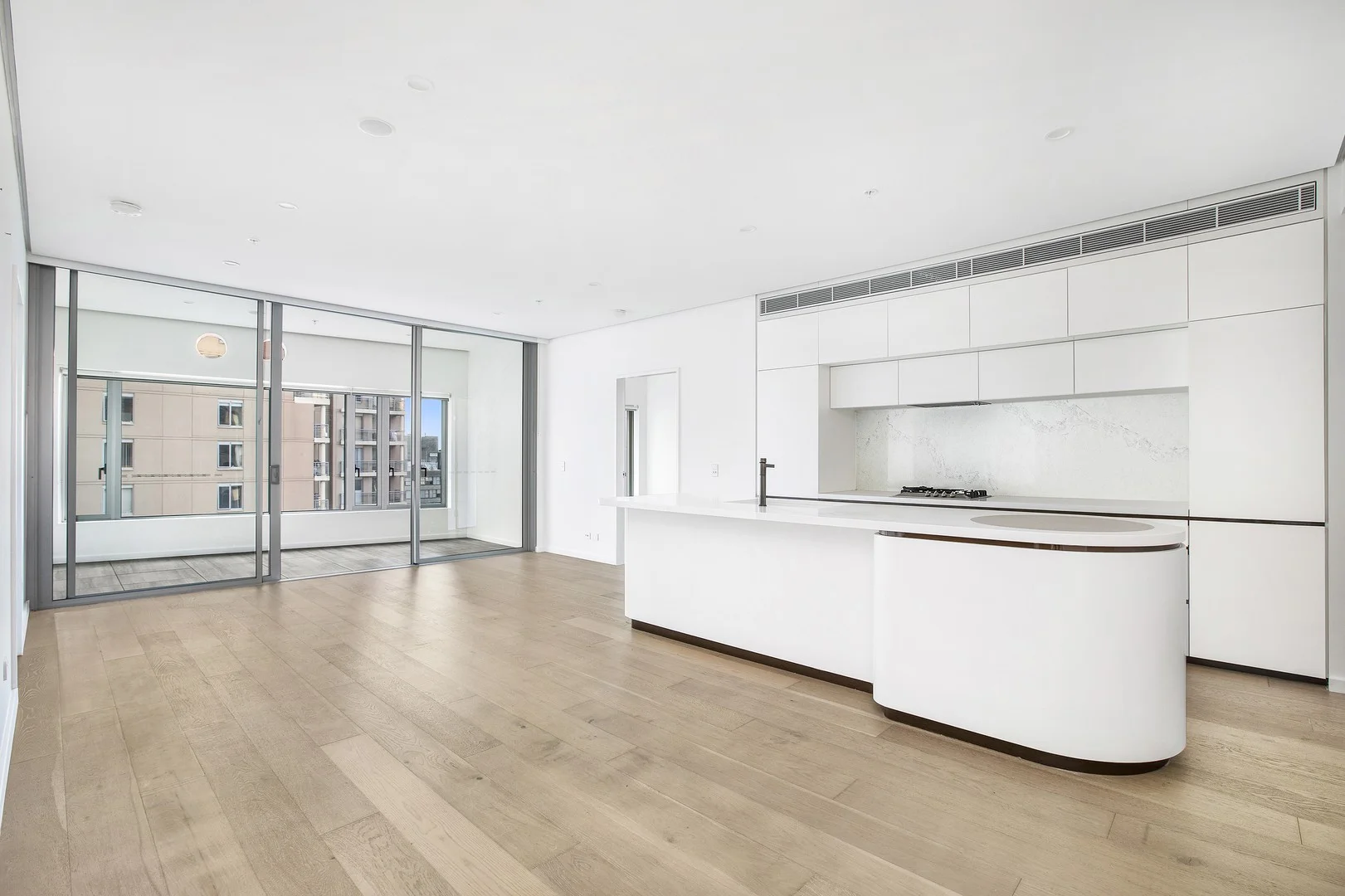 $2,250,000
Apartment / Unit / Flat
$2,250,000
Apartment / Unit / Flat
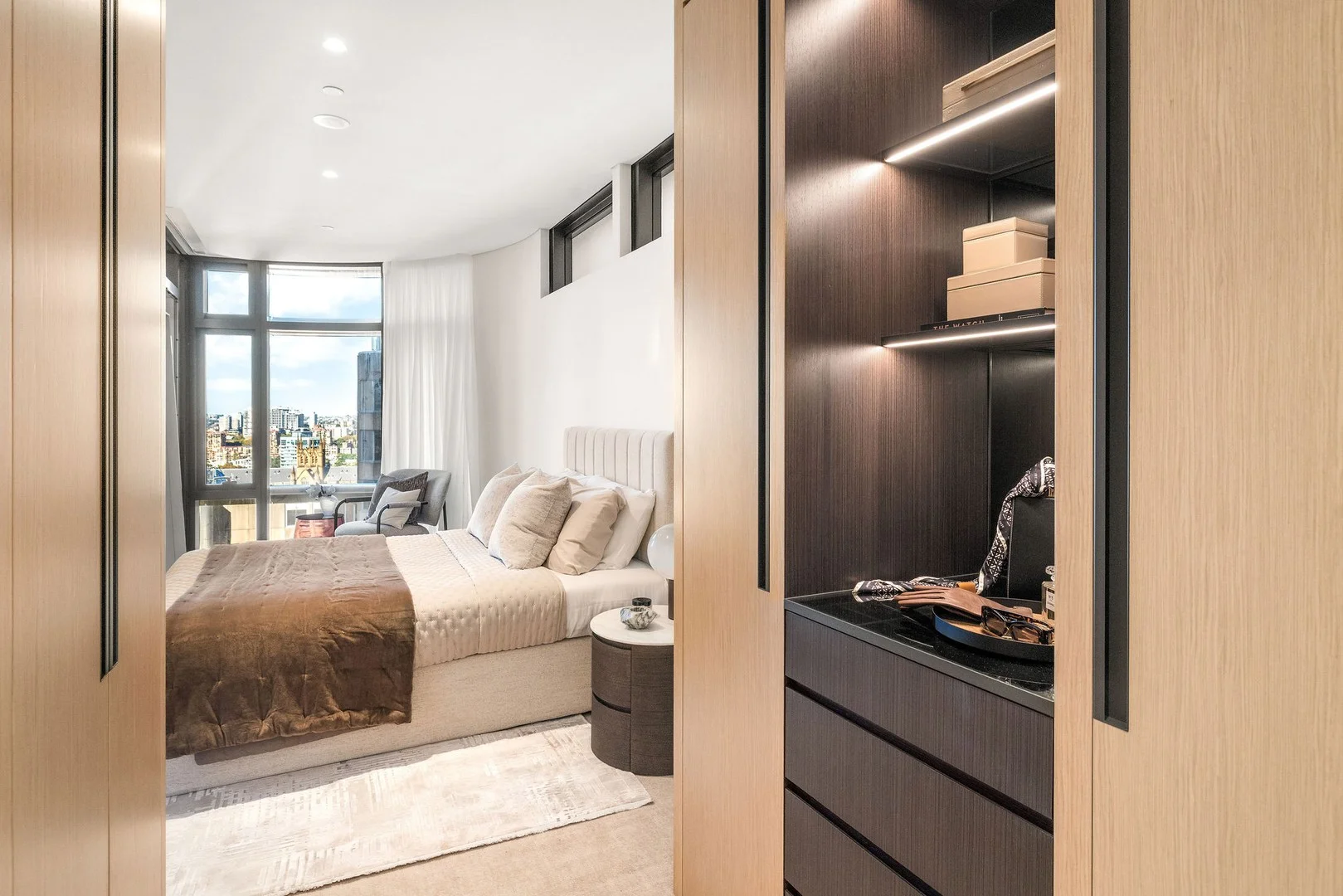 $2,745,000
propertyType.NEW APARTMENTS / OFF THE PLAN
$2,745,000
propertyType.NEW APARTMENTS / OFF THE PLAN
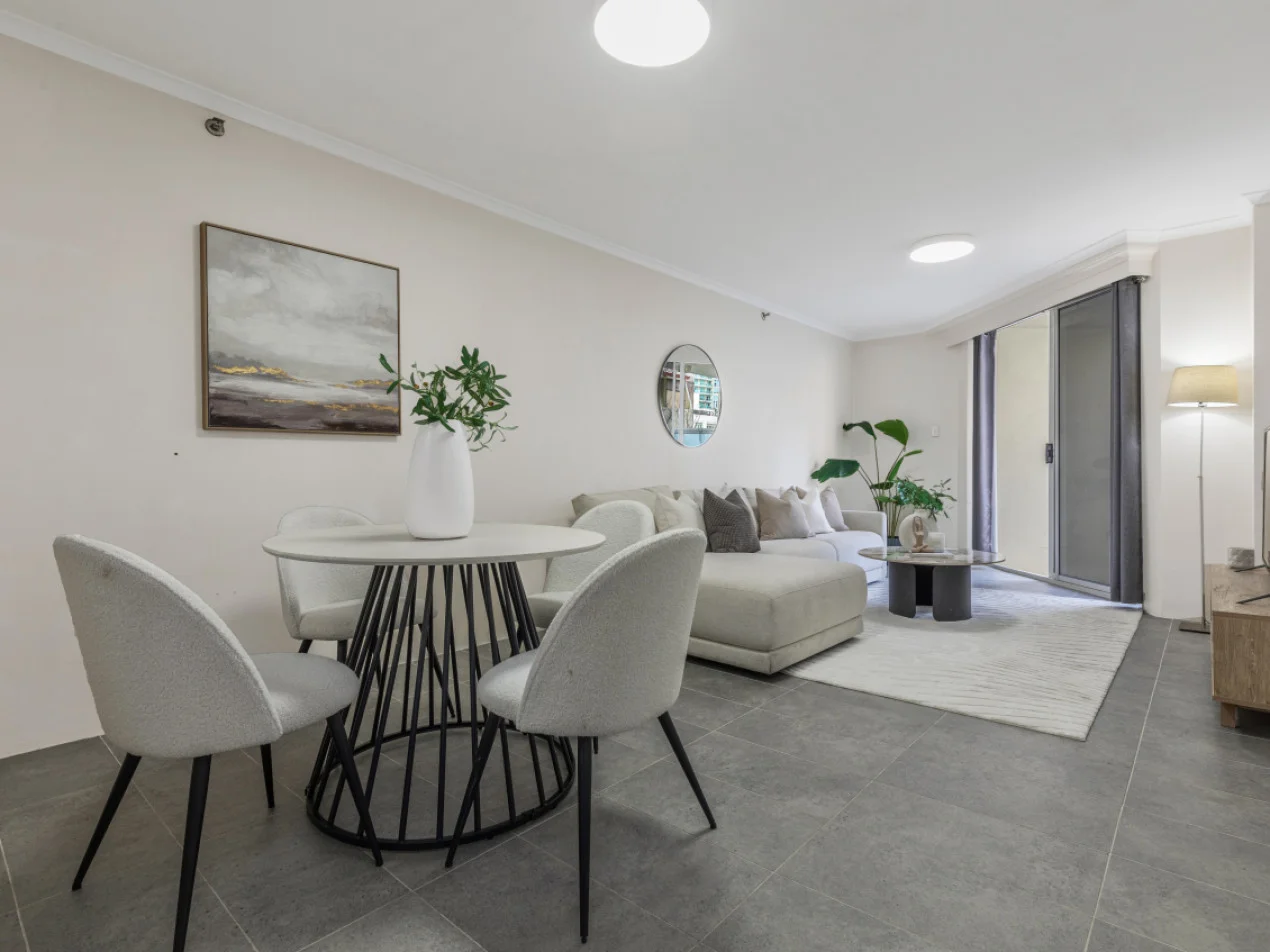 $640,000 - $675,000
Apartment / Unit / Flat
$640,000 - $675,000
Apartment / Unit / Flat
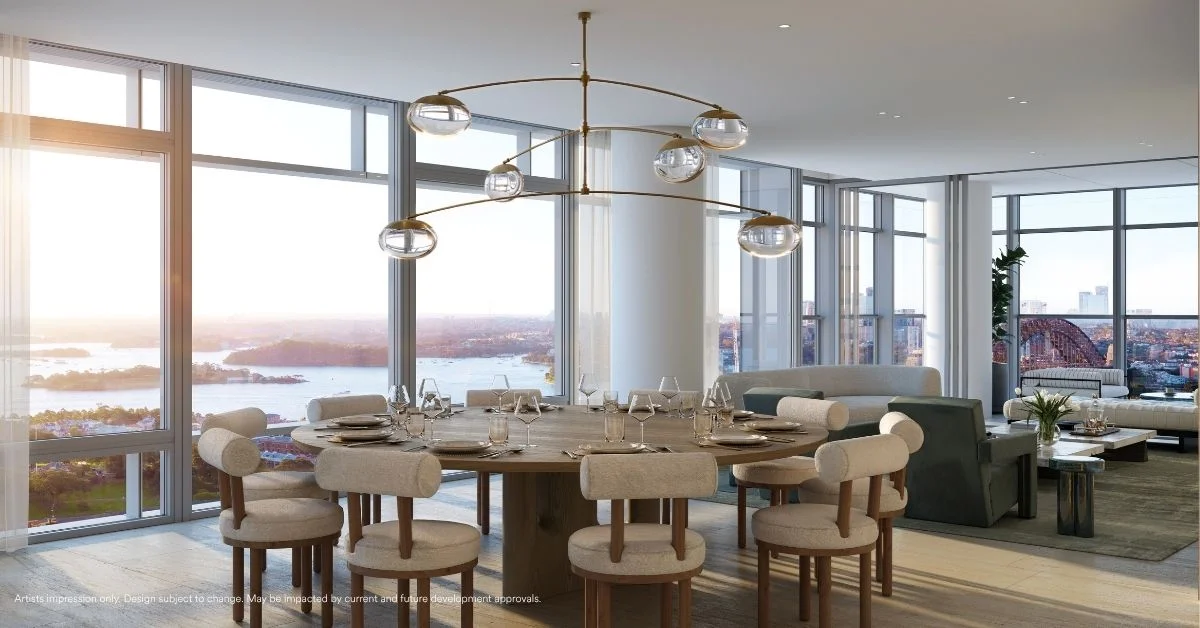 $26,550,000
propertyType.NEW APARTMENTS / OFF THE PLAN
$26,550,000
propertyType.NEW APARTMENTS / OFF THE PLAN
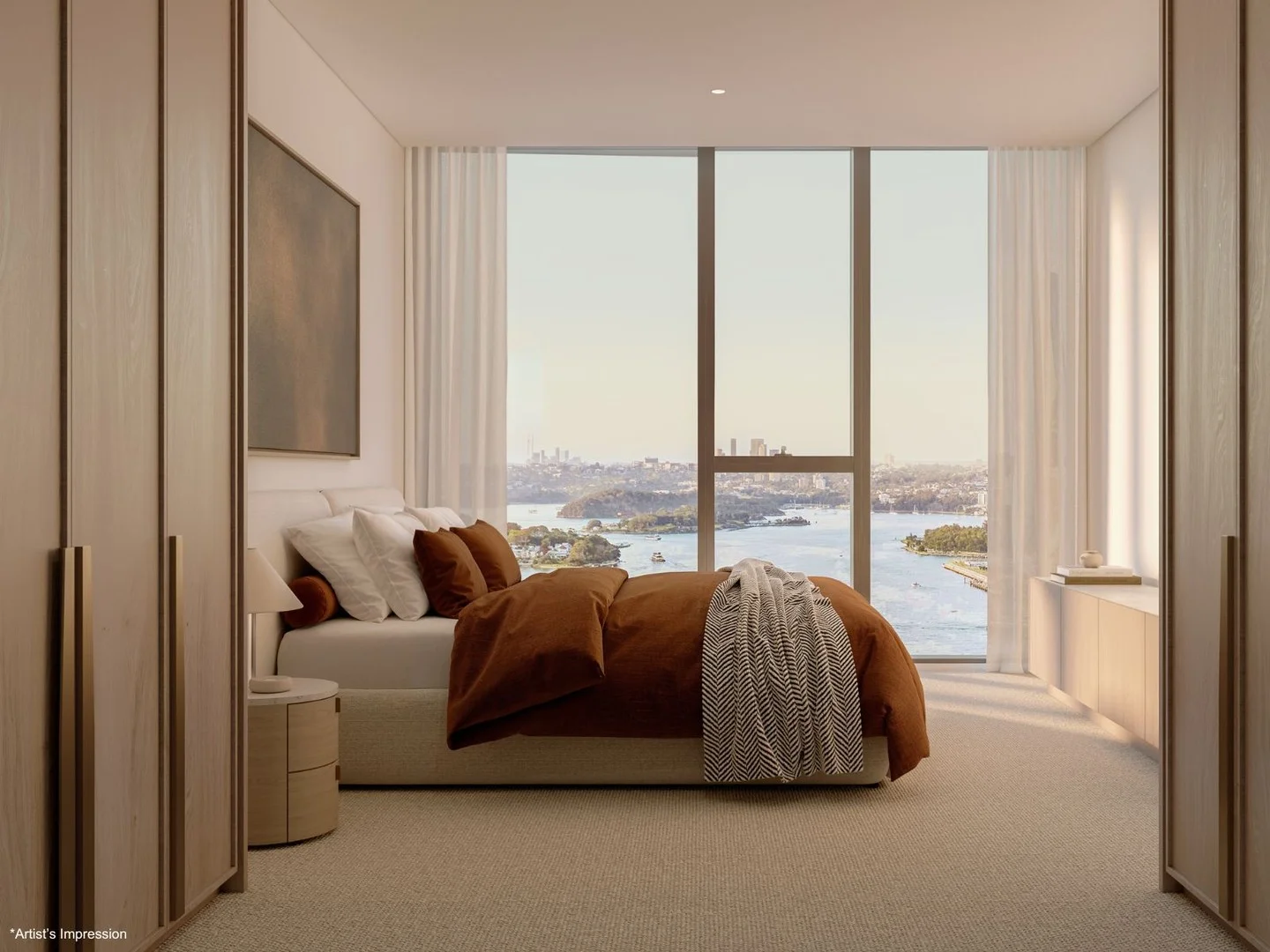 $8,630,000
propertyType.NEW APARTMENTS / OFF THE PLAN
$8,630,000
propertyType.NEW APARTMENTS / OFF THE PLAN
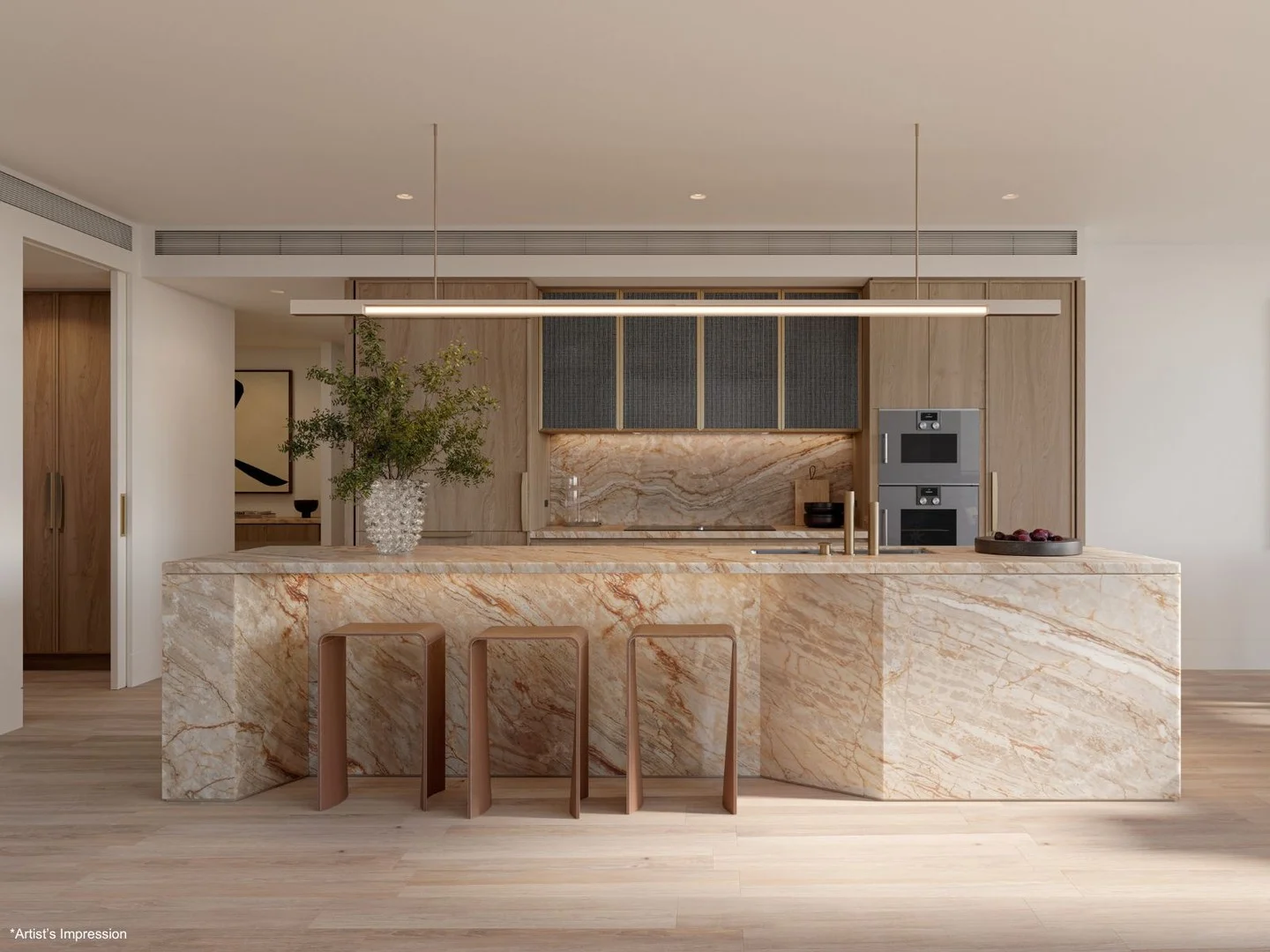 $6,225,000
propertyType.NEW APARTMENTS / OFF THE PLAN
$6,225,000
propertyType.NEW APARTMENTS / OFF THE PLAN
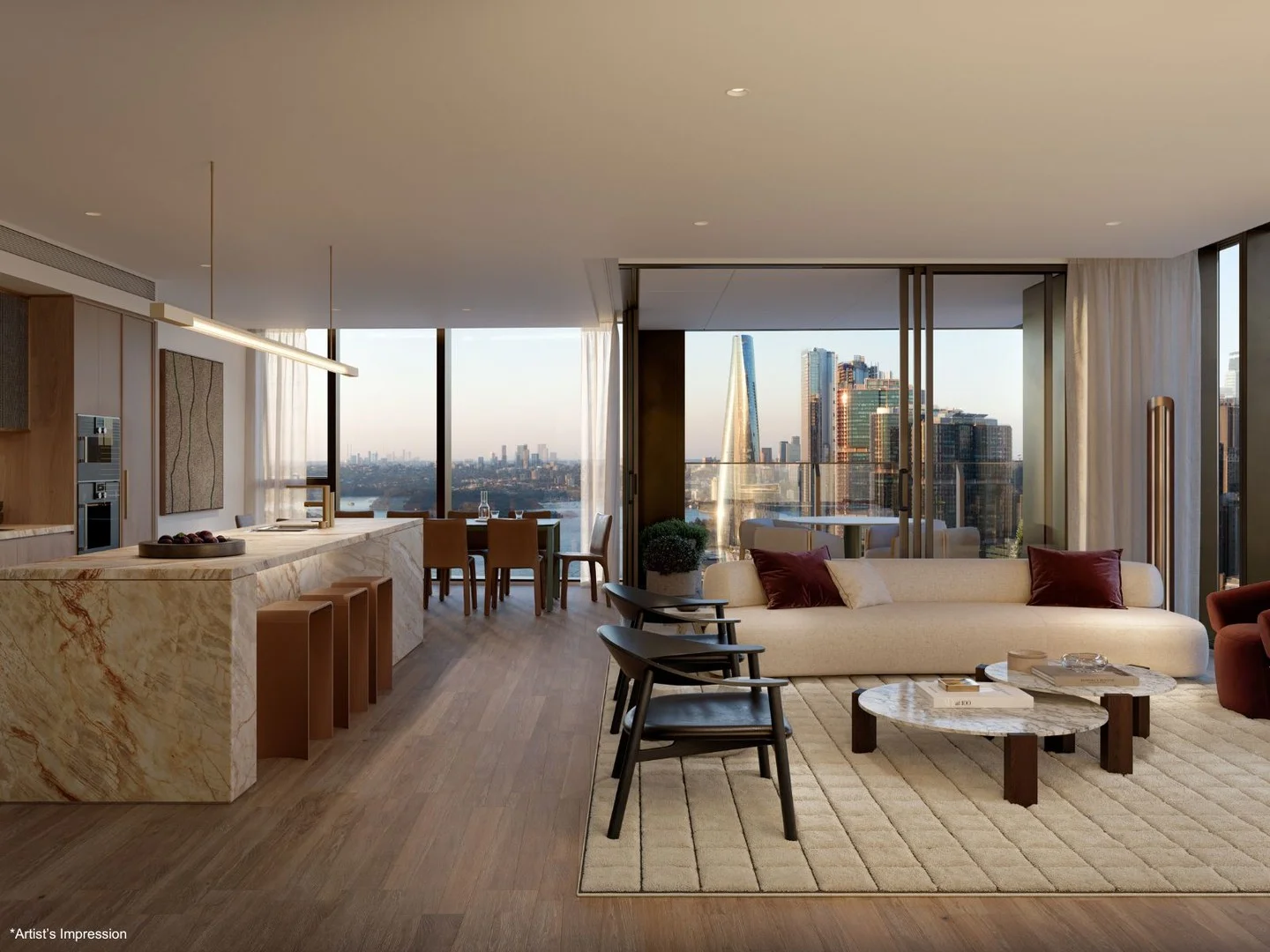 $12,980,000
propertyType.NEW APARTMENTS / OFF THE PLAN
$12,980,000
propertyType.NEW APARTMENTS / OFF THE PLAN
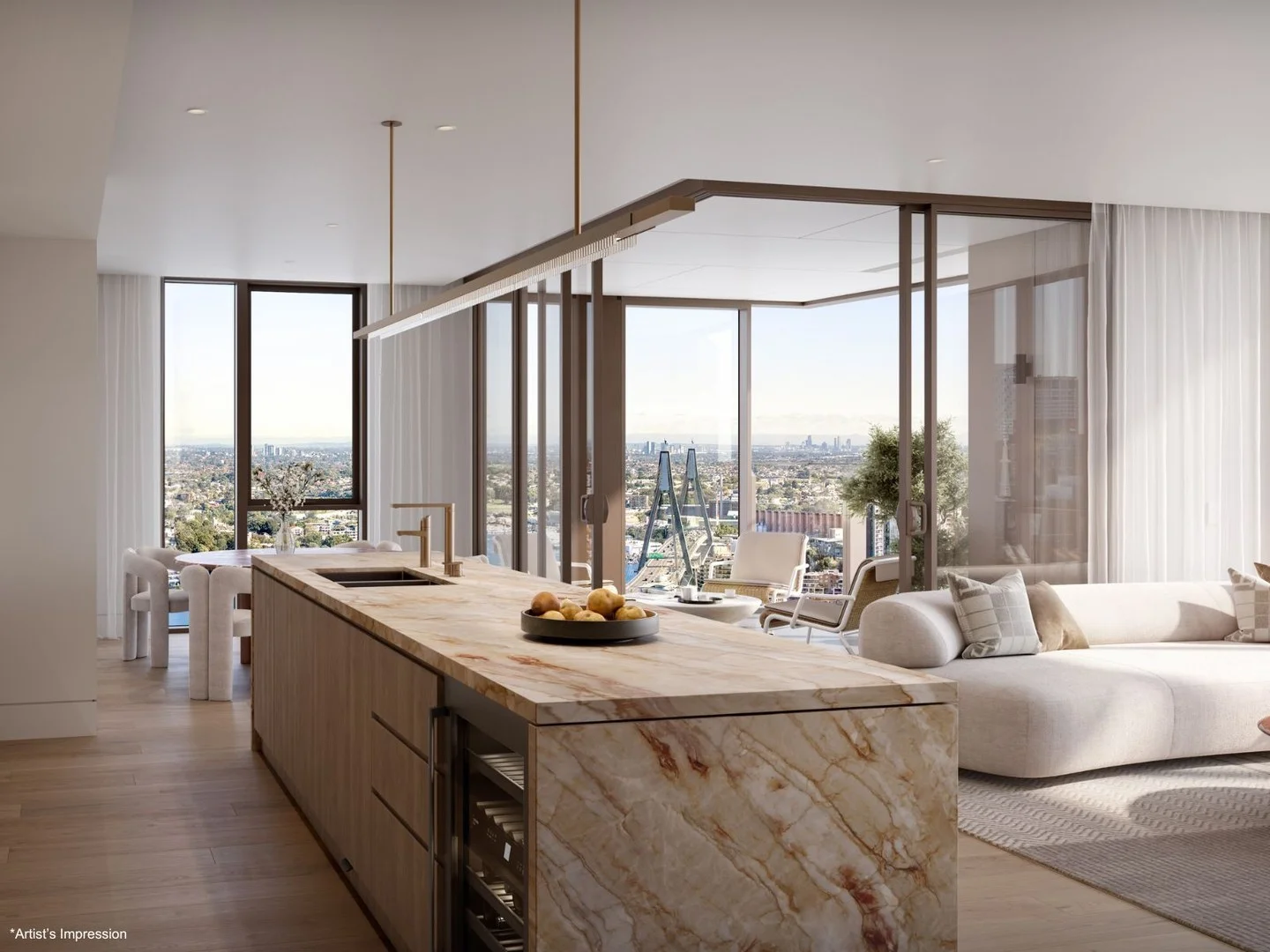 $9,020,000
propertyType.NEW APARTMENTS / OFF THE PLAN
$9,020,000
propertyType.NEW APARTMENTS / OFF THE PLAN