Overview
## 1. Overview
St Francis Xavier Catholic Primary School, Ashbury is a co-educational Catholic primary school within the Sydney Catholic Education system. The school aims to provide a faith-filled, welcoming community that supports academic growth and personal development for students from Kindergarten to Year 6.
The school is small to medium in size, with class sizes typically in the low to mid-20s. The atmosphere is nurturing and inclusive, emphasising faith formation, character development, and strong partnerships with families and the parish.
⸻
## 2. Academics & Learning
- Academic strengths: English and literacy, mathematics, and religious education are central to the school's learning program, with an emphasis on developing literacy, numeracy, critical thinking, and ICT literacy across year levels.
- Special programs: Opportunities for enrichment and gifted/talented pathways may be available, along with integrated STEM learning and coding activities as part of a holistic curriculum.
- NAPLAN trends: The school participates in NSW NAPLAN testing, with trends typically showing year-to-year variation; many NSW Catholic schools focus on improving literacy and numeracy outcomes over time.
- Student-teacher ratios: Class sizes and student-teacher ratios commonly sit in a range that supports small-group instruction and individual attention (roughly mid-teens to low-20s per class, depending on year level).
- Support for diverse learners: EAL support, targeted literacy and numeracy interventions, and SEN support are typically available through a learning support team or similar structures to cater to diverse learner needs.
⸻
## 3. Sports & Extracurricular Strengths
- Sports offered: A variety of team and individual sports such as soccer, netball, cricket, athletics, and swimming are commonly available.
- Strong teams or achievements: Participation in inter-school sports and local competitions is encouraged, with opportunities for representative teams and school-level fixtures.
- Music, arts, drama programs: Music and performing arts are usually part of the program, including choir, assemblies, and school productions.
- Clubs: Robotics, coding, chess, and debating clubs are often offered, along with other interest-based after-school activities.
- Partnerships: Local community and parish partnerships support extra-curricular opportunities, including competitions and pathways in sport and the arts.
⸻
## 4. Wellbeing & Pastoral Care
- Anti-bullying approach: A values-based, respectful school culture supports positive behaviour and safe learning environments.
- House system: A house structure typically fosters belonging, friendly competition, and pastoral care across year levels.
- Counsellors / wellbeing officers: On-site wellbeing staff or access to school counsellors help monitor student wellbeing and provide support.
- Transition support for new students: Orientation sessions, buddy programs, and targeted induction activities help new students settle in smoothly.
⸻
## 5. Facilities
- Sports grounds: Outdoor playing fields or courts suitable for a range of sports.
- Libraries: A school library supporting reading and research.
- Science labs: Dedicated spaces for science activities and experiments.
- Music/performing arts centers: Shared spaces or dedicated rooms for music and drama.
- Tech/innovation labs: ICT-enabled spaces for digital learning and creative projects.
- Cafeteria: On-site or nearby canteen facilities offering healthy options.
- Updated playgrounds: Well-maintained play areas for breaks and physical activity.
⸻
## 6. School Values & Community Culture
- School values / mission: A faith-based mission focusing on values such as faith, respect, service, and excellence in learning and daily life.
- Leadership style: A collaborative leadership approach that includes student voice through councils or representative roles, with active involvement from families and staff.
- Behaviour expectations: Clear expectations around respectful conduct, responsibility, and integrity within a supportive environment.
- Community reputation: A family-friendly, close-knit school community with strong parish connections and community involvement.
- Diversity & inclusion: Commitment to welcoming families from diverse backgrounds and ensuring inclusive practices across the school community.
⸻
## 7. School Logistics & Daily Operations
- School hours: Typical primary school hours align with NSW norms (e.g., morning start around 9:00 am and afternoon finish around 3:15 pm; exact times may vary by year level).
- Before/after school care: Availability of before- and after-school care is commonly provided through in-school or external programs.
- Uniform requirements: A formal school uniform is required, with details provided by the school (including items, colours, and where to obtain them).
- Transport (train/bus routes): Access to public transport and student-friendly travel options, with information provided by the school for families.
- Canteen availability: A canteen or lunch program offering healthy meal options for students.
- Fees (low/medium/high ranges): Fees are in the mid-range for NSW Catholic primary schools, with voluntary contributions and other costs communicated by the school.
⸻
## 8. Enrolment & Admissions
11. What is the enrolment process and timeline?
- Submit an enrolment application or expression of interest with required documents (birth certificate, immunisation records, baptism certificate or parish details if applicable, and proof of custody or guardianship as required).
- Attend an information night or school tour (open day) to learn about the program, culture, and enrolment priorities.
- Complete any parish or Catholic Education requirements (e.g., baptism confirmation for Catholic families, if applicable).
- Applications are reviewed and offers of placement are issued according to the school’s enrolment priorities and timelines (often in the year prior to entry). Accepted families complete enrolment paperwork and return required documents by the specified date.
- Orientation and transition activities are offered prior to starting, to help new students settle in.
12. Is there a waiting list, and how does it work?
- Yes, many Catholic primary schools maintain a waiting list when applications exceed places.
- Placement on the list is typically managed by enrolment priorities (e.g., siblings, parish area, date of application) and space availability.
- Families may be asked for updated information and to confirm interest if a position becomes available.
13. Are there any entry requirements, tests, or interviews?
- Primary school entry generally does not involve formal academic entrance tests; some schools may conduct an informal transition interview or family interview to understand needs and support requirements.
- Some schools may request additional information (medical plans, learning support needs) to plan appropriate support.
14. Does the school accept mid-year transfers?
- Mid-year transfers are often possible if space is available and the school can accommodate new students within classes.
- Prospective transfer families should contact the school early to discuss available placements and required documentation (transcripts, ergotherapy or learning support plans if applicable).
⸻
## 9. Frequently Asked Questions
- Why Parents Choose This School?
- A values-driven Catholic education, strong sense of community, supportive pastoral care, and a focus on faith-based learning alongside solid academics.
- What type of student thrives at this school?
- Students who value a faith-informed environment, family involvement, collaborative learning, and opportunities to participate in both academics and co-curricular activities.
- What opportunities are available for students to extend their skills (academics, sports, arts)?
- Enrichment in literacy and numeracy, access to STEM/coding activities, music and performing arts programs, sports teams, and clubs such as robotics, chess, and debating.
- How does the school communicate with parents?
- Regular updates through newsletters, emails, parent-teacher meetings, and digital platforms or apps used by the school to share news and student progress.
- What is the school’s approach to teaching and learning?
- A balanced approach combining faith formation with evidence-based teaching practices, differentiation to meet diverse learning needs, and integration of ICT to support modern learning.
- How does the school support students who need extra academic help?
- Learning support teams provide targeted interventions, EAL support, and access to reading or numeracy programs as needed.
- What support is available for academic challenges?
- Individual or small-group support plans, progress monitoring, and referrals to external specialists if required, with parental involvement.
- How does the school communicate with parents? (Repeated)
- Through newsletters, portals, meetings, and regular updates from teachers and leadership.
- What are the class sizes and how much individual attention do students receive?
- Class sizes are designed to enable frequent teacher-student interaction, with small-group instruction and targeted support where needed.
- What extracurricular and sports opportunities are available?
- A range of sports, music and performing arts, and clubs such as robotics, coding, chess, and debating, plus opportunities to participate in inter-school events.
- What facilities does the school offer (sports, science, arts)?
- Sports grounds, library, science labs, music/performing arts spaces, tech/innovation labs, a canteen, and updated playgrounds.
- What is the school’s approach to technology and digital learning?
- Integration of ICT across the curriculum, digital literacy, and safe use of technology with emphasis on cyber safety and responsible use.
- What transport and accessibility options are available?
- Access to public transport and clear guidance for families; information on routes and accessibility is provided by the school.
- What are the typical school fees or additional costs?
- Fees are in the mid-range for NSW Catholic primary schools, with communications outlining tuition, organised activities, uniforms, and other costs.
⸻
## 10. Short Pros & Cons list
- Pros
- Catholic foundations and values integrated with learning
- Nurturing, inclusive, family-friendly community
- Small-to-medium class sizes enabling more individualized support
- Solid pastoral care and student wellbeing focus
- Broad extracurriculars (sports, arts, clubs) and leadership opportunities
- Cons
- High demand can lead to waiting lists or limited immediate availability
- Uniforms and associated costs are an ongoing expense
- As a smaller school, a wider range of specialist facilities or programs may be more limited than larger schools
- Availability of mid-year transfers depends on space and logistical fit
⸻









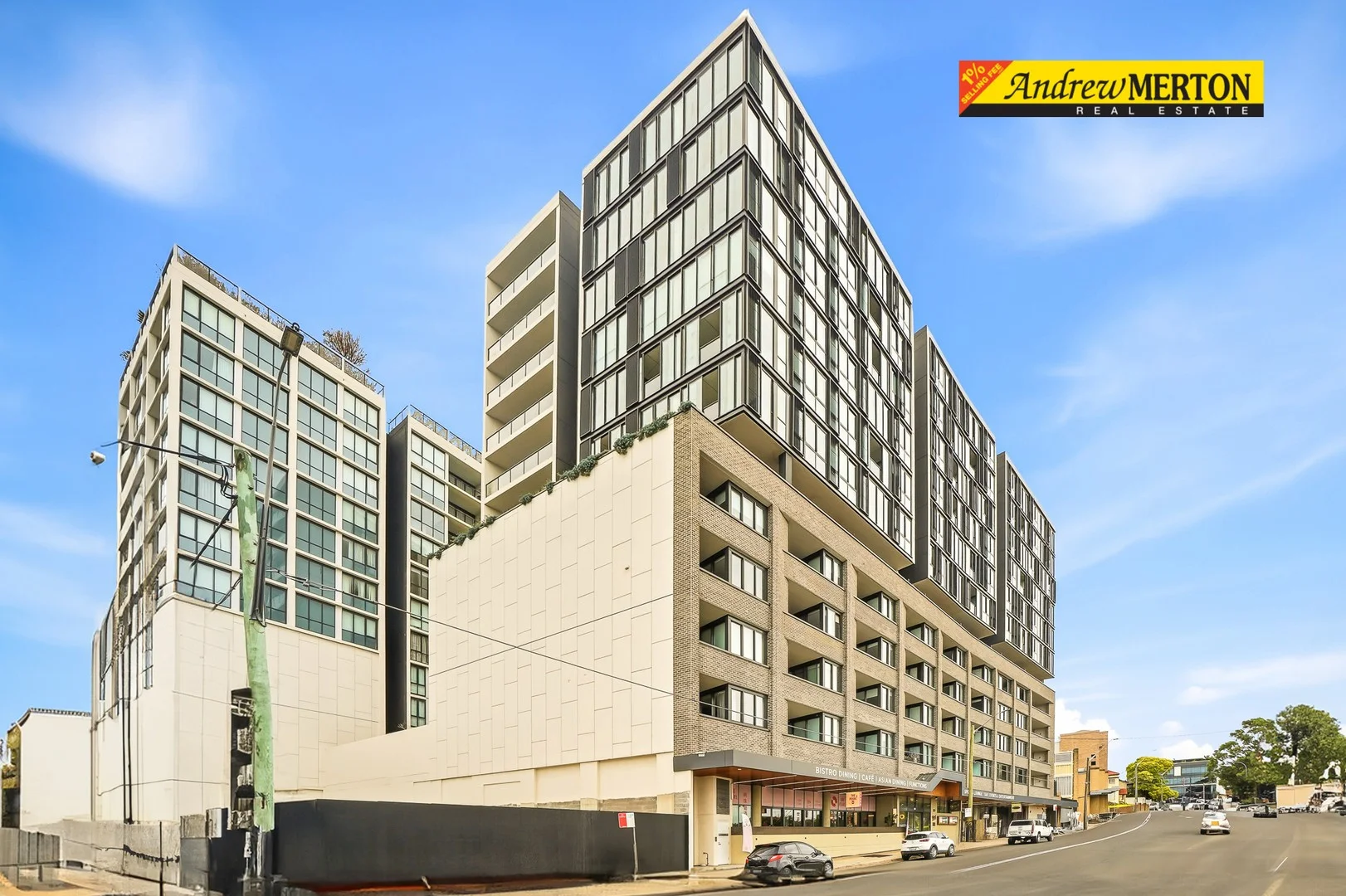 $699,000
Apartment / Unit / Flat
$699,000
Apartment / Unit / Flat
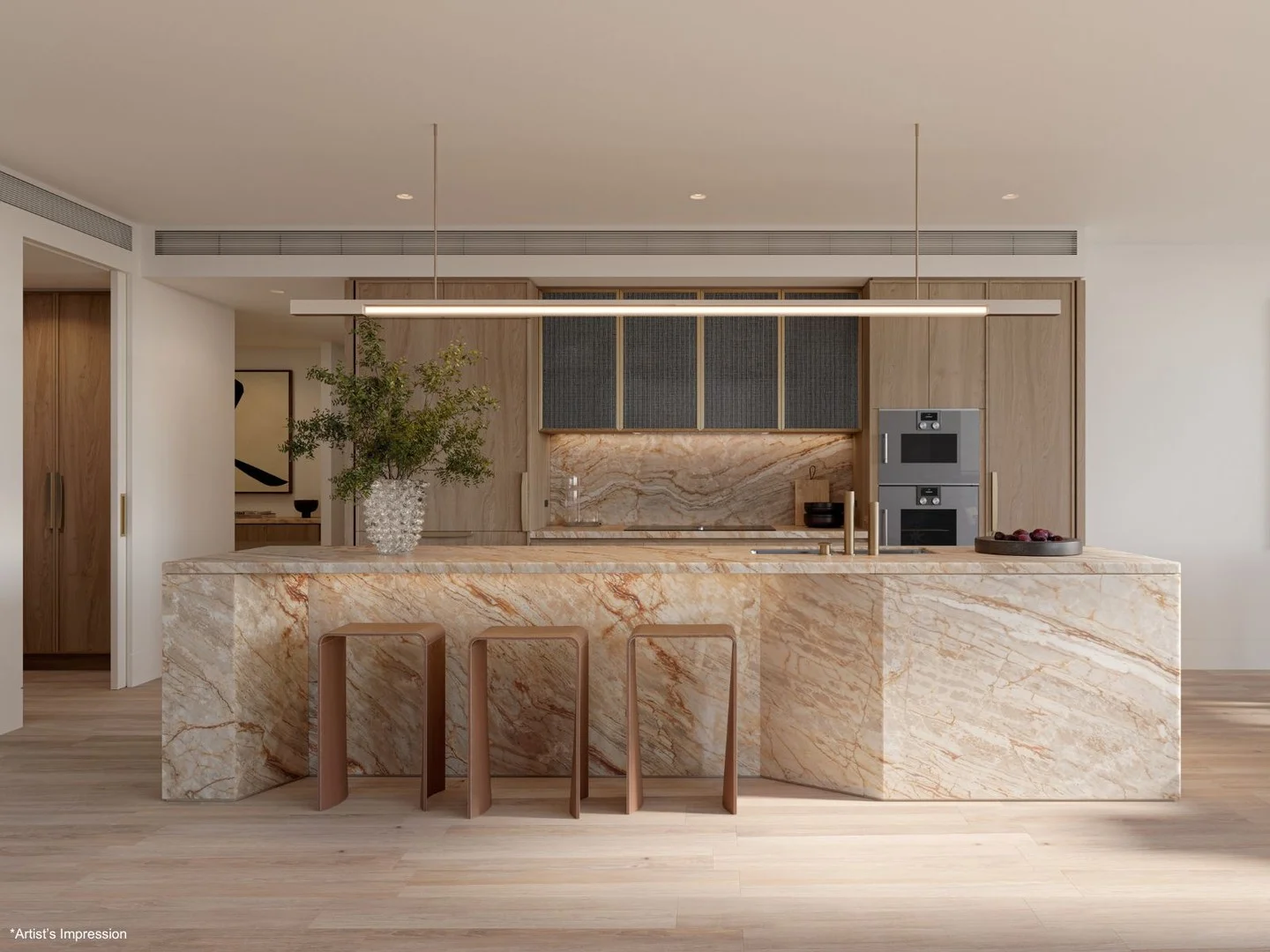 $6,225,000
propertyType.NEW APARTMENTS / OFF THE PLAN
$6,225,000
propertyType.NEW APARTMENTS / OFF THE PLAN
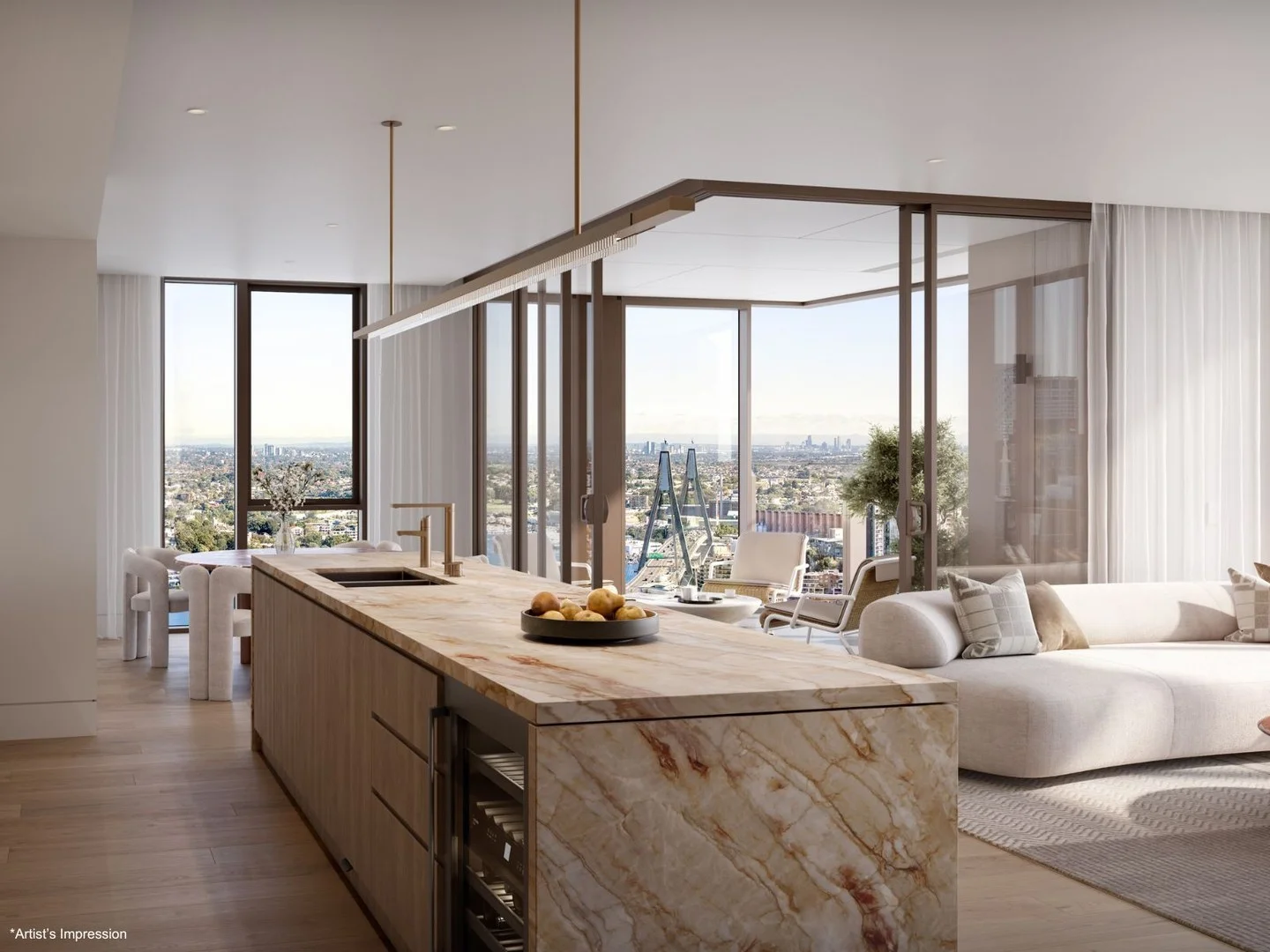 $9,020,000
propertyType.NEW APARTMENTS / OFF THE PLAN
$9,020,000
propertyType.NEW APARTMENTS / OFF THE PLAN
 $8,630,000
propertyType.NEW APARTMENTS / OFF THE PLAN
$8,630,000
propertyType.NEW APARTMENTS / OFF THE PLAN
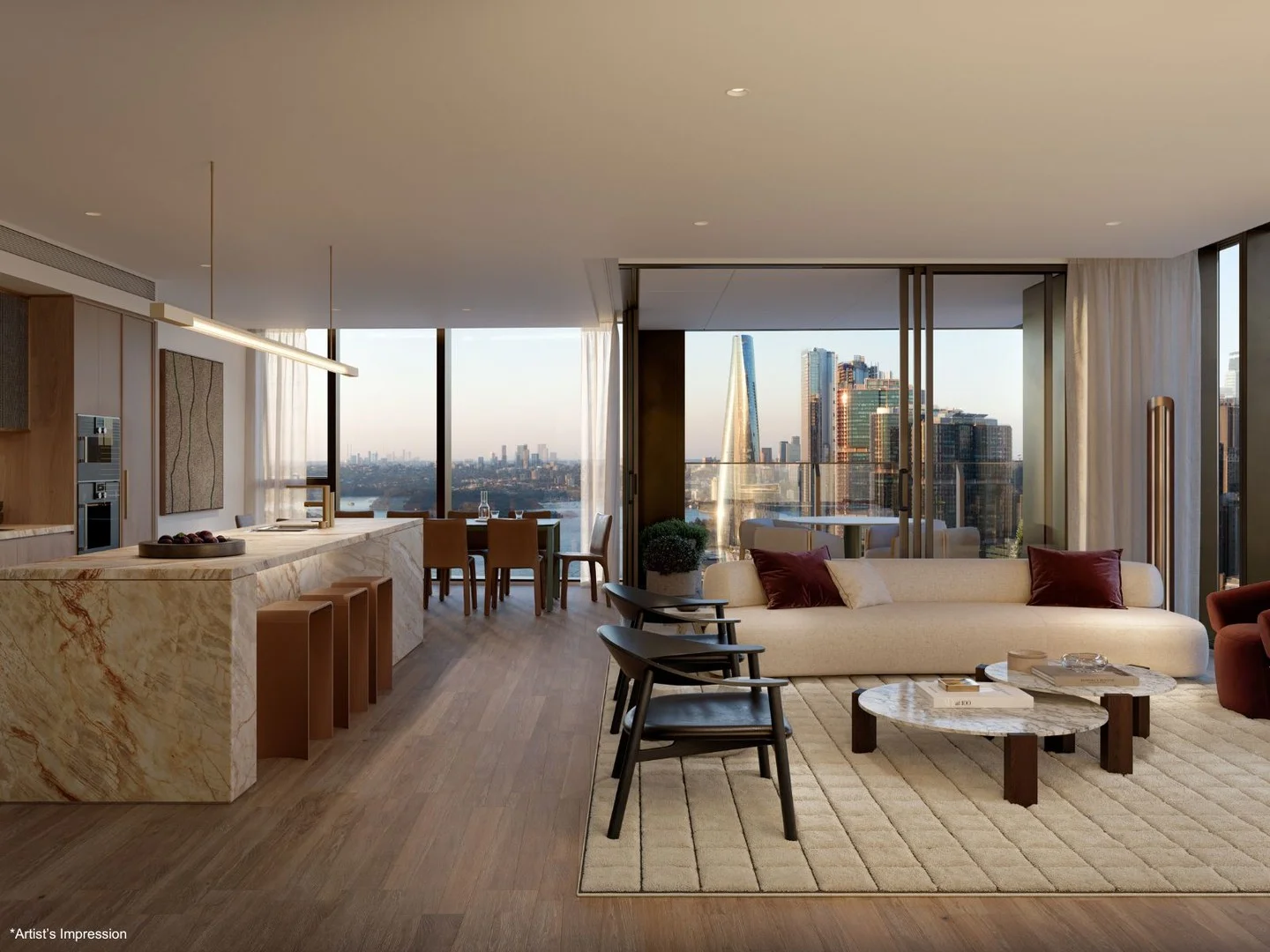 $12,980,000
propertyType.NEW APARTMENTS / OFF THE PLAN
$12,980,000
propertyType.NEW APARTMENTS / OFF THE PLAN
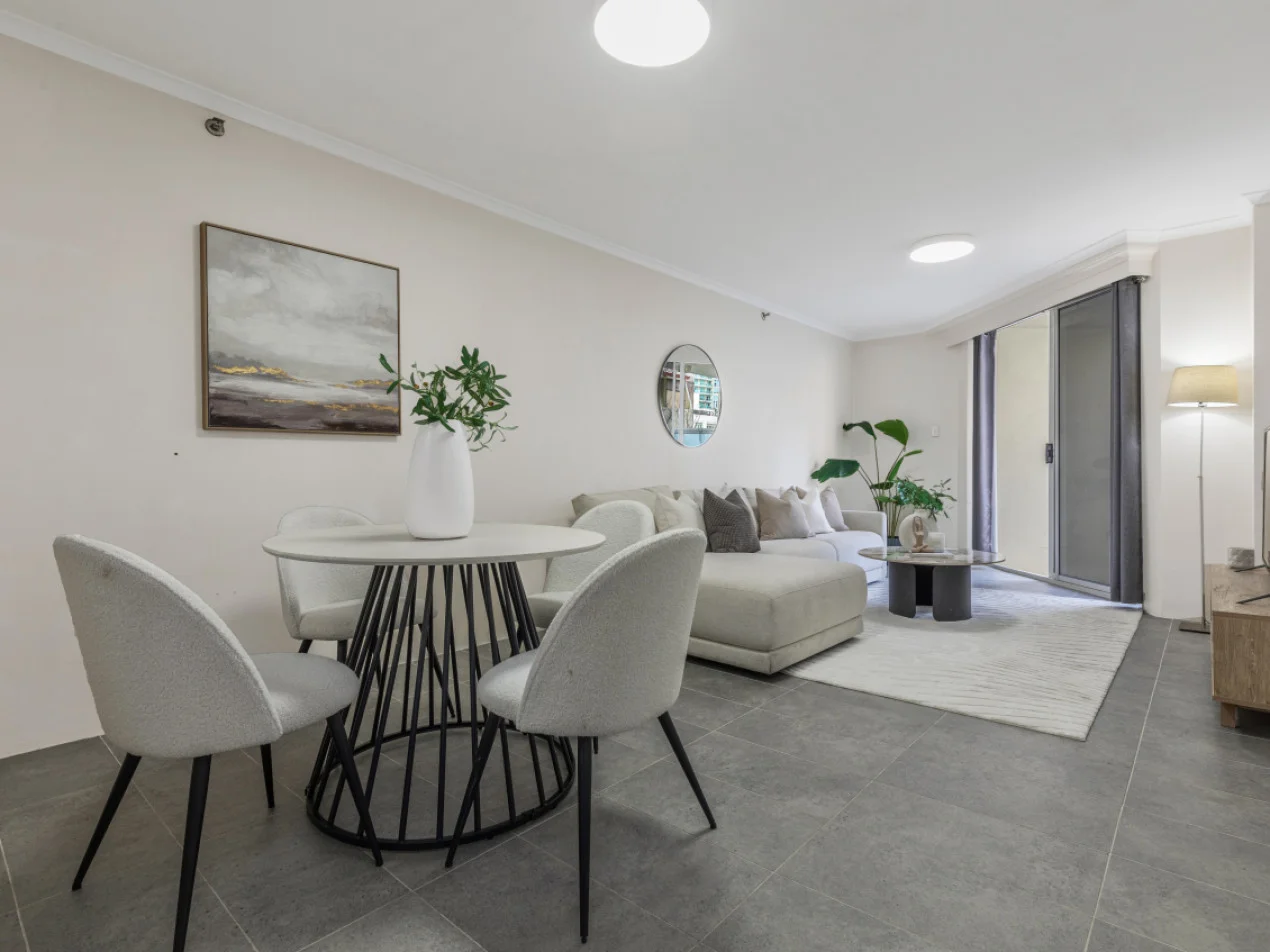 $640,000 - $675,000
Apartment / Unit / Flat
$640,000 - $675,000
Apartment / Unit / Flat
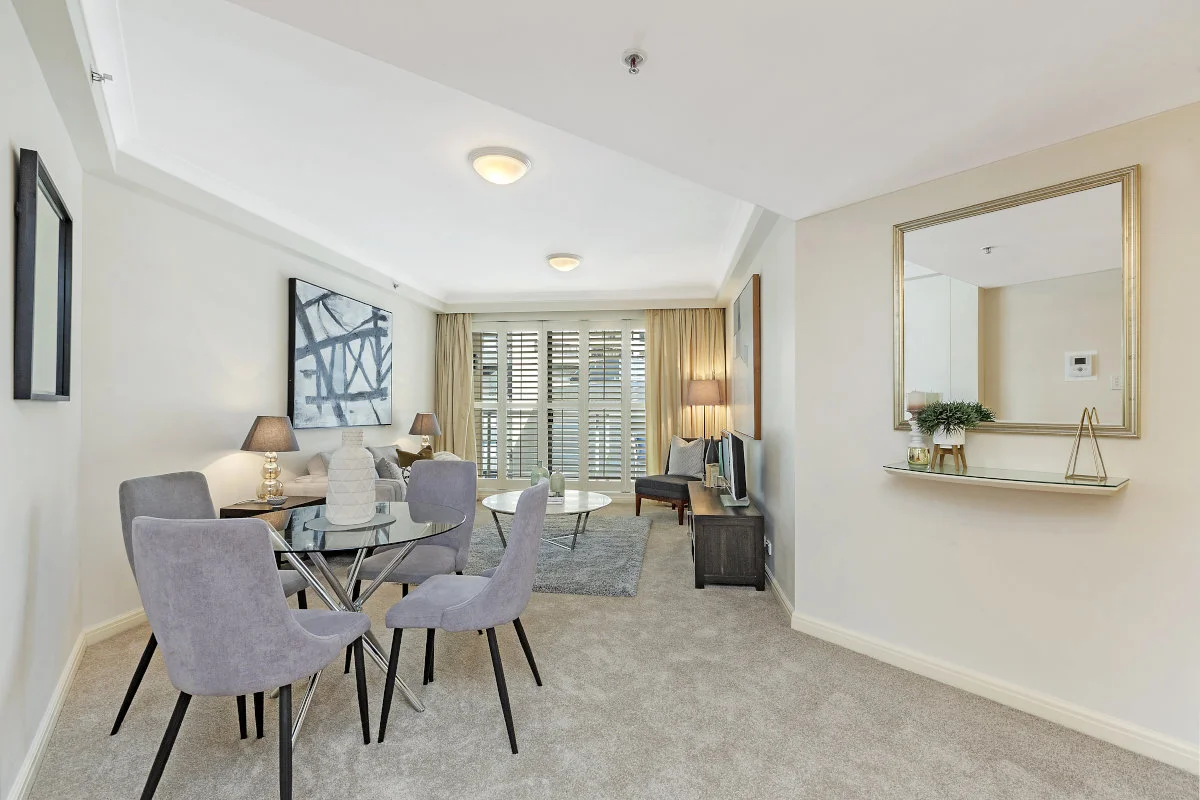 $660,000 - $725,000
Apartment / Unit / Flat
$660,000 - $725,000
Apartment / Unit / Flat
 $990
Apartment / Unit / Flat
$990
Apartment / Unit / Flat
 $2,250,000
Apartment / Unit / Flat
$2,250,000
Apartment / Unit / Flat