Overview
1. Overview
St Francis Xavier's School Montmorency is a Catholic, co-educational primary school serving families in Montmorency and surrounding suburbs. The school is small to medium in size, with class sizes typically around 20–25 students, fostering a close-knit, caring environment. Parents often note a nurturing atmosphere that emphasises faith-based values, pastoral care, and strong community connection.
As a Catholic school, SFX Montmorency focuses on holistic education—academic achievement alongside character development, service, and spiritual growth. The school aims to create an inclusive community where students feel supported, valued, and engaged in their learning journey.
⸻
2. Academics & Learning
- Academic strengths: Focus on core literacy and numeracy with an education approach that weaves Religious Education and values into daily learning. Emphasis on incorporating digital literacy and critical thinking across subjects.
- Special programs: Faith-based curriculum integrated with general learning; instrumental music and performing arts opportunities; potential enrichment or gifted/talented pathways may be available, depending on cohort needs.
- NAPLAN / trends: Public data for individual school trends can vary year to year; in many years similar small Catholic primary schools show steady performance within state averages with gradual improvement in literacy and numeracy over time. Check the latest annual summaries for current trends.
- Student-teacher ratios: Typical primary-school ratios are in the range of approximately 1:12 to 1:20, depending on year level and staffing.
- Support for diverse learners: EAL and SEN support commonly available; use of learning support staff, targeted interventions, and individualized plans to assist students who need extra help.
⸻
3. Sports & Extracurricular Strengths
- Sports offered: Variety of primary-level sports (e.g., soccer/football, basketball, cricket, AFL-style activities, athletics) with opportunities for participation in inter-school events and local competitions.
- Strong teams or achievements: School-level teams and inter-school participation are common, with emphasis on teamwork, fair play, and personal development.
- Music, arts, drama programs: Instrumental music program, choir or singing opportunities, and school drama/performance experiences are typically offered.
- Clubs: Robotics, chess, coding, debating, and other lunchtime or after-school clubs may be available to extend learning beyond the classroom.
- Partnerships: Possible connections with local clubs and inter-school competitions to broaden sporting and extracurricular experiences.
⸻
4. Wellbeing & Pastoral Care
- Anti-bullying approach: Proactive policies and programs to promote respectful behaviour, with clear procedures for reporting and addressing concerns.
- House system: A House system is commonly used to build belonging and healthy competition, supporting teamwork and school spirit.
- Counsellors / wellbeing officers: Access to school counsellors or wellbeing staff to support emotional and social health.
- Transition support for new students: Orientation activities, buddy systems, and targeted supports to help students settle in smoothly.
⸻
5. Facilities
- Sports grounds: On-site playing fields or courts suitable for a range of sports and outdoor activities.
- Libraries: A library with age-appropriate resources to support reading and research.
- Science labs: Dedicated spaces for science exploration and experimentation.
- Music/performing arts centers: Facilities to support music lessons, rehearsals, and performances.
- Tech/innovation labs: General ICT facilities and spaces for coding or digital projects.
- Cafeteria: On-site canteen or lunch facilities to support daily meals or snacks.
- Updated playgrounds: Modern play areas and outdoor spaces for recreation and physical activity.
⸻
6. School Values & Community Culture
- School values / mission: Faith-based education anchored in Catholic values such as respect, compassion, service, and integrity; emphasis on forming the whole person.
- Leadership style: Student-inclusive approaches with teacher leadership complemented by student voice and active engagement in school life.
- Behaviour expectations: Clear behavioural standards rooted in respect for self, others, and the learning environment.
- Community reputation: Generally positive, with strong involvement from families and local parish communities; focus on welcoming new families and fostering belonging.
- Diversity & inclusion: Commitment to creating an inclusive environment that welcomes students from diverse backgrounds and abilities.
⸻
7. School Logistics & Daily Operations
- School hours: Typical daily schedule runs from morning to afternoon; many primary schools operate roughly 9:00 am–3:30 pm, with variations on some days.
- Before/after school care: OSHC or similar programs are commonly available to support families with early drop-offs or after-school care.
- Uniform requirements: Commonly a formal school uniform (and possibly sports uniforms for physical education days); details provided by the school.
- Transport (train/bus routes): Access to local bus routes and proximity to train services; coordination with families for drop-off/pick-up.
- Canteen availability: Canteen or lunch facilities often available to provide meals or snacks.
- Fees (low/medium/high ranges): Fees for Catholic primary schools typically fall in the mid-range, with additional costs for excursions, activities, or levies; exact figures are set by the school each year.
⸻
8. Enrolment & Admissions
11. What is the enrolment process and timeline?
- Submit an expression of interest or enrolment application.
- Provide required documentation (birth certificate or proof of age, immunisation records, baptism or Catholic family information may be requested).
- Participate in any required interviews or family information sessions.
- Receive a placement offer if a vacancy exists; timelines vary by intake and year level. For accurate dates, contact the school directly.
12. Is there a waiting list, and how does it work?
- Many Catholic primary schools maintain a waiting list when vacancies are limited. Ordering is often influenced by date of application, enrolment preferences (catchment or parish ties), and availability for the requested year level.
13. Are there any entry requirements, tests, or interviews?
- Some schools conduct short interviews with families; there may be requests for prior school reports or baptism documentation. Formal tracking tests are not typically required for primary intake, but assessments or conversations may occur to understand student needs.
14. Does the school accept mid-year transfers?
- Mid-year transfers are possible subject to vacancies, with a process that usually involves submitting records from the previous school and an assessment of readiness for the new year level.
⸻
9. Frequently Asked Questions
- Why Parents Choose This School?
- A Catholic, values-based education in a supportive, small-to-medium school community with attentive teachers and a emphasis on wellbeing and character development.
- What type of student thrives at this school?
- Students who benefit from a nurturing, inclusive environment with strong pastoral care, opportunities for faith-informed learning, and a balanced focus on academics, sport, and the arts.
- What opportunities are available for students to extend their skills (academics, sports, arts)?
- Extensions in literacy and numeracy, access to instrumental music, choir, and drama; clubs such as robotics, chess, coding, and debating; opportunities to participate in inter-school sports and arts performances.
- How does the school communicate with parents?
- Regular updates via newsletters, emails, parent portals, and parent-teacher meetings; open channels for contact with teachers and leadership.
- What is the school’s approach to teaching and learning?
- A balanced, faith-informed curriculum with differentiation to meet diverse learner needs, focus on literacy and numeracy, and integration of technology and digital literacy.
- How does the school support students who need extra academic help?
- Targeted interventions, learning support staff, small group or one-on-one support, and Individual Education Plans where appropriate.
- What support is available for academic challenges?
- Access to classroom adjustments, learning support programs, and coordination with families to implement effective strategies.
- How does the school communicate with parents?
- See above; multiple channels are used to keep families informed about progress, events, and school news.
- What are the class sizes and how much individual attention do students receive?
- Class sizes typically around 20–25 students, allowing teachers to provide more targeted attention and support within the classroom.
- What extracurricular and sports opportunities are available?
- A range of sports (soccer, basketball, cricket, etc.), music and drama programs, and clubs like robotics, chess, coding, and debating.
- What facilities does the school offer (sports, science, arts)?
- Sports grounds, library, science labs, music/performing arts facilities, tech/innovation spaces, canteen, and modern playgrounds.
- What is the school’s approach to technology and digital learning?
- Integrated ICT and digital literacy across the curriculum, with appropriate supervision and focus on responsible digital citizenship.
- What transport and accessibility options are available?
- Local bus routes and proximity to train services; convenient drop-off/pick-up arrangements and accessible facilities.
- What are the typical school fees or additional costs?
- Fees are in the mid-range for Catholic primary schools, with additional costs for excursions, materials, and sometimes levies; exact figures vary yearly.
⸻
10. Short Pros & Cons list
Pros
- Values-based, Catholic education with strong pastoral care
- Small-to-medium school environment promoting close student-teacher relationships
- Focus on literacy, numeracy, and holistic development
- Broad range of extracurriculars (music, arts, clubs, sports)
- Inclusive culture with support for diverse learners
Cons
- May have limited capacity for new year-level intake; potential waiting lists
- Fees and levies typical of private Catholic schools; verify current costs
- Facilities and programs may vary by cohort year; always confirm current offerings
- Transport options depend on local routes and catchment; check accessibility
⸻
If you’d like, I can tailor this further with any specific details you can provide from the school (current enrolment numbers, exact programs, or recent achievements) or adjust the tone for a particular audience.








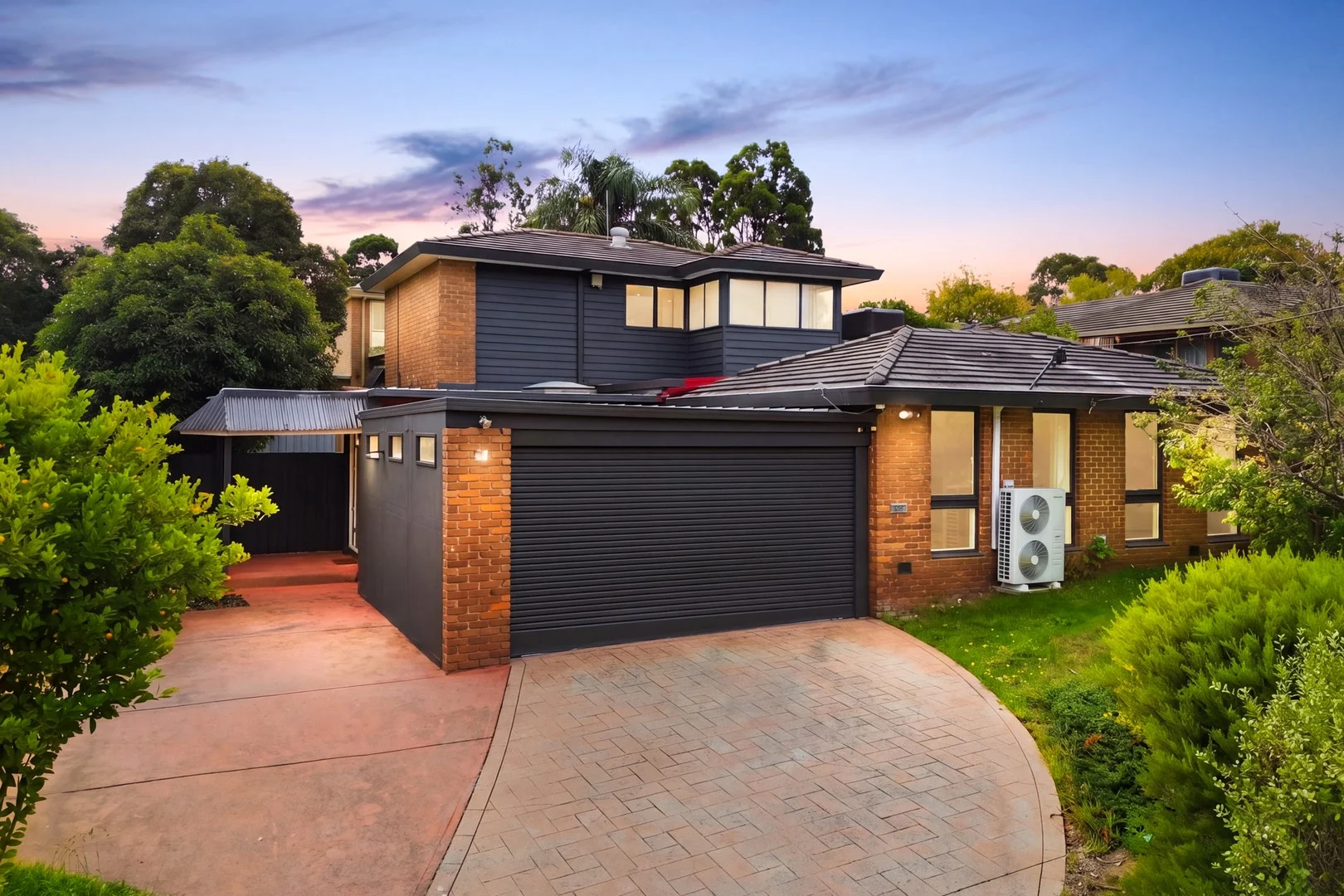 $1,220,000 - $1,320,000
House
$1,220,000 - $1,320,000
House
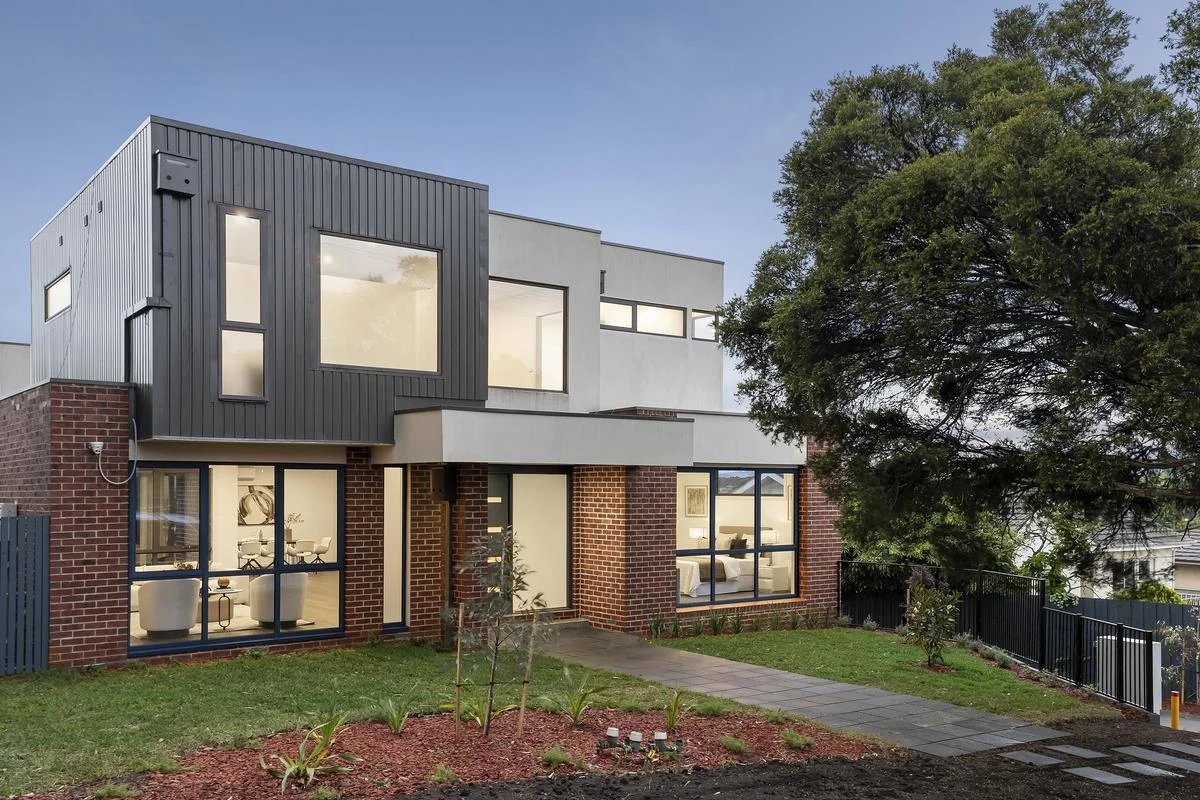 $1,550,000 - $1,650,000
Townhouse
$1,550,000 - $1,650,000
Townhouse
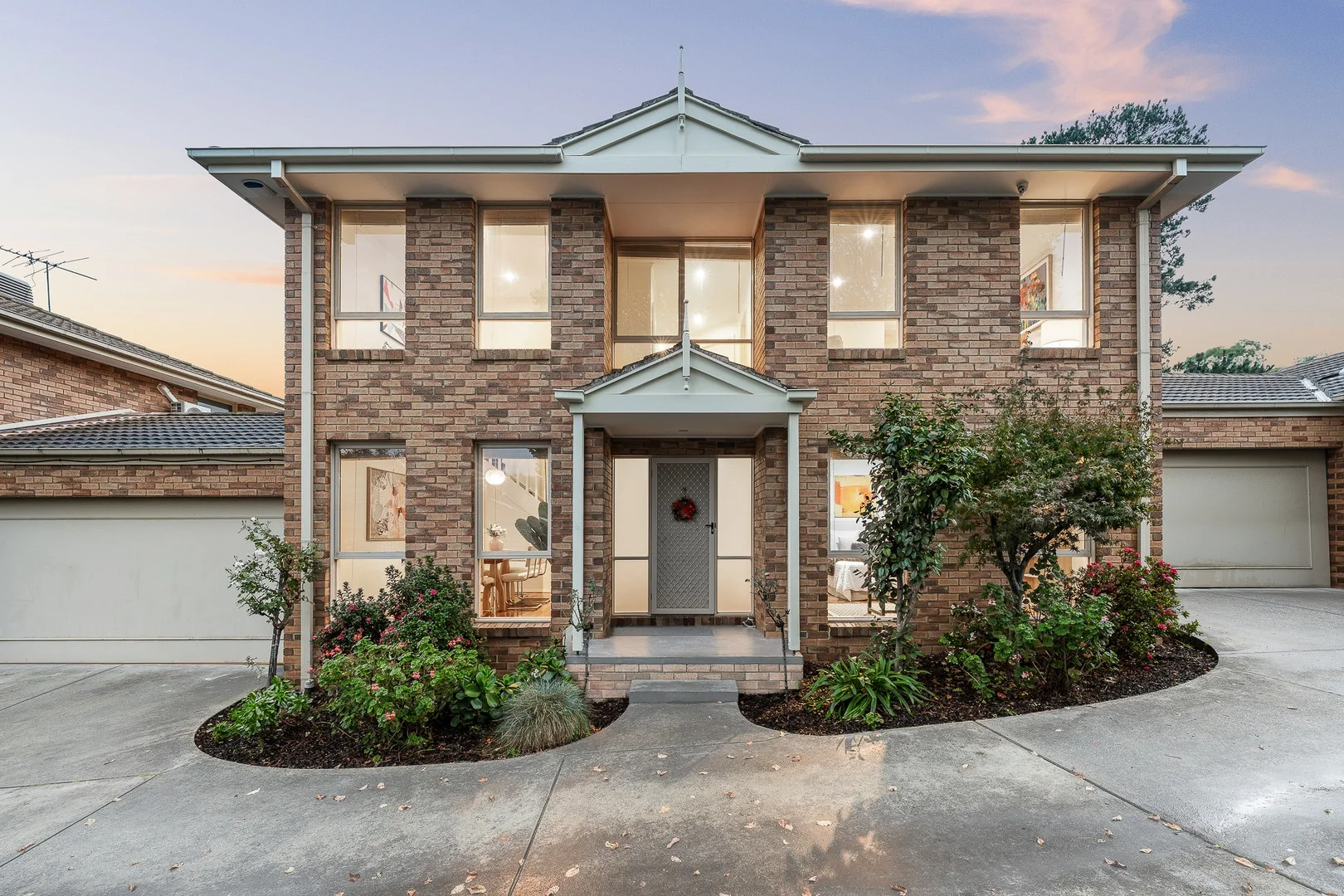 $950,000 - $1,045,000
Apartment / Unit / Flat
$950,000 - $1,045,000
Apartment / Unit / Flat
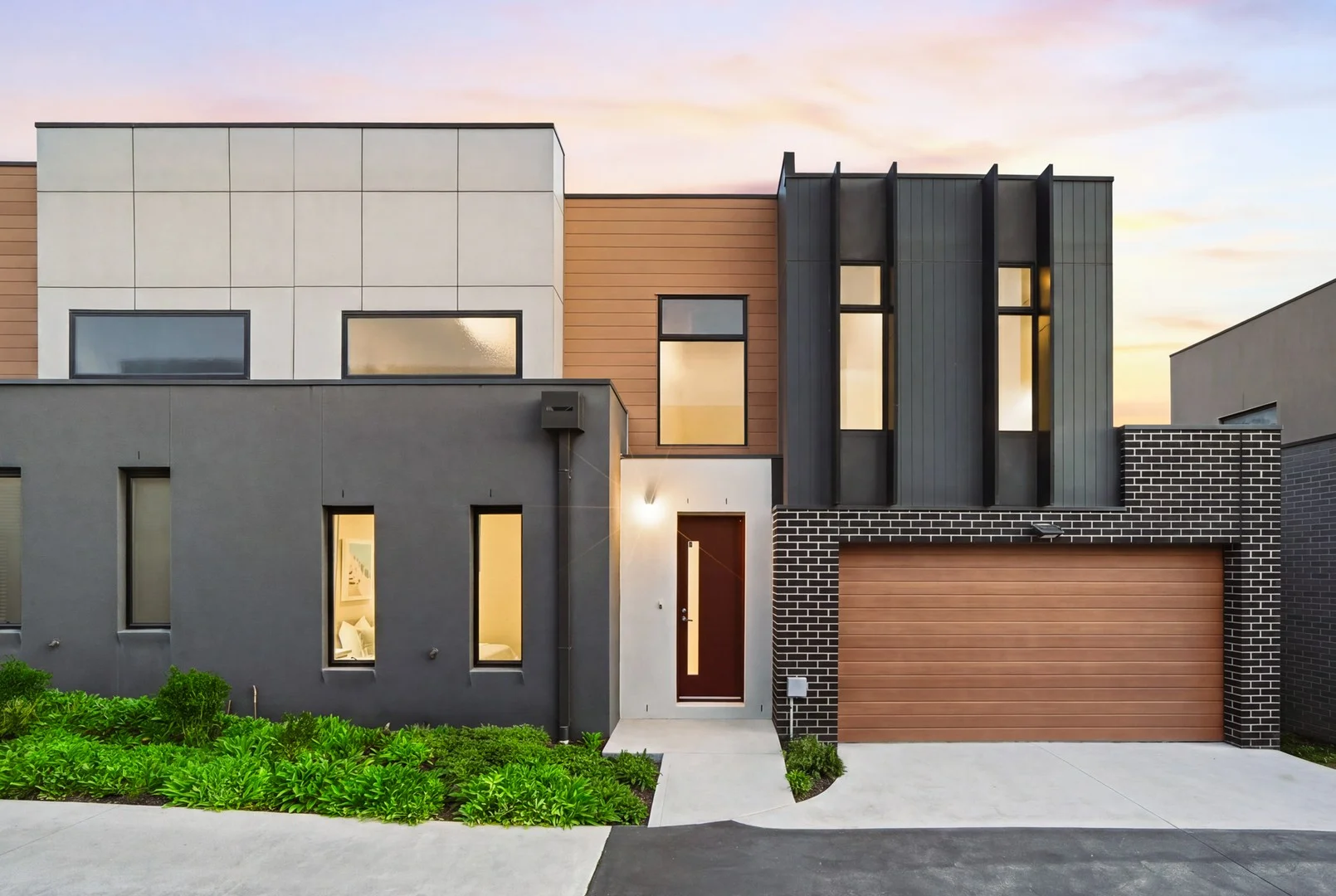 $900,000 - $990,000
Townhouse
$900,000 - $990,000
Townhouse
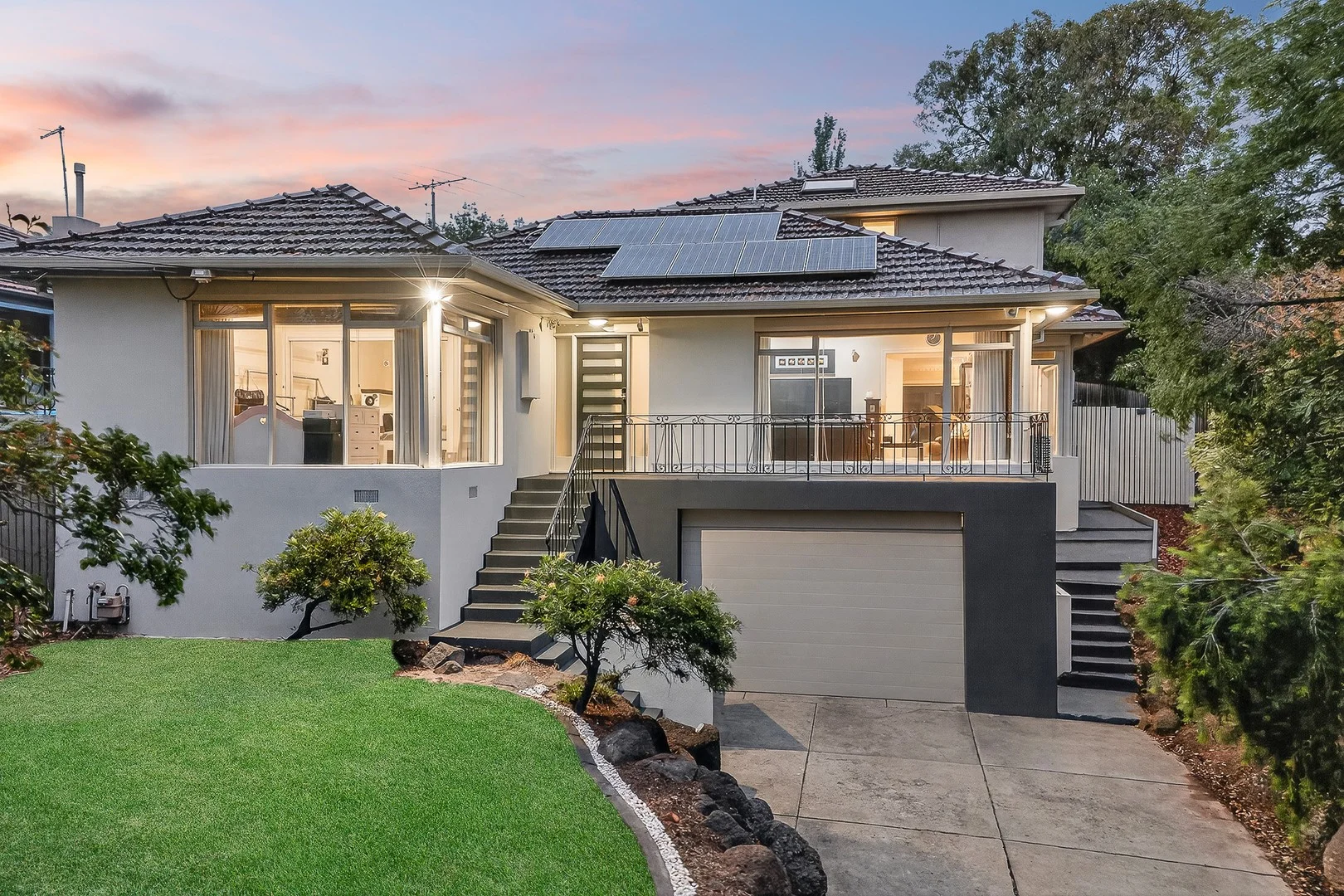 $1,350,000 - $1,450,000
House
$1,350,000 - $1,450,000
House
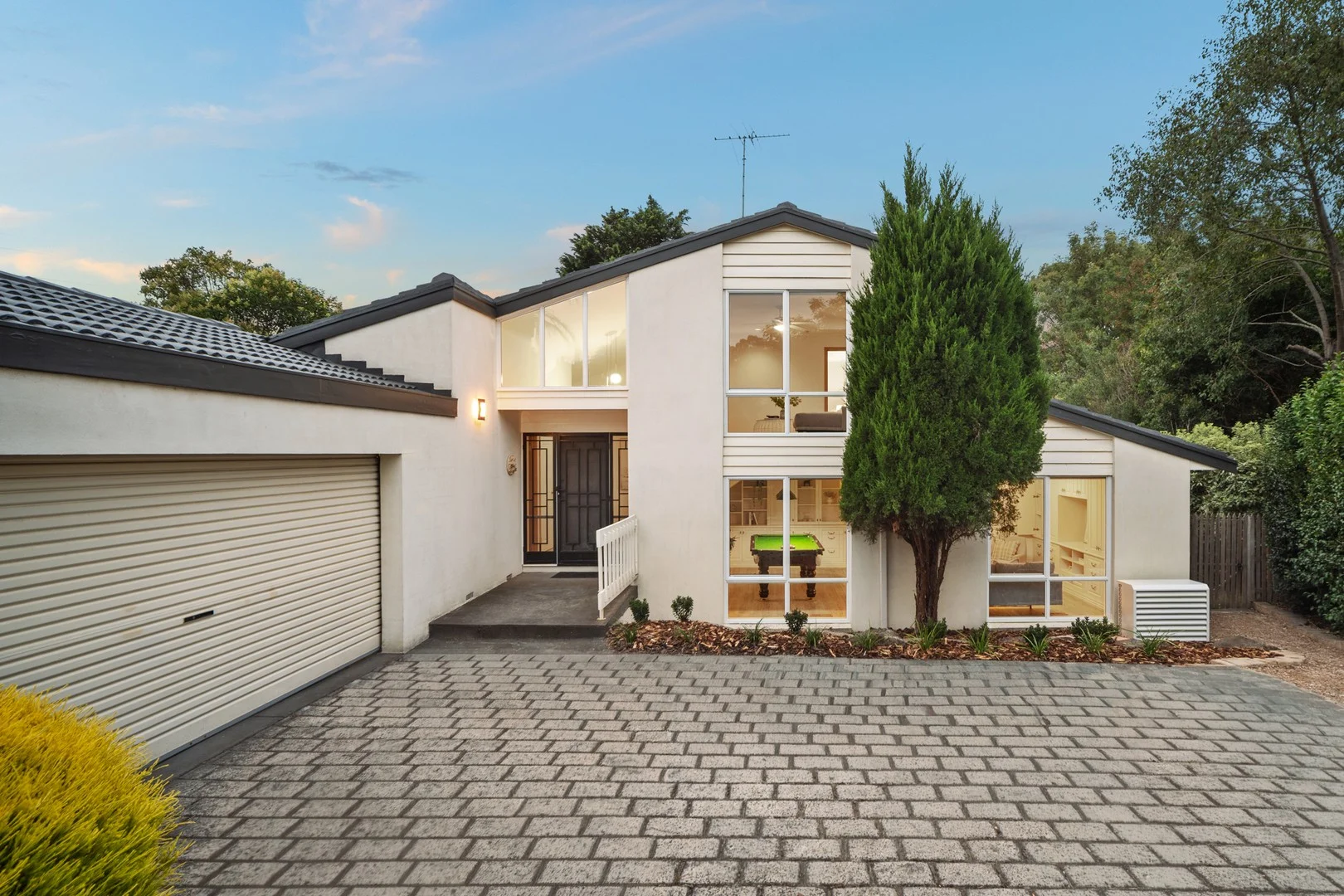 $1,380,000 - $1,500,000
House
$1,380,000 - $1,500,000
House
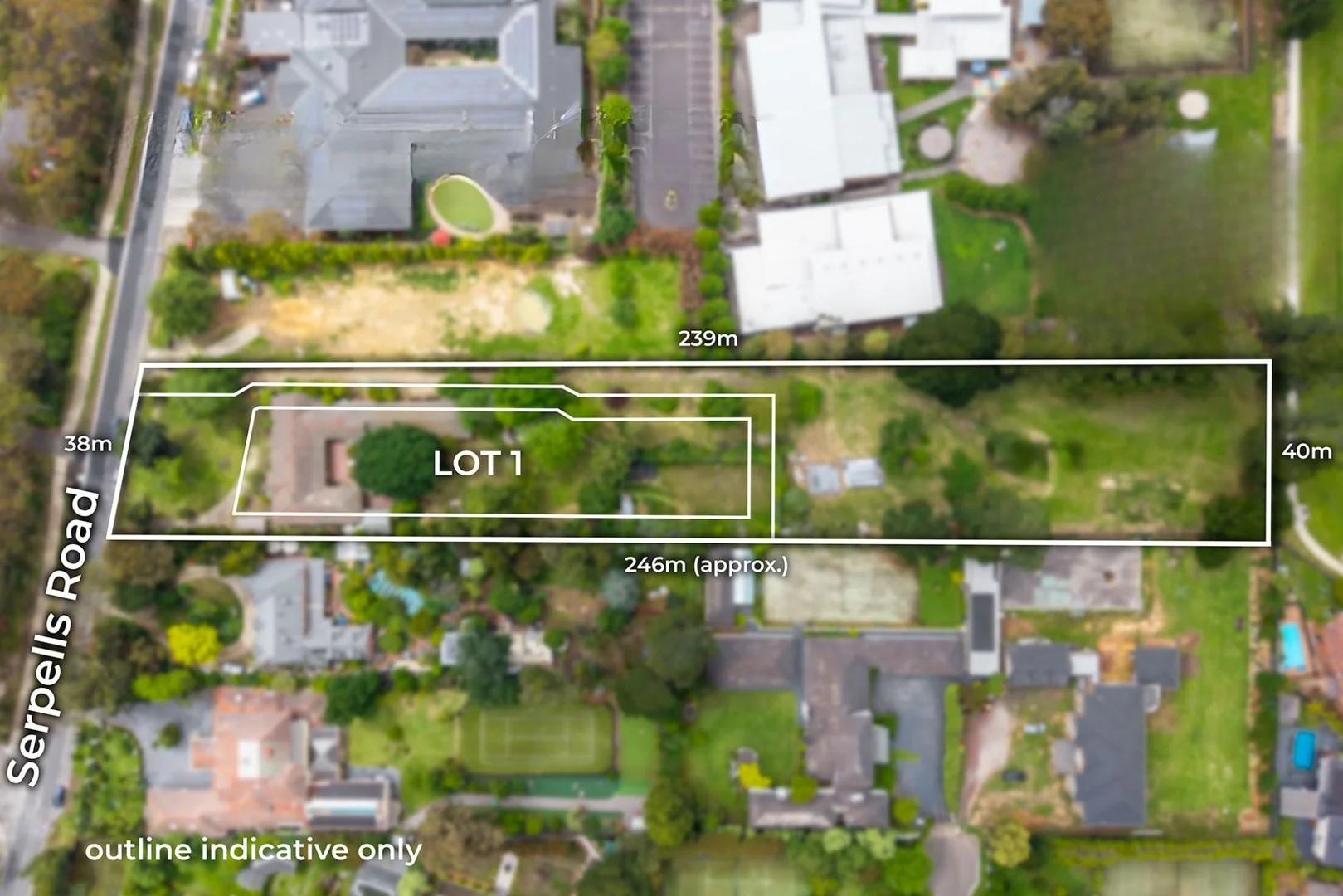 $5,600,000
House
$5,600,000
House
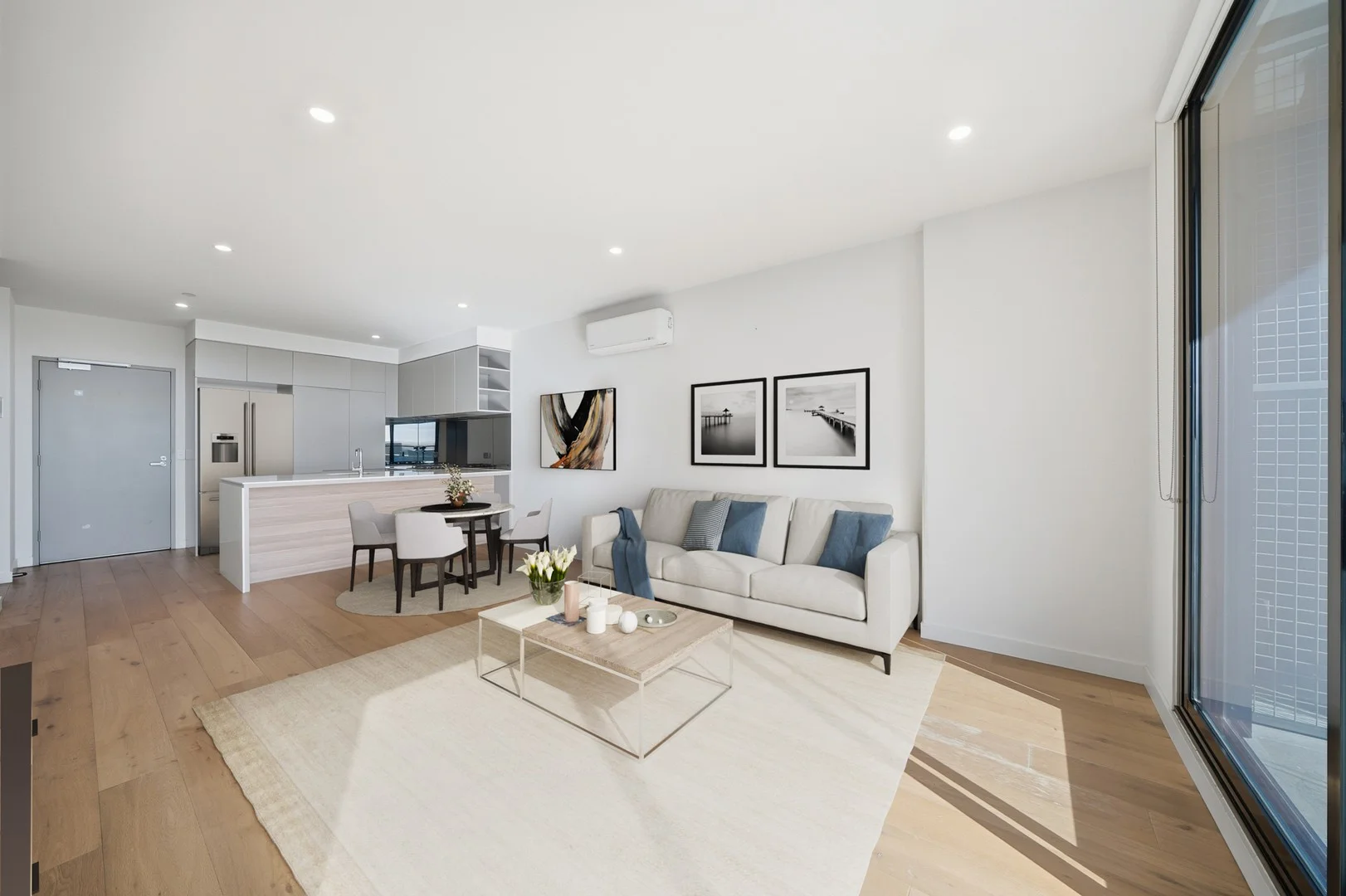 $500,000 - $550,000
Apartment / Unit / Flat
$500,000 - $550,000
Apartment / Unit / Flat
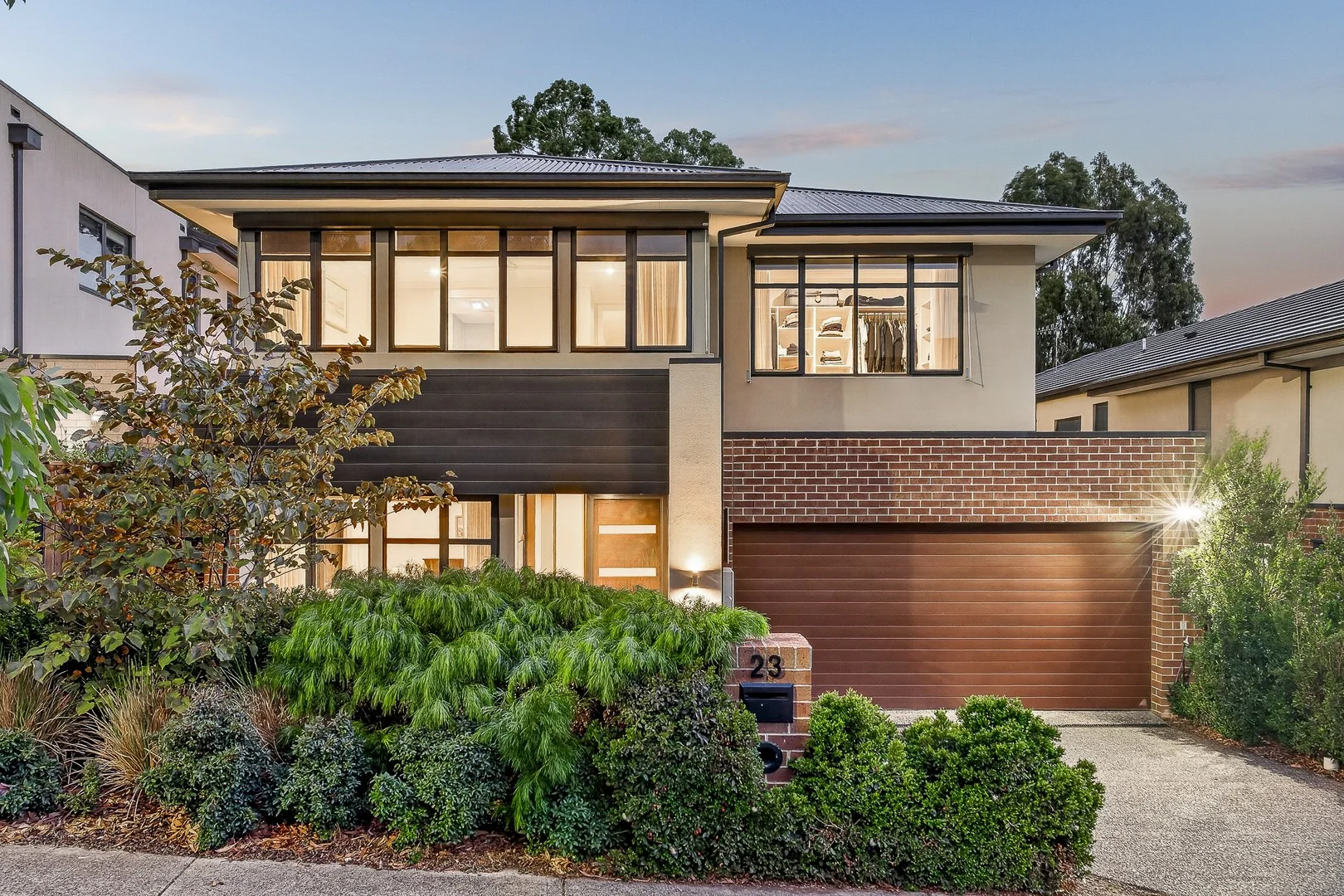 $1,780,000 - $1,880,000
House
$1,780,000 - $1,880,000
House