Overview
## Overview
St John XXIII Primary School is a Catholic primary school serving families in Thomastown East, VIC. It offers a faith-based education within the Catholic tradition, focusing on nurturing values alongside academic growth. The school is typically described as small-to-medium in size, with class sizes around 20–25 students, which supports a family-like, inclusive atmosphere.
The school emphasizes a supportive, faith-filled culture that values community, respect, and service. Parents can expect a welcoming environment where students are encouraged to grow academically while developing strong personal and social skills.
---
## Academics & Learning
- Academic strengths: Strong emphasis on literacy and numeracy with a balanced focus on reading, writing, and mathematical concepts. Integration of STEM activities and real-world problem solving complements core curriculum.
- Special programs: Enrichment and extension opportunities, alongside targeted support for diverse learners. Inclusive education practices are used to cater to varying needs and learning styles.
- NAPLAN trends: State-wide trends are monitored to drive continuous improvement. Schools in the network typically track progress over time, aiming for stability and gradual improvement in key areas such as reading and numeracy.
- Student-teacher ratios: Class configurations generally support close teacher attention; typical ratios run in the mid-teens to low twenties per classroom depending on year level and staffing.
- Support for diverse learners: EAL (English as an Additional Language) and SEN (Special Educational Needs) supports are available, with tailored intervention and resources to assist students in developing foundational skills and independence.
---
## Sports & Extracurricular Strengths
- Sports offered: A range of team and individual sports throughout the year, including soccer, basketball, cricket, and athletics, with opportunities to participate in inter-school events.
- Strong teams or achievements: Involvement in interschool sport programs and occasional school-level team successes; emphasis is placed on participation, teamwork, and personal bests.
- Music, arts, drama programs: Active music and performing arts offerings, with opportunities for concerts and school productions. Visual arts and creative projects are integrated into learning experiences.
- Clubs: Common offerings may include robotics, coding, chess, debating, and other enrichment clubs that run during lunch breaks or after school.
- Partnerships: Connections with local community groups and diocesan programs for competitions, events, and enrichment activities; collaboration with nearby schools for shared activities is possible.
---
## Wellbeing & Pastoral Care
- Anti-bullying approach: Clear anti-bullying policies and programs, with a focus on restorative practices, peer mediation, and fostering a respectful school culture.
- House system: A house framework is used to build belonging, with house events, leadership roles, and inter-house activities that promote teamwork and school spirit.
- Counsellors / wellbeing officers: Access to school wellbeing staff to support emotional and social development, with referrals to external services when needed.
- Transition support for new students: Orientation activities, buddy systems, and targeted supports help new students settle in smoothly and build connections with peers and staff.
---
## Facilities
- Sports grounds: On-site outdoor spaces designed for physical education and sport activities.
- Libraries: A dedicated library or library space for reading, research, and quiet study.
- Science labs: Dedicated spaces for science exploration and hands-on experiments.
- Music/performing arts centers: Rooms and spaces for music practice, rehearsals, and performances.
- Tech/innovation labs: ICT or technology-enabled spaces that support coding, digital learning, and project-based activities.
- Cafeteria: On-site canteen or lunch facilities to support daily meals and meal ordering.
- Updated playgrounds: Well-maintained outdoor play areas with equipment for active, supervised play.
---
## School Values & Community Culture
- School values / mission: Grounded in Catholic faith, with emphasis on compassion, respect, service, and integrity as guiding principles.
- Leadership style: A collaborative, student-centered approach that encourages leadership opportunities within classrooms, at assemblies, and through school activities.
- Behaviour expectations: Clear expectations focused on respect, responsibility, kindness, and safety; consistent routines support positive behavior.
- Community reputation: A welcoming, family-oriented school culture that seeks strong partnerships with parents and parish communities.
- Diversity & inclusion: Commitment to an inclusive environment that respects and supports students from diverse backgrounds and abilities.
---
## School Logistics & Daily Operations
- School hours: Typical primary school day with start and finish times aligned to state schedules; a standard timetable includes morning/afternoon sessions and breaks.
- Before/after school care: OSHC or community-based before/after school care options are available through on-site or nearby providers.
- Uniform requirements: Daily uniform plus sport uniform for physical activities; clear uniform guidelines and purchasing information are available from the school office.
- Transport (train/bus routes): Local bus services and public transport options service the area; school drop-off and pick-up zones are designated for safety and efficiency.
- Canteen availability: On-site or school-supported lunch programs; lunch orders and canteen services are typically available.
- Fees (low/medium/high ranges): Fees are set by the school and aligned with regional primary school standards; families are encouraged to contact the school for current fee schedules and any additional costs (e.g., camps, excursions).
---
## Enrolment & Admissions
11. What is the enrolment process and timeline?
- Start with an expression of interest or application, followed by provision of required documents (e.g., birth certificate, Catholic parish details, immunisation status).
- The school will review applications, invite families for orientation or information sessions, and communicate offers within the stated timelines.
- Offers typically align with the start of the school year, with some options for mid-year placement subject to space and readiness.
12. Is there a waiting list, and how does it work?
- Waiting lists may exist when the intake is full. Priority often goes to siblings and Catholic parish applicants, with timelines provided by the school.
- Applications can be placed on hold or active, and families are informed of expected wait times and any opportunities to move up the list.
13. Are there any entry requirements, tests, or interviews?
- Entry generally does not involve formal entrance tests. Some schools may conduct informal conversations or readiness discussions with parents and the student.
- Documentation such as baptism details (for Catholic families) and previous school records may be requested, along with any appropriate language or learning considerations.
14. Does the school accept mid-year transfers?
- Mid-year transfers may be possible depending on space and the school’s capacity. Prospective families should contact the admissions team as soon as possible to review options and required documentation.
---
## Frequently Asked Questions
- Why Parents Choose This School?
- What type of student thrives at this school?
- What opportunities are available for students to extend their skills (academics, sports, arts)?
- How does the school communicate with parents?
- What is the school’s approach to teaching and learning?
- How does the school support students who need extra academic help?
- What support is available for academic challenges?
- How does the school communicate with parents? (repeat)
- What are the class sizes and how much individual attention do students receive?
- What extracurricular and sports opportunities are available?
- What facilities does the school offer (sports, science, arts)?
- What is the school’s approach to technology and digital learning?
- What transport and accessibility options are available?
- What are the typical school fees or additional costs?
Answers to these questions usually highlight:
- A faith-centered, inclusive community with a focus on both academics and personal growth.
- Class sizes that enable individualized attention and supportive teaching.
- A range of enrichment opportunities in academics, sports, arts, and clubs.
- Regular and clear communication with families through newsletters, apps, and parent-teacher meetings.
- Differentiated teaching and targeted supports to assist students who need extra help.
- Access to wellbeing staff and programs to support social-emotional development.
- Facilities that support a well-rounded program across sports, science, arts, and technology.
- Transport options, uniform requirements, and a transparent fee structure.
---
## Short Pros & Cons list
Pros:
- Catholic values-based education with a nurturing, inclusive culture
- Small-to-medium size supports strong student-teacher relationships
- Balanced emphasis on academics, wellbeing, and faith formation
- Broad range of extracurriculars, sports, and arts programs
- Access to EAL and SEN support and dedicated wellbeing staff
Cons:
- Class sizes, while manageable, may still be challenging for very large families or those seeking extremely small class ratios
- Availability of certain clubs or programs can vary by year and staffing
- Fees and additional costs exist; families should confirm current schedules with the school
- Mid-year transfer options depend on space and timing
If you’d like, I can tailor this further to reflect more specific details you might have from the school or adjust the tone to be more concise or more in-depth for particular sections.










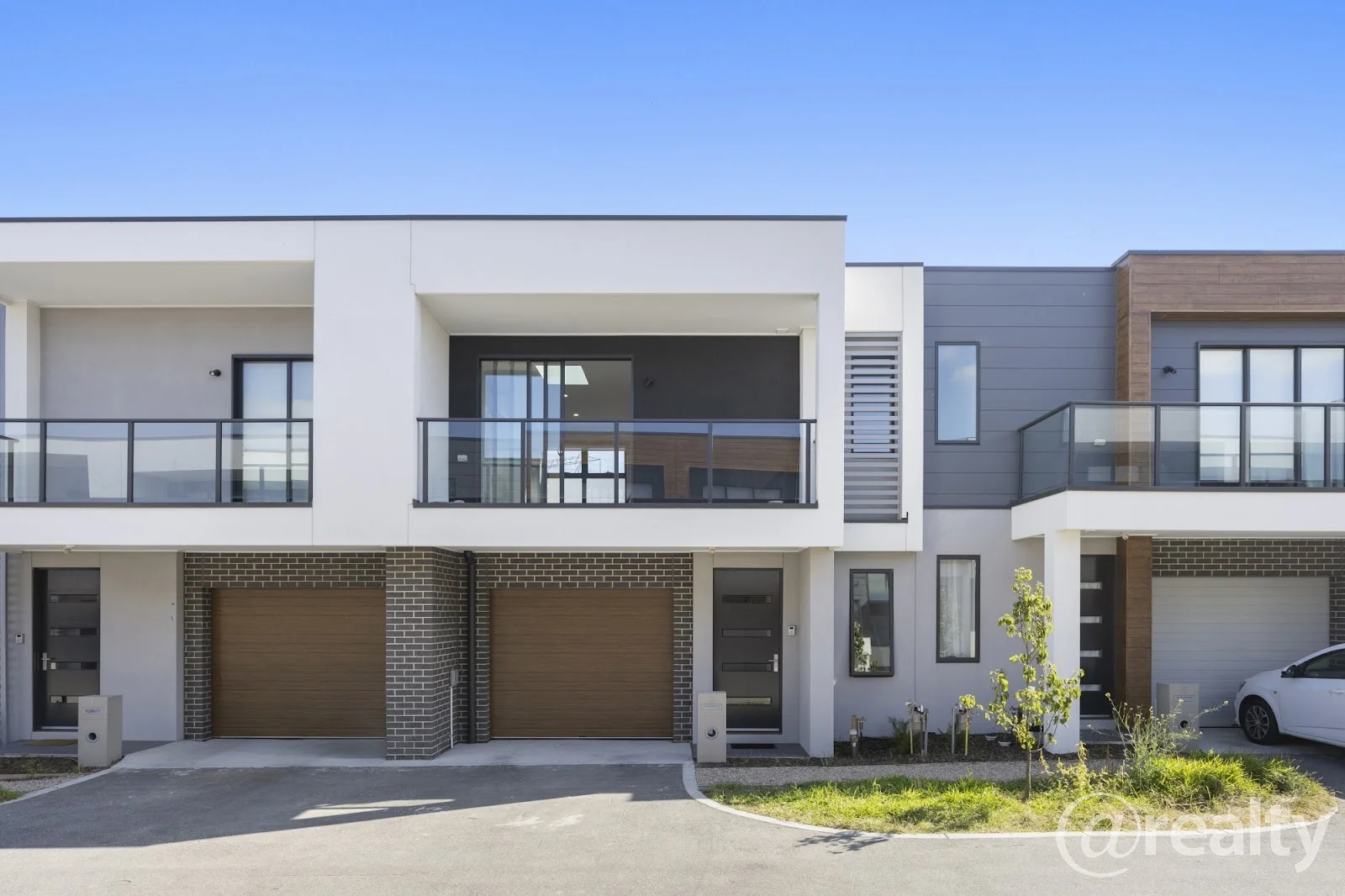 $510
Townhouse
$510
Townhouse
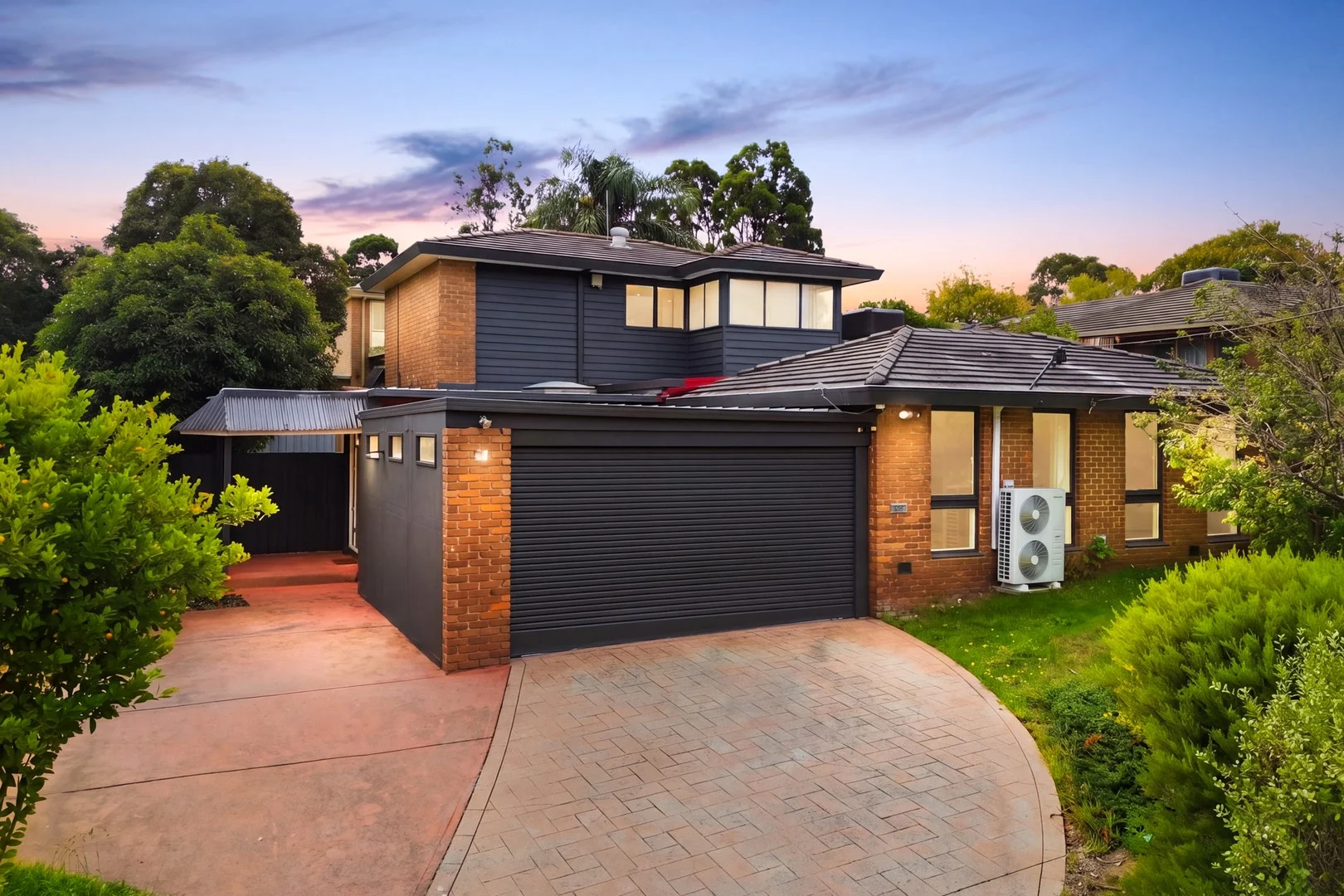 $1,220,000 - $1,320,000
House
$1,220,000 - $1,320,000
House
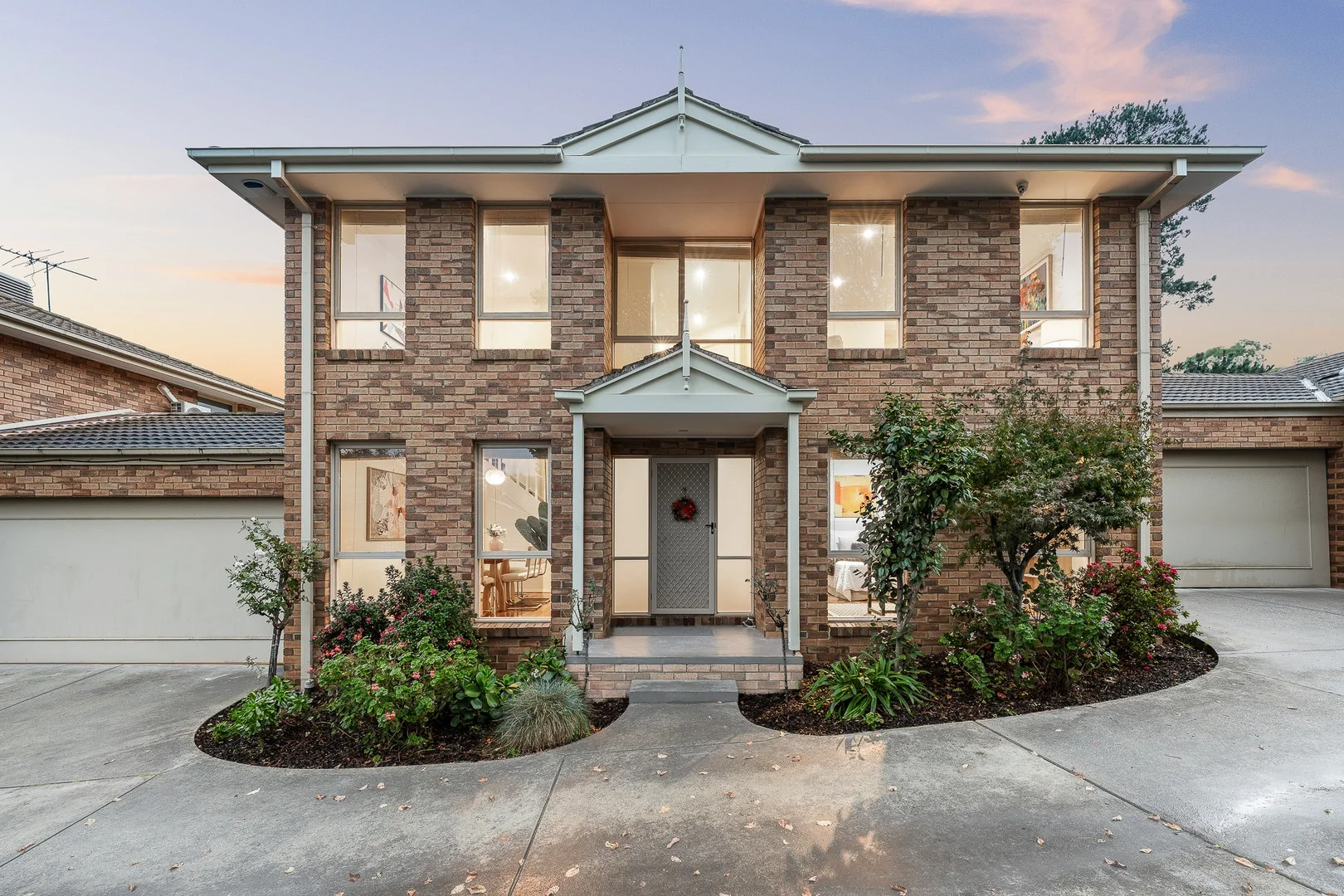 $950,000 - $1,045,000
Apartment / Unit / Flat
$950,000 - $1,045,000
Apartment / Unit / Flat
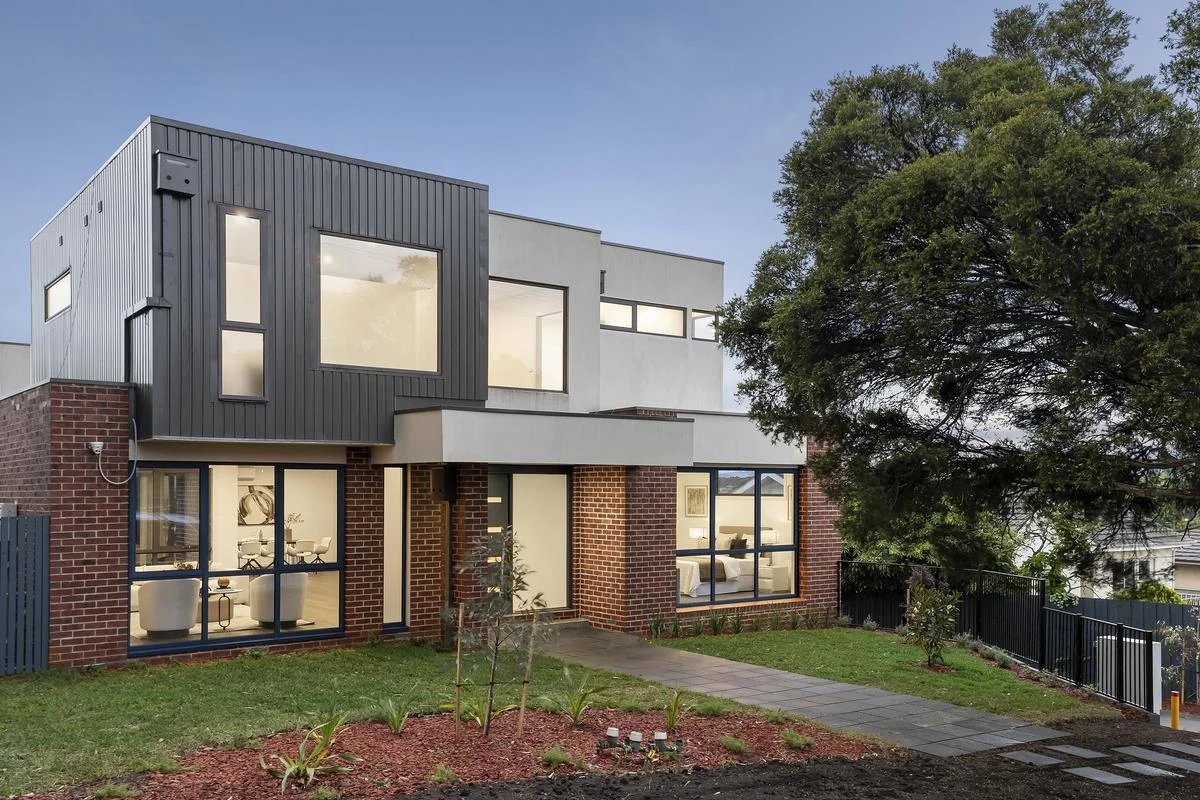 $1,550,000 - $1,650,000
Townhouse
$1,550,000 - $1,650,000
Townhouse
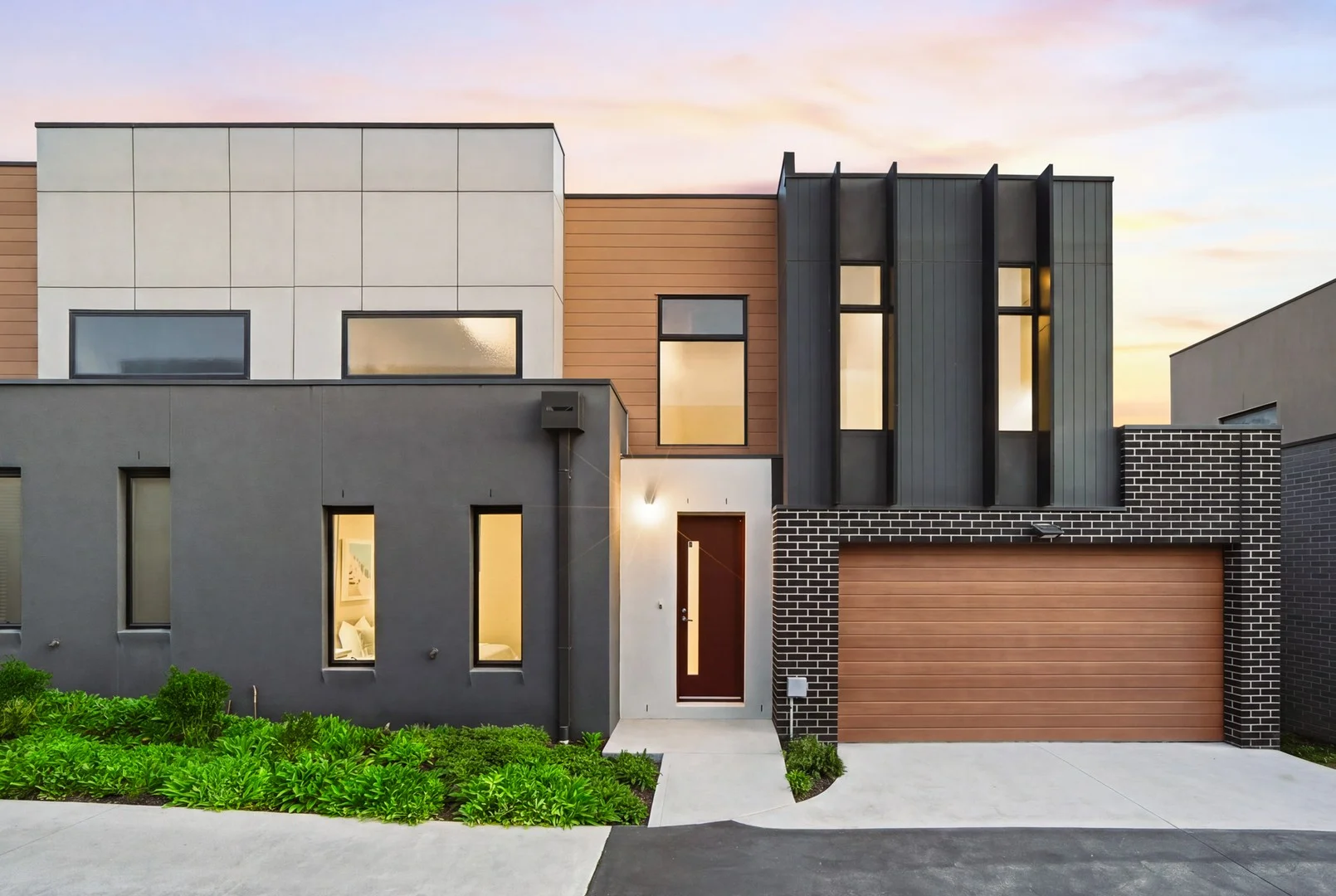 $900,000 - $990,000
Townhouse
$900,000 - $990,000
Townhouse
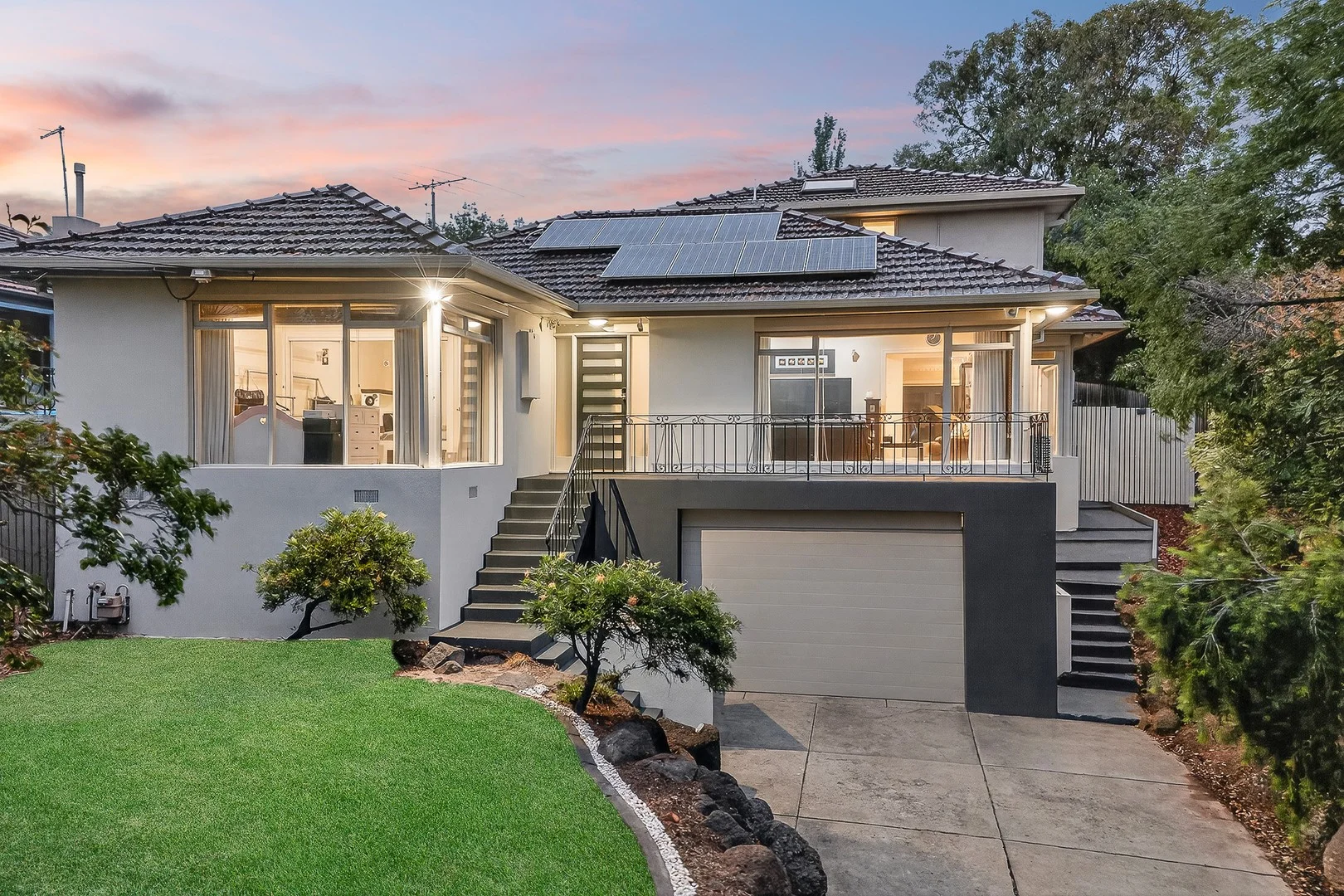 $1,350,000 - $1,450,000
House
$1,350,000 - $1,450,000
House
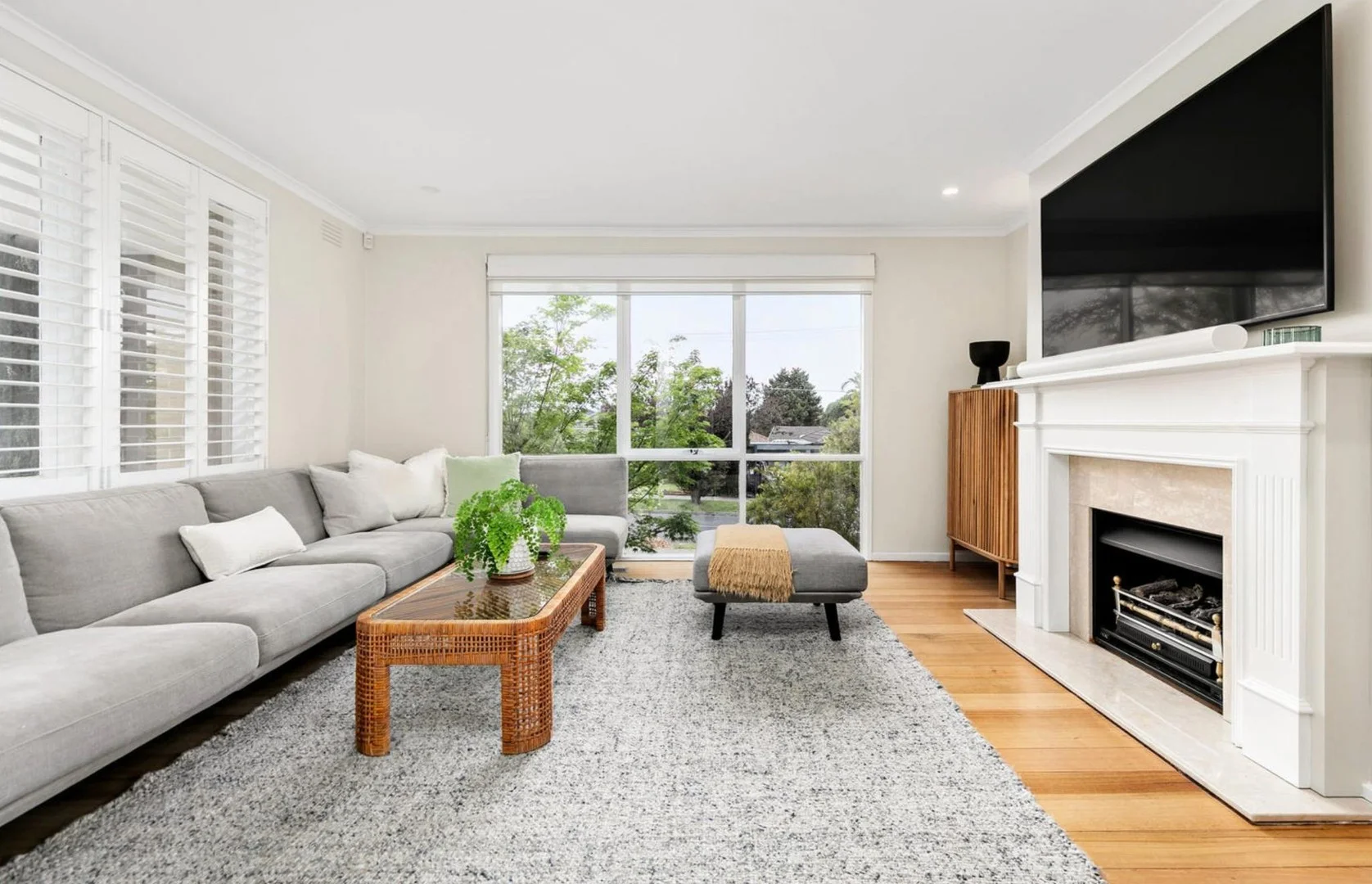 $750
House
$750
House
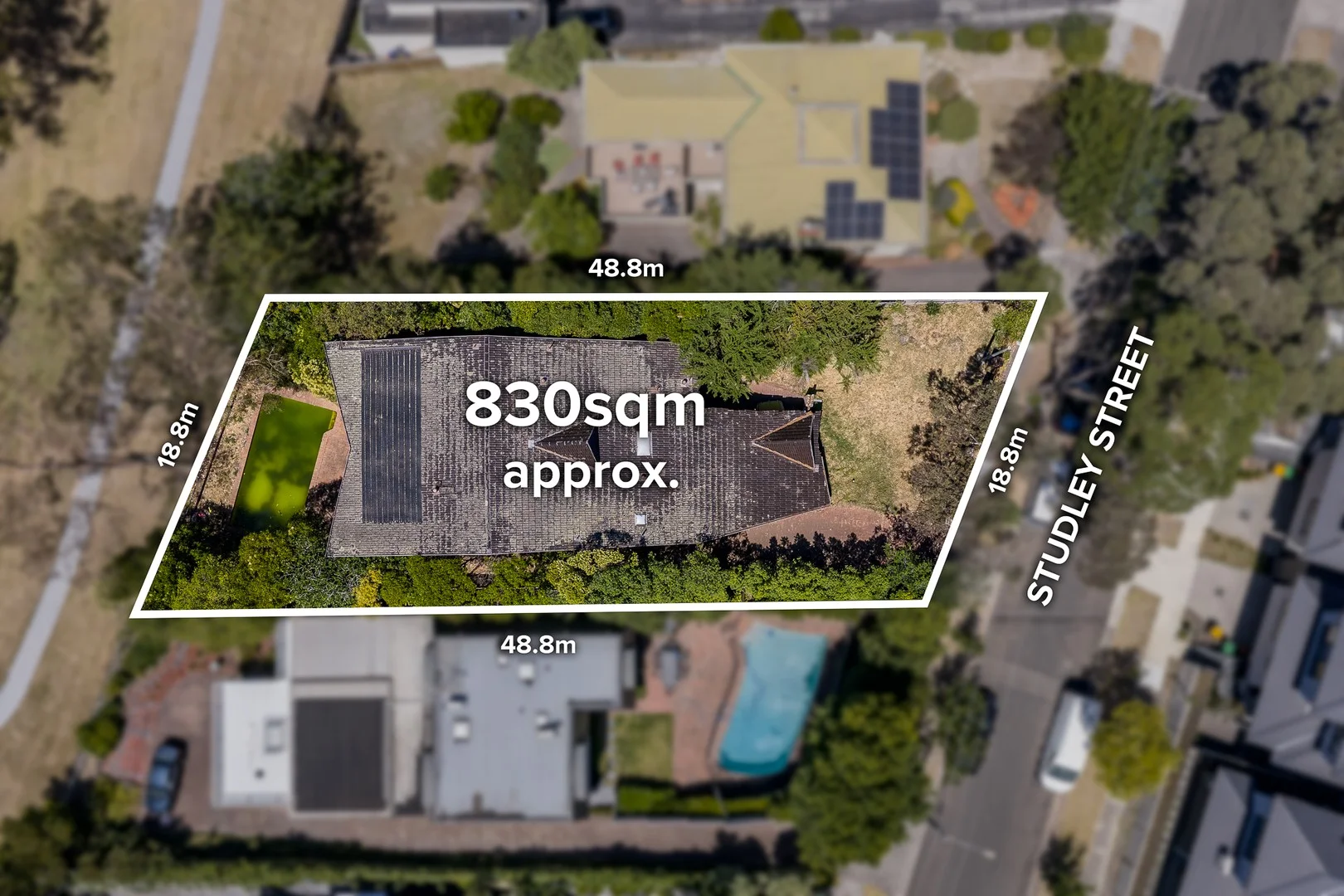 $1,400,000 - $1,500,000
House
$1,400,000 - $1,500,000
House
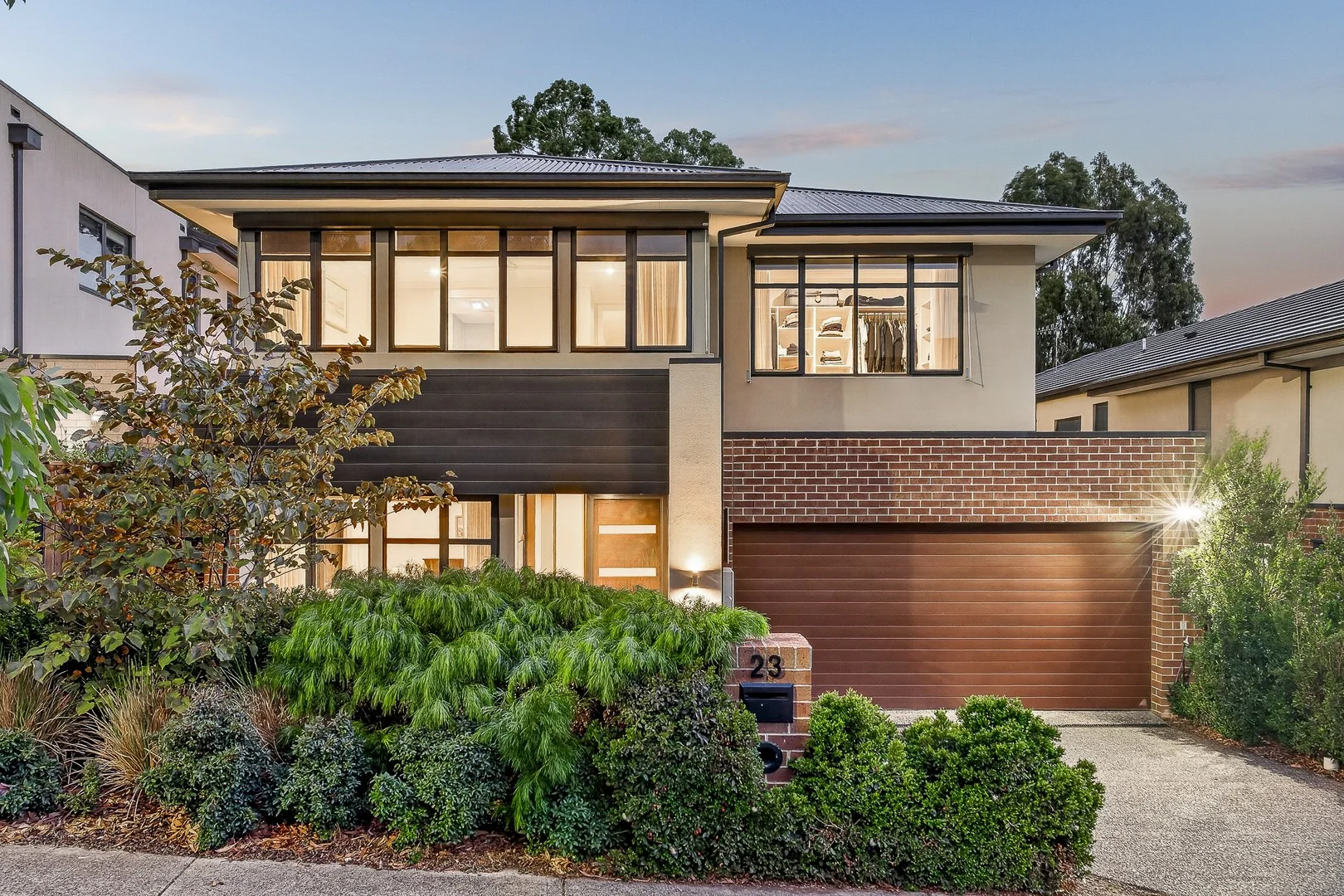 $1,780,000 - $1,880,000
House
$1,780,000 - $1,880,000
House