Overview
## 1. Overview
St Joseph’s Catholic Primary School, Rockdale, is a Catholic, co-educational primary school serving the local Rockdale community. As a small-to-medium sized school, it fosters a close-knit, family-friendly atmosphere with class sizes typically around 20–25 students. The school emphasises faith-based learning, supportive teacher-student relationships, and a welcoming environment that values diversity and inclusion.
The school aims to balance academic development with pastoral care, community involvement, and opportunities across sport, arts, and faith formation. It’s a place where students are encouraged to grow as confident learners and compassionate teammates within a Catholic framework.
⸻
## 2. Academics & Learning
- Academic strengths: English/literacy and mathematics are foundational pillars, with a strong emphasis on literacy, numeracy, and a values-informed approach to learning. Religious education is integrated throughout the curriculum, supporting students’ general academic growth alongside their faith formation. There is also attention to STEM-related learning and digital literacy as part of a well-rounded curriculum.
- Special programs: Curriculum is delivered with differentiation to meet diverse needs; opportunities for enrichment and leadership within classroom activities. The school may offer targeted support for students who need it, and a focus on developing high-quality work within the NSW syllabus.
- NAPLAN / trends: Publicly posted trend data may vary year to year; for the latest trajectory, refer to the school’s annual reports or direct inquiries. Public trend data is not included here.
- Student-teacher ratios: Classes are designed to be manageable with relatively small to mid-sized cohorts, supporting meaningful student-teacher interaction. Overall ratios are typically in the upper teens to mid-twenties per classroom, with additional teacher aide support where available.
- Support for diverse learners: The school provides EAL and SEN assistance, with a learning support team to help students access the curriculum and achieve their individual learning goals.
⸻
## 3. Sports & Extracurricular Strengths
- Sports offered: A broad mix of team and individual sports (e.g., soccer, netball, basketball, athletics) commonly available through inter-school activities and local competitions.
- Strong teams or achievements: Participation in inter-school and diocesan competitions is encouraged; the school highlights team spirit and sportsmanship, with opportunities to develop athletic skills across age groups.
- Music, arts, drama programs: Music education and performing arts are typically valued, with opportunities for choir, instrumental work, drama, and school productions.
- Clubs: Robotics, chess, coding, debating, and other technology or academics clubs are often offered as part of the after-school or lunchtime program, depending on year level and staffing.
- Partnerships: The school connects with local community groups, diocesan programs, and external clubs for competitions, events, and enrichment activities.
⸻
## 4. Wellbeing & Pastoral Care
- Anti-bullying approach: A clear anti-bullying policy and safeguarding practices help maintain a respectful, safe school environment with processes for reporting and support.
- House system: A house system supports pastoral care and school spirit through team events, inter-house competitions, and opportunities for leadership and collaboration.
- Counsellors / wellbeing officers: A wellbeing team or school counsellor provides support for students’ social, emotional, and mental health needs.
- Transition support for new students: Orientation activities, buddy systems, and targeted onboarding help new students settle in and build connections quickly.
⸻
## 5. Facilities
- Sports grounds: On-site fields and courts to support physical education and sport.
- Libraries: Central library spaces for reading, research, and quiet study.
- Science labs: Dedicated spaces for practical science learning.
- Music/performing arts centers: Facilities to support music education and school plays.
- Tech/innovation labs: Computer labs or makerspaces to foster digital literacy and STEM exploration.
- Cafeteria: On-site dining facilities or lunch service for students.
- Updated playgrounds: Age-appropriate play areas and outdoor spaces for recreation and learning.
⸻
## 6. School Values & Community Culture
- School values / mission: A faith-informed mission emphasising respect, compassion, service, responsibility, and integrity within a Catholic framework.
- Leadership style: Collaborative, with an emphasis on student voice, teacher collaboration, and a supportive pastoral approach.
- Behaviour expectations: Clear expectations around respect, safety, kindness, and responsibility; consistent routines and positive behavior supports.
- Community reputation: Active engagement with the local Catholic community and broader Rockdale neighbourhood; a reputation for a welcoming, inclusive environment.
- Diversity & inclusion: Commitment to welcoming students from diverse backgrounds and ensuring accessible learning opportunities for all.
⸻
## 7. School Logistics & Daily Operations
- School hours: Typical day runs during standard primary-school hours; exact start and finish times may vary by year level and term. Check with the school for precise times.
- Before/after school care: After-school care and other extended care options are usually offered to support families.
- Uniform requirements: School uniform is required, with details provided by the school; sports uniform may be worn on designated days.
- Transport (train/bus routes): Transport options are available in the local area; families may use public transport or school-organised arrangements as appropriate.
- Canteen availability: A canteen or lunch program is typically available, providing lunch options and/or meal orders.
- Fees (low/medium/high ranges): Fees are generally in the mid-range for NSW Catholic primary schools, with additional costs for uniforms, excursions, and activities. Check the school’s current fee schedule for exact figures.
⸻
## 8. Enrolment & Admissions
- 11. What is the enrolment process and timeline?
- Submit an application with required documentation and evidence of identity and residency.
- Complete any parish or religious suitability steps as applicable.
- Attend information sessions or interviews if requested by the school.
- Receive an enrolment offer within the school’s published intake timelines; timelines may vary by year and vacancy.
- 12. Is there a waiting list, and how does it work?
- Yes, there may be a waiting list. Priority often given to local Catholic families within the catchment area and siblings of current students. The school will advise on how the waitlist is managed and expected wait times.
- 13. Are there any entry requirements, tests, or interviews?
- Entry typically involves documentation and may include an interview or parish reference. There are usually no formal academic entrance tests for primary-aged applicants; admission decisions are based on enrolment policies, catchment considerations, and capacity.
- 14. Does the school accept mid-year transfers?
- It can accept mid-year transfers if there are vacancies and alignment with the intake requirements. Prospective families should contact the school directly to discuss space and timing.
⸻
## 9. Frequently Ask Questions
- Why Parents Choose This School?
- A welcoming Catholic learning community with an emphasis on values, pastoral care, and strong teacher-student relationships; opportunities across academics, sport, and the arts in a supportive environment.
- What type of student thrives at this school?
- Students who are respectful, engaged in learning, active in community life, and drawn to a faith-based education that supports holistic development.
- What opportunities are available for students to extend their skills (academics, sports, arts)?
- Enrichment within core subjects, leadership activities, and a range of sports, music, drama, and clubs such as robotics, coding, chess, and debating; access to inter-school competitions and performances.
- How does the school communicate with parents?
- Regular newsletters, email updates, a school app or portal, and parent-teacher meetings; timely information about events, concerns, and student progress.
- What is the school’s approach to teaching and learning?
- Curriculum aligned with NSW syllabuses, student-centered and differentiated instruction, emphasis on literacy, numeracy, critical thinking, and values integration.
- How does the school support students who need extra academic help?
- Targeted learning support, EAL and SEN assistance, in-class differentiation, and access to a learning support team.
- What support is available for academic challenges?
- Individual or small-group interventions, monitoring of progress, and collaboration with families to develop personalised plans.
- How does the school communicate with parents? (Repeated)
- See above: newsletters, digital platforms, meetings, and direct contact with teachers and leadership.
- What are the class sizes and how much individual attention do students receive?
- Class sizes typically around 20–25 students, with teacher-centred instruction and additional support staff where available to maximise individual attention.
- What extracurricular and sports opportunities are available?
- A broad program including sports, music, drama, robotics, coding, chess, debating, and other clubs; opportunities to participate in inter-school events.
- What facilities does the school offer (sports, science, arts)?
- Sports grounds, libraries, science labs, music/performing arts facilities, tech/innovation labs, canteen, and updated outdoor spaces.
- What is the school’s approach to technology and digital learning?
- Integration of digital literacy across the curriculum, access to computer labs or devices, and safe, age-appropriate use of technology as part of learning.
- What transport and accessibility options are available?
- Local transport options and accessibility considerations; families may use public transport or arranged transport where available.
- What are the typical school fees or additional costs?
- Fees fall in the mid-range for NSW Catholic primary schools; additional costs may include uniforms, excursions, and activities. Check the school’s current fee schedule for exact amounts.
⸻
## 10. Short Pros & Cons list
- Pros
- Welcoming, faith-based learning environment with a strong sense of community
- Focus on pastoral care and inclusive education
- Class sizes that support individual attention and teacher involvement
- Wide range of extracurricular activities including sports, arts, and clubs
- Opportunities to participate in inter-school and diocesan events
- Cons
- As a smaller/medium school, some highly specialist programs found in larger schools may be less available
- Enrolment and waitlists can be dependent on catchment and vacancies
- Fees and contributions are common in Catholic schools and can vary year to year with excursions and activities
⸻









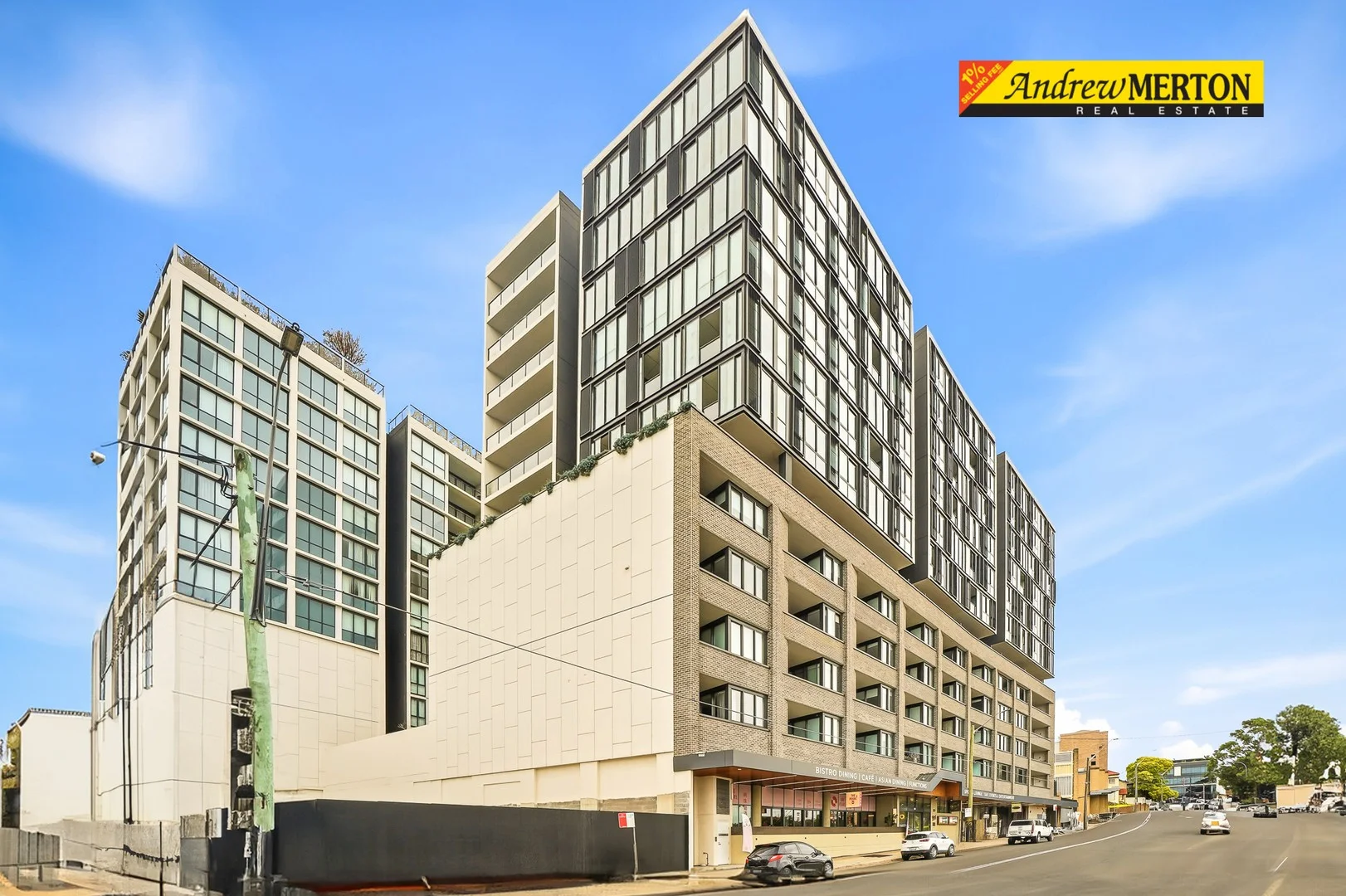 $699,000
Apartment / Unit / Flat
$699,000
Apartment / Unit / Flat
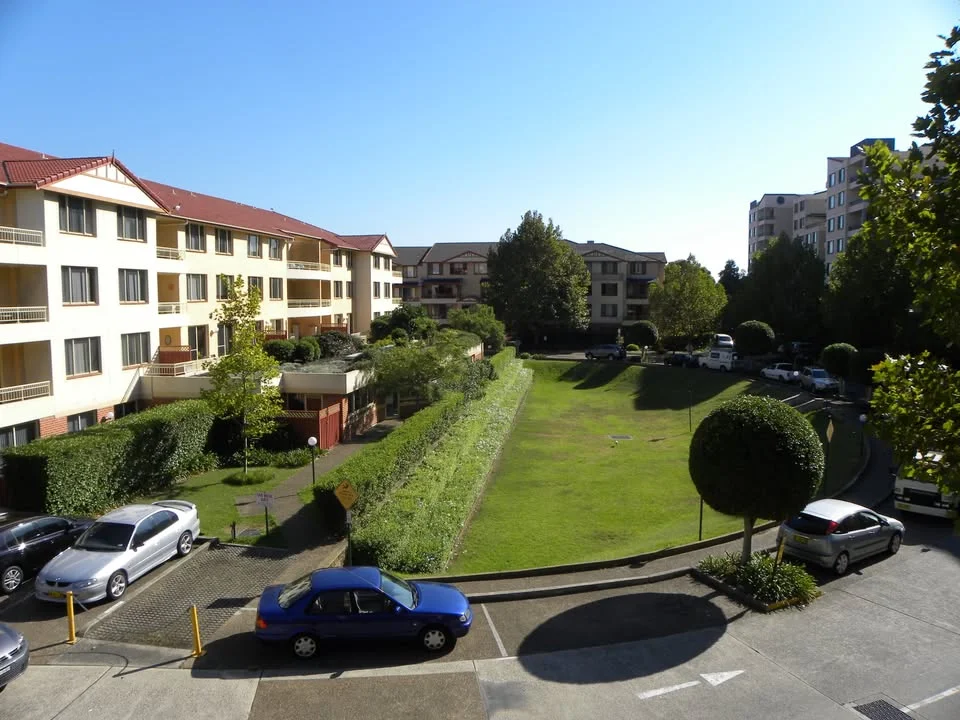 $990
Apartment / Unit / Flat
$990
Apartment / Unit / Flat
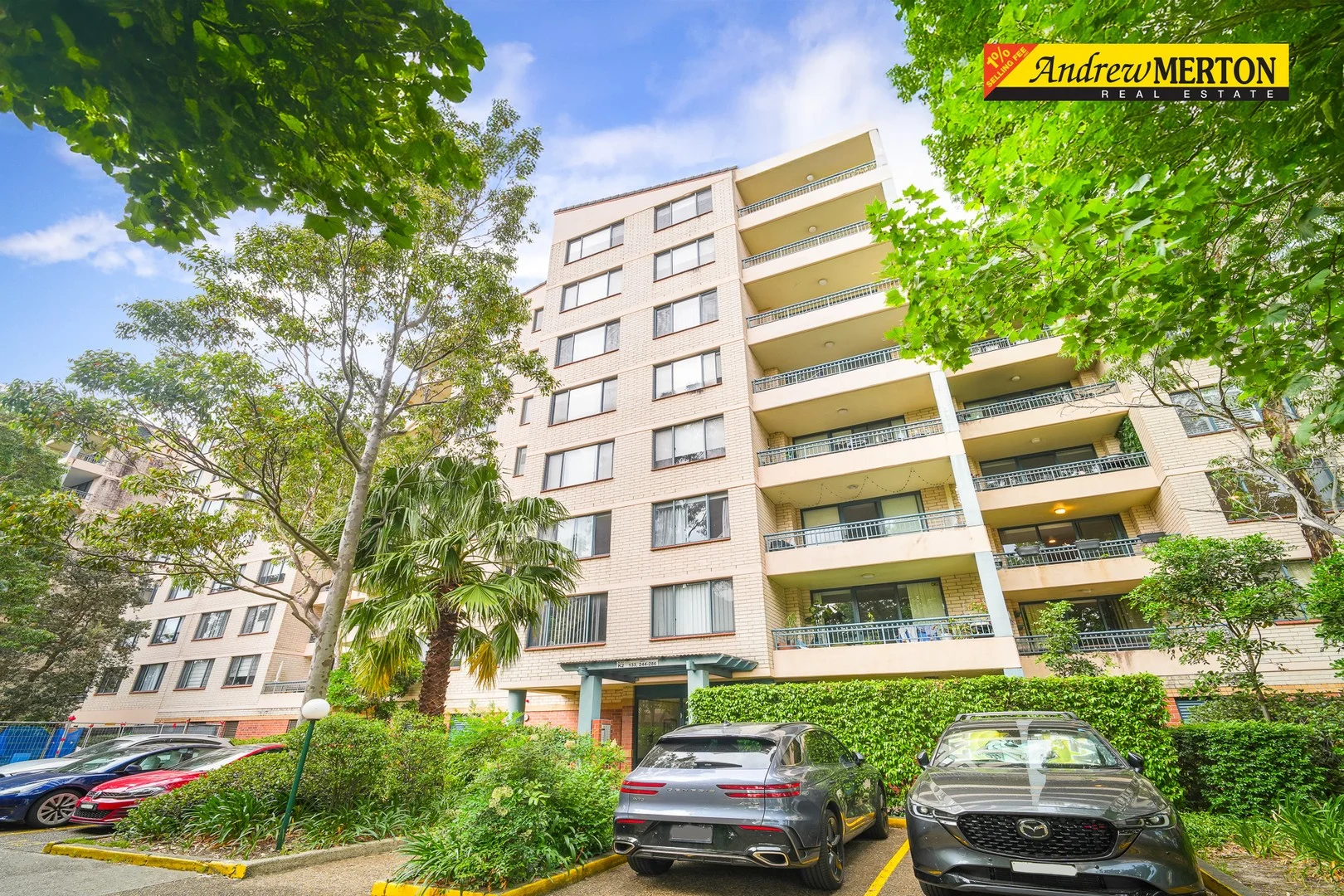 $933,000
Apartment / Unit / Flat
$933,000
Apartment / Unit / Flat
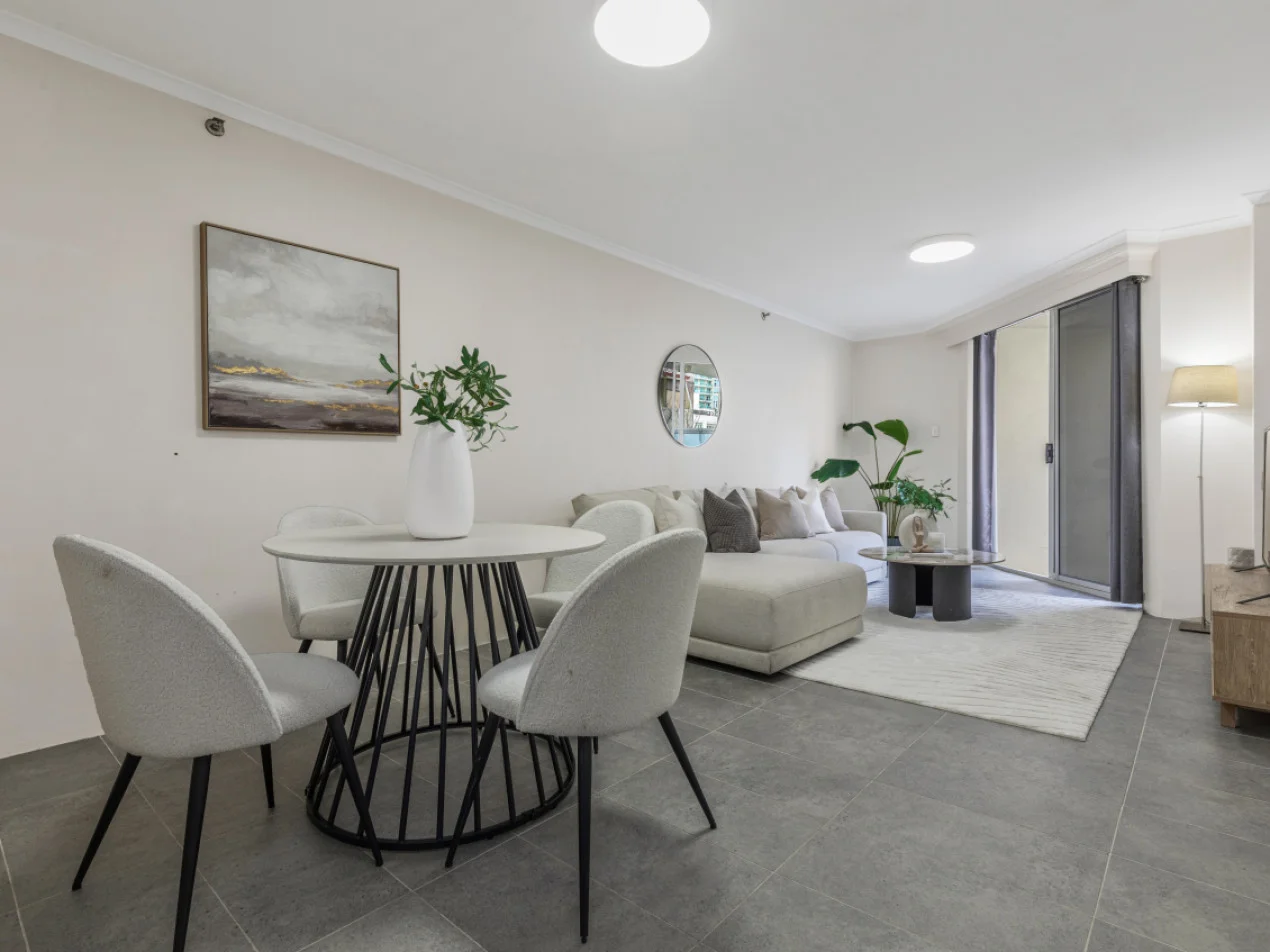 $640,000 - $675,000
Apartment / Unit / Flat
$640,000 - $675,000
Apartment / Unit / Flat
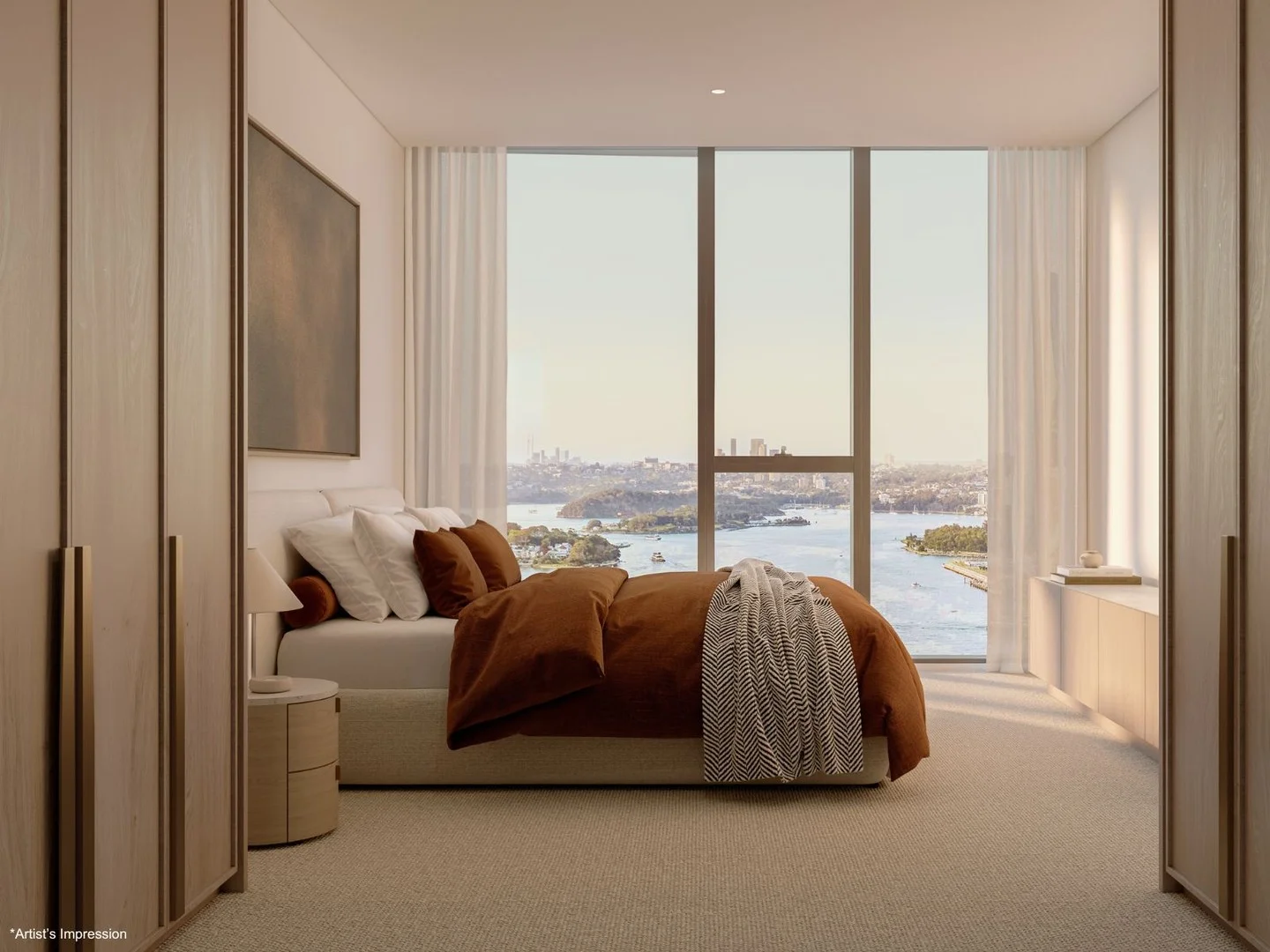 $8,630,000
propertyType.NEW APARTMENTS / OFF THE PLAN
$8,630,000
propertyType.NEW APARTMENTS / OFF THE PLAN
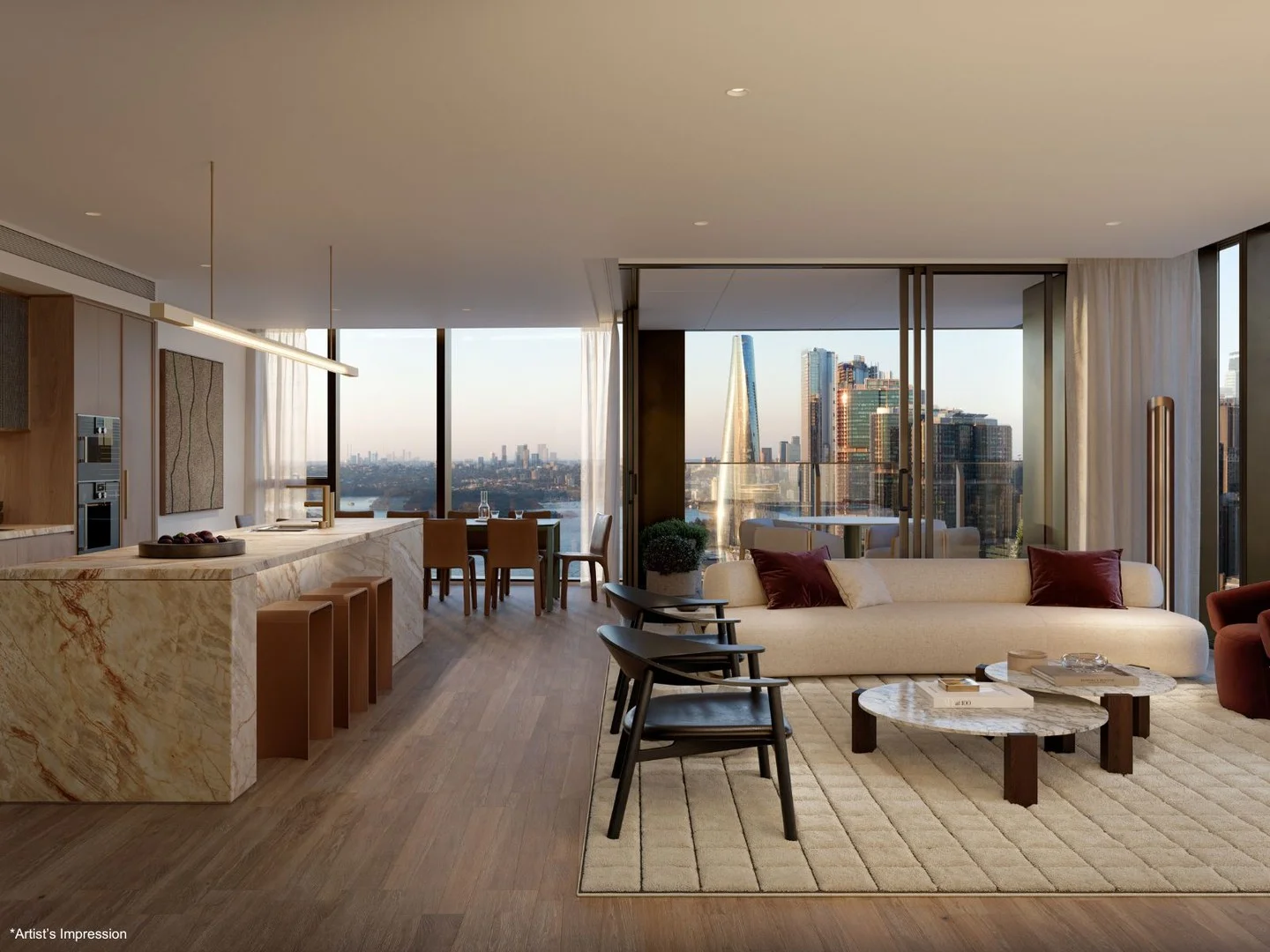 $12,980,000
propertyType.NEW APARTMENTS / OFF THE PLAN
$12,980,000
propertyType.NEW APARTMENTS / OFF THE PLAN
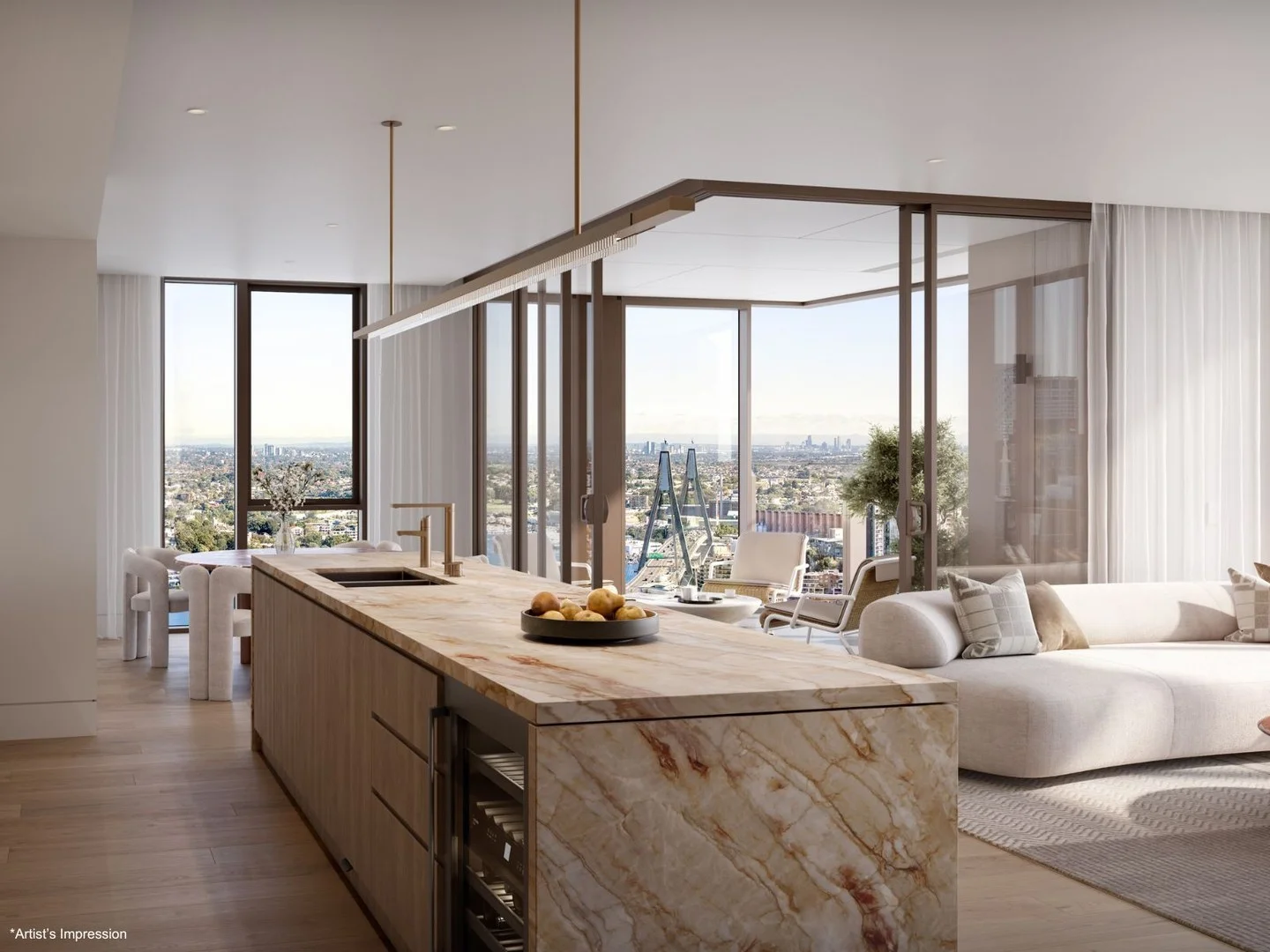 $9,020,000
propertyType.NEW APARTMENTS / OFF THE PLAN
$9,020,000
propertyType.NEW APARTMENTS / OFF THE PLAN
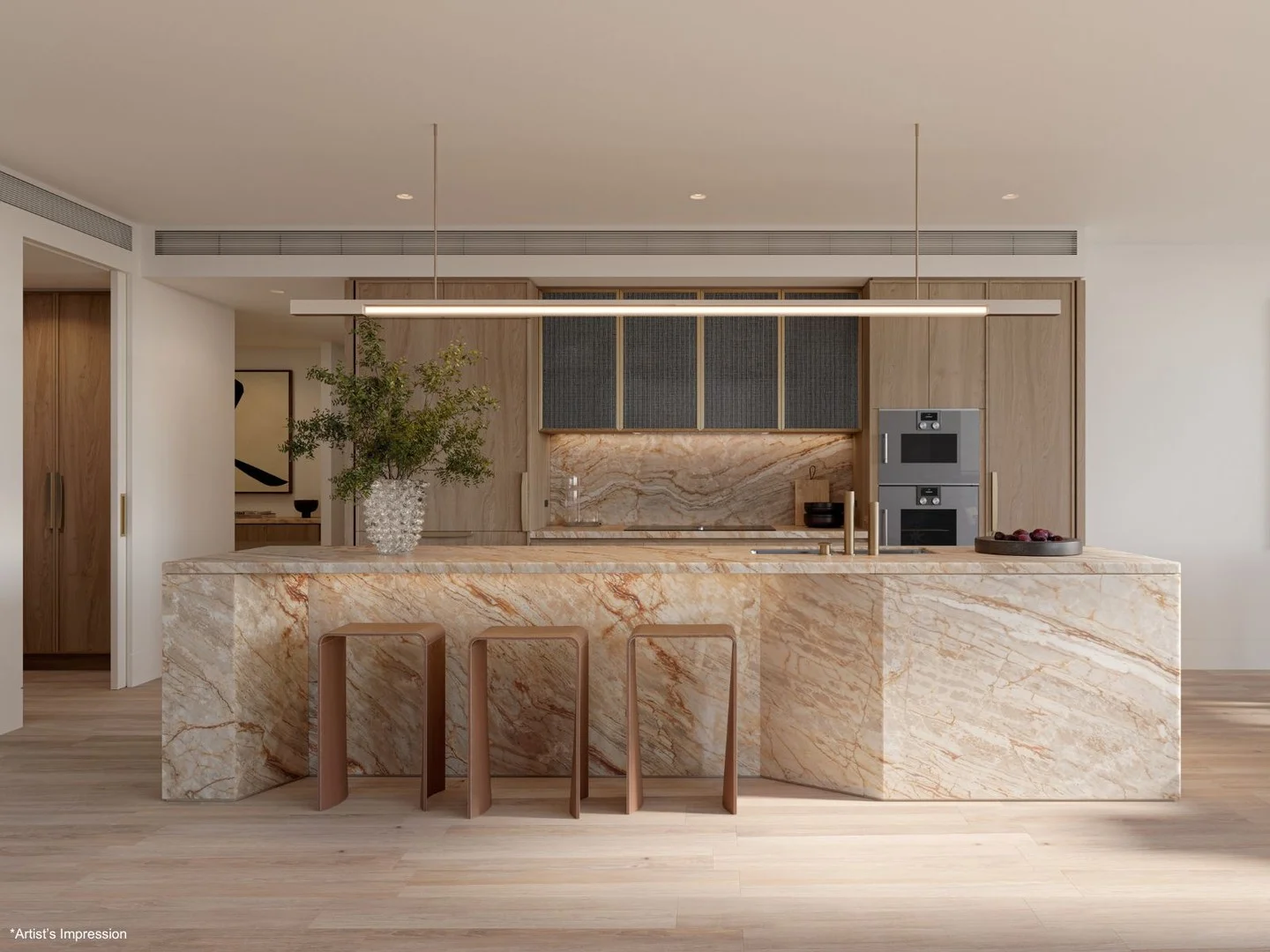 $6,225,000
propertyType.NEW APARTMENTS / OFF THE PLAN
$6,225,000
propertyType.NEW APARTMENTS / OFF THE PLAN
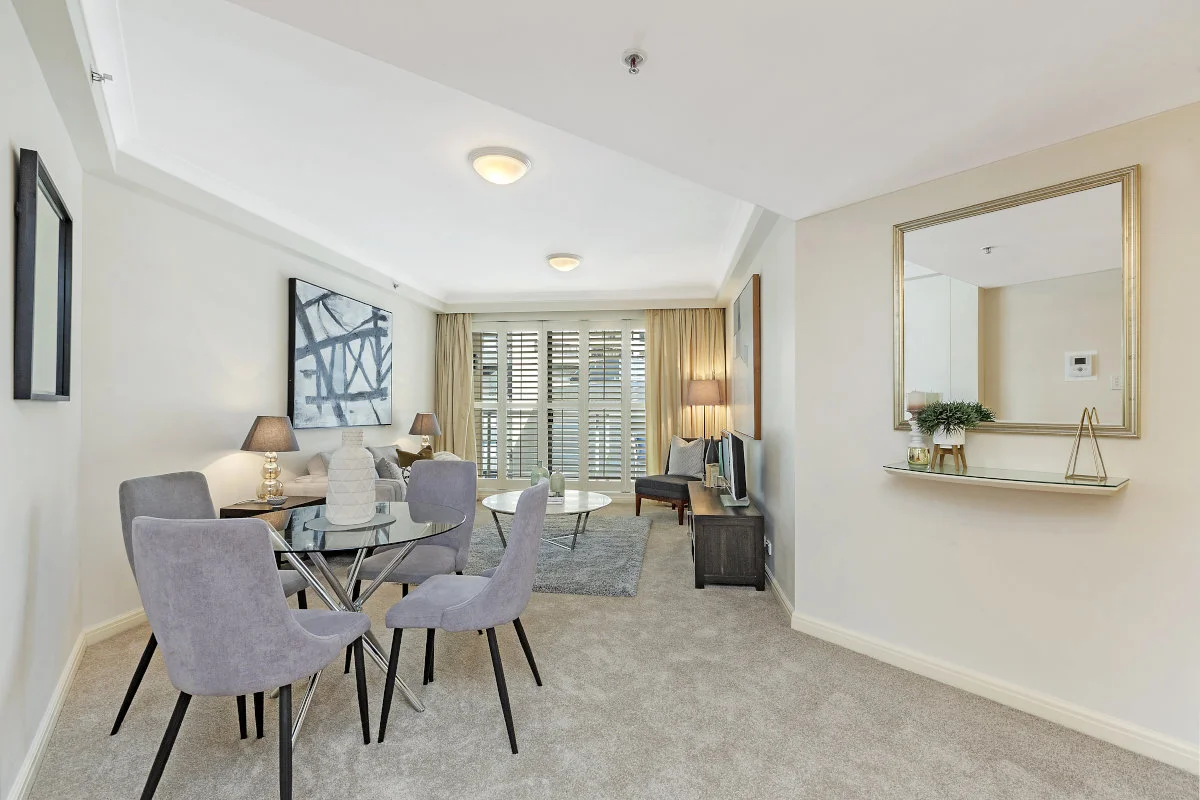 $660,000 - $725,000
Apartment / Unit / Flat
$660,000 - $725,000
Apartment / Unit / Flat


