1. Overview (1–2 paragraphs max)
St George Girls High School is a public NSW Department of Education high school for girls, serving the Kogarah area and surrounding suburbs. The school focuses on delivering strong academic programs within a supportive, inclusive environment. With a medium-to-large student population across Years 7–12, classrooms typically run in small-to-medium sizes that support collaborative learning and individual growth.
The atmosphere is characterised by a culture of academic rigour balanced with wellbeing and student voice. The school emphasises high expectations, respectful conduct, and a diverse, welcoming community where students are encouraged to explore their interests and develop leadership skills both inside and outside the classroom.
⸻
2. Academics & Learning
Academic strengths: Strong performance across core subjects with particular emphasis on STEM, English and languages, alongside opportunities to engage in enrichment activities and leadership development.
Special programs: Enrichment opportunities and gifted/talented pathways, accelerated learning options, and programs designed to challenge high-ability learners while supporting wide-ranging interests.
NAPLAN / Ofsted trends: Consistent positive trends in reading, writing and numeracy over recent years, reflecting ongoing emphasis on literacy and numeracy across year groups.
Student-teacher ratios: Typically around 1:18–1:24, varying by year level and subject demand, allowing for a balance of instruction and individual support.
Support for diverse learners: Strong support for EAL students and students with additional learning needs, including targeted intervention programs and access to specialist staff.
⸻
3. Sports & Extracurricular Strengths
Sports offered: Netball, basketball, soccer, hockey/field sports, athletics, swimming and conditioning programs, with opportunities to represent the school in interschool events.
Strong teams or achievements: Regular participation and competitive performance in interschool and district competitions; ongoing development of student-athletes through structured training and coaching.
Music, arts, drama programs: Comprehensive music ensembles, choir, concert bands and drama productions; opportunities to perform and collaborate on school productions.
Clubs: Robotics, chess, coding, debating, and other academic or hobby clubs that promote problem-solving, teamwork and leadership.
Partnerships: Local academic and arts partnerships, participation in regional competitions and events that provide broader exposure for students.
⸻
4. Wellbeing & Pastoral Care
Anti-bullying approach: Proactive policies and programs that promote respectful behaviours, with clear reporting routes and restorative practices to address issues.
House system: House groups that foster belonging, healthy competition and peer support across year levels, contributing to pastoral care and community spirit.
Counsellors / wellbeing officers: Access to school counsellors and wellbeing staff to support mental health, resilience and personal development.
Transition support for new students: Structured orientation programs, buddy systems, and pastoral care networks to assist new students settling in.
⸻
5. Facilities
- Sports grounds
- Libraries
- Science labs
- Music/performing arts centers
- Tech/innovation labs
- Cafeteria
- Updated playgrounds
Visuals and spaces are designed to support collaborative learning, practical science work and creative performances.
⸻
6. School Values & Community Culture
School values / mission: A focus on respect, integrity, resilience, and inclusion, with a clear commitment to excellence and civic-minded leadership.
Leadership style: Collaborative and student-centred, with opportunities for student voice in committees and leadership roles; emphasis on mentoring and service.
Behaviour expectations: Clear code of conduct underpinned by restorative practices and consistent routines that foster a positive learning environment.
Community reputation: Known for strong academic achievement, a welcoming culture, and a commitment to diversity and inclusion.
Diversity & inclusion: Active strategies to support a diverse student body, promoting equal access to opportunities and respectful engagement.
⸻
7. School Logistics & Daily Operations
School hours: Typical school day runs from morning start through to afternoon end, with clear timetables for lessons and breaks.
Before/after school care: Availability of after-school programs or care arrangements through school or community providers.
Uniform requirements: Uniforms are compulsory, with details provided by the school; guidelines address presentation and safety.
Transport: Well-connected by public transport (bus routes and nearby train lines), with information available about local travel options and concessions.
Canteen availability: On-site canteen offering a range of healthy options to support students throughout the day.
Fees: NSW public high schools have low to moderate fees for uniforms and some activities; ancillary costs may apply for excursions or elective programs.
⸻
8. Enrolment & Admissions
11. What is the enrolment process and timeline?
Applications are typically submitted via the NSW Department of Education processes for public high schools. For selective or highly-competitive entry schools, a formal assessment pathway may apply, with offers following a published calendar. The timeline usually includes application submission, shortlisting or testing (where applicable), interviews or assessments (where applicable), and offer rounds leading up to the start of the school year.
12. Is there a waiting list, and how does it work?
Waiting lists can apply if the school is oversubscribed. Placement may be determined by factors such as catchment eligibility, test results (where applicable), siblings, and available vacancies. Families are advised to stay in contact with the school for the latest status and timelines.
13. Are there any entry requirements, tests, or interviews?
Entry requirements vary by pathway. For selective or program-based entries, an entrance test or assessment may be used. Some pathways may involve interviews or school-based assessments to determine appropriate placement and support needs.
14. Does the school accept mid-year transfers?
Mid-year transfers can be considered subject to vacancies and cohort availability. Prospective transfer students should contact the school to discuss eligibility, documentation, and the transfer process.
⸻
9. Frequently Ask Questions
- Why Parents Choose This School?
- Parents value a strong academic focus combined with a caring, inclusive community and clear pathways for student growth in academics, arts and sport.
- What type of student thrives at this school?
- Motivated, curious students who engage with a rigorous curriculum while contributing to school life through clubs, sports and leadership roles.
- What opportunities are available for students to extend their skills (academics, sports, arts)?
- Enrichment programs, advanced coursework and leadership opportunities in academics; competitive sport teams; robust music, drama and arts programs; clubs such as robotics, coding and debating.
- How does the school communicate with parents?
- Regular updates through newsletters, parent portals and events; proactive staff accessibility for meetings, and timely reports on student progress and wellbeing.
- What is the school’s approach to teaching and learning?
- A balanced, student-centred approach that combines high expectations with differentiated instruction, collaborative learning and applied projects.
- How does the school support students who need extra academic help?
- Targeted literacy and numeracy supports, EAL and SEN services, tutoring programs, and access to specialist staff.
- What support is available for academic challenges?
- Diagnostic assessments, personalised learning plans and additional coaching or tutoring where needed.
- How does the school communicate with parents?
- See above; multiple channels to share progress, events and important information.
- What are the class sizes and how much individual attention do students receive?
- Class sizes are kept small-to-medium to enable teacher feedback and targeted support; individual attention scales with subject load and year level.
- What extracurricular and sports opportunities are available?
- Wide range: sports teams, music ensembles, drama productions, robotics, chess, coding, debating and other clubs.
- What facilities does the school offer (sports, science, arts)?
- Modern facilities across sports grounds, libraries, science labs, music and performing arts spaces, tech/innovation labs and student services.
- What is the school’s approach to technology and digital learning?
- Integrated digital learning across subjects with access to devices, software tools and teacher support to develop digital literacy and responsible use.
- What transport and accessibility options are available?
- Accessible public transport options with information on routes, concessions and travel planning through the local transport authority.
- What are the typical school fees or additional costs?
- Fees are generally modest for uniforms and certain activities; additional costs may apply for excursions, elective programs and instrument hire.
⸻
10. Short Pros & Cons list
Pros
- Public-affordable high-quality education with a strong academic culture
- Broad range of STEM, languages and enrichment opportunities
- Robust wellbeing supports and pastoral care
- Active extracurricular scene including sports, music and clubs
- Inclusive environment with a focus on leadership and community
Cons
- Class sizes can vary; some senior-year courses may be busier due to elective demand
- Travel and transport options depend on local routes; peak times can be busy
- Some specialised programs or pathways may have additional entry requirements
- Uniforms and activity costs are an ongoing consideration for families










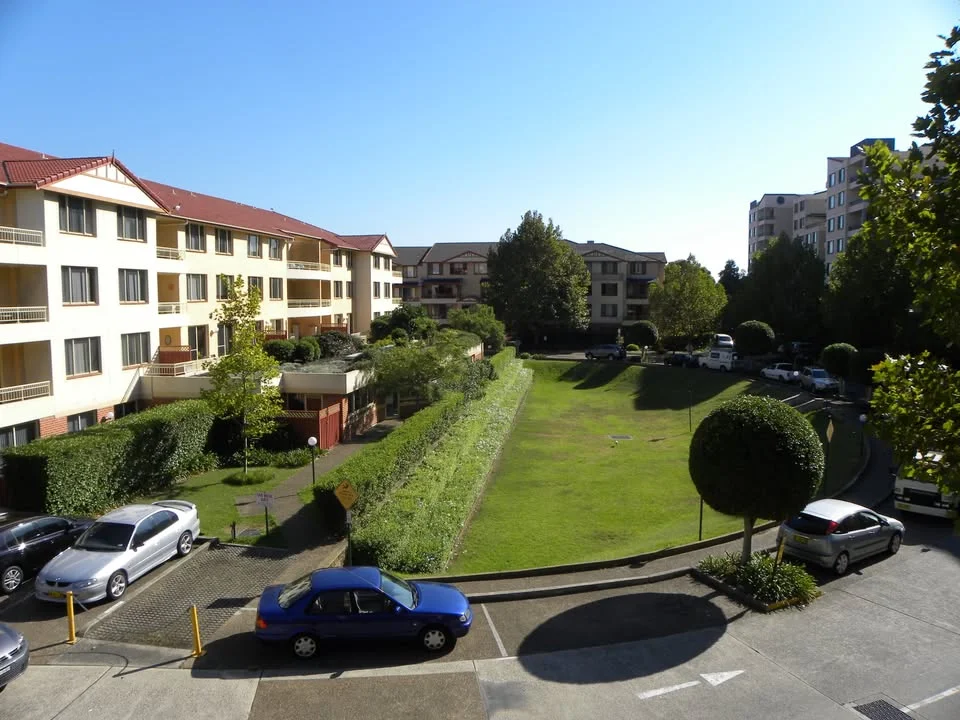
 $665,000
Apartment / Unit / Flat
$665,000
Apartment / Unit / Flat
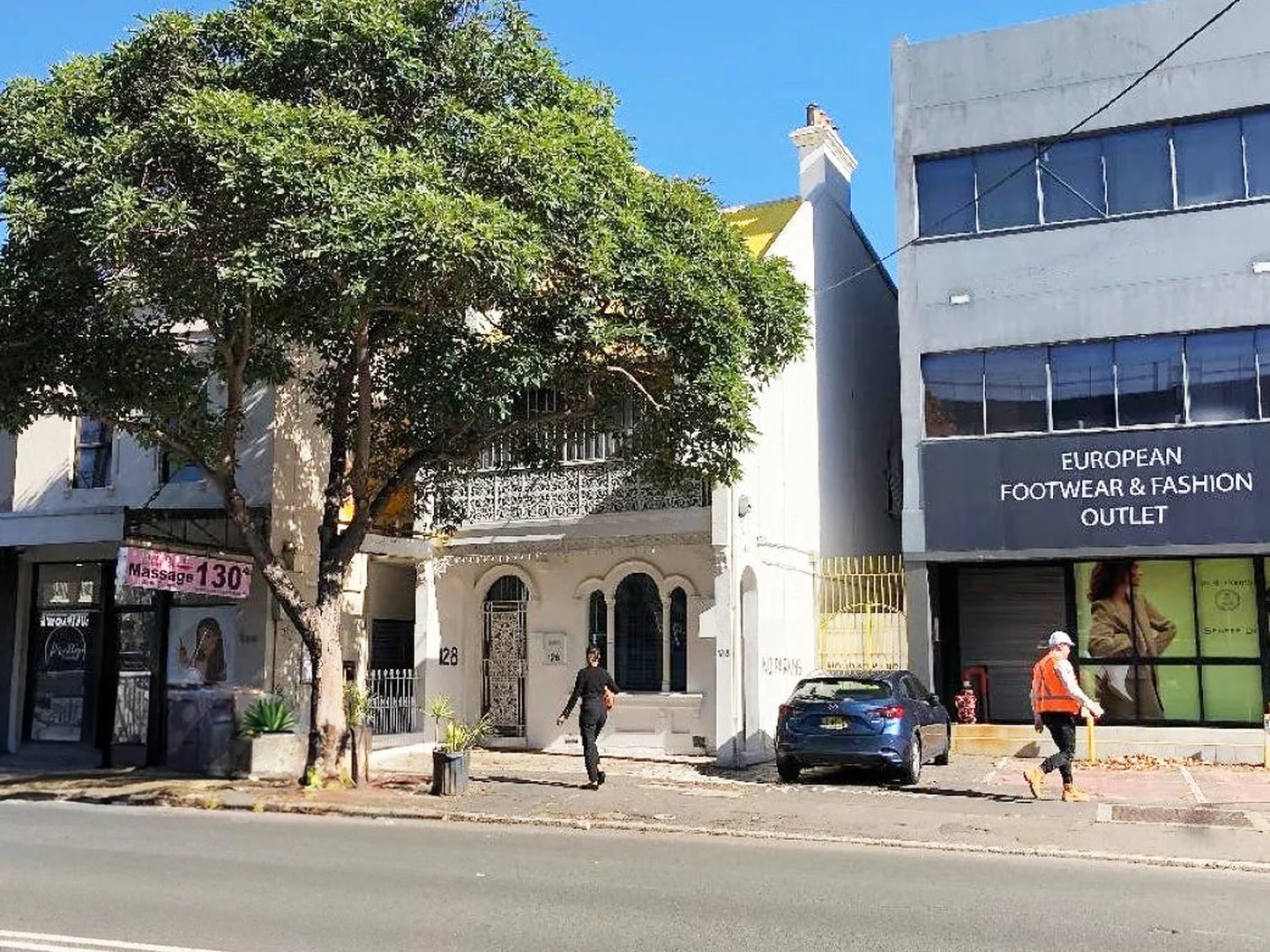
 $990
Apartment / Unit / Flat
$990
Apartment / Unit / Flat
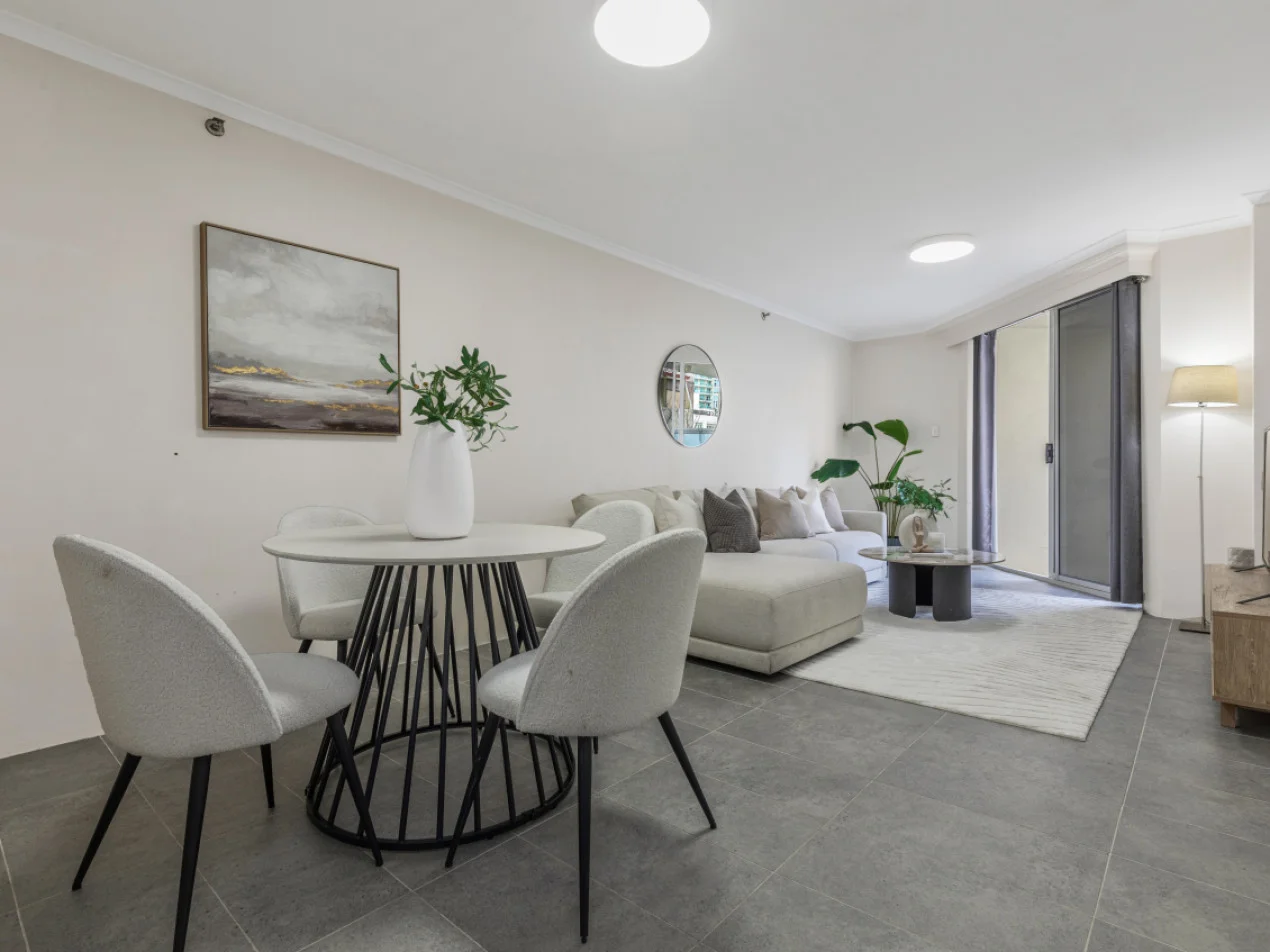
 $3,900,000
House
$3,900,000
House
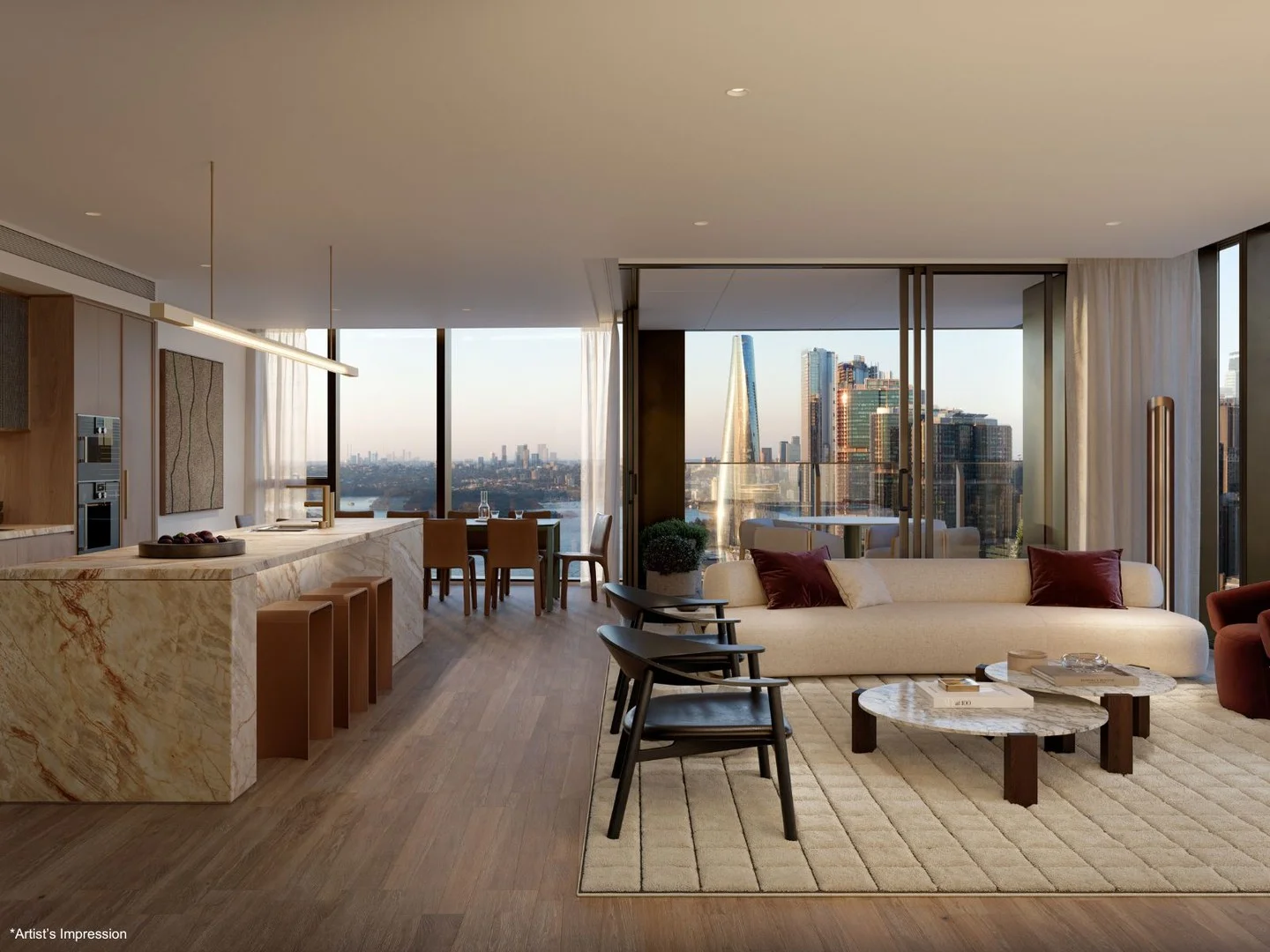
 $640,000 - $675,000
Apartment / Unit / Flat
$640,000 - $675,000
Apartment / Unit / Flat
 $12,980,000
propertyType.NEW APARTMENTS / OFF THE PLAN
$12,980,000
propertyType.NEW APARTMENTS / OFF THE PLAN
 $9,020,000
propertyType.NEW APARTMENTS / OFF THE PLAN
$9,020,000
propertyType.NEW APARTMENTS / OFF THE PLAN
 $6,225,000
propertyType.NEW APARTMENTS / OFF THE PLAN
$6,225,000
propertyType.NEW APARTMENTS / OFF THE PLAN
 $8,630,000
propertyType.NEW APARTMENTS / OFF THE PLAN
$8,630,000
propertyType.NEW APARTMENTS / OFF THE PLAN
 $660,000 - $725,000
Apartment / Unit / Flat
$660,000 - $725,000
Apartment / Unit / Flat


