## Overview
Marist College Kogarah is a Catholic independent secondary school in New South Wales that reflects the Marist tradition. The school aims to balance strong academic programs with faith formation, a supportive community, and a range of co-curricular opportunities. It offers a medium-sized school environment designed to feel welcoming and inclusive, with class arrangements that foster individual attention and student growth.
The atmosphere is typically described as nurturing and inclusive, with an emphasis on academic achievement, character development, and participation in sport, arts, and service. Students are encouraged to contribute to a positive school culture that values respect, resilience, and community engagement.
⸻
## Academics & Learning
- Academic strengths: English, Mathematics, Science (STEM), and Humanities form the core, with opportunities for enrichment in STEM and language studies within the NSW curriculum framework.
- Special programs: Leadership development and faith formation are integrated into school life; opportunities for extended learning and gifted/talented pathways may be offered depending on year level and cohort.
- NAPLAN trends: NSW Catholic independent schools generally show stable or gradual improvement in reading and writing relative to state averages; trends can vary year to year.
- Student-teacher ratios: Class sizes are designed to be small to medium, supporting more individual attention; typical ratios are in the mid-to-lower range for effective teaching and learning.
- Support for diverse learners: EAL and SEN support are usually available through dedicated staff and learning support services; inclusive education practices are emphasised to help all students succeed.
⸻
## Sports & Extracurricular Strengths
- Sports offered: Rugby, basketball, soccer, cricket, netball, athletics, swimming, and other court or field sports common to NSW secondary schools.
- Strong teams or achievements: Strong participation in inter-school competitions with focus on team development, sportsmanship, and competitive performance across multiple codes.
- Music, arts, drama programs: Instrumental music lessons, choir, school productions, and opportunities to participate in drama and performing arts.
- Clubs: Robotics, chess, coding, debating, and other academic or interest-based clubs typically available to broaden student experiences.
- Partnerships: Involvement with local clubs and regional or inter-school competitions to provide additional practice, venues, and pathways for talented students.
⸻
## Wellbeing & Pastoral Care
- Anti-bullying approach: Clear anti-bullying policies, ongoing education, and pastoral care structures to promote a safe school environment.
- House system: A house-based framework to build community, peer support, and healthy competition across activities and events.
- Counsellors / wellbeing officers: Access to school counsellors or wellbeing staff to support emotional health, study stress, and personal development.
- Transition support for new students: Orientation programs, peer mentoring, and targeted transition activities to help new students settle in smoothly.
⸻
## Facilities
- Sports grounds: On-site or nearby facilities suitable for physical education and school sports.
- Libraries: Well-equipped library spaces for study, research, and quiet reading.
- Science labs: Modern science laboratories to support practical learning and experiments.
- Music/performing arts centers: Facilities to support music lessons, ensembles, and drama productions.
- Tech/innovation labs: Computer labs and makerspaces to support digital learning, coding, and STEM projects.
- Cafeteria: On-site canteen or dining facilities offering daily meals and snacks.
- Updated playgrounds: Well-maintained outdoor areas for recreation and equipment during breaks.
⸻
## School Values & Community Culture
- School values / mission: A Catholic education grounded in Marist values such as service, humility, presence, and community, with a focus on character formation and ethical leadership.
- Leadership style: Student-centered and supportive, encouraging student voice through councils, leadership roles, and peer mentorship.
- Behaviour expectations: Clear codes of conduct emphasizing respect, integrity, responsibility, and care for others.
- Community reputation: Generally regarded as a welcoming, faith-filled community with active parent involvement and alumni networks.
- Diversity & inclusion: Commitment to inclusivity and respect for diverse backgrounds and talents, with programs to support equity and belonging.
⸻
## School Logistics & Daily Operations
- School hours: Typical school day starts in the morning and ends in the afternoon, with variations by year level and timetable.
- Before/after school care: Before and/or after-school arrangements are commonly available for families needing extended supervision.
- Uniform requirements: School uniform policy with specific attire for regular days and sport; guidance on compliance and appearance.
- Transport (train/bus routes): Access to public transport options and local bus services; school may provide information on catchment routes and convenient drop-offs.
- Canteen availability: On-site canteen or lunch facilities offering options for students.
- Fees (low/medium/high ranges): Fees for Catholic independent secondary schools are typically in the mid-to-high range for NSW; there may be additional costs for excursions, levies, and uniforms.
⸻
## Enrolment & Admissions
11. What is the enrolment process and timeline?
- Submit an expression of interest or application by the school’s deadlines.
- Provide required documentation (birth details, past school reports, immunization records, and other school records).
- Complete assessments or submissions as required (literacy/numeracy tasks or interviews).
- Attend interviews or information sessions if invited.
- Receive an offer of enrolment and complete acceptance, then prepare for orientation.
- Observe your school’s timeline for commencing year-level intake and any orientation activities.
12. Is there a waiting list, and how does it work?
- Many year levels may operate with a waitlist when applications exceed available places.
- Placement on the waiting list is typically determined by date of application and year level availability, with priorities possibly given to siblings or particular cohorts.
13. Are there any entry requirements, tests, or interviews?
- Entry often involves application, documentation, and sometimes literacy/numeracy assessments and an interview.
- Catholic formation or faith-based questions may form part of the interview process.
14. Does the school accept mid-year transfers?
- Mid-year transfers may be possible if spaces are available and curriculum alignment can be achieved.
- The school will require transcripts, attendance records, and appropriate approvals before confirming a transfer.
⸻
## Frequently Asked Questions
- Why Parents Choose This School?
- A values-based education within a supportive, faith-informed community that focuses on academic growth, personal development, and service to others.
- What type of student thrives at this school?
- Students who are engaged, respectful, curious, and eager to participate in academics, sport, arts, and faith life tend to thrive.
- What opportunities are available for students to extend their skills (academics, sports, arts)?
- Access to advanced coursework within the NSW curriculum, leadership opportunities, sports teams, music ensembles, drama, robotics, coding, debating, and other clubs.
- How does the school communicate with parents?
- Regular newsletters, email updates, parent portals, and scheduled parent-teacher meetings; notices and event information are typically shared through digital channels.
- What is the school’s approach to teaching and learning?
- A curriculum aligned to NSW standards with a mix of direct instruction, inquiry, collaboration, and reflective learning; emphasis on critical thinking, character development, and faith formation.
- How does the school support students who need extra academic help?
- Learning support services, targeted interventions, EAL/SEN assistance, and guidance from teachers and support staff.
- What support is available for academic challenges?
- Access to tutors, study resources, time management guidance, and counselling to address study habits and well-being.
- How does the school communicate with parents? (repeat)
- See above: newsletters, portals, and parent-teacher conversations; open channels for feedback and involvement.
- What are the class sizes and how much individual attention do students receive?
- Class sizes are designed to be small-to-medium to enable more individualized instruction and timely feedback from teachers.
- What extracurricular and sports opportunities are available?
- A broad spectrum including team sports, music, drama, robotics, coding, debating, and other clubs; competitions and events with local and regional partners.
- What facilities does the school offer (sports, science, arts)?
- Sports grounds, libraries, science labs, music/performing arts spaces, tech/innovation labs, a canteen, and well-maintained outdoor areas.
- What is the school’s approach to technology and digital learning?
- Integrated digital learning with computer labs, online platforms, and opportunities for coding and technology-based projects; ongoing emphasis on responsible use.
- What transport and accessibility options are available?
- Proximity to public transport with information on bus/train routes; accessibility considerations for students with special needs as applicable.
- What are typical school fees or additional costs?
- Fees generally fall in the mid-to-high range for NSW Catholic independent secondary schools; additional costs may include uniforms, excursions, and levies.
⸻
## Short Pros & Cons
- Pros
- Values-based Catholic education in a supportive community
- Medium-sized environment with opportunities across academics, sport, and arts
- Focus on wellbeing, leadership development, and inclusive learning
- Broad range of extracurricular activities and partnerships
- Cons
- Fees are higher than public options and some other schools
- Availability of places can be limited in certain year levels
- Specific programs or facilities may vary by year; check current offerings with the school
⸻
 $92+
$92+










 $665,000
Apartment / Unit / Flat
$665,000
Apartment / Unit / Flat
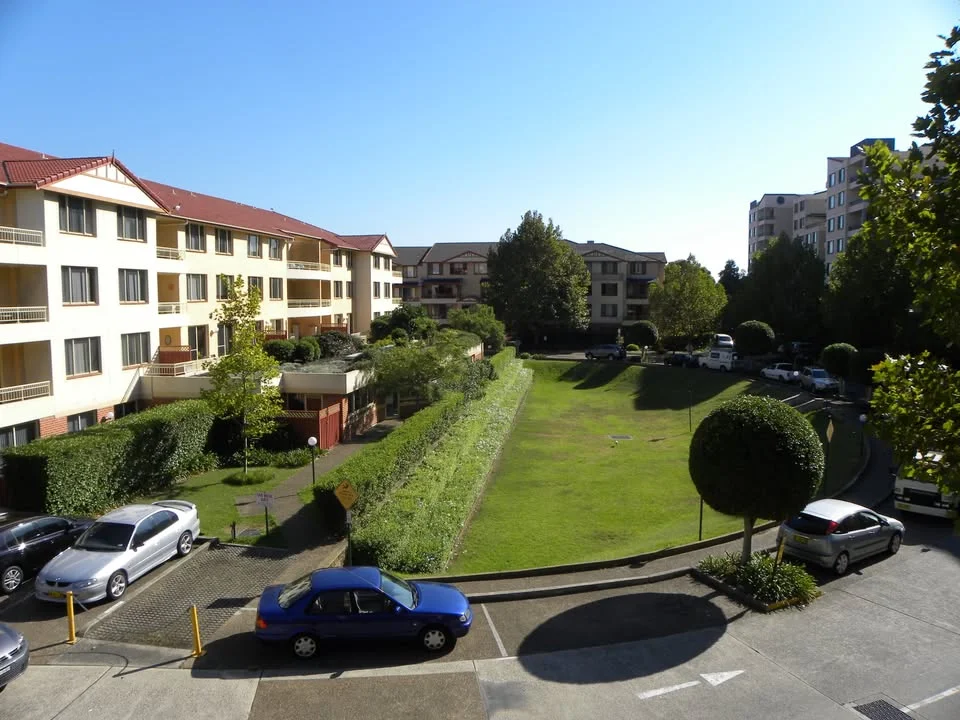 $990
Apartment / Unit / Flat
$990
Apartment / Unit / Flat
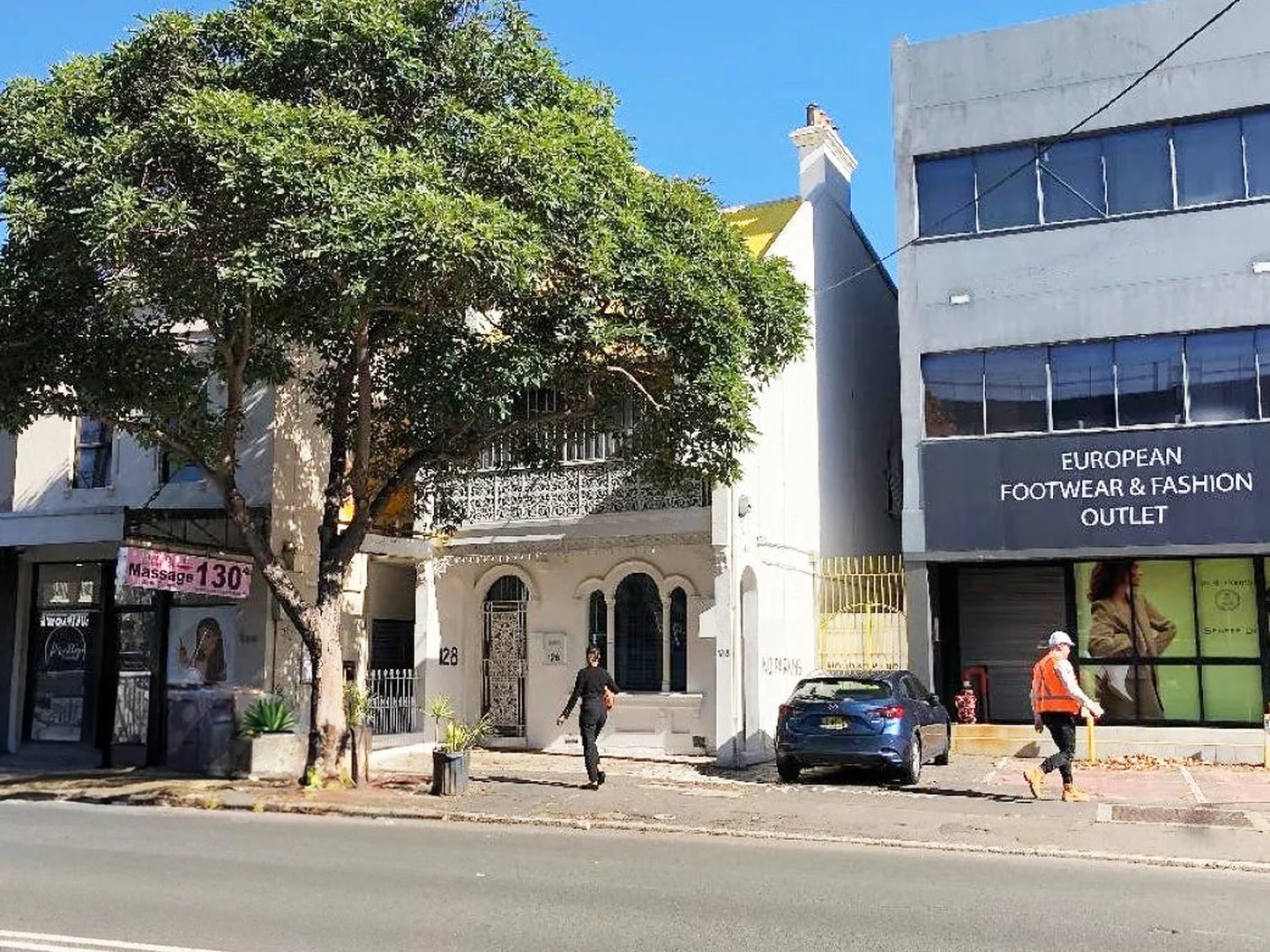 $3,900,000
House
$3,900,000
House
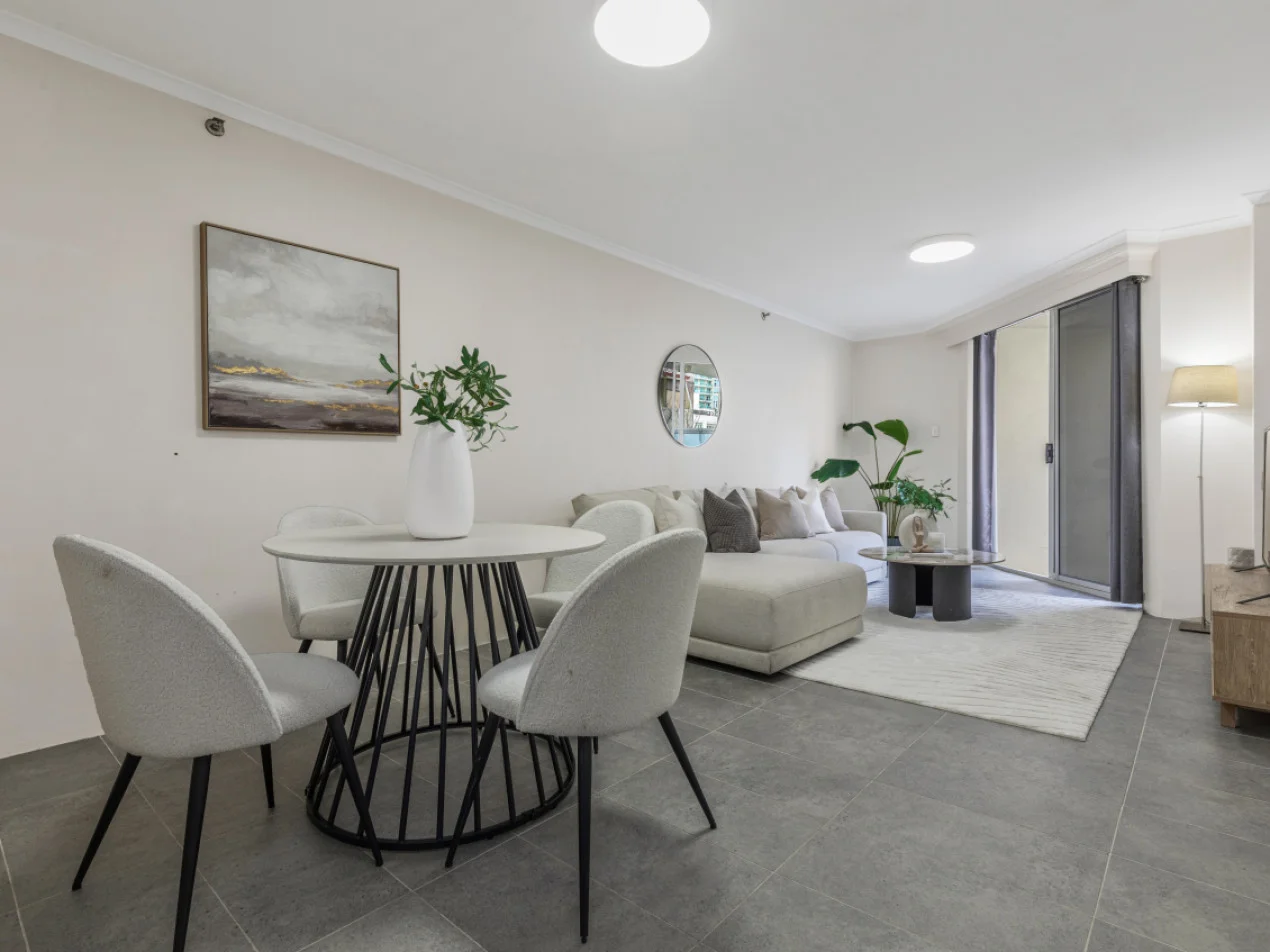 $640,000 - $675,000
Apartment / Unit / Flat
$640,000 - $675,000
Apartment / Unit / Flat
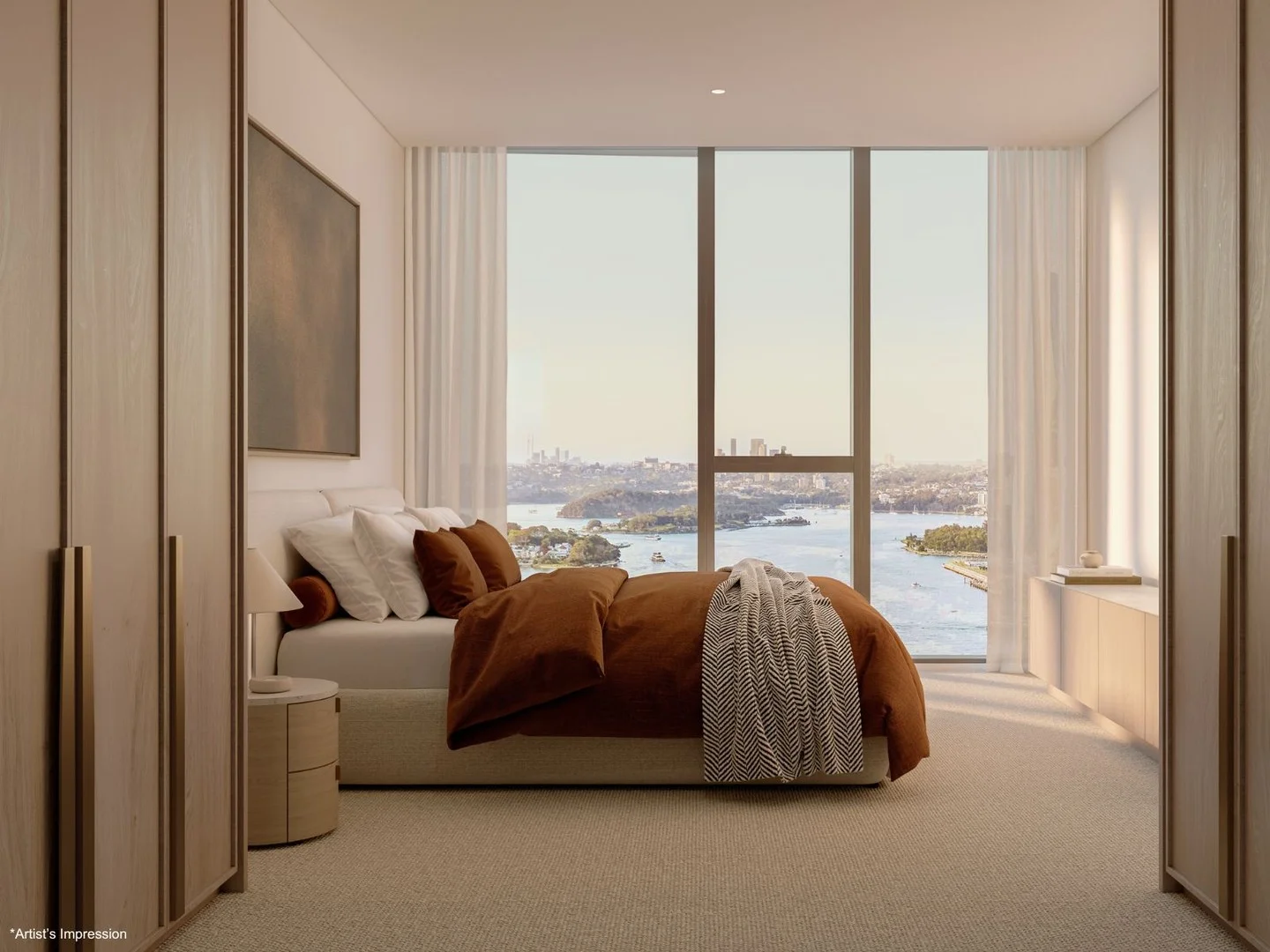 $8,630,000
propertyType.NEW APARTMENTS / OFF THE PLAN
$8,630,000
propertyType.NEW APARTMENTS / OFF THE PLAN
 $6,225,000
propertyType.NEW APARTMENTS / OFF THE PLAN
$6,225,000
propertyType.NEW APARTMENTS / OFF THE PLAN
 $12,980,000
propertyType.NEW APARTMENTS / OFF THE PLAN
$12,980,000
propertyType.NEW APARTMENTS / OFF THE PLAN
 $9,020,000
propertyType.NEW APARTMENTS / OFF THE PLAN
$9,020,000
propertyType.NEW APARTMENTS / OFF THE PLAN
 $660,000 - $725,000
Apartment / Unit / Flat
$660,000 - $725,000
Apartment / Unit / Flat


