Overview
## 1. Overview
St Kevin's Primary School – Lower Templestowe is a Catholic primary school serving families in the Lower Templestowe area. The school emphasises a faith-based, inclusive education within a supportive, close-knit community. With a medium-sized student body, class sizes are typically around 20–25 students, allowing for more individual attention and a warm, collaborative atmosphere that balances academic effort with care for each child.
The culture is nurturing and values-driven, aiming to develop confident, compassionate learners who respect themselves, others and the wider community.
⸻
## 2. Academics & Learning
- Academic strengths: strong literacy and numeracy foundations, integration of STEM concepts across the curriculum, and emphasis on digital literacy and critical thinking.
- Special programs: faith-based religious education woven into daily learning; leadership opportunities for students; enrichment options for gifted and talented students where available.
- NAPLAN / trends: formal data trends are published by the education authorities; this profile notes typical ranges relative to regional averages rather than specific scores.
- Student-teacher ratios: approximately 1:12 (typical for a primary setting of this size).
- Support for diverse learners: targeted support for EAL learners, additional literacy/numeracy intervention where needed, and access to support services or referrals for students with SEN.
⸻
## 3. Sports & Extracurricular Strengths
- Sports offered: a range of team and individual sports, including soccer (football), netball, basketball, cricket, AFL-inspired activities, athletics and swimming in appropriate seasons.
- Strong teams or achievements: active participation in local inter-school competitions and carnivals with opportunities to represent the school in various disciplines.
- Music, arts, drama programs: choir, instrumental tuition, school concerts and drama opportunities as part of the curriculum and co-curricular program.
- Clubs: robotics, coding, chess, debating and other enrichment clubs commonly available to students.
- Partnerships: connections with local sports clubs, community groups and inter-school networks for competitions and events.
⸻
## 4. Wellbeing & Pastoral Care
- Anti-bullying approach: clear anti-bullying policies, inclusive codes of conduct and peer-support initiatives designed to foster respectful relationships.
- House system: a house-based system to promote belonging, teamwork and positive competition.
- Counsellors / wellbeing officers: access to school-based wellbeing support and guidance, with regular wellbeing lessons and support for students.
- Transition support for new students: orientation activities, buddy programs and targeted transition support to help new students settle in smoothly.
⸻
## 5. Facilities
- Sports grounds: outdoor playing fields and courts suitable for PE and sport.
- Libraries: school library with a selection of age-appropriate resources.
- Science labs: dedicated spaces or well-equipped classrooms for hands-on science learning.
- Music/performing arts centers: spaces for music, drama and performances.
- Tech/innovation labs: ICT facilities and learning spaces for digital projects and coding.
- Cafeteria: on-site canteen or lunch facilities supporting healthy meal options.
- Updated playgrounds: modern, age-appropriate outdoor play areas.
⸻
## 6. School Values & Community Culture
- School values / mission: faith-based education grounded in Catholic values such as compassion, respect, responsibility and service.
- Leadership style: student voice through councils or leadership roles; open communication with staff; approachable leadership.
- Behaviour expectations: positive behaviour policies with restorative practices to support accountable, respectful behavior.
- Community reputation: viewed as a welcoming, parish-connected and supportive school community.
- Diversity & inclusion: inclusive environment that supports students from diverse backgrounds with appropriate supports.
⸻
## 7. School Logistics & Daily Operations
- School hours: typical school day runs during standard hours (e.g., around 9:00 am–3:30 pm), with variations by year level.
- Before/after school care: available through OSHC or local providers; arrangements can be made for early arrival and after-care.
- Uniform requirements: school uniform required with seasonal options and hats for sun protection; details provided by the school.
- Transport: access to bus routes and local transport options; coordination with families on drop-off/pick-up.
- Canteen availability: canteen or lunch program available, offering healthy meal options.
- Fees: fees fall in the mid-range for primary Catholic schools; additional costs may apply for activities, excursions or camps.
⸻
## 8. Enrolment & Admissions
11. What is the enrolment process and timeline?
- Begin with an enquiry to the school, attend information sessions or open days if offered, complete and return the enrolment application form, and submit required documentation. Offers are issued in line with designated intake periods; timelines vary by year level and demand.
12. Is there a waiting list, and how does it work?
- Waiting lists may apply, particularly for popular intake years. Placement is often determined by enrolment policies, parish boundaries and availability; families may be asked to maintain contact with the school for updates.
13. Are there any entry requirements, tests, or interviews?
- Entry requirements typically include application forms, birth and immunisation records, and alignment with school intake policies. Some years may involve information sessions or parent interviews; specifics are provided by the school at the time of application.
14. Does the school accept mid-year transfers?
- Mid-year transfers are possible if vacancies exist; the school will coordinate with the family to arrange a smooth transition and relevant documentation.
⸻
## 9. Frequently Asked Questions
- Why Parents Choose This School?
- A values-based Catholic education in a nurturing, inclusive environment with small class sizes and strong community ties.
- What type of student thrives at this school?
- Students who respond well to a supportive, faith-informed program, collaborative learning, and opportunities to participate in a broad range of activities.
- What opportunities are available for students to extend their skills (academics, sports, arts)?
- Strong literacy and numeracy programs, STEM integration, coding and robotics clubs, arts and music programs, sports teams and inter-school competitions.
- How does the school communicate with parents?
- Regular newsletters, notices, occasional emails, parent-teacher conferences and digital platforms for updates (specific platforms may vary by year).
- What is the school’s approach to teaching and learning?
- Differentiated, evidence-based teaching that supports all learners, with integration of faith-based values and a focus on collaboration and critical thinking.
- How does the school support students who need extra academic help?
- In-class differentiation, targeted literacy/numeracy support, and access to specialist or external services as needed.
- What support is available for academic challenges?
- Early identification, targeted intervention plans and ongoing monitoring to help students progress.
- How does the school communicate with parents? (duplicate)
- See above; multiple channels used to keep families informed and involved.
- What are the class sizes and how much individual attention do students receive?
- Class sizes typically around 20–25 students, with teachers providing regular feedback and opportunities for individual guidance.
- What extracurricular and sports opportunities are available?
- A broad program including sports, arts, music and clubs such as robotics, coding, chess and debating; inter-school events and competitions.
- What facilities does the school offer (sports, science, arts)?
- Sports grounds, library, science labs, music/performing arts spaces and ICT/tech facilities, plus an on-site canteen and updated outdoor spaces.
- What is the school’s approach to technology and digital learning?
- Use of ICT in learning, digital literacy across year levels, safe and responsible use of technology, and opportunities for coding and digital projects.
- What transport and accessibility options are available?
- Local bus routes and transport options; arrangements for drop-off/pick-up and accessibility considerations.
- What are the typical school fees or additional costs?
- Fees are mid-range for primary schools; additional costs may apply for excursions, camps or optional activities.
⸻
## 10. Short Pros & Cons list
Pros
- Catholic values with a nurturing, inclusive culture
- Small to medium size with relatively low class sizes
- Strong literacy, numeracy and digital learning focus
- Broad range of extracurriculars (sport, arts, clubs)
- Supportive wellbeing and pastoral care; transition programs for new students
Cons
- May require regular uniform and associated costs
- Availability of specific enrichment programs can vary by year and demand
- Transport options depend on local routes and schedules
- Some activities may incur additional fees for excursions or clubs









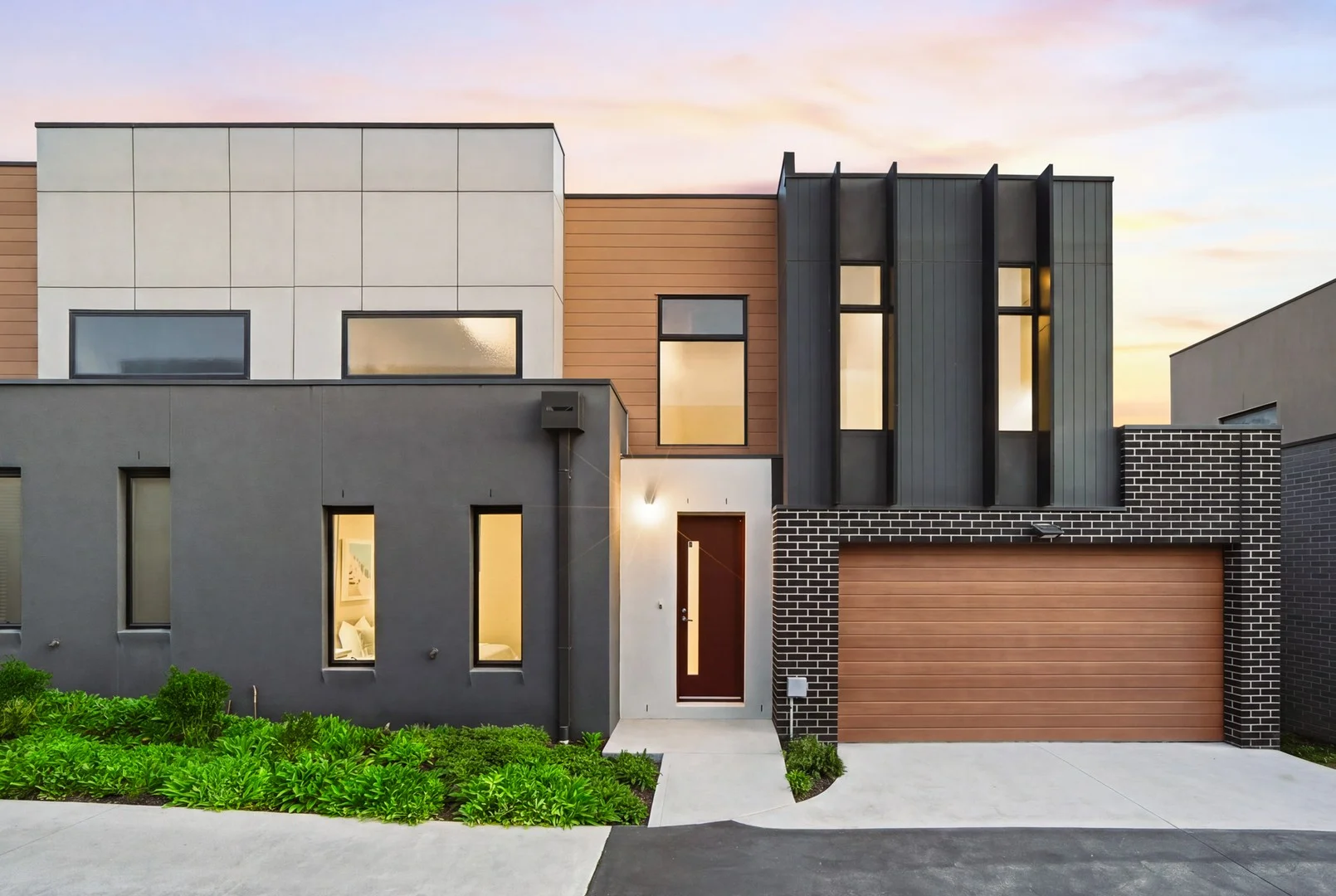 $900,000 - $990,000
Townhouse
$900,000 - $990,000
Townhouse
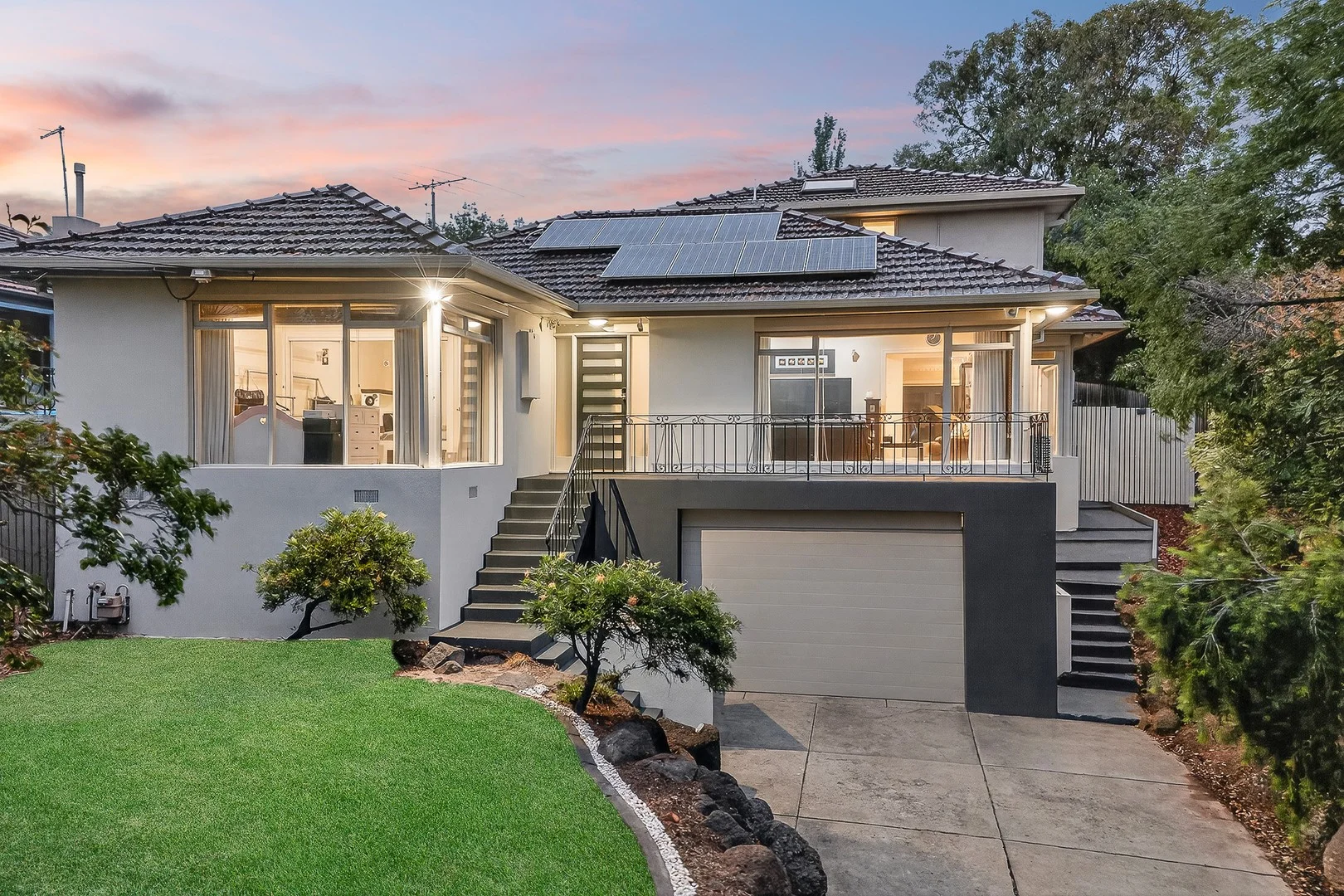 $1,350,000 - $1,450,000
House
$1,350,000 - $1,450,000
House
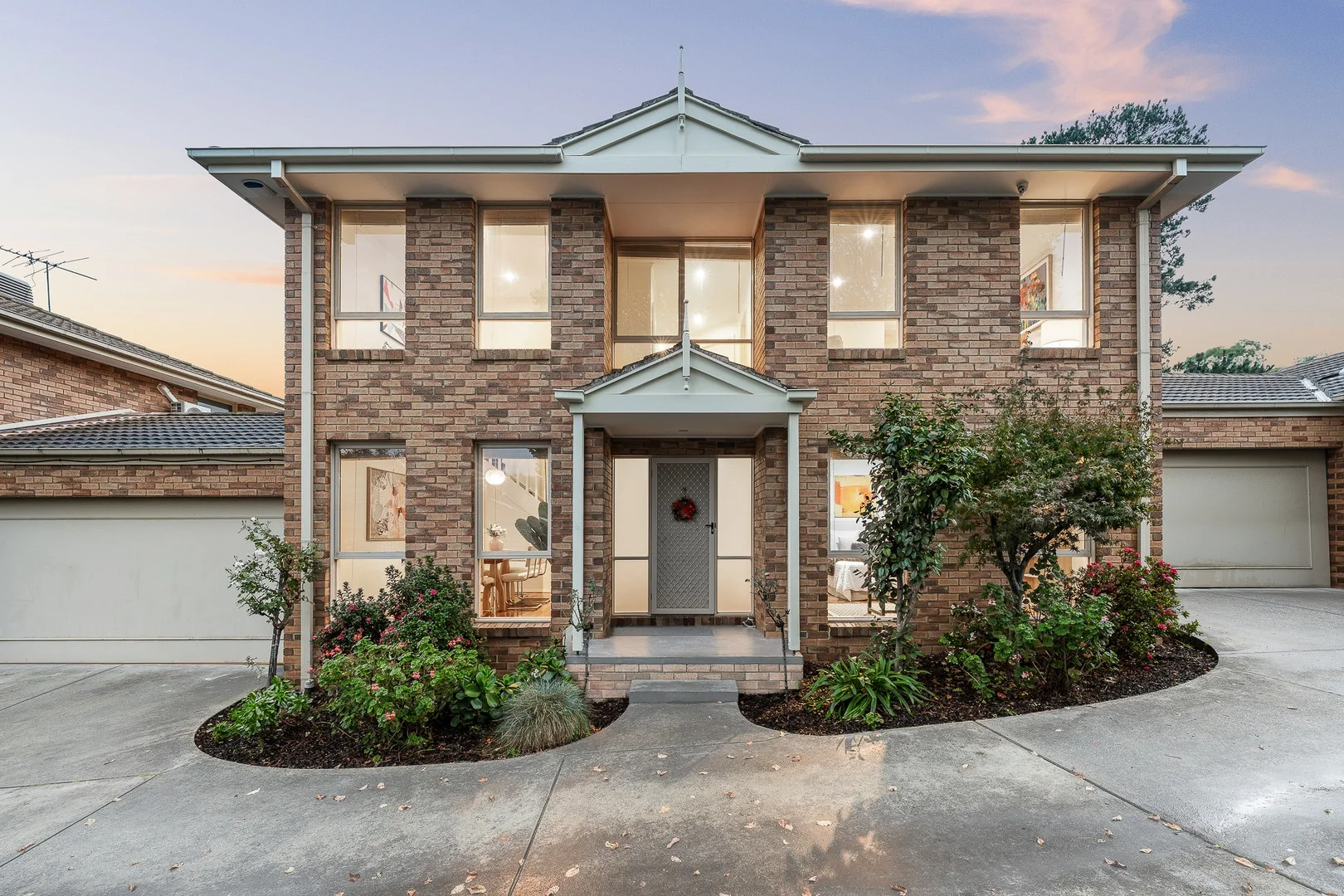 $950,000 - $1,045,000
Apartment / Unit / Flat
$950,000 - $1,045,000
Apartment / Unit / Flat
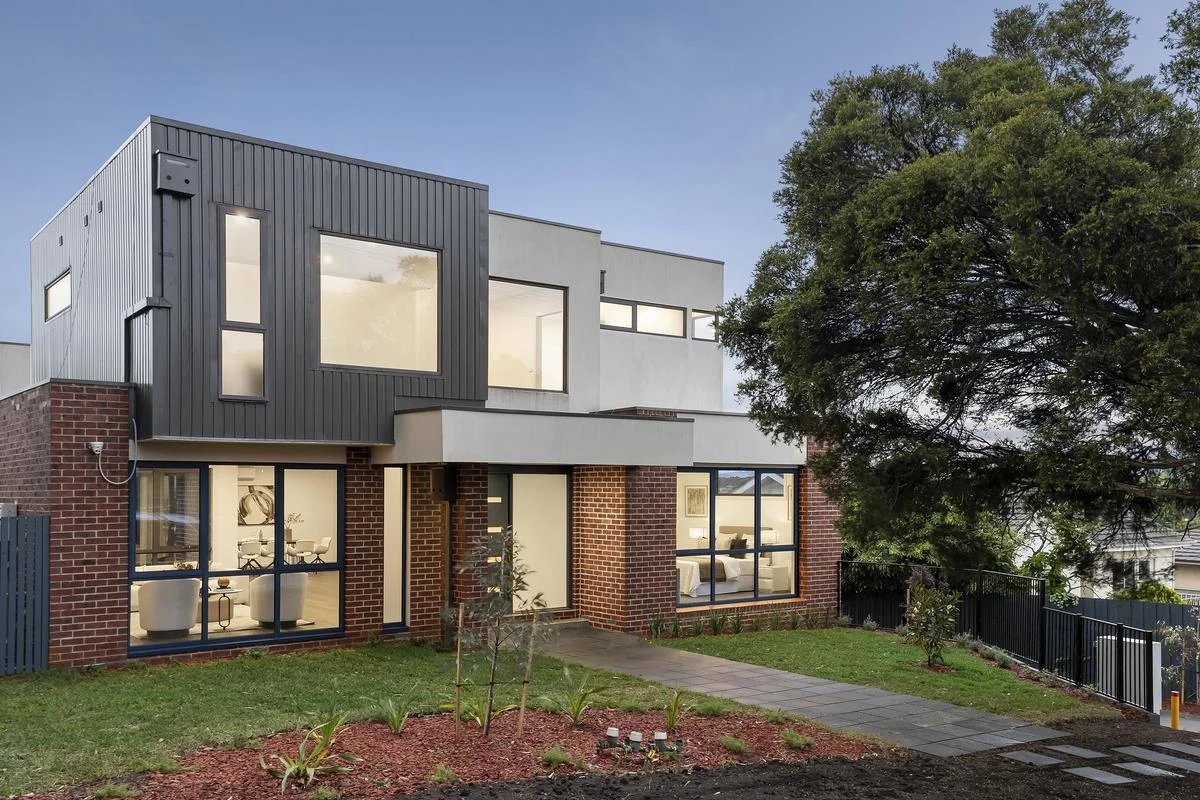 $1,550,000 - $1,650,000
Townhouse
$1,550,000 - $1,650,000
Townhouse
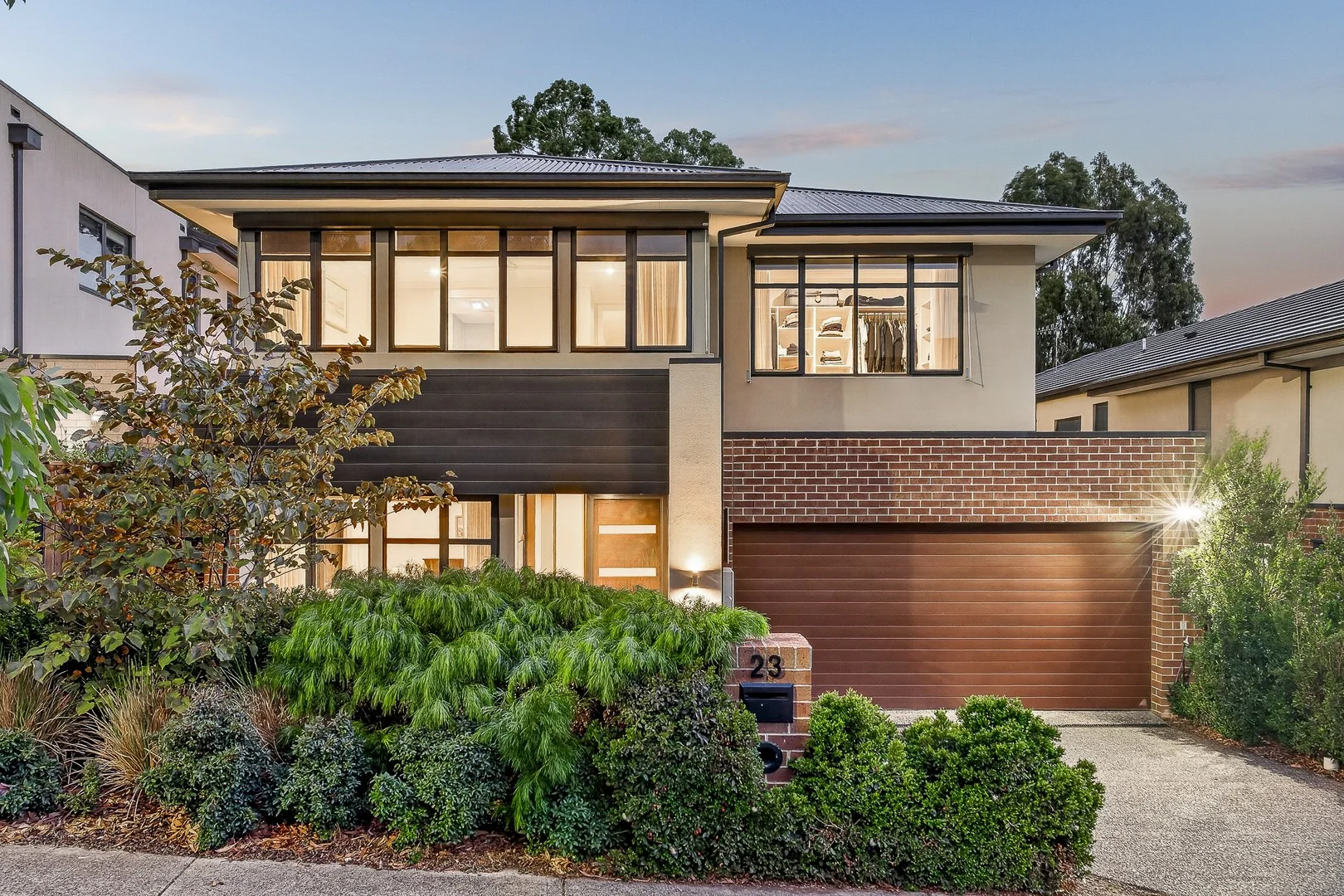 $1,780,000 - $1,880,000
House
$1,780,000 - $1,880,000
House
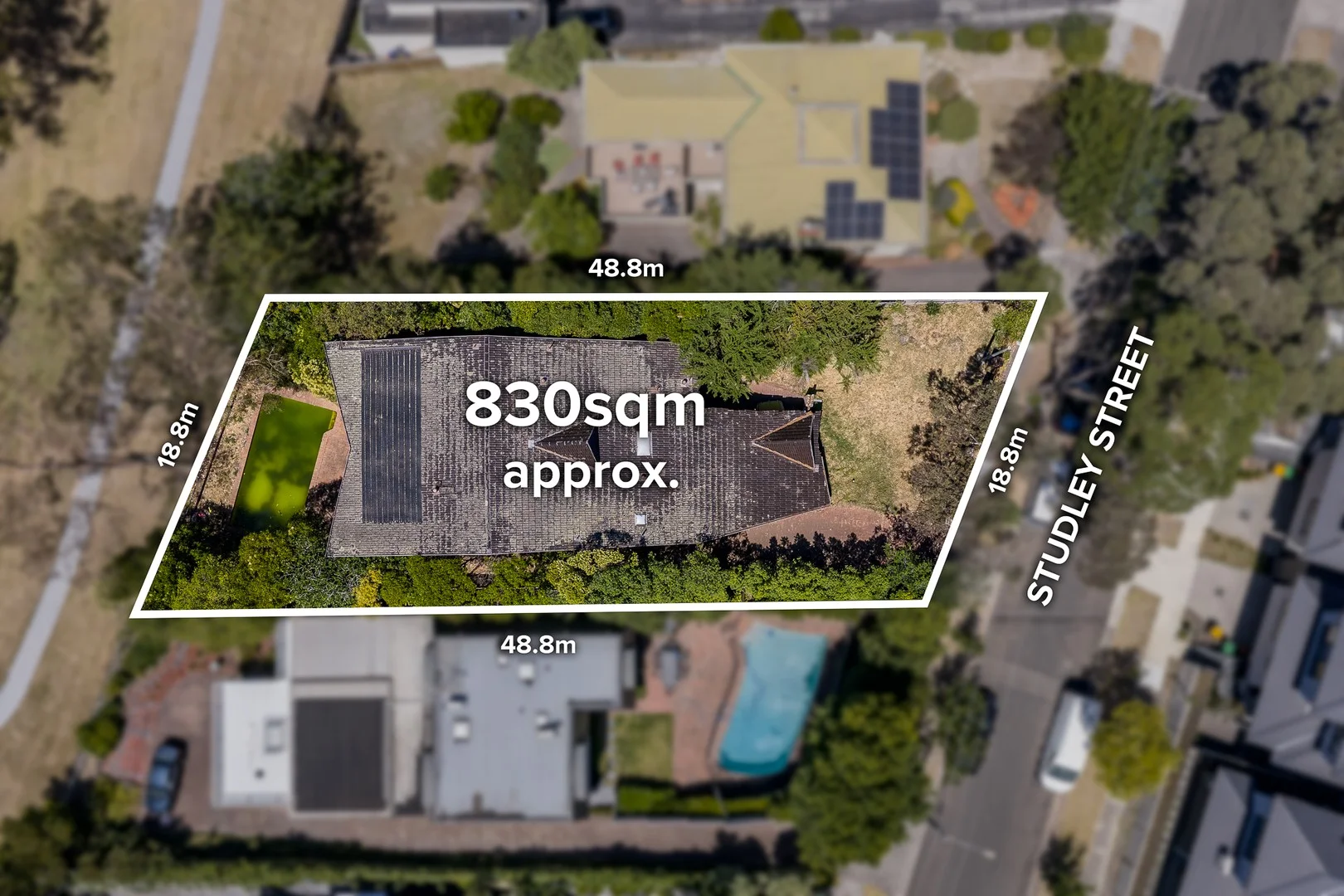 $1,400,000 - $1,500,000
House
$1,400,000 - $1,500,000
House
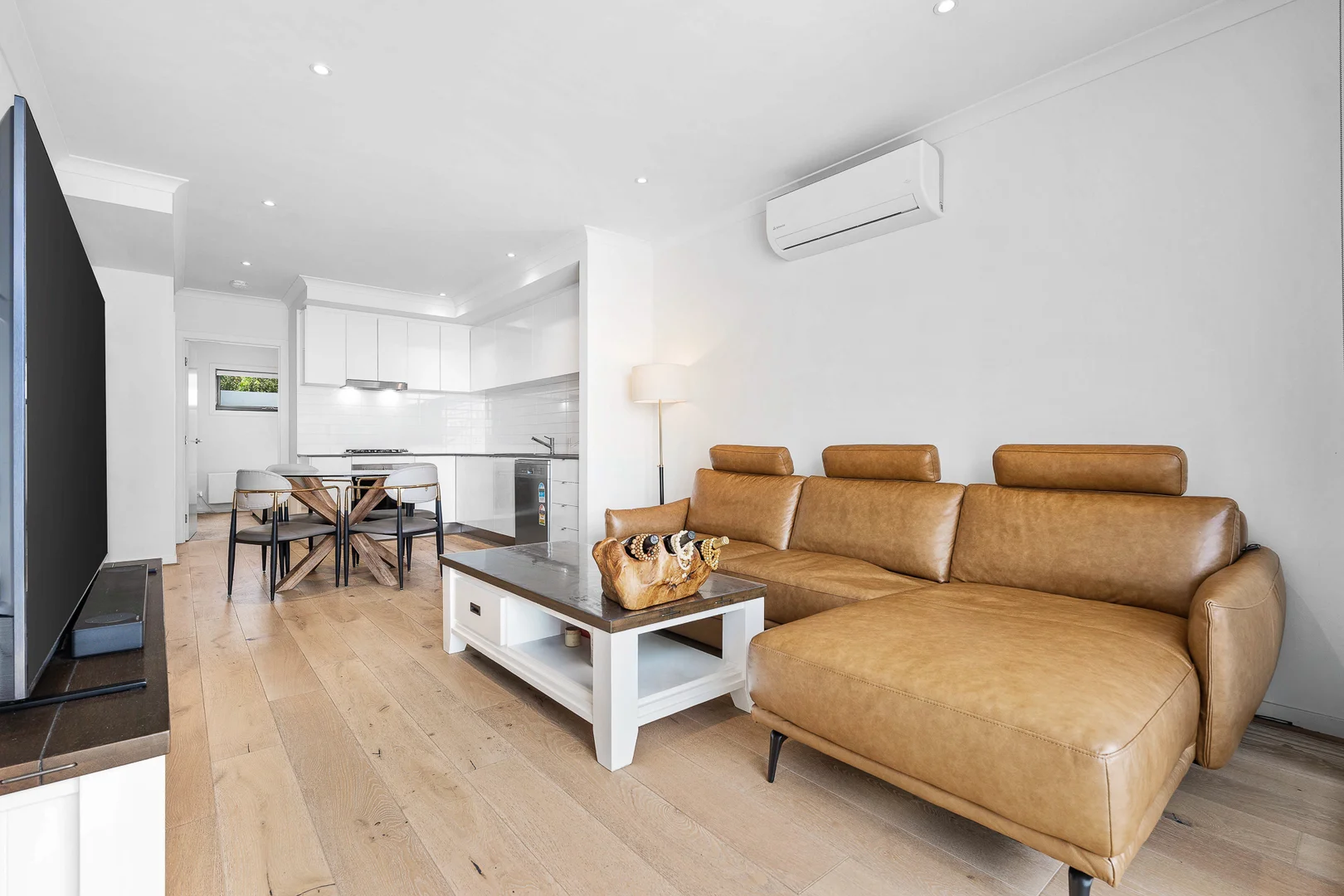 $850,000
Townhouse
$850,000
Townhouse
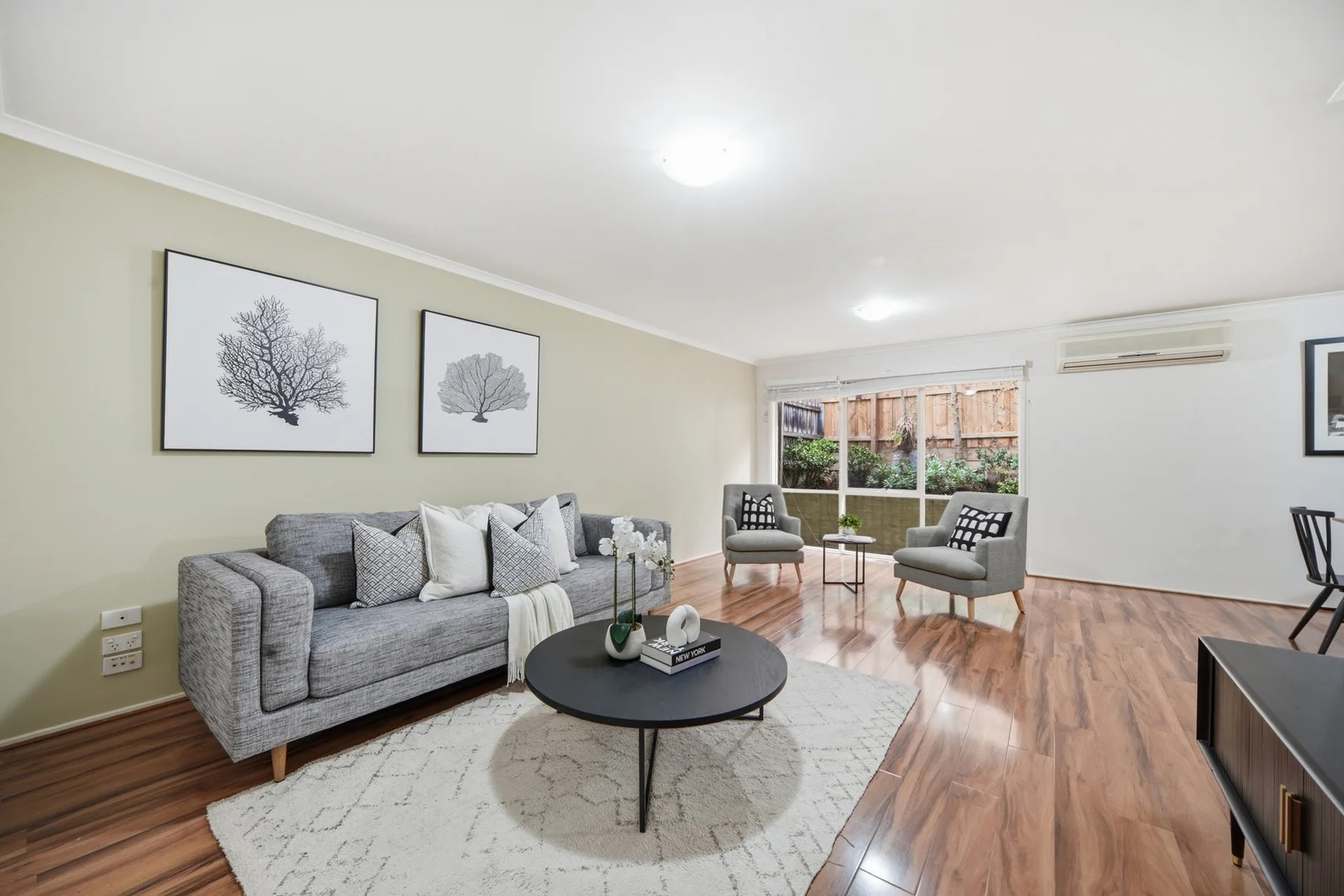 $985,000 - $1,080,000
Townhouse
$985,000 - $1,080,000
Townhouse
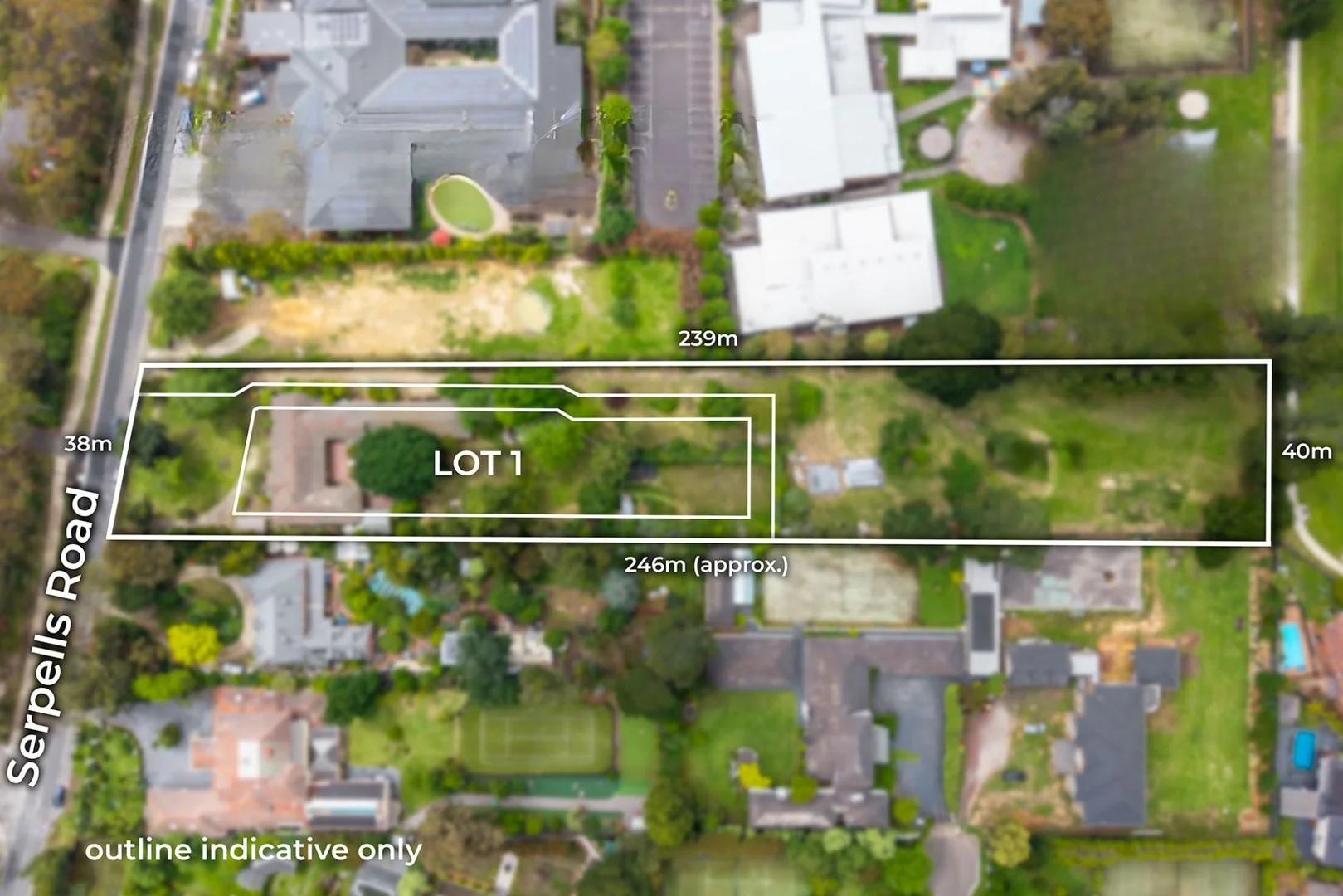 $5,600,000
House
$5,600,000
House