Overview
## 1. Overview
Templestowe Valley Primary School is a public (government) primary school serving the Lower Templestowe community in Victoria. As a medium-sized school, it typically offers classrooms with a student-focused approach that supports both individual and group learning. Class sizes are generally in the modest range for primary settings, aiming to balance personalised attention with opportunities for collaboration. The atmosphere tends to be nurturing, inclusive, and community-minded, with a strong emphasis on student well-being, belonging, and positive relationships across staff, students, and families.
## 2. Academics & Learning
- Academic strengths: emphasis on core literacy and numeracy, with teams exploring science, technology, and the development of essential thinking and problem-solving skills. There is attention to English language development and opportunities to engage in STEM-inspired activities and leadership experiences.
- Special programs: targeted learning support for students needing extra help, as well as gifted and talented provisions and opportunities for students to engage in enrichment activities.
- NAPLAN / Ofsted trends: available trend data typically shows stable or improving performance in key areas such as literacy and numeracy over recent years, with continued focus on growth and achievement across cohorts.
- Student-teacher ratios: commonly around 1:20 to 1:23, supporting accessible teacher support within general classrooms.
- Support for diverse learners: dedicated support for EAL learners, students with SEN, and other learners requiring additional assistance, including inclusive practices and adaptions to learning plans.
## 3. Sports & Extracurricular Strengths
- Sports offered: regular participation in interschool sport with programs covering athletics, netball, soccer, cricket, basketball, and other team activities.
- Strong teams or achievements: school teams often participate in district or regional competitions and aim for steady improvement and resilience across seasons.
- Music, arts, drama programs: opportunities in performing arts, school ensembles, music or recorder groups, and visual arts activities to showcase creativity.
- Clubs: robotics, chess, coding, debating, and other interest-based clubs provide avenues for students to explore passions beyond the classroom.
- Partnerships: connections with local clubs and community organizations, as well as participation in district-level competitions and events to broaden experience outside the classroom.
## 4. Wellbeing & Pastoral Care
- Anti-bullying approach: proactive policies and programs focused on a safe, respectful environment, with restorative practices and clear reporting processes.
- House system: a house-based structure that fosters belonging, teamwork, leadership opportunities, and participation in whole-school events.
- Counsellors / wellbeing officers: access to school-based wellbeing staff to support students’ social-emotional health and resilience.
- Transition support for new students: buddy programs, orientation activities, and targeted assistance to help new students settle in smoothly.
## 5. Facilities
- Sports grounds: ample outdoor spaces for PE, sport, and play.
- Libraries: welcoming library spaces for reading, research, and quiet study.
- Science labs: dedicated spaces or flexible laboratories for hands-on science activities.
- Music/performing arts centers: venues or rooms for music, drama, and rehearsals.
- Tech/innovation labs: spaces for technology, coding, and project-based learning.
- Cafeteria: on-site canteen or dining area for meals and snacks.
- Updated playgrounds: modern, safe play spaces with equipment for different age groups.
## 6. School Values & Community Culture
- School values / mission: a focus on respect, responsibility, inclusion, and collaboration to support a positive school culture.
- Leadership style: collaborative, with student voice and leadership opportunities alongside staff, encouraging shared responsibility.
- Behaviour expectations: clearly communicated standards centered on respectful conduct, safe practices, and responsible decision-making.
- Community reputation: generally regarded as a welcoming, family-friendly school with active involvement from families and local partners.
- Diversity & inclusion: strong commitment to welcoming students from diverse backgrounds and ensuring equitable access to learning opportunities.
## 7. School Logistics & Daily Operations
- School hours: standard day typically runs from around 9:00 am to 3:30 pm, with gate opening times announced by the school.
- Before/after school care: generally available through approved outside providers or school-supported programs.
- Uniform requirements: a school uniform policy is in place, with details provided by the school to ensure consistency and convenience for families.
- Transport (train/bus routes): access via local public transport and bus services; families should check current routes and schedules for their area.
- Canteen availability: a canteen or lunch program operates at suitable times during the day.
- Fees (low/medium/high ranges): state-funded primary schools typically have low to moderate optional contributions for resources, activities, or excursions; exact costs vary by year level and activity.
## 8. Enrolment & Admissions
11. What is the enrolment process and timeline?
- Enrolment is generally handled through the Victorian Department of Education processes, with applications for Foundation (prep) and other year levels managed by the school in coordination with the Department. Families should submit required documentation, attend any information sessions, and follow the school’s timetable for enrolment, including any local orientation events.
12. Is there a waiting list, and how does it work?
- Waiting lists may apply for non-catchment enrolments or popular intake years. The school (in line with Department policy) prioritises applicants according to catchment status, space availability, and protocols set by the district.
13. Are there any entry requirements, tests, or interviews?
- Generally, there are no entrance exams for primary school enrolment. Some cases may involve information gathering or discussions to support transition planning, particularly for students requiring additional support; routine school tours or orientation sessions are common.
14. Does the school accept mid-year transfers?
- Yes, depending on space and capacity. Prospective families should contact the school early, provide required records, and complete the standard transfer procedures to facilitate a smooth mid-year move.
## 9. Frequently Asked Questions
- Why Parents Choose This School?
- A welcoming community, strong focus on literacy and numeracy, supportive staff, and inclusive programs that help all students feel valued.
- What type of student thrives at this school?
- Collaborative, curious, engaged learners who respond well to a supportive learning environment and opportunities to participate in a range of activities.
- What opportunities are available for students to extend their skills (academics, sports, arts)?
- Access to enrichment programs, clubs (robotics, coding, debating, chess), interschool sports, and performing arts experiences.
- How does the school communicate with parents?
- Regular updates via newsletters, emails, a school portal or website, and opportunities for parent-teacher conferences and informal contact.
- What is the school’s approach to teaching and learning?
- Student-centered, differentiated instruction with explicit teaching, ongoing assessment, and support for diverse learning needs.
- How does the school support students who need extra academic help?
- Small-group interventions, targeted support programs, EAL and SEN services, and coordinated referrals as needed.
- What support is available for academic challenges?
- Additional tutoring, modified learning tasks, progress monitoring, and collaboration with families to tailor supports.
- How does the school communicate with parents? (Additional)
- Transparent and proactive communication through multiple channels to keep families informed about student progress and school events.
- What are the class sizes and how much individual attention do students receive?
- Classes typically have around 20–25 students, with teachers providing targeted support and opportunities for individual feedback within the learning day.
- What extracurricular and sports opportunities are available?
- A broad range of clubs (robotics, chess, coding, debating) and sports programs with regular interschool participation and performance opportunities.
- What facilities does the school offer (sports, science, arts)?
- Modern facilities including sports grounds, libraries, science labs, music/arts spaces, tech/innovation labs, and a canteen.
- What is the school’s approach to technology and digital learning?
- Integrated ICT in the curriculum, with access to devices and digital resources to support learning, safety, and responsible use.
- What transport and accessibility options are available?
- Nearby bus routes and public transport options, with standard procedures for safe drop-off and pick-up; accessible facilities where needed.
- What are the typical school fees or additional costs?
- Primary education in Victoria is government-funded; any extra costs relate to optional activities, excursions, or materials, with transparency from the school about expected contributions.
## 10. Short Pros & Cons list
- Pros
- Strong sense of community and inclusive culture
- Balanced focus on literacy, numeracy, and core learning
- Wide range of extracurriculars and clubs
- Support for diverse learners (EAL, SEN)
- Access to well-maintained facilities and resources
- Positive emphasis on wellbeing and student voice
- Cons
- Class sizes may vary by year level and enrolment pressures
- Some activities or trips may involve optional costs
- Availability of specialist facilities or programs can depend on staffing and funding
- Transfer opportunities depend on space and district arrangements
If you’d like, I can tailor this content further with more specific details you provide (for example, exact class size ranges, current programs, or any unique facilities or partnerships your school operates).









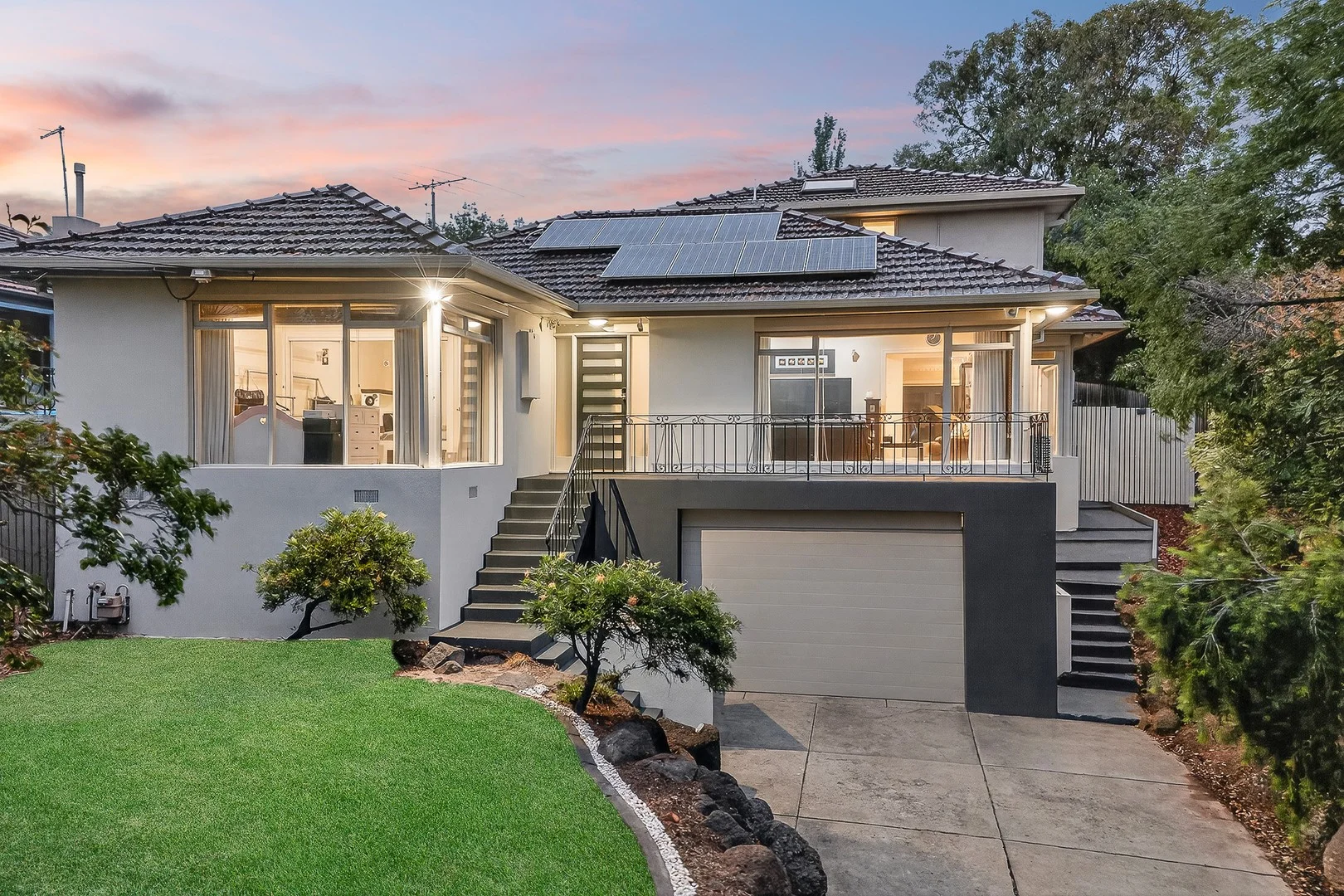 $1,350,000 - $1,450,000
House
$1,350,000 - $1,450,000
House
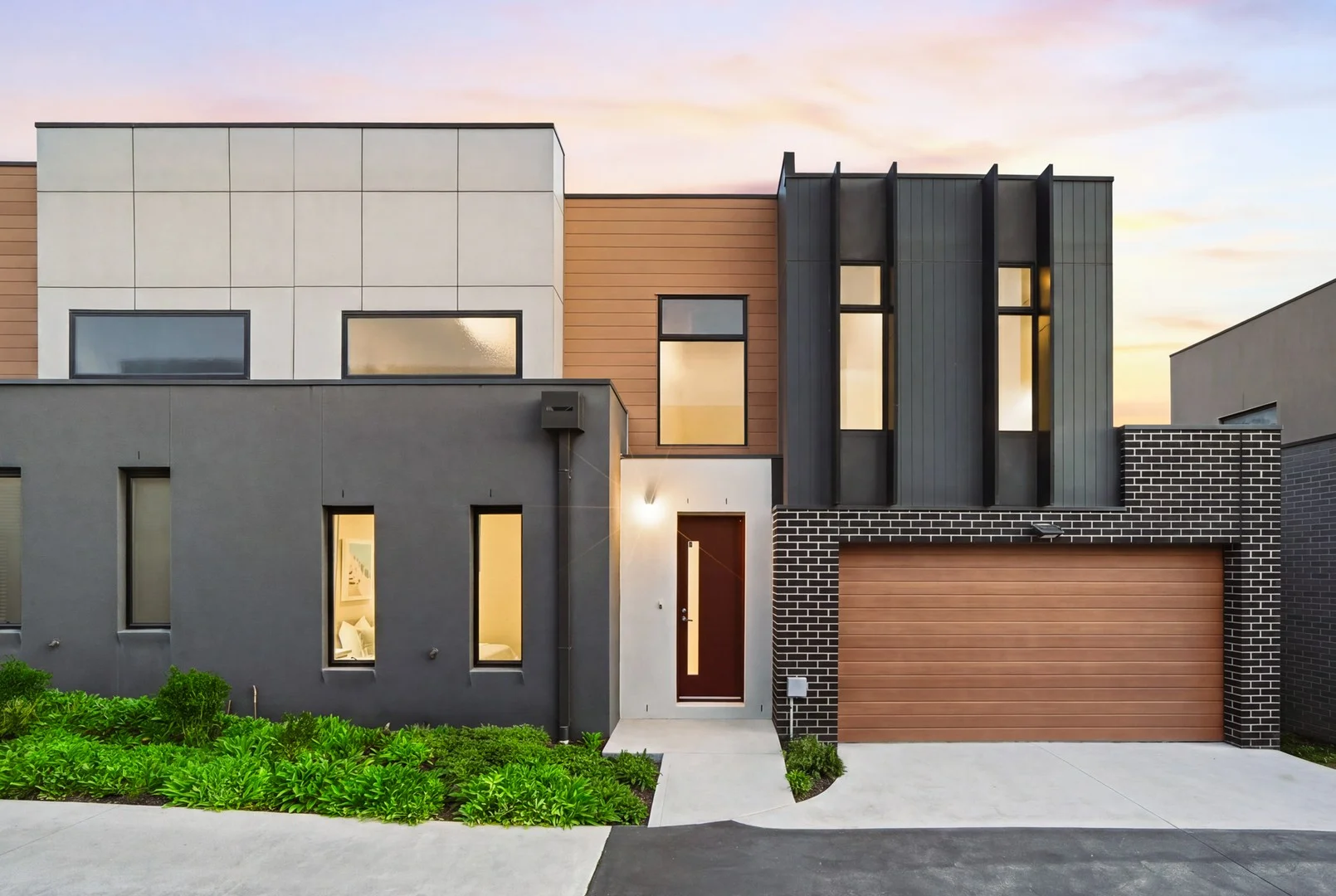 $900,000 - $990,000
Townhouse
$900,000 - $990,000
Townhouse
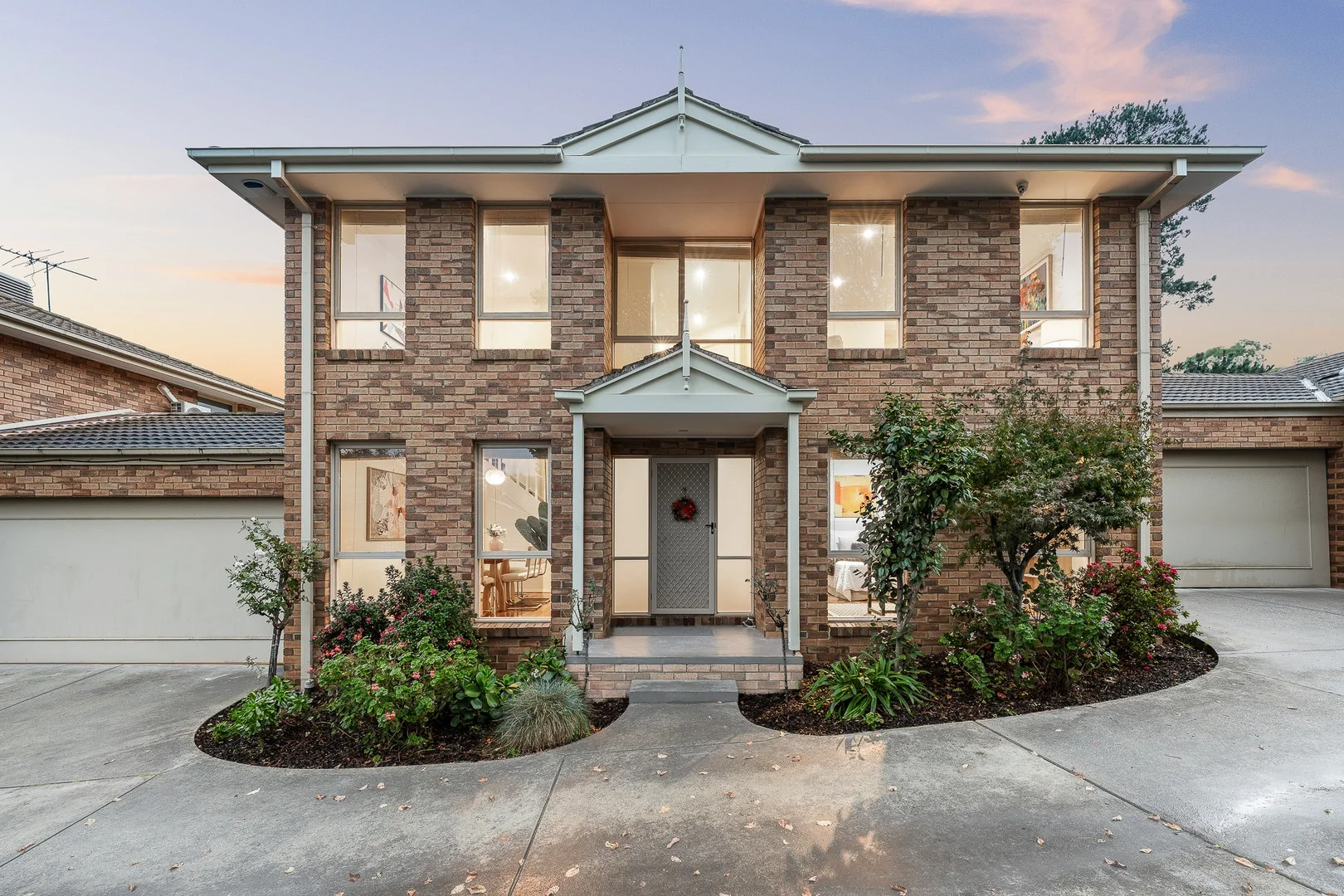 $950,000 - $1,045,000
Apartment / Unit / Flat
$950,000 - $1,045,000
Apartment / Unit / Flat
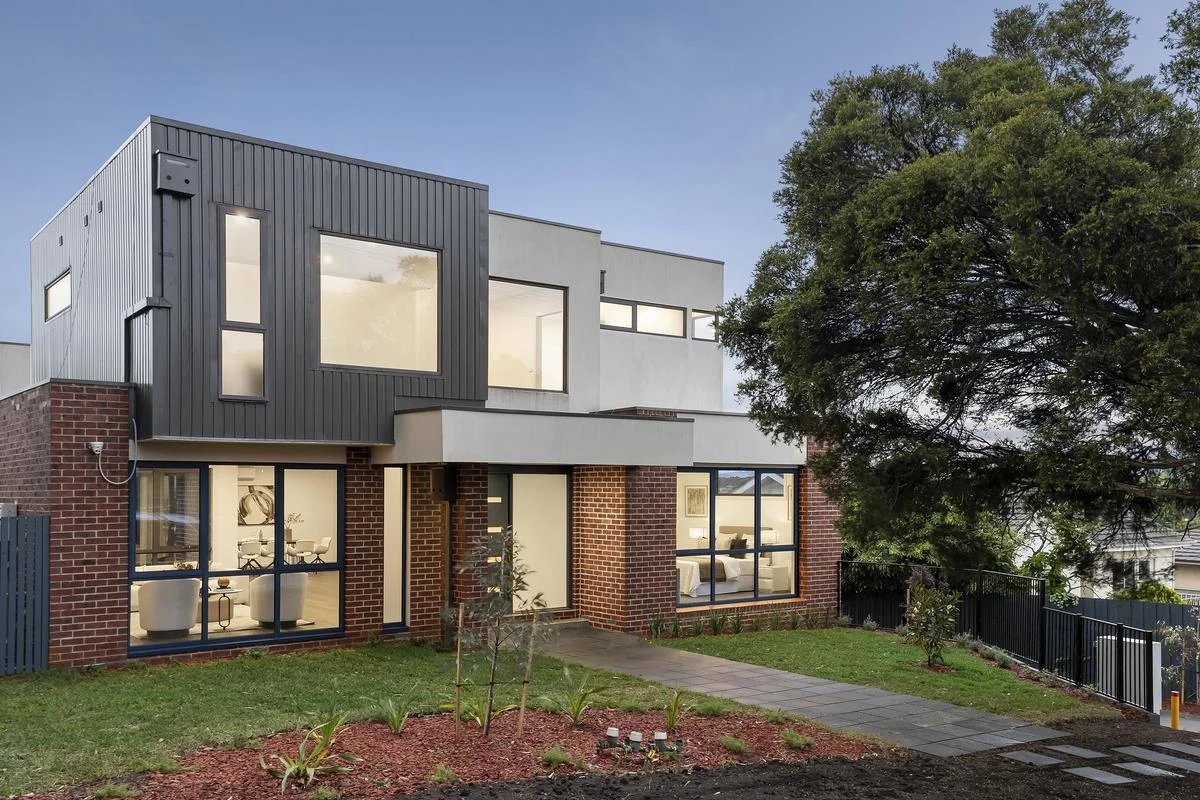 $1,550,000 - $1,650,000
Townhouse
$1,550,000 - $1,650,000
Townhouse
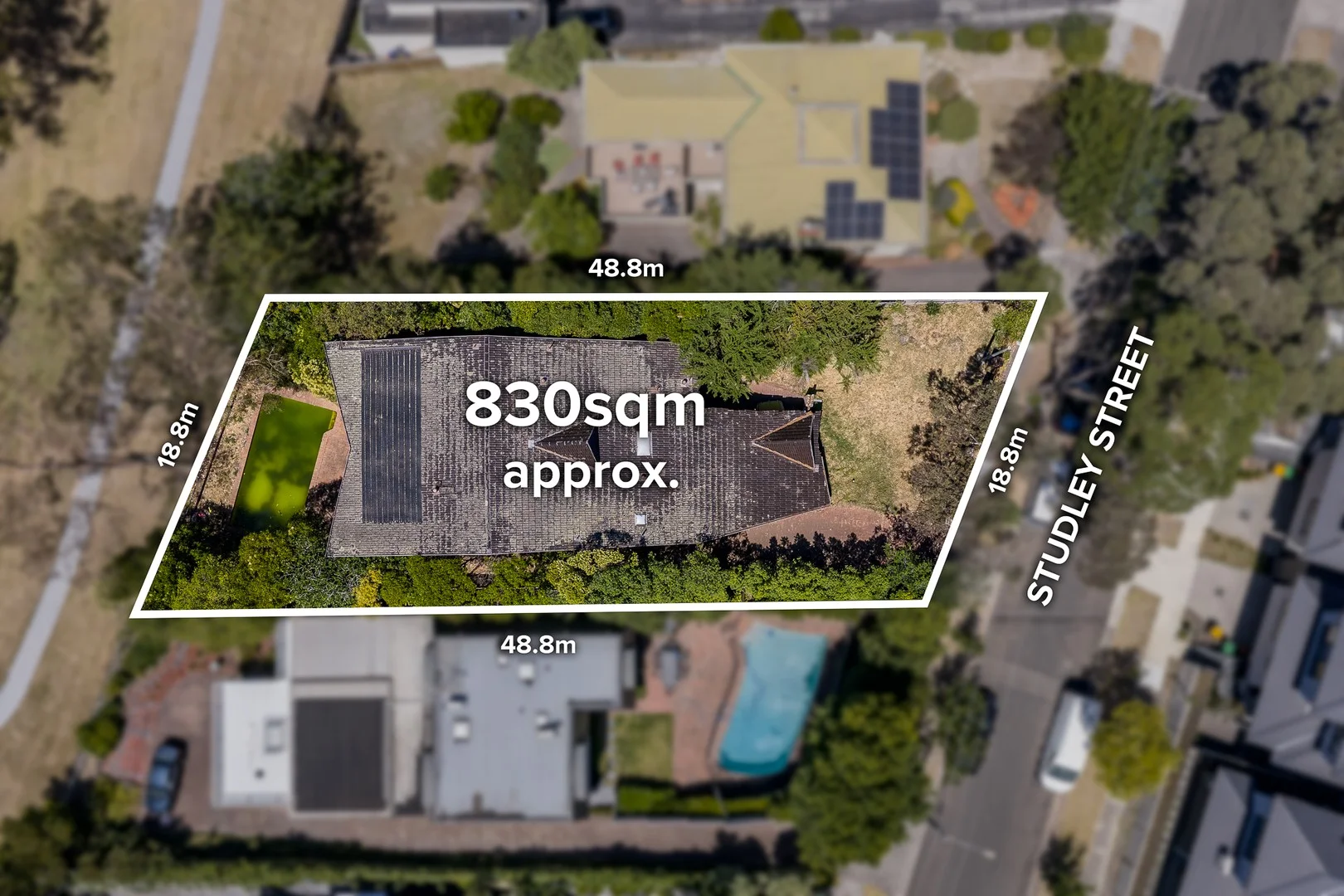 $1,400,000 - $1,500,000
House
$1,400,000 - $1,500,000
House
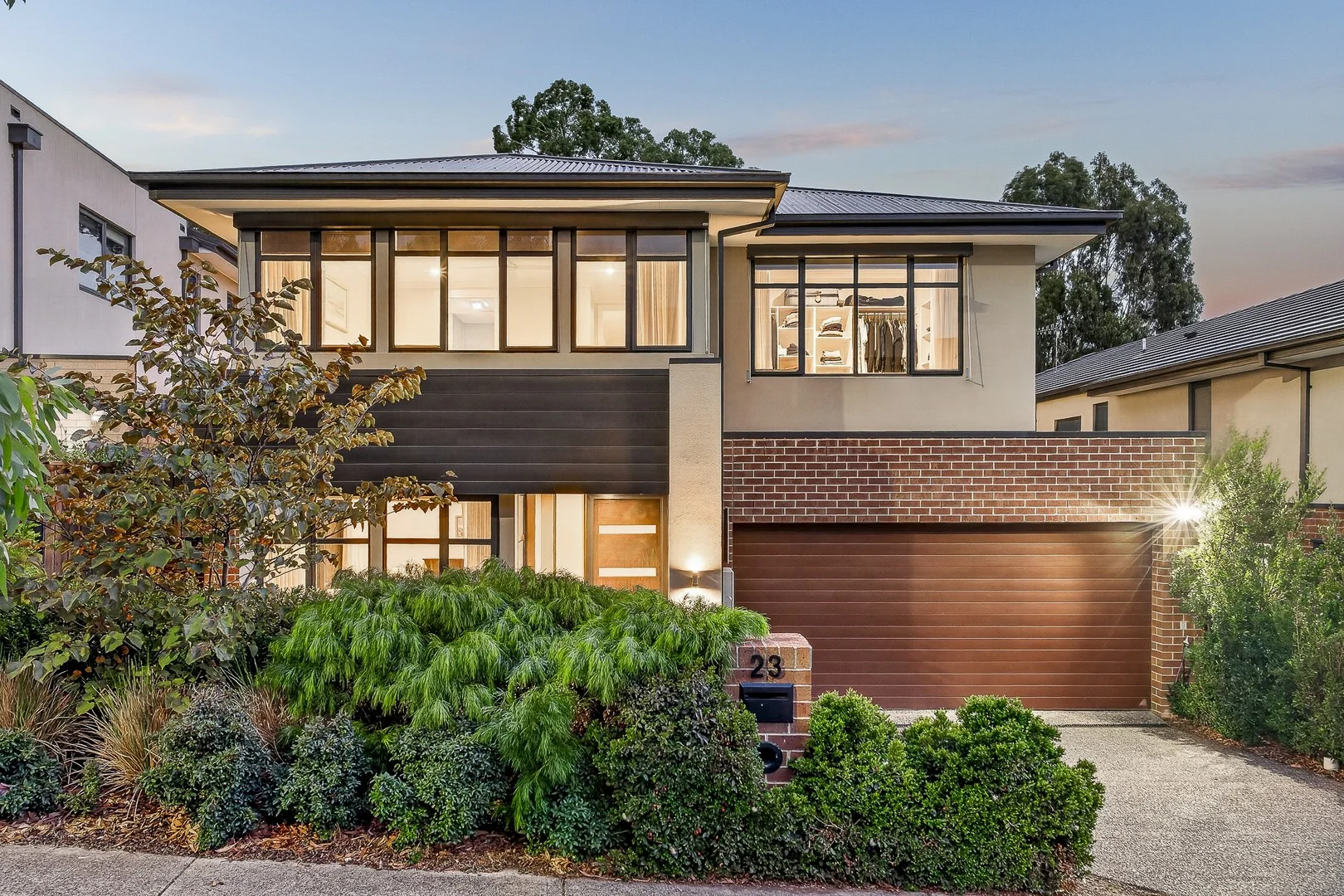 $1,780,000 - $1,880,000
House
$1,780,000 - $1,880,000
House
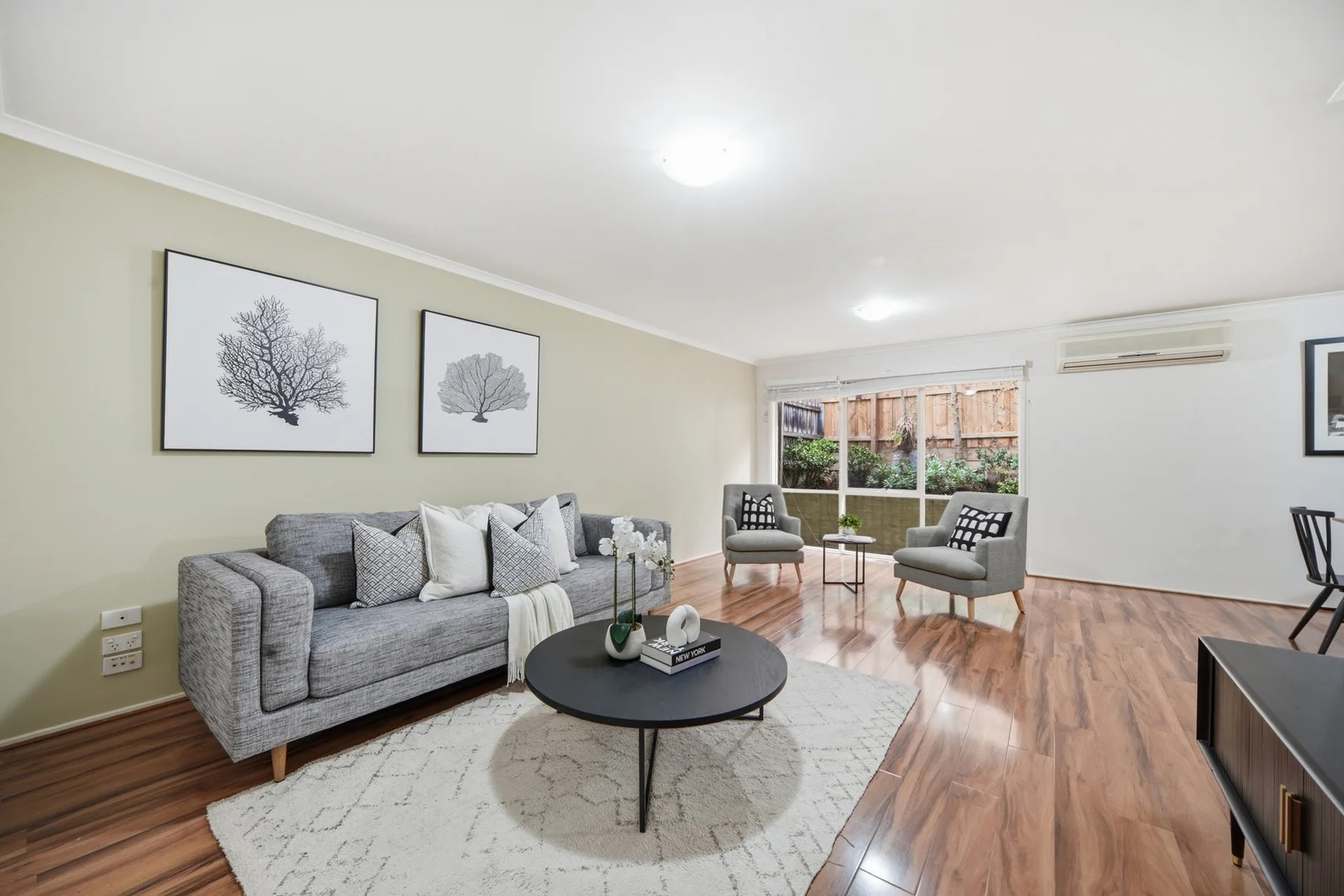 $985,000 - $1,080,000
Townhouse
$985,000 - $1,080,000
Townhouse
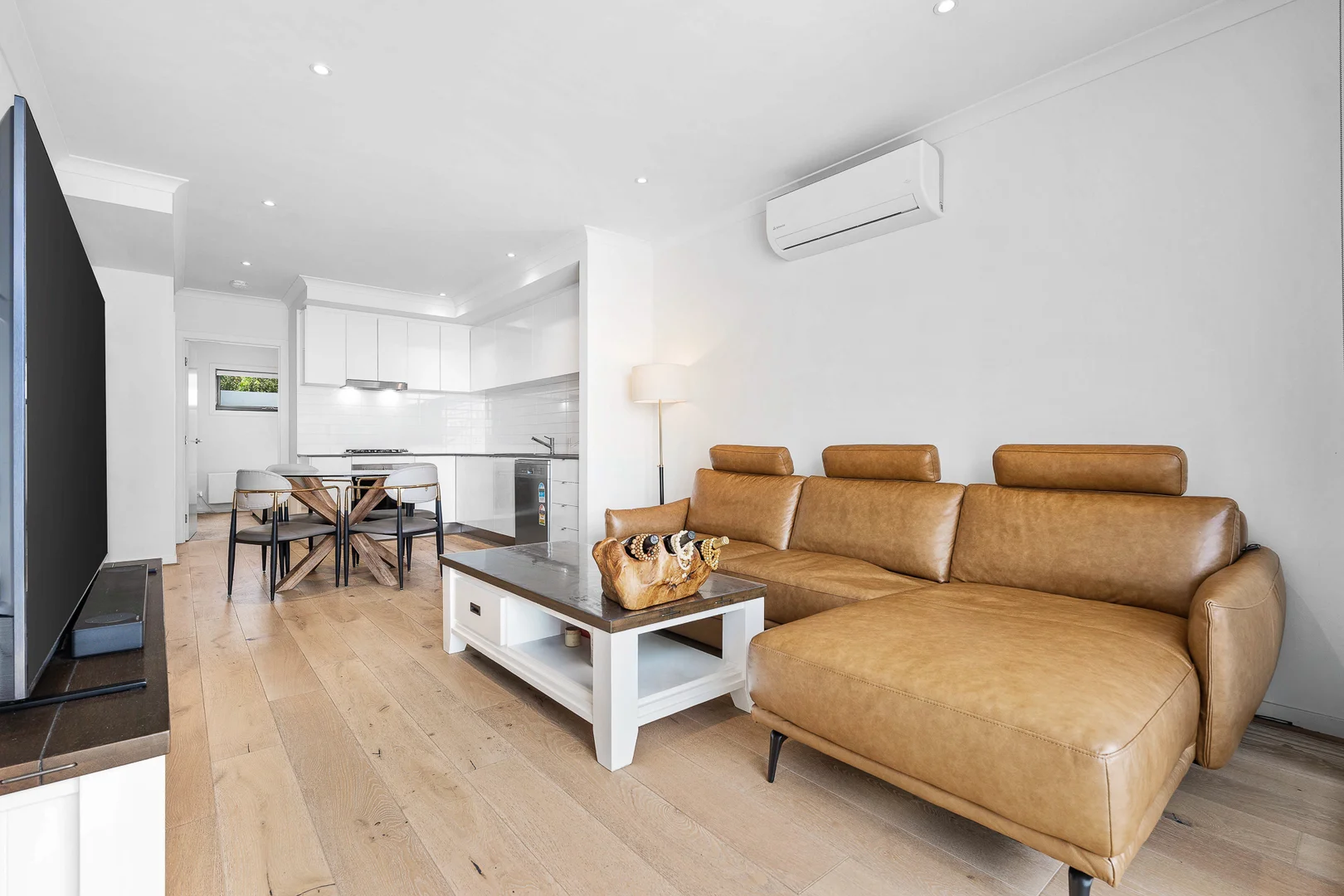 $850,000
Townhouse
$850,000
Townhouse
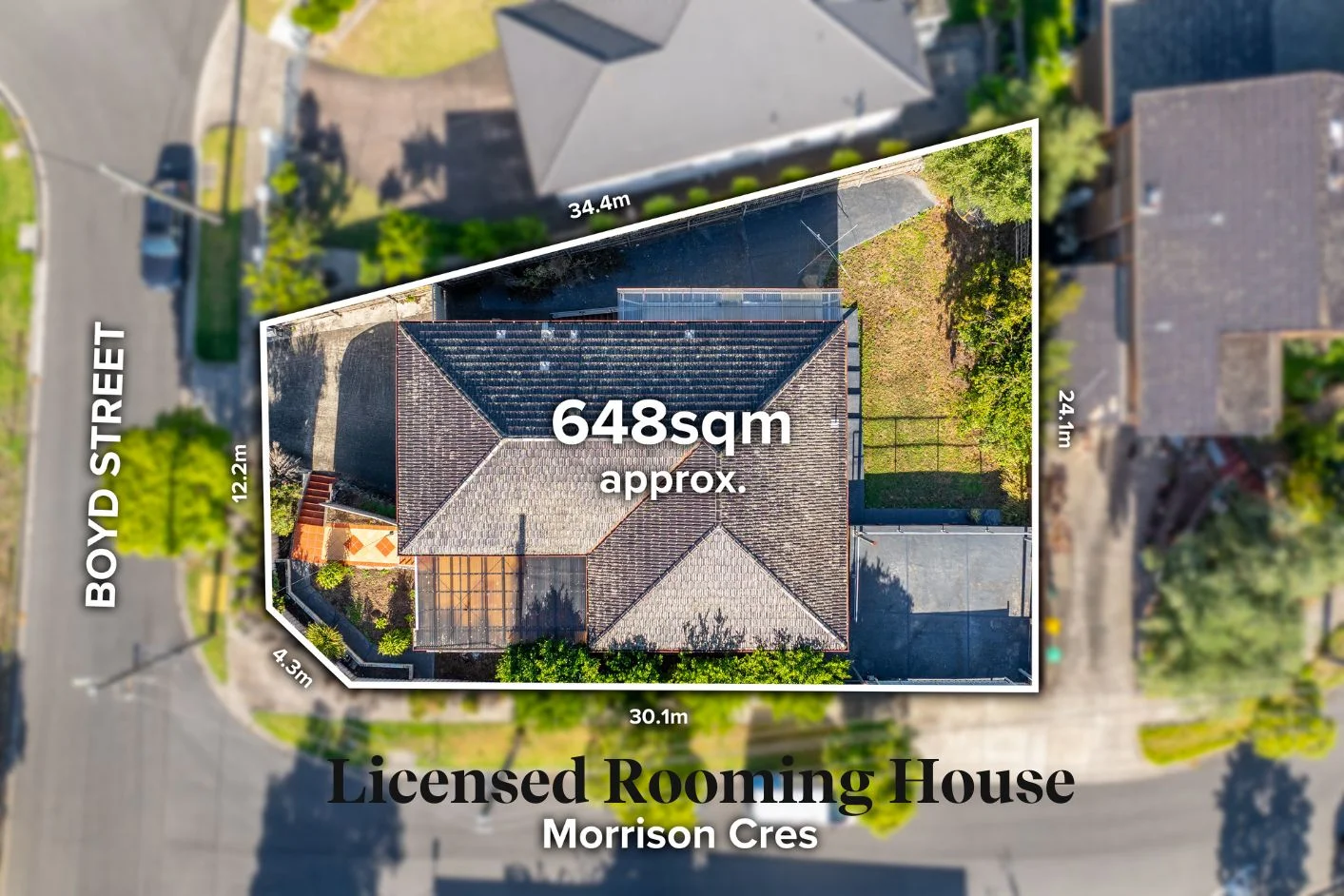 $1,780,000
House
$1,780,000
House