Overview
1. Overview
St Kevin's School, Ormond is a Catholic primary education setting offering a warm, faith-centered learning environment for families in Melbourne’s southeast. The school is a Catholic co-educational community that emphasises values-based education, inclusion, and strong relationships between students, families, and staff. With a medium-sized school community, classes are typically designed to be intimate and supportive, fostering a nurturing atmosphere where students feel seen and encouraged to grow academically, socially, and spiritually.
⸻
2. Academics & Learning
- Academic strengths: English and numeracy are core priorities, with a focus on literacy development, critical thinking, and a faith-informed approach to learning. English, mathematics, and religious education are integrated with inquiry-based practices to develop students’ overall academic growth.
- Special programs: Gifted and talented opportunities and targeted learning supports are provided where available, along with faith formation and character education embedded across the curriculum.
- NAPLAN / trends: Over recent years, schools in this sector often show steady progress in reading and numeracy literacy across year levels, with ongoing emphasis on improving writing and problem-solving skills.
- Student-teacher ratios: Class sizes are generally small-to-medium, supporting strong student–teacher interaction (approximately 1:12 to 1:15 in typical classes, with additional support as needed).
- Support for diverse learners: Strong emphasis on inclusive education, with EAL (English as an Additional Language) and SEN (special education needs) support available to help students access the curriculum and participate fully.
⸻
3. Sports & Extracurricular Strengths
- Sports offered: Soccer, netball, basketball, cricket and athletics are commonly available, with opportunities to participate in inter-school sport programs.
- Strong teams or achievements: Participation and teamwork are encouraged through school-based teams and inter-school events; achievements are celebrated across age groups.
- Music, arts, drama programs: Music programs, choir and occasional drama productions help students develop performance and creative skills.
- Clubs: Robotics, coding, chess, debating and environmental/climate clubs are typically offered to extend student interests beyond core academics.
- Partnerships: Local community partnerships and participation in inter-school competitions help students connect with broader opportunities beyond the classroom.
⸻
4. Wellbeing & Pastoral Care
- Anti-bullying approach: A clear anti-bullying policy and restorative practices support a respectful school climate; student wellbeing is monitored through pastoral care structures.
- House system: A house system (color-coded houses) supports belonging, friendly competition, and social development.
- Counsellors / wellbeing officers: Access to school-based wellbeing staff or counsellors helps students develop resilience and coping strategies.
- Transition support for new students: Orientation programs, buddy systems, and transition activities assist new students in settling smoothly.
⸻
5. Facilities
- Sports grounds: On-site or nearby facilities for physical education and games.
- Libraries: A library space supports reading development and independent learning.
- Science labs: Accessible science facilities for hands-on inquiry and experiments.
- Music/performing arts centers: Spaces for music classes, rehearsals, and performances.
- Tech/innovation labs: Access to ICT resources and digital learning environments.
- Cafeteria: On-site canteen or lunch facilities serving healthy options.
- Updated playgrounds: Modern, safe play spaces for break times and outdoor learning.
⸻
6. School Values & Community Culture
- School values / mission: A values-based mission focusing on respect, responsibility, compassion, and community contribution.
- Leadership style: Opportunities for student leadership and voice (e.g., student council, peer mentoring) with a collaborative approach to decision-making.
- Behaviour expectations: Clear expectations and restorative approaches to behavior management.
- Community reputation: Strong parent involvement and active community engagement contribute to a supportive atmosphere.
- Diversity & inclusion: A welcoming environment that supports students from diverse backgrounds and needs.
⸻
7. School Logistics & Daily Operations
- School hours: Typical primary-school hours with a standard start and finish each day; times may include a morning recess and lunch break.
- Before/after school care: Availability of before/after school care through school programs or approved providers.
- Uniform requirements: School uniform policy with designated attire and footwear; details provided by the school handbook.
- Transport (train/bus routes): Access to public transport and local bus/train routes; drop-off and pick-up arrangements are guided by school policies.
- Canteen availability: Canteen or lunch options available, with emphasis on healthy choices.
- Fees (low/medium/high ranges): Fees fall within a mid-range category for Catholic primary schools in the area; additional costs may apply for camps, excursions, and elective activities.
⸻
8. Enrolment & Admissions
11. What is the enrolment process and timeline?
- Submit an enrolment application during the advertised intake period.
- Provide required documents (e.g., birth certificate/immunisation records; baptism certificate if applicable).
- The school may conduct an interview or informal meeting with families and students as part of the intake process.
- Offers and placement decisions are communicated according to the school’s timelines; timelines can vary by year level and space availability.
12. Is there a waiting list, and how does it work?
- Waiting lists are common when intake numbers exceed available places.
- Priority may be given based on the school’s enrolment policy (e.g., sibling preferences, parish affiliations, and other criteria).
- Families on the waiting list are kept informed about position changes and anticipated openings as they arise.
13. Are there any entry requirements, tests, or interviews?
- Entry requirements typically include basic documentation (birth certificate, immunisation), and, where applicable, baptismal documentation.
- Some schools may conduct interviews or orientation discussions; there may be no formal academic test for general enrolment, though selective assessments may apply for specific programs or circumstances.
14. Does the school accept mid-year transfers?
- Mid-year transfers can be possible if places are available and the enrolling family completes the school’s transfer process and documentation.
⸻
9. Frequently Ask Questions
- “Why Parents Choose This School?”
- A supportive Catholic framework, strong sense of community, balanced academics, and focus on wellbeing and character development.
- “What type of student thrives at this school?”
- Students who are curious, respectful, engaged, and value community and faith-based learning tend to thrive.
- “What opportunities are available for students to extend their skills (academics, sports, arts)?”
- Extended reading and numeracy support, gifted/ talented opportunities where available, a range of sports, music, drama, robotics, coding, chess, debating, and environmental clubs.
- “How does the school communicate with parents?”
- Regular newsletters, a school app or portal, emails, and information sessions keep families informed about events, progress, and policy changes.
- “What is the school’s approach to teaching and learning?”
- Student-centered, inquiry-based learning with differentiation to meet diverse needs; integration of faith-based values across the curriculum.
- “How does the school support students who need extra academic help?”
- Targeted literacy and numeracy support, intervention blocks, and access to SEN/EAL services as appropriate.
- “What support is available for academic challenges?”
- Individual or small-group coaching, progress monitoring, and collaboration with families to set goals and adapt plans.
- “What are the class sizes and how much individual attention do students receive?”
- Class sizes are small-to-medium, enabling regular teacher-student interaction and targeted feedback.
- “What extracurricular and sports opportunities are available?”
- A range of sports (team and individual), music and arts programs, and clubs such as robotics, coding, chess, and debating.
- “What facilities does the school offer (sports, science, arts)?”
- Sports grounds, library, science labs, music/performing arts spaces, and tech/innovation labs.
- “What is the school’s approach to technology and digital learning?”
- Integration of ICT in daily learning, age-appropriate devices, digital citizenship education, and safe online practices.
- “What transport and accessibility options are available?”
- Access to public transport options; structured drop-off and pick-up policies; provisions for accessibility as needed.
- “What are the typical school fees or additional costs?”
- Fees are in the mid-range for local Catholic primary schools; additional costs may apply for excursions, camps, and elective programs.
⸻
10. Short Pros & Cons list
Pros
- Strong sense of community with supportive staff
- Values-based, faith-informed education
- Focus on wellbeing and inclusive practices
- Balanced mix of academics, sports, arts, and clubs
- Small-to-medium class sizes enabling personalized attention
- Accessible facilities and ICT resources
Cons
- May have fewer specialized subjects compared to larger independent schools
- Fees fall in the mid-range; some additional activities may have extra costs
- Availability of spaces can vary year to year, impacting enrollment timelines
⸻
Note: This content is a draft designed to help families assess St Kevin's School, Ormond. Please verify specific details (enrolment timelines, current facilities, exact programs, and any updated policies) with the school or its official communications to ensure accuracy.










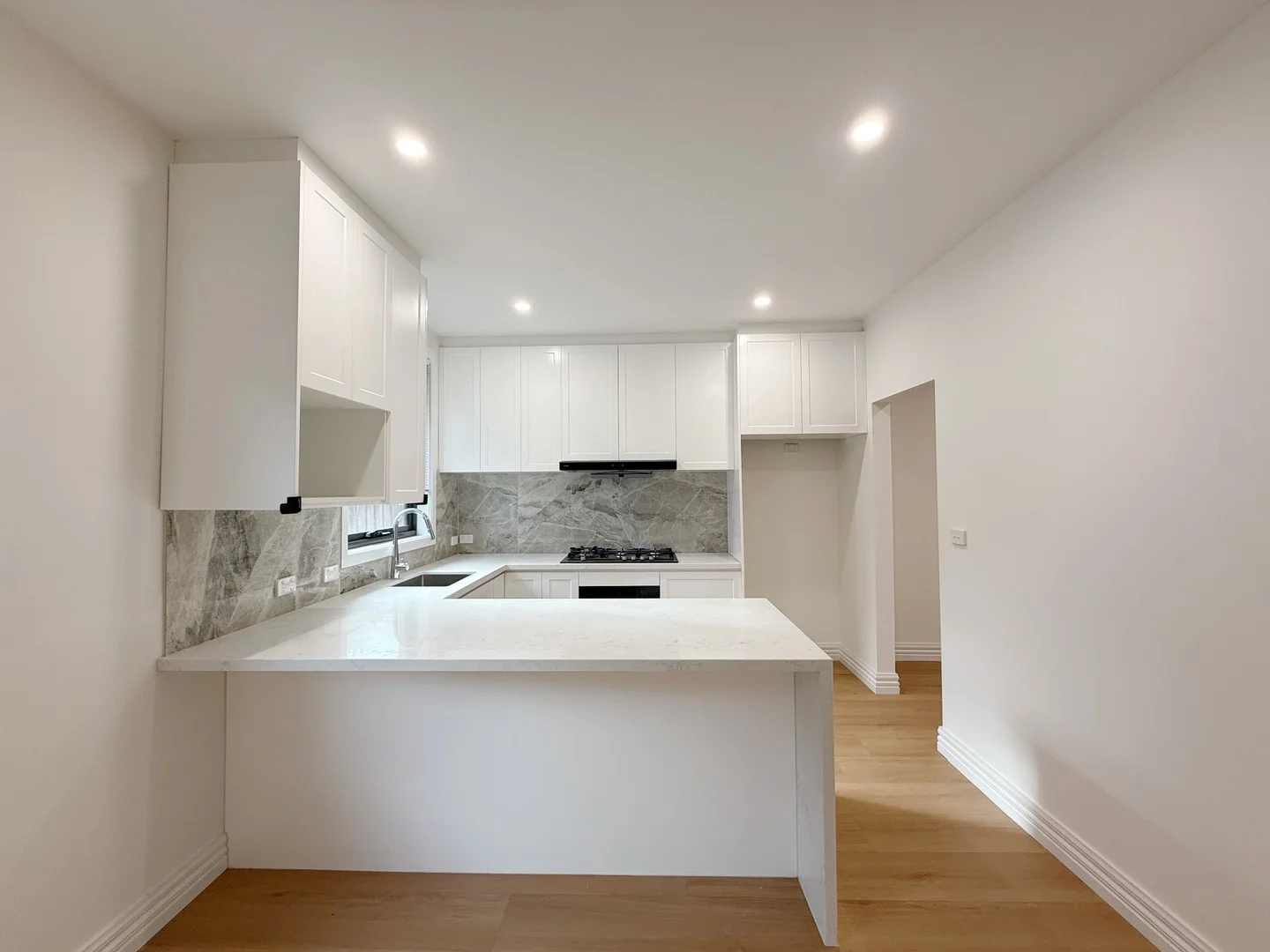 $1,280
House
$1,280
House
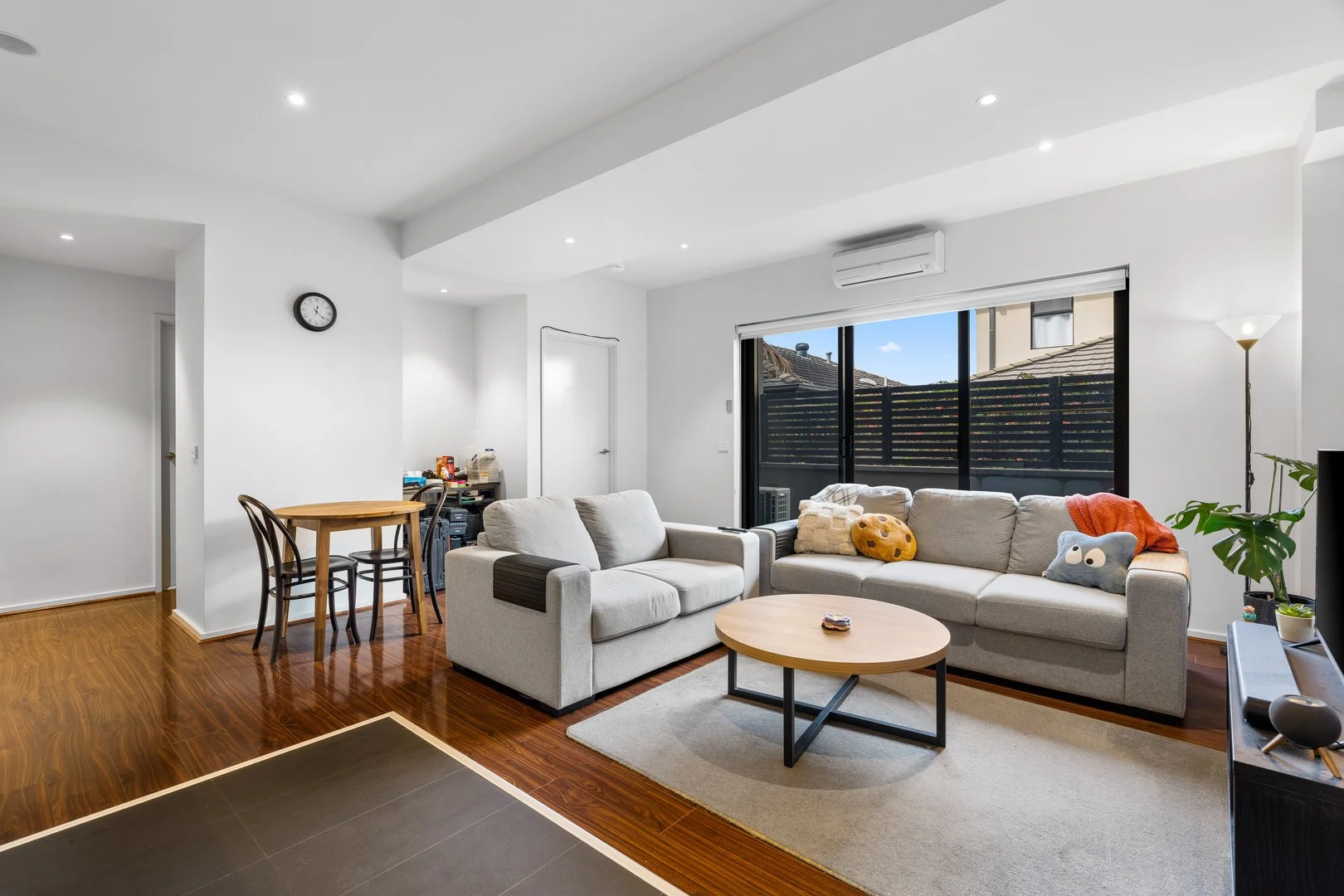 $385,000 - $410,000
Apartment / Unit / Flat
$385,000 - $410,000
Apartment / Unit / Flat
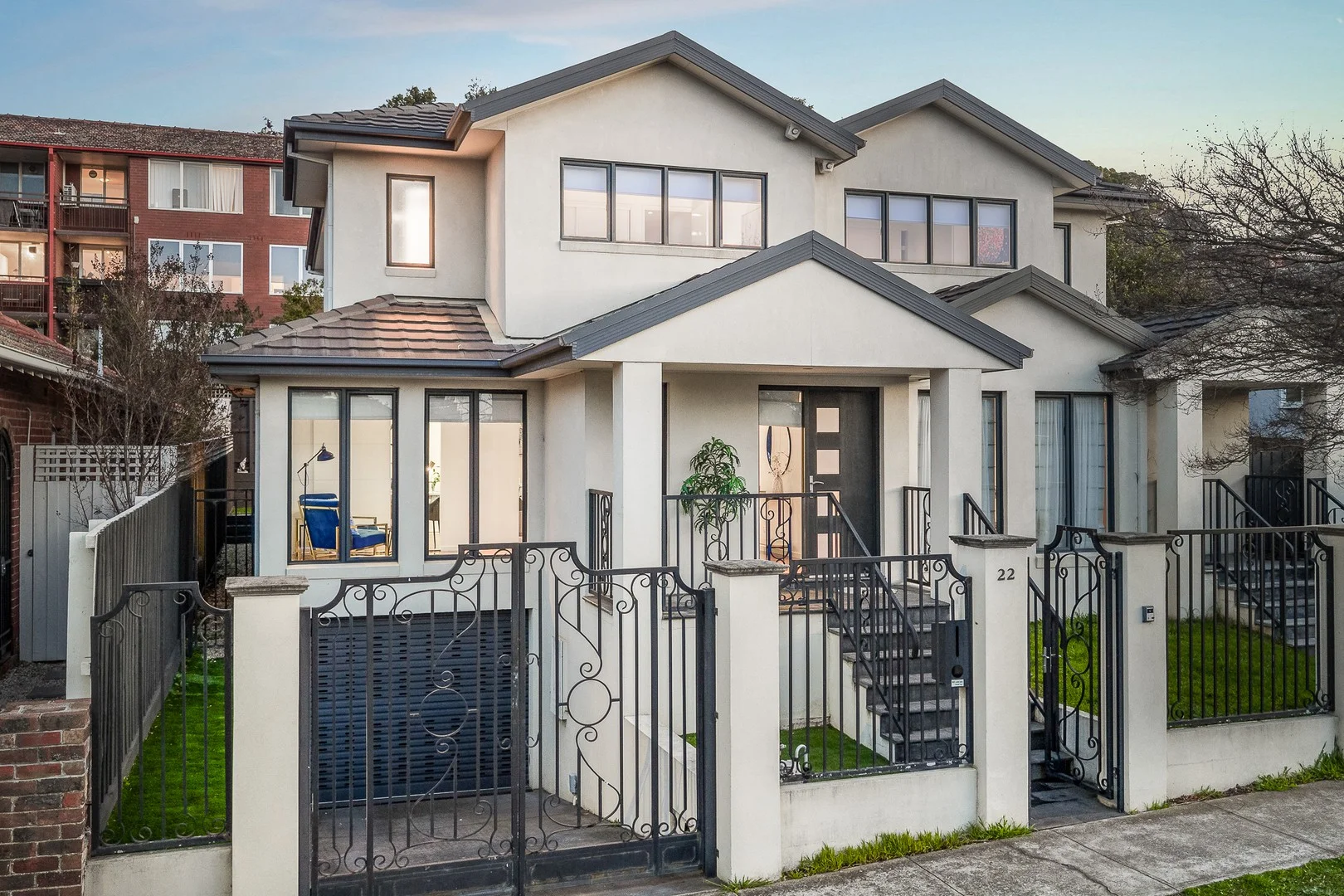 $2,390,000
Townhouse
$2,390,000
Townhouse
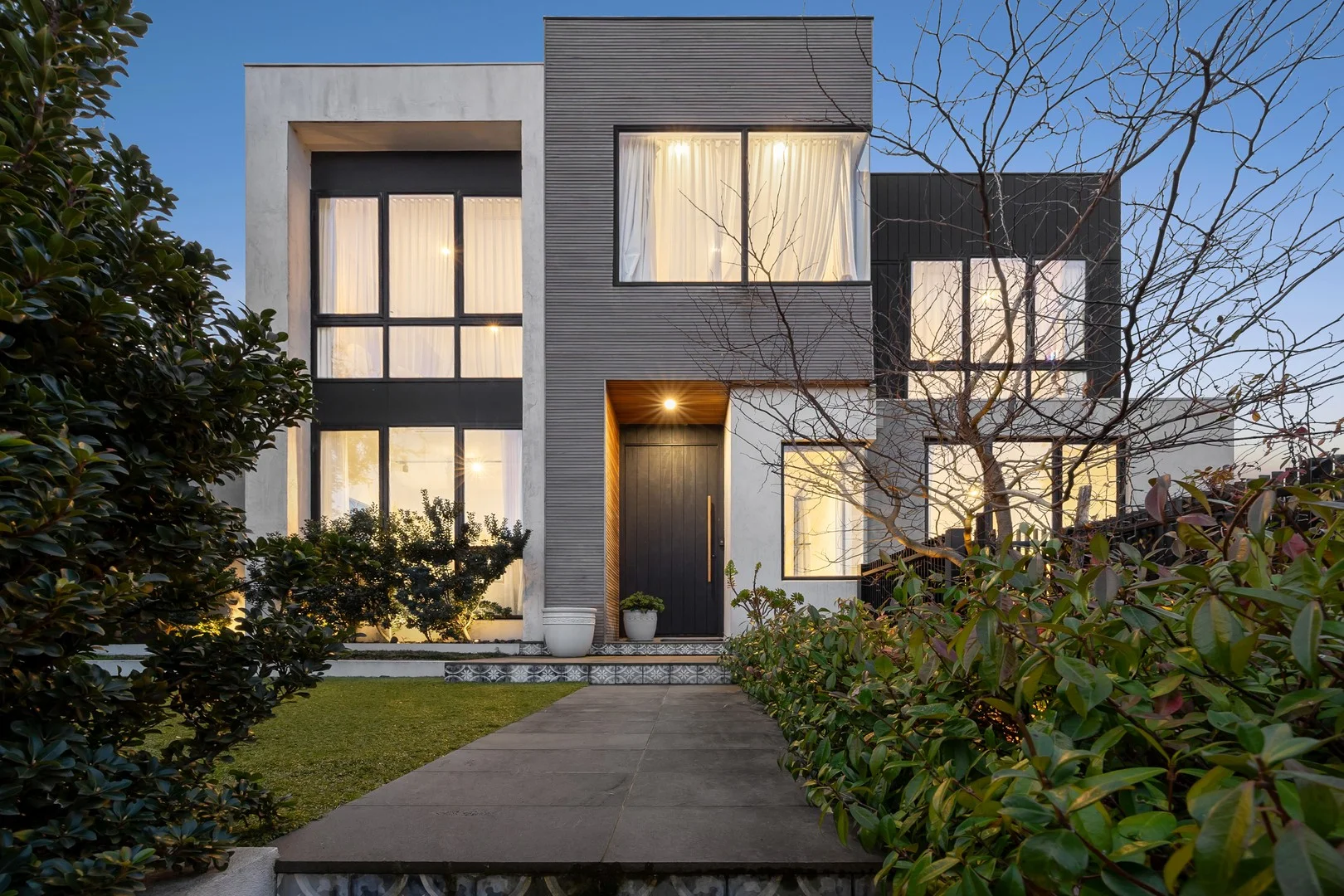 $4,200,000
House
$4,200,000
House
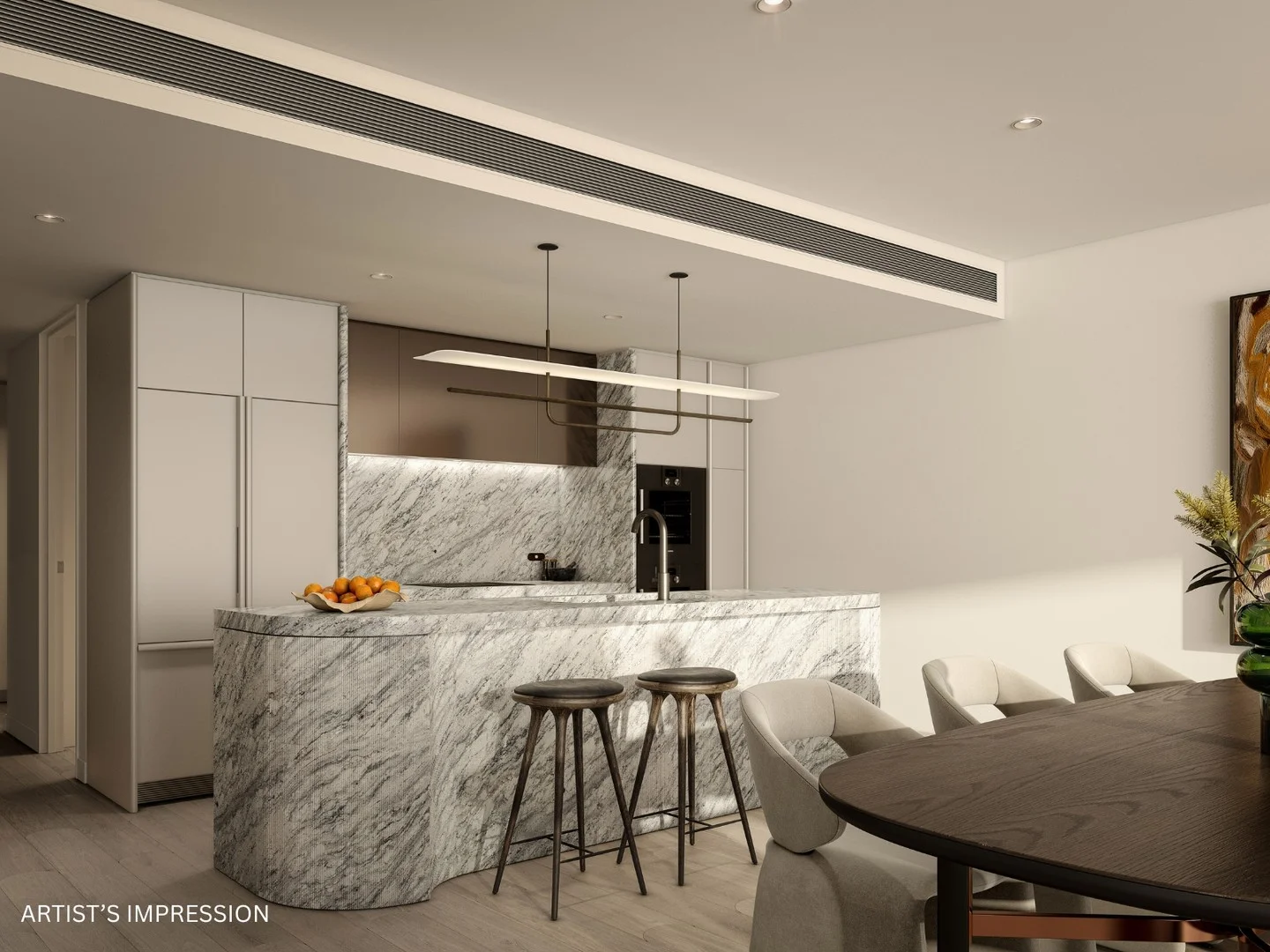 $2,900,000
Apartment / Unit / Flat
$2,900,000
Apartment / Unit / Flat
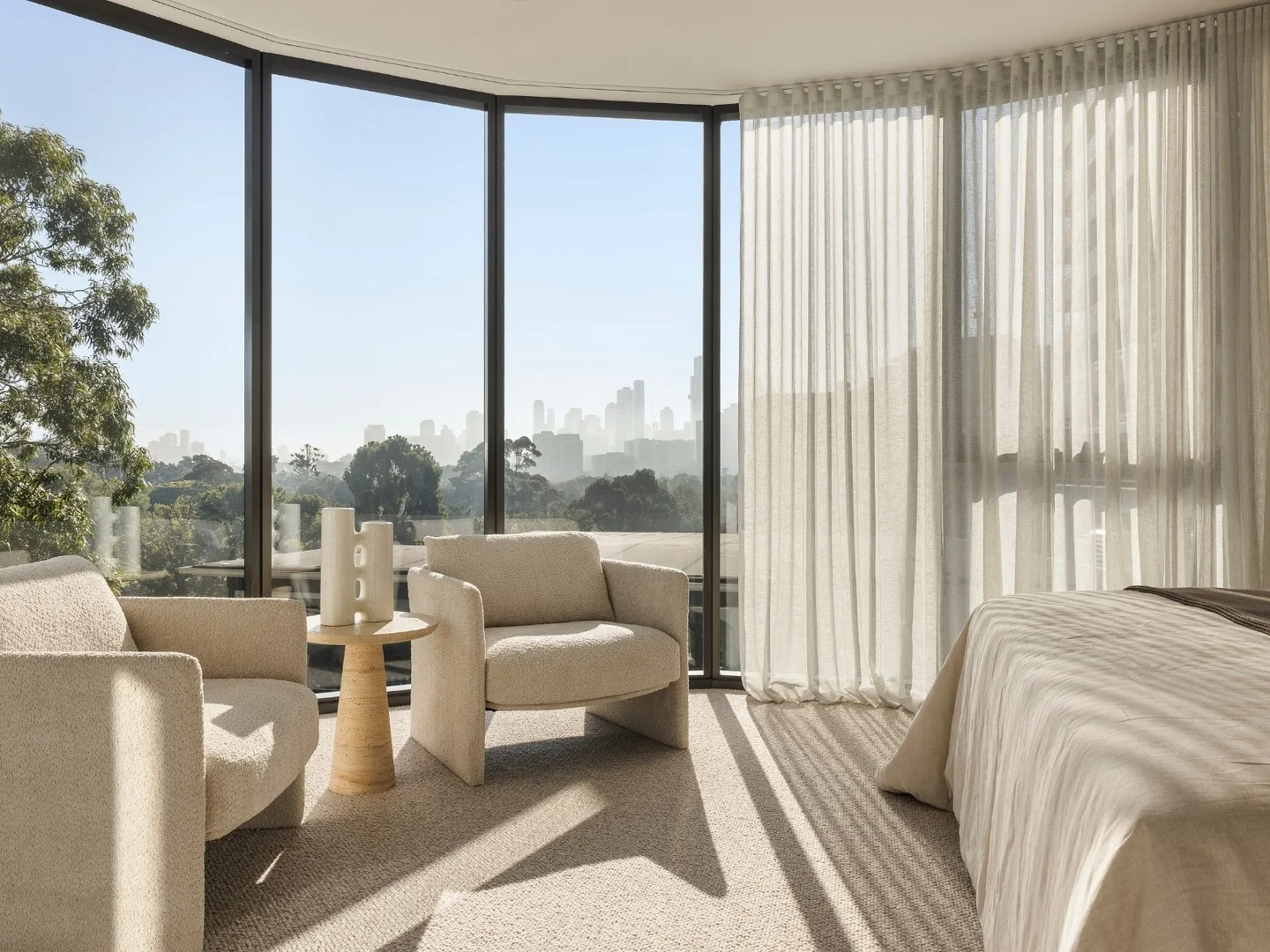 $2,750,000
Apartment / Unit / Flat
$2,750,000
Apartment / Unit / Flat
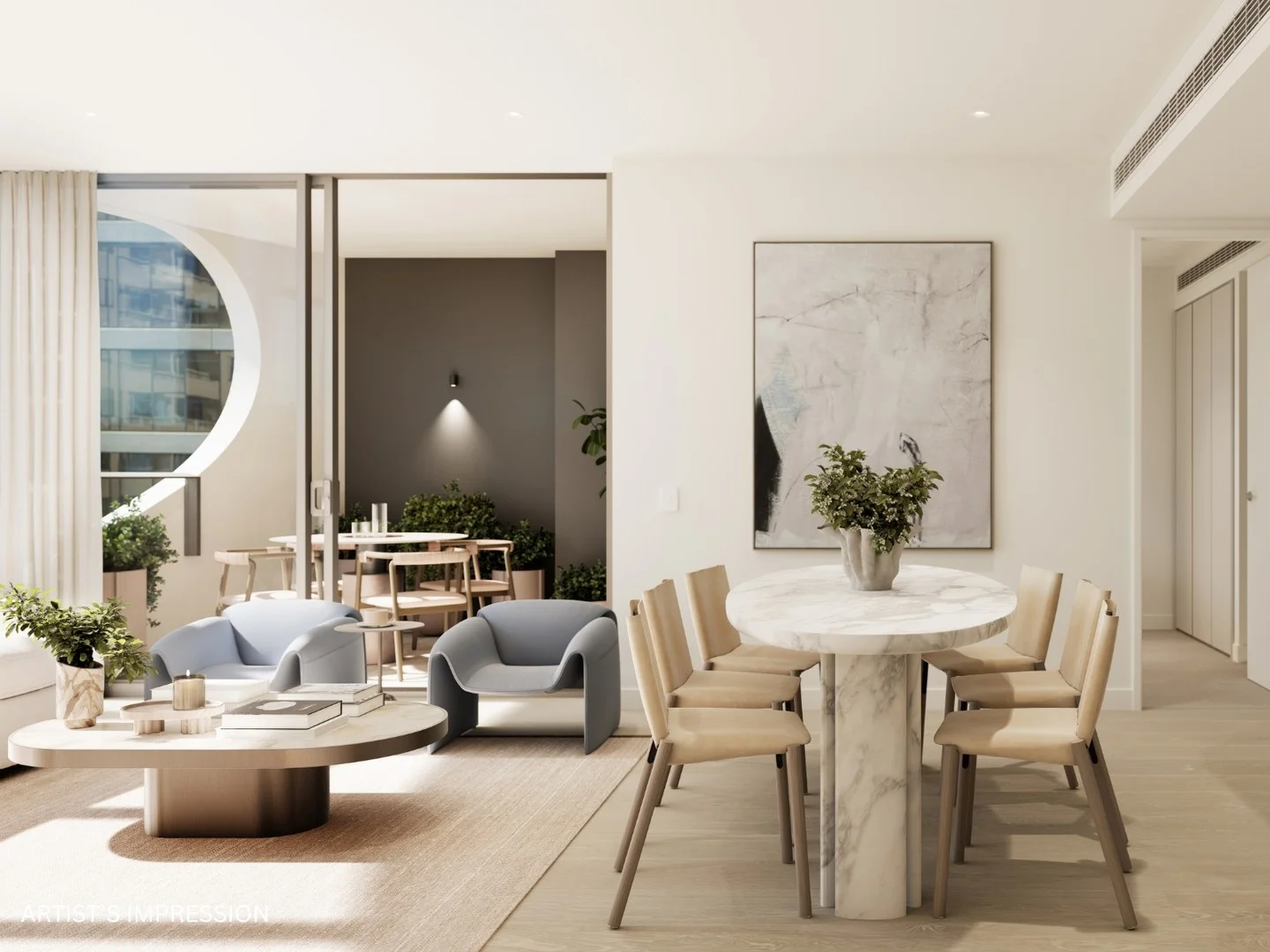 $1,640,000
Apartment / Unit / Flat
$1,640,000
Apartment / Unit / Flat
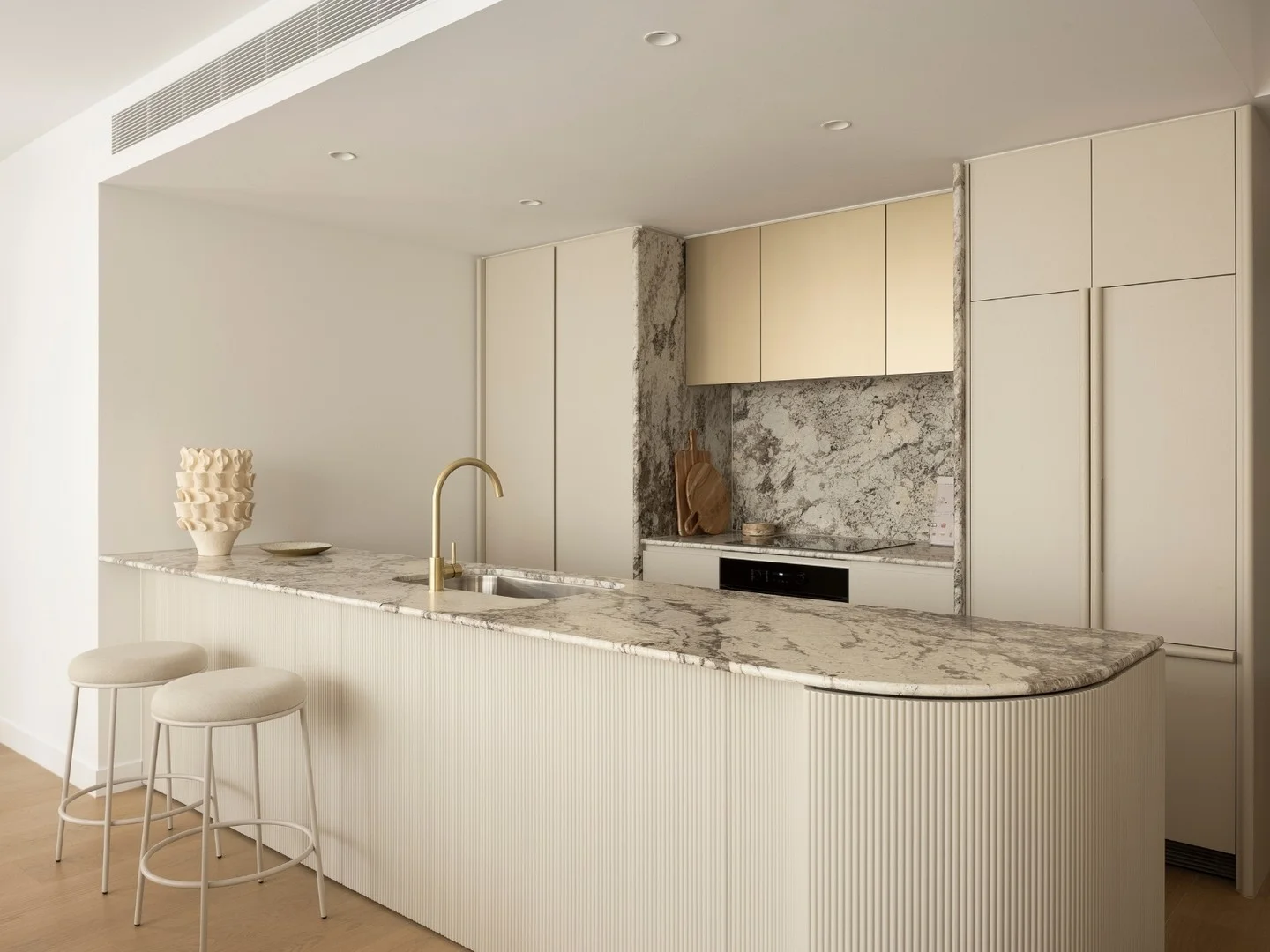 $1,345,000
Apartment / Unit / Flat
$1,345,000
Apartment / Unit / Flat
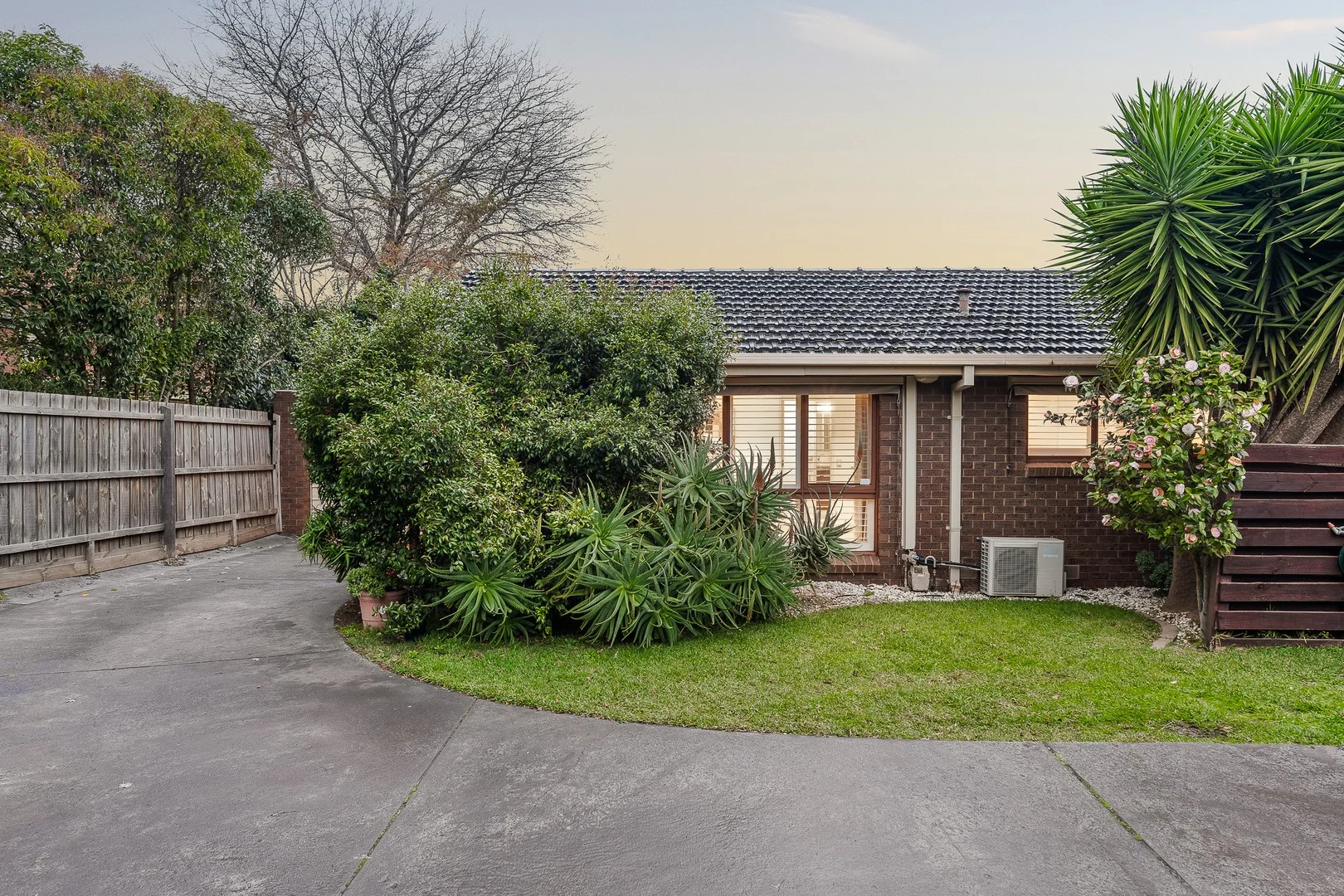 $770,000 - $820,000
Apartment / Unit / Flat
$770,000 - $820,000
Apartment / Unit / Flat