1. Overview
St Leonard's College is an independent, co-educational Anglican school located in Melbourne’s eastern suburbs, offering primary through senior secondary education. The college operates with a strong sense of community and a focus on balanced development—academic excellence alongside character formation.
Size-wise, the school is medium-to-large with diverse programs and multiple campus facilities. Class sizes are designed to support individual attention, typically in the low-teens to low-twenties per class. The atmosphere blends high academic expectations with a nurturing, inclusive culture where students are encouraged to participate in a wide range of activities and contribute to school life.
⸻
2. Academics & Learning
- Academic strengths: Strong emphasis on English and literacy, mathematics, STEM subjects, and humanities, with a clear pathway to VCE. Leadership development and a broad-based curriculum support well-rounded achievement.
- Special programs: Gifted and talented opportunities, accelerated learning pathways, leadership programs, and diverse co-curricular options that complement academic study.
- NAPLAN trends: Consistently performing above state averages with steady improvement over time, reflecting ongoing curriculum refinement and targeted student support.
- Student-teacher ratios: Designed to enable individualized attention, with ratios typically around 1:10 to 1:15.
- Support for diverse learners: EAL support, SEN services, and targeted learning support to assist students with varying needs.
⸻
3. Sports & Extracurricular Strengths
- Sports offered: A broad program including soccer, Australian rules football, cricket, basketball, tennis, swimming, athletics, and other team and individual sports.
- Strong teams or achievements: Regular inter-school fixtures and competitions with competitive teams across age groups; strong house-system participation fosters teamwork and leadership through sport.
- Music, arts, drama programs: Comprehensive performing arts program with choirs, ensembles, orchestras, drama productions, and music theory, alongside visual arts opportunities.
- Clubs: Robotics, chess, coding, debating, and other academic and interest-based clubs to extend learning beyond the classroom.
- Partnerships: Collaborations with local clubs, regional associations, and external competitions to broaden opportunities in sport, music, science, and the arts.
⸻
4. Wellbeing & Pastoral Care
- Anti-bullying approach: Proactive policies and programs that promote respect, inclusion, and a positive school climate; student-led initiatives and clear reporting pathways.
- House system: A house-based structure that builds belonging, leadership, and peer mentoring across year levels.
- Counsellors / wellbeing officers: Dedicated wellbeing team and school counselors to support mental health, resilience, and social-emotional learning.
- Transition support for new students: Formal induction programs, buddy systems, orientation activities, and ongoing check-ins to ease adjustment.
⸻
5. Facilities
- Sports grounds: Provision of extensive outdoor playing fields and gym facilities to support physical education and team sports.
- Libraries: Well-equipped libraries with digital resources and study spaces.
- Science labs: Modern science laboratories for hands-on experiments across disciplines.
- Music/performing arts centers: Dedicated spaces for music, drama, and performance productions.
- Tech/innovation labs: Contemporary STEM and digital learning spaces to support coding, robotics, and design projects.
- Cafeteria: On-site dining facilities with a range of healthy options.
- Updated playgrounds: Safe, modern play and recreation spaces.
⸻
6. School Values & Community Culture
- School values / mission: Principles likely centered on respect, integrity, excellence, compassion, and responsibility, guiding both learning and character development.
- Leadership style: Distributed and student-centered across classrooms, houses, and clubs, promoting initiative and collaboration.
- Behaviour expectations: Clear conduct policies aligned with the school’s values, emphasizing respect for self, others, and the learning environment.
- Community reputation: A well-regarded independent college with strong ties to families and local communities, recognized for academic and co-curricular balance.
- Diversity & inclusion: Committed to an inclusive culture that welcomes students from diverse backgrounds and supports equal participation.
⸻
7. School Logistics & Daily Operations
- School hours: Standard Victorian school day structure with variations by campus and year level; typically follows a full-day schedule with early start or late finish for certain year groups.
- Before/after school care: Availability of wrap-around care or programs to support working families.
- Uniform requirements: Clear uniform policy with designated attire for different year levels and events.
- Transport (train/bus routes): Access to bus services and local public transport options; school may publish recommended routes and drop-off points.
- Canteen availability: On-site canteen or dining facilities offering a range of meals and snacks.
- Fees (low/medium/high ranges): Fees are in the mid-to-high range relative to the sector, reflecting the independent school market and facilities/services offered.
⸻
8. Enrolment & Admissions
11. What is the enrolment process and timeline?
- Inquiry and information session, submission of application and supporting documents (student reports, school references).
- Eligibility assessment and family interview typically conducted by admissions staff or a senior member of staff.
- Application processing with a proposed timetable for entry; families are informed of decisions within a defined timeframe.
12. Is there a waiting list, and how does it work?
- Waiting lists may apply when spaces are limited. Applicants are typically placed on a list and considered as vacancies arise, with priority given to siblings or applicants meeting specific criteria as determined by the school.
13. Are there any entry requirements, tests, or interviews?
- Most entry processes involve an interview and review of prior academic records; some year levels may require assessments or demonstrations of readiness for the next stage. EAL or SEN considerations may also be reviewed as part of the process.
14. Does the school accept mid-year transfers?
- Mid-year transfers are considered if space permits and current learning needs can be appropriately accommodated. Approval depends on the timing, availability, and alignment with the student’s educational plan.
⸻
9. Frequently Asked Questions
- Why Parents Choose This School?
- A balanced combination of strong academic outcomes, supportive pastoral care, and a broad range of co-curricular opportunities in a values-based environment.
- What type of student thrives at this school?
- Curious, motivated learners who engage across academics, sport, arts, and leadership activities and who value a close-knit, inclusive community.
- What opportunities are available for students to extend their skills (academics, sports, arts)?
- Advanced coursework pathways, leadership programs, competitive sports teams, robust music/arts programs, and clubs such as robotics, coding, chess, and debating.
- How does the school communicate with parents?
- Regular newsletters, a parent portal or portal access, parent-teacher meetings, and updates from pastoral and well-being staff.
- What is the school’s approach to teaching and learning?
- Student-centered, inquiry-based learning with integration of technology, collaboration, and real-world applications.
- How does the school support students who need extra academic help?
- Targeted learning support, tutoring, EAL assistance, and SEN services with ongoing progress monitoring.
- What support is available for academic challenges?
- Early identification, targeted intervention plans, access to specialist staff, and regular progress reviews.
- How does the school communicate with parents?
- See above: newsletters, portals, meetings, and direct contact with teachers and coordinators as needed.
- What are the class sizes and how much individual attention do students receive?
- Class sizes are typically in the low-teens to mid-twenties, with teachers providing targeted feedback and opportunities for small-group support.
- What extracurricular and sports opportunities are available?
- A wide range of sports, music and drama programs, and clubs such as robotics, chess, coding, and debating.
- What facilities does the school offer (sports, science, arts)?
- Sports grounds, libraries, science labs, music/performing arts centers, tech/innovation labs, canteen, and updated playgrounds.
- What is the school’s approach to technology and digital learning?
- Integrated technology use across curricula, digital literacy programs, and access to devices or platforms that support learning.
- What transport and accessibility options are available?
- Local bus routes, proximity to public transport, and orderly drop-off/pick-up arrangements; information is provided by the school for specific families.
- What are the typical school fees or additional costs?
- Fees are in the mid-to-high range for Melbourne independent schools; there may be additional costs for excursions, uniforms, and elective activities.
⸻
10. Short Pros & Cons list
Pros
- Strong academic program with a broad VCE pathway.
- Balanced focus on academics, arts, and sports.
- Supportive wellbeing and pastoral care with a clear anti-bullying framework.
- Wide range of co-curricular clubs and opportunities (STEM, debating, music, arts).
- Modern facilities across multiple campuses and spaces.
Cons
- Fees are higher than public schools and many other non-government options.
- Competition for places may mean waiting lists or selective entry at certain year levels.
- Transportation options depend on location and may require planning for some families.
- Large campuses can mean busy environments during peak times.
- Admissions processes may involve interviews and assessments that require preparation.
⸻

 $25+
$25+











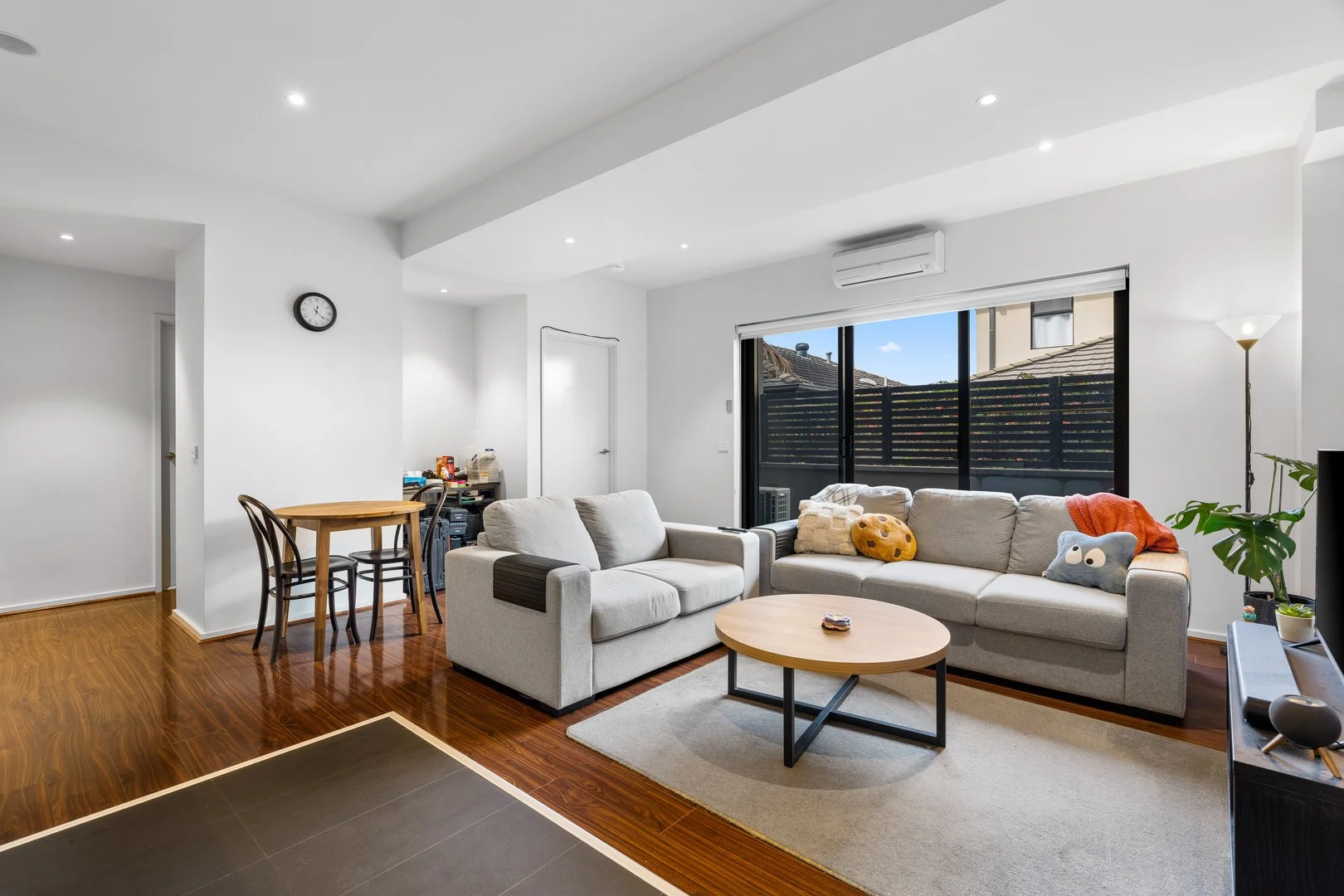 $385,000 - $410,000
Apartment / Unit / Flat
$385,000 - $410,000
Apartment / Unit / Flat
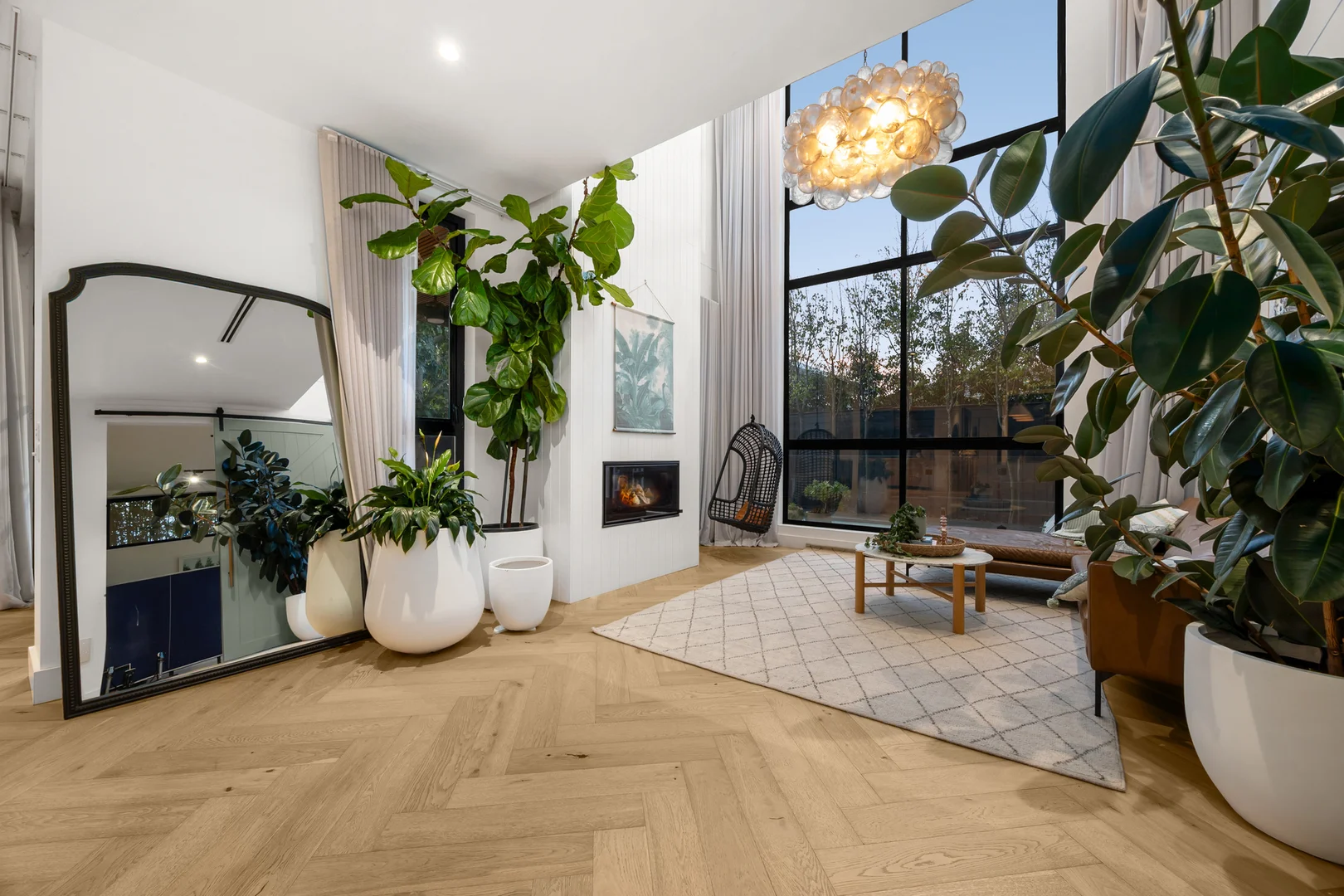 $3,300,000
House
$3,300,000
House
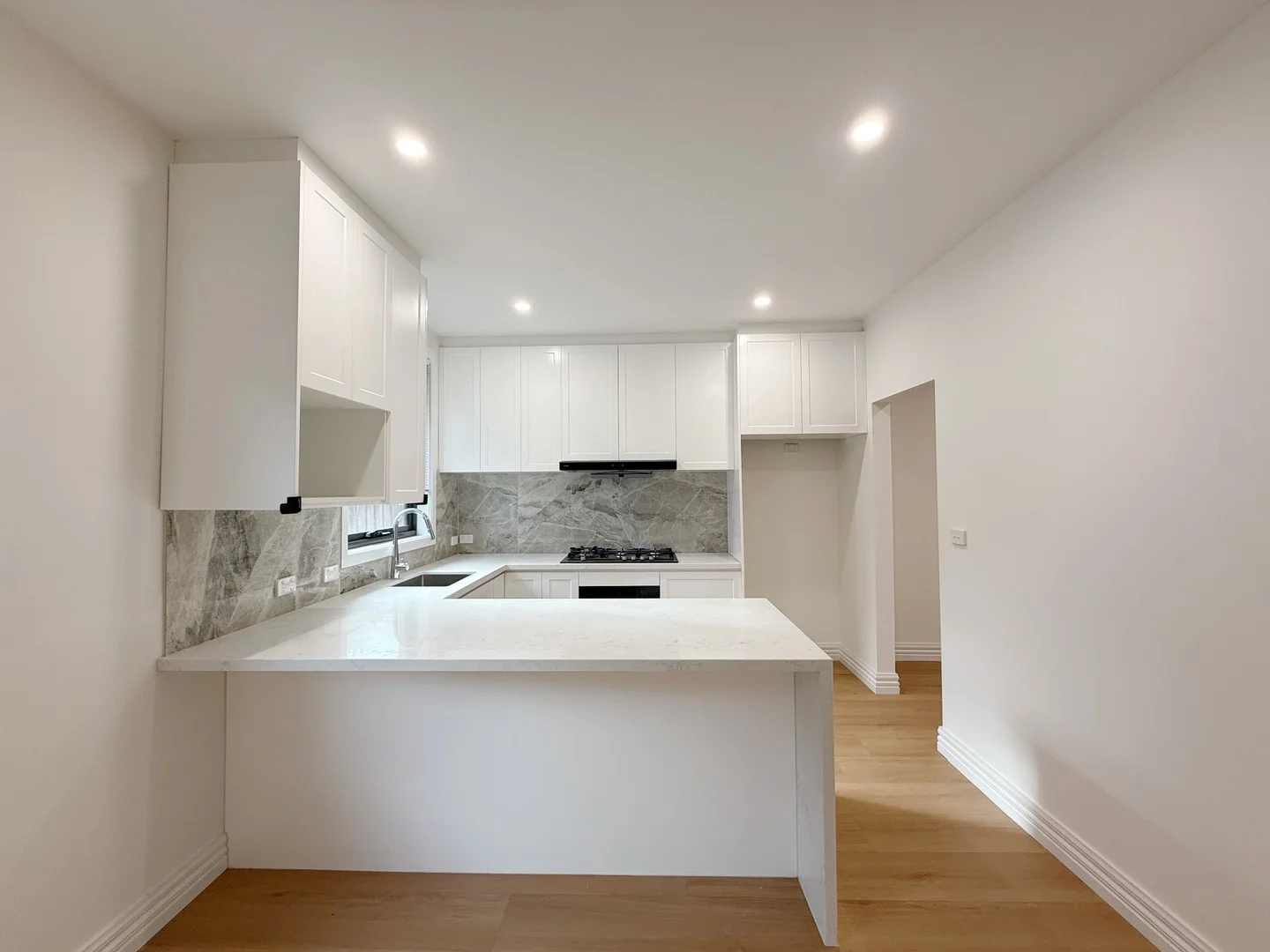 $1,280
House
$1,280
House
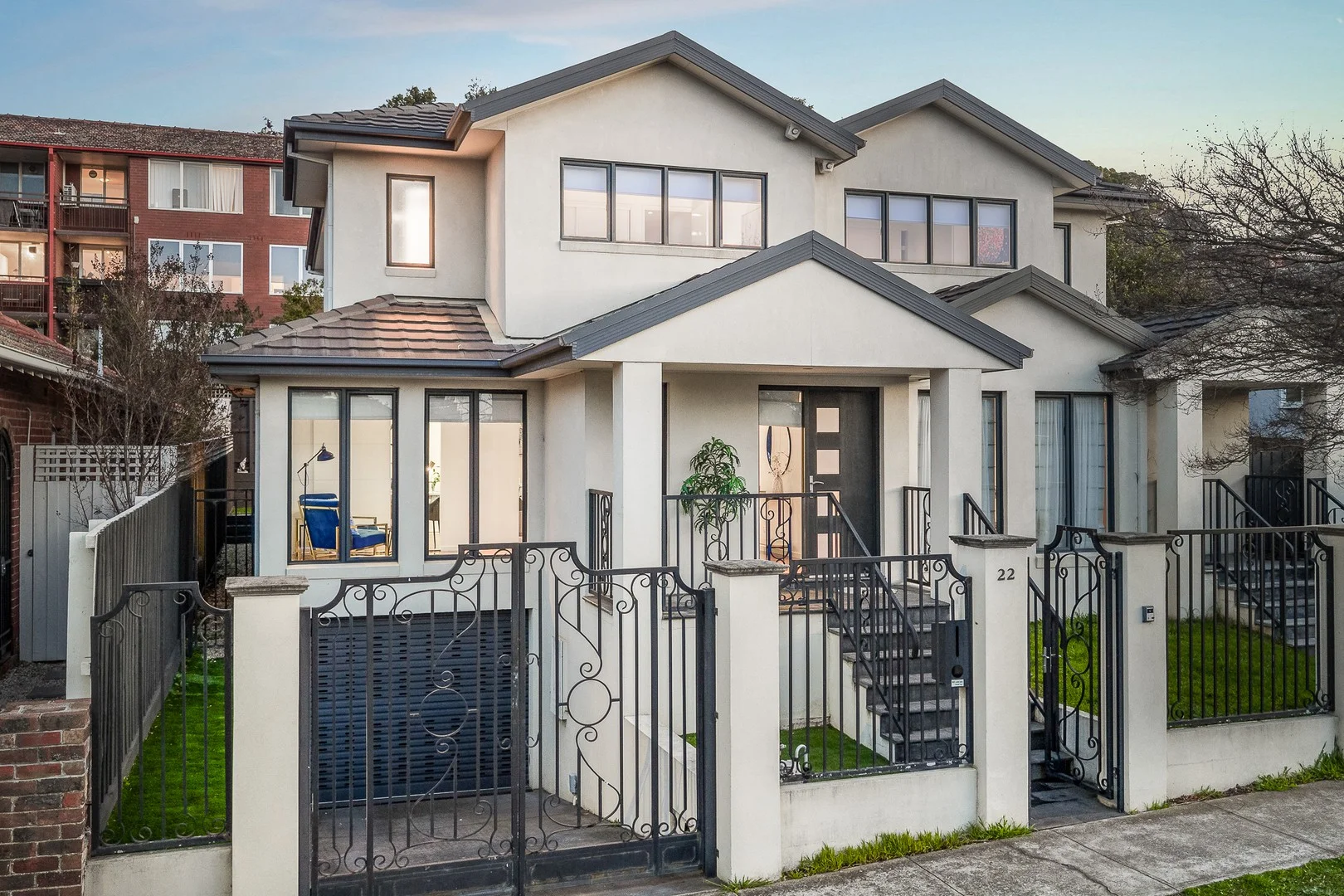 $2,100,000
Townhouse
$2,100,000
Townhouse
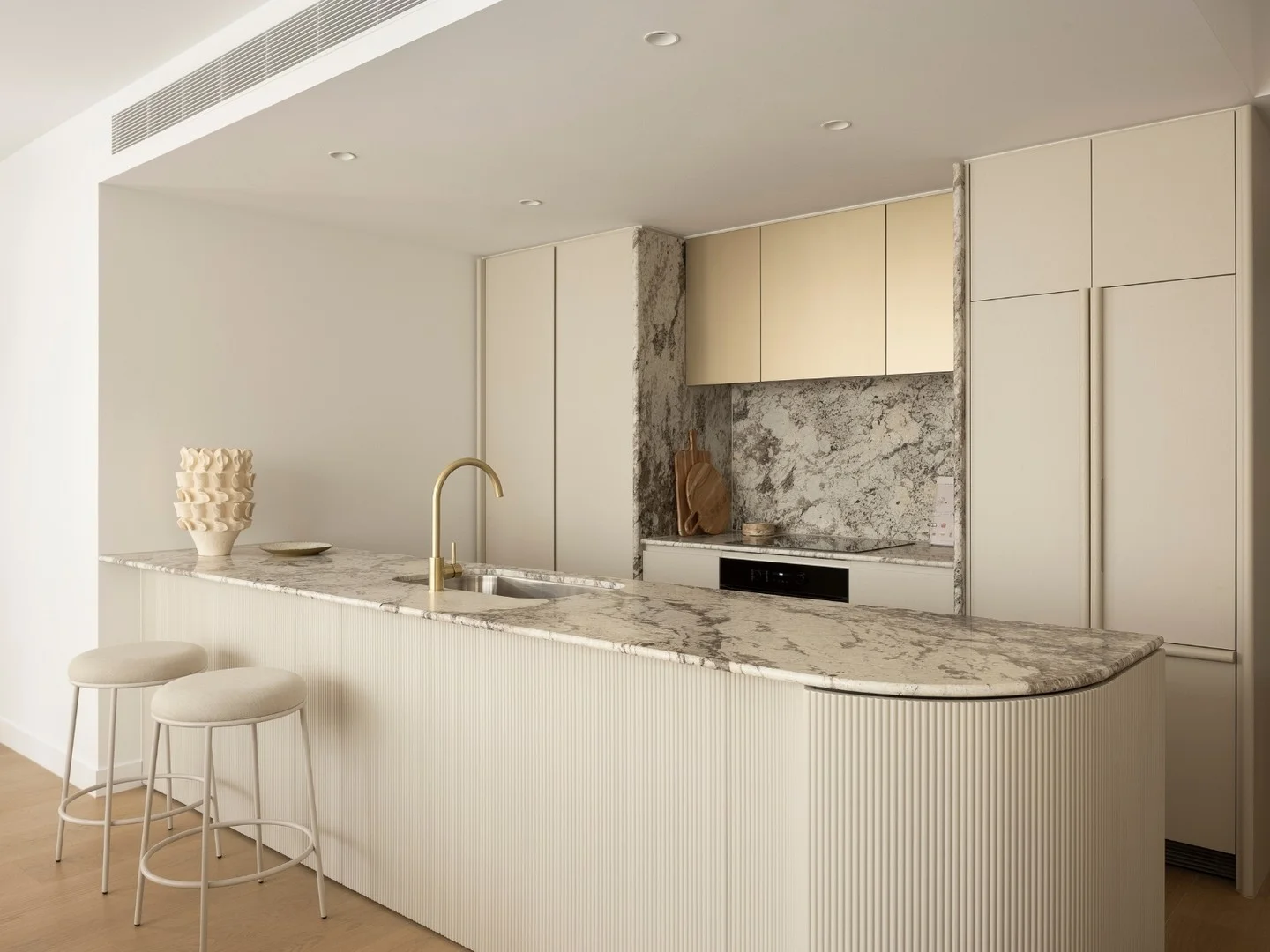 $1,345,000
Apartment / Unit / Flat
$1,345,000
Apartment / Unit / Flat
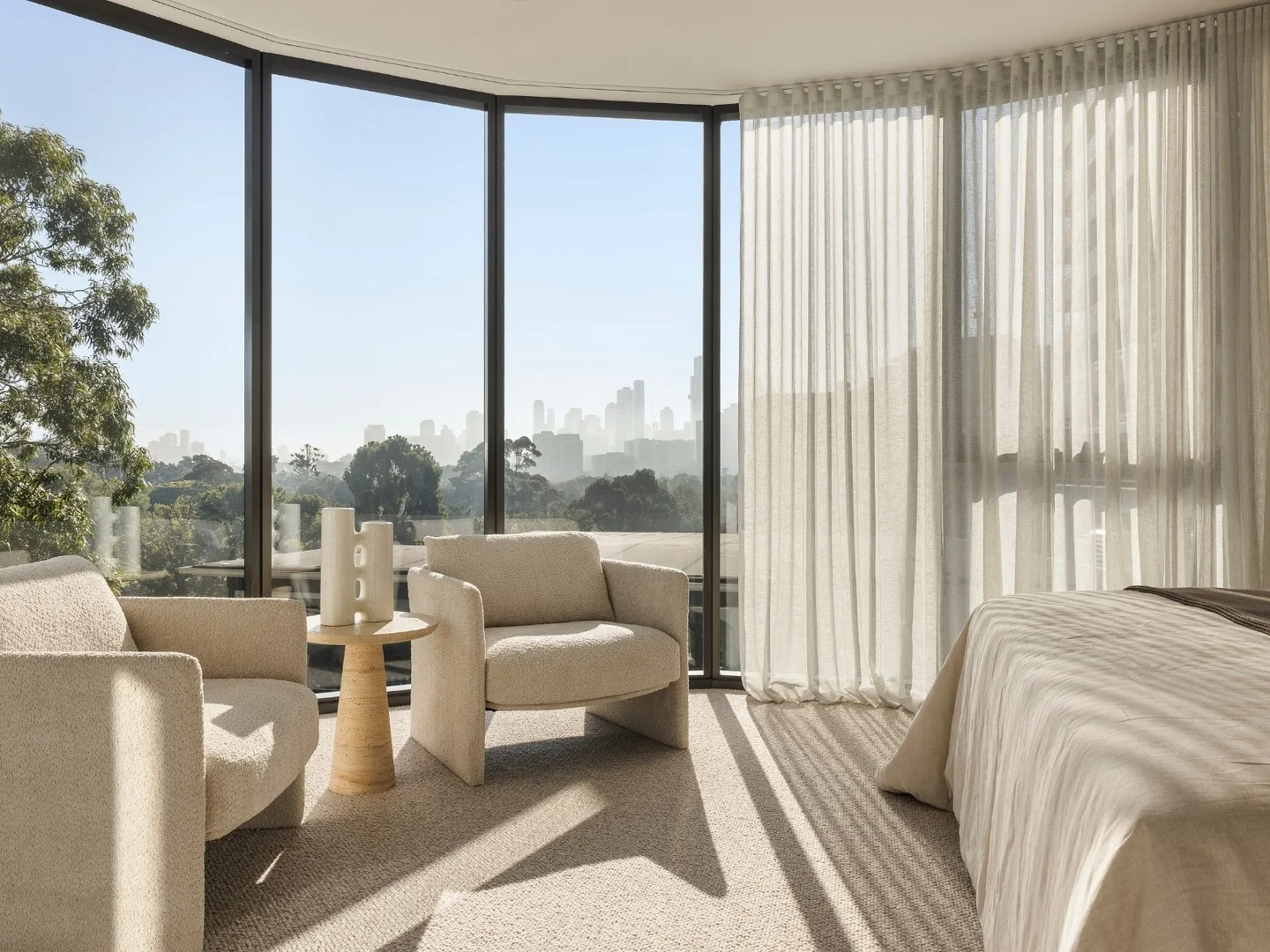 $2,750,000
Apartment / Unit / Flat
$2,750,000
Apartment / Unit / Flat
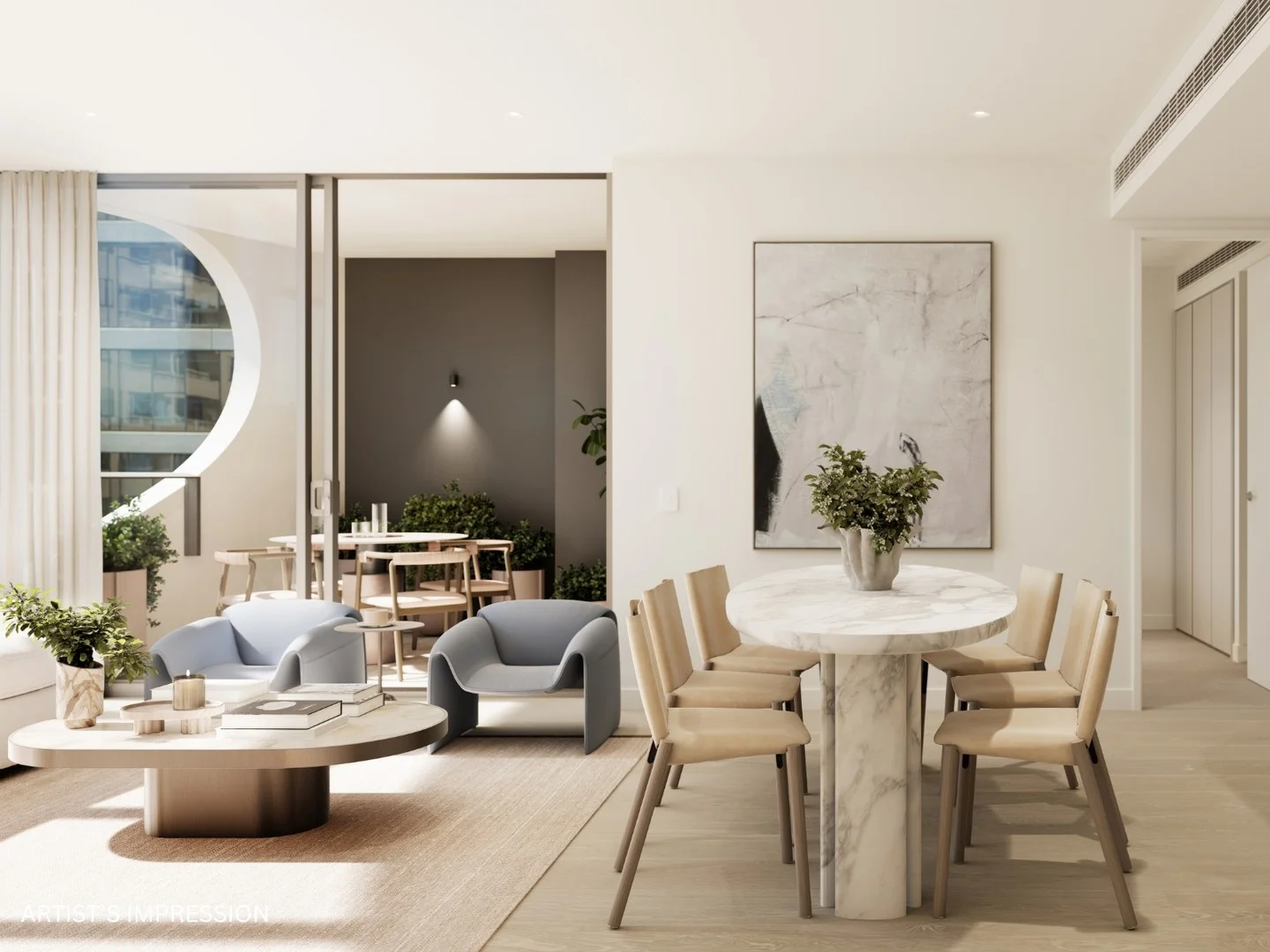 $1,640,000
Apartment / Unit / Flat
$1,640,000
Apartment / Unit / Flat
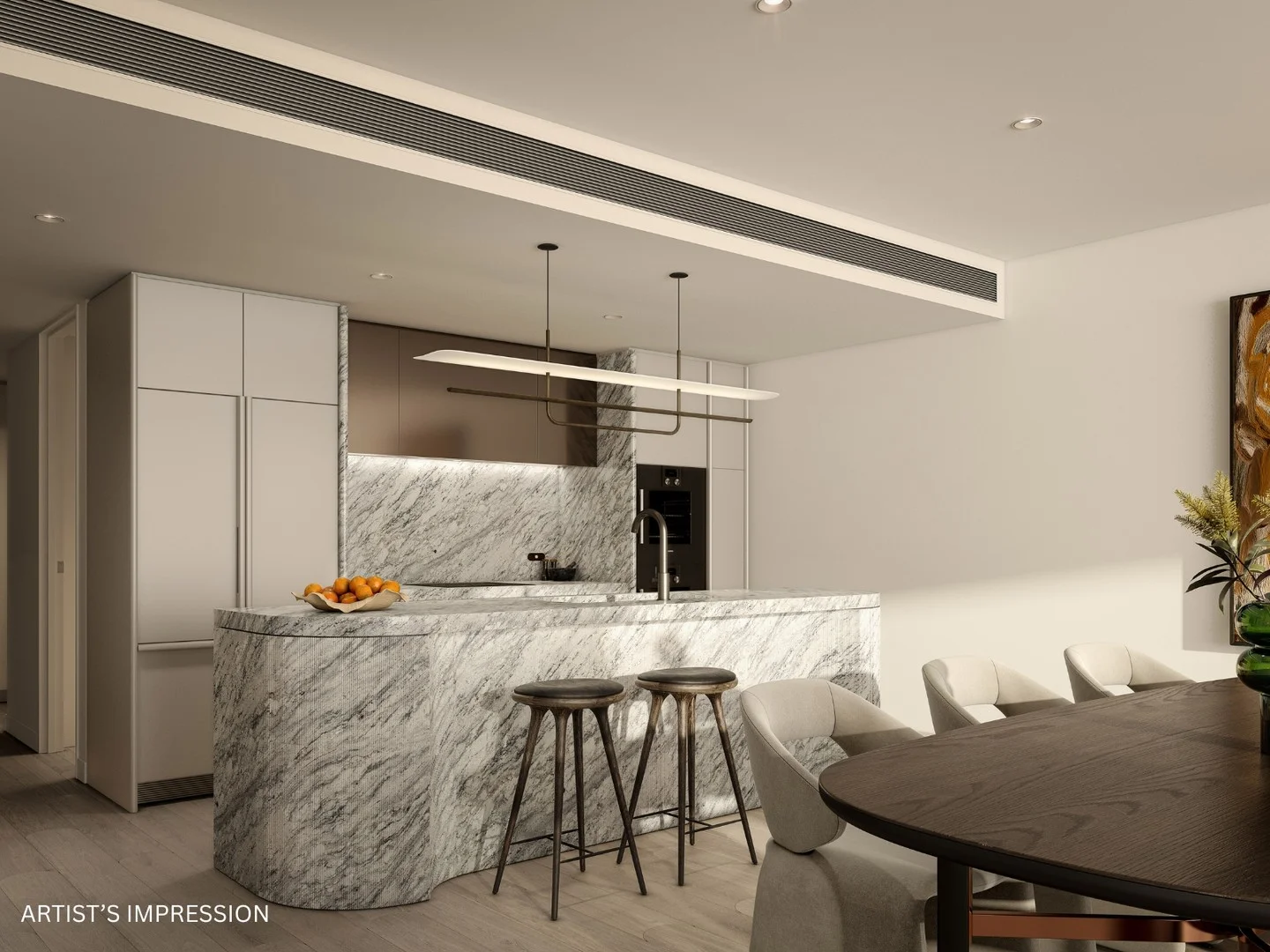 $2,900,000
Apartment / Unit / Flat
$2,900,000
Apartment / Unit / Flat
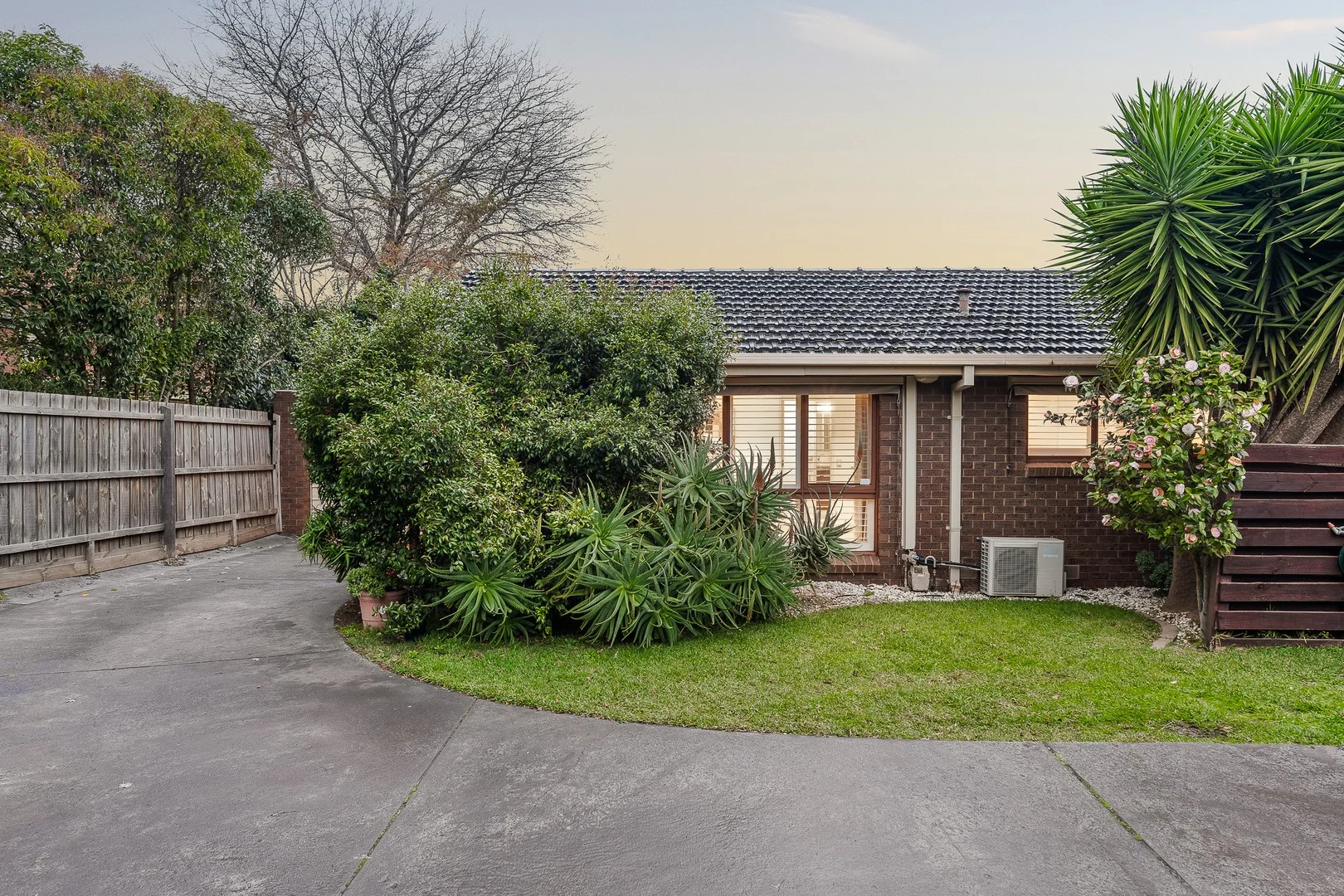 $770,000 - $820,000
Apartment / Unit / Flat
$770,000 - $820,000
Apartment / Unit / Flat


