Overview
## 1. Overview
- School type: Catholic primary
- School size: Medium (roughly 250–350 students)
- Class size: 20–25 students
- Atmosphere/culture: Nurturing, inclusive, faith-based community with a focus on values and belonging
⸻
## 2. Academics & Learning
- Academic strengths: Strong English/literacy and numeracy foundations; integrated Catholic Studies; emphasis on critical thinking, communication, and wellbeing; opportunities to develop leadership and community-mindedness
- Special programs: Religious education and faith formation; EAL (English as an Additional Language) support; Gifted and Talented opportunities (where available); library programs and STEAM activities; targeted interventions as needed
- NAPLAN / trends: Historical data typically show stable or improving progress in key areas; consult the latest school annual report for current trend details
- Student-teacher ratios: Approximately 1:12–1:20 across the school; typical class sizes of 20–25
- Support for diverse learners: EAL support, learning support plans, in-class assistance, and referral pathways for additional needs; inclusive education practices
⸻
## 3. Sports & Extracurricular Strengths
- Sports offered: Soccer, netball, basketball, AFL-inspired activities, cricket, athletics, swimming programs
- Strong teams or achievements: Participation in local inter-school competitions with opportunities for representative selection and school-level recognitions
- Music, arts, drama programs: School choir, instrumental music lessons, regular drama/performing arts productions
- Clubs: Robotics, chess, coding, debating
- Partnerships: Local clubs and community groups; participation in inter-school competitions and arts/cultural partnerships
⸻
## 4. Wellbeing & Pastoral Care
- Anti-bullying approach: Clear anti-bullying policies, positive behaviour support, and peer-buddy programs
- House system: House activities and events to foster teamwork, leadership, and belonging
- Counsellors / wellbeing officers: Access to school wellbeing staff or a designated counsellor/wellbeing coordinator
- Transition support for new students: Orientation programs, buddy systems, and targeted transition support to help new families settle in
⸻
## 5. Facilities
- Sports grounds: Dedicated outdoor spaces for physical education and sport
- Libraries: On-site library with reading resources and study areas
- Science labs: Equipped spaces for hands-on experiments and science learning
- Music/performing arts centers: Music rooms and performance spaces
- Tech/innovation labs: ICT/STEAM-focused areas for coding and technology activities
- Cafeteria: On-site canteen offering healthy meal options
- Updated playgrounds: Well-maintained outdoor play spaces
⸻
## 6. School Values & Community Culture
- School values / mission: Catholic values-centered education emphasizing respect, compassion, service, and integrity
- Leadership style: Collaborative leadership with student voice and opportunities for leadership roles
- Behaviour expectations: Clear code of conduct emphasizing respect, responsibility, and kindness
- Community reputation: Positive standing within the local parish and broader community
- Diversity & inclusion: Inclusive environment welcoming families from diverse backgrounds
⸻
## 7. School Logistics & Daily Operations
- School hours: Typical day from around 9:00 am to 3:30 pm, with supervision from 8:30 am; before/after school care available by arrangement
- Before/after school care: Available or arranged through partner providers; details on enrollment
- Uniform requirements: School uniform policy with designated daily wear and sports uniform on PE days (sun hats for outdoor activities)
- Transport (train/bus routes): Access via nearby public transport; designated drop-off/pick-up zones; parking considerations
- Canteen availability: On-site canteen or lunch-order options; healthy meal choices
- Fees (low/medium/high ranges): Fees fall in the low-to-mid range for Catholic primary schools; additional costs may apply for camps, excursions, and certain activities
⸻
## 8. Enrolment & Admissions
- 11. What is the enrolment process and timeline?
- Submit expression of interest or application
- Complete school-specific forms and documents
- Possible interview or information session
- Offer of place and confirmation of enrolment
- Orientation or transition activities before the start of the school year
- 12. Is there a waiting list, and how does it work?
- Some year groups may have a waiting list; priority often given to siblings and parish/religious community considerations; offers made as vacancies occur
- 13. Are there any entry requirements, tests, or interviews?
- Requirements commonly include verification of parish/baptism details; some schools may conduct short information sessions or interviews; formal entrance testing is not typical for most Catholic primary schools
- 14. Does the school accept mid-year transfers?
- Yes, subject to vacancies; requires appropriate documentation and an intake process to align with the new term
⸻
## 9. Frequently Asked Questions
- Why Parents Choose This School?
- A values-based, caring community with strong pastoral care and a focus on the holistic development of each child
- What type of student thrives at this school?
- Kind, curious, engaged, respectful students who value community and learning
- What opportunities are available for students to extend their skills (academics, sports, arts)?
- Extension in literacy and numeracy, leadership opportunities, a range of sports teams, music and drama, and clubs such as robotics, chess, coding, and debating
- How does the school communicate with parents?
- Regular newsletters, school app/portal updates, parent-teacher meetings, emails, and SMS reminders
- What is the school’s approach to teaching and learning?
- Student-centered, differentiated instruction; inclusive education; integration of technology and Catholic values across the curriculum
- How does the school support students who need extra academic help?
- In-class supports, targeted interventions, learning plans, and access to specialist staff (e.g., EAL and learning support)
- What support is available for academic challenges?
- Additional tutoring or small-group sessions, referrals to appropriate specialists, and ongoing teacher collaboration for effective planning
- How does the school communicate with parents?
- See above: consistent use of digital platforms, newsletters, and meetings
- What are the class sizes and how much individual attention do students receive?
- Classes typically around 20–25 students; teachers provide regular formative feedback and opportunities for small-group or one-to-one support
- What extracurricular and sports opportunities are available?
- A broad offering including clubs (robotics, chess, coding, debating) and a range of team sports
- What facilities does the school offer (sports, science, arts)?
- Comprehensive facilities for sports, science labs, music/performing arts spaces, and arts/media resources
- What is the school’s approach to technology and digital learning?
- Integrated ICT across the curriculum with interactive tools, computer/lab access, and emphasis on digital citizenship
- What transport and accessibility options are available?
- Access via public transport nearby, with designated drop-off/pick-up zones and parking; accommodates different family travel needs
- What are the typical school fees or additional costs?
- Fees are in the low-to-mid range for primary Catholic schools; occasional additional costs for camps, excursions, and voluntary contributions
⸻
## 10. Short Pros & Cons
- Pros
- Values-based Catholic education with a caring, inclusive community
- Strong pastoral care and wellbeing focus
- Broad range of academics, arts, and sports opportunities
- Support for diverse learners and a culture of belonging
- Active parent and community engagement
- Cons
- Religious alignment may not suit all families
- Competition for vacancies in popular year groups
- Smaller school size may limit some elective options compared with larger schools
- Some extra activities may incur costs beyond standard fees












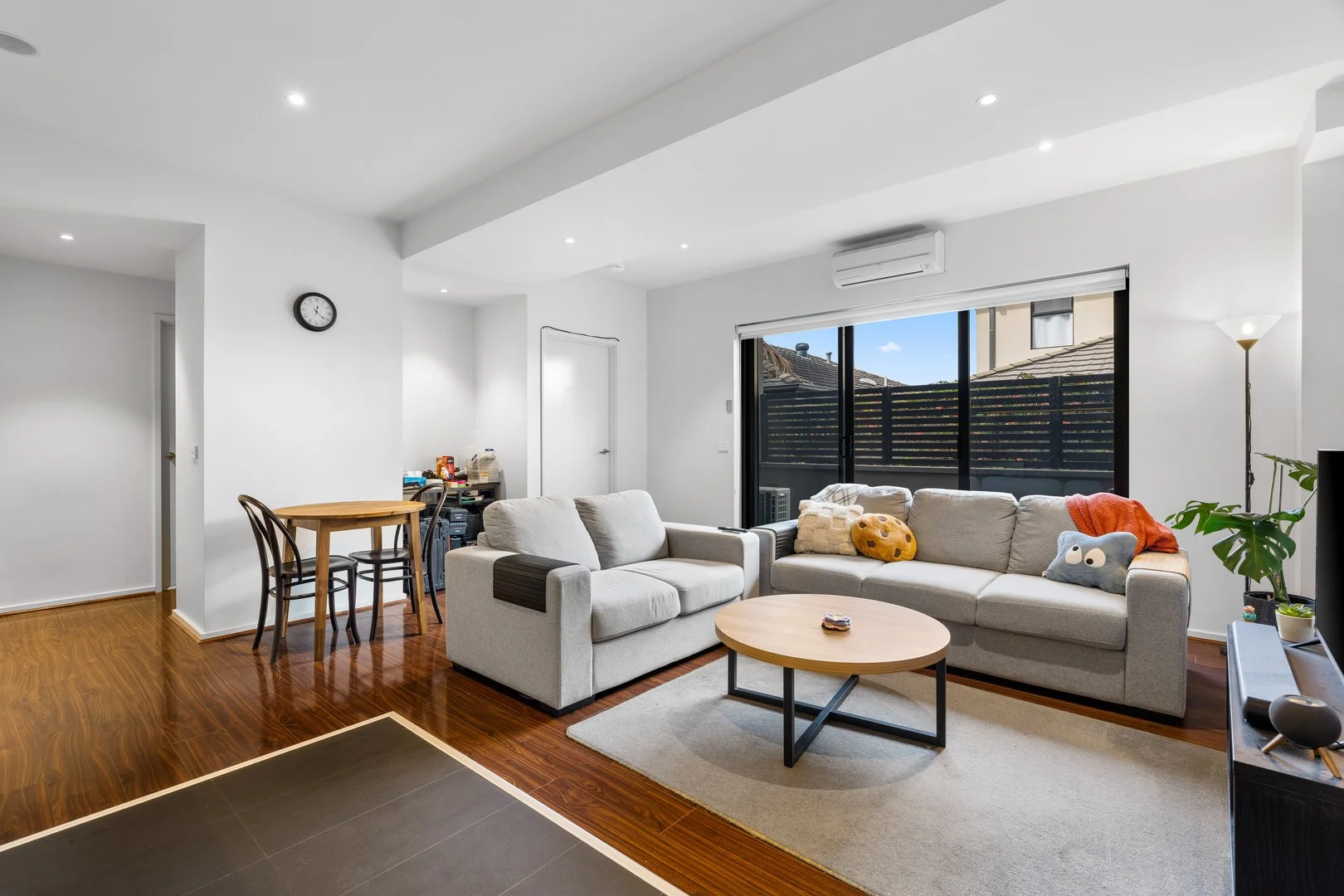 $385,000 - $410,000
Apartment / Unit / Flat
$385,000 - $410,000
Apartment / Unit / Flat
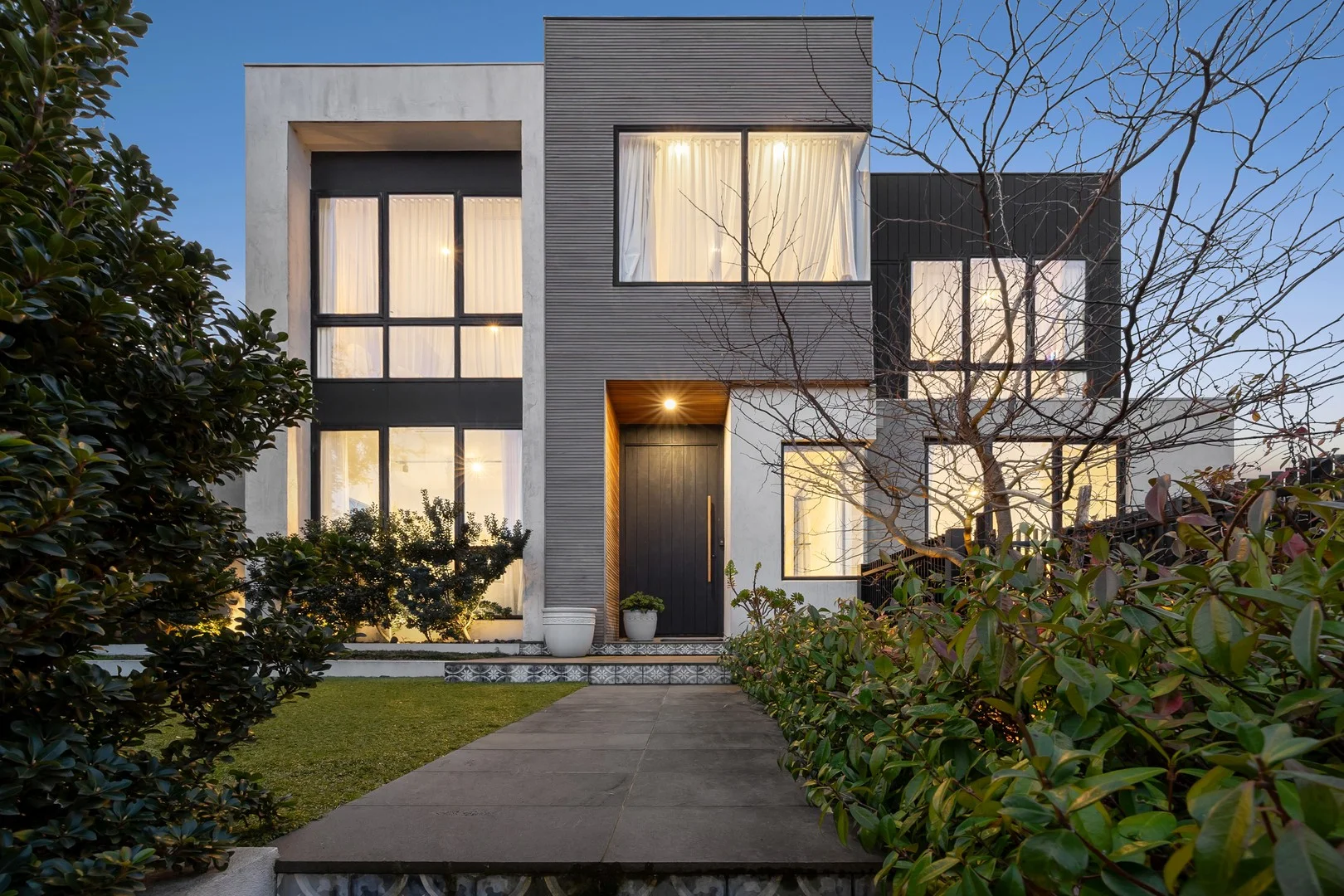 $4,200,000
House
$4,200,000
House
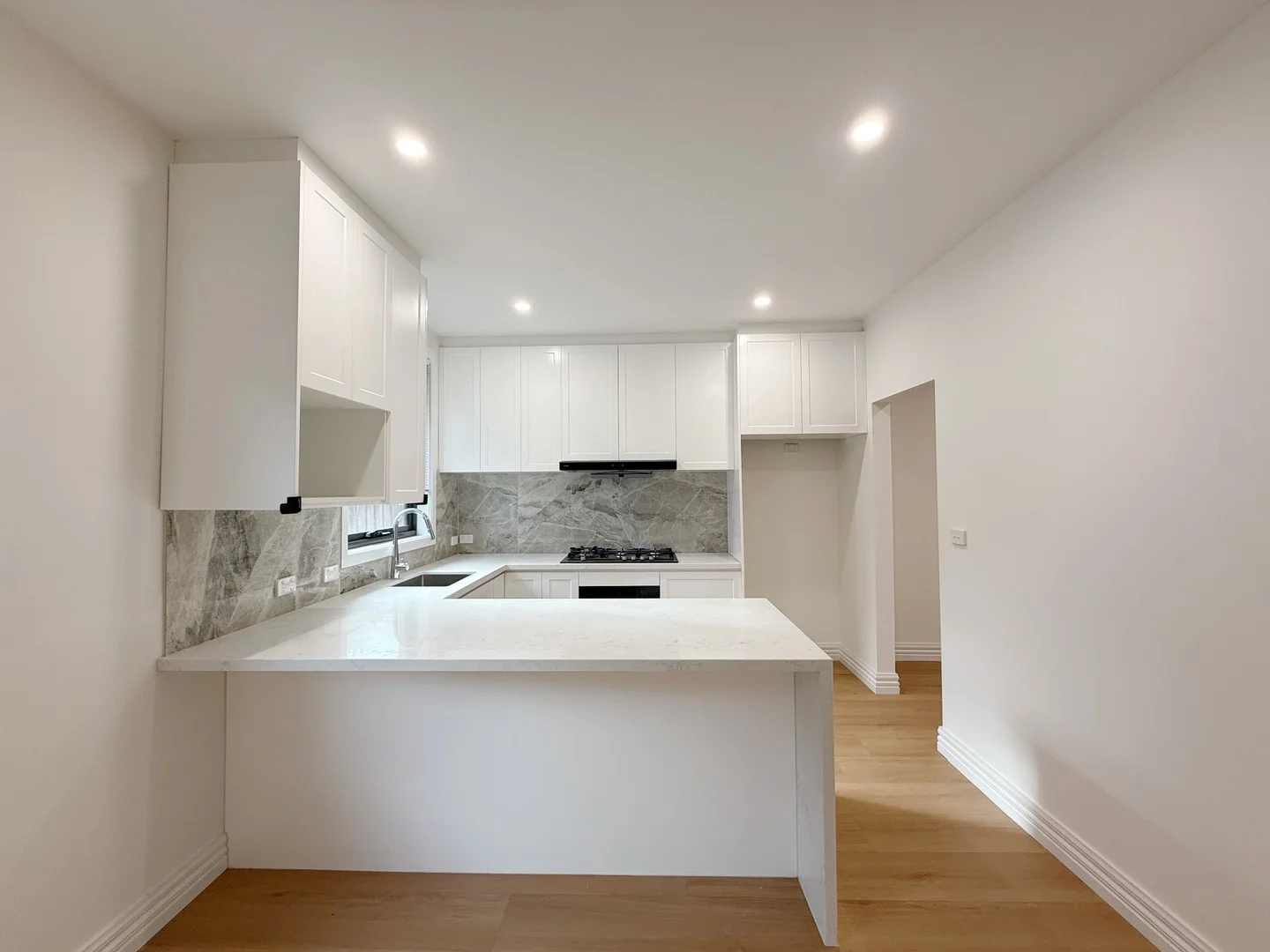 $1,280
House
$1,280
House
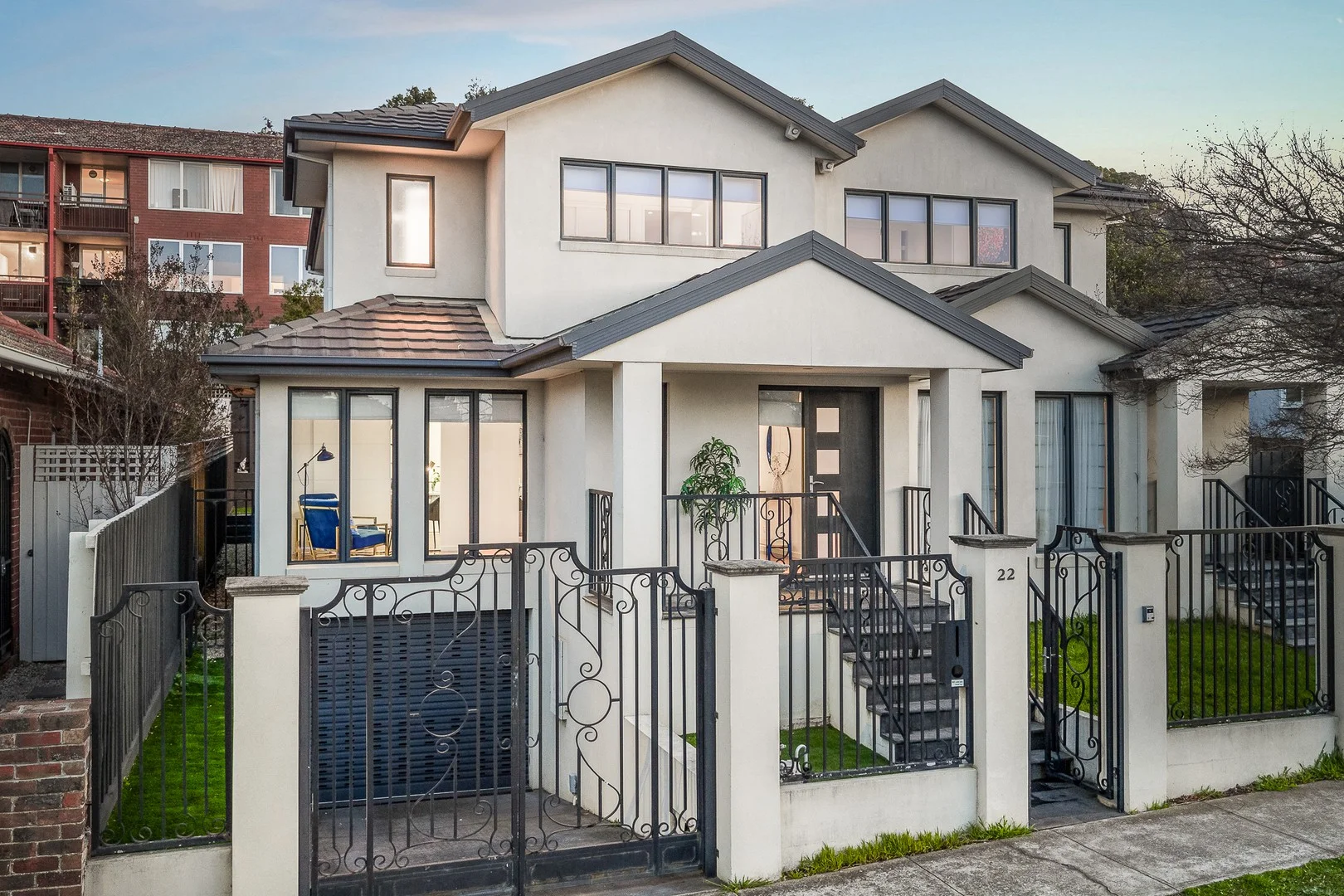 $2,390,000
Townhouse
$2,390,000
Townhouse
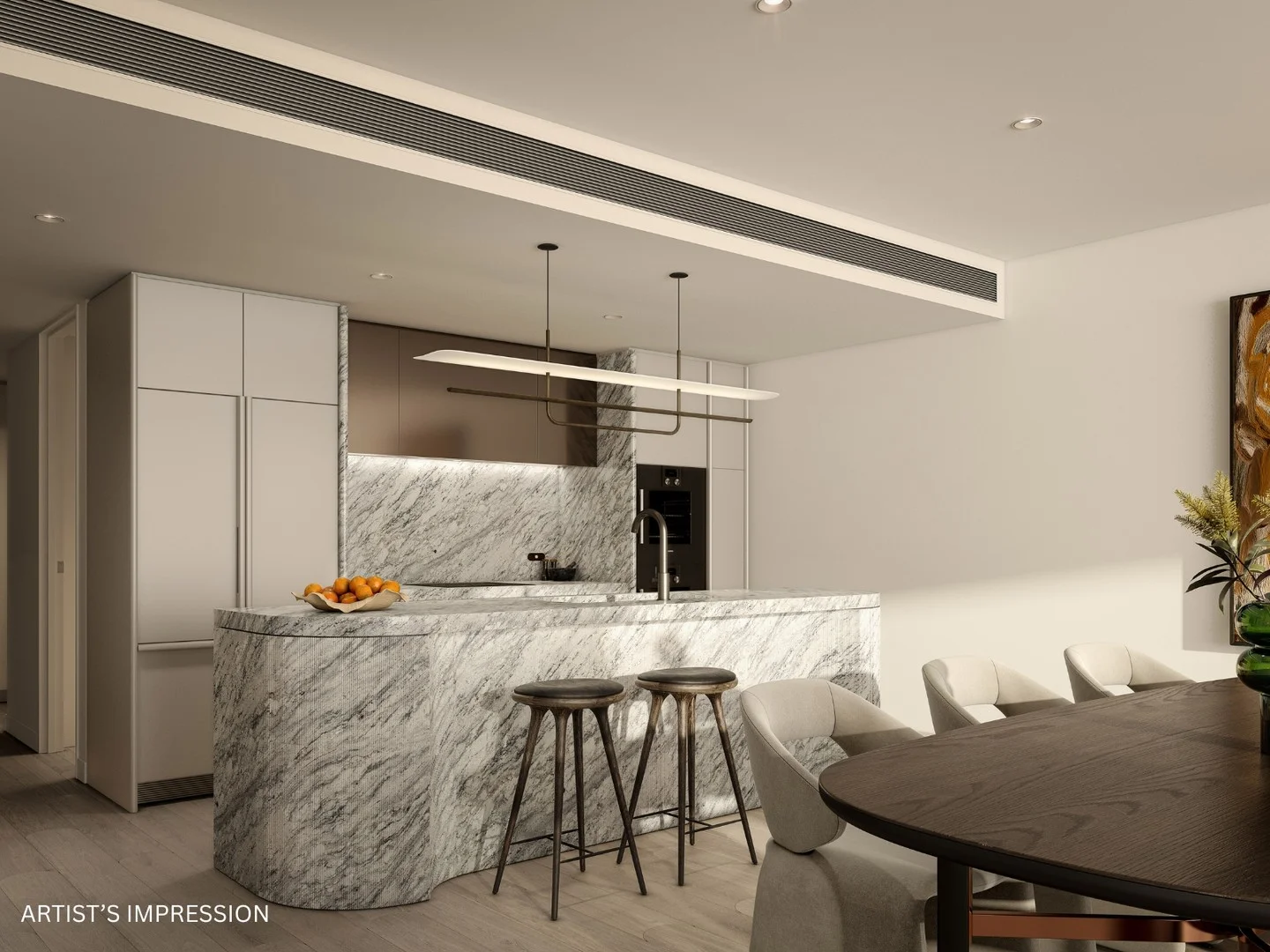 $2,900,000
Apartment / Unit / Flat
$2,900,000
Apartment / Unit / Flat
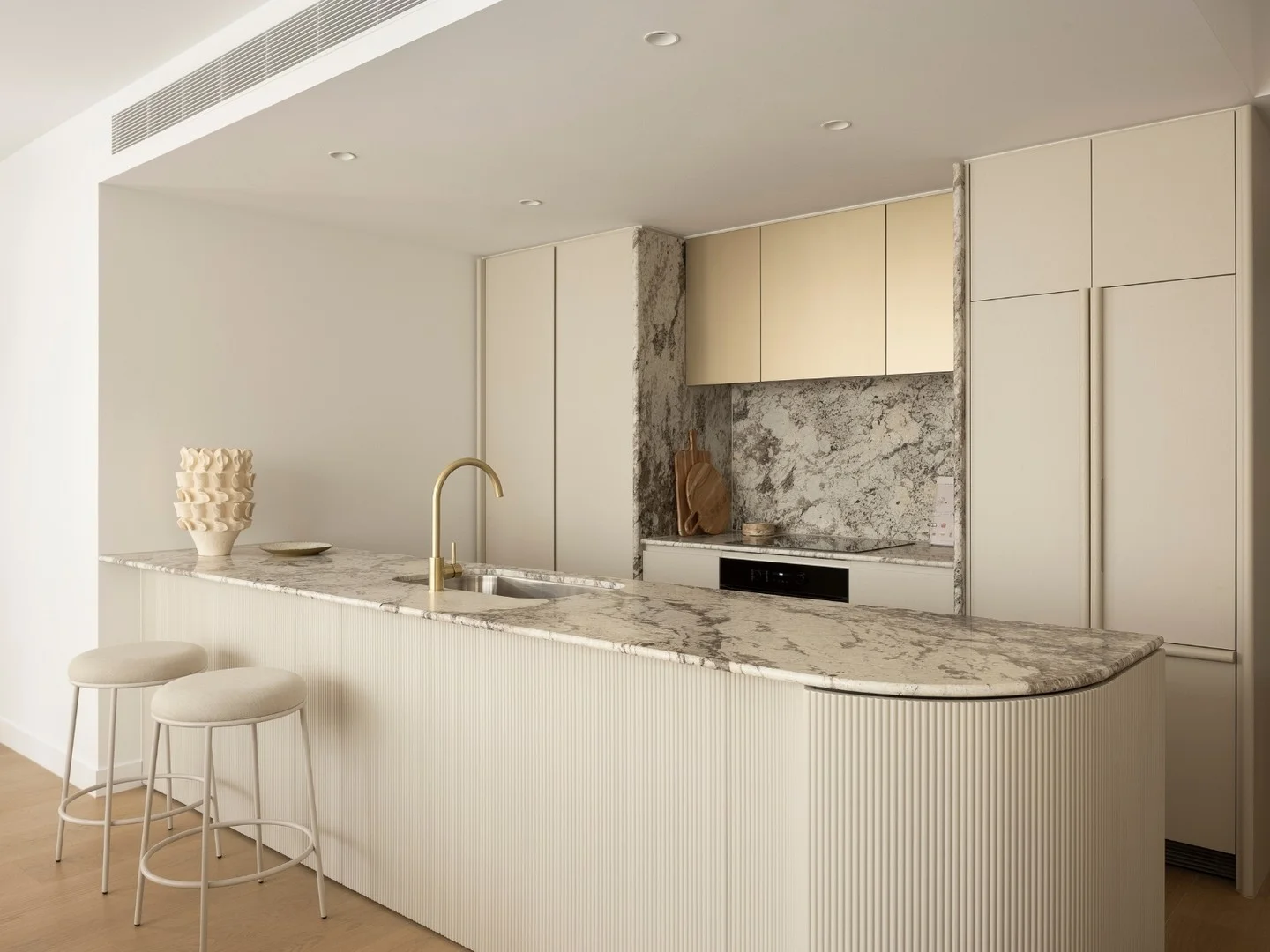 $1,345,000
Apartment / Unit / Flat
$1,345,000
Apartment / Unit / Flat
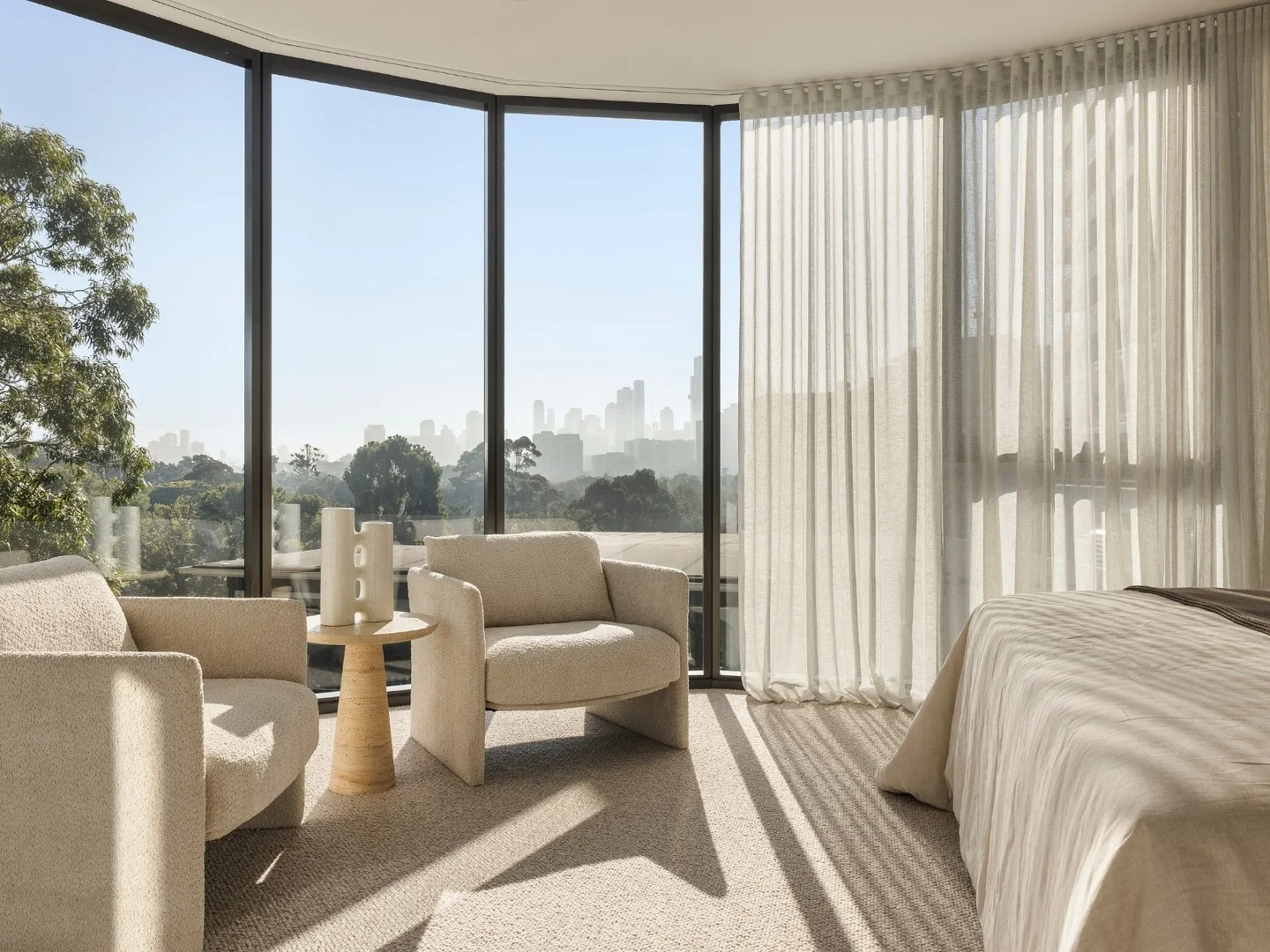 $2,750,000
Apartment / Unit / Flat
$2,750,000
Apartment / Unit / Flat
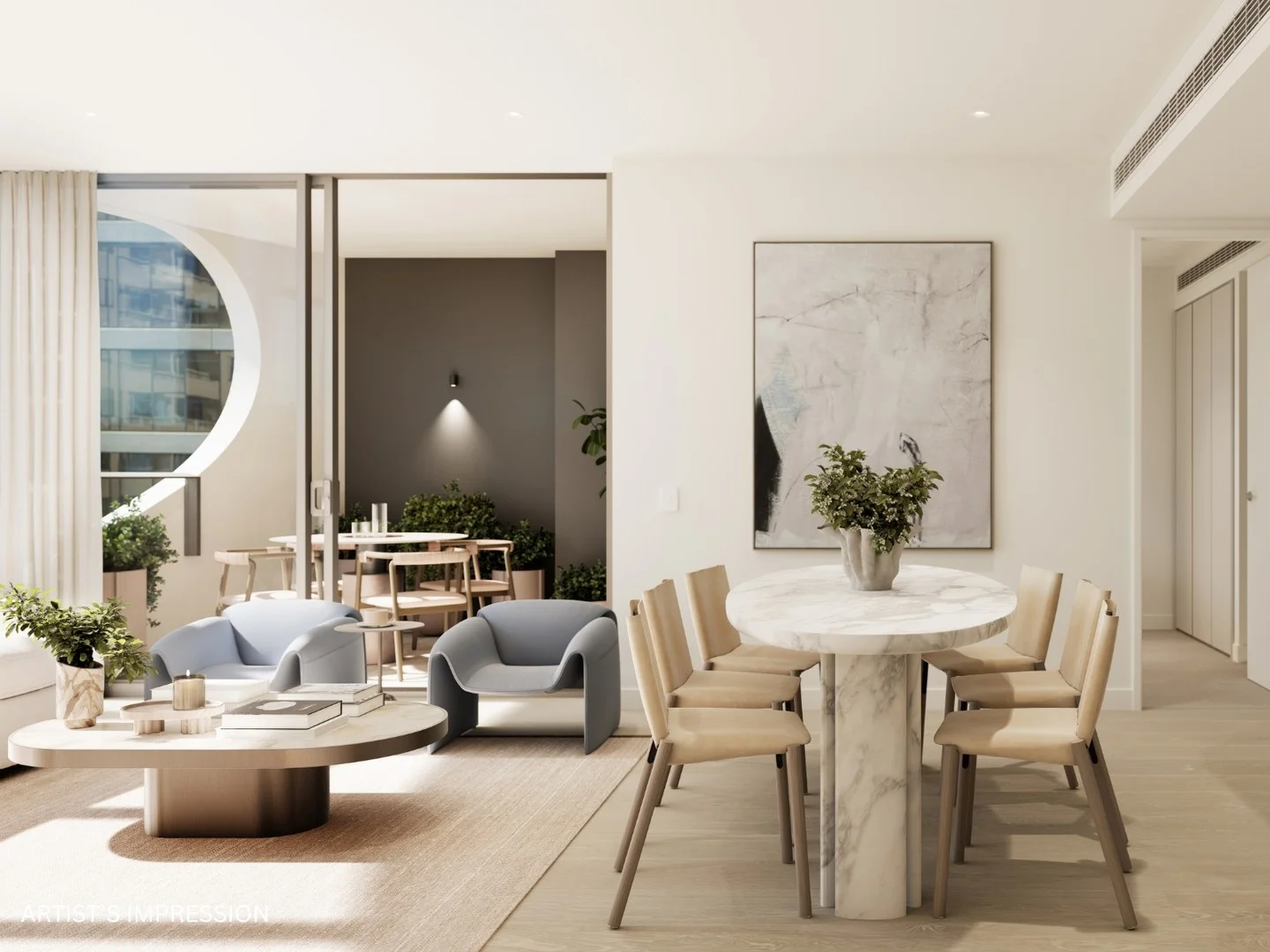 $1,640,000
Apartment / Unit / Flat
$1,640,000
Apartment / Unit / Flat
 $3,700,000
propertyType.NEW APARTMENTS / OFF THE PLAN
$3,700,000
propertyType.NEW APARTMENTS / OFF THE PLAN