## 1. Overview
St Margaret's Berwick Grammar is an independent school in the Berwick area, Victoria, offering a comprehensive private education rooted in a supportive community and values-based learning. The school aims to provide a balanced mix of academics, pastoral care, and opportunities across sport and the arts, fostering well-rounded students prepared for the next stage of their education.
The school generally serves a medium-sized student community, with class sizes designed to support individual attention and collaborative learning. The atmosphere is typically nurturing and inclusive, with a strong focus on academic achievement alongside co-curricular participation and character development within the Anglican tradition.
⸻
## 2. Academics & Learning
- Academic strengths: English, STEM, languages, and leadership development are emphasized within a rigorous curriculum, with opportunities for student growth across the core subjects and related studies.
- Special programs: Enrichment options such as gifted and talented pathways, accelerated learning opportunities, and leadership programs are supported to challenge motivated students.
- NAPLAN trends: The school tracks NAPLAN results over time to monitor progress and inform teaching approaches, aiming for steady improvement and sustained growth across cohorts.
- Student-teacher ratios: The school maintains favorable ratios that support personalised feedback, differentiation, and targeted support.
- Support for diverse learners: EAL (English as an Additional Language) support and SEN (Special Educational Needs) services are available to assist students needing extra help or accommodation.
⸻
## 3. Sports & Extracurricular Strengths
- Sports offered: A broad spectrum including basketball, netball, soccer, cricket, athletics, swimming, tennis, and other field and indoor activities.
- Strong teams or achievements: Competitive school teams participate in local and regional fixtures with a culture of participation and achievement.
- Music, arts, drama programs: Active performing arts programs, ensembles, school productions, and arts events are part of the co-curricular mix.
- Clubs: Robotics, chess, coding, debating, and other interest groups provide further avenues for skill-building.
- Partnerships: Connections with local clubs, academies, and inter-school competitions enhance opportunities for competition and collaboration.
⸻
## 4. Wellbeing & Pastoral Care
- Anti-bullying approach: Clear anti-bullying policies, proactive wellbeing programs, and student-led initiatives promote a safe school environment.
- House system: A house structure supports belonging, friendly competition, and leadership opportunities.
- Counsellors / wellbeing officers: On-site counsellors and wellbeing staff provide ongoing support for students and families.
- Transition support for new students: Orientation programs, buddy systems, and transitional support help new students settle smoothly.
⸻
## 5. Facilities
- Sports grounds
- Libraries
- Science labs
- Music/performing arts centers
- Tech/innovation labs
- Cafeteria
- Updated playgrounds
⸻
## 6. School Values & Community Culture
- School values / mission: A focus on integrity, respect, excellence, service, and a supportive learning community.
- Leadership style: Distributed leadership with opportunities for student voice and involvement in school life.
- Behaviour expectations: Clear behaviour codes and positive conduct standards that support a respectful learning environment.
- Community reputation: A well-regarded local presence with emphasis on community engagement and partnerships.
- Diversity & inclusion: Commitment to an inclusive environment that welcomes students from diverse backgrounds and abilities.
⸻
## 7. School Logistics & Daily Operations
- School hours: Typical school day follows a structured timetable with morning and afternoon sessions.
- Before/after school care: Provision for before/after school care or supervision is available.
- Uniform requirements: Standard uniform guidelines apply, with details provided on enrolment materials.
- Transport (train/bus routes): Access to public transportation options and local bus routes; campus coordination may be available.
- Canteen availability: On-site canteen or food service options are available to students.
- Fees (low/medium/high ranges): Fee levels are positioned in the mid-to-high range relative to local private-school benchmarks; exact amounts vary by year level and program.
⸻
## 8. Enrolment & Admissions
11. What is the enrolment process and timeline?
- Prospective families typically start with an online inquiry/application, attend an open day or information session, submit required documents, and participate in any necessary assessments or interviews. Offers are made subject to vacancy and meeting entry requirements, followed by formal acceptance and enrolment steps.
12. Is there a waiting list, and how does it work?
- Waiting lists may apply when vacancies are limited. The length and management of the list depend on current enrolments, year level, and timing of applications. Families on the waiting list are informed of status updates as vacancies arise.
13. Are there any entry requirements, tests, or interviews?
- Entry often includes an application, an interview (and sometimes a short assessment or request for school reports) to determine fit with the school’s programs and values.
14. Does the school accept mid-year transfers?
- Mid-year transfers are considered where vacancies exist and transfer procedures are completed, subject to the school’s enrolment policies and alignment with programs.
⸻
## 9. Frequently Ask Questions
- Why Parents Choose This School?
- A balanced focus on academics, wellbeing, and co-curriculars within a supportive community and clear values.
- What type of student thrives at this school?
- Motivated learners who engage across academics and activities, value supportive supervision, and participate in school life.
- What opportunities are available for students to extend their skills (academics, sports, arts)?
- A range of enrichment programs, leadership roles, advanced coursework, competitive sports, performing arts, and clubs.
- How does the school communicate with parents?
- Regular updates through newsletters, parent portals, emails, and scheduled parent-teacher meetings.
- What is the school’s approach to teaching and learning?
- Student-centered, differentiated instruction with opportunities for inquiry, collaboration, and digital integration.
- How does the school support students who need extra academic help?
- Targeted tutoring, small-group support, EAL/SEN services, and teachers' differentiation within classes.
- What support is available for academic challenges?
- Access to tutors, counsellors, and adjusted learning plans as needed, plus ongoing progress monitoring.
- How does the school communicate with parents?
- See above: consistent, multiple channels including portals and direct updates.
- What are the class sizes and how much individual attention do students receive?
- Class sizes are designed to be small to medium, enabling regular student-teacher interaction and tailored feedback.
- What extracurricular and sports opportunities are available?
- A wide range across sports, arts, music, drama, debate, robotics, coding, and other clubs.
- What facilities does the school offer (sports, science, arts)?
- Comprehensive facilities including sports grounds, libraries, science labs, performing arts spaces, and tech/innovation labs.
- What is the school’s approach to technology and digital learning?
- Integrated technology use in teaching, digital literacy, and access to appropriate devices and platforms.
- What transport and accessibility options are available?
- Public transport connections and campus accessibility are considered in planning and student support.
- What are typical school fees or additional costs?
- Fees vary by year level and program; families should refer to the current fee schedule for exact amounts and any additional costs for uniforms, camps, and activities.
⸻
## 10. Short Pros & Cons list
- Pros
- Independent school with a holistic approach to academics, wellbeing, and co-curriculars
- Supportive, inclusive community with strong pastoral care
- Range of enrichment (academic, sport, arts, leadership)
- Access to facilities and resources across science, arts, and technology
- Structured transition and family communication
- Cons
- Tuition and associated costs higher than public schools
- Competitive entry process and potential wait times for some year levels
- Travel considerations for families living farther from Berwick area
- Busy schedules due to academic and co-curricular commitments
⸻










 $795,000 - $835,000
House
$795,000 - $835,000
House
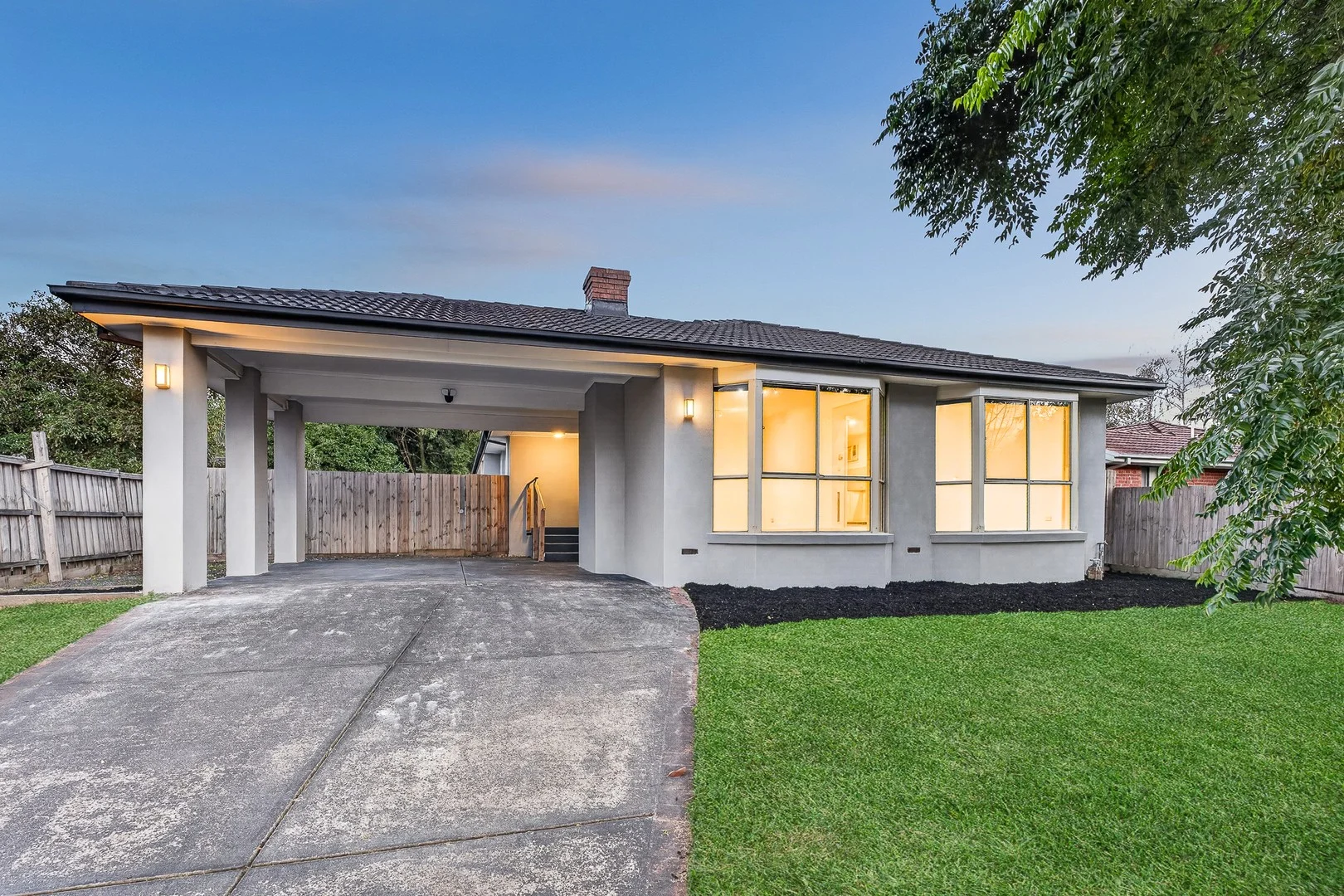 $800,000 - $880,000
House
$800,000 - $880,000
House
 $700
House
$700
House
 $595,000 - $645,000
House
$595,000 - $645,000
House
 $600
House
$600
House


