Overview
## 1. Overview
St Mary’s Star of the Sea Catholic Primary School in Hurstville is a Catholic primary school that focuses on building a faith-filled, supportive learning community. The school aims to blend strong academic foundations with values-based education, nurturing students to be confident, kind and responsible individuals within a Christian context.
- School type: Catholic
- School size: Medium
- Class size: Typically mid-20s per class
- Atmosphere/culture: Nurturing, inclusive, faith-centered, with a strong sense of community and family involvement
## 2. Academics & Learning
The school emphasizes core academic disciplines alongside faith-informed learning, with opportunities to develop leadership and digital literacy.
- Academic strengths: English and Mathematics foundational skills, Science and STEM awareness, emphasis on literacy and numeracy across year levels; integration of faith-informed learning to support holistic development.
- Special programs: Potential for Gifted and Talented pathways, leadership opportunities, and technology/computing initiatives to build digital fluency.
- NAPLAN / trends: School monitors NAPLAN results to identify growth areas and celebrate progress over time; trends are used to inform classroom planning and targeted supports.
- Student-teacher ratios: Class sizes in the typical primary range, with teacher models designed to support individual learning, reconstruction and differentiation as needed.
- Support for diverse learners: EAL/D support for new arrivals, targeted assistance for students with special educational needs, and access to support staff to help with differentiation and inclusion.
## 3. Sports & Extracurricular Strengths
Extracurricular activities are designed to support physical development, teamwork and creative expression.
- Sports offered: Soccer, netball, basketball, cricket, athletics and other school-based physical activities; participation in local and inter-school events where appropriate.
- Strong teams or achievements: Participation in district or regional school activities; emphasis on teamwork, fair play and personal bests.
- Music, arts, drama programs: Active involvement in music and performing arts, with opportunities to showcase talent in assemblies and school events.
- Clubs: Robotics, coding, chess and debating opportunities are typically available or facilitated through school clubs and after-school programs.
- Partnerships: Collaboration with local clubs, diocesan competitions and community organizations to broaden experiences for students.
## 4. Wellbeing & Pastoral Care
Wellbeing is a central focus to help students feel secure, supported and capable of achieving their best.
- Anti-bullying approach: Clear policies and proactive programs promote respectful relationships and safe school environments; restorative practices are used to address issues.
- House system: A house-based framework to foster belonging, leadership and healthy competition (house activities and support across year levels).
- Counsellors / wellbeing officers: Access to wellbeing staff or school-based counsellors to support students’ emotional and social needs.
- Transition support for new students: Structured orientation and buddy systems to help new students settle in, with ongoing support during the transition to year groups and key milestones.
## 5. Facilities
The school provides well-maintained spaces that support a broad range of learning and activity.
- Sports grounds: Outdoor play and sporting areas suitable for fitness and team activities.
- Libraries: A dedicated library for reading, research and quiet study.
- Science labs: Accessible spaces for hands-on science explorations.
- Music/performing arts centers: Facilities for music, drama and performance activities.
- Tech/innovation labs: Digital learning spaces that support coding, robotics and technology.
- Cafeteria: On-site canteen or lunch facilities supporting healthy eating options.
- Updated playgrounds: Safe, engaging play areas that encourage outdoor activity and social interaction.
## 6. School Values & Community Culture
The school aims to cultivate values-based learning and a welcoming community where students grow as compassionate, capable individuals.
- School values / mission: Faith-based education grounded in Catholic ethos; emphasis on compassion, respect, responsibility, and service.
- Leadership style: Inclusive and collaborative, with student leadership opportunities and teacher guidance focused on developing character.
- Behaviour expectations: Clear, consistently applied behaviour standards; restorative approaches to conflict and a focus on positive reinforcement.
- Community reputation: A supportive parish-school community with active family involvement and partnerships with local groups.
- Diversity & inclusion: Welcoming to families from diverse backgrounds; commitment to inclusive practices and respecting individual differences.
## 7. School Logistics & Daily Operations
Practical details to help families plan around school life.
- School hours: Normal school day with start and finish times aligned to NSW primary schedules; day may include a lunch/recess break.
- Before/after school care: Availability of before- and after-school supervision or programs (details vary by year; check with the school).
- Uniform requirements: Official school uniform with approved items; sports uniform on designated PE days.
- Transport (train/bus routes): Proximity to local public transport options; families typically arrange transport through local train/bus services; check current routes with NSW Transport.
- Canteen availability: Canteen or canteen services offering healthy options; may rely on volunteers for operations.
- Fees: Fees are in the moderate range for NSW Catholic primary schools; information on current fees, family discounts, and possible bursaries is available through the school's enrolment office.
## 8. Enrolment & Admissions
Key questions about starting at the school and how the process works.
11. What is the enrolment process and timeline?
- Applications are typically submitted through the school with required supporting documents. There is a defined intake period each year, with notifications and offers issued according to the school's admission policy. Families are encouraged to apply early and to attend any open days or information sessions.
12. Is there a waiting list, and how does it work?
- Waiting lists may apply when year levels reach capacity. Priority may be given to siblings, parishioners, and residents within designated zones. The school will advise on how the waiting list is managed and what factors influence offers.
13. Are there any entry requirements, tests, or interviews?
- Entry often involves an information session, application and documentation submission, and possibly an interview or meeting with a school leader or enrolment officer. Some assessments or discussions may occur to understand fit with the school’s values and programs.
14. Does the school accept mid-year transfers?
- Mid-year transfers are considered where space is available. Families seeking mid-year enrolment should contact the enrolment office to review capacity and the required steps, including transfer of records and coordination with the current school.
## 9. Frequently Asked Questions
Frequently asked questions to help parents quickly understand key aspects.
- Why Parents Choose This School?
- A faith-based, values-driven environment with a supportive community, balanced academics, and wellbeing focus.
- What type of student thrives at this school?
- Students who value community, faith-based learning, and a collaborative, inclusive environment with opportunities in academics, arts and sport.
- What opportunities are available for students to extend their skills (academics, sports, arts)?
- Programs in English, Maths, STEM-related activities, music and drama, sports teams, clubs such as robotics, coding and debating, plus leadership opportunities.
- How does the school communicate with parents?
- Regular communication through newsletters, email, parent portals, and parent-teacher meetings; timely updates on events and student progress.
- What is the school’s approach to teaching and learning?
- A student-centered approach with a focus on core literacy and numeracy, faith-integrated learning, differentiation to meet diverse needs, and the use of inclusive teaching strategies.
- How does the school support students who need extra academic help?
- Targeted intervention, support staff, EAL/D services, and collaboration with families to implement individual learning plans.
- What support is available for academic challenges?
- Access to teachers, learning support staff, and wellbeing professionals to address academic and social-emotional needs.
- How does the school communicate with parents? (duplicate question - included for completeness)
- See above: newsletters, portals, meetings, and direct contact with teachers and leadership.
- What are the class sizes and how much individual attention do students receive?
- Class sizes are mid-range for primary schools, with teacher differentiation and targeted support to provide opportunities for individual attention.
- What extracurricular and sports opportunities are available?
- Sports teams and inter-school events, music and performing arts, and clubs such as robotics, coding, chess and debating.
- What facilities does the school offer (sports, science, arts)?
- Sports grounds, libraries, science labs, music/performing arts spaces, technology labs, a canteen, and updated playgrounds.
- What is the school’s approach to technology and digital learning?
- Integration of digital literacy across the curriculum, with access to technology labs and coding opportunities to build 21st-century skills.
- What transport and accessibility options are available?
- Access to nearby public transport; information on local bus/train routes is provided by NSW Transport; the school supports accessible access for families.
- What are the typical school fees or additional costs?
- Fees are in the moderate range for NSW Catholic primary schools; there may be uniform costs, voluntary contributions, excursions, and additional activities. Check the enrolment office for current figures and any fee assistance options.
## 10. Short Pros & Cons list
- Pros
- Catholic, values-driven education with a supportive community
- Balanced focus on academics, wellbeing and faith
- Inclusive environment with support for diverse learners
- Range of extracurriculars including sports, arts and clubs
- Modern facilities and dedicated spaces for learning
- Cons
- Fees and uniform costs may require ongoing budgeting
- Availability of places can be limited in popular year levels
- Transport options depend on local routes and may require planning
- Some programs or clubs may have selective access based on capacity
- As with many schools, wait times may apply for new enrolments during peak years
If you’d like, I can tailor this draft further with more specific details you provide or help format it for a particular page on Aroundschools.









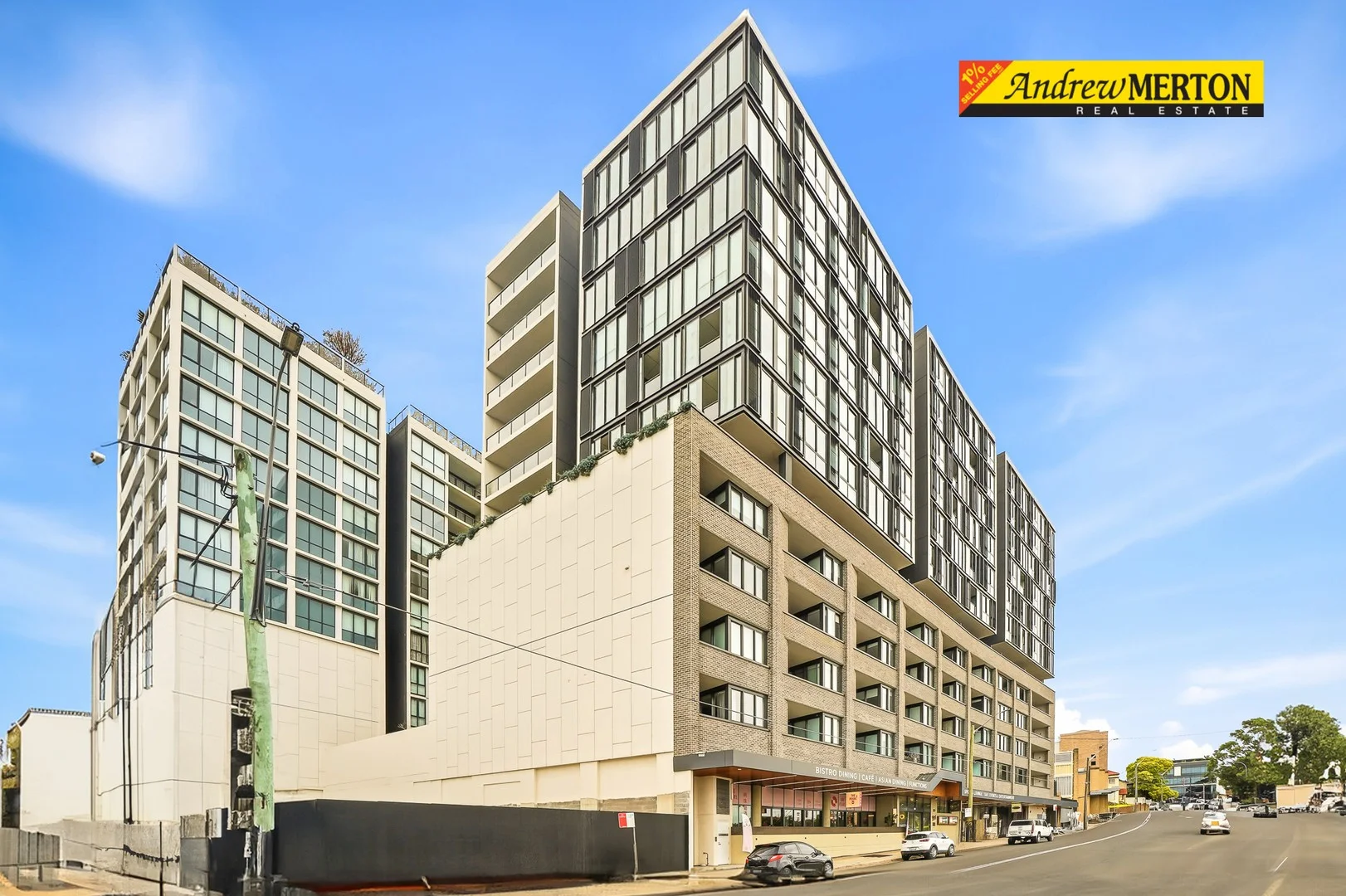 $699,000
Apartment / Unit / Flat
$699,000
Apartment / Unit / Flat
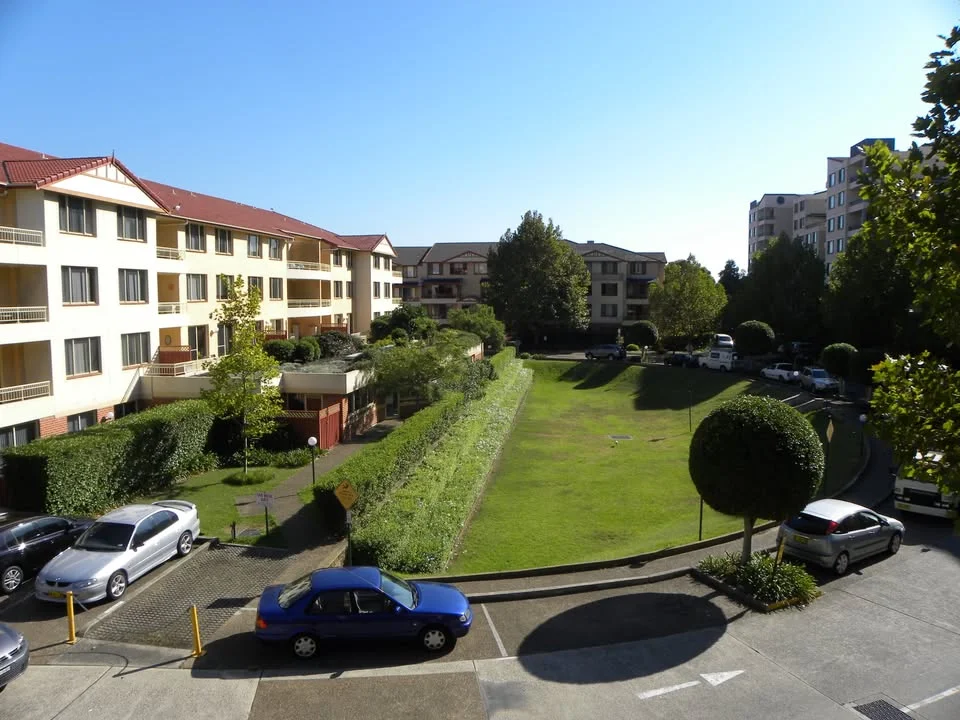 $990
Apartment / Unit / Flat
$990
Apartment / Unit / Flat
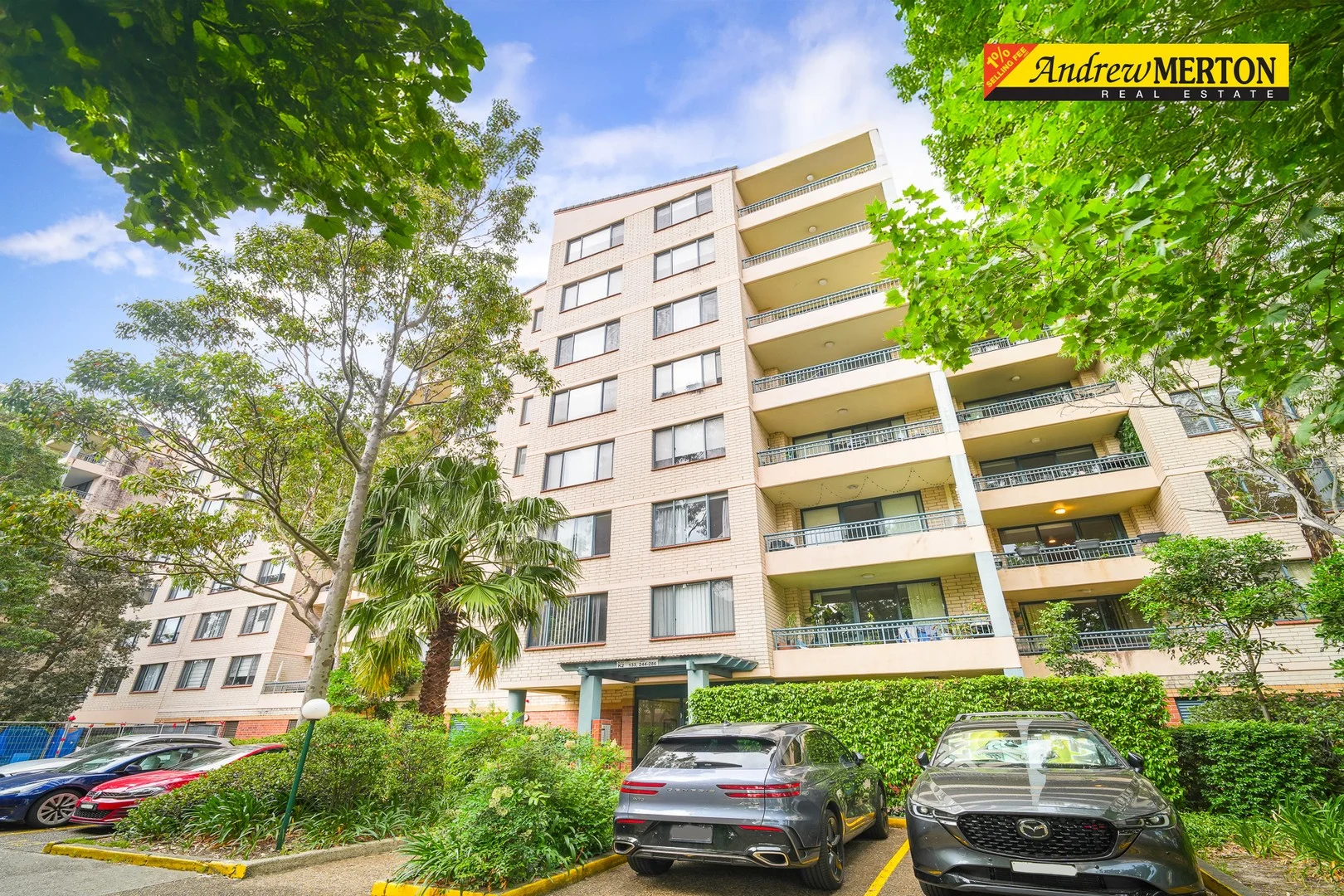 $933,000
Apartment / Unit / Flat
$933,000
Apartment / Unit / Flat
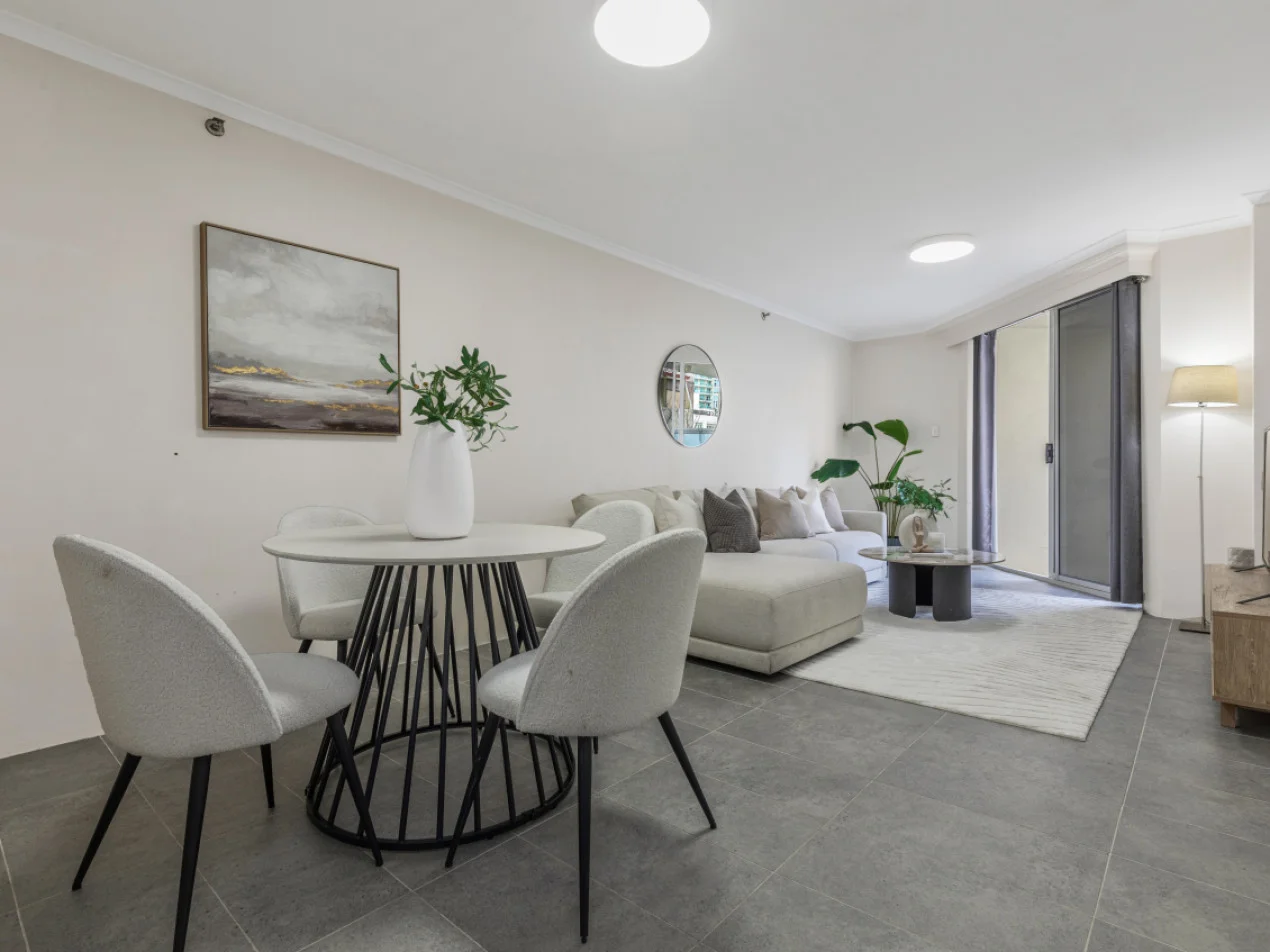 $640,000 - $675,000
Apartment / Unit / Flat
$640,000 - $675,000
Apartment / Unit / Flat
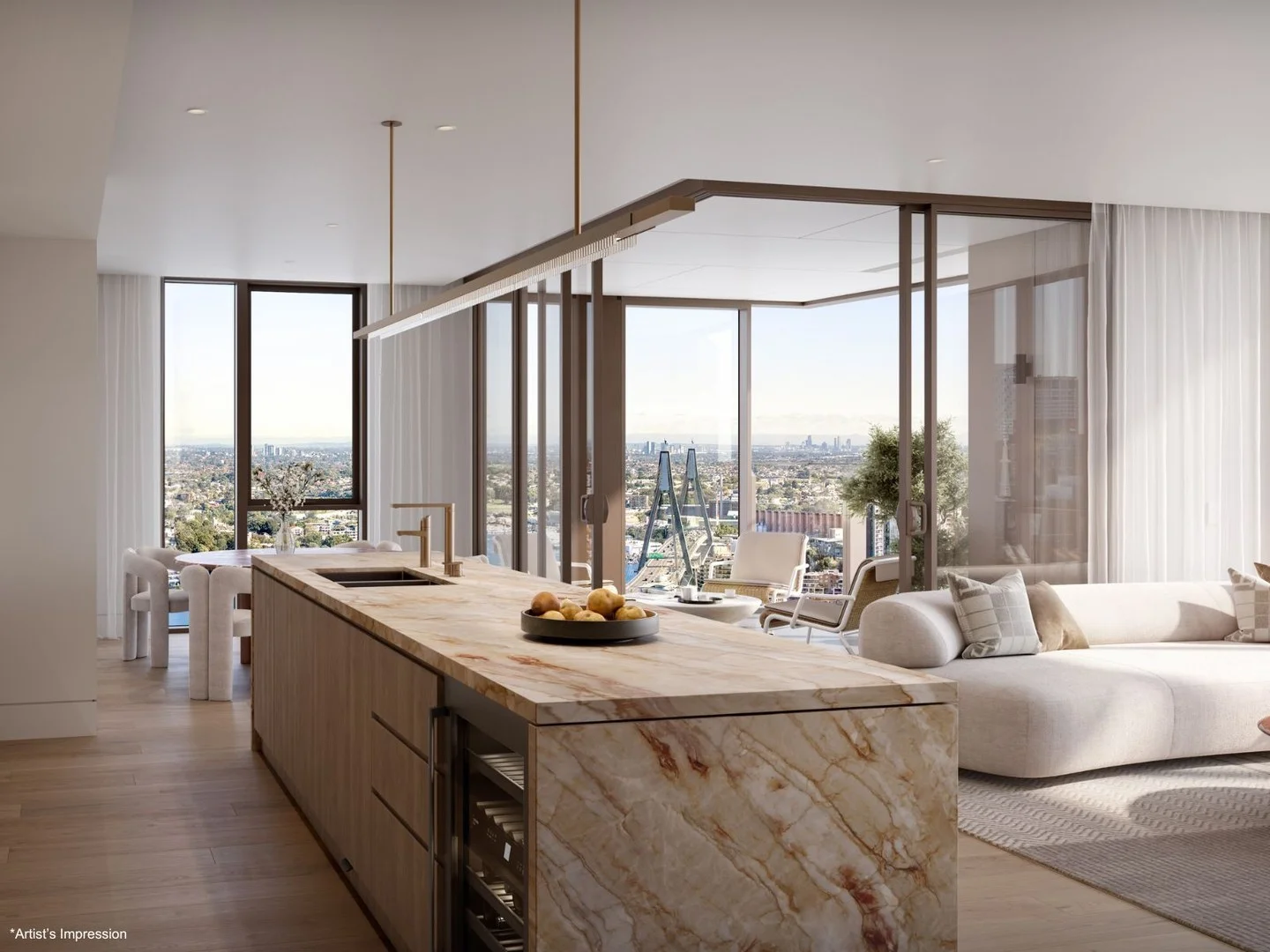 $9,020,000
propertyType.NEW APARTMENTS / OFF THE PLAN
$9,020,000
propertyType.NEW APARTMENTS / OFF THE PLAN
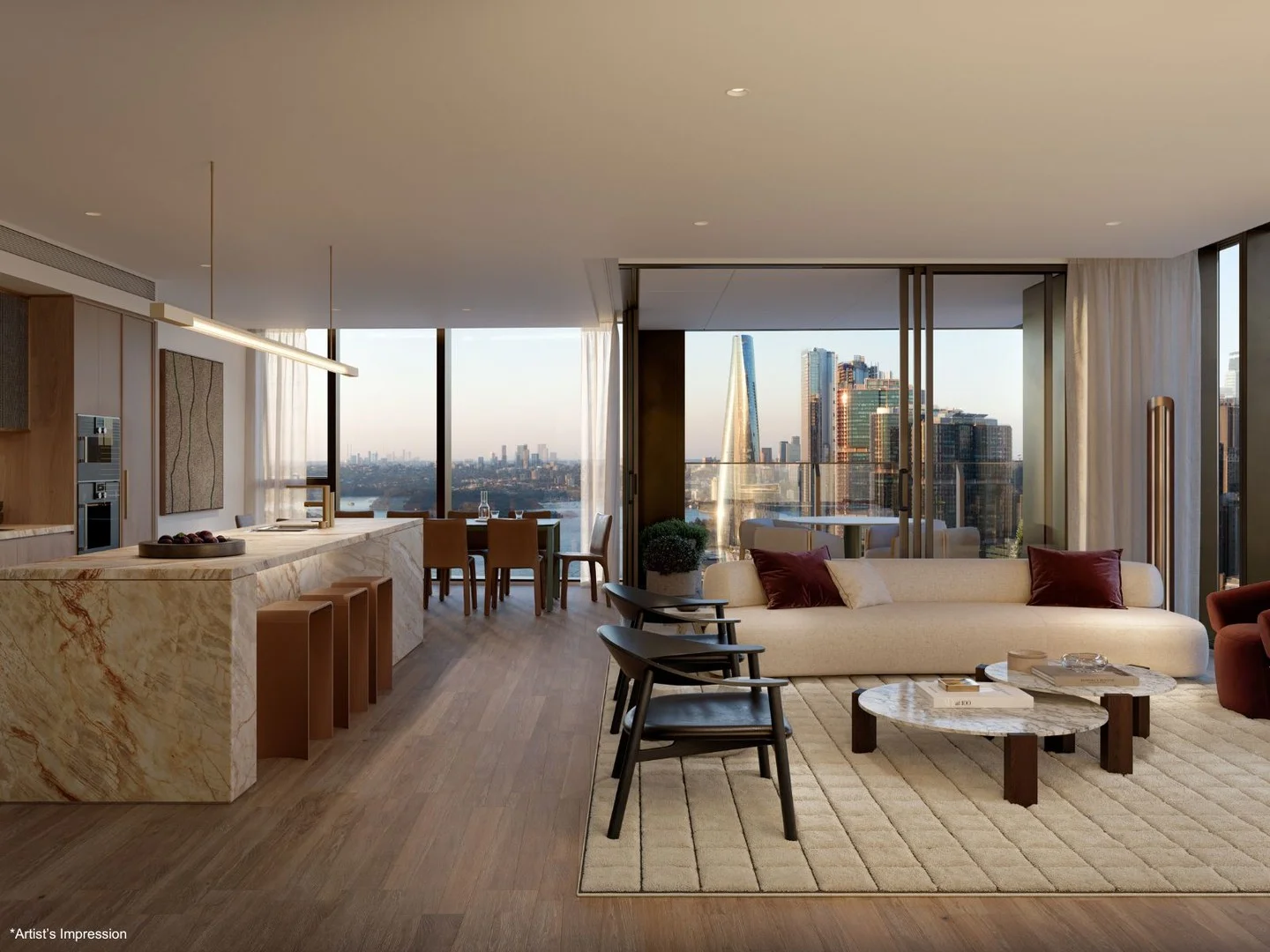 $12,980,000
propertyType.NEW APARTMENTS / OFF THE PLAN
$12,980,000
propertyType.NEW APARTMENTS / OFF THE PLAN
 $8,630,000
propertyType.NEW APARTMENTS / OFF THE PLAN
$8,630,000
propertyType.NEW APARTMENTS / OFF THE PLAN
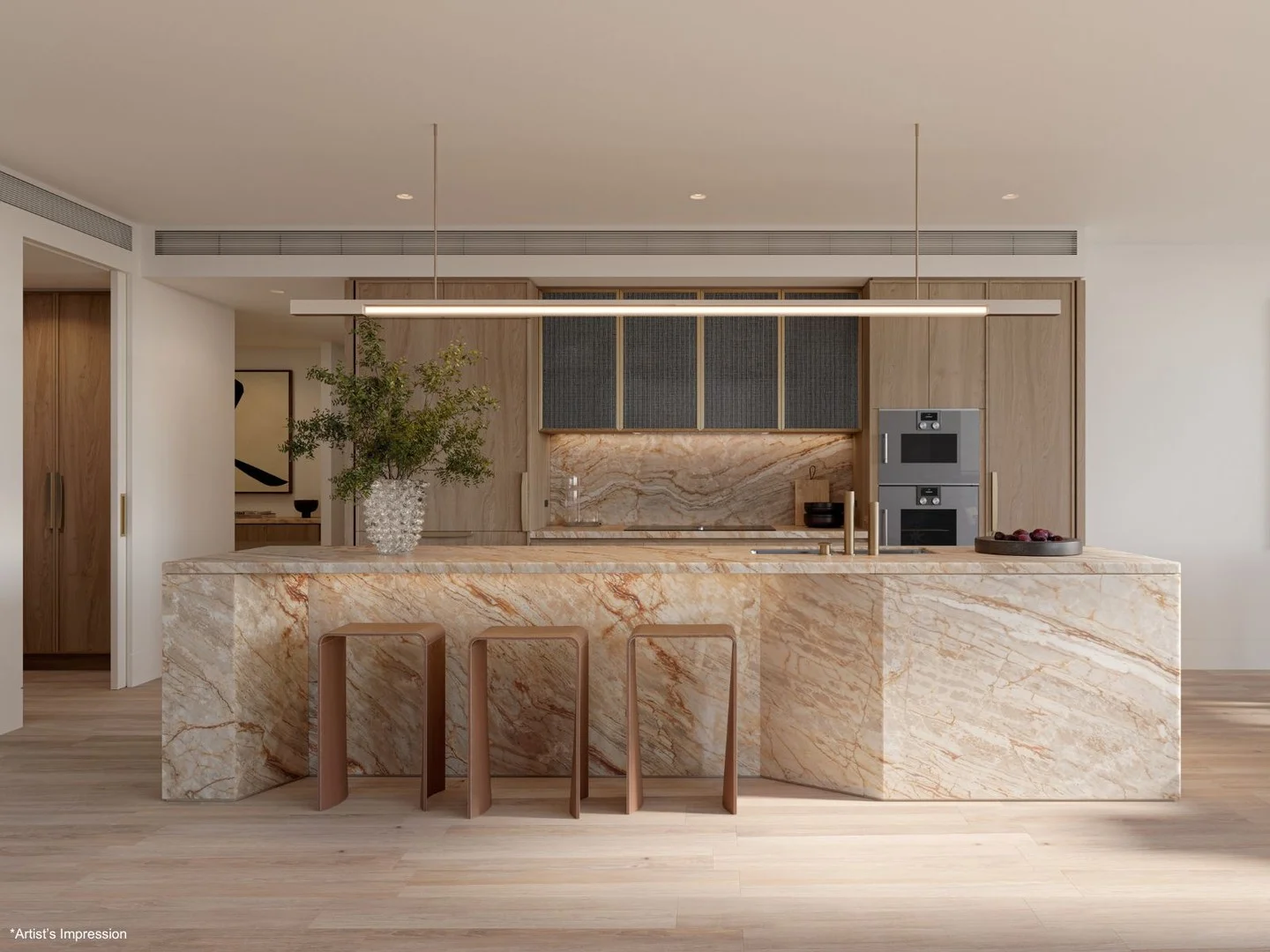 $6,225,000
propertyType.NEW APARTMENTS / OFF THE PLAN
$6,225,000
propertyType.NEW APARTMENTS / OFF THE PLAN
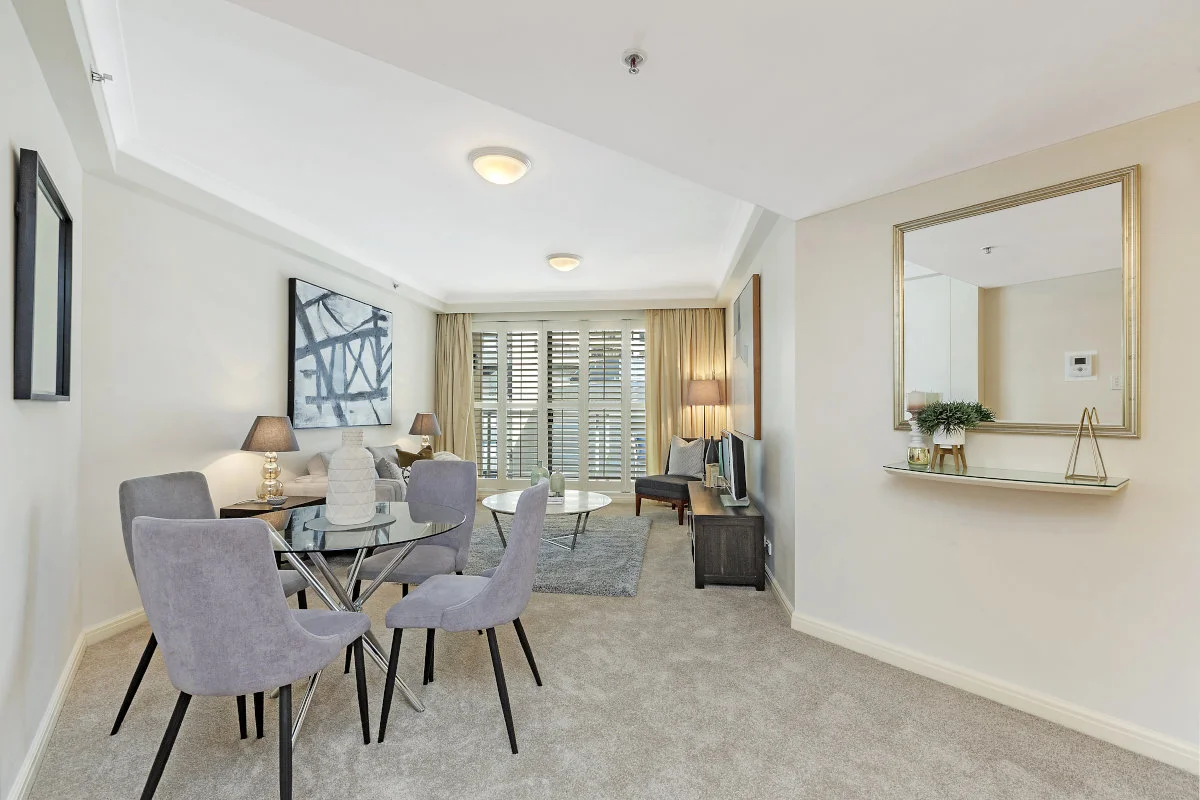 $660,000 - $725,000
Apartment / Unit / Flat
$660,000 - $725,000
Apartment / Unit / Flat


