Overview
Danebank Anglican School for Girls is an independent, Anglican day school for girls, offering education from early years through to Year 12. The school is known for its balanced focus on academic achievement, character development, and community spirit, with students encouraged to pursue excellence across academics, arts, and sport.
The school is typically described as medium-sized, with small-to-medium class sizes that support personalised learning. The atmosphere is often described as nurturing and inclusive, combining rigorous academic standards with a strong sense of community and a wide range of co-curricular opportunities.
Academics & Learning
- Academic strengths: The school emphasises English/literacy, STEM, languages, leadership development, and a broad curriculum that supports well-rounded students.
- Special programs: There are opportunities for accelerated learning and gifted/talented programs, along with a pathway to the NSW HSC/ATAR suitable for high achievers.
- Support for diverse learners: EAL (English as an Additional Language) support and SEN (special educational needs) support are available to assist students who require additional help.
- Sports offered: Netball, basketball, football (soccer), swimming, athletics, tennis, cross country, and other team or individual activities depending on year level.
- Strong teams or achievements: Competitive participation in inter-school and NSW-based events with opportunities for representative or school-level teams.
- Music, arts, drama programs: Robust performing arts offerings, including choir and instrumental ensembles, drama productions, and related arts activities.
- Clubs: Robotics, coding, chess, debating, and various science/tech or language clubs are commonly available.
- Partnerships: Involvement in local and state-wide competitions and partnerships with community or specialist programs to broaden student experiences.
Wellbeing & Pastoral Care
- Anti-bullying approach: A proactive wellbeing framework with clear behaviours and respectful relationships, focusing on safety and a positive school climate.
- House system: A house-based structure supports pastoral care, leadership development, and participation in school events and activities.
- Counsellors / wellbeing officers: Dedicated pastoral care staff, including school counsellors or wellbeing coordinators, support students’ social-emotional needs.
- Transition support for new students: Orientation programs, buddy systems, and targeted support help new students settle into the school community.
Facilities
- Sports grounds: On-site sport facilities and access to outdoor playing fields appropriate for various activities.
- Libraries: Well-equipped library spaces supporting study, reading programs, and research.
- Science labs: Modern science laboratories for practical experiments and STEM activities.
- Music/performing arts centers: Spaces for music ensembles, rehearsals, and performances.
- Tech/innovation labs: Dedicated spaces for digital learning, coding, and technology projects.
- Cafeteria: On-site canteen or dining facilities for students.
- Updated playgrounds: Age-appropriate outdoor play and recreation areas.
- School values / mission: A holistic education rooted in Anglican tradition, emphasising integrity, compassion, responsibility, and service.
- Leadership style: Collegial and student-centred, with opportunities for student leadership and voice within the school community.
- Behaviour expectations: Clear behavioural standards aligned with respect, citizenship, and personal responsibility.
- Community reputation: A trusted part of the local education landscape with a focus on fostering a supportive, belonging-focused environment.
- Diversity & inclusion: Commitment to an inclusive community that welcomes students from diverse backgrounds and experiences.
School Logistics & Daily Operations
- School hours: Typical school day starts in the morning and finishes in the afternoon, with variations by year level; a full day of learning is complemented by scheduled activities.
- Before/after school care: After-school care or extendedday programs are commonly available to families.
- Uniform requirements: School uniform policy with standard attire for different year levels.
- Transport (train/bus routes): Access to public transport options and school-specific transport arrangements or considerations for families.
- Canteen availability: On-site canteen or lunch facilities available to students.
- Fees (low/medium/high ranges): Fees fall in the medium-to-high range typical of private independent schools, with annual variations by year level and family circumstances.
Enrolment & Admissions
- What is the enrolment process and timeline?
- Expression of interest or initial inquiry is usually the first step, followed by the submission of a formal application with required documentation. After assessment and/or interviews, families may receive an offer of enrolment. The timeline varies by year level and entry point; it’s best to start planning early and confirm current timelines with the school.
- Is there a waiting list, and how does it work?
- Many entry points may operate with a waiting list. Priorities often include siblings, parish affiliations, or specific year-level needs. The waiting period depends on current vacancies and applicant pool; it’s common to have a variable wait time.
- Are there any entry requirements, tests, or interviews?
- Applicants typically undergo an interview and may complete a formal application process. Some year levels or programs may require academic or readiness assessments; check the latest requirements with the admissions team.
- Does the school accept mid-year transfers?
- Mid-year transfers may be considered based on space availability, alignment with the cohort, and completion of required documentation. Prospective families should contact the admissions office early to discuss options.
Frequently Asked Questions
- Why Parents Choose This School?
- A combination of strong academics, supportive pastoral care, values-based education, and a welcoming community that emphasises character and leadership.
- What type of student thrives at this school?
- Motivated, collaborative students who value academics, arts, and sport, and who respond well to a community-oriented, inclusive environment.
- What opportunities are available for students to extend their skills (academics, sports, arts)?
- Programs and activities across STEM, languages, leadership, debate, music, drama, performance, and a range of sports, plus clubs such as robotics, coding, and chess.
- How does the school communicate with parents?
- Regular updates through newsletters, emails, progress reports, parent-teacher meetings, and digital learning platforms.
- What is the school’s approach to teaching and learning?
- A student-centred approach with a mix of direct instruction, inquiry-based learning, and differentiations to support diverse learners.
- How does the school support students who need extra academic help?
- Targeted support through EAL/SEN services, tutoring, and in-class adjustments to meet individual needs.
- What support is available for academic challenges?
- Access to counsellors or wellbeing staff for academic planning and strategies, plus teacher interventions and academic supports where appropriate.
- How does the school communicate with parents? (duplicate)
- See above: regular updates via multiple channels to keep families informed about progress and events.
- What extracurricular and sports opportunities are available?
- A broad suite of sports (netball, basketball, football, swimming, athletics, tennis), music, drama, and clubs (robotics, coding, chess, debating), plus inter-school competitions.
- What facilities does the school offer (sports, science, arts)?
- Modern facilities including sports grounds, libraries, science labs, music/performing arts spaces, tech/innovation labs, and dining/canteen areas.
- What is the school’s approach to technology and digital learning?
- Integrated digital learning with access to devices, software, and platforms to support modern teaching and independent learning.
- What transport and accessibility options are available?
- Access to public transport routes and school-supported transport arrangements where available; details vary by location and year level.
- What are the typical school fees or additional costs?
- Fees are in the medium-to-high range for private independent schools, with possible variation by year level and family circumstances.
Short Pros & Cons list
- Independent Anglican setting with a clear values framework
- Medium-sized, close-knit community that supports personalised learning
- Strong emphasis on academics, arts, and sport with broad co-curricular options
- Supportive wellbeing and pastoral care, with a house-based system
- Modern facilities across science, arts, and technology
- Fees are higher than public schools and may be a consideration for some families
- Competition for entry at certain year levels may mean waiting lists
- As with many private schools, uniform requirements and structured routines may feel restrictive to some students

 $5.5+
$5.5+









 $665,000
Apartment / Unit / Flat
$665,000
Apartment / Unit / Flat
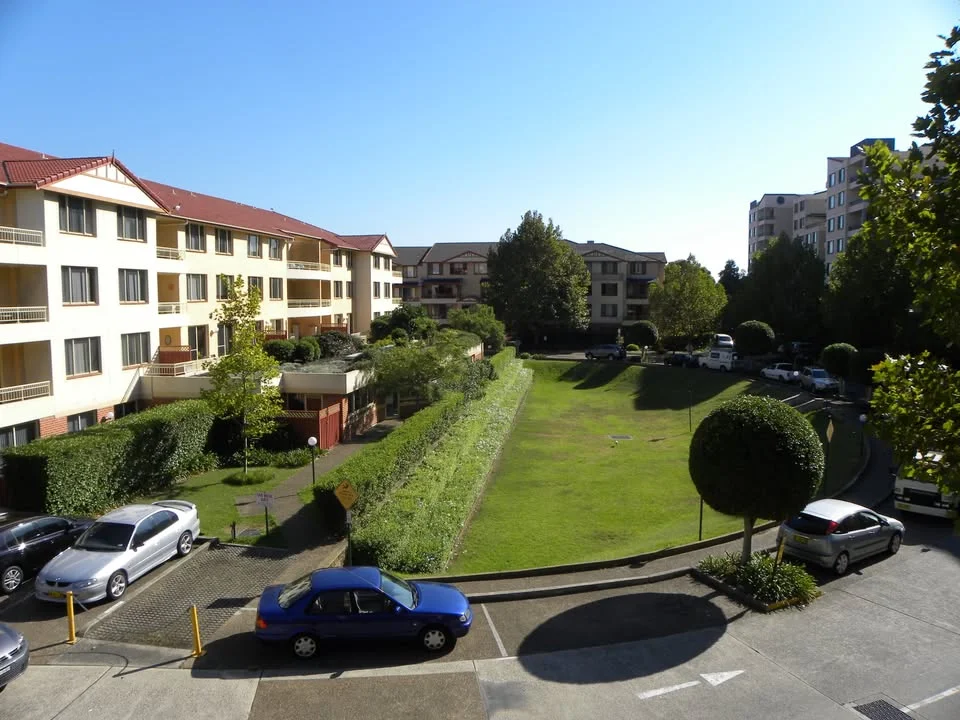 $990
Apartment / Unit / Flat
$990
Apartment / Unit / Flat
 $3,900,000
House
$3,900,000
House
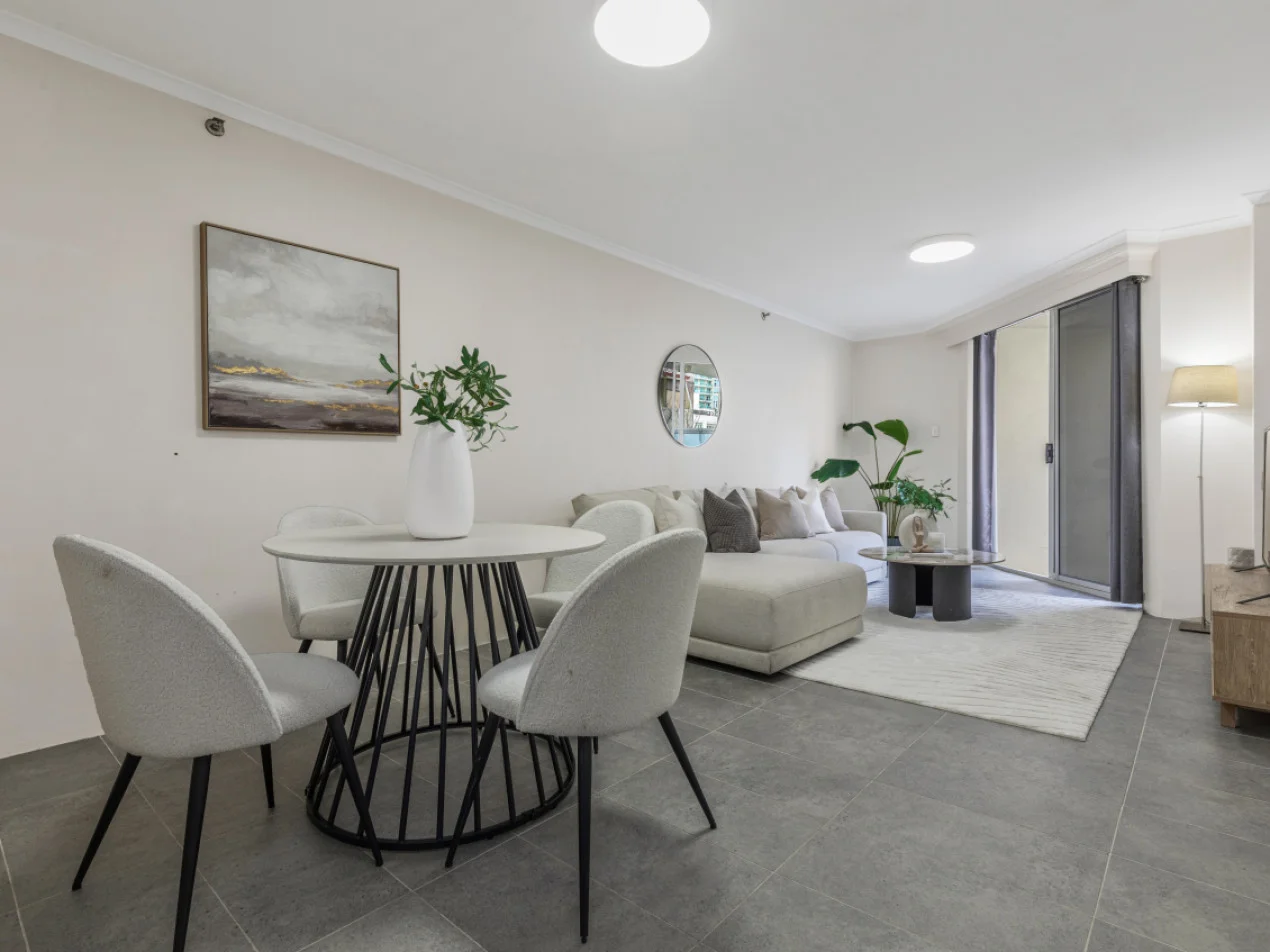 $640,000 - $675,000
Apartment / Unit / Flat
$640,000 - $675,000
Apartment / Unit / Flat
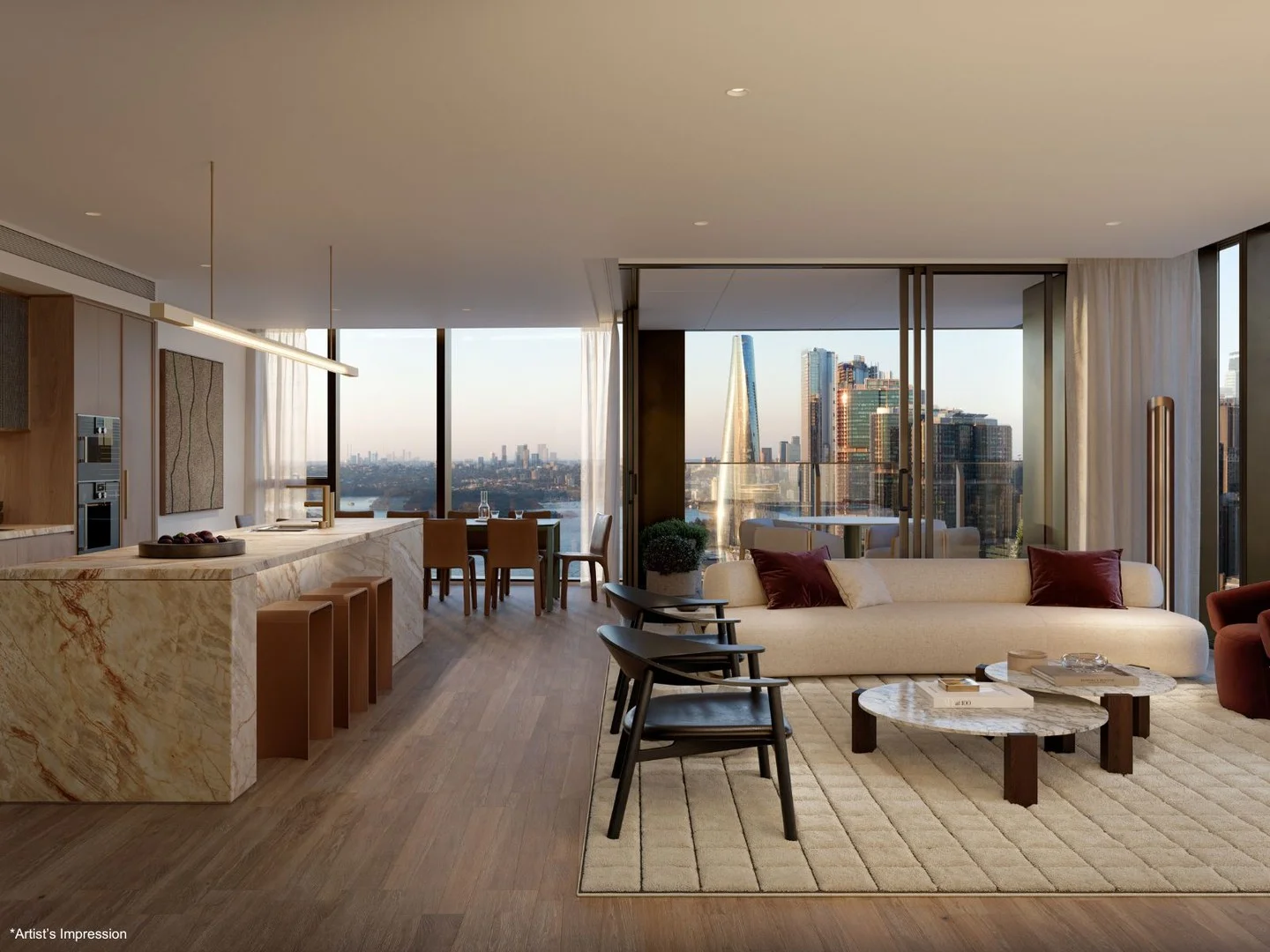 $12,980,000
propertyType.NEW APARTMENTS / OFF THE PLAN
$12,980,000
propertyType.NEW APARTMENTS / OFF THE PLAN
 $6,225,000
propertyType.NEW APARTMENTS / OFF THE PLAN
$6,225,000
propertyType.NEW APARTMENTS / OFF THE PLAN
 $8,630,000
propertyType.NEW APARTMENTS / OFF THE PLAN
$8,630,000
propertyType.NEW APARTMENTS / OFF THE PLAN
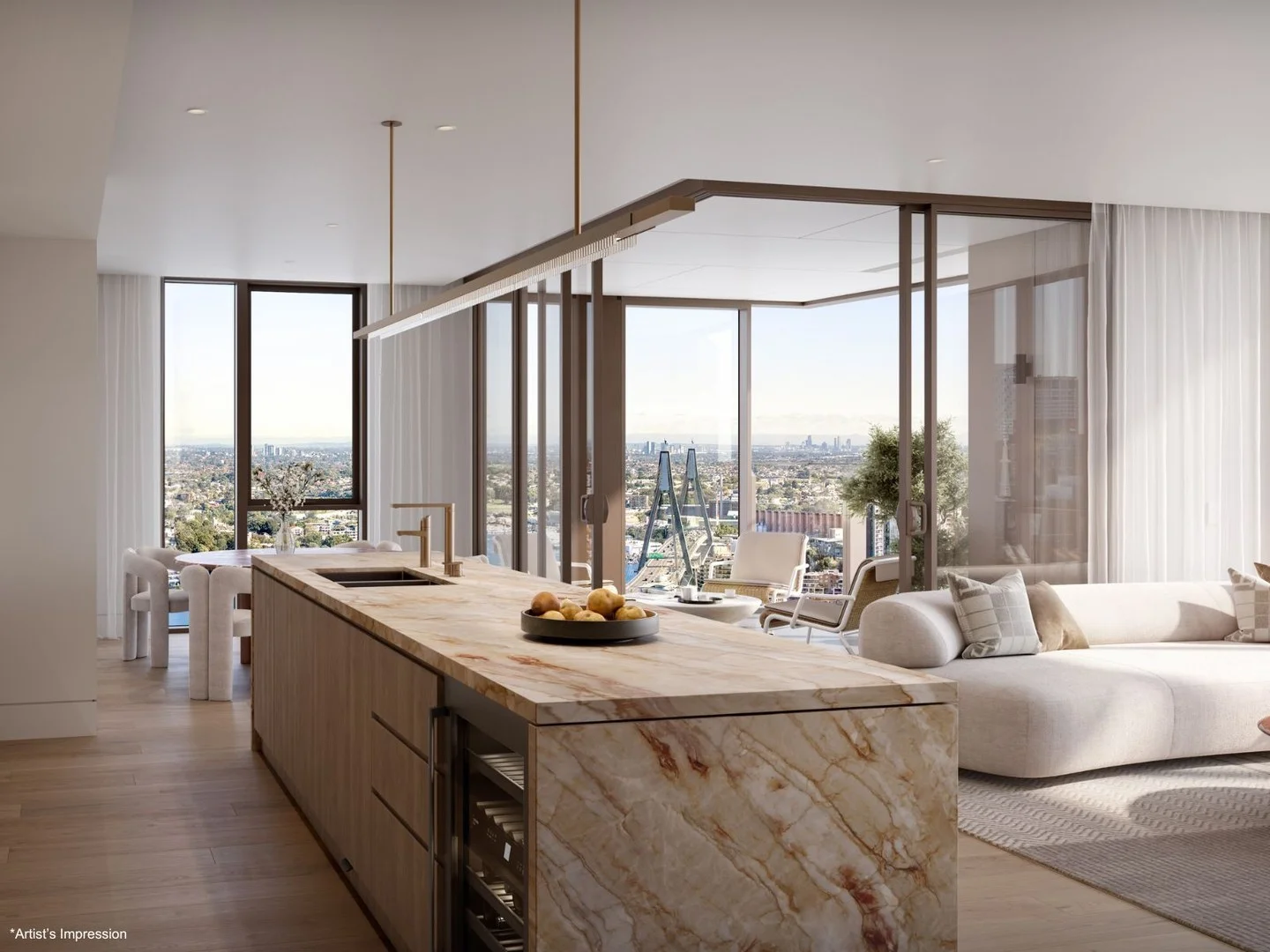 $9,020,000
propertyType.NEW APARTMENTS / OFF THE PLAN
$9,020,000
propertyType.NEW APARTMENTS / OFF THE PLAN
 $660,000 - $725,000
Apartment / Unit / Flat
$660,000 - $725,000
Apartment / Unit / Flat