Overview
Bethany College, Hurstville is a Catholic, co-educational school serving families in the St George area. The school combines faith-based education with a strong focus on academic achievement, community, and personal development. It is medium-sized, offering a broad range of year groups with class sizes that are typically small to medium, enabling close teacher-student interaction. The atmosphere is nurturing, inclusive, and academically focused, with a strong sense of belonging and school spirit.
Class sizes are generally around 22–28 students in primary and 18–25 in secondary, supporting personalised learning and strong teacher support. The school emphasises values-based education, pastoral care, and a balanced approach to academics, sport, and the arts to help students grow as responsible, confident young people.
Academics & Learning
- Academic strengths: English, Mathematics, Sciences, STEM, and Languages are core strengths, with a culture that promotes strong literacy and numeracy foundations and a growing emphasis on digital learning and critical thinking.
- Special programs: Gifted and Talented programs, opportunities for accelerated learning in senior years, and a Catholic worldview integrated across the curriculum. Support for diverse learners is available through targeted learning support and enrichment options.
- Support for diverse learners: Dedicated learning support team, EAL (English as an Additional Language) assistance, and pathways for SEN (Special Educational Needs) students to access appropriate resources and adjustments.
- Sports offered: Soccer, basketball, netball, rugby league, cricket, tennis, athletics, swimming, and gym programs.
- Strong teams or achievements: Competitive participation in local and regional school competitions, with a track record of finalists and medalists in various events and age groups.
- Music, arts, drama programs: Active music program including choir and ensembles, drama productions, and opportunities for performance in school events and community venues.
- Clubs: Robotics, chess, coding, debating, science clubs, and student leadership groups.
- Partnerships: Local sporting clubs and academies, regional inter-school competitions, and collaborations with community arts and STEM programs.
Wellbeing & Pastoral Care
- Anti-bullying approach: Clear anti-bullying policies, zero-tolerance for harassment, and a culture that promotes respect, empathy, and inclusive behaviours.
- House system: House groups with house captains, cross-house events, and opportunities for leadership and teamwork.
- Counsellors / wellbeing officers: On-site counsellors and wellbeing staff available for student support, with confidential access and referral pathways.
- Transition support for new students: Orientation programs, buddy systems, and dedicated staff to help new students settle into the school community.
Facilities
- Sports grounds: On-site sports fields and courts used for PE and inter-school matches.
- Libraries: Well-stocked library with study spaces and digital resources.
- Science labs: Modern laboratories for chemistry, biology, and physics practicals.
- Music/performing arts centers: Dedicated music spaces and performance areas for ensembles and productions.
- Tech/innovation labs: Computer labs and maker/innovation spaces to support coding, robotics, and hands-on design projects.
- Cafeteria: On-site canteen offering a range of healthy options.
- Updated playgrounds: Age-appropriate play areas and outdoor learning spaces.
- School values / mission: A Catholic ethos focused on faith, service, respect, integrity, and community; commitment to forming compassionate, capable individuals.
- Leadership style: Collaborative leadership with student voice, parent involvement, and staff collaboration; emphasis on servant leadership and shared responsibility.
- Behaviour expectations: Clear codes of conduct emphasizing respect, responsibility, and safety; positive behaviour management with recognition for good work and character.
- Community reputation: Positive, engaged community with active parent participation and supportive alumni networks; strong ties with local parishes and community groups.
- Diversity & inclusion: Diverse student body with inclusive practices and supports to ensure all students can participate meaningfully.
School Logistics & Daily Operations
- School hours: Typical day runs from morning start to mid-afternoon with transition periods and scheduled breaks; specific times vary by year level.
- Before/after school care: Available, with supervision and activities for early arrivals and after-school care until early evening.
- Uniform requirements: School uniform policy with seasonal options; clear guidelines on attire, grooming, and presentation.
- Transport (train/bus routes): Access to public transport options in the Hurstville area; bus routes and train services connect to nearby suburbs; school liaises with families about transport needs.
- Canteen availability: On-site canteen offering healthy meals and snacks.
- Fees (low/medium/high ranges): Fees are in the moderate range for NSW Catholic schools, with clear upfront information on tuition, resource charges, and family discounts where applicable.
Enrolment & Admissions
- What is the enrolment process and timeline?
- Submit an application form with supporting documents (proof of identity, immunisation records, birth certificate, etc.).
- Attend any school tours or information sessions.
- Participate in any year-specific assessments or interviews (common for Year 7 entry; primary entry processes vary by year).
- Receive an offer if space is available; confirm acceptance within a defined timeframe; complete any required enrolment paperwork and payment of fees to secure the place.
- Timeline typically spans several months from application to offer, with peak periods around year-end for the following year.
- Is there a waiting list, and how does it work?
- Yes, there is often a waiting list when applications exceed available places.
- Priorities typically consider factors such as siblings already attending, parish affiliation, and availability of spaces in specific year levels.
- Families placed on the waiting list are kept informed about their status and any changes in the timeline.
- Are there any entry requirements, tests, or interviews?
- Entry requirements may include Catholic ethos confirmation, documentation, and parent permissions.
- Interviews or discussions may be held for certain year levels (not always required for primary entry).
- Some year levels may have entrance assessments or readiness checks focused on literacy and numeracy to support placement.
- Does the school accept mid-year transfers?
- Mid-year transfers are considered if there is space in the desired year level.
- Transfer requests typically require documentation (current school reports, immunisation records) and an opportunity for the student to visit or meet key staff as part of the placement process.
Frequently Asked Questions
- Why Parents Choose This School?
- A faith-based, values-driven environment with a strong sense of community, supportive staff, balanced academics, and opportunities across sport, arts, and leadership.
- What type of student thrives at this school?
- Students who value a Catholic, inclusive community, collaborative learning, and active participation in service, sports, and the arts.
- What opportunities are available for students to extend their skills (academics, sports, arts)?
- Academic extension programs, leadership opportunities, competitive sports teams, music ensembles, drama productions, robotics, coding and debating clubs.
- How does the school communicate with parents?
- Regular newsletters, emails, a parent portal, SMS updates, and scheduled parent-teacher meetings; timely responses from staff.
- What is the school’s approach to teaching and learning?
- Student-centered, inquiry-based learning with differentiation to meet diverse needs and strong emphasis on digital literacy and real-world application.
- How does the school support students who need extra academic help?
- Targeted literacy and numeracy support, learning support staff, EAL assistance, and personalised intervention plans.
- What support is available for academic challenges?
- Access to counsellors, learning support specialists, and coordination with families to implement appropriate accommodations and strategies.
- How does the school communicate with parents? (Note: this question appears again in the prompt; answer remains the same.)
- Through multiple channels (newsletters, portal, emails, meetings) to keep parents informed about student progress and school events.
- What extracurricular and sports opportunities are available?
- A wide range of sports, music, drama, robotics, chess, coding, debating, and other clubs; multiple inter-school and community partnerships.
- What facilities does the school offer (sports, science, arts)?
- Sports grounds, libraries, science labs, music/performing arts spaces, tech/innovation labs, canteen, and updated playgrounds.
- What is the school’s approach to technology and digital learning?
- Integrated digital learning across the curriculum, dedicated tech spaces, coding and robotics programs, and appropriate use of devices and online resources.
- What transport and accessibility options are available?
- Access to public transport in Hurstville, with nearby bus/train options; school can assist with transport inquiries and coordination.
- What are the typical school fees or additional costs?
- Moderate fee structure with transparent information on tuition, resource charges, and any additional costs; options may exist for families needing assistance.
Short Pros & Cons list
- Strong Catholic values and sense of community
- Nurturing, inclusive environment with a focus on academics
- Balanced program including sports, arts, and leadership
- Support for diverse learners and well-being services
- Good family and parent engagement; active school culture
- As a mid-sized Catholic school, spaces can be limited in popular year levels
- Some specialist programs or entry points may have waitlists during peak years
- Uniform requirements and associated costs are ongoing commitments for families
 $5.5+
$5.5+










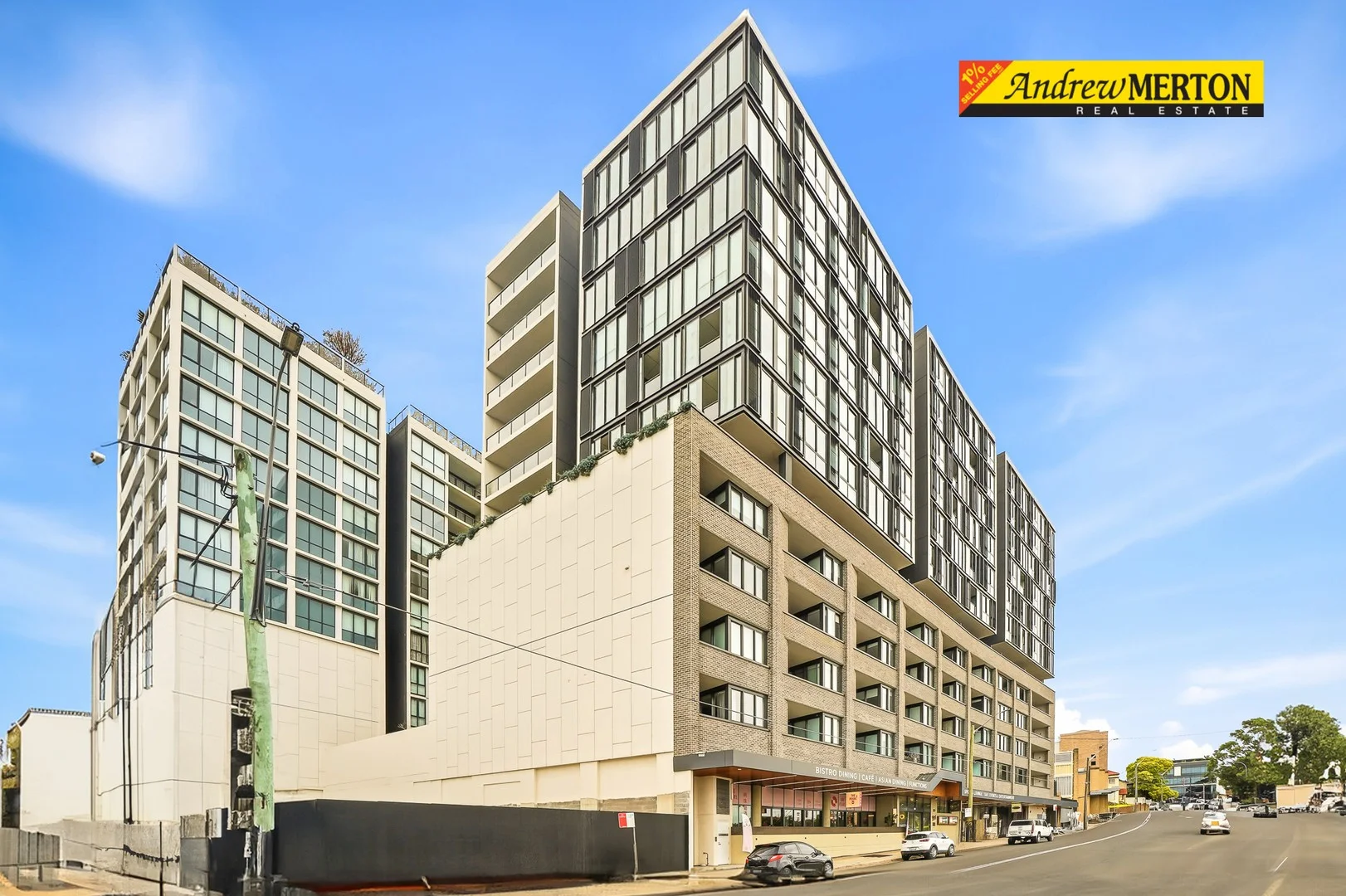 $665,000
Apartment / Unit / Flat
$665,000
Apartment / Unit / Flat
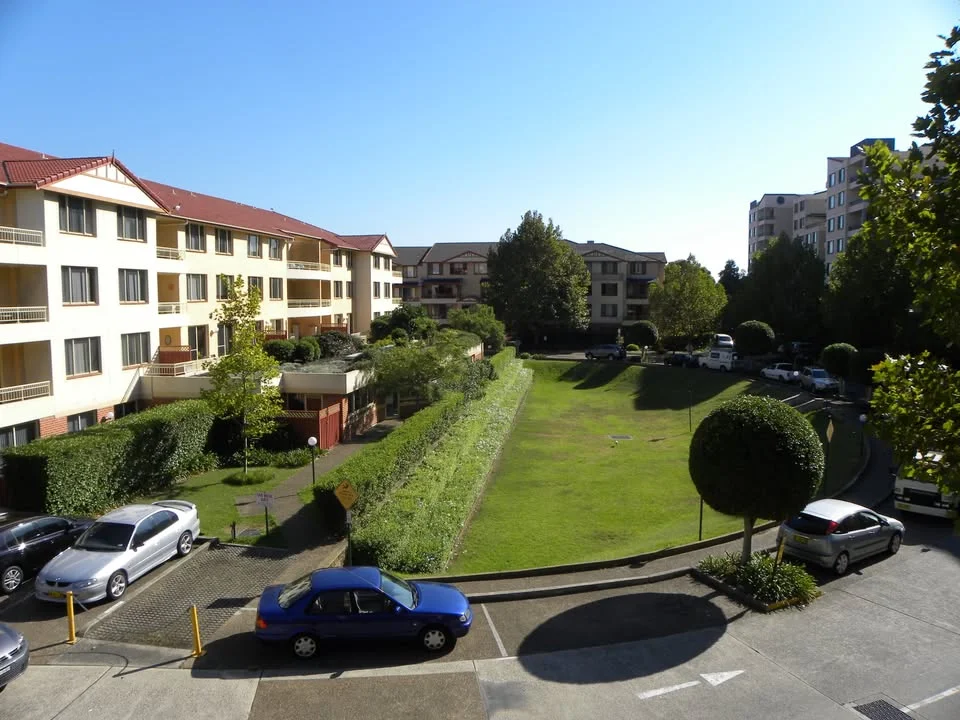 $990
Apartment / Unit / Flat
$990
Apartment / Unit / Flat
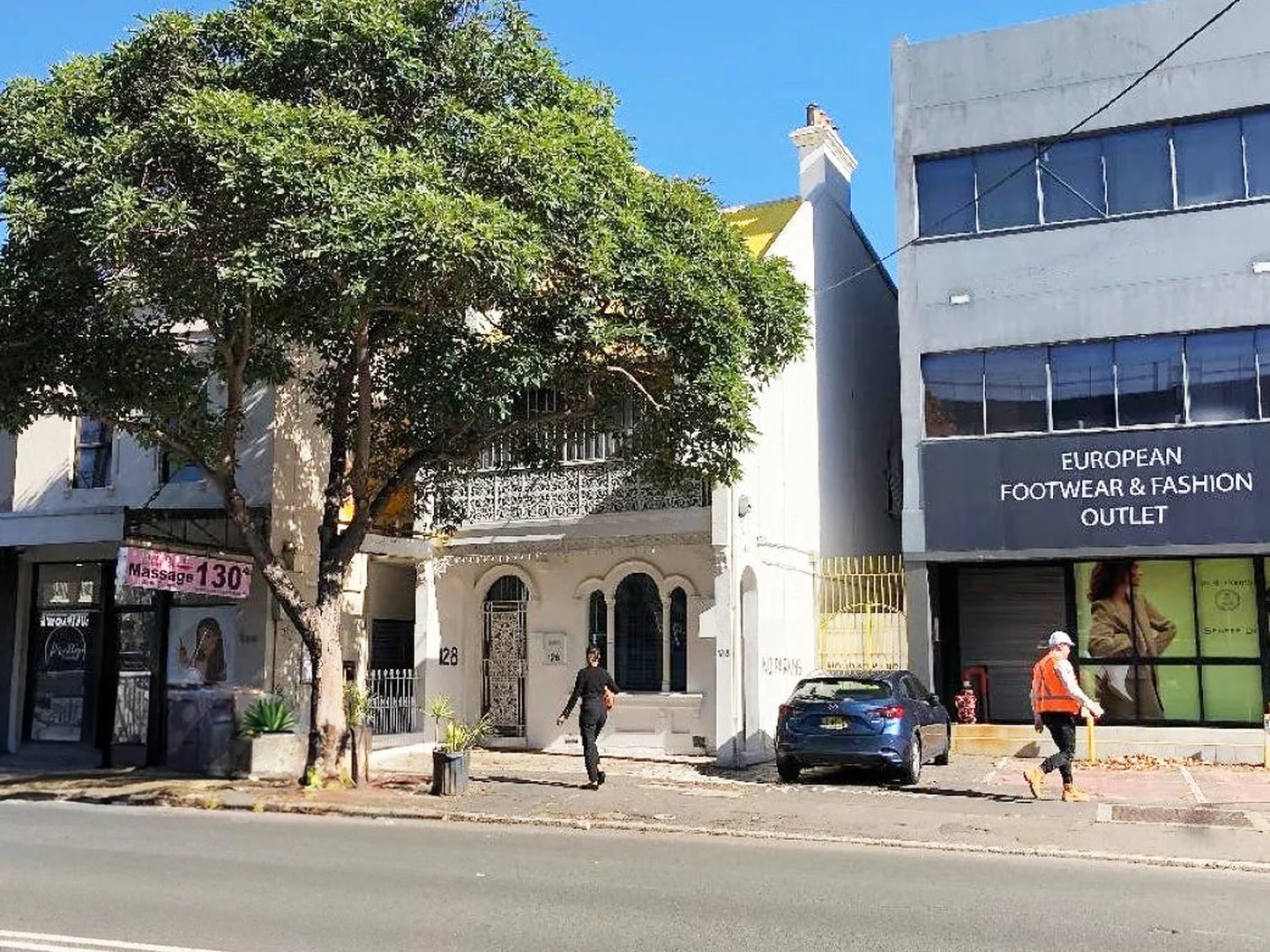 $3,900,000
House
$3,900,000
House
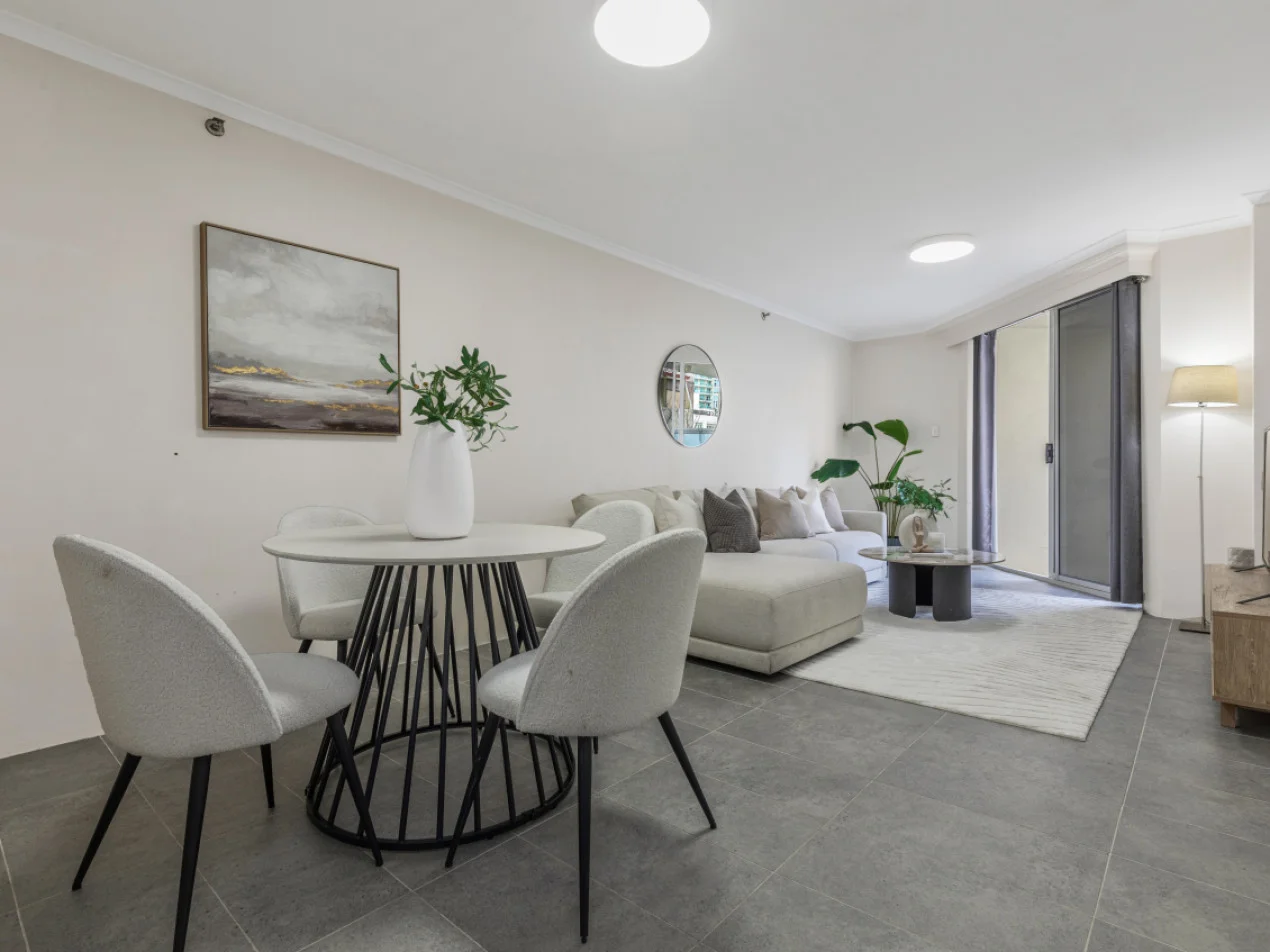 $640,000 - $675,000
Apartment / Unit / Flat
$640,000 - $675,000
Apartment / Unit / Flat
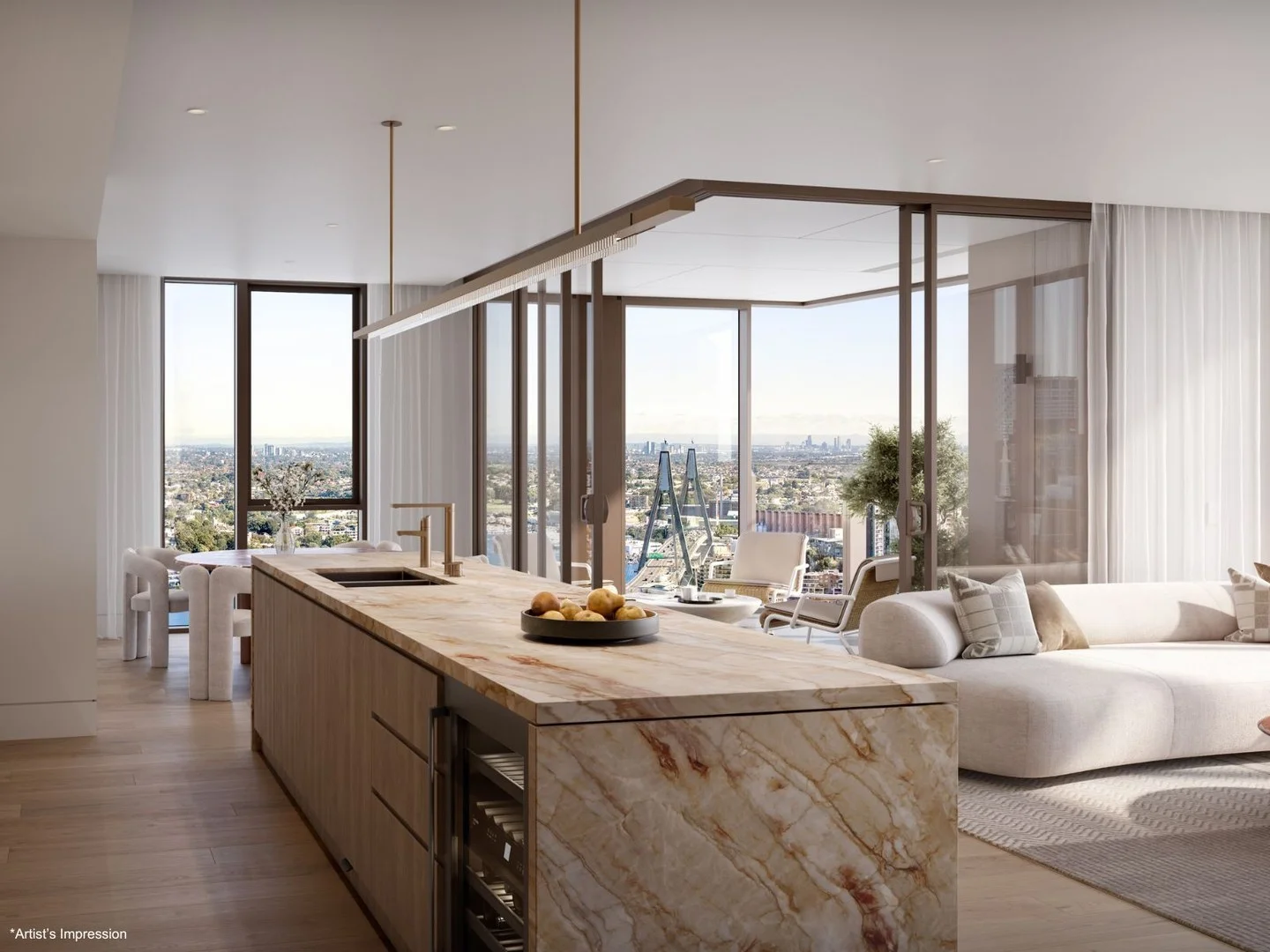 $9,020,000
propertyType.NEW APARTMENTS / OFF THE PLAN
$9,020,000
propertyType.NEW APARTMENTS / OFF THE PLAN
 $8,630,000
propertyType.NEW APARTMENTS / OFF THE PLAN
$8,630,000
propertyType.NEW APARTMENTS / OFF THE PLAN
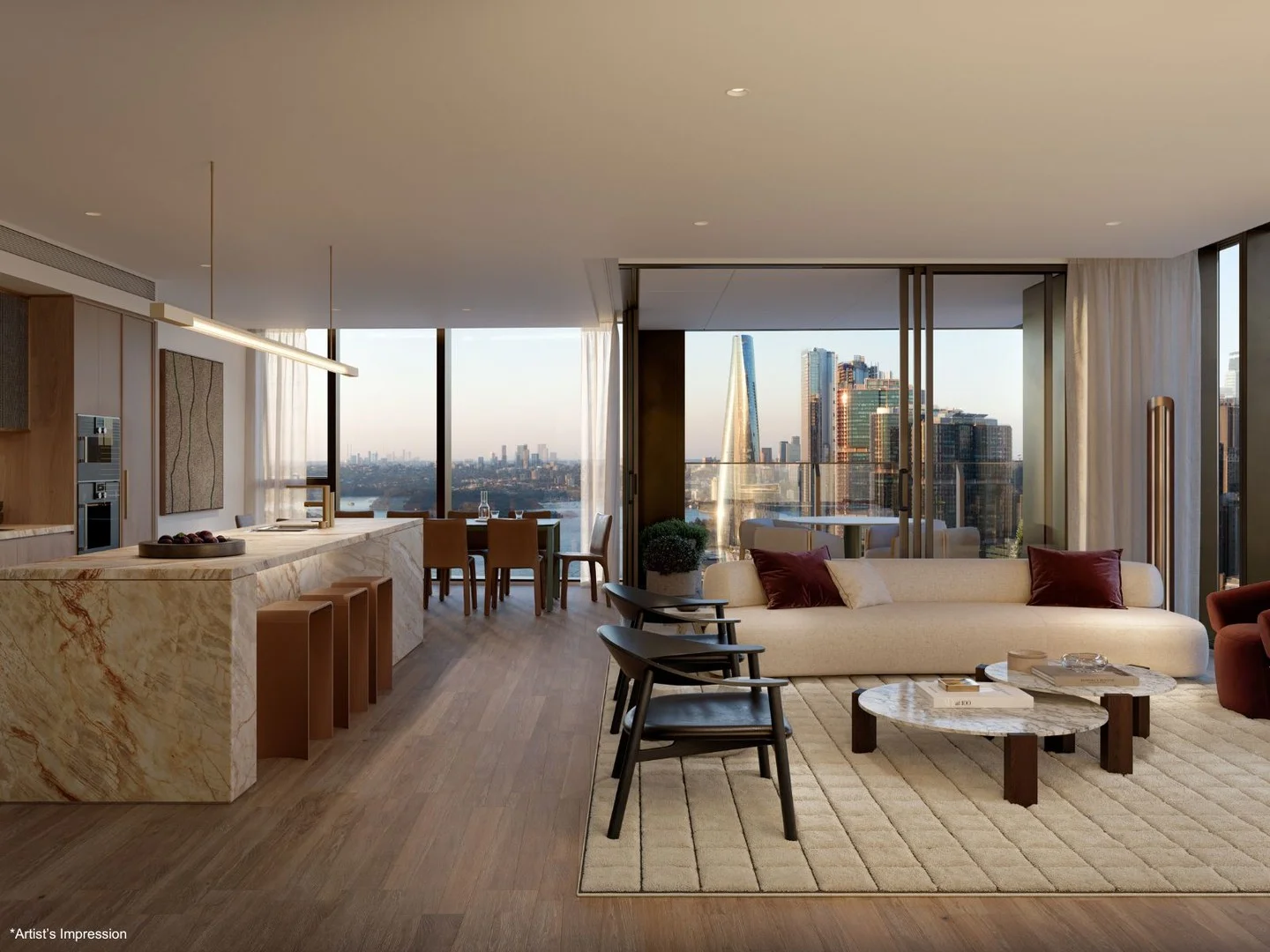 $12,980,000
propertyType.NEW APARTMENTS / OFF THE PLAN
$12,980,000
propertyType.NEW APARTMENTS / OFF THE PLAN
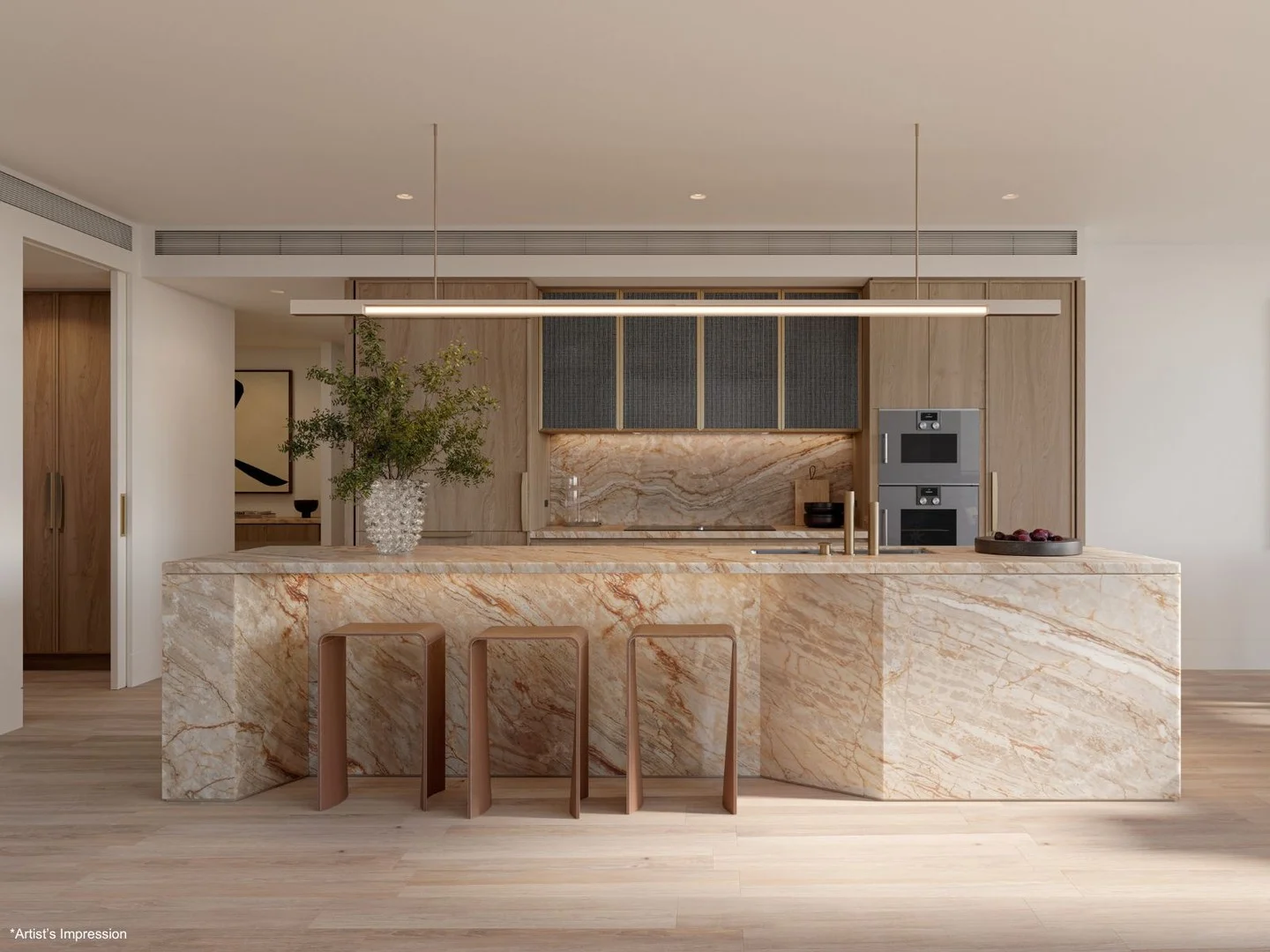 $6,225,000
propertyType.NEW APARTMENTS / OFF THE PLAN
$6,225,000
propertyType.NEW APARTMENTS / OFF THE PLAN
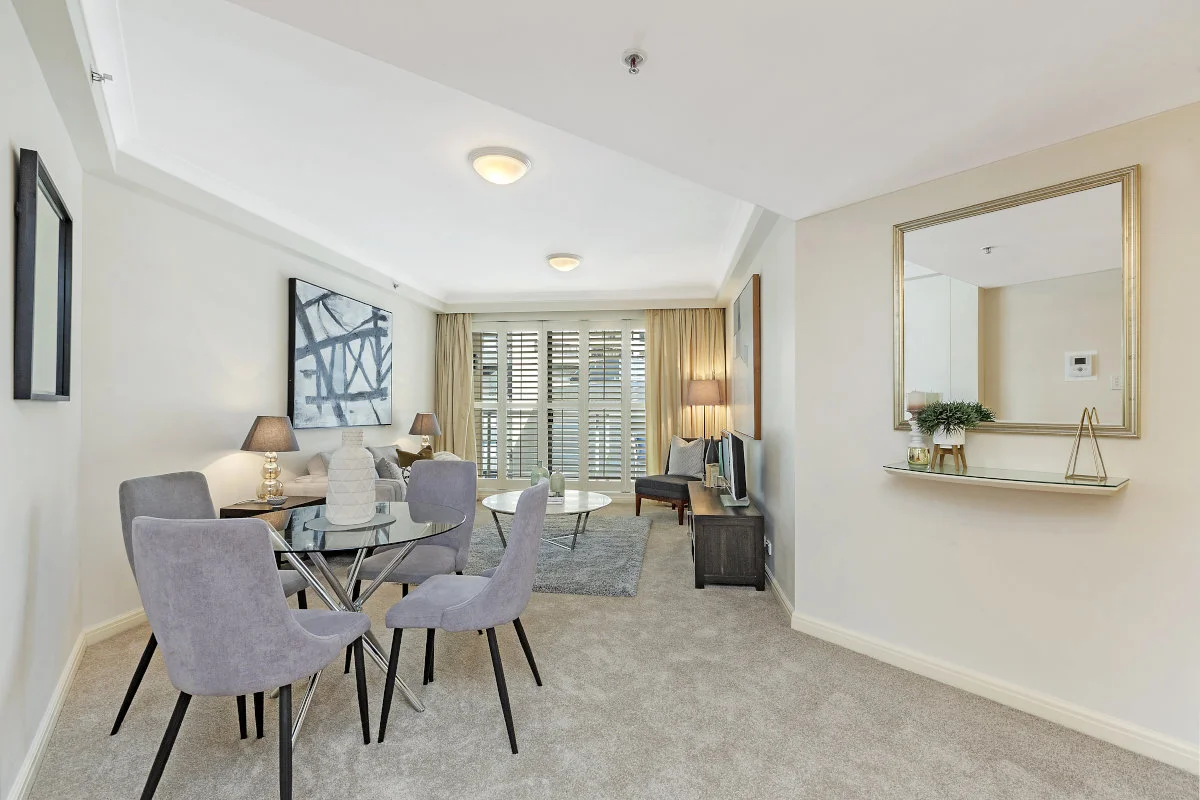 $660,000 - $725,000
Apartment / Unit / Flat
$660,000 - $725,000
Apartment / Unit / Flat