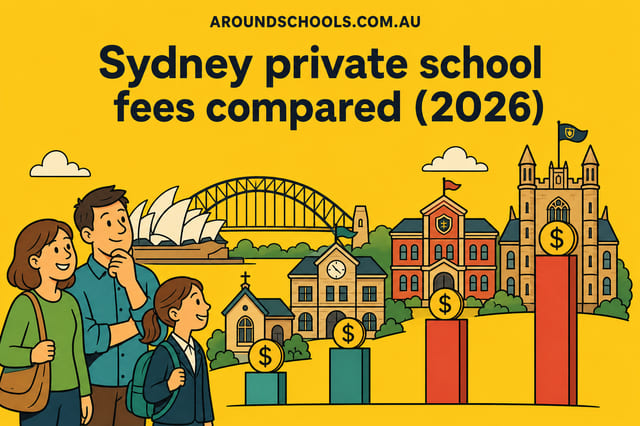
Overview
# 1. Overview
St Therese’s Catholic Primary School Denistone is a Catholic, co-educational primary school that offers a faith-centered, holistic education for students from Kindergarten to Year 6. As part of the Sydney Catholic Schools network, the school emphasises strong academic learning within a nurturing, faith-based community.
The school is typically described as small to medium in size, with classes that are designed to be supportive and engaging. Class sizes are generally kept conducive to interaction and individual attention, contributing to a warm, inclusive atmosphere where students are encouraged to grow academically, spiritually, and socially.
---
# 2. Academics & Learning
- Academic strengths: Focus on literacy and numeracy within a NSW curriculum framework, with an emphasis on writing, reading comprehension, and mathematical thinking. Religious education is integrated into the learning program to support values-based education alongside core subjects. There is attention to developing digital literacy and critical thinking skills as part of a well-rounded curriculum.
- Special programs: Curriculum aligned to NSW syllabuses with opportunities for enrichment and extension where available. Religious education and sacramental preparations are part of school life, contributing to student leadership, service, and community involvement.
- NAPLAN / trends: NSW Catholic primary schools typically monitor NAPLAN trends to inform teaching and learning. Expect a focus on steady improvement in literacy and numeracy over time, with targeted support where needed.
- Student-teacher ratios: Class sizes described as small to medium, supporting more direct teacher interaction. Overall student-teacher ratio tends to fall within typical primary ranges that enable individual support and classroom engagement.
- Support for diverse learners: Programs and supports for EAL (English as an Additional Language), as well as SEN (Special Education Needs) services or referrals as appropriate to help diverse learners succeed within the curriculum.
---
# 3. Sports & Extracurricular Strengths
- Sports offered: A range of primary-level sports such as soccer, netball, basketball, cricket, athletics, and swimming (seasonal). The school often participates in local and inter-school competitions or events.
- Strong teams or achievements: Participation in local and parish-level sport competitions is common, with opportunities for students to contribute to school teams and representative events as appropriate to their year level.
- Music, arts, drama programs: Music education, choir, and performing arts activities are encouraged, with opportunities to participate in school productions, concerts, and instrumental lessons where available.
- Clubs: Robotics, coding, chess, debating, and other academic or interest clubs are often offered or organized through after-school activities or lunch programs.
- Partnerships: Collaborations with local clubs, community groups, and regional competitions provide additional opportunities for sport, coding, robotics, and arts experiences.
---
# 4. Wellbeing & Pastoral Care
- Anti-bullying approach: An explicit anti-bullying policy and supportive programs aimed at fostering respectful relationships and a positive school climate.
- House system: A house system enhances belonging, team spirit, and cross-year collaboration through house activities and events.
- Counsellors / wellbeing officers: Access to school-based wellbeing support, with guidance for students facing social, emotional, or personal challenges.
- Transition support for new students: Orientation activities, buddy programs, and gradual integration strategies to help new students settle in smoothly.
---
# 5. Facilities
- Sports grounds: On-site or nearby pitches and fields suitable for a range of physical education activities.
- Libraries: A school library providing a quiet space for reading, research, and quiet study.
- Science labs: Dedicated spaces for hands-on science learning and experiments.
- Music/performing arts centers: Facilities for music practice, rehearsals, and small productions.
- Tech/innovation labs: Learning spaces that support technology and digital learning (coding, robotics, etc.).
- Cafeteria: On-site canteen or canteen services supporting healthy meal options.
- Updated playgrounds: Modern, age-appropriate play areas that encourage active play and outdoor learning.
---
# 6. School Values & Community Culture
- School values / mission: A mission rooted in Catholic education, emphasising faith, service, respect, honesty, and belonging.
- Leadership style: Inclusive, student-centered leadership with opportunities for student voice and leadership roles (e.g., student council or captain programs) alongside staff leadership.
- Behaviour expectations: Clear expectations around respect, responsibility, kindness, and integrity, reinforced through pastoral care programs and positive behavior supports.
- Community reputation: A close-knit school community with emphasis on family involvement, faith formation, and collaboration with parishes and local communities.
- Diversity & inclusion: Commitment to creating an inclusive environment that welcomes families from diverse backgrounds and supports diverse learners.
---
# 7. School Logistics & Daily Operations
- School hours: Typical primary school day with morning and afternoon sessions; start and finish times align with NSW norms.
- Before/after school care: Availability of after-school care programs or on-site arrangements through partner providers.
- Uniform requirements: Standard school uniform policies (with approved apparel) and clear guidelines for daily and event dress.
- Transport (train/bus routes): Access to public transport options and school-provided or school-endorsed transport information; details vary by year and resident location.
- Canteen availability: Canteen or canteen services providing a selection of meals and snacks on certain days.
- Fees (low/medium/high ranges): Catholic primary schools typically charge tuition or school fees and other levies; the level is generally described as moderate within the NSW private primary sector. Check current schedules with the school for exact figures.
---
# 8. Enrolment & Admissions
11. What is the enrolment process and timeline?
- Applications are typically submitted via an enrolment form with supporting documentation (e.g., birth certificate, baptism certificate, and family details). The school communicates timelines for assessment, interviews, and offers. There is usually a defined period for applications, followed by shortlisting and interviews, with offers issued within a specified timeframe.
12. Is there a waiting list, and how does it work?
- Waiting lists are common when places are limited. Families may be placed on a priority or general waitlist, with position determined by the school’s enrolment policy, availability, and sometimes parish/legacy considerations. Updates are typically provided by the enrolments team.
13. Are there any entry requirements, tests, or interviews?
- Entry often involves an interview or meeting with the principal or a member of the leadership team. Some Catholic primary schools may request baptism documentation or parish involvement as part of the enrolment considerations. Assessments or discussions may focus on fit with the school culture and readiness for the NSW curriculum.
14. Does the school accept mid-year transfers?
- Mid-year transfers are commonly considered if spaces are available. Applicants may need to provide academic records, reports, and a transfer clearance from their previous school. The school may conduct an interview or assessment to determine placement and readiness.
---
# 9. Frequently Asked Questions
- Why Parents Choose This School?
- A faith-filled, supportive community that focuses on holistic development, strong literacy and numeracy foundations, and opportunities for leadership and service.
- What type of student thrives at this school?
- Students who value community, faith-based education, active participation in both academics and extracurriculars, and a supportive environment where teachers know their names.
- What opportunities are available for students to extend their skills (academics, sports, arts)?
- Enrichment on core subjects, music and performing arts opportunities, sports teams and inter-school events, coding/robotics or debate clubs, and leadership roles.
- How does the school communicate with parents?
- Regular newsletters, parent-teacher interviews, social platforms or portals, and updates through the school website or app. Clear channels for feedback and enquiries are provided.
- What is the school’s approach to teaching and learning?
- A NSW curriculum-focused approach with faith integration, hands-on learning, collaborative activities, and opportunities for individualised support where needed.
- How does the school support students who need extra academic help?
- Targeted literacy and numeracy interventions, EAL support, SEN coordination, and referrals to specialist support as appropriate.
- What support is available for academic challenges?
- Early identification, personalised learning plans, differentiated instruction, and regular progress reviews to adjust instruction and supports.
- How does the school communicate with parents? (Note: duplicate question)
- See above: newsletters, events, and direct lines to teachers; access to student progress and school notices through official channels.
- What are the class sizes and how much individual attention do students receive?
- Class sizes are small to medium, designed to enable more teacher-student interaction and timely feedback. Individual attention is supported by monitoring and targeted teaching strategies.
- What extracurricular and sports opportunities are available?
- Sports teams (e.g., soccer, netball, cricket, athletics), music and performing arts, and clubs such as robotics, coding, chess, and debating, with opportunities to participate in local and inter-school events.
- What facilities does the school offer (sports, science, arts)?
- Sports grounds, library, science labs, music/performing arts spaces, technology and innovation spaces, canteen, and well-maintained playgrounds.
- What is the school’s approach to technology and digital learning?
- Integration of digital literacy across the curriculum, access to technology labs or devices for learning, and coding or robotics activities as part of appropriate year-level programs.
- What transport and accessibility options are available?
- Information on transport options and accessibility is provided by the school and local networks; families are encouraged to check current routes and services.
- What are the typical school fees or additional costs?
- Fees and incidental costs vary by year and program. The school will provide a detailed fee schedule on request or via the enrolment pack.
---
# 10. Short Pros & Cons list
- Pros
- Strong sense of community and faith-based values
- Small to medium class sizes fostering personalized attention
- Holistic focus on academics, wellbeing, and character
- Broad range of extracurriculars including sports, arts, and clubs
- Support for diverse learners and inclusive practices
- Cons
- As a private/Catholic school, fees apply and may be higher than public options
- Availability of places may be limited; potential for waiting lists
- Transport options depend on location and may require planning
- Specific programs and facilities can vary year to year and should be confirmed with the school








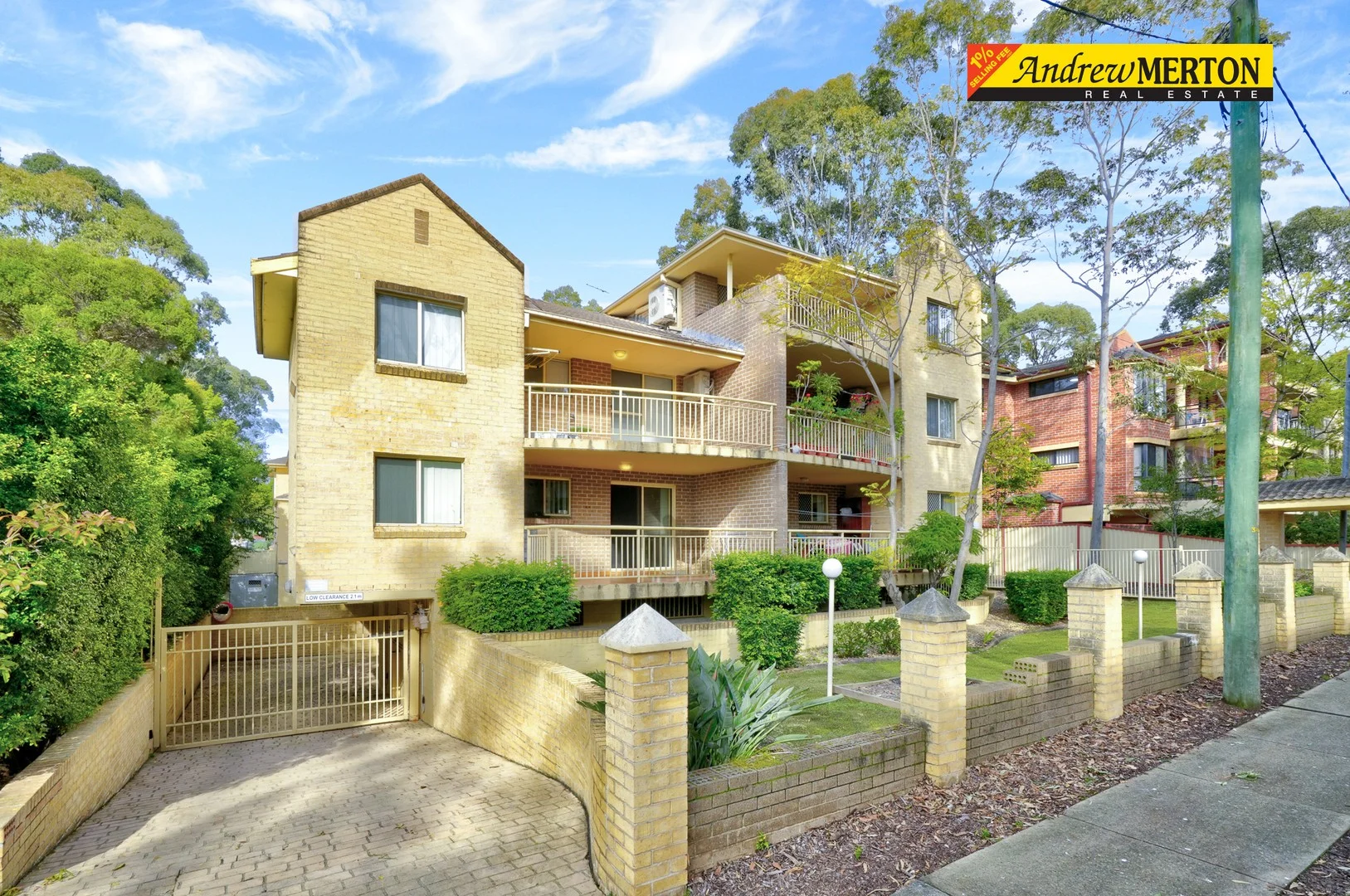 $530,000
Apartment / Unit / Flat
$530,000
Apartment / Unit / Flat
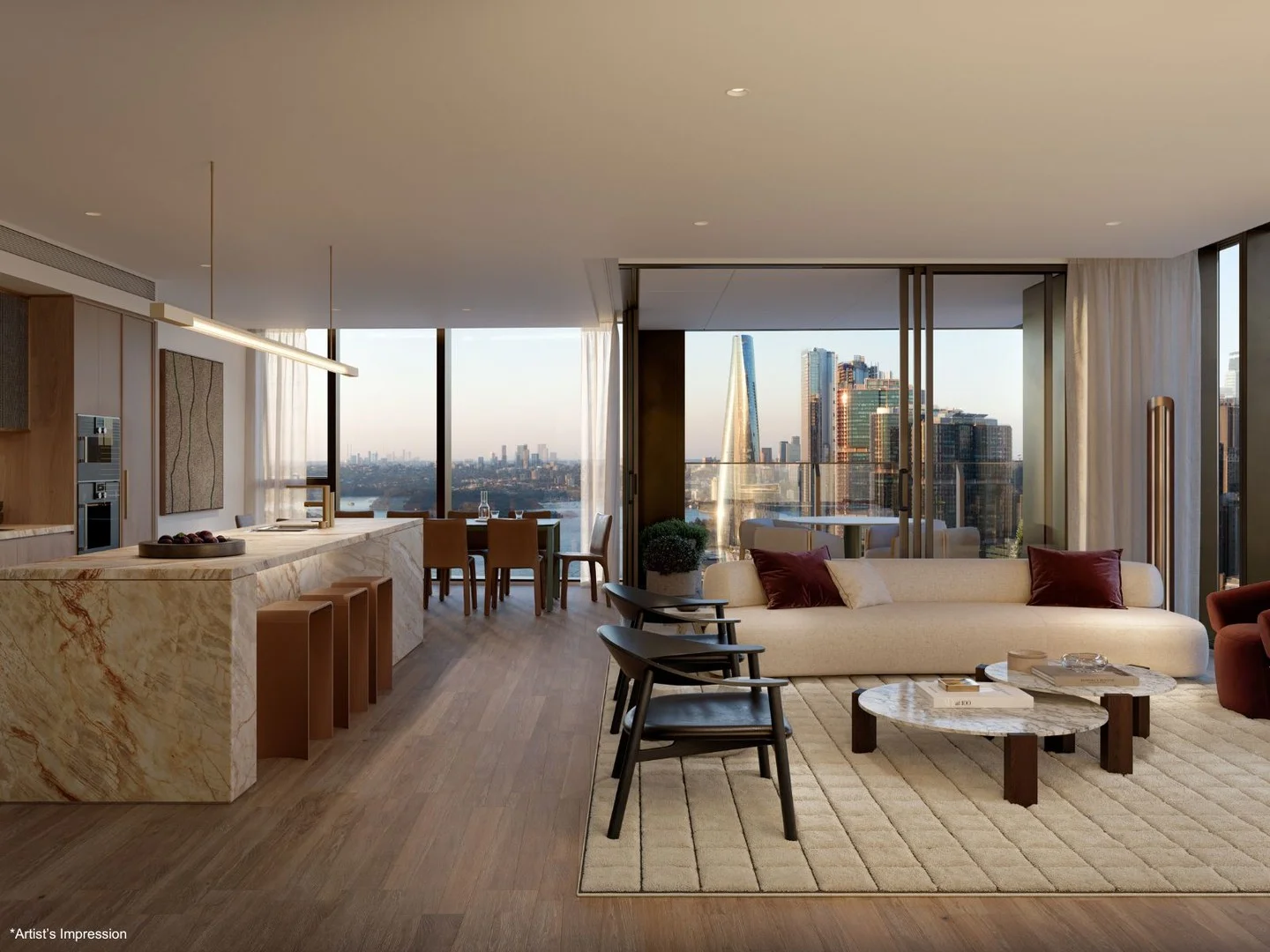 $12,980,000
propertyType.NEW APARTMENTS / OFF THE PLAN
$12,980,000
propertyType.NEW APARTMENTS / OFF THE PLAN
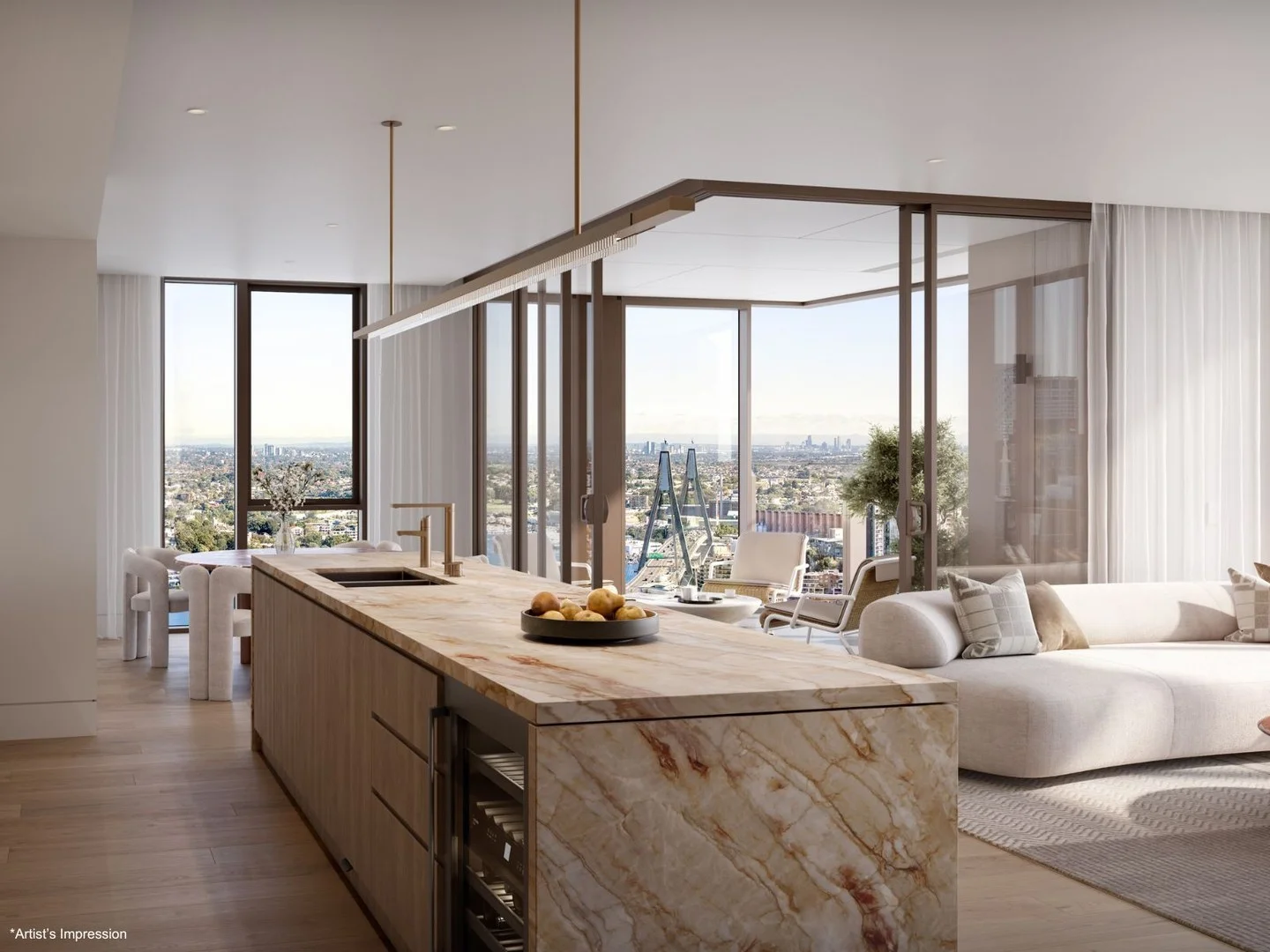 $9,020,000
propertyType.NEW APARTMENTS / OFF THE PLAN
$9,020,000
propertyType.NEW APARTMENTS / OFF THE PLAN
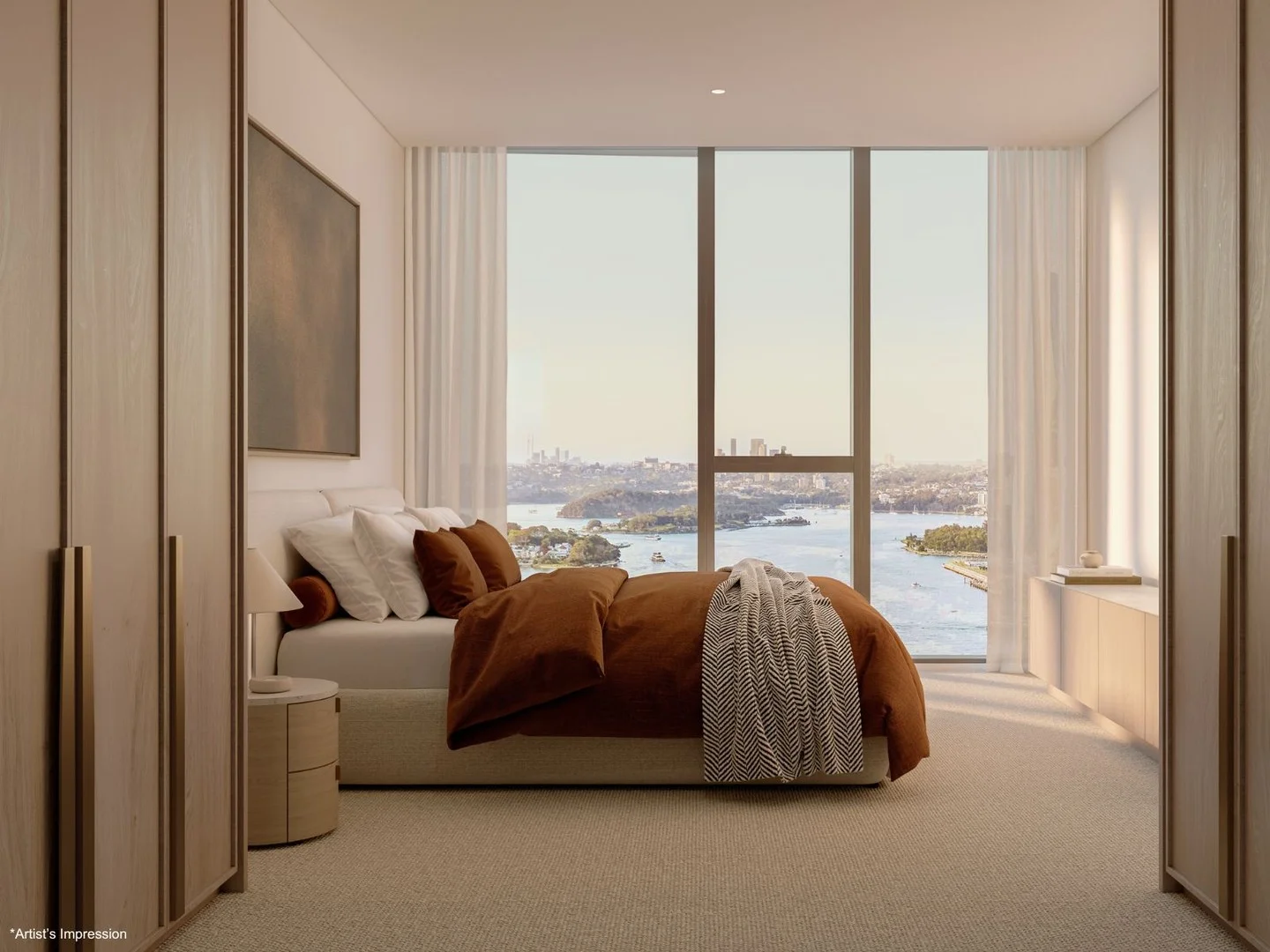 $8,630,000
propertyType.NEW APARTMENTS / OFF THE PLAN
$8,630,000
propertyType.NEW APARTMENTS / OFF THE PLAN
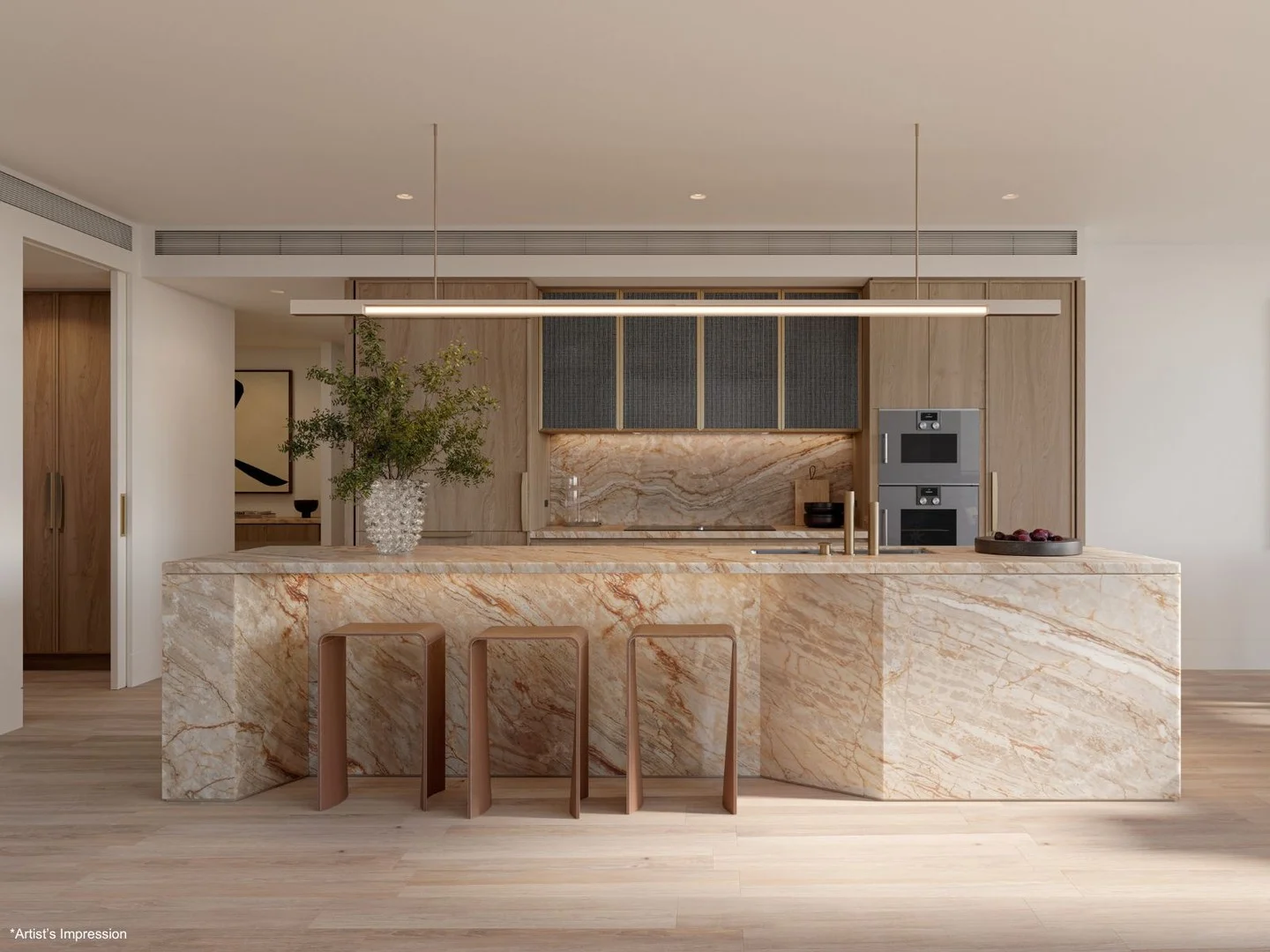 $6,225,000
propertyType.NEW APARTMENTS / OFF THE PLAN
$6,225,000
propertyType.NEW APARTMENTS / OFF THE PLAN
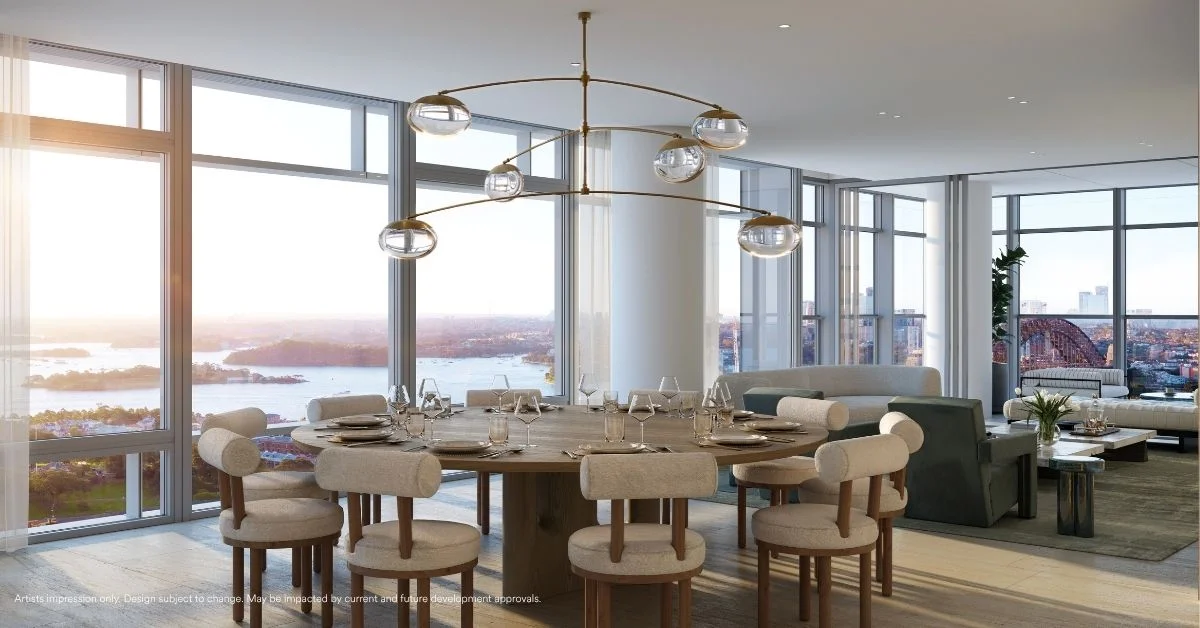 $26,550,000
propertyType.NEW APARTMENTS / OFF THE PLAN
$26,550,000
propertyType.NEW APARTMENTS / OFF THE PLAN
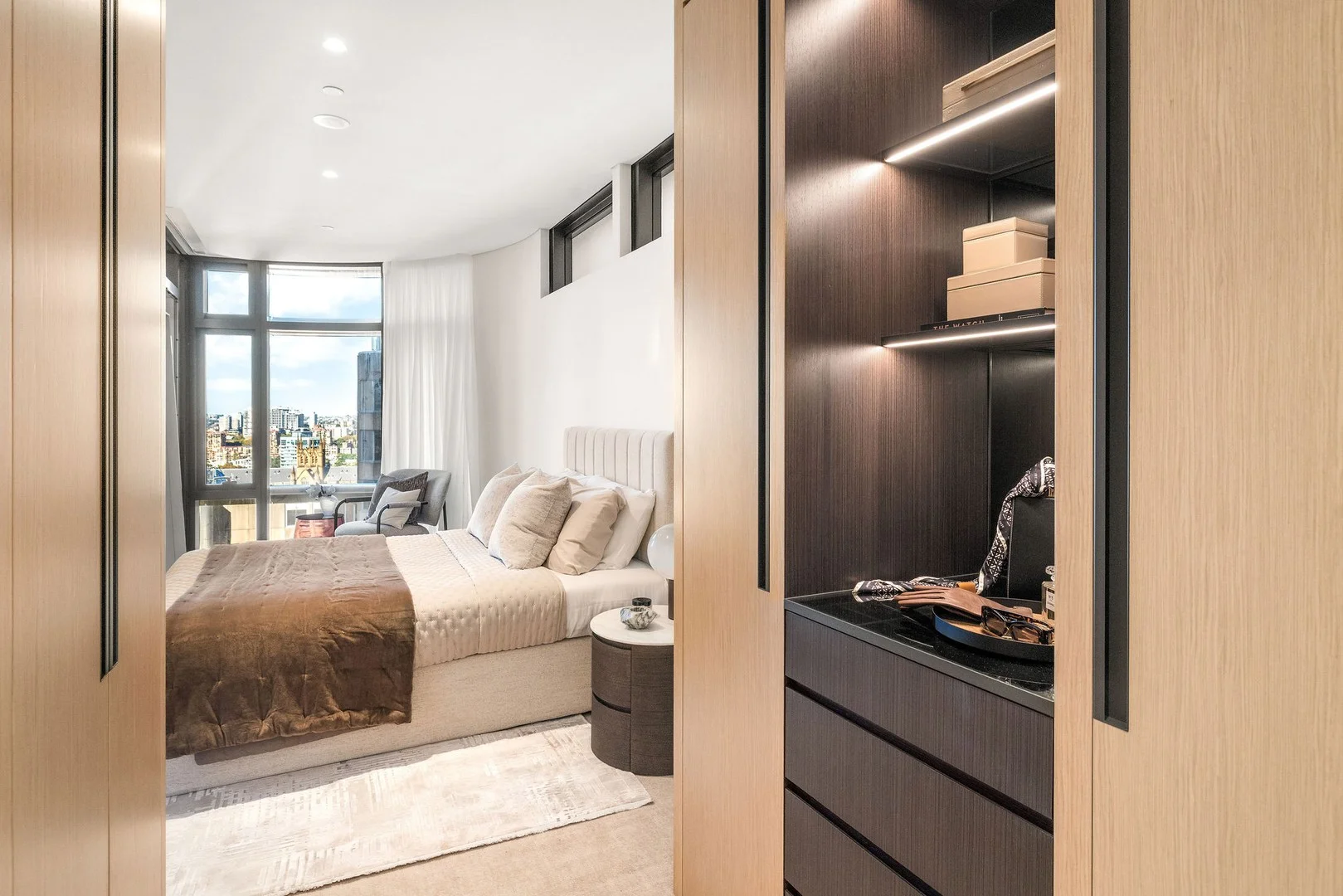 $2,745,000
propertyType.NEW APARTMENTS / OFF THE PLAN
$2,745,000
propertyType.NEW APARTMENTS / OFF THE PLAN
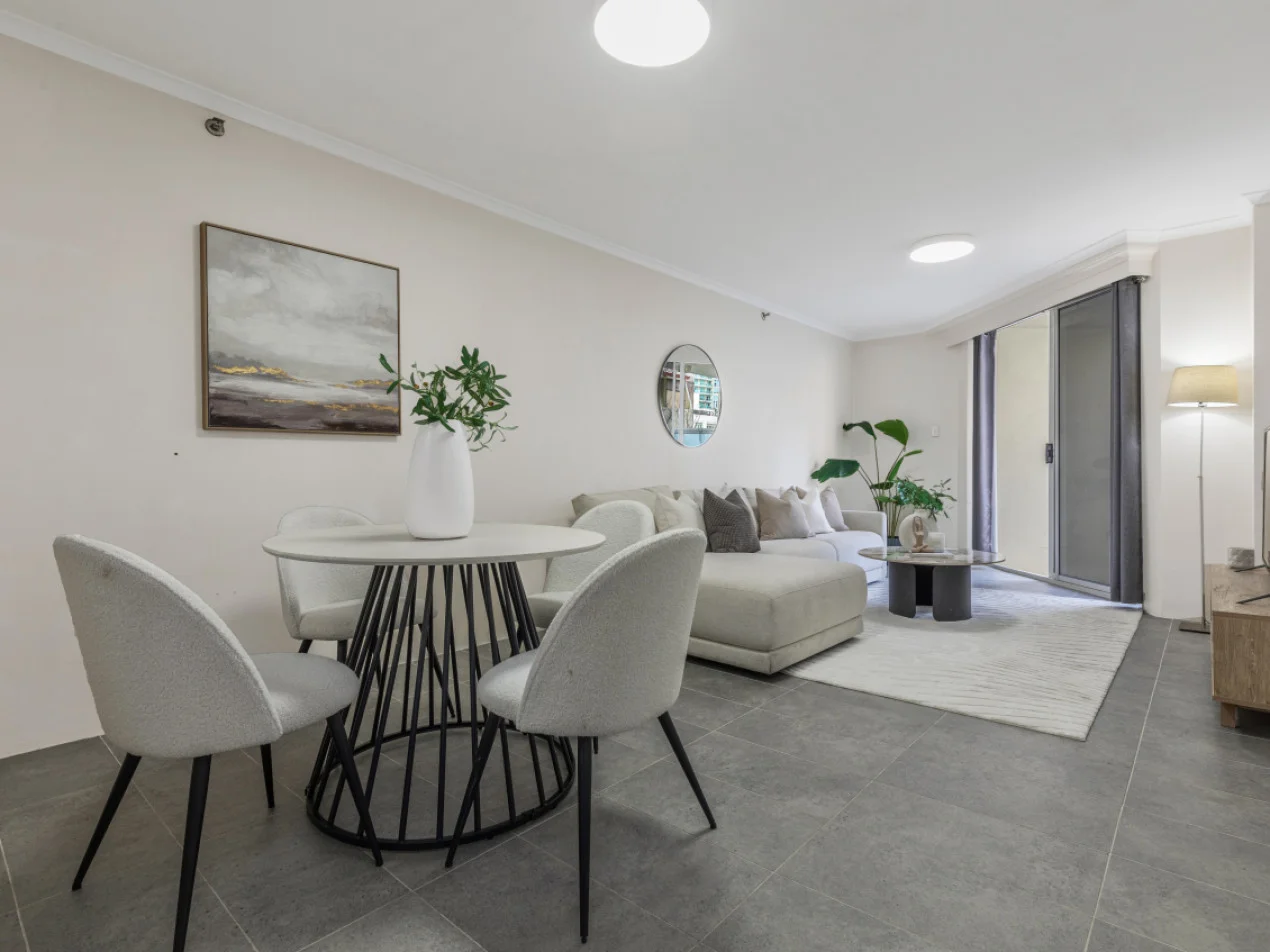 $640,000 - $675,000
Apartment / Unit / Flat
$640,000 - $675,000
Apartment / Unit / Flat
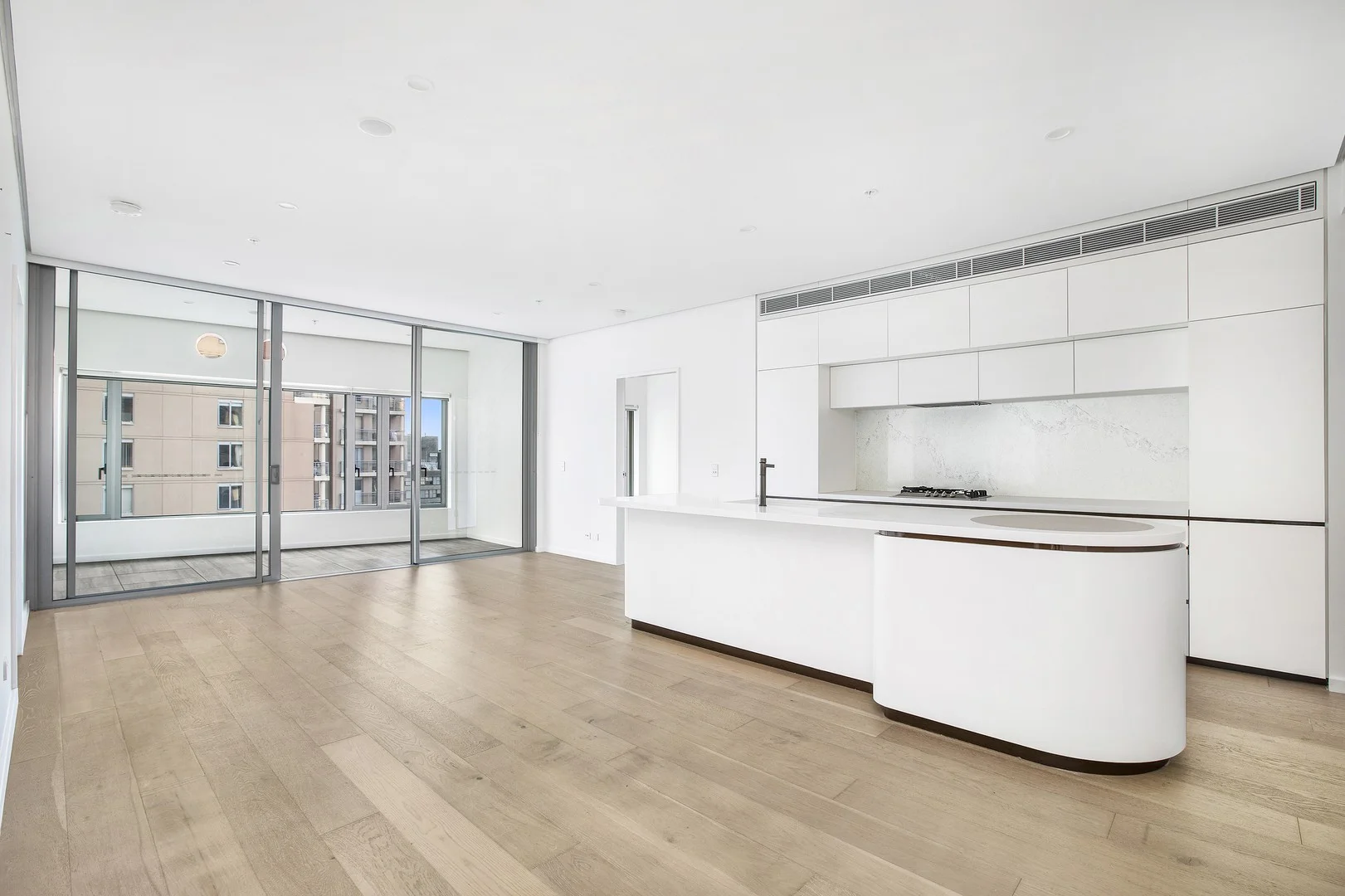 $2,250,000
Apartment / Unit / Flat
$2,250,000
Apartment / Unit / Flat