Overview
## 1. Overview
St Michael's School, Ashburton is a Catholic primary school in Melbourne’s eastern suburbs. The school offers a co-educational Prep–Year 6 program with a faith-informed, values-driven approach to learning. Class sizes are typically small to medium, allowing teachers to give close attention to individual students and support a collaborative, caring classroom culture. The atmosphere is nurturing, inclusive, and active in faith formation, with a strong sense of community among students, families, and staff.
As a Catholic school, the emphasis is on academic growth alongside personal and spiritual development, with a focus on service, respect, and belonging within a supportive school community.
---
## 2. Academics & Learning
- Academic strengths: emphasis on literacy and numeracy, with opportunities to engage in STEM-inspired learning, inquiry-based projects, and cross-curricular activities. English and language development are central, along with opportunities to explore languages or LOTE where offered.
- Special programs: religious education is integral, with faith formation and sacramental preparation as part of the school experience. Where available, enrichment and targeted learning supports help students extend their learning and address diverse needs.
- NAPLAN trends: publicly available data may be referenced in annual reports or Catholic education summaries; families can review the latest published trend data to understand literacy and numeracy progress over time.
- Student-teacher ratios: classrooms are designed to foster close interaction between students and teachers, supporting differentiated instruction and individual attention.
- Support for diverse learners: programs and staff support for diverse learners, including EAL (English as an Additional Language) and SEN (special education needs) through targeted interventions and inclusive teaching practices.
---
## 3. Sports & Extracurricular Strengths
- Sports offered: a range of team and individual sports typical of Australian primary schools, such as basketball, netball, soccer/football, AFL-style activities, and athletics, with opportunities for school-wide events and inter-school participation.
- Strong teams or achievements: involvement in inter-school sports and competitions; emphasis on teamwork, sportsmanship, and consistent participation across year levels.
- Music, arts, drama programs: ongoing music and performing arts activities, school performances, and opportunities to engage in choir or instrumental lessons.
- Clubs: robotics, chess, coding, debating, and other academic or creative clubs are commonly available to broaden student interests.
- Partnerships: connections with local clubs, community groups, and competitive or festival events within the region; participation in archdiocesan or inter-school activities is encouraged.
---
## 4. Wellbeing & Pastoral Care
- Anti-bullying approach: a clear anti-bullying policy, a culture of respect, and restorative practices to support positive relationships.
- House system: a house-based program fosters belonging, healthy competition, and teamwork across year levels.
- Counsellors / wellbeing officers: access to wellbeing staff to support emotional health, resilience, and social development.
- Transition support for new students: orientation activities, buddy or mentoring programs, and targeted support to help students settle in smoothly.
---
## 5. Facilities
- Sports grounds: on-site sports facilities or access to nearby playing fields suitable for PE and games.
- Libraries: a dedicated library space supporting reading, research, and independent learning.
- Science labs: equipped spaces for practical science activities and experiments.
- Music/performing arts centers: venues and spaces for music lessons, rehearsals, and performances.
- Tech/innovation labs: technology-enabled learning spaces for digital projects and hands-on STEAM activities.
- Cafeteria: on-site canteen or dining area offering healthy meal options.
- Updated playgrounds: well-maintained outdoor play areas supporting active play and outdoor learning.
---
## 6. School Values & Community Culture
- School values / mission: a faith-based mission focusing on faith, learning, service, and community.
- Leadership style: a collaborative leadership approach that involves teachers, staff, and some student leadership opportunities; emphasis on role modeling and service.
- Behaviour expectations: clear conduct policies reflecting respect, responsibility, and integrity; emphasis on restorative approaches and positive reinforcement.
- Community reputation: a supportive, family-friendly culture with active parent involvement and strong ties to the local parish and broader school community.
- Diversity & inclusion: deliberate efforts to create an inclusive environment that respects and supports diverse backgrounds and needs.
---
## 7. School Logistics & Daily Operations
- School hours: typical primary school day from morning start to afternoon finish, with scheduled breaks; precise times are available in the school calendar.
- Before/after school care: options or partnerships for before/after care services are available to accommodate families.
- Uniform requirements: school uniform is worn; details on the uniform policy and suppliers are provided by the school.
- Transport (train/bus routes): public transport options and school pick-up/drop-off considerations are discussed with families; local routes and schedules are available.
- Canteen availability: a canteen or vending provisions are available, offering healthy options aligned with school policy.
- Fees (low/medium/high ranges): Catholic primary schools typically charge annual tuition/levies with varying levels; families are encouraged to request a current fee schedule for exact amounts and any additional costs (camps, excursions, materials).
---
## 8. Enrolment & Admissions
11. What is the enrolment process and timeline?
- Submit an expression of interest or formal application to the school (often via the regional Catholic education system).
- Provide required documents (birth certificate, immunisation records, baptism information where applicable, proof of address).
- Family interview and/or school tour may be part of the process.
- Notification of enrolment decisions follows the school’s timeline, with offers typically aligned to intake periods (Prep in the year prior to starting).
12. Is there a waiting list, and how does it work?
- Waiting lists are common where vacancies are limited; priority may be given to siblings, parish/feeder families, or depending on space. The school will provide a clear explanation of waiting list processes and expected waiting times.
13. Are there any entry requirements, tests, or interviews?
- Entry often includes an application and an interview or information session. Some Catholic schools may consider prior school reports and community fit; testing is not always required for primary admissions, but interview conversations help assess readiness and alignment with the school’s values.
14. Does the school accept mid-year transfers?
- Mid-year transfers may be possible depending on vacancies and space in relevant year levels; families should contact the school as early as possible to discuss availability and transitional plans.
---
## 9. Frequently Asked Questions
- Why Parents Choose This School?
- A strong faith-based community, supportive learning environment, small-to-medium class sizes, and a focus on holistic development.
- What type of student thrives at this school?
- Students who value a caring community, are motivated to grow academically while developing faith-based values, and benefit from supportive differentiation and pastoral care.
- What opportunities are available for students to extend their skills (academics, sports, arts)?
- Enrichment programs, STEM-inspired activities, literacy and numeracy supports, music and performing arts programs, and a range of sports and clubs (robotics, coding, debating, chess).
- How does the school communicate with parents?
- Regular newsletters, parent portals or communications platforms, parent-teacher interviews, and updates through the school community channels.
- What is the school’s approach to teaching and learning?
- Differentiated instruction that combines faith-based values with evidence-based practice, inquiry-based learning, and opportunities for collaboration and critical thinking.
- How does the school support students who need extra academic help?
- Targeted interventions, EAL/SEN support, small-group or one-on-one assistance, and access to the learning support team.
- What support is available for academic challenges?
- Early identification, learning support plans, extra practice resources, and ongoing communication with families about progress and plans.
- How does the school communicate with parents? (Repeat)
- See above: newsletters, portals, interviews, and ongoing correspondence.
- What are the class sizes and how much individual attention do students receive?
- Class sizes are small to medium, designed to enable close teacher-student interaction and differentiation within the classroom.
- What extracurricular and sports opportunities are available?
- A range of sports, music and arts programs, and clubs such as robotics, chess, coding, and debating, with pathways to inter-school events.
- What facilities does the school offer (sports, science, arts)?
- Dedicated spaces for sport, library, science labs, music/arts facilities, tech/innovation labs, cafeteria, and updated outdoor play areas.
- What is the school’s approach to technology and digital learning?
- Integration of technology in learning, with appropriate digital literacy, classroom devices or BYOD considerations, and age-appropriate online learning tools.
- What transport and accessibility options are available?
- Public transport access and school-arranged pickup/drop-off considerations; information on specific routes and accessibility features is provided by the school.
- What are the typical school fees or additional costs?
- Fee structures vary by year level and program; check the current fee schedule for exact amounts and any extra costs for camps or excursions.
---
## 10. Short Pros & Cons list
- Pros
- Catholic, values-driven education with a supportive, nurturing culture
- Small-to-medium class sizes enabling individualized attention
- Broad range of academic, arts, and sports opportunities
- Strong wellbeing and pastoral care, including transition support
- Active community and family involvement
- Cons
- Fees typical of non-government Catholic primary schools (variable by year and program)
- Space and intake may limit mid-year transfers or non-sibling admissions in some years
- Availability of certain programs (e.g., language offerings or specific enrichment) can vary by year and staffing











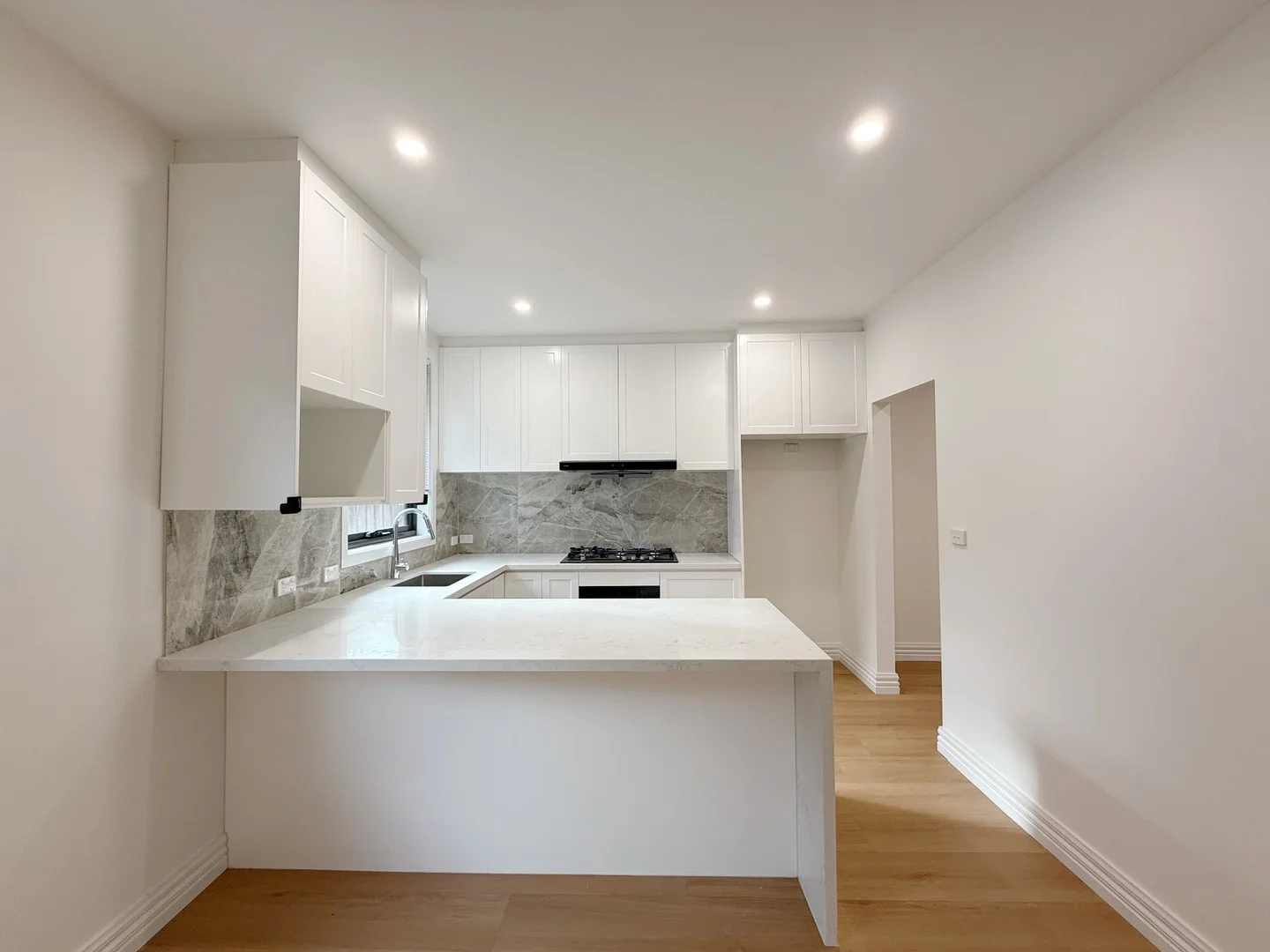 $1,280
House
$1,280
House
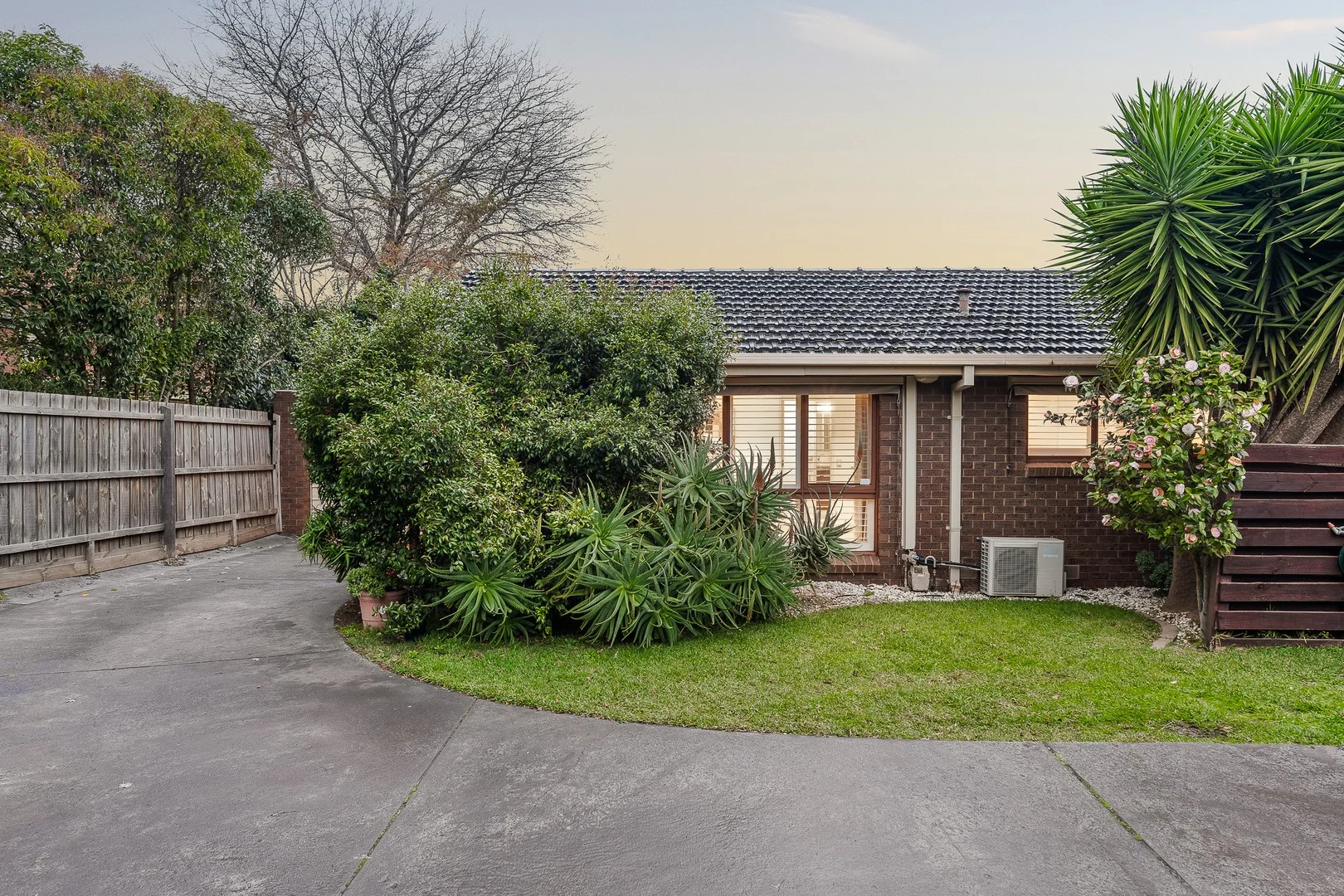 $770,000 - $820,000
Apartment / Unit / Flat
$770,000 - $820,000
Apartment / Unit / Flat
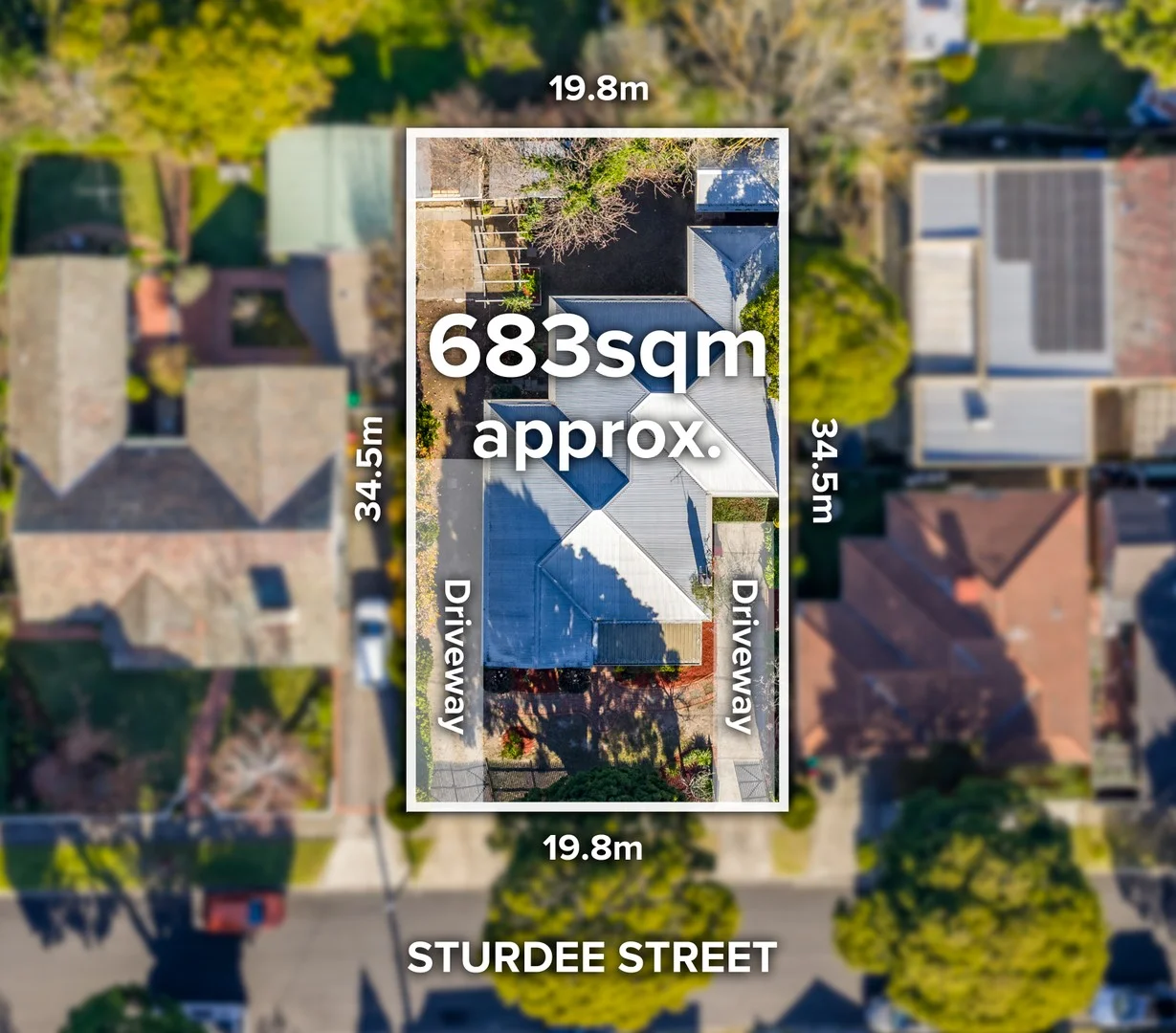 $2,000,000
House
$2,000,000
House
 $1,250,000
Apartment / Unit / Flat
$1,250,000
Apartment / Unit / Flat
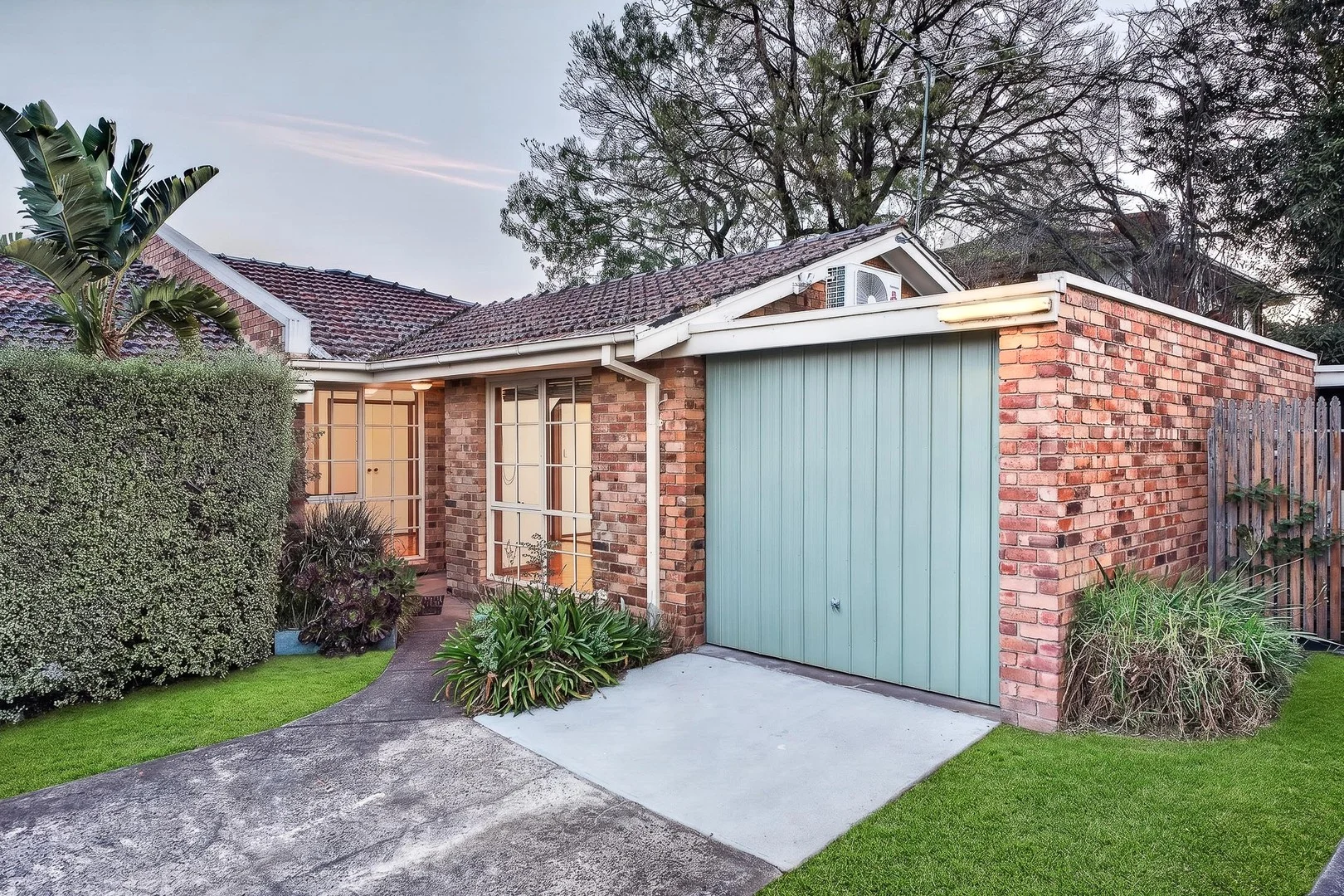
 $630,000 - $680,000
Apartment / Unit / Flat
$630,000 - $680,000
Apartment / Unit / Flat
 $765,000 - $825,000
Apartment / Unit / Flat
$765,000 - $825,000
Apartment / Unit / Flat
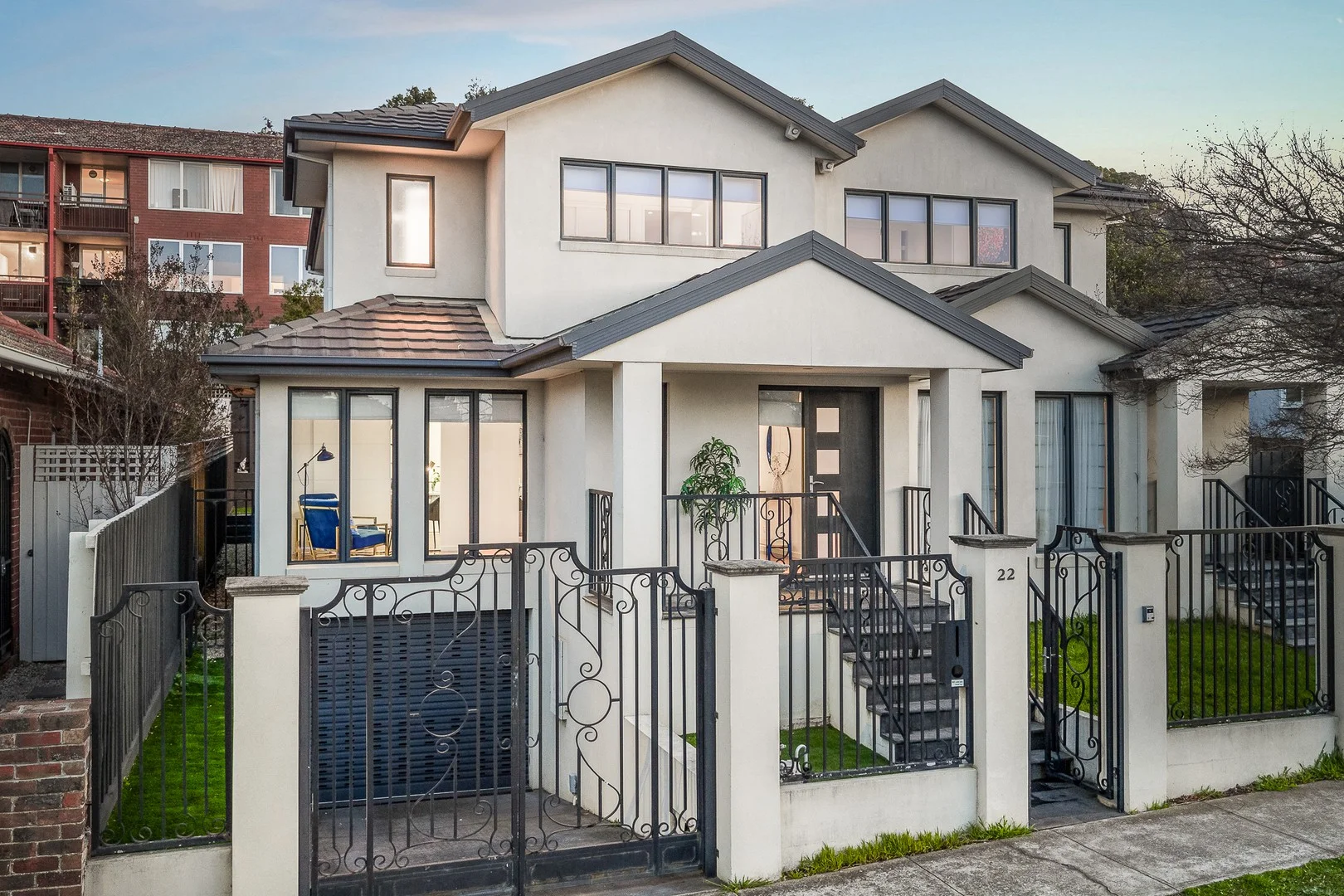 $2,390,000
Townhouse
$2,390,000
Townhouse
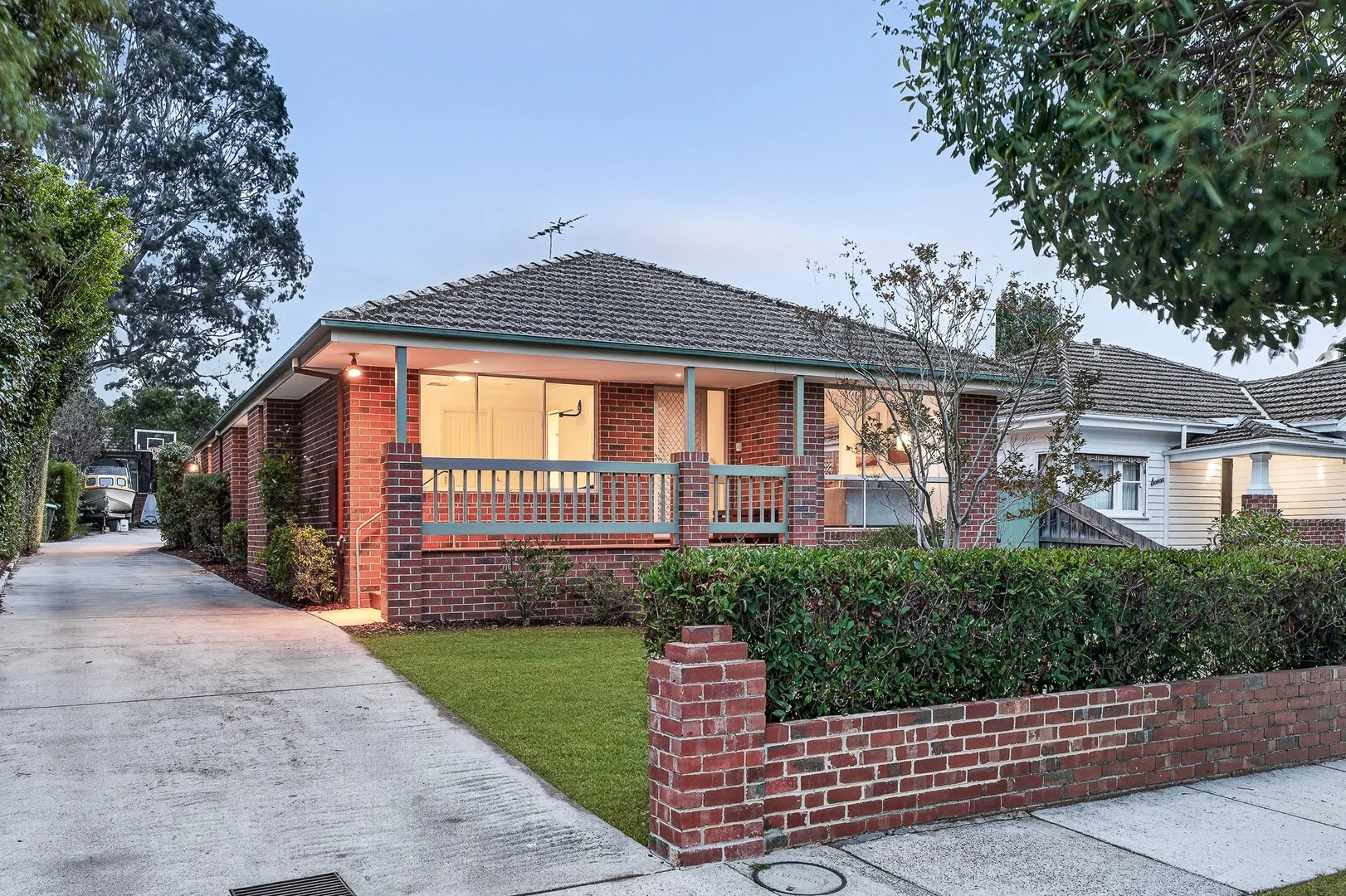 $1,200,000 - $1,300,000
House
$1,200,000 - $1,300,000
House
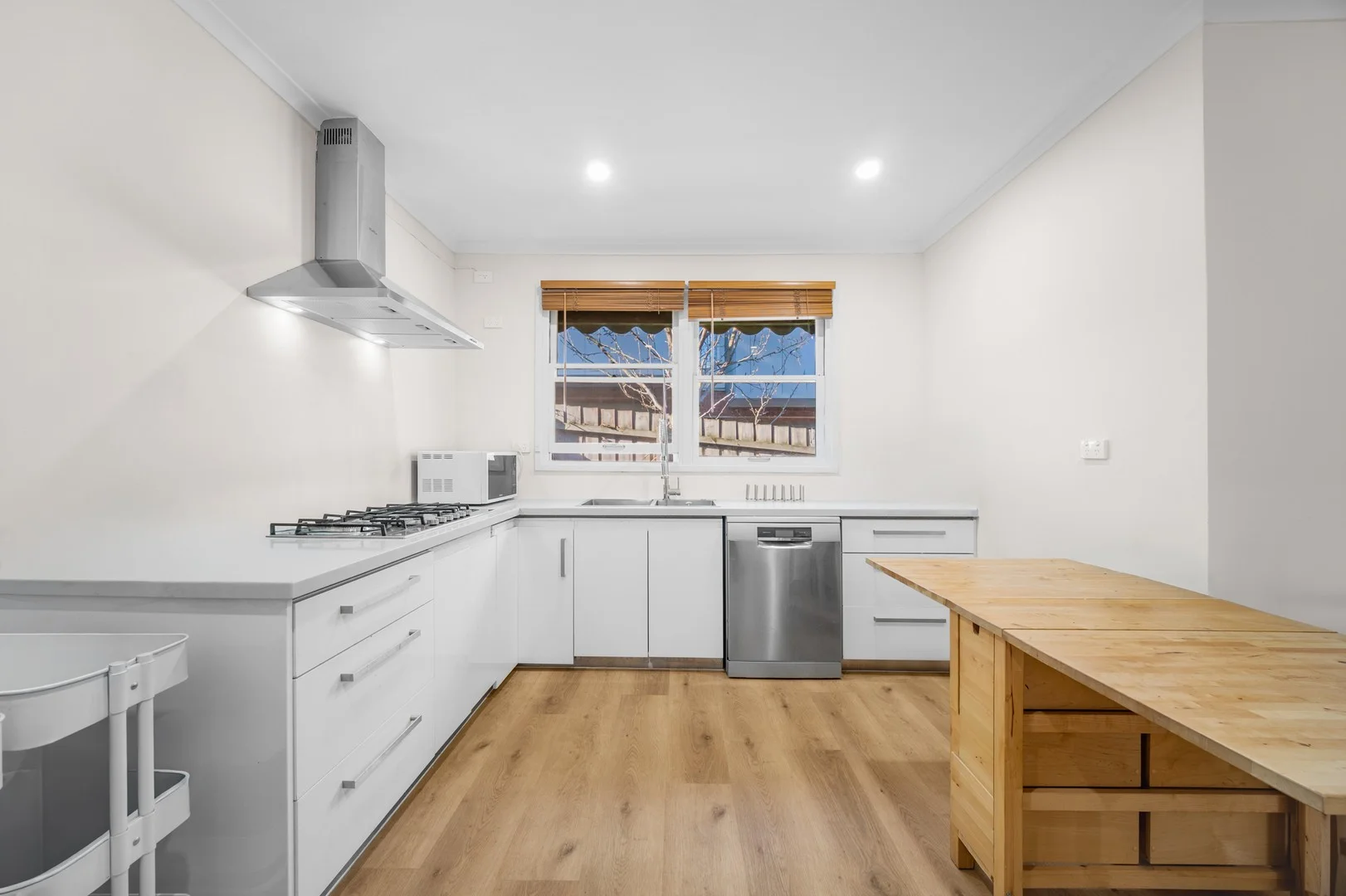 $680
Apartment / Unit / Flat
$680
Apartment / Unit / Flat