Overview
## 1. Overview
St Vincent’s College, Ashfield is a Catholic systemic high school serving secondary students with a focus on faith-based education, academic growth and community values. The college fosters a welcoming, inclusive atmosphere where students are encouraged to develop academically, socially and spiritually within a supportive learning environment.
- School type: Catholic (systemic)
- School size: Medium
- Class size: Generally around 22–25 students per class
- Atmosphere/culture: Nurturing, inclusive, academically focused with a strong sense of community and sport
---
## 2. Academics & Learning
The college offers a broad Australian curriculum with emphasis on core literacy and numeracy, STEM, humanities, and languages, supported by programs that promote leadership and personal growth.
- Academic strengths: English, Mathematics, Science, Humanities, and Languages; strong emphasis on STEM and leadership development
- Special programs: Curriculum supports accelerated/advanced learning pathways; opportunities for leadership roles and involvement in senior study options (ATAR pathways)
- NAPLAN / trends: Recent years show stable to improving performance in reading and numeracy with a focus on lifting outcomes for all students
- Student-teacher ratios: Typical ratio around 1:12–1:16, enabling meaningful teacher-student interaction
- Support for diverse learners: Learning Support Unit, targeted interventions, EAL support, and plans to assist students with additional learning needs
---
## 3. Sports & Extracurricular Strengths
Extracurriculars are a strong focus, with broad opportunities across sports, arts and clubs.
- Sports offered: Rugby, soccer, basketball, cricket, athletics, swimming, tennis, cross-country, and other inter-school activities
- Strong teams or achievements: Regular involvement in school and regional competitions with dedicated coaching and team development
- Music, arts, drama programs: Active music ensembles, school drama productions and performance opportunities
- Clubs: Robotics, chess, coding, debating and other academic/interest clubs
- Partnerships: Local competition affiliations and collaborative events with nearby schools and community groups
---
## 4. Wellbeing & Pastoral Care
A priority for families, with structured wellbeing and pastoral programs to support students throughout their school life.
- Anti-bullying approach: Clear policies and proactive programs to promote respectful behavior and a positive school climate
- House system: House-based pastoral care structure to foster belonging and healthy competition
- Counsellors / wellbeing officers: On-site guidance and wellbeing support available to students
- Transition support for new students: Induction programs, buddy systems and targeted transition assistance
---
## 5. Facilities
Facilities are designed to support a well-rounded education, with spaces for study, performance and practical learning.
- Sports grounds
- Libraries
- Science labs
- Music/performing arts center
- Tech/innovation labs
- Cafeteria
- Updated playgrounds
---
## 6. School Values & Community Culture
The college foregrounds its Catholic values while cultivating leadership and responsible citizenship.
- School values / mission: Faith, service, excellence, integrity and respect
- Leadership style: Student leadership opportunities alongside collaborative teacher guidance; emphasis on service to others
- Behaviour expectations: Clear codes of conduct centered on respect, responsibility and resilience
- Community reputation: Known for a supportive community with active parental involvement and alumni networks
- Diversity & inclusion: Commitment to welcoming students from diverse backgrounds and creating an inclusive environment
---
## 7. School Logistics & Daily Operations
Practical information to help families plan daily life around the school.
- School hours: Typical school day starts in the morning and ends mid to late afternoon, with after-school activities available
- Before/after school care: On-site or partner options available for early arrival or late collection (where offered)
- Uniform requirements: School uniform with standard attire for daily wear and sport/casual uniform for PE days
- Transport (train/bus routes): Accessible via local public transport; proximity to Ashfield transport options with bus routes and rail access
- Canteen availability: On-site canteen serving a range of healthy options
- Fees (low/medium/high ranges): Fees are in the mid-range for NSW Catholic systemic schools, with additional costs for activities and elective programs
---
## 8. Enrolment & Admissions
Key details on joining the college.
11. What is the enrolment process and timeline?
- Submit an application form with required documentation, then complete any school-specific steps (interviews, family information, and potential assessment). Notification of decisions typically follows the assessment period and aligns with the enrolment cycle for the year.
12. Is there a waiting list, and how does it work?
- Waiting lists may apply if demand exceeds available places. Applicants are typically prioritized by year level, date of application and any relevant sibling or feeder arrangements.
13. Are there any entry requirements, tests, or interviews?
- Entry often involves an interview or family visit, and there may be assessments or placement conversations to determine the most suitable year level and stream for the student.
14. Does the school accept mid-year transfers?
- Mid-year transfers may be considered, subject to space, placement needs and admission processes. Families should contact the admissions team as early as possible.
---
## 9. Frequently Asked Questions
- Why Parents Choose This School?
- A durable Catholic education with strong academics, supportive wellbeing, and a values-based culture that emphasises service and community.
- What type of student thrives at this school?
- Students who engage with both academics and co-curriculars, who value community, discipline, and faith-based principles.
- What opportunities are available for students to extend their skills (academics, sports, arts)?
- Advanced study pathways, leadership roles, sports teams, music and drama programs, robotics, chess, debating and other clubs.
- How does the school communicate with parents?
- Regular newsletters, parent-teacher meetings, digital portals and timely updates about student progress and school events.
- What is the school’s approach to teaching and learning?
- A balanced approach combining robust subject knowledge, inquiry-based learning, and pastoral support to meet diverse student needs.
- How does the school support students who need extra academic help?
- Learning Support programs, targeted interventions and collaboration with families to develop individual plans.
- What support is available for academic challenges?
- Access to counsellors, learning support staff and teachers who specialise in differentiation and targeted tutoring.
- How does the school communicate with parents? (reiterated)
- Through multiple channels including digital platforms, reports, and scheduled conferences to maintain open dialogue.
- What are the class sizes and how much individual attention do students receive?
- Class sizes typically around 22–25 students, with opportunities for individual guidance through teacher feedback and targeted support.
- What extracurricular and sports opportunities are available?
- A wide range of sports (e.g., rugby, soccer, basketball, cricket, athletics), clubs (robotics, coding, debating), and arts programs (music, drama).
- What facilities does the school offer (sports, science, arts)?
- Comprehensive facilities including sports grounds, libraries, science labs, music/performing arts venues, tech/innovation labs and a canteen.
- What is the school’s approach to technology and digital learning?
- Integration of digital tools to support learning, with resources for research, collaboration and skills development.
- What transport and accessibility options are available?
- Access via local public transport routes and nearby stations; options for school-related transport arrangements as needed.
- What are the typical school fees or additional costs?
- Fees are mid-range for NSW Catholic systemic schools, with potential extra costs for elective subjects and activities.
---
## 10. Short Pros & Cons list
- Pros
- Strong Catholic ethos and values
- Broad academic program with pathways for senior study
- Active wellbeing and pastoral support
- Comprehensive facilities and resources
- Broad range of sports and extracurriculars
- Positive community and parental engagement
- Cons
- Fees are an ongoing consideration for families
- Places may be limited; wait times can occur
- Availability of certain programs or transport options may vary by year
- Size and pace may feel busy for some students depending on interests










 $12,980,000
propertyType.NEW APARTMENTS / OFF THE PLAN
$12,980,000
propertyType.NEW APARTMENTS / OFF THE PLAN
 $8,630,000
propertyType.NEW APARTMENTS / OFF THE PLAN
$8,630,000
propertyType.NEW APARTMENTS / OFF THE PLAN
 $6,225,000
propertyType.NEW APARTMENTS / OFF THE PLAN
$6,225,000
propertyType.NEW APARTMENTS / OFF THE PLAN
 $9,020,000
propertyType.NEW APARTMENTS / OFF THE PLAN
$9,020,000
propertyType.NEW APARTMENTS / OFF THE PLAN
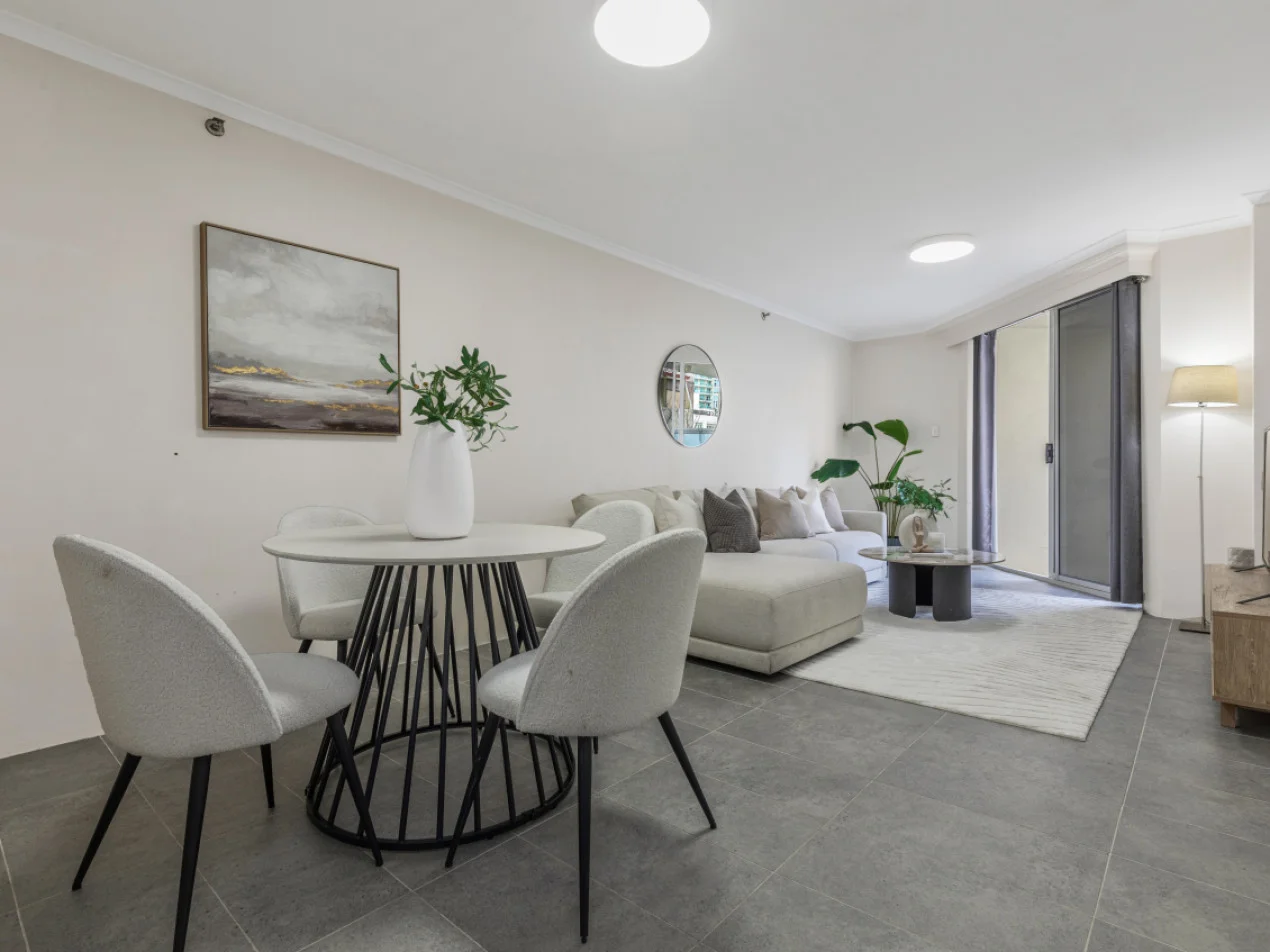 $640,000 - $675,000
Apartment / Unit / Flat
$640,000 - $675,000
Apartment / Unit / Flat
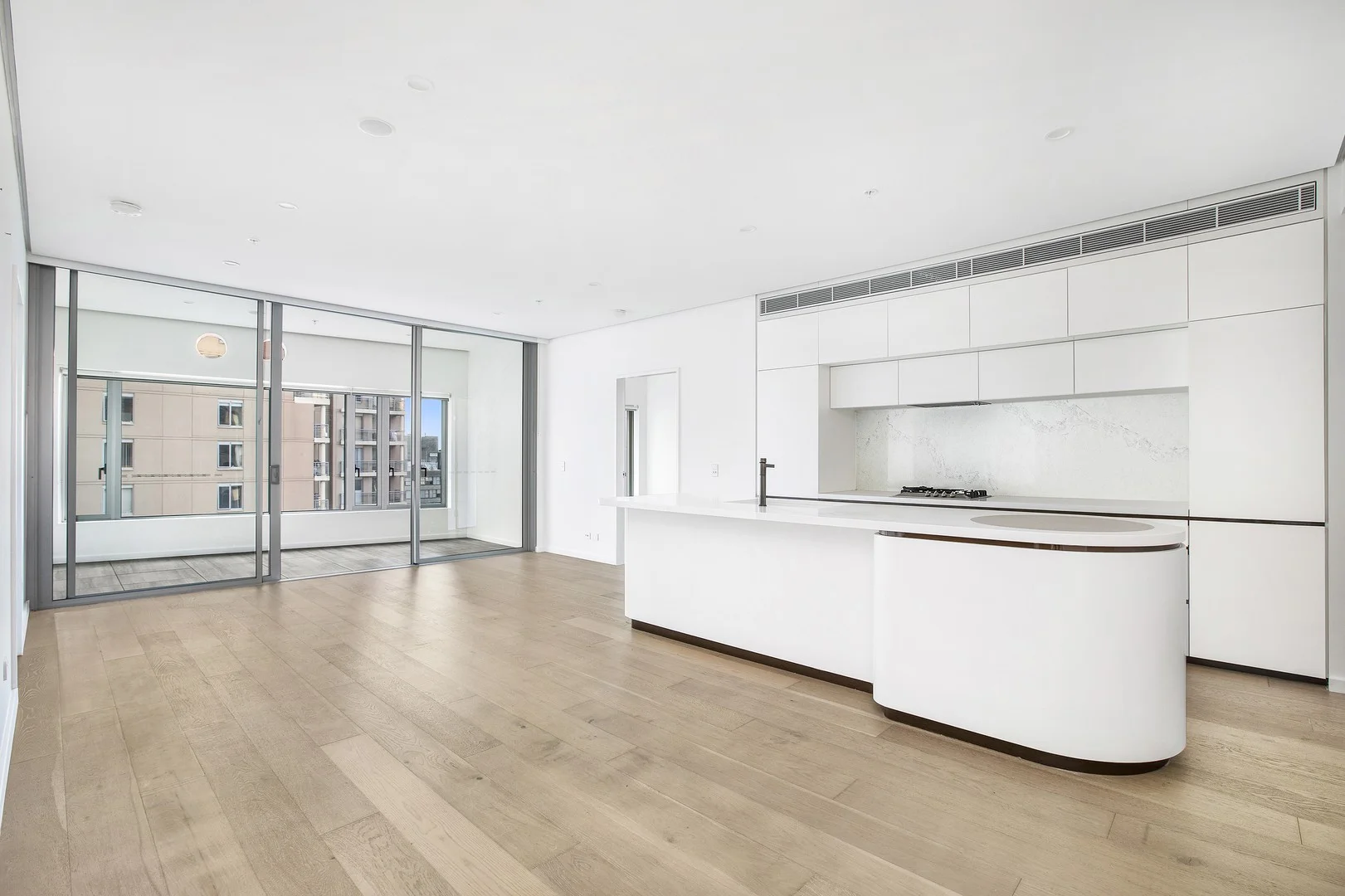 $2,250,000
Apartment / Unit / Flat
$2,250,000
Apartment / Unit / Flat
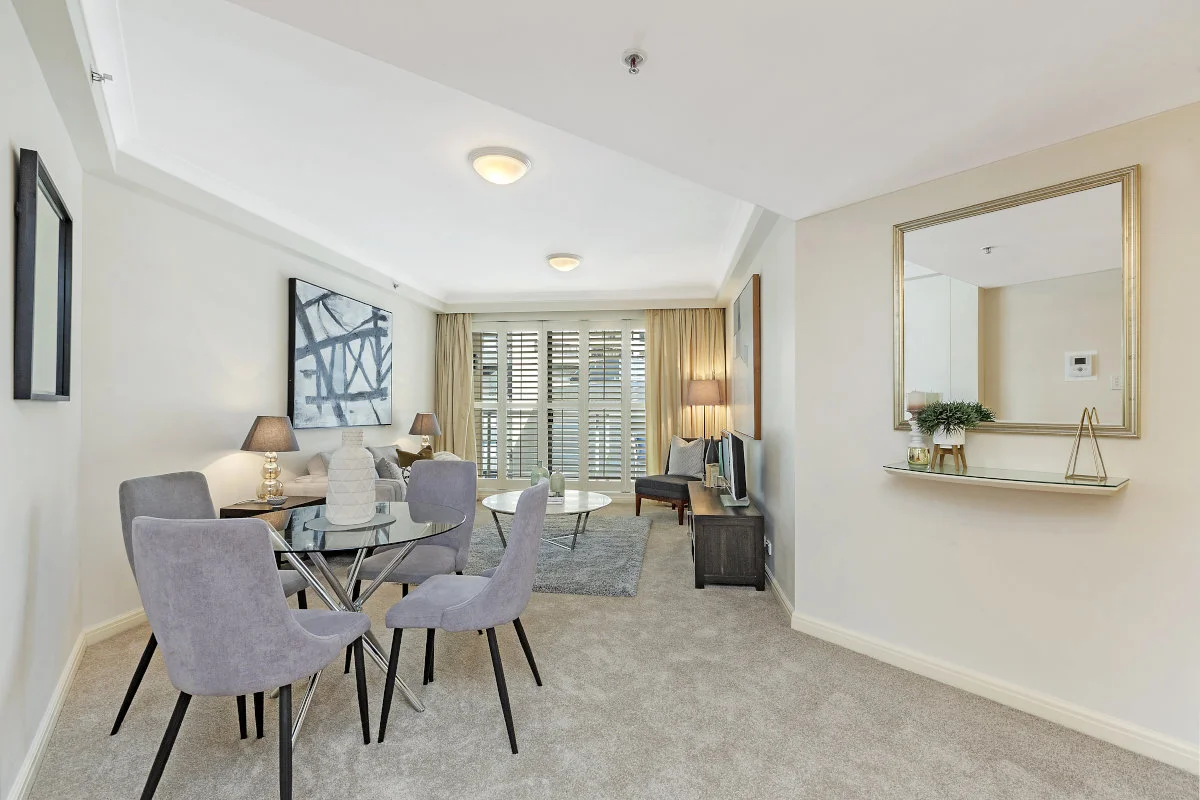 $660,000 - $725,000
Apartment / Unit / Flat
$660,000 - $725,000
Apartment / Unit / Flat
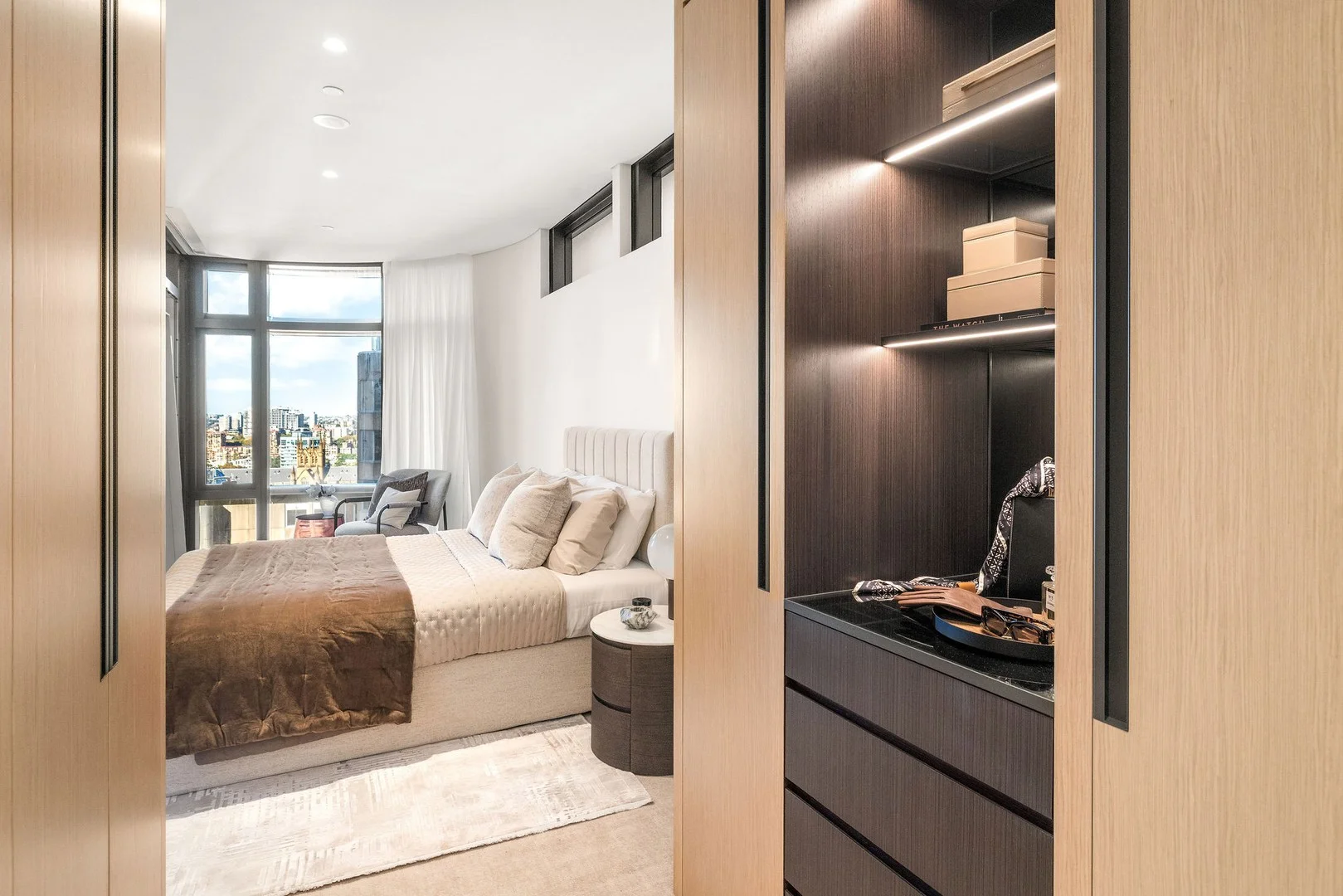 $2,745,000
propertyType.NEW APARTMENTS / OFF THE PLAN
$2,745,000
propertyType.NEW APARTMENTS / OFF THE PLAN
 $26,550,000
propertyType.NEW APARTMENTS / OFF THE PLAN
$26,550,000
propertyType.NEW APARTMENTS / OFF THE PLAN