Overview
## Overview
St Paul’s College Balwyn is a Catholic, independent all-boys secondary school with a focus on developing confident, well-rounded young men. The school is medium-sized, offering a close-knit community where students are known individually and encouraged to strive for personal and academic excellence. Class sizes typically run around 18–22 students, supporting strong teacher-student relationships and targeted learning.
The atmosphere is nurturing and academically oriented, with an inclusive culture that values leadership, service, and character. Students benefit from a supportive environment that balances rigorous study with opportunities to grow socially, athletically, and creatively.
⸻
## Academics & Learning
- Academic strengths: robust focus on English and STEM, with leadership development and language study as core components of the curriculum.
- Special programs: gifted & talented pathways and accelerated learning options are available to appropriately identified students.
- NAPLAN / trends: consistent improvement in literacy and numeracy trends over recent years, reflecting effective teaching strategies and targeted support.
- Student-teacher ratios: small-to-medium class sizes typically resulting in favorable student-teacher ratios (approximately 1:11–1:14).
- Support for diverse learners: dedicated EAL and SEN support, with inclusive education practices to help students reach their learning goals.
⸻
## Sports & Extracurricular Strengths
- Sports offered: football (AFL-style), cricket, basketball, soccer, athletics, swimming, and tennis; strong participation in inter-school competition.
- Strong teams or achievements: active participation in state-level inter-school sports and regular success in various fixtures and events.
- Music, arts, drama programs: school bands and choirs, regular drama productions, and opportunities to engage in performing arts.
- Clubs: robotics, chess, coding, debating, and other student-led clubs that build problem-solving and collaboration skills.
- Partnerships: connections with local clubs and competitions to provide additional pathways in sport, robotics, debating, and creative arts.
⸻
## Wellbeing & Pastoral Care
- Anti-bullying approach: proactive wellbeing programs and clear anti-bullying policies to foster a safe school environment.
- House system: a house-based structure that promotes belonging, friendly competition, and peer mentoring.
- Counsellors / wellbeing officers: access to school counsellors and wellbeing staff to support academics, mental health, and transition needs.
- Transition support for new students: orientation programs, buddy systems, and gradual integration to help new students settle in smoothly.
⸻
## Facilities
- Sports grounds: well-maintained playing fields and courts for a range of sports.
- Libraries: well-stocked library with study spaces and digital resources.
- Science labs: modern, well-equipped laboratories for a hands-on science program.
- Music/performing arts centers: dedicated spaces for music, drama, and performance.
- Tech/innovation labs: dedicated rooms for technology, robotics, coding, and digital projects.
- Cafeteria: on-site canteen offering healthy meal options.
- Updated playgrounds: safe, age-appropriate spaces for break and informal activities.
⸻
## School Values & Community Culture
- School values / mission: a focus on respect, integrity, compassion, and service within a faith-filled context.
- Leadership style: student empowerment through a distributed leadership model, including student councils and house captains.
- Behaviour expectations: clear codes of conduct with supportive discipline and restorative practices.
- Community reputation: known for a welcoming, inclusive culture and a strong sense of community among families and staff.
- Diversity & inclusion: active commitment to diversity and inclusive practices across all aspects of school life.
⸻
## School Logistics & Daily Operations
- School hours: typical day runs from early morning to mid-afternoon with supervision beyond class time as needed.
- Before/after school care: availability of wrap-around care programs for families.
- Uniform requirements: formal uniform with seasonal adjustments; blazer and tie for everyday wear.
- Transport (train/bus routes): multiple bus routes and convenient access to public transport connections in the Balwyn area and eastern suburbs.
- Canteen availability: on-site canteen offering a range of healthy options.
- Fees (low/medium/high ranges): positioned in the mid-to-high range for private, independent schools in Melbourne.
⸻
## Enrolment & Admissions
11. What is the enrolment process and timeline?
- Expression of interest or initial inquiry followed by a formal application.
- Open days or information evenings to learn about the school and programs.
- Submission of required documentation (academic records, birth certificates, etc.).
- Screening or assessment where appropriate, and invitation to interview.
- Offer of placement with a specified timeline for acceptance and enrolment, followed by the enrolment agreement and fee timetable.
12. Is there a waiting list, and how does it work?
- A waiting list may operate when all places are filled. Applications are typically prioritized by date of submission, with consideration given to siblings and internal preferences. Families on the waiting list are updated regularly about likely timelines and opportunities.
13. Are there any entry requirements, tests, or interviews?
- Yes. Entry often includes an interview or information session, and may include assessments aligned to age and program level. Families are encouraged to provide relevant academic and personal information to support placement.
14. Does the school accept mid-year transfers?
- Mid-year transfers are considered if places are available, subject to meeting entry requirements and completing a placement process that may include interviews or assessments.
⸻
## Frequently Asked Questions
- Why Parents Choose This School?
- A strong sense of community, values-based education, solid academic program, and supportive pastoral care that helps students grow across academics, sports, and arts.
- What type of student thrives at this school?
- Motivated, collaborative, respectful students who value both academics and character development, and who benefit from a close-knit, supportive environment.
- What opportunities are available for students to extend their skills (academics, sports, arts)?
- Gifted and talented pathways, accelerated learning options, leadership roles, diverse sports teams, music and drama productions, debating, robotics, coding clubs, and other enrichment activities.
- How does the school communicate with parents?
- Regular updates through newsletters, a learning management system, email, parent-teacher conferences, and scheduled information evenings. Prompt communication around student progress and wellbeing is prioritized.
- What is the school’s approach to teaching and learning?
- Use of evidence-based teaching practices, differentiation to meet diverse needs, emphasis on critical thinking, literacy and numeracy development, and real-world applications across subjects.
- How does the school support students who need extra academic help?
- Targeted learning support, small-group or one-on-one tutoring, EAL and SEN services, and collaboration with families to monitor progress.
- What support is available for academic challenges?
- Access to learning support staff, structured intervention plans, and regular progress reviews to adjust strategies as needed.
- How does the school communicate with parents? (Duplicate question)
- See above: newsletters, LMS, meetings, and direct contact with teachers and administration as needed.
- What are the class sizes and how much individual attention do students receive?
- Class sizes are designed to be manageable (typically 18–22 students), enabling frequent teacher guidance, feedback, and individualized support.
- What extracurricular and sports opportunities are available?
- A broad program including football, cricket, basketball, soccer, athletics, swimming, tennis, music, drama, and clubs such as robotics, chess, coding, and debating.
- What facilities does the school offer (sports, science, arts)?
- Comprehensive facilities including sports grounds, libraries, science labs, music/performing arts centers, tech/innovation labs, a canteen, and updated playgrounds.
- What is the school’s approach to technology and digital learning?
- Integration of technology across the curriculum, access to digital resources, computer science and coding programs, and a focus on digital literacy and responsible use.
- What transport and accessibility options are available?
- Multiple bus routes and convenient access to public transport in the Balwyn area and eastern suburbs, with provisions for students to reach and depart the campus safely.
- What are the typical school fees or additional costs?
- Fees fall in the mid-to-high range for private Catholic independent schools in Melbourne, with transparent annual schedules and information provided during the enrolment process.
⸻
## Short Pros & Cons
- Pros
- Strong sense of community and pastoral care
- Balanced focus on academics, sport, and arts
- Small to medium class sizes enabling individual attention
- Inclusive culture with support for diverse learners
- Active student leadership and clubs offering enrichment
- Cons
- Fees are higher than government schools (as with many independent Catholic options)
- Limited co-educational opportunities (if parents are seeking a girls’ school, this would be a consideration)
- Transportation options depend on local bus/train access; some families may rely on car drop-off
- Competition for places can mean a waiting list during peak intake years
⸻











 $1,250,000
Apartment / Unit / Flat
$1,250,000
Apartment / Unit / Flat
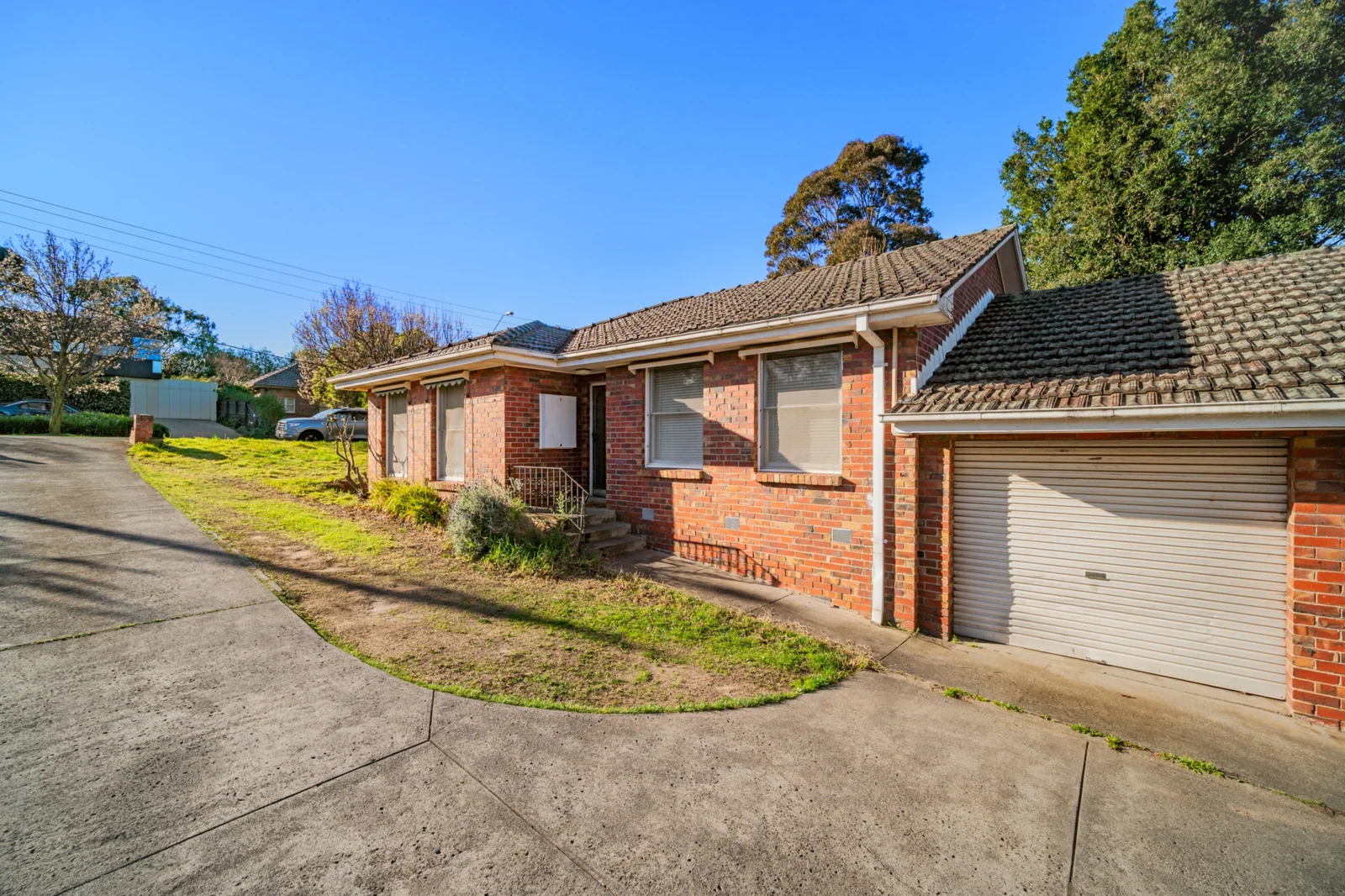 $580
Apartment / Unit / Flat
$580
Apartment / Unit / Flat
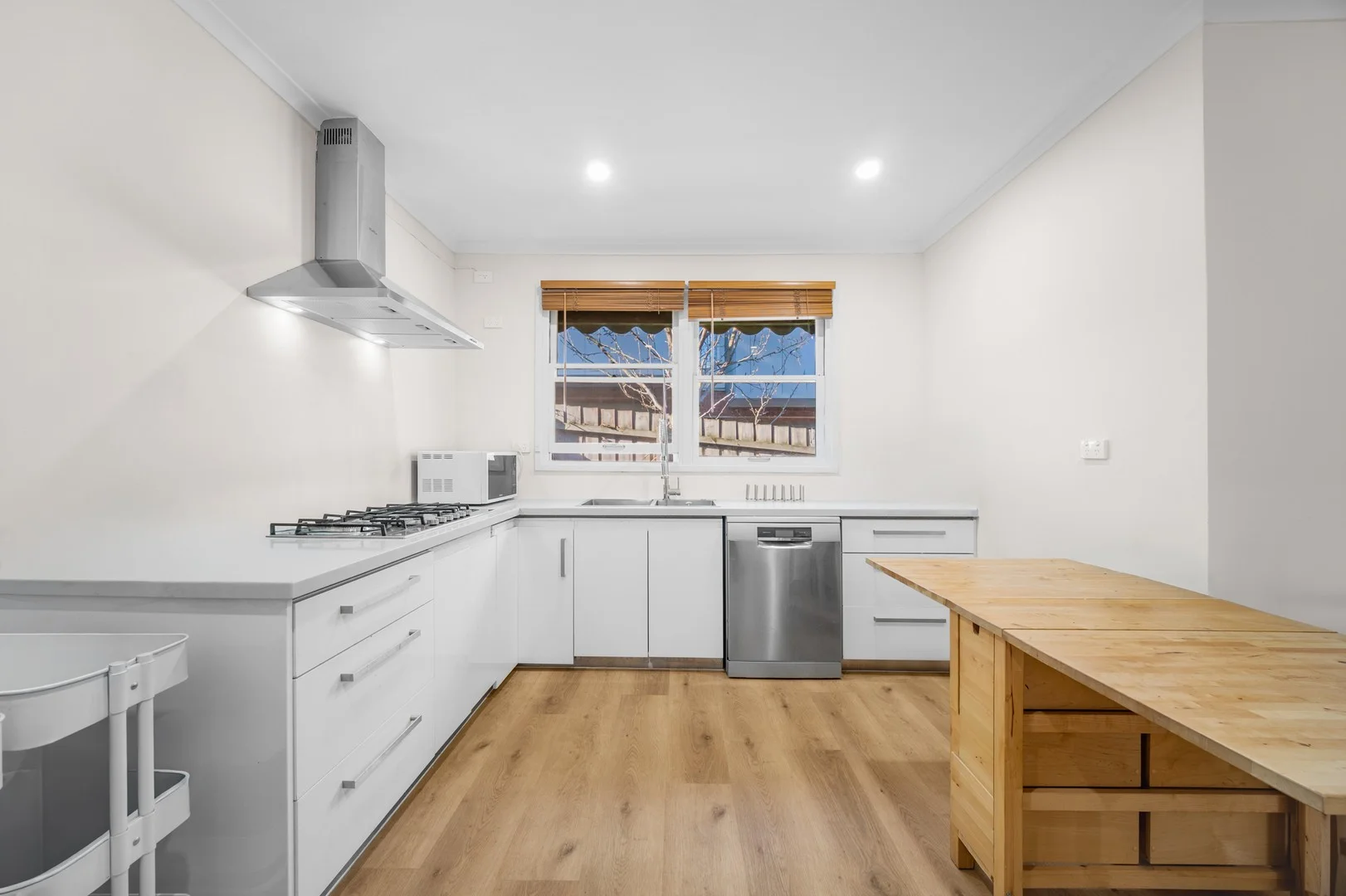 $680
Apartment / Unit / Flat
$680
Apartment / Unit / Flat
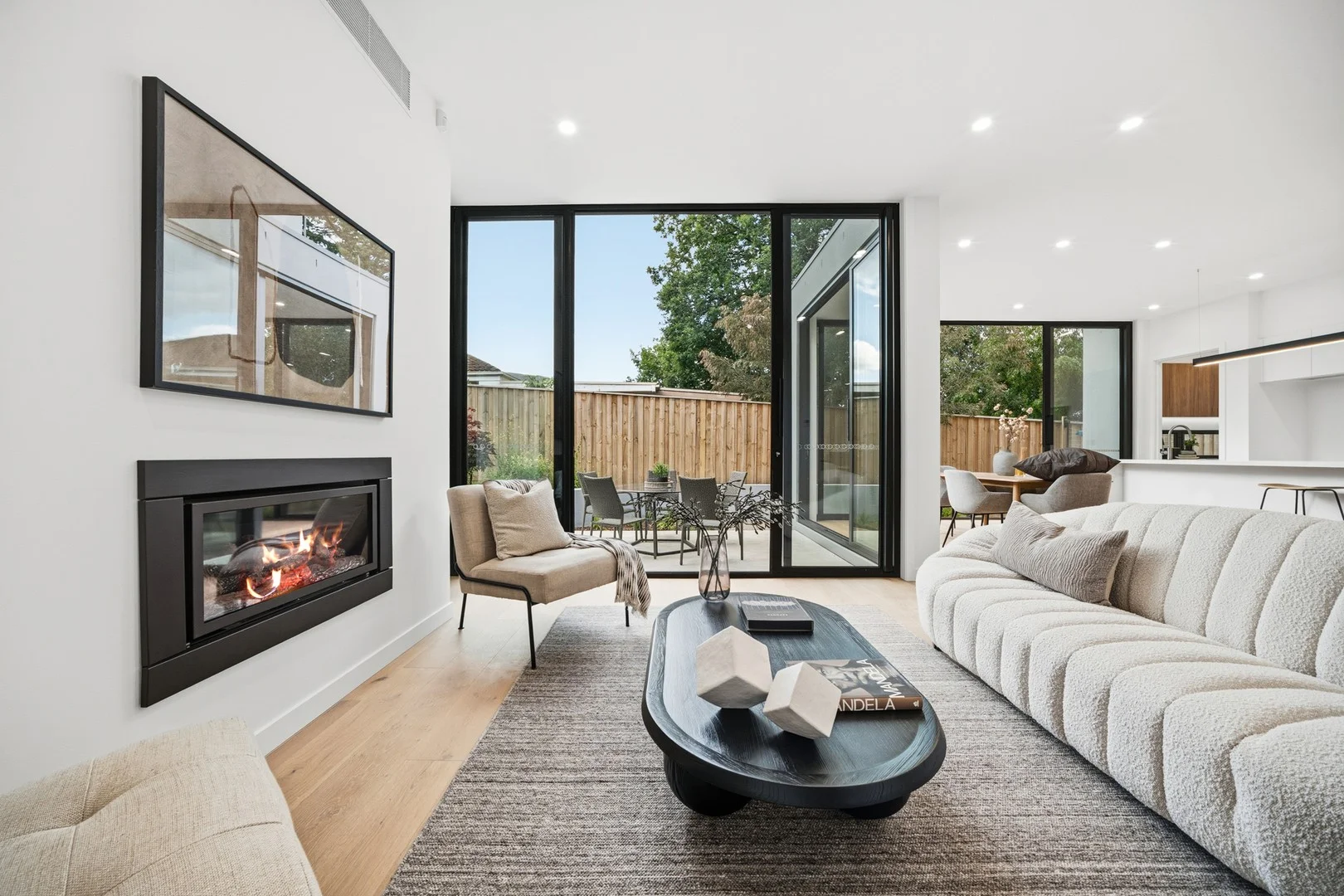 $1,750,000
Townhouse
$1,750,000
Townhouse
 $1,600,000 - $1,750,000
House
$1,600,000 - $1,750,000
House
 $630,000 - $680,000
Apartment / Unit / Flat
$630,000 - $680,000
Apartment / Unit / Flat
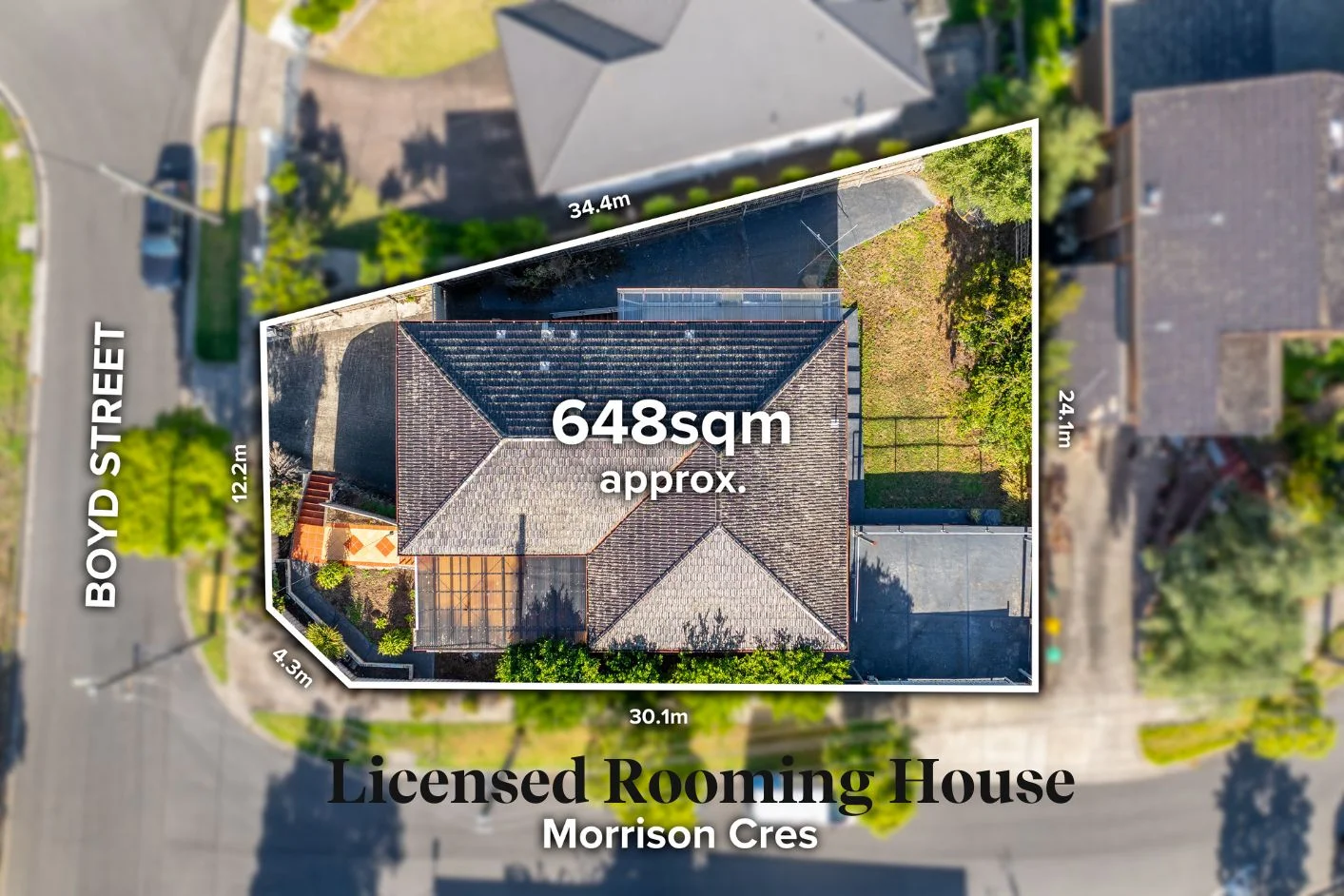 $1,780,000
House
$1,780,000
House
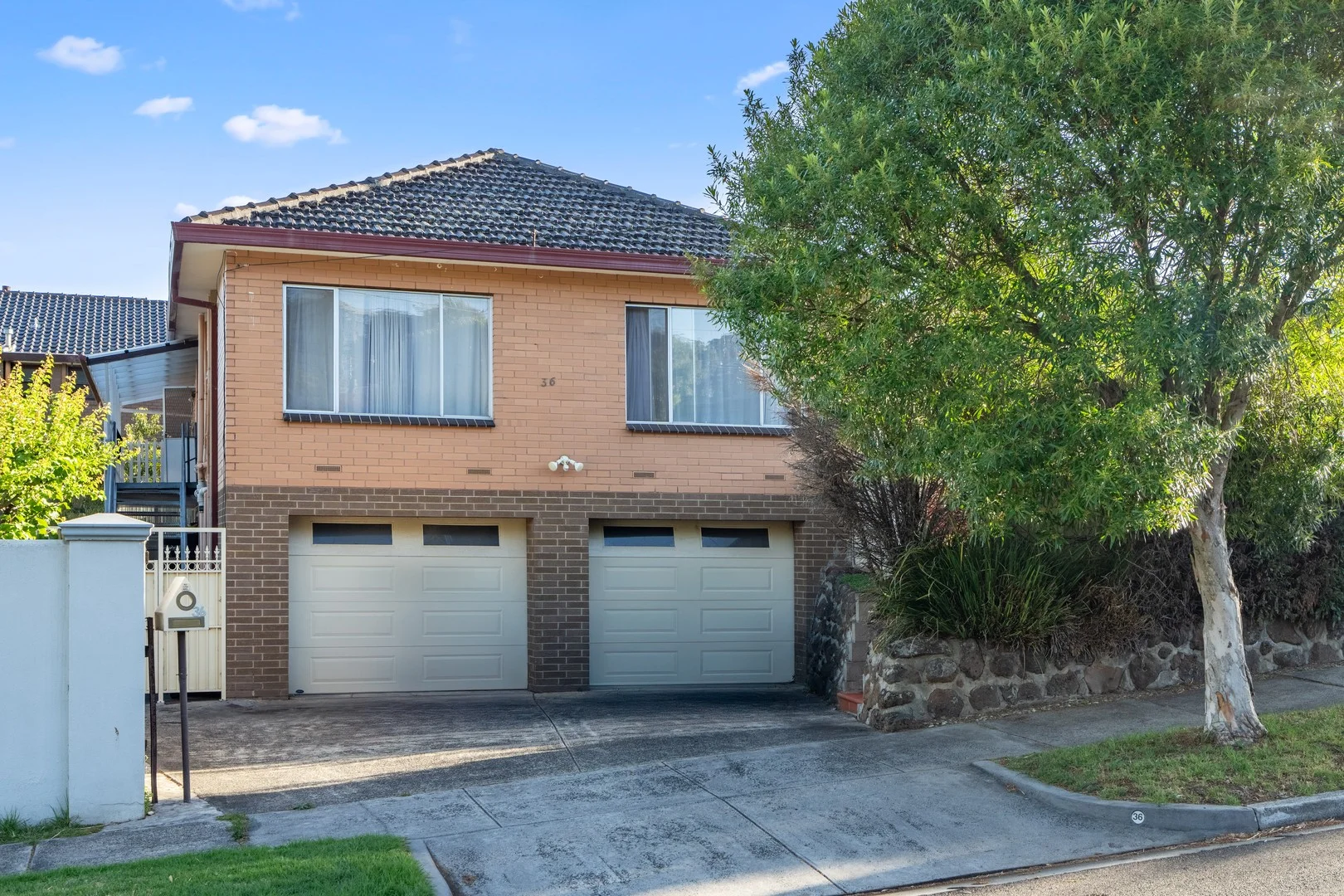 $140
Studio
$140
Studio
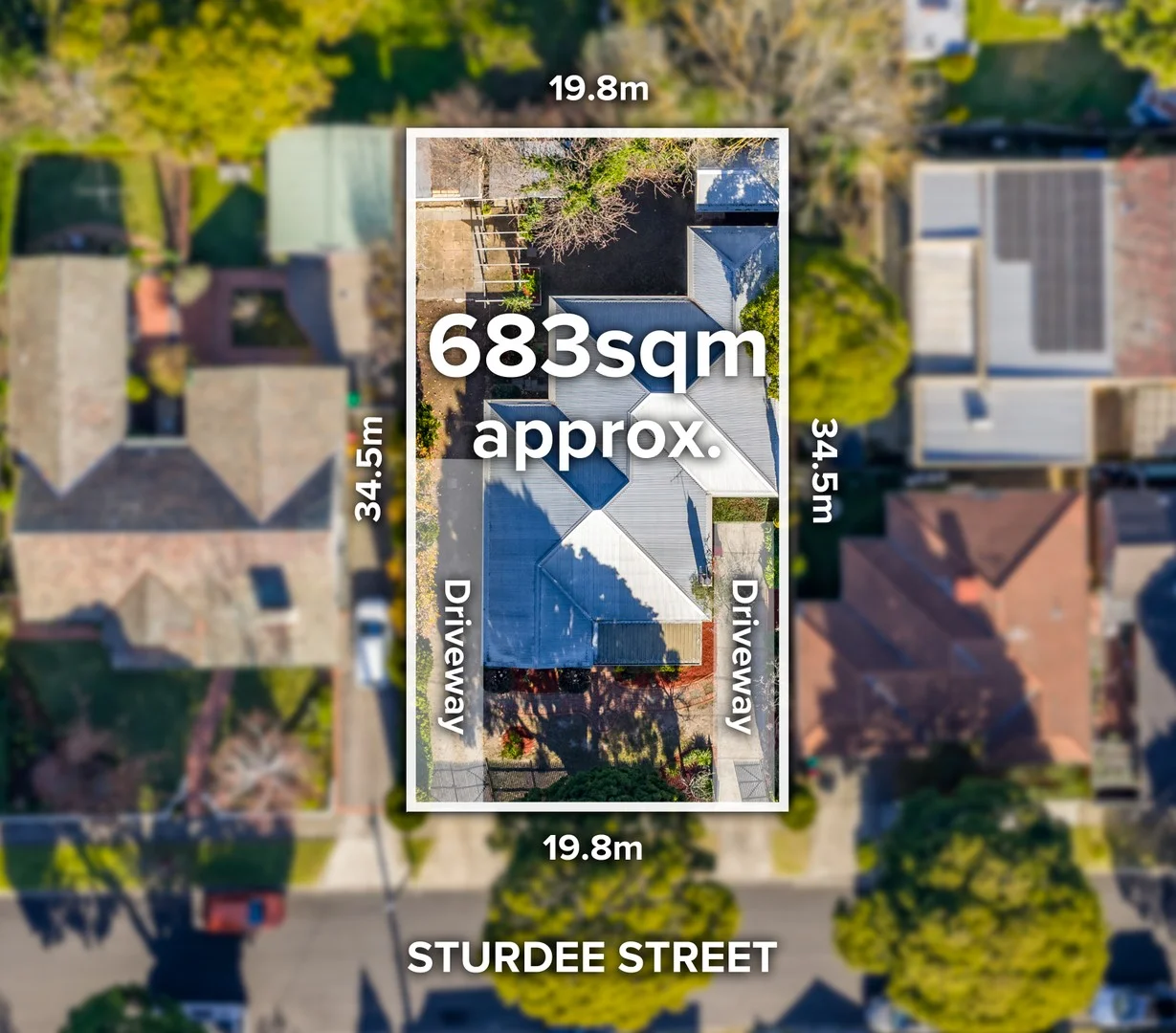 $2,000,000
House
$2,000,000
House