## 1. Overview
Fintona Girls' School is an independent day school for girls in Balwyn, Victoria, offering education from Prep to Year 12. The school emphasises an inclusive, nurturing learning community with a medium-sized student body. Class sizes are typically small to medium, supporting personalised attention and strong teacher-student relationships. The atmosphere blends academic rigour with a broad focus on the arts, sport, leadership and wellbeing, helping students develop confidence, resilience and a sense of community.
As a girls’ school, Fintona places emphasis on developing girls’ leadership, communication and collaboration, while maintaining high academic standards and a supportive pastoral framework. The school aims to prepare students to thrive in senior secondary studies and beyond, balancing intellectual growth with character development and opportunities to contribute to school life and the wider community.
## 2. Academics & Learning
- Academic strengths: English, STEM subjects, languages, and the arts are emphasised, with a strong focus on critical thinking, communication and problem-solving.
- Special programs: Gifted and talented pathways, opportunities for advanced study, and leadership development programs are offered to challenge motivated students.
- NAPLAN / trends: The school shows positive literacy and numeracy trends over recent years, with a focus on continual improvement and ensuring students meet personal learning goals.
- Student-teacher ratios: Small to medium class sizes enable personalised feedback and close teacher-student collaboration.
- Support for diverse learners: Dedicated support for EAL learners and students with additional learning needs, including targeted learning support and access to specialist staff where required.
## 3. Sports & Extracurricular Strengths
- Sports offered: Netball, basketball, tennis, swimming, athletics, and other team or individual activities are available, with opportunities to represent the school in inter-school competitions.
- Strong teams or achievements: The school participates actively in interschool events and aims for high performance across several sports, while emphasising participation and personal growth.
- Music, arts, drama programs: A robust performing arts program supports orchestral and vocal ensembles, drama productions and creative arts projects.
- Clubs: Robotics, chess, coding, debating and other academic and interest-based clubs are available to broaden skills beyond the classroom.
- Partnerships: The school collaborates with local arts, sports and academic clubs and participates in regional competitions and events to extend learning beyond school grounds.
## 4. Wellbeing & Pastoral Care
- Anti-bullying approach: Proactive programs and clear policies promote respectful behaviour, with staff trained to identify and address concerns early.
- House system: A house structure supports belonging, healthy competition, mentorship and a sense of community across year levels.
- Counsellors / wellbeing officers: Access to dedicated wellbeing staff and counsellors to support students’ emotional, social and mental health needs.
- Transition support: Orientation programs, buddy systems and welcome activities help new students settle smoothly and build connections quickly.
## 5. Facilities
- Sports grounds: Well-maintained outdoor spaces and fields support physical education and team sports.
- Libraries: Well-stocked libraries with study spaces and digital resources.
- Science labs: Modern labs equipped for practical experiments across science disciplines.
- Music/performing arts centers: Dedicated spaces for rehearsals, performances and creative work.
- Tech/innovation labs: Resources for coding, digital projects, design and STEM exploration.
- Cafeteria: On-site canteen facilities supporting student meals and snack options.
- Updated playgrounds: Safe, modern outdoor play and social spaces for different year groups.
## 6. School Values & Community Culture
- School values / mission: A focus on respect, integrity, resilience, curiosity and leadership, with emphasis on character as well as academics.
- Leadership style: Distributed leadership with strong student voice, active teacher support and collaborative decision-making.
- Behaviour expectations: Clear codes of conduct that promote respectful, responsible and considerate behaviour.
- Community reputation: A supportive, engaged school community where families and staff work together to foster student growth.
- Diversity & inclusion: Ongoing commitment to inclusive practices, welcoming students from diverse backgrounds and ensuring equitable access to opportunities.
## 7. School Logistics & Daily Operations
- School hours: Typically structured school days with start and finish times appropriate to each year level.
- Before/after school care: Availability of care programs to support working families and busy schedules.
- Uniform requirements: A standard uniform policy with seasonal options, plus guidance on presentation and dress standards.
- Transport: Bus routes and local transport connectivity to support commuting families; information on drop-off/pick-up procedures is available.
- Canteen availability: On-site canteen or food service offering healthy meal and snack options.
- Fees: Independent school fees are generally in the medium to high range, with additional costs for camps, excursions and activities published by the school.
## 8. Enrolment & Admissions
11. What is the enrolment process and timeline?
- Start with an information session or open day, then submit an application form with supporting documents. The school will outline the timeline for assessments, interviews and offers, which can vary by intake year.
12. Is there a waiting list, and how does it work?
- Waiting lists are common for popular year levels. The process typically involves placement on a waitlist and periodic updates about vacancy availability and any priority considerations.
13. Are there any entry requirements, tests, or interviews?
- Entry usually involves an application, Student/Pastoral reference, and evidence of academic progress. Interviews and/or academic assessments may be part of the process, along with any language or learning considerations if relevant.
14. Does the school accept mid-year transfers?
- Mid-year transfers are sometimes possible depending on vacancies, with the school guiding families through a transition plan and appropriate assessments to ensure continuity of learning.
## 9. Frequently Asked Questions
- Why Parents Choose This School?
- A holistic education that prioritises academics, leadership development, wellbeing and community, with strong pastoral care and a supportive environment for girls to thrive.
- What type of student thrives at this school?
- Curious, motivated girls who value a balanced program, leadership opportunities, collaborative learning and inclusive community life.
- What opportunities are available for students to extend their skills (academics, sports, arts)?
- Wide range of academic extensions, gifted programs, leadership roles, diverse sports, performing arts, music ensembles, debating, robotics and coding clubs.
- How does the school communicate with parents?
- Regular updates through newsletters, a parent portal, parent-teacher interviews, and scheduled information evenings. Open channels for feedback are encouraged.
- What is the school’s approach to teaching and learning?
- Student-centered, with a focus on inquiry, critical thinking, collaboration and real-world application, supported by differentiated instruction where needed.
- How does the school support students who need extra academic help?
- Learning support services, EAL assistance and access to specialist staff for targeted interventions and tailored learning plans.
- What support is available for academic challenges?
- Additional tutoring, personalised study plans, and collaborative planning between teachers, families and support staff.
- How does the school communicate with parents? (Repeated)
- See above: regular updates, digital portals, and timely feedback through meetings and reports.
- What are the class sizes and how much individual attention do students receive?
- Classes are small to medium, designed to maximise teacher access, feedback and personalised guidance.
- What extracurricular and sports opportunities are available?
- A broad range of sports, arts, music, drama and clubs including robotics, coding, chess and debating.
- What facilities does the school offer (sports, science, arts)?
- Modern sports grounds, libraries, science labs, performing arts spaces, tech/innovation labs and dining facilities.
- What is the school’s approach to technology and digital learning?
- Integrated ICT across the curriculum, with age-appropriate use of devices, online learning platforms and digital citizenship education.
- What transport and accessibility options are available?
- Bus routes and public transport connections to support commuting families; accessible facilities and clear drop-off/pick-up procedures.
- What are the typical school fees or additional costs?
- Fees are in the private/independent school range, with published information on annual tuition and extra costs for camps, trips and optional activities.
## 10. Short Pros & Cons list
- Pros
- Strong pastoral care and student wellbeing
- Small to medium class sizes enabling personalised attention
- Broad range of academic, arts and sports opportunities
- Emphasis on leadership, resilience and character development
- Active community involvement and inclusive culture
- Cons
- Higher tuition compared with public schools
- Competitive entry may require a selective admissions process
- Some families may prefer co-educational environments
- Limited to single-sex schooling for girls (not for every family)
- Annual activities and trips can add to additional costs













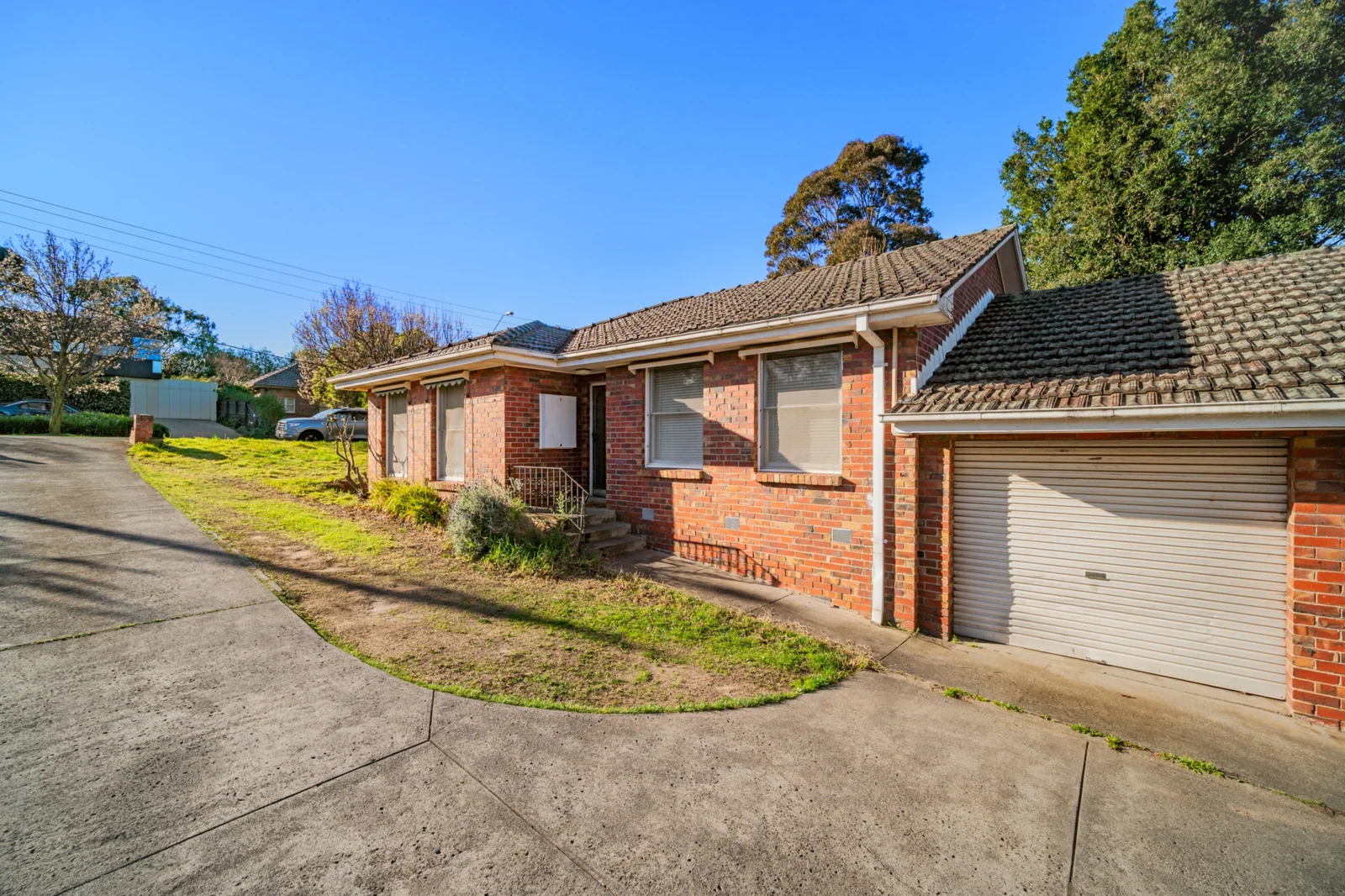
 $1,250,000
Apartment / Unit / Flat
$1,250,000
Apartment / Unit / Flat
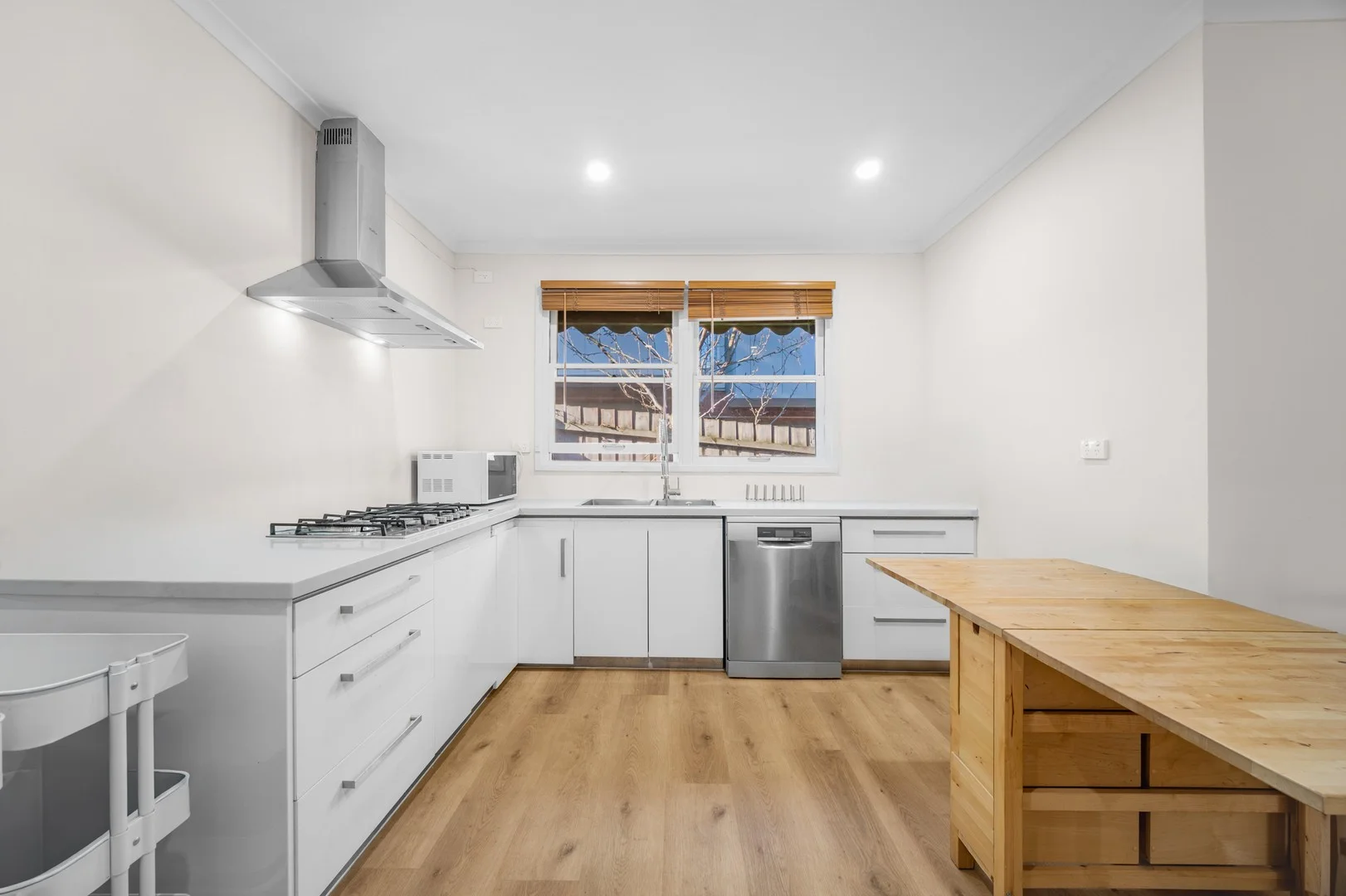
 $580
Apartment / Unit / Flat
$580
Apartment / Unit / Flat
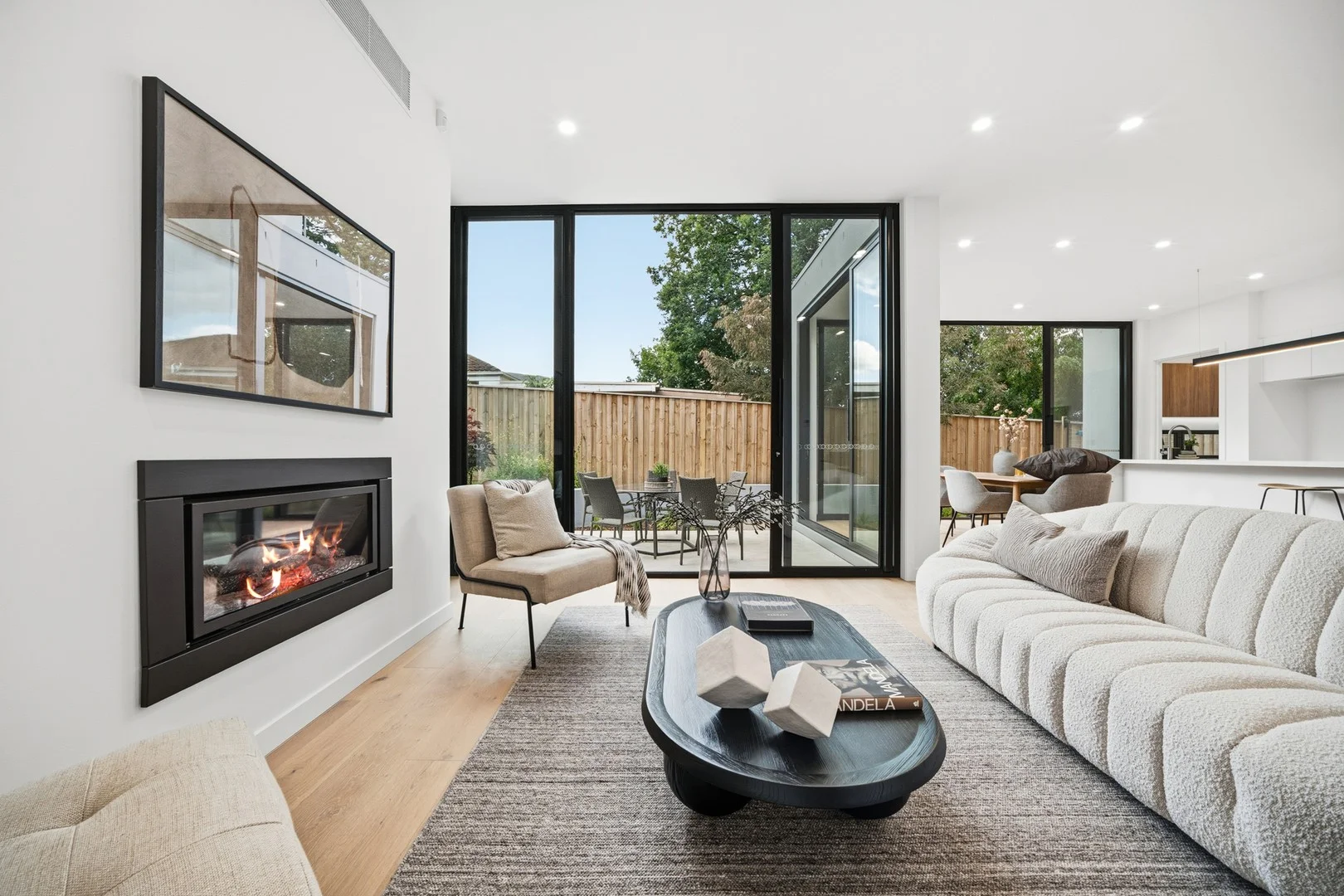
 $680
Apartment / Unit / Flat
$680
Apartment / Unit / Flat
 $1,750,000
Townhouse
$1,750,000
Townhouse
 $1,600,000 - $1,750,000
House
$1,600,000 - $1,750,000
House
 $630,000 - $680,000
Apartment / Unit / Flat
$630,000 - $680,000
Apartment / Unit / Flat
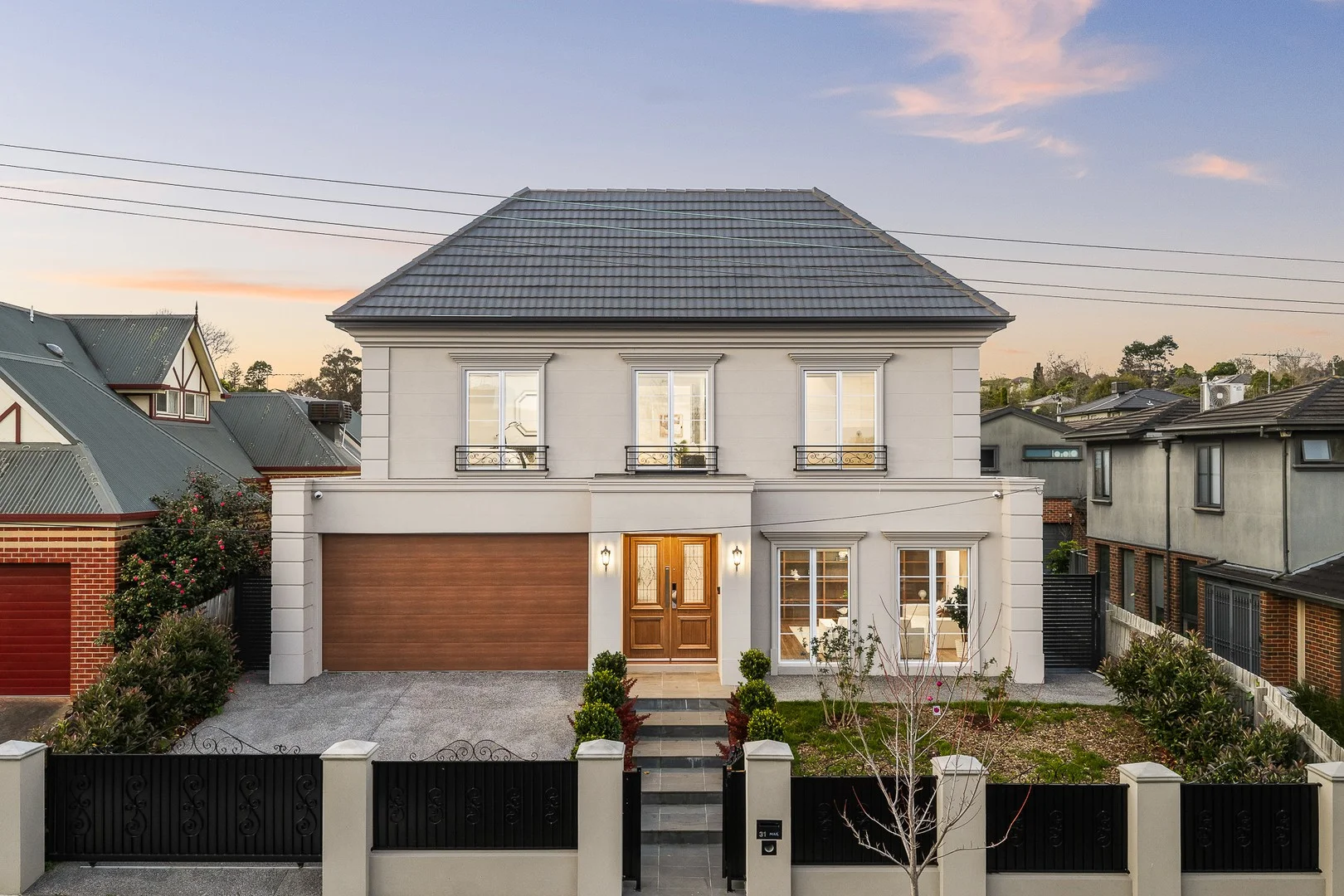 $2,550,000
House
$2,550,000
House
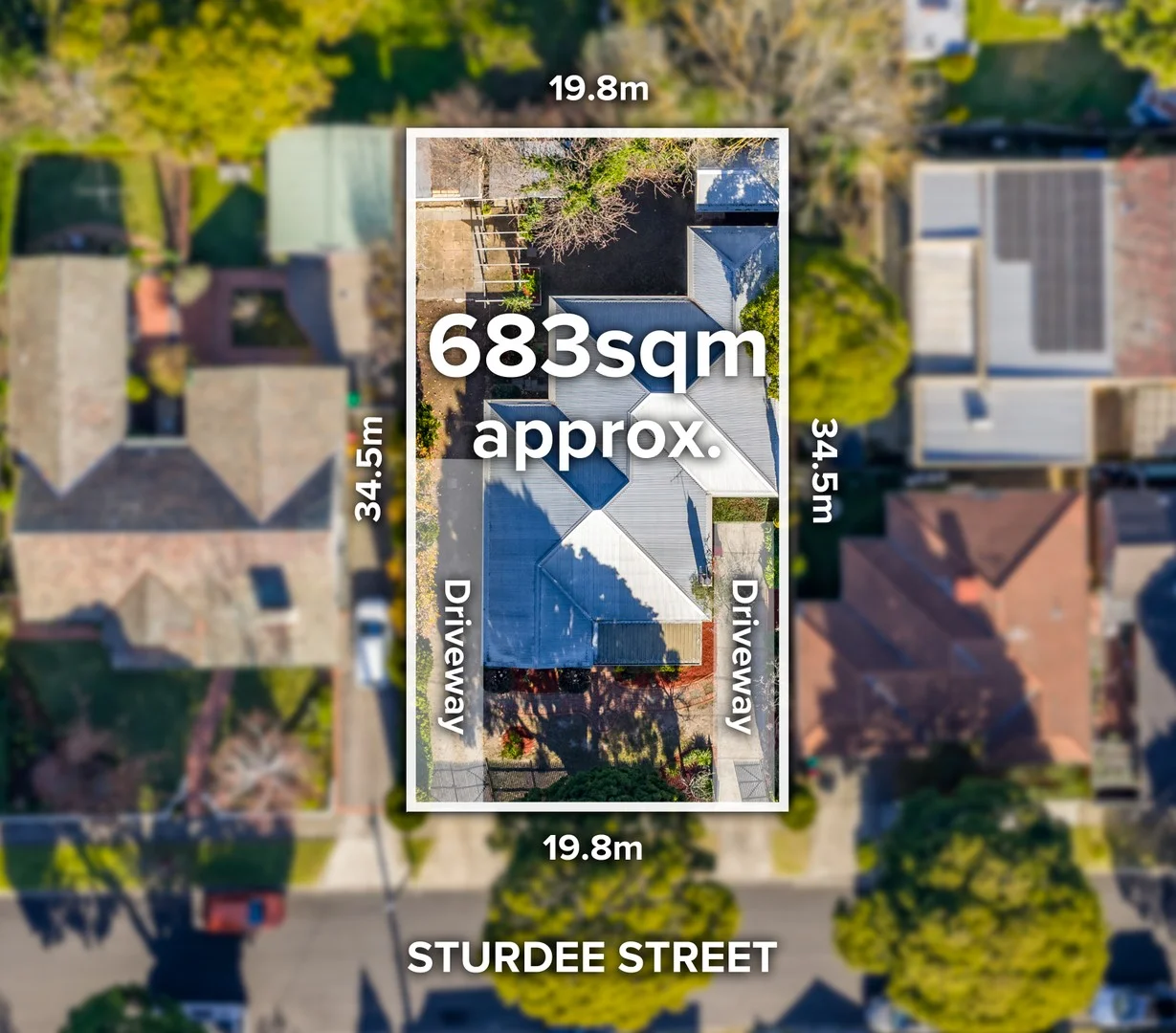 $2,000,000
House
$2,000,000
House
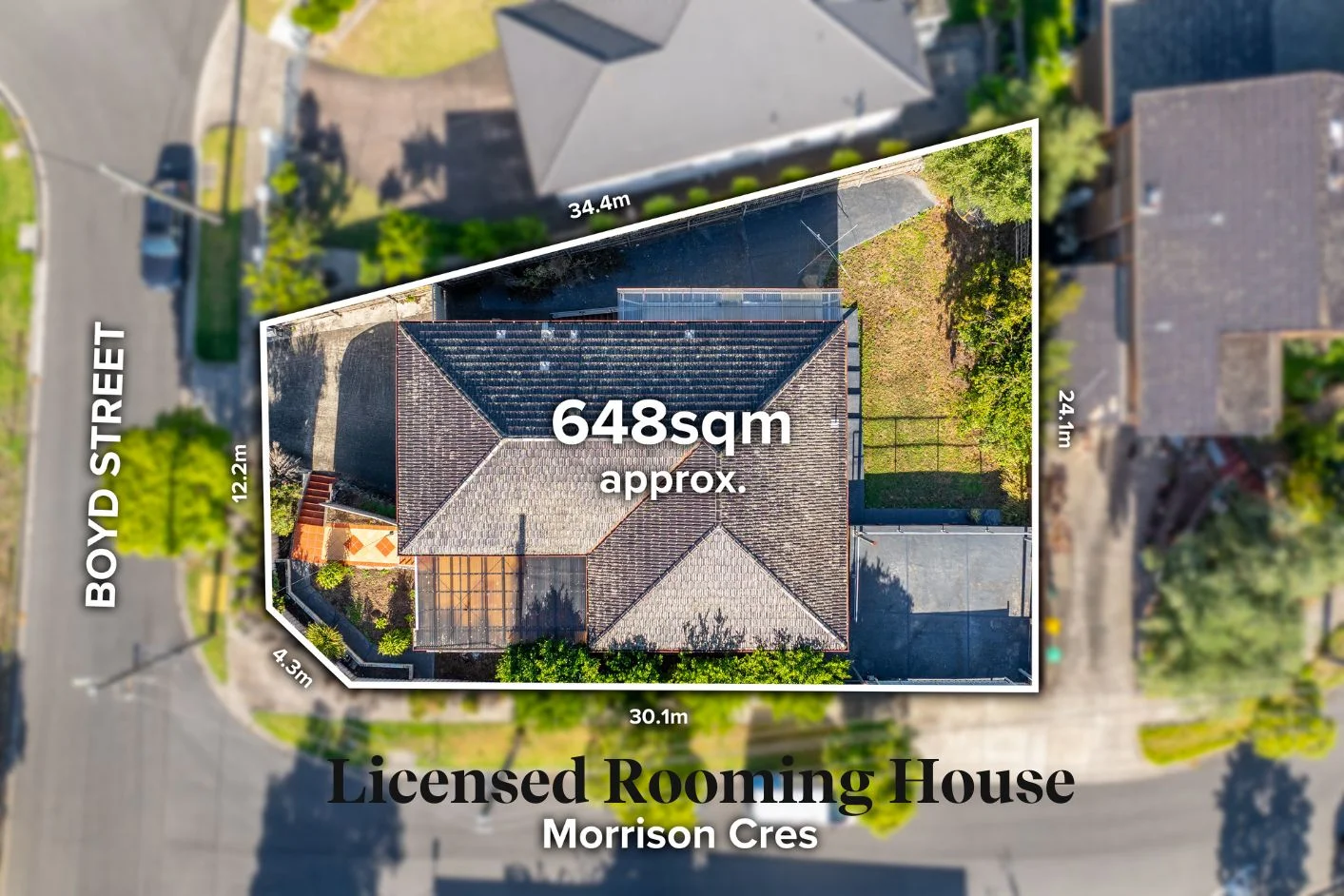 $1,780,000
House
$1,780,000
House


