Overview
1. Overview (1–2 paragraphs max)
St Paul’s Primary School, Sunshine West is a Catholic, co-educational primary school serving families in Sunshine West and surrounding suburbs. The school emphasises faith-based learning, community involvement, and developing the whole child within a nurturing, inclusive environment.
With a medium-sized student body and typical class sizes in the low-to-mid 20s, the school supports personalised learning and strong student–teacher relationships. The culture blends academic engagement with pastoral care, character development, and service to others within a supportive, family-like community.
⸻
2. Academics & Learning
- Academic strengths: Focus on high-quality literacy and numeracy, integrated religious education, and opportunities in STEM, digital literacy, and the arts to foster well-rounded learning.
- Special programs: Catholic faith formation and sacramental preparation; enrichment opportunities and possible gifted/talented or accelerated learning options depending on cohort and resources.
- NAPLAN / trends: Public NAPLAN trend data for this specific school may not be published publicly; check the annual school report for trend insights and progress over time.
- Student-teacher ratios: Class sizes typically around 20–25 students, with student-teacher ratios often in the vicinity of 1:12 to 1:18 depending on year and activities.
- Support for diverse learners: EAL support, learning support programs, and inclusive education practices to assist students with additional learning needs; collaboration with families on individual learning plans where appropriate.
⸻
3. Sports & Extracurricular Strengths
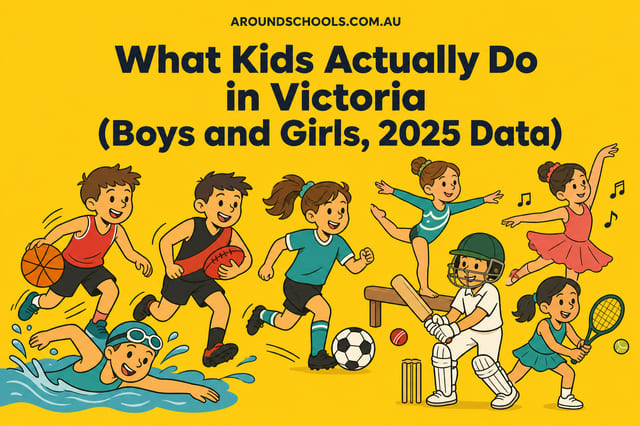
- Sports offered: Common primary offerings such as soccer, basketball, netball, cricket, AFL/athletics, and general physical education activities.
- Strong teams or achievements: Participation in local inter-school networks and Catholic education competitions; achievements vary by year and cohort.
- Music, arts, drama programs: School music programs, choir or vocal activities, school drama or performing arts events, and opportunities to participate in productions or concerts.
- Clubs: Robotics, coding, chess, debating, and other age-appropriate clubs depending on the year and staffing.
- Partnerships: Connections with local clubs and inter-school events for broader opportunities and competitions.
⸻
4. Wellbeing & Pastoral Care
- Anti-bullying approach: Clear anti-bullying policies, student well-being programs, and supportive peer mentorship or buddy systems to foster a safe environment.
- House system: House groups used to promote belonging, teamwork, and positive competition across events and activities.
- Counsellors / wellbeing officers: Access to a school counsellor or wellbeing coordinator to support social-emotional learning and student welfare.
- Transition support for new students: Orientation programs, buddy systems, and targeted supports to ease transitions into the school and classroom routines.
⸻
5. Facilities
- Sports grounds
- Libraries
- Science labs
- Music/performing arts centers
- Tech/innovation labs
- Cafeteria
- Updated playgrounds
⸻
6. School Values & Community Culture
- School values / mission: A faith-based, values-driven approach emphasizing respect, responsibility, compassion, and service.
- Leadership style: Inclusive leadership with opportunities for student voice, teacher leadership, and active parent involvement.
- Behaviour expectations: Clear behavioural expectations grounded in respect, safety, and responsibility; restorative practices used to support positive outcomes.
- Community reputation: Generally viewed as a welcoming, family-focused community school with strong ties to local parish and families.
- Diversity & inclusion: Commitment to diversity and inclusion, with support for families from varied backgrounds and backgrounds, including EAL learners.
⸻
7. School Logistics & Daily Operations
- School hours: Typical school day often around 9:00 am–3:30 pm (times may vary by year or campus; please confirm exact times with the school).
- Before/after school care: OSHC or school-approved before/after school care programs available.
- Uniform requirements: Full school uniform with seasonal adjustments (navy/green tones, with sun hat in terms of sun protection); details provided by the school.
- Transport (train/bus routes): Public transport options including local bus routes and proximity to nearby train stations; check current routes and parking/drop-off guidelines with the school.
- Canteen availability: Canteen or lunch-ordering options available; healthy meal and snack choices typical.
- Fees (low/medium/high ranges): Fees are generally in the mid-range for Catholic primary schools; exact amounts vary by year level and program; consult the school’s current fees schedule for precise figures.
⸻
8. Enrolment & Admissions
11. What is the enrolment process and timeline?
- Applications are typically opened for entry in the coming school year; submit the enrolment form with required documents (birth certificate, immunisation records, and any parish or Catholic identity information as requested). After submission, families may be invited to an information session or interview; offers are made based on space availability and the school’s admissions policy. Orientation or transition activities are often available prior to the start of term.
12. Is there a waiting list, and how does it work?
- Yes, there can be a waiting list when intake is at capacity. Placement on the waiting list is usually determined by application date and availability, with priority given to families aligned with the school’s Catholic identity policies and local intake rules.
13. Are there any entry requirements, tests, or interviews?
- Primary entry generally does not involve formal academic testing; an interview or information session for families is common to discuss fit, readiness, and ethos. Documentation confirming immunisation and enrolment details is typically required.
14. Does the school accept mid-year transfers?
- Mid-year transfers may be possible if space is available. Families should contact the admissions team as soon as possible to discuss vacancies, transfer paperwork, and transition planning to ensure a smooth start.
⸻
9. Frequently Asked Questions
- Why Parents Choose This School?
- A values-driven, faith-based environment with a focus on community, supportive pastoral care, and strong literacy and numeracy foundations.
- What type of student thrives at this school?
- Students who value family-style community, faith-based learning, participation in a broad set of programs (academic, arts, and sport), and a supportive approach to wellbeing.
- What opportunities are available for students to extend their skills (academics, sports, arts)?
- Enrichment in literacy/numeracy, access to STEM and digital literacy activities, music and drama programs, sporting opportunities, and clubs such as robotics, coding, chess, and debating (availability varies by year).
- How does the school communicate with parents?
- Regular newsletters, emails, and school updates; parent-teacher interviews; school apps or portals may be used to share notices and student progress.
- What is the school’s approach to teaching and learning?
- Balanced, student-centered learning with integration of faith formation; focus on core competencies in literacy and numeracy, supported by technology and collaborative learning experiences.
- How does the school support students who need extra academic help?
- Targeted learning support, reading recovery or intervention programs, EAL and SEN services, and collaboration with families on individual learning plans.
- What support is available for academic challenges?
- Differentiated instruction, small-group or one-on-one support, and connections to specialists or the wider Catholic Education network as needed.
- How does the school communicate with parents? (repeated)
- See above: newsletters, portals, and direct communication from teachers and administration.
- What are the class sizes and how much individual attention do students receive?
- Class sizes typically around 20–25 students, with teachers providing targeted feedback and opportunities for individual guidance within the class structure.
- What extracurricular and sports opportunities are available?
- A range of sports (soccer, basketball, netball, cricket, AFL/athletics), arts and music programs, and clubs such as robotics, coding, chess, and debating (availability varies).
- What facilities does the school offer (sports, science, arts)?
- Sports grounds, library, science labs, music/performing arts facilities, technology/innovation spaces, cafeteria, and updated playgrounds.
- What is the school’s approach to technology and digital learning?
- Integration of digital literacy and technology across the curriculum, with age-appropriate use of devices and software to enhance learning.
- What transport and accessibility options are available?
- Access to public transport routes (bus and nearby train services) and clear drop-off/pick-up arrangements; inclusive access considerations are typically addressed in school policy.
- What are the typical school fees or additional costs?
- Fees are generally mid-range for Catholic primary schools, with additional costs for uniforms, excursions, and activities; precise figures are provided in the school’s current fees schedule.
⸻
10. Short Pros & Cons list
- Pros
- Catholic values and faith-based learning
- Nurturing, inclusive school culture with strong pastoral care
- Moderate class sizes and supportive student–teacher relationships
- Range of academic, arts, and sports opportunities
- Access to clubs (robotics, coding, chess, debating) and enrichment activities
- Cons
- Fees and uniform costs typical of Catholic primary schools
- Availability of certain clubs and programs may vary by year and staffing
- Space for mid-year transfers depends on current capacity
- Specific external partnerships or facilities vary and may be limited by funding or cohort size
⸻










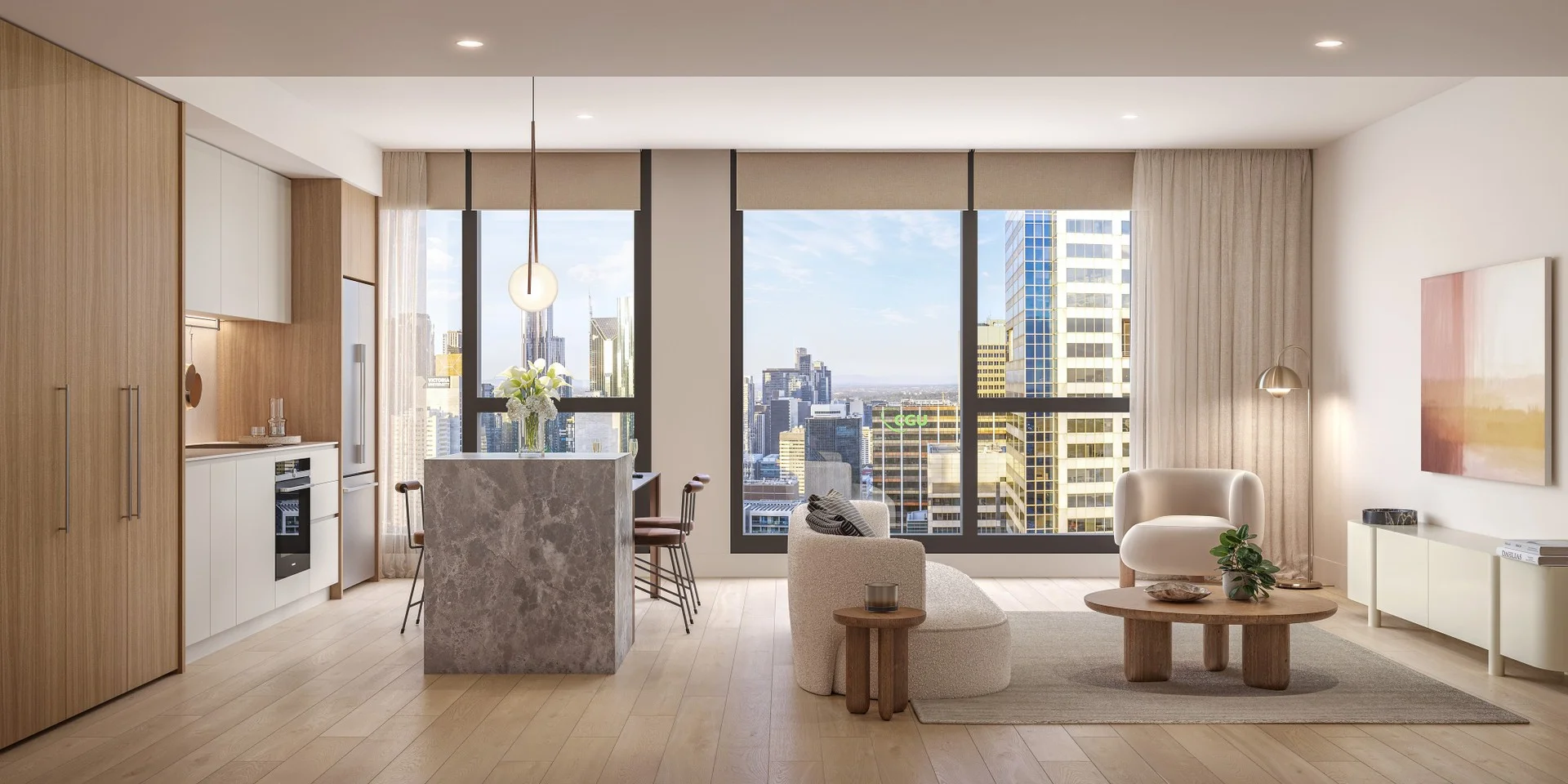 $1,870,000
propertyType.NEW APARTMENTS / OFF THE PLAN
$1,870,000
propertyType.NEW APARTMENTS / OFF THE PLAN
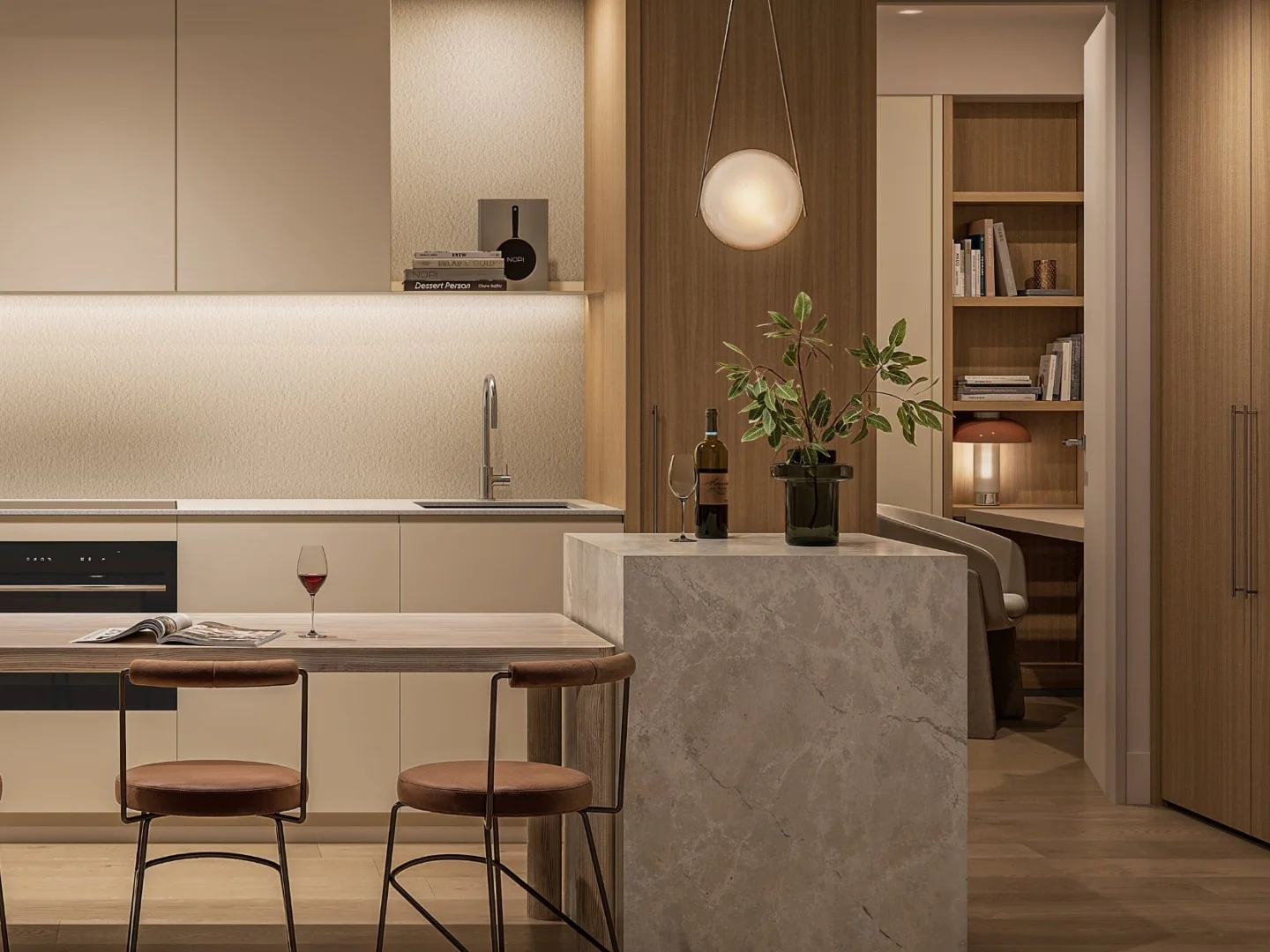
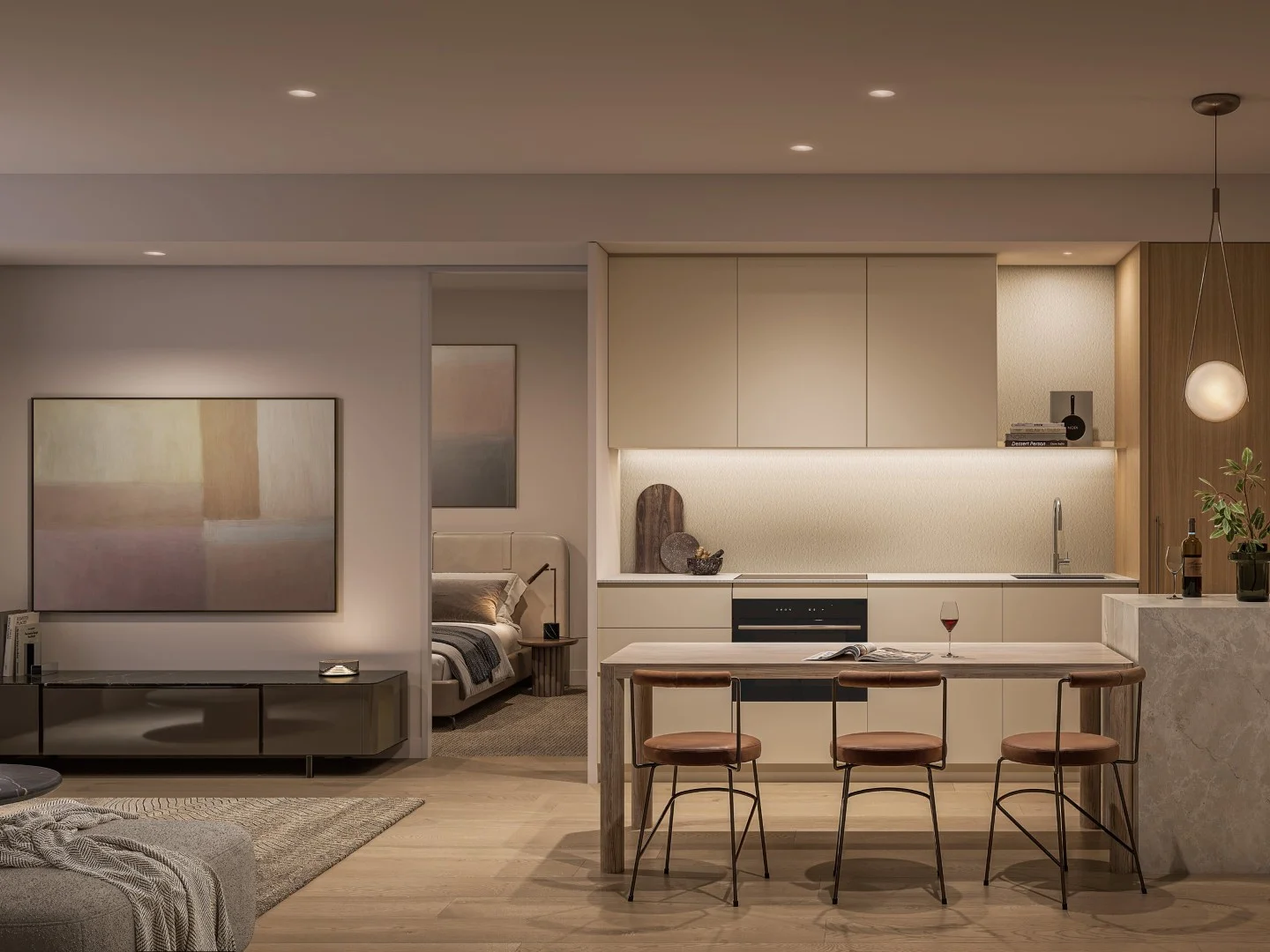 $666,000
Apartment / Unit / Flat
$666,000
Apartment / Unit / Flat
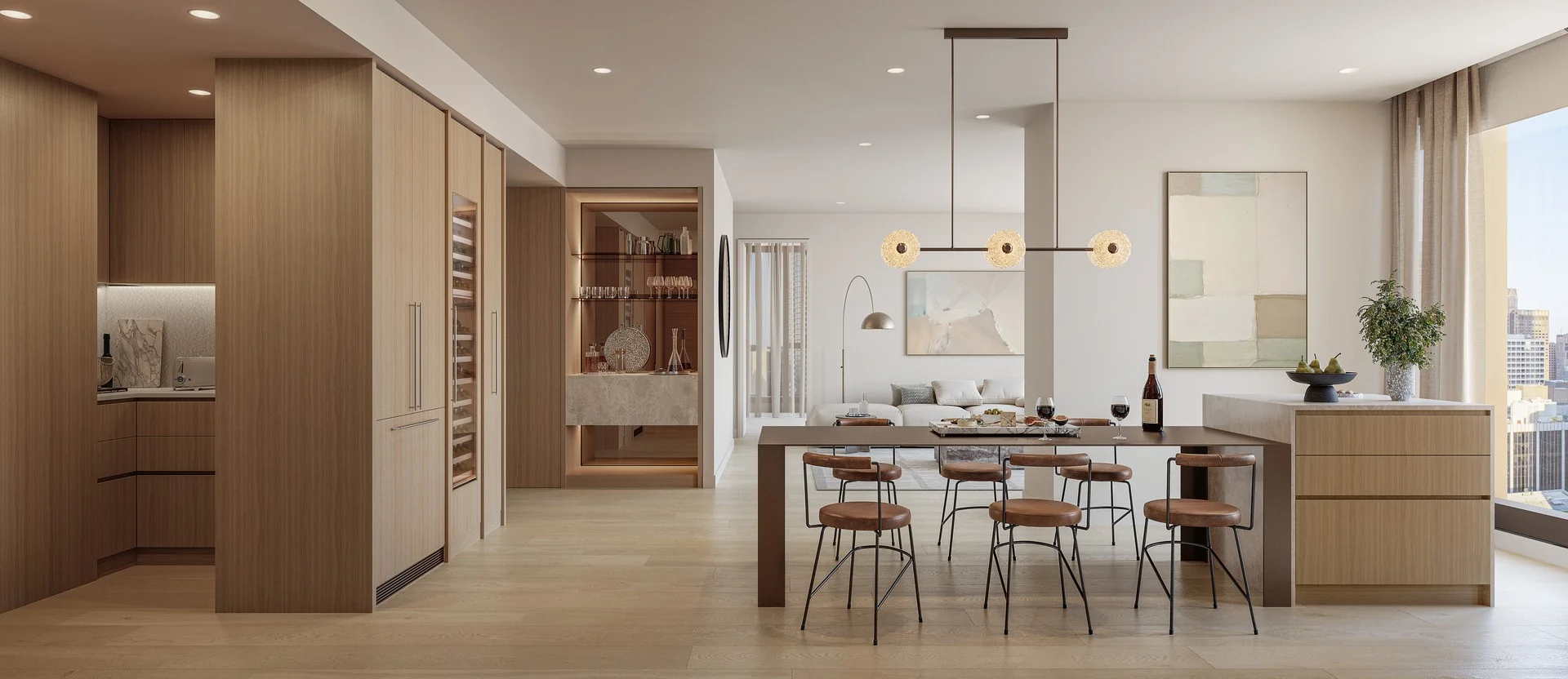
 $712,500
Apartment / Unit / Flat
$712,500
Apartment / Unit / Flat
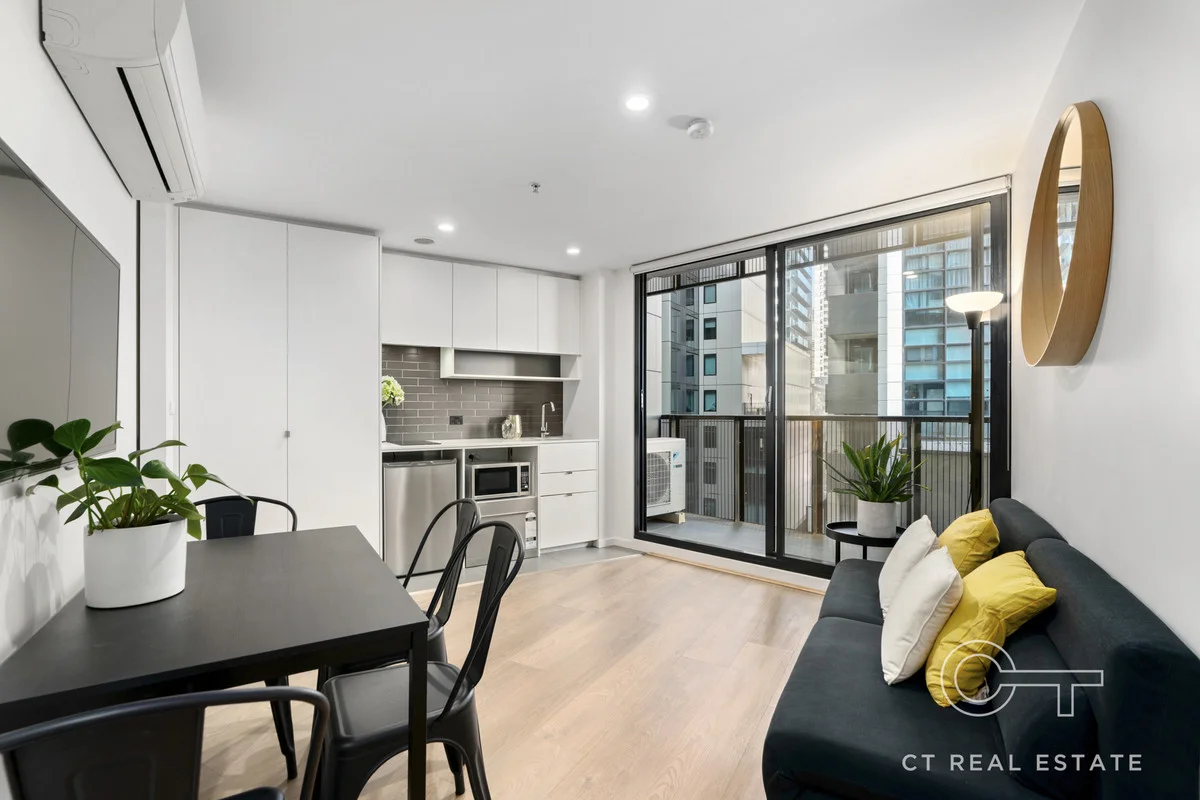
 $2,865,000
Apartment / Unit / Flat
$2,865,000
Apartment / Unit / Flat
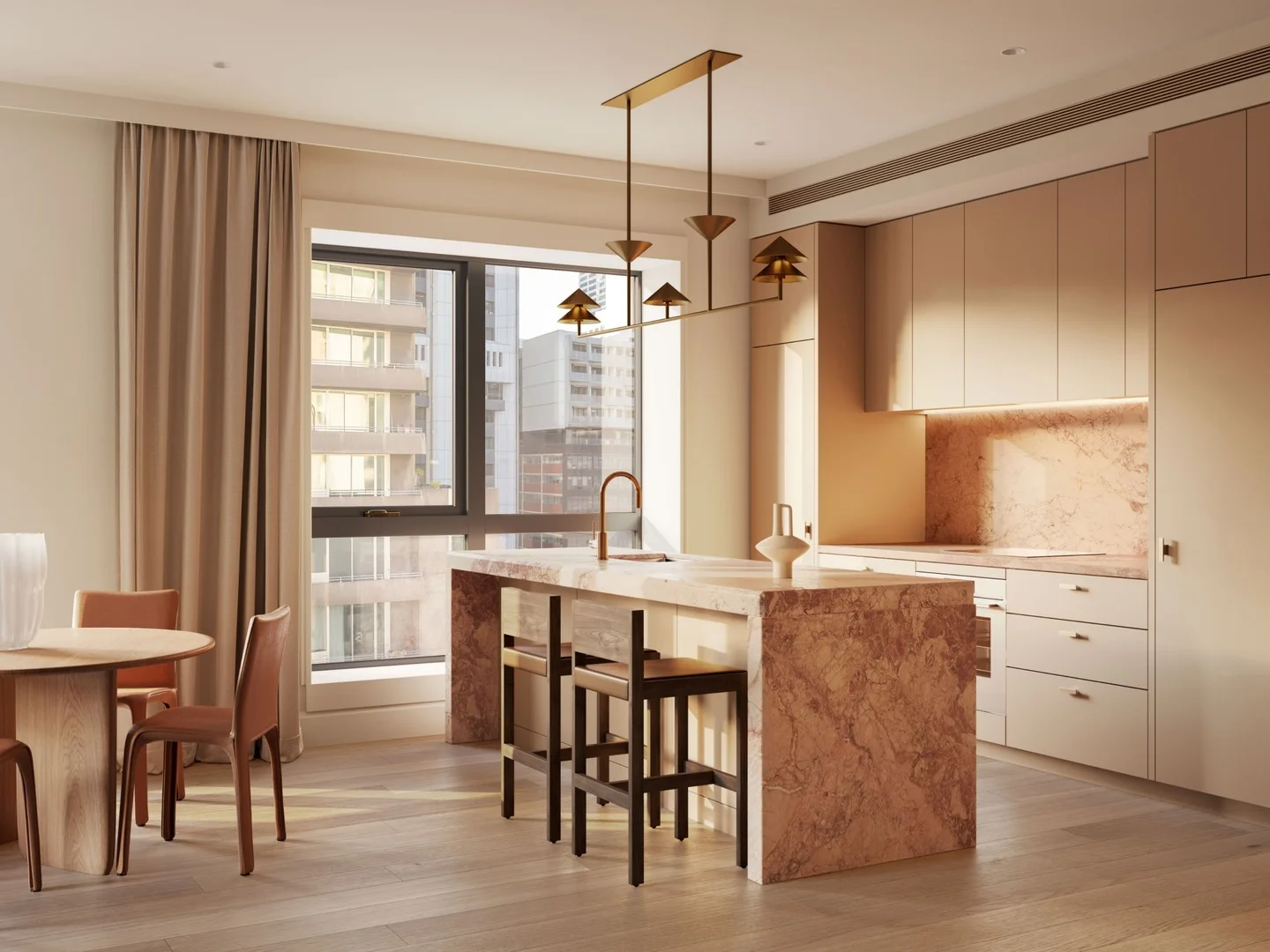
 $360,000
Apartment / Unit / Flat
$360,000
Apartment / Unit / Flat
 $1,760,000
propertyType.NEW APARTMENTS / OFF THE PLAN
$1,760,000
propertyType.NEW APARTMENTS / OFF THE PLAN
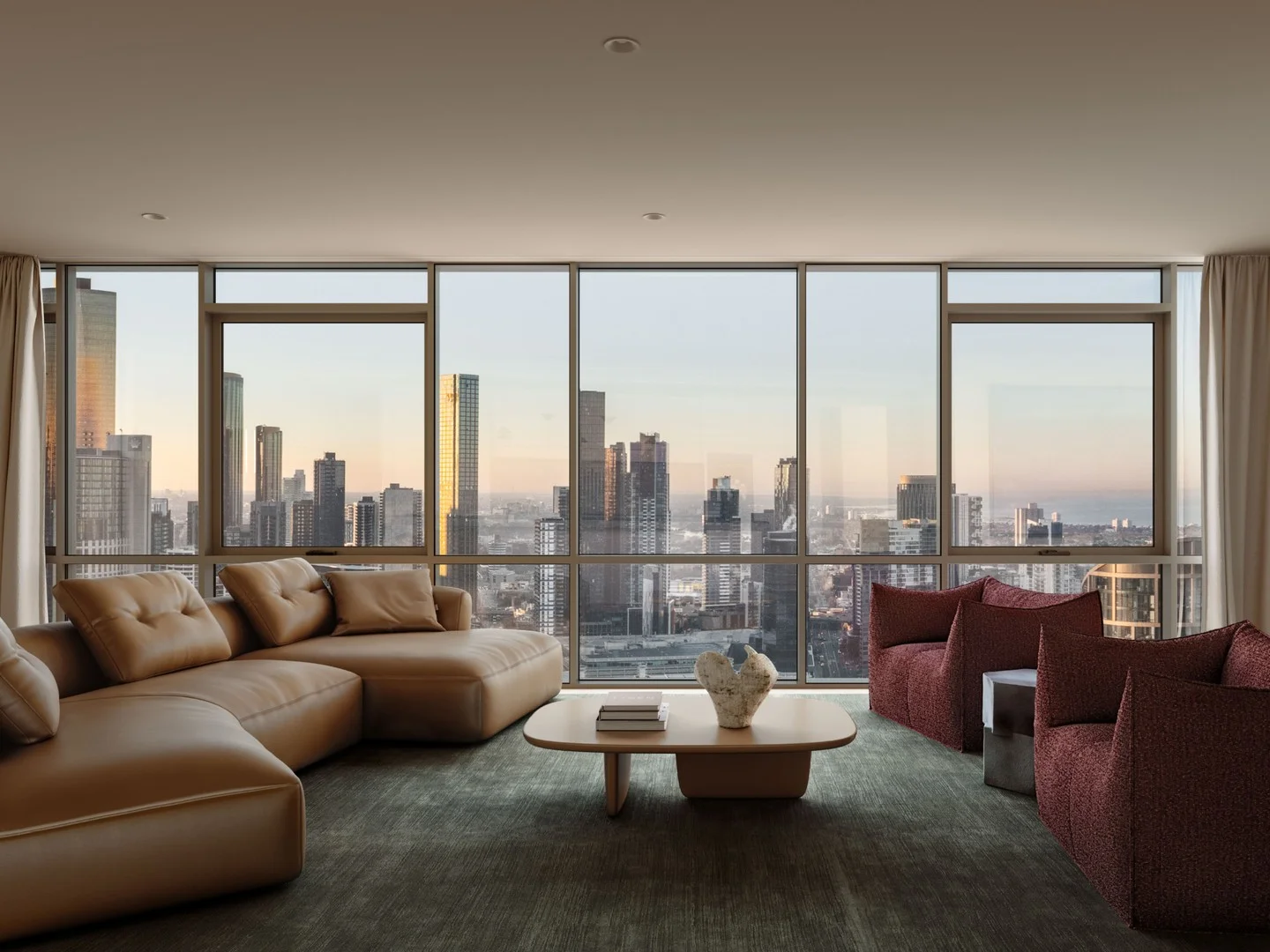 $3,700,000
propertyType.NEW APARTMENTS / OFF THE PLAN
$3,700,000
propertyType.NEW APARTMENTS / OFF THE PLAN
 $820,000
propertyType.NEW APARTMENTS / OFF THE PLAN
$820,000
propertyType.NEW APARTMENTS / OFF THE PLAN
 $1,770,000
propertyType.NEW APARTMENTS / OFF THE PLAN
$1,770,000
propertyType.NEW APARTMENTS / OFF THE PLAN