Overview
# 1. Overview
St Peter’s Catholic Primary School in Epping (3076, Australia) is a Catholic, co-educational primary school serving students from Prep to Year 6. The school is a medium-sized community that emphasizes faith formation alongside strong academic growth, in a nurturing and inclusive environment. Class sizes are typically around 20–25 students, enabling teachers to provide attentive support and personalised learning.
The school's atmosphere blends Catholic values with a focus on respect, service, and collaboration. Families often note a welcoming culture where students are encouraged to participate, contribute, and grow within a faith-informed community.
---
# 2. Academics & Learning
- Academic strengths: Strong literacy and numeracy foundations, robust English and Mathematics programs, and a growing emphasis on STEM capabilities and inquiry-based learning. There is a focus on developing well-rounded learners with critical thinking and problem-solving skills.
- Special programs: Gifted and Talented opportunities and extension activities; digital learning integration; regular opportunities for leadership development and religious education that reinforces the school’s Catholic identity.
- NAPLAN trends: Recent years show steady progress in reading and numeracy with sustained growth across year levels, reflecting a school-wide emphasis on targeted support and consistent assessment.
- Student-teacher ratios: Typical primary class sizes with a teacher-to-student ratio around 1:12 to 1:20, depending on year level and support staffing. Additional teacher aides support targeted learning needs.
- Support for diverse learners: Dedicated support for EAL and SEN learners, inclusive education practices, targeted intervention programs, and access to specialist services via referrals when needed.
---
# 3. Sports & Extracurricular Strengths
- Sports offered: General physical education and school teams across common primary-age sports such as athletics, soccer, cricket, netball, and junior football/kickball. A focus on fair play, teamwork, and participation.
- Strong teams or achievements: Participation in local interschool events with emphasised sportsmanship and collaboration. Some age groups may achieve progression to district-level competitions.
- Music, arts, drama programs: Active music program, choir, and opportunities to participate in school performances and assemblies. Arts and drama experiences are integrated into the curriculum and school events.
- Clubs: Robotics, chess, coding, and debating are offered to extend learning and encourage critical thinking, problem-solving, and teamwork.
- Partnerships: Local club partnerships and community competition opportunities help broaden experiences beyond the classroom.
---
# 4. Wellbeing & Pastoral Care
- Anti-bullying approach: Whole-school framework with clear policies, preventative education, and restorative practices to support positive relationships and resolve issues constructively.
- House system: A house structure fosters belonging, friendly competition, leadership roles, and peer mentoring across year levels.
- Counsellors / wellbeing officers: Access to school-based wellbeing staff or counselors to support mental health, resilience, and social-emotional learning.
- Transition support for new students: Orientation activities, buddy programs, and targeted transition support to help new students settle in smoothly.
---
# 5. Facilities
- Sports grounds: Ovals and outdoor play spaces suitable for physical education and recreation.
- Libraries: Well-stocked library with print and digital resources to support reading and research.
- Science labs: Equipped science spaces for hands-on experiments and practical inquiry.
- Music/performing arts centers: Dedicated spaces for music, singing, and occasional drama performances.
- Tech/innovation labs: Computer labs or makerspaces to support coding, digital literacy, and project-based learning.
- Cafeteria: On-site canteen or lunch facilities offering healthy meal options.
- Updated playgrounds: Modern, age-appropriate play areas and outdoor learning spaces.
---
# 6. School Values & Community Culture
- School values / mission: Faith-informed education emphasizing service, compassion, respect, integrity, and community. The mission supports holistic development—spiritual, academic, social, and physical.
- Leadership style: Collaborative and student-centered, with opportunities for student voice and leadership through councils or appointed roles.
- Behaviour expectations: Clear code of conduct grounded in respect, responsibility, and care for others; consistent expectations across classrooms and common areas.
- Community reputation: Positive engagement within the local Catholic and broader community, with a strong emphasis on belonging and mutual support.
- Diversity & inclusion: Welcomes students from diverse backgrounds; inclusive education practices to ensure access and participation for all learners.
---
# 7. School Logistics & Daily Operations
- School hours: Typical primary-hours schedule aligned with regional guidelines, beginning in the morning and finishing in the mid-afternoon.
- Before/after school care: Available through on-site or partner programs to support families with early drop-offs and after-school needs.
- Uniform requirements: Formal school uniform with seasonal variations (summer and winter options) and a sports uniform for certain activities.
- Transport (train/bus routes): Access via local public transport options (train and bus routes) with proximity to major transit hubs; car drop-off/pick-up zones for convenience.
- Canteen availability: On-site canteen or lunch program providing healthy meal options.
- Fees (low/medium/high ranges): Fee structures typically fall in the mid-range for Australian primary schools, with transparent inclusions for essential resources and activities; details provided by the school on request.
---
# 8. Enrolment & Admissions
11. What is the enrolment process and timeline?
- Check catchment and eligibility, submit an online expression of interest or application, provide required documents (birth certificate, immunisation records, proof of address), participate in any required interviews or information sessions, receive offer of place, complete enrolment paperwork, and attend orientation/transition activities. Timelines vary by year and intake periods; contact the school for current dates.
12. Is there a waiting list, and how does it work?
- Yes, waiting lists can occur when applications exceed places. Placement on the waiting list is typically determined by application date, catchment considerations, and any priority factors (such as siblings). The school will advise on the expected wait times and next steps.
13. Are there any entry requirements, tests, or interviews?
- Most entry processes include standard documentation and an information session or interview to assess readiness and fit with the school culture. Formal entrance tests are not routinely required for primary intake; however, interviews may be part of the process to understand family expectations and student needs.
14. Does the school accept mid-year transfers?
- Yes, subject to space availability. The school will review mid-year transfer requests, require transcripts or relevant records, and support a smooth transition with orientation for incoming students.
---
# 9. Frequently Ask Questions
- Why Parents Choose This School?
- A faith-informed, caring community with strong literacy and numeracy foundations, supportive teachers, and a focus on holistic development and values.
- What type of student thrives at this school?
- Students who respond well to a nurturing, inclusive environment that balances academic growth with spiritual formation, community involvement, and positive relationships.
- What opportunities are available for students to extend their skills (academics, sports, arts)?
- Access to extension activities in literacy and numeracy, STEM-focused projects, leadership opportunities, sports teams, arts and drama programs, and clubs like robotics, chess, coding, and debating.
- How does the school communicate with parents?
- Regular updates through newsletters, the school portal or app, parent-teacher meetings, and open channels with teachers and administration.
- What is the school’s approach to teaching and learning?
- Student-centered learning with a mix of direct instruction, inquiry-based and collaborative learning, ongoing assessment, and differentiation to meet diverse needs.
- How does the school support students who need extra academic help?
- Targeted interventions, EAL/SEN supports, small-group or one-on-one instruction, and referrals to specialist services as needed.
- What support is available for academic challenges?
- Early identification, tailored intervention plans, progress monitoring, and collaboration with families to implement effective strategies.
- How does the school communicate with parents? (Note: this question appears again in this list; it is addressed above but can be reiterated as needed.)
- What are the class sizes and how much individual attention do students receive?
- Class sizes typically range around 20–25 students, with opportunities for individual attention through teacher differentiation and targeted supports.
- What extracurricular and sports opportunities are available?
- A range of sports, music and performing arts, and clubs such as robotics, chess, coding, and debating, with invitations to participate in local competitions and events.
- What facilities does the school offer (sports, science, arts)?
- Sports grounds, libraries, science labs, music/arts spaces, tech/innovation labs, canteen, and updated playgrounds.
- What is the school’s approach to technology and digital learning?
- Integrated digital literacy and coding opportunities, with access to computer labs or makerspaces and responsible use guidelines.
- What transport and accessibility options are available?
- Proximity to public transport options (train/bus), convenient car drop-off/pick-up zones, and accessible facilities.
- What are the typical school fees or additional costs?
- Fees are generally mid-range for primary schools, with disclosures for essential resources, excursions, and activities; specifics provided by the school.
---
# 10. Short Pros & Cons list
- Pros
- Catholic, values-based education with a nurturing and inclusive culture
- Strong literacy and numeracy focus with opportunities in STEM and leadership
- Support for diverse learners (EAL, SEN) and dedicated wellbeing resources
- Wide range of extracurriculars, sports, arts, and clubs
- Modern facilities and a sense of community and belonging
- Cons
- As a mid-sized school, there may be limited selective programs or specialist tracks
- Enrolment is subject to space and catchment considerations, which can affect timing for placement
- Uniforms and associated costs require ongoing investment; some activities may incur additional fees
- Location-specific transport options may require planning for families depending on commuting needs












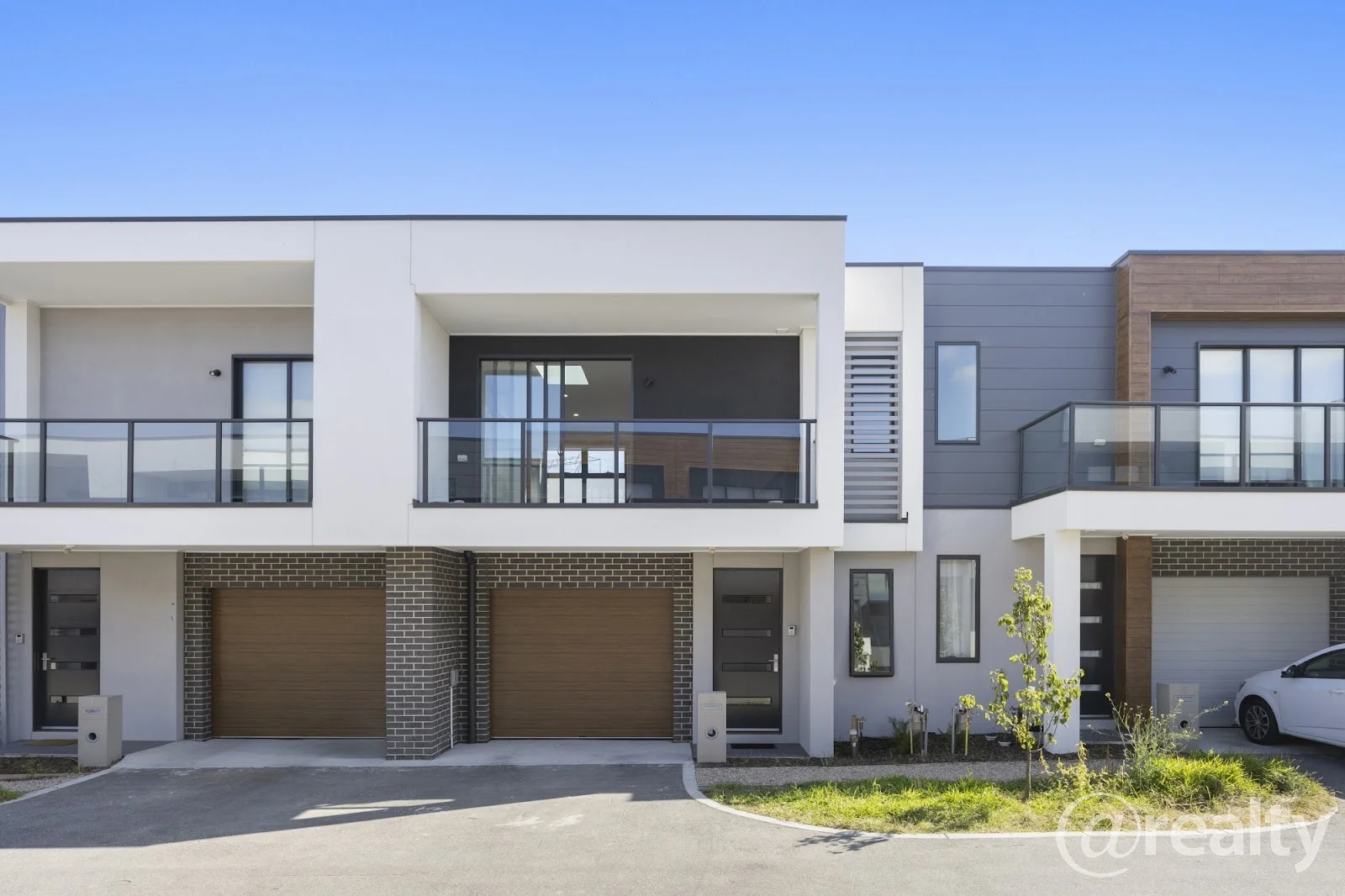 $510
Townhouse
$510
Townhouse
 $1,220,000 - $1,320,000
House
$1,220,000 - $1,320,000
House
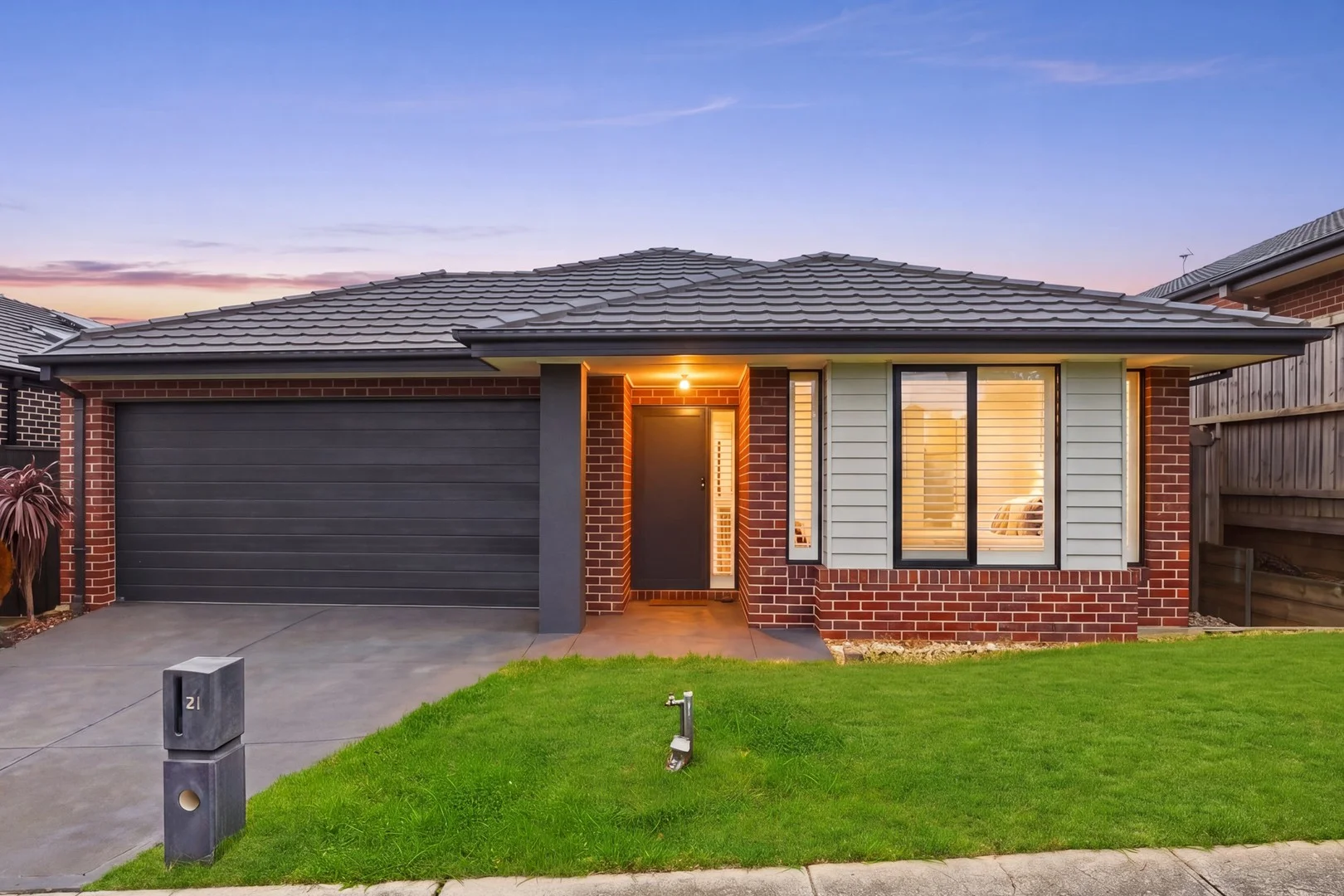 $800,000 - $850,000
House
$800,000 - $850,000
House
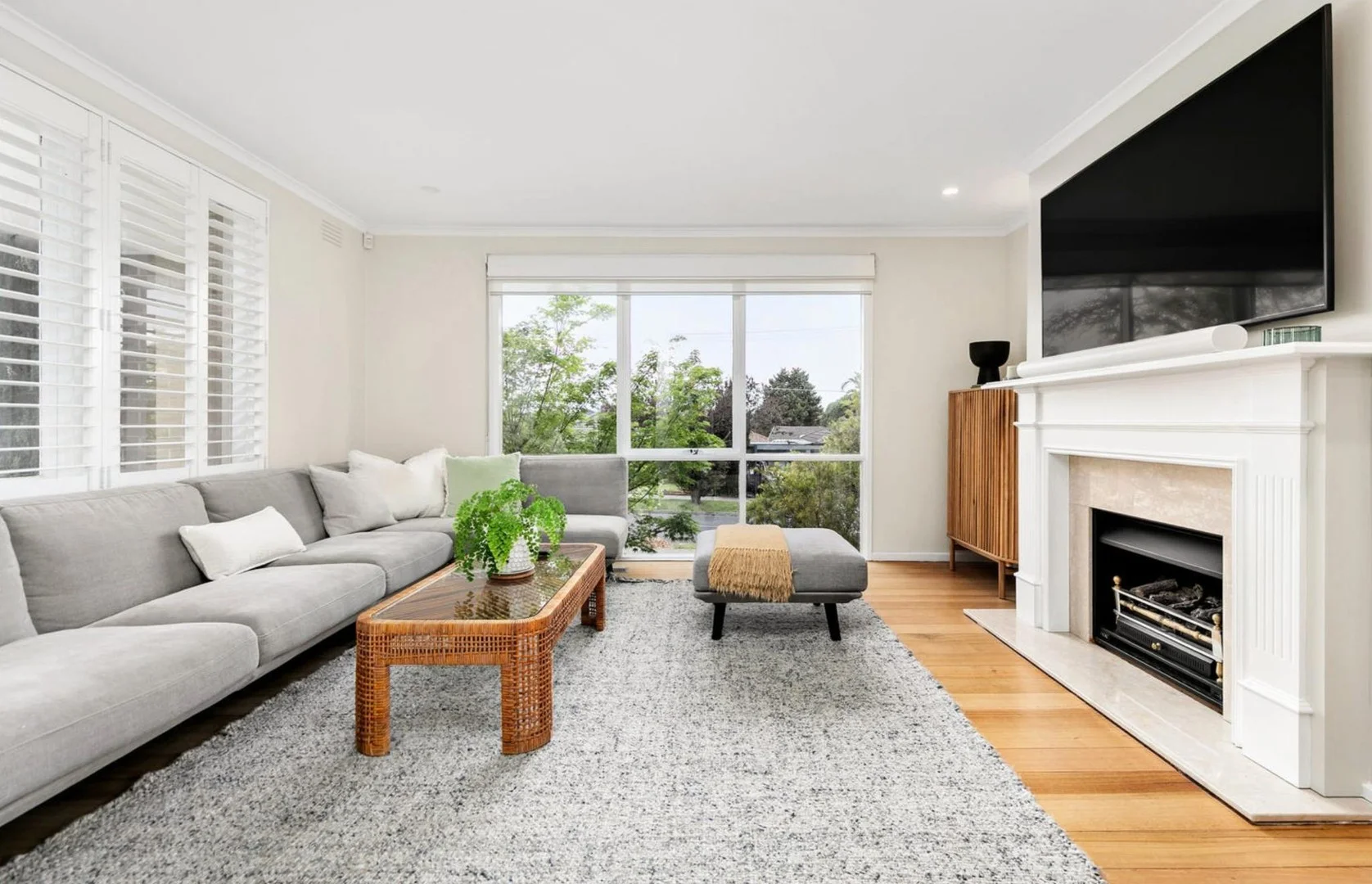 $750
House
$750
House
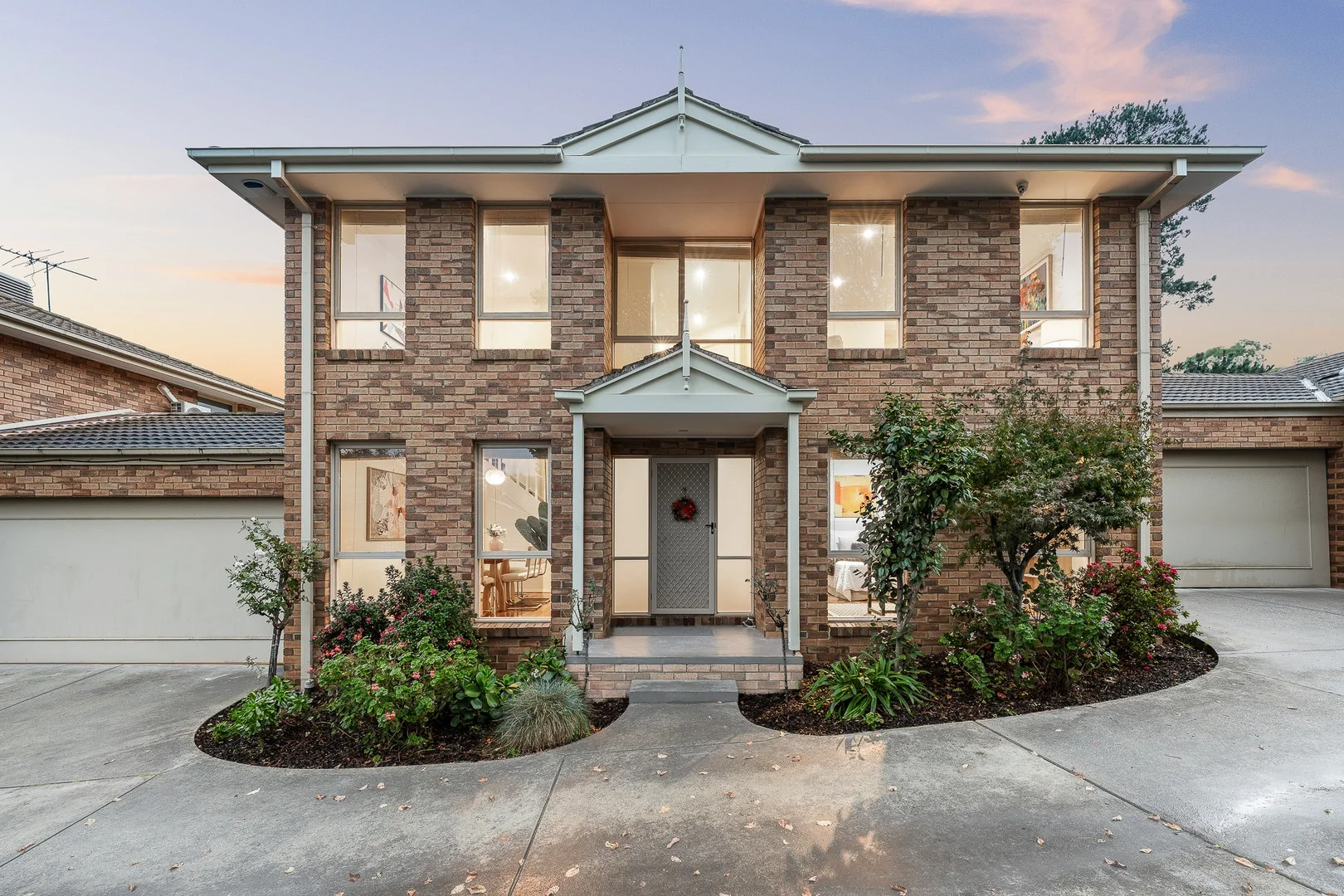 $950,000 - $1,045,000
Apartment / Unit / Flat
$950,000 - $1,045,000
Apartment / Unit / Flat
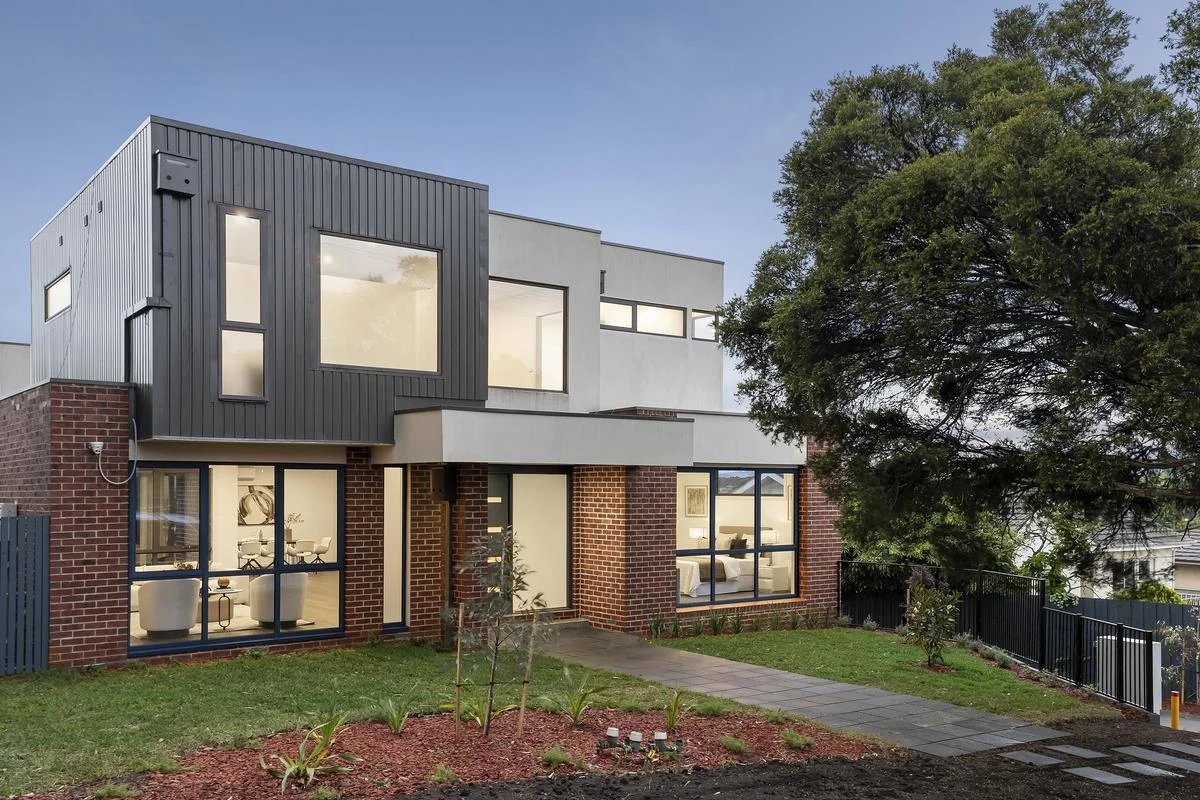 $1,550,000 - $1,650,000
Townhouse
$1,550,000 - $1,650,000
Townhouse
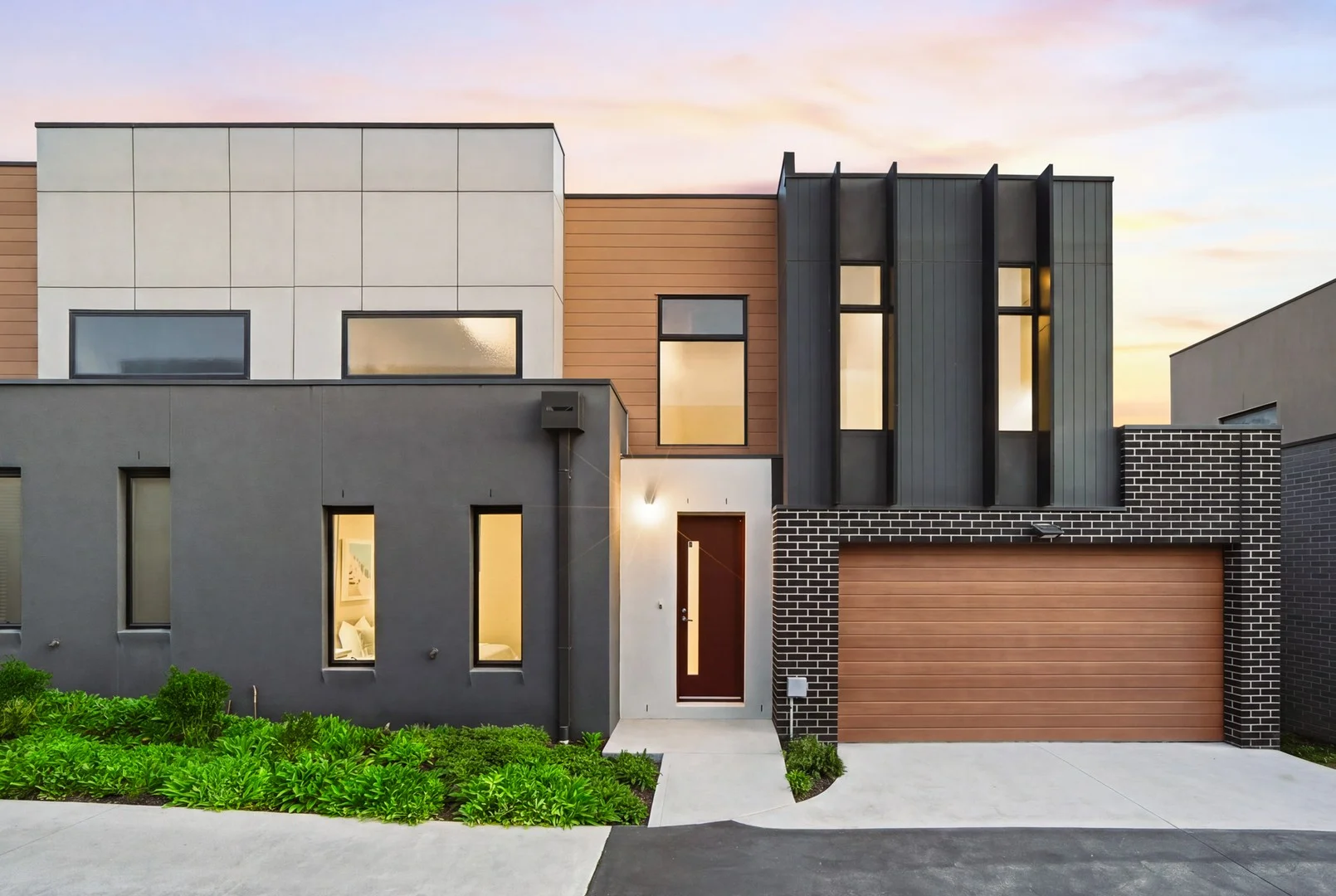 $900,000 - $990,000
Townhouse
$900,000 - $990,000
Townhouse
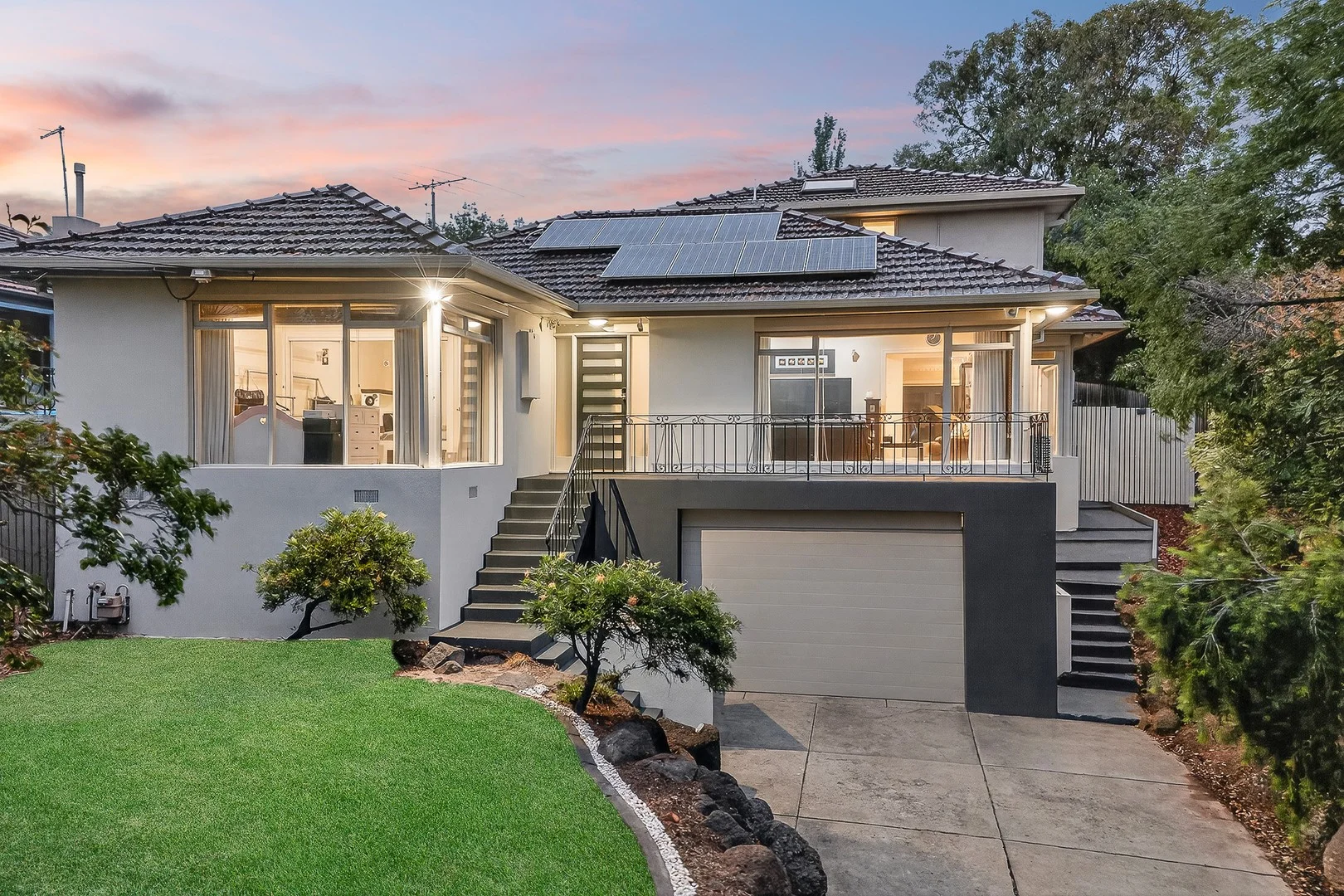 $1,350,000 - $1,450,000
House
$1,350,000 - $1,450,000
House