Overview
## 1. Overview
St Pius’ Catholic Primary School in Enmore is a Catholic, systemic primary school that supports families seeking values-based education in a close-knit inner-west community. The school aims to combine faith, academic growth and genuine care for each student within a welcoming environment.
Typically a small-to-medium school, it fosters a nurturing and inclusive atmosphere where students are encouraged to participate, grow and thrive. Class sizes are kept moderate to support individual attention, with a culture that blends faith, learning and community involvement.
⸻
## 2. Academics & Learning
- Academic strengths: A focus on foundational literacy and numeracy within a NSW syllabus framework, with attention to critical thinking, reading comprehension and expressive writing. The school emphasises the development of confident, articulate learners and a strong Catholic-identity dimension that supports ethics and character.
- Special programs: Religious education forms a core part of the curriculum, alongside leadership opportunities, student councils and age-appropriate responsibilities. There may be opportunities for gifted and talented pathways or enrichment activities, depending on year level.
- NAPLAN / trends: NSW primary schools commonly track year-to-year literacy and numeracy trends; enrolment schools often report steady progress or improvements over time. For precise trend information, refer to the school’s annual reports or NSW Department of Education summaries.
- Student-teacher ratios: Classrooms are designed to balance engagement and individual attention, with typical NSW primary ranges that aim for around 1 teacher to 22–28 students, varying by year level and cohort.
- Support for diverse learners: The school supports diverse learning needs with EAL (English as an Additional Language) assistance, SEN support and planning for inclusive education. Individual learning plans or targeted support may be available as needed.
⸻
## 3. Sports & Extracurricular Strengths
- Sports offered: A range of team and individual sports commonly available at primary level, such as soccer (football), netball, basketball, cricket, athletics and swimming programs through school activities and inter-school events.
- Strong teams or achievements: The school typically participates in local inter-school competitions and events; achievements vary by year and cohort.
- Music, arts, drama programs: Opportunities often include school choir, ensembles or band, and school-wide drama productions and performances.
- Clubs: Robotics, chess, coding and debating are among the clubs commonly offered to extend learning beyond the classroom.
- Partnerships: The school may collaborate with local community clubs, sports associations and regional competitions to provide additional pathways in sport, STEM and the arts.
⸻
## 4. Wellbeing & Pastoral Care
- Anti-bullying approach: Emphasis on a positive, respectful culture with clear anti-bullying policies, restorative practices and wellbeing supports.
- House system: A house structure (for pastoral care, events and spirit) helps build belonging and teamwork across year levels.
- Counsellors / wellbeing officers: Access to school-based counselling or wellbeing staff to support emotional health, resilience and anxiety management as needed.
- Transition support for new students: Programs such as buddy systems, orientation sessions and targeted reception support help new students settle in smoothly.
⸻
## 5. Facilities
- Sports grounds: On-site or adjacent facilities to support physical education and outdoor activities.
- Libraries: A library or library space for reading and research.
- Science labs: Science learning spaces designed for practical experiments and inquiry-based activities.
- Music/performing arts centers: Spaces or rooms for music practice, rehearsals and small performances.
- Tech/innovation labs: Access to IT or STEM-related spaces for coding, robotics and digital learning.
- Cafeteria: On-site canteen or dining area for meals and snacks.
- Updated playgrounds: Safe outdoor play areas suitable for different age groups.
⸻
## 6. School Values & Community Culture
- School values / mission: A faith-based, service-oriented mission that emphasises respect, kindness, inclusion and community involvement.
- Leadership style: Leadership at the school typically blends collaborative decision-making with clear direction from the principal and leadership team, aiming to model Catholic values in daily practice.
- Behaviour expectations: A clear code of conduct and classroom expectations support consistent, respectful behaviour and positive peer interactions.
- Community reputation: The school generally fosters active parental involvement, positive relationships with parish communities and a neighbourhood-friendly profile.
- Diversity & inclusion: A commitment to welcoming families from diverse backgrounds and ensuring accessible, inclusive learning experiences.
⸻
## 7. School Logistics & Daily Operations
- School hours: Daytime hours aligned with NSW primary schedules; specific start and finish times can vary by grade level and term.
- Before/after school care: Availability of-before and after-school care programs or approved providers may be offered to support families.
- Uniform requirements: A school uniform is typically required, with guidelines for daily wear and occasions such as sports or formal events.
- Transport (train/bus routes): Accessible by public transport; options may include nearby train stations or bus routes, with suggested drop-off and pick-up arrangements.
- Canteen availability: On-site or partner canteen services offering meals and snacks; arrangements vary by school.
- Fees (low/medium/high ranges): Fee levels are generally described as moderate within NSW Catholic primary settings, with details published in the school’s fee schedule.
⸻
## 8. Enrolment & Admissions
- 11. What is the enrolment process and timeline?
- Submit the application form and required supporting documents (birth certificate, immunisation records, proof of address, parish information if relevant).
- Complete any school information sessions or interviews as part of the process.
- Receive notification of offer and confirm enrolment within the school’s stated timeline; timelines can vary by intake year and level.
- 12. Is there a waiting list, and how does it work?
- Many Catholic primary schools maintain a waiting list when vacancies are filled. The list is typically prioritized by factors such as siblings already attending, parishioner/affiliation status, proximity to the school, and available year levels. The school will advise on length of wait times and how to stay on the list.
- 13. Are there any entry requirements, tests, or interviews?
- Some year levels may involve an information session or interview to understand the family’s fit with the school’s values and environment. Classroom placement decisions are usually made to support balance and learning needs; formal academic testing for entry is not always required for a primary intake, but this can vary by year level and policy.
- 14. Does the school accept mid-year transfers?
- Mid-year transfers are often considered if space is available and appropriate placement can be made. Families seeking mid-year transfers should contact the school's enrolment office to discuss vacancies, transfers timelines and required documentation.
⸻
## 9. Frequently Asked Questions
- Why Parents Choose This School?
- Parents value the faith-centered, values-driven environment, supportive community, emphasis on well-being and a balanced approach to academics and character development.
- What type of student thrives at this school?
- Students who respond well to a caring, community-focused setting, who value inclusive education, and who enjoy participating in faith-based programs, clubs and team activities.
- What opportunities are available for students to extend their skills (academics, sports, arts)?
- Opportunities across literacy and numeracy enrichment, leadership roles, music and drama, sports, robotics, coding and debating, with pathways to extend talents through clubs and inter-school events.
- How does the school communicate with parents?
- Regular updates through newsletters, parent portals or notices, with staff availability for meetings or phone calls; formal parent-teacher conferences are typically offered each term.
- What is the school’s approach to teaching and learning?
- A NSW-syllabus aligned approach with a focus on essential literacy and numeracy, inquiry-based learning, and integration of Catholic values into daily lessons.
- How does the school support students who need extra academic help?
- Targeted support through differentiation within classrooms, EAL/SEN assistance, and access to additional learning support staff or programs where available.
- What support is available for academic challenges?
- Individualized plans, small group or targeted intervention, and ongoing communication with families to monitor progress and adapt supports.
- How does the school communicate with parents? (duplicate)
- See the response above for parent communication channels and routines.
- What are the class sizes and how much individual attention do students receive?
- Class sizes are moderated to enable reasonable student-teacher interaction; schools typically aim for around 22–28 students per class, with opportunities for individual feedback and supports as needed.
- What extracurricular and sports opportunities are available?
- A range of sports, clubs (robotics, chess, coding, debating), music and arts programs, and participation in local inter-school events.
- What facilities does the school offer (sports, science, arts)?
- Sports grounds, library, science labs, music/performing arts spaces, tech/innovation areas, canteen, and updated playgrounds.
- What is the school’s approach to technology and digital learning?
- Integration of digital learning tools within the curriculum, supported by age-appropriate technology use, coding and online safety education.
- What transport and accessibility options are available?
- Access to nearby public transport routes; school supports safe drop-off/pick-up arrangements; information on accessibility is provided by the school.
- What are the typical school fees or additional costs?
- Fees are typically described as moderate for NSW Catholic primary schools; detailed breakdowns are provided in the school’s published fee schedule.
⸻
## 10. Short Pros & Cons list
- Pros
- Faith-based, values-driven environment with a focus on character and well-being.
- Nurturing, inclusive culture and a sense of community.
- Moderated class sizes and opportunities across academics, sports, arts and clubs.
- Strong links with the parish and local community; family involvement encouraged.
- Access to pastoral care, wellbeing supports and transition assistance for new students.
- Cons
- Availability of vacancies can be limited in inner-city areas; waitlists may apply.
- Uniforms and structured routines may feel rigid to some families.
- Specific programs or facilities may vary by year and cohort; exact offerings should be confirmed with the school.
⸻








 $990
Apartment / Unit / Flat
$990
Apartment / Unit / Flat
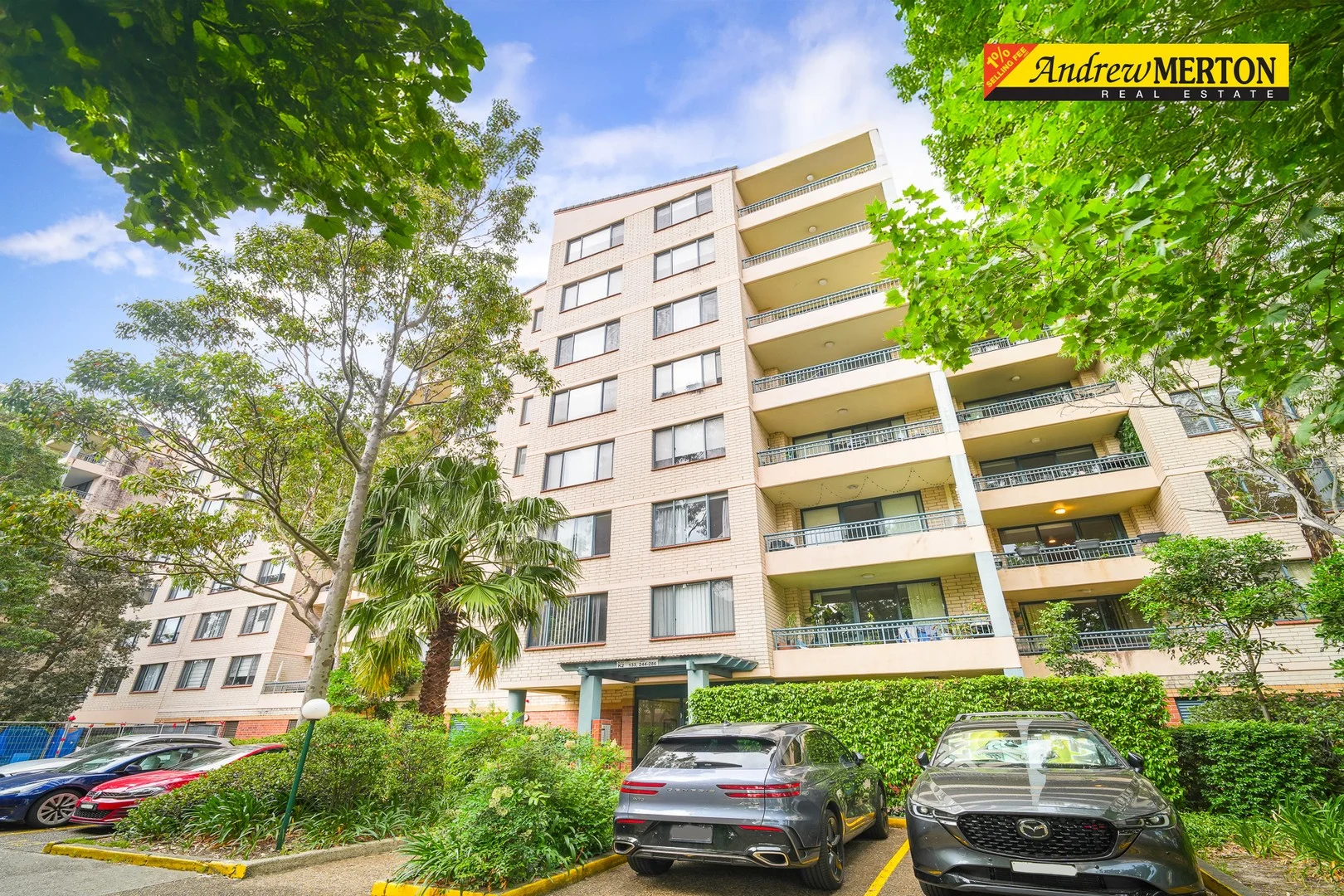 $933,000
Apartment / Unit / Flat
$933,000
Apartment / Unit / Flat
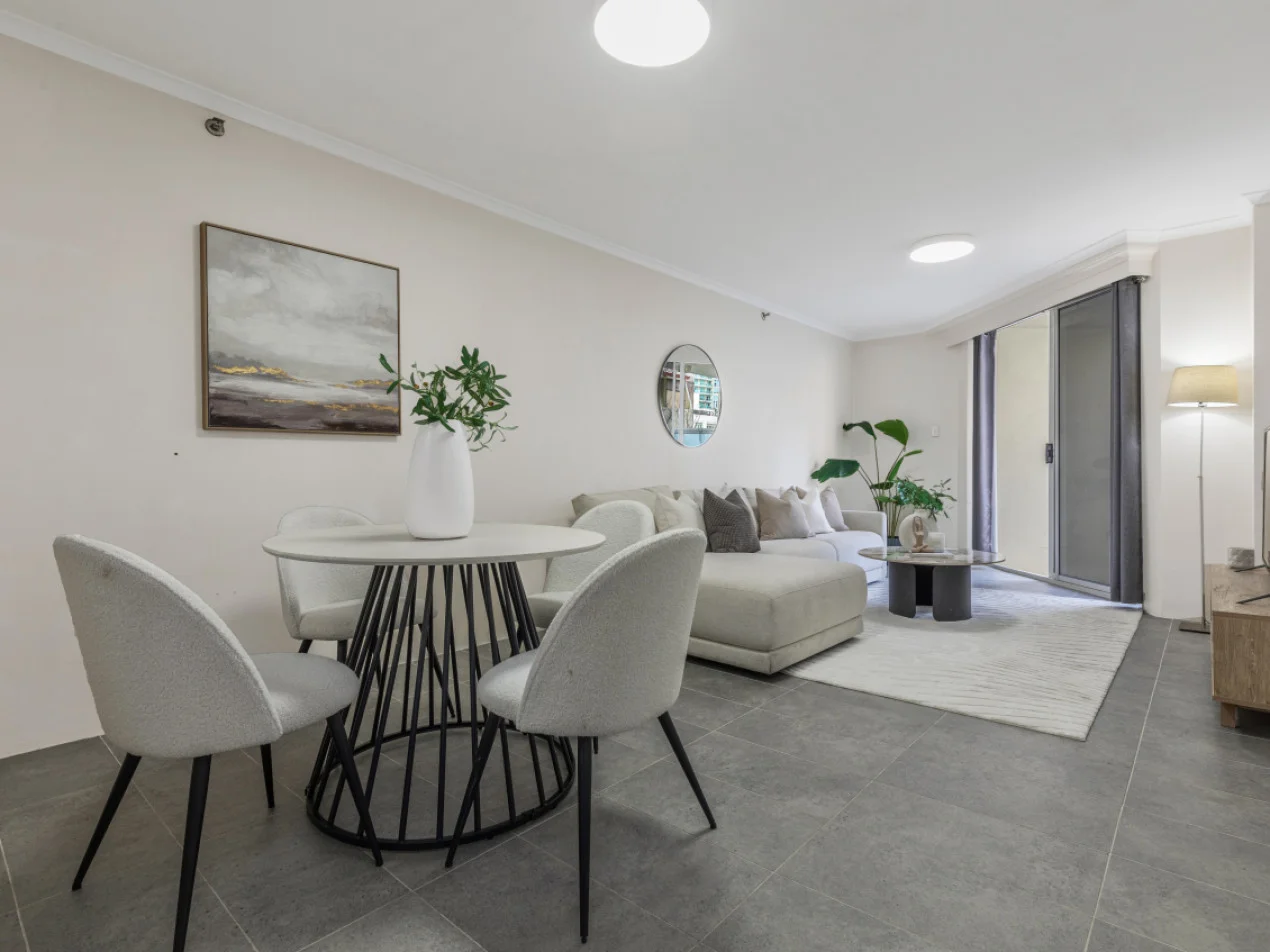 $640,000 - $675,000
Apartment / Unit / Flat
$640,000 - $675,000
Apartment / Unit / Flat
 $8,630,000
propertyType.NEW APARTMENTS / OFF THE PLAN
$8,630,000
propertyType.NEW APARTMENTS / OFF THE PLAN
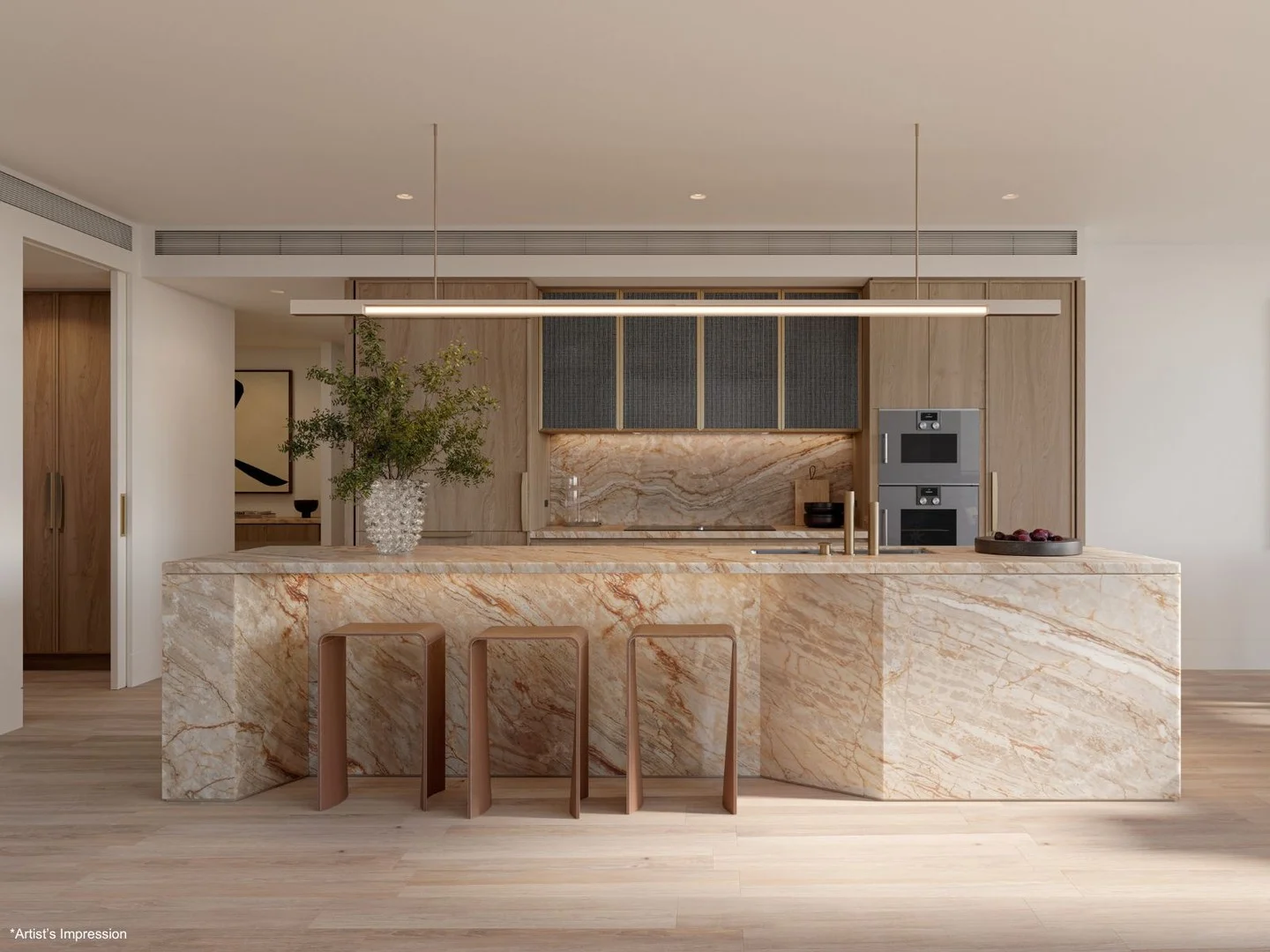 $6,225,000
propertyType.NEW APARTMENTS / OFF THE PLAN
$6,225,000
propertyType.NEW APARTMENTS / OFF THE PLAN
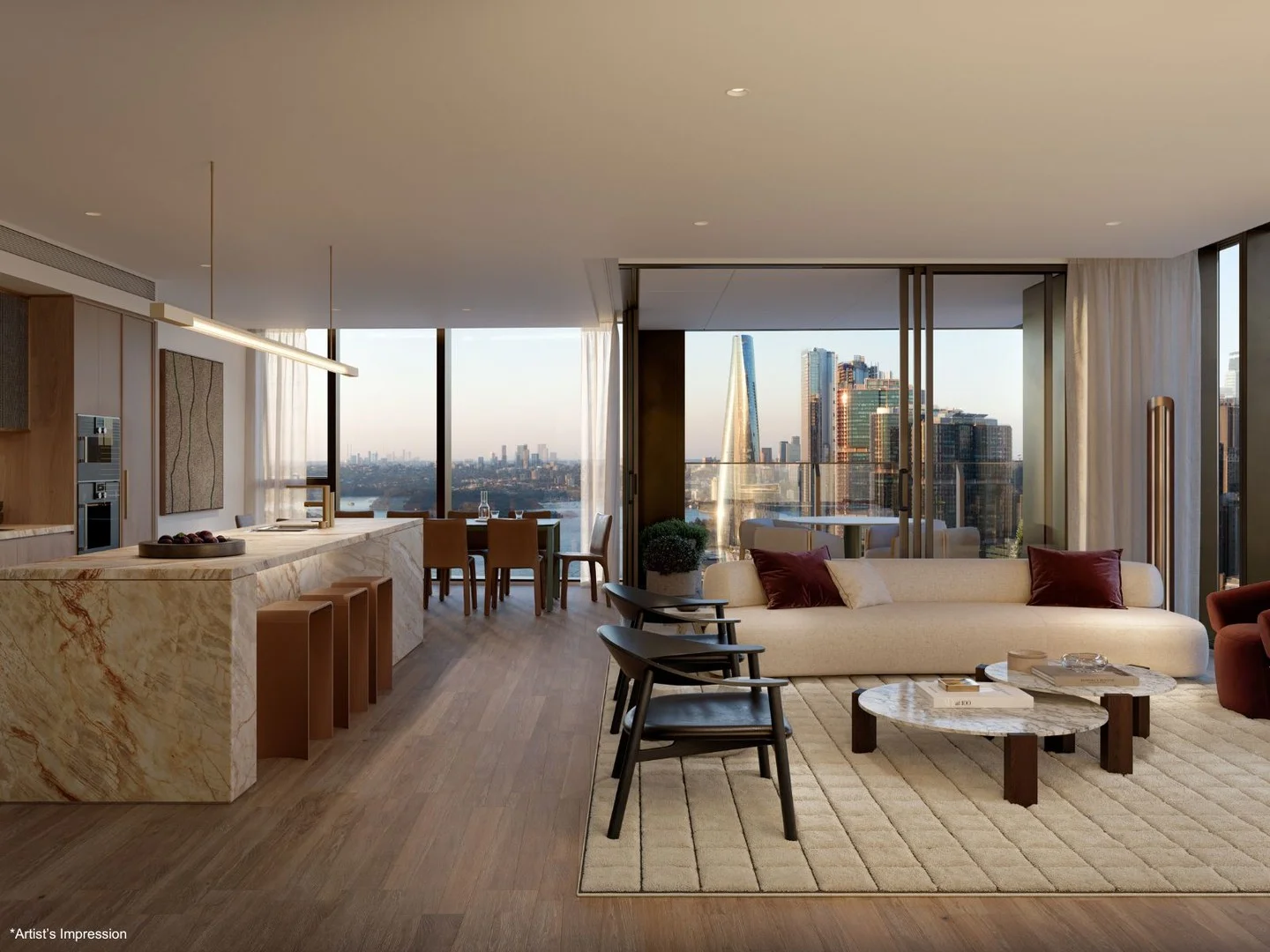 $12,980,000
propertyType.NEW APARTMENTS / OFF THE PLAN
$12,980,000
propertyType.NEW APARTMENTS / OFF THE PLAN
 $9,020,000
propertyType.NEW APARTMENTS / OFF THE PLAN
$9,020,000
propertyType.NEW APARTMENTS / OFF THE PLAN
 $660,000 - $725,000
Apartment / Unit / Flat
$660,000 - $725,000
Apartment / Unit / Flat
 $2,250,000
Apartment / Unit / Flat
$2,250,000
Apartment / Unit / Flat