Overview
## 1. Overview
St Therese Catholic Primary School is a Catholic, parish-based primary school. It offers a faith-informed education in a nurturing, inclusive community with a focus on character and service. The school is a medium-sized community, with class sizes typically in the low 20s, supporting close teacher–student engagement and strong pastoral care. The atmosphere blends academic rigor with faith formation, fostering a welcoming environment where students are supported to grow academically, socially, and spiritually.
## 2. Academics & Learning
- Academic strengths: English and Maths literacy, with a solid foundation in Religious Education; emphasis on inquiry and practical learning; opportunities in STEM activities and leadership development.
- Special programs: Gifted and Talented extension options; targeted learning support; integration of ICT and coding within the curriculum.
- NAPLAN trends: Steady performance with improvements over recent years, generally in line with or above state averages in key literacy and numeracy areas.
- Student-teacher ratios: Approximately 1:20, supporting active teacher involvement and personalized feedback.
- Support for diverse learners: English as an Additional Language (EAL) support and a Learning Support team for students with additional educational needs (SEN).
## 3. Sports & Extracurricular Strengths
- Sports offered: Soccer, netball, cricket, basketball, athletics, and other school-based programs.
- Strong teams or achievements: Active participation in regional competitions and school-level championships; regular opportunities to represent the school in interschool events.
- Music, arts, drama programs: School choir, performances, and involvement in school events; opportunities for participation in drama and musical activities.
- Clubs: Robotics, chess, coding, debating, and other interest-based clubs.
- Partnerships: Connections with local community groups and interschool clubs to broaden competition and learning opportunities.
## 4. Wellbeing & Pastoral Care
- Anti-bullying approach: Clear policies and procedures, buddy programs, and ongoing well-being education to foster respect and safety.
- House system: House-based activities and events to promote belonging and healthy competition.
- Counsellors / wellbeing officers: Access to school counsellors or wellbeing coordinators to support social and emotional development.
- Transition support for new students: Orientation sessions, buddy programs, and gradual onboarding to ease transitions for new families and students.
## 5. Facilities
- Sports grounds: On-site playing fields and courts for physical education and sports.
- Libraries: A well-equipped library supporting reading and research across year levels.
- Science labs: Dedicated spaces for experiments and hands-on learning.
- Music/performing arts centers: Facilities for music practice, choir, drama, and performances.
- Tech/innovation labs: ICT rooms or computer suites to support digital learning and coding.
- Cafeteria: On-site canteen offering healthy options.
- Updated playgrounds: Well-maintained outdoor play spaces for recreation and physical activity.
## 6. School Values & Community Culture
- School values / mission: Catholic values of faith, respect, compassion, responsibility, and service; emphasis on whole-child development.
- Leadership style: Student leadership opportunities (e.g., student council), collaborative planning with staff, and supportive teacher guidance.
- Behaviour expectations: Clear expectations around respect, safety, responsibility, and courtesy; consistent reinforcement across the school.
- Community reputation: Strong parish and parent-community involvement, with a welcoming culture for families from diverse backgrounds.
- Diversity & inclusion: Inclusive environment that supports culturally and linguistically diverse families and students.
## 7. School Logistics & Daily Operations
- School hours: Typically 9:00am–3:00pm, with before/after school care options available.
- Before/after school care: Available to extend care outside normal school hours.
- Uniform requirements: Uniform dress code (formal uniform, with sport uniform for certain days), including hats and appropriate footwear.
- Transport: Access to public transport options; clear drop-off/pick-up zones; bus/train routes where available.
- Canteen availability: On-site canteen or lunch program offering healthy options.
- Fees: Mid-range (typical for Catholic primary schools in the area), with annual fees and additional costs for excursions and uniform.
## 8. Enrolment & Admissions
11. What is the enrolment process and timeline?
- Submit an application through the school’s enrolment process (often coordinating with parish registrations). After review, families may be contacted for a brief interview or information session. Offers are made for the upcoming intake year, with a confirmed placement following acceptance and completion of any required documentation. Important dates are typically published by the school each year.
12. Is there a waiting list, and how does it work?
- Yes, waiting lists can operate when year-level places are limited. Preference is often given to siblings, parish families, and then other applicants based on the school’s enrolment policy. Families on the wait list are notified as places become available.
13. Are there any entry requirements, tests, or interviews?
- Most primary-entry processes do not require formal academic testing. Families can expect an enrolment interview or information session, and documentation such as proof of identity, baptism (where applicable), and residency/emergency contact details. Schools may request information to understand family involvement and parish ties.
14. Does the school accept mid-year transfers?
- Yes, subject to available space. Transfer applications usually include a request for official school records, a transition plan, and confirmation of wellbeing and safety arrangements. Space availability and alignment with the school’s timetable influence mid-year placements.
## 9. Frequently Asked Questions
- Why Parents Choose This School?
- Strong Catholic values, a caring community, solid academic program, and extensive pastoral support that helps students grow in faith and character.
- What type of student thrives at this school?
- Students who are motivated, value community and service, and respond well to a faith-based, inclusive setting with opportunities for leadership and participation in a range of activities.
- What opportunities are available for students to extend their skills (academics, sports, arts)?
- Access to gifted and talented extension, STEM and coding clubs, language or faith-based programs, sports teams, music ensembles, drama, debating, and interschool competitions.
- How does the school communicate with parents?
- Regular newsletters, emails, parent portals, and school apps; parent-teacher interviews; information evenings and social media updates.
- What is the school’s approach to teaching and learning?
- Student-centered, faith-informed teaching that balances literacy, numeracy, and inquiry-based learning; differentiation to meet diverse needs; integration of digital tools and responsible technology use.
- How does the school support students who need extra academic help?
- Dedicated learning support teams, targeted interventions, EAL support, and adjustments to meet individual learning plans.
- What support is available for academic challenges?
- Early identification, small-group or one-on-one support, collaboration with families and specialists, and ongoing progress monitoring.
- How does the school communicate with parents?
- See above: newsletters, portals, emails, and regular parent-teacher interactions.
- What are the class sizes and how much individual attention do students receive?
- Class sizes typically around 20–25 students, with teacher focus on individual feedback, targeted support, and small-group activities.
- What extracurricular and sports opportunities are available?
- A range of sports teams and PE programs, music ensembles, drama, robotics, chess, coding, debating, and interschool competitions.
- What facilities does the school offer (sports, science, arts)?
- Sports grounds, library, science labs, music/performing arts facilities, technology/innovation labs, canteen, and updated playgrounds.
- What is the school’s approach to technology and digital learning?
- Integrated ICT across curricula, coding and digital literacy opportunities, and a focus on digital citizenship and safe online practices.
- What transport and accessibility options are available?
- Public transport access, school drop-off/pick-up zones, and applicable accessibility features and parking arrangements.
- What are the typical school fees or additional costs?
- Fees are mid-range for the area, with standard annual charges and additional costs for uniforms, excursions, and extra activities.
## 10. Short Pros & Cons
- Pros
- Strong Catholic community and values
- Supportive pastoral care and student well-being
- Balanced focus on academics, faith formation, and extracurriculars
- Good teacher–student ratios enabling personalized attention
- Inclusive environment with opportunities for leadership and service
- Cons
- Smaller or mid-sized school may mean fewer specialized pathways than larger institutions
- Waiting lists can occur for popular year levels
- Catholic environment may require alignment with parish/community expectations
- Uniforms and certain costs are a ongoing consideration for families








 $990
Apartment / Unit / Flat
$990
Apartment / Unit / Flat
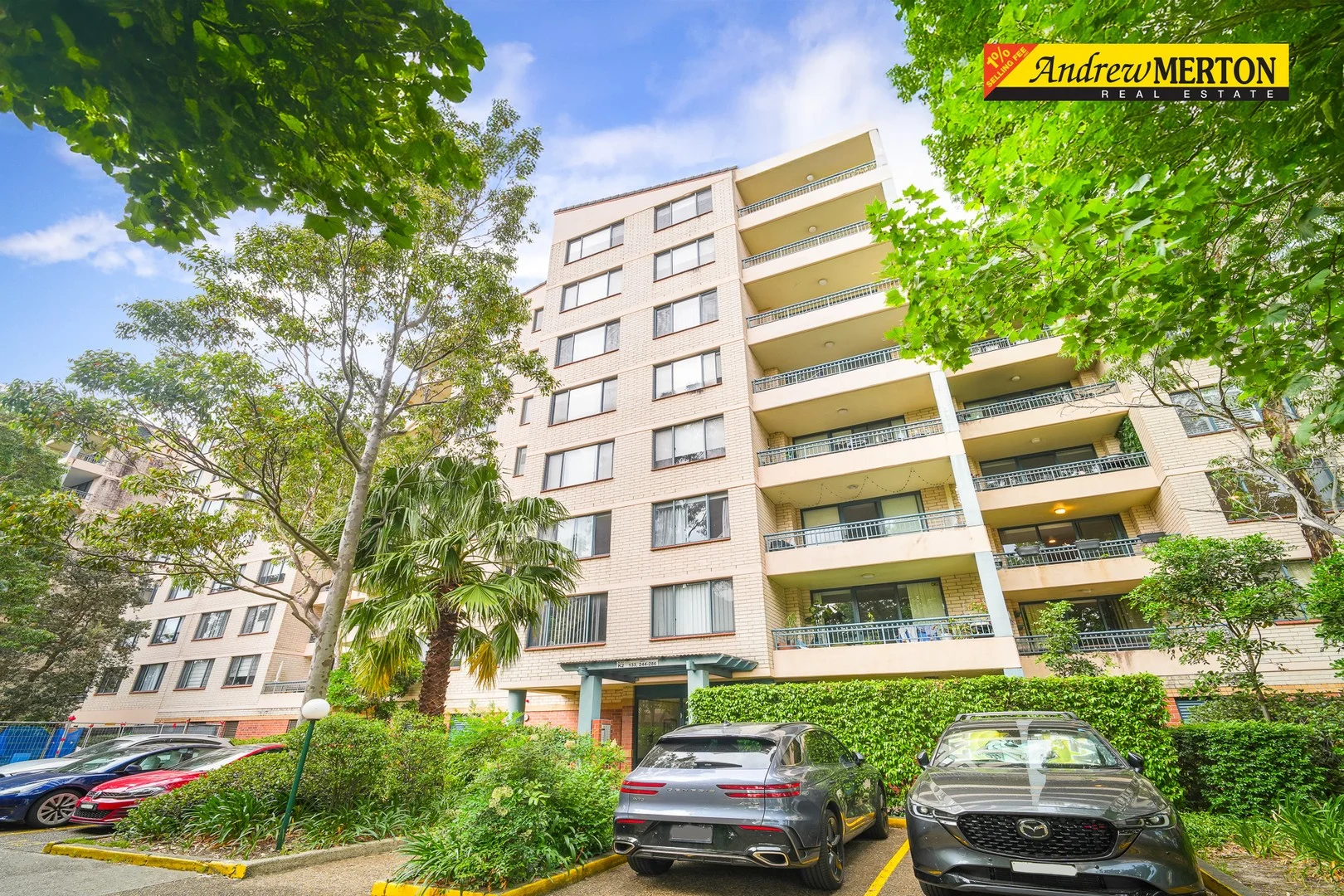 $933,000
Apartment / Unit / Flat
$933,000
Apartment / Unit / Flat
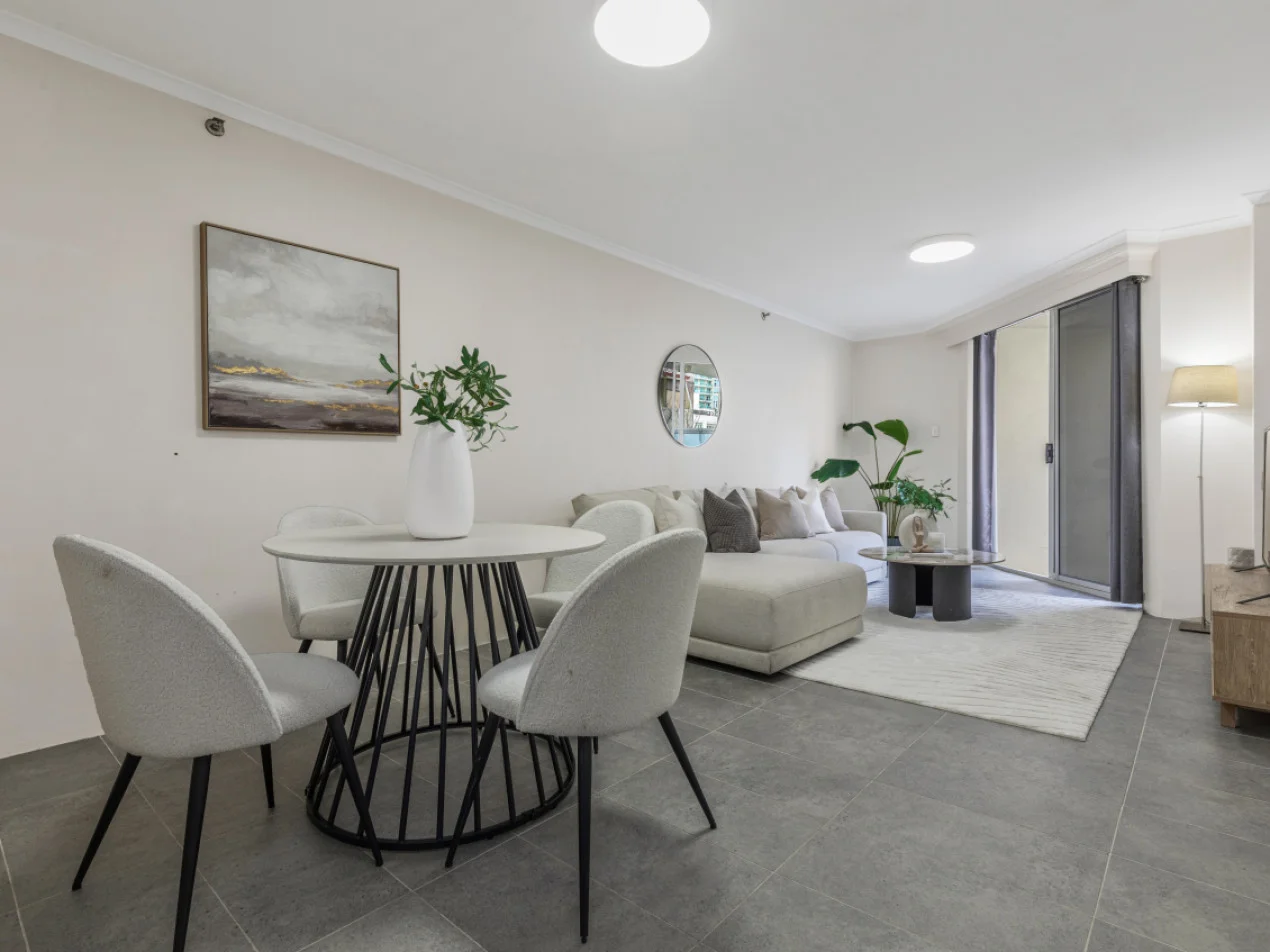 $640,000 - $675,000
Apartment / Unit / Flat
$640,000 - $675,000
Apartment / Unit / Flat
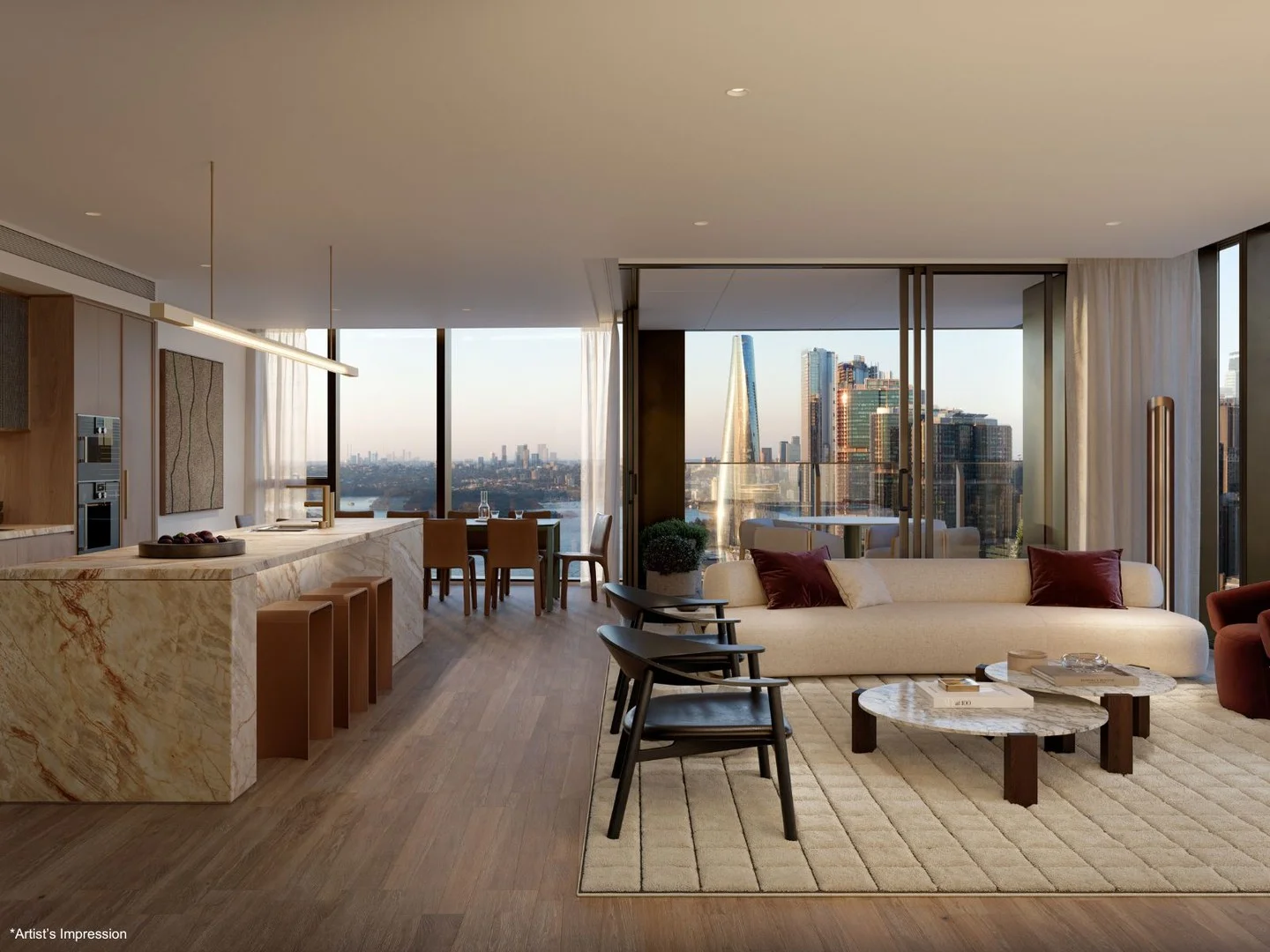 $12,980,000
propertyType.NEW APARTMENTS / OFF THE PLAN
$12,980,000
propertyType.NEW APARTMENTS / OFF THE PLAN
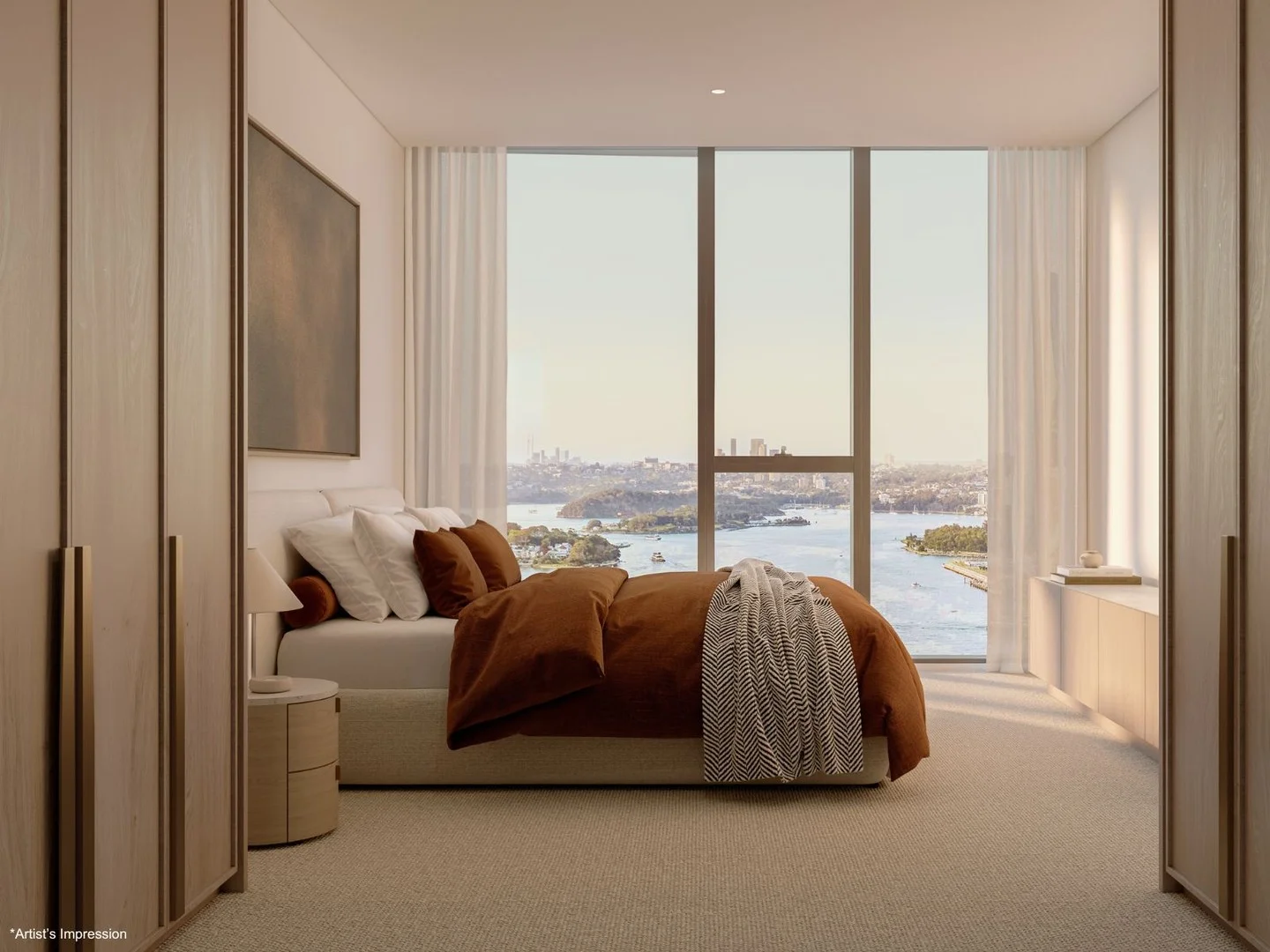 $8,630,000
propertyType.NEW APARTMENTS / OFF THE PLAN
$8,630,000
propertyType.NEW APARTMENTS / OFF THE PLAN
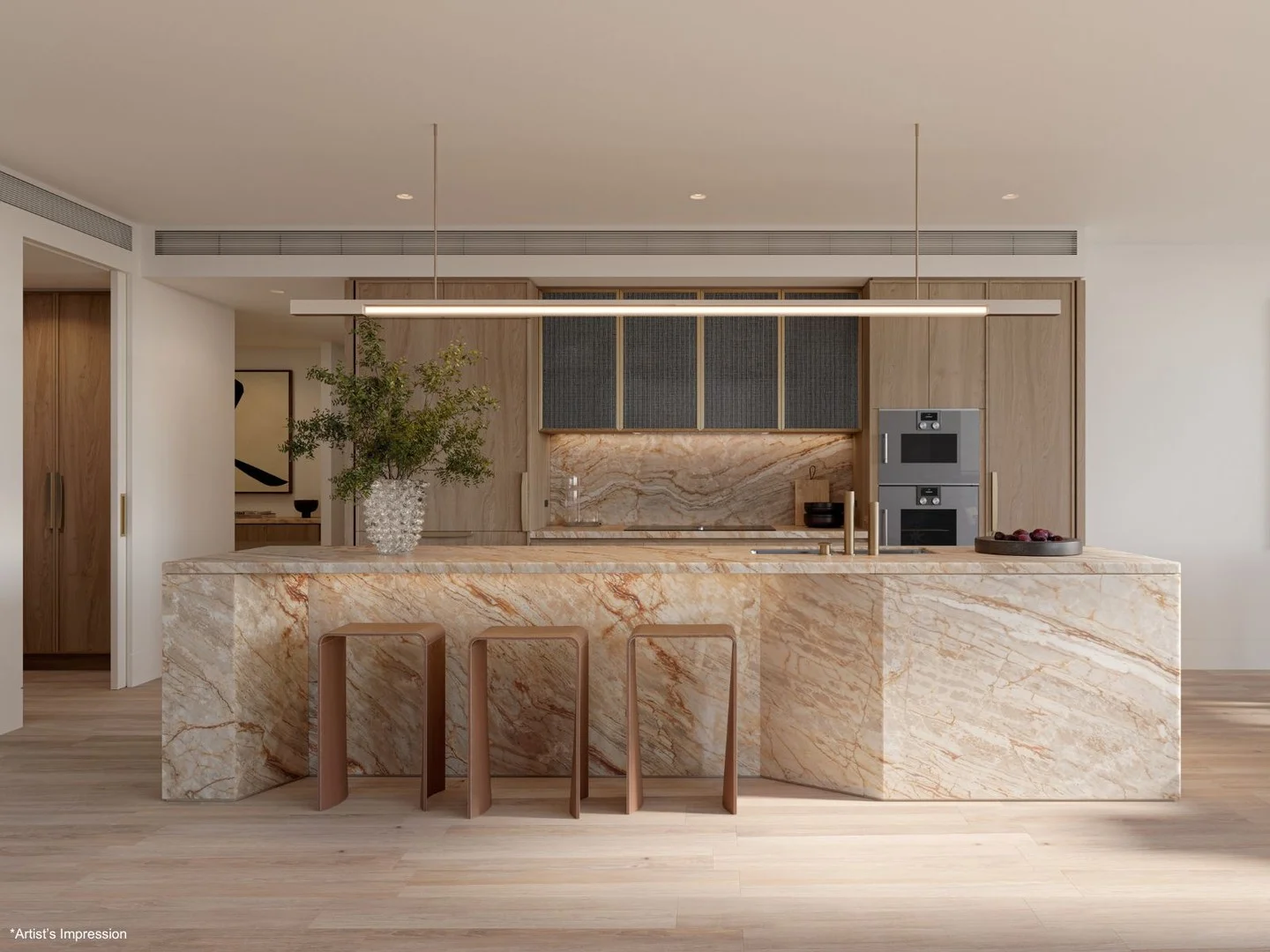 $6,225,000
propertyType.NEW APARTMENTS / OFF THE PLAN
$6,225,000
propertyType.NEW APARTMENTS / OFF THE PLAN
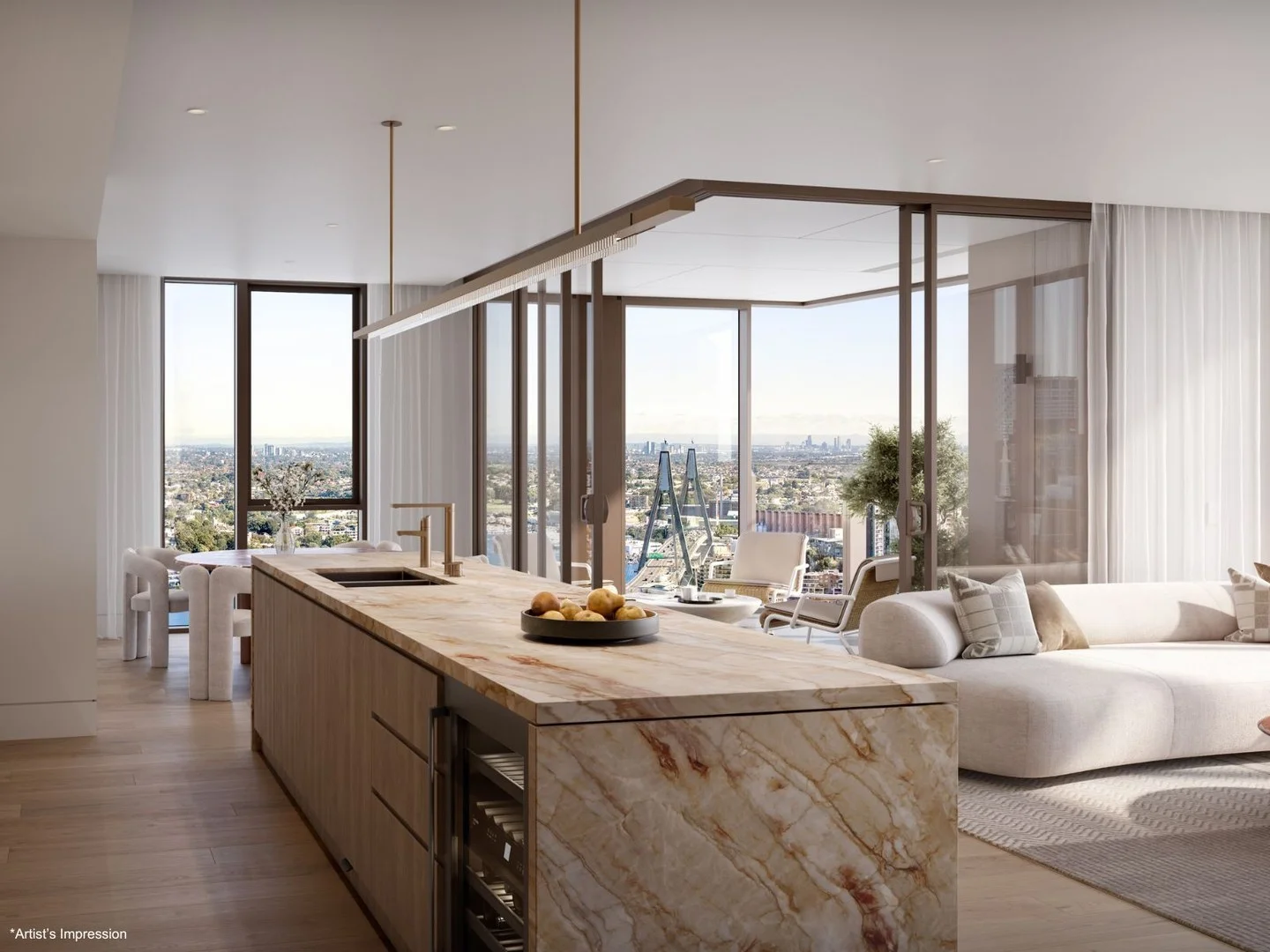 $9,020,000
propertyType.NEW APARTMENTS / OFF THE PLAN
$9,020,000
propertyType.NEW APARTMENTS / OFF THE PLAN
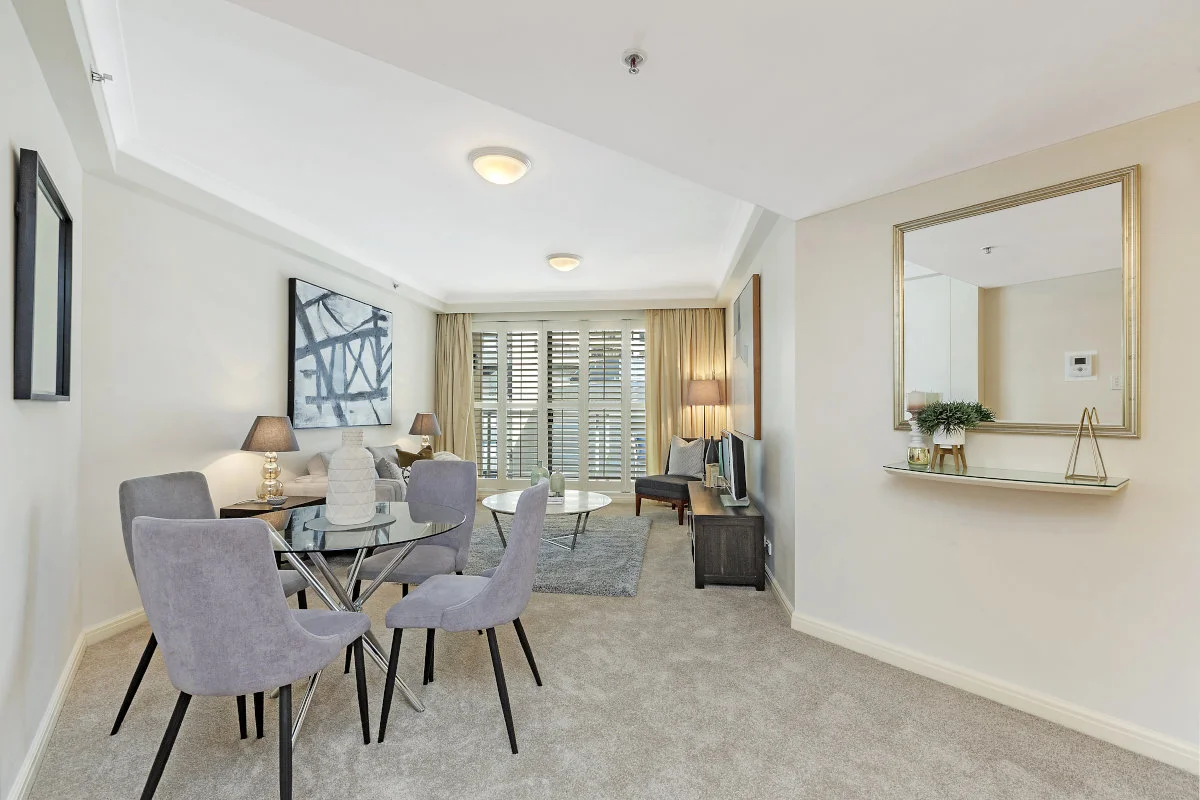 $660,000 - $725,000
Apartment / Unit / Flat
$660,000 - $725,000
Apartment / Unit / Flat
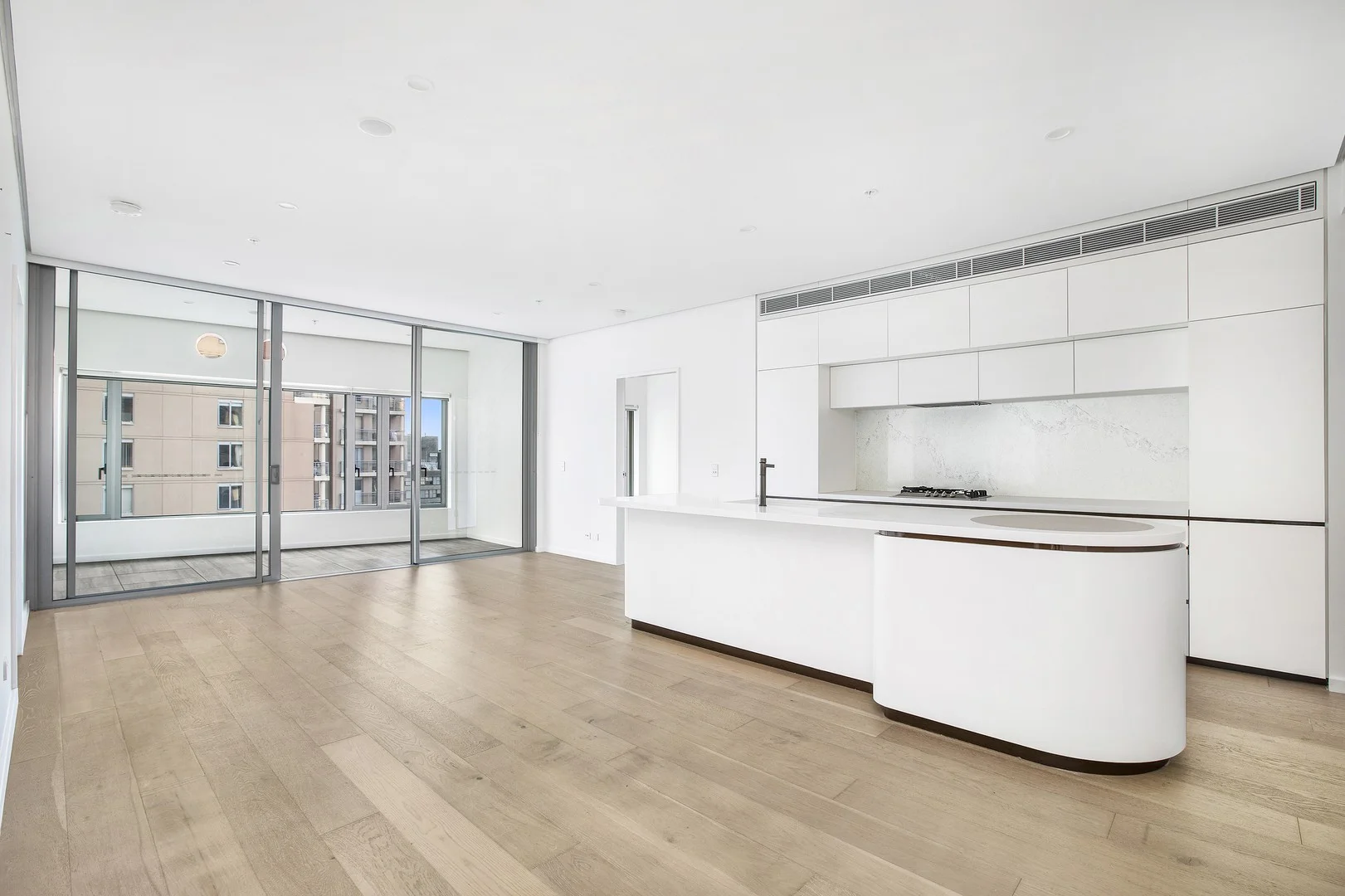 $2,250,000
Apartment / Unit / Flat
$2,250,000
Apartment / Unit / Flat