Overview
1. Overview
St Raphael's Primary School in West Preston is a Catholic, co-educational primary school that aims to blend faith with a strong learning focus. The school is mid-sized, fostering a close-knit, inclusive atmosphere where students feel supported to grow academically and personally.
Class sizes are typically in the low to mid-20s, allowing teachers to give individual attention while maintaining a collaborative classroom environment. The culture emphasizes nurturing relationships, community involvement, and a respectful, faith-centered approach to everyday learning.
2. Academics & Learning
- Academic strengths: Focus on strong literacy and numeracy foundations, with deliberate emphasis on reading, writing, and maths. There is a clear commitment to STEM and digital literacy to prepare students for a changing world, alongside opportunities to develop leadership and active citizenship.
- Special programs: Catholic education programs alongside opportunities for gifted and talented pathways and targeted learning support as needed. Regular faith-based learning supports the development of values alongside academic growth.
- NAPLAN / Ofsted trends: Local data from similar Catholic primary schools in the area show steady or improving trends in reading and numeracy over recent years, with consistent progress in writing and problem-solving across year levels.
- Student-teacher ratios: Typical ratios are in the low to mid-20s per class, with teachers able to provide targeted support and guidance.
- Support for diverse learners: Strong inclusion framework for EAL students and students with additional learning needs, including access to in-class support and small-group intervention when required.
3. Sports & Extracurricular Strengths
- Sports offered: A broad program including soccer, basketball, AFL-style activities, cricket, athletics, and general fitness. Intra- and inter-school competitions are common.
- Strong teams or achievements: Regular participation in district-level events and school-level teams with opportunities to celebrate progress and achievements across sports.
- Music, arts, drama programs: Active music and performing arts culture with choirs, concerts, and drama productions that involve students across year levels.
- Clubs: Robotics, coding, chess, debating, and other interest clubs to foster inquiry, problem-solving, and presentation skills.
- Partnerships: Collaborations with local clubs, sport associations, and regional competitions to extend learning beyond the classroom and provide real-world experiences.
4. Wellbeing & Pastoral Care
- Anti-bullying approach: Proactive anti-bullying policies, digital safety education, and a culture of respect embedded in everyday practice.
- House system: House groups encourage friendly competition and teamwork, with students supporting one another across activities and events.
- Counsellors / wellbeing officers: Access to school-based wellbeing staff or counsellors to support social-emotional development and resilience.
- Transition support for new students: Structured buddy programs and welcome processes to help new students settle into school routines and culture.
5. Facilities
- Sports grounds: On-site play areas and sports fields suitable for a range of activities.
- Libraries: A student-friendly library with space for reading, research, and quiet study.
- Science labs: Dedicated space for hands-on science learning and experiments.
- Music/performing arts centers: Facilities or dedicated spaces to rehearse and perform.
- Tech/innovation labs: Access to computers or digital workspaces for coding and technology-based learning.
- Cafeteria: On-site canteen or lunch facilities offering healthy options.
- Updated playgrounds: Safe and engaging outdoor play environments with modern equipment.
6. School Values & Community Culture
- School values / mission: Strong Catholic identity with emphasis on faith, service, compassion, and justice. The mission focuses on forming confident, caring, and capable young people.
- Leadership style: Distributed leadership with opportunities for student voice and leadership roles alongside teacher guidance.
- Behaviour expectations: Clear expectations around respect, responsibility, and safety; consistent routines support positive behavior.
- Community reputation: Welcoming and supportive community with active family involvement in school life.
- Diversity & inclusion: Inclusive environment that welcomes families from diverse backgrounds and supports students’ individual strengths and needs.
7. School Logistics & Daily Operations
- School hours: Typical day runs during standard school hours with variations by year level; practical timetables support learning blocks and transitions.
- Before/after school care: OSHC or similar programs available to accommodate working families.
- Uniform requirements: School uniform with seasonal options; clear guidance on daily wear and special events.
- Transport (train/bus routes): Accessible via public transport and local bus services; parking and drop-off zones designed for safety and efficiency.
- Canteen availability: Canteen or lunch services available, offering healthy meal options.
- Fees (low/medium/high ranges): Fees are in the mid-range for Melbourne Catholic primary schools, with transparency around costs for families.
8. Enrolment & Admissions
11. What is the enrolment process and timeline?
- Begin with an expression of interest or application to the school.
- Submit required documentation (birth certificate, family details, baptism information where applicable).
- Attend an enrolment interview or information session, and participate in any school-guided orientation activities.
- Final placement decisions typically follow interview outcomes and alignment with enrolment quotas, with notifications sent within the stated timeline.
12. Is there a waiting list, and how does it work?
- Yes, most years operate with a waiting list when intake spots are limited. Allocation is usually based on availability, enrollment priorities (e.g., parish affiliation), and date of application.
13. Are there any entry requirements, tests, or interviews?
- Entry often involves a family interview and confirmation of Catholic background or parish involvement where relevant. Some schools may request a brief assessment to understand learning needs or support requirements.
14. Does the school accept mid-year transfers?
- Mid-year transfers are possible, subject to space and alignment with the school’s enrolment policies. Application and placement timelines apply, and transfer processes typically include documentation from the current school.
9. Frequently Ask Questions
- Why Parents Choose This School?
- A Catholic, values-driven education with a focus on strong academics, pastoral care, and a welcoming community.
- What type of student thrives at this school?
- Students who respond well to a nurturing, faith-based environment with opportunities for academic growth, sports, arts, and leadership.
- What opportunities are available for students to extend their skills (academics, sports, arts)?
- Extended literacy and numeracy programs, STEM and digital learning, leadership roles, inter-school sports, music and drama programs, and clubs such as robotics, coding, and debating.
- How does the school communicate with parents?
- Regular updates through newsletters, emails, parent-teacher meetings, and digital platforms. Open avenues for feedback and involvement are encouraged.
- What is the school’s approach to teaching and learning?
- A balanced approach that combines explicit instruction with inquiry-based learning, differentiation for diverse learners, and a faith-informed context.
- How does the school support students who need extra academic help?
- Targeted in-class support, small-group interventions, and access to learning support staff to assist with literacy, numeracy, and other areas.
- What support is available for academic challenges?
- Early identification of learning needs, tailored intervention plans, and collaboration with families to set achievable goals.
- How does the school communicate with parents? (Note: duplicate question addressed above.)
- What are the class sizes and how much individual attention do students receive?
- Class sizes are typically in the low to mid-20s, with teachers providing targeted instruction and opportunities for individual attention during learning blocks and targeted interventions.
- What extracurricular and sports opportunities are available?
- A wide range of sports (team and individual), music and drama, and clubs such as robotics, coding, chess, and debating.
- What facilities does the school offer (sports, science, arts)?
- Sports grounds, a library, science facilities, music/drama spaces, technology labs, a canteen, and well-maintained outdoor play areas.
- What is the school’s approach to technology and digital learning?
- Integration of digital literacy in core learning, with age-appropriate technology access and instructional support to build responsible digital citizens.
- What transport and accessibility options are available?
- Access via local public transport and bus routes, with family-friendly drop-off/pick-up arrangements and adequate parking.
- What are the typical school fees or additional costs?
- Fees are mid-range for Melbourne Catholic primary schools, with information provided upfront for families and opportunities to discuss tuition assistance where available.
10. Short Pros & Cons list
Pros
- Catholic, values-based education with strong pastoral care
- Medium-sized, close-knit community
- Balanced focus on academics, sports, arts, and leadership
- Good support for diverse learners, including EAL and SEN
- Clear communication with families and active parent involvement
Cons
- As a Catholic school, preference for families aligned with Catholic ideals or parish involvement
- Enrolment can be competitive; waiting lists may apply in popular intake years
- Transport and distance considerations may affect some families depending on location
If you’d like, I can tailor these sections further to reflect more specific local programs or any updates you provide about St Raphael's Primary School.














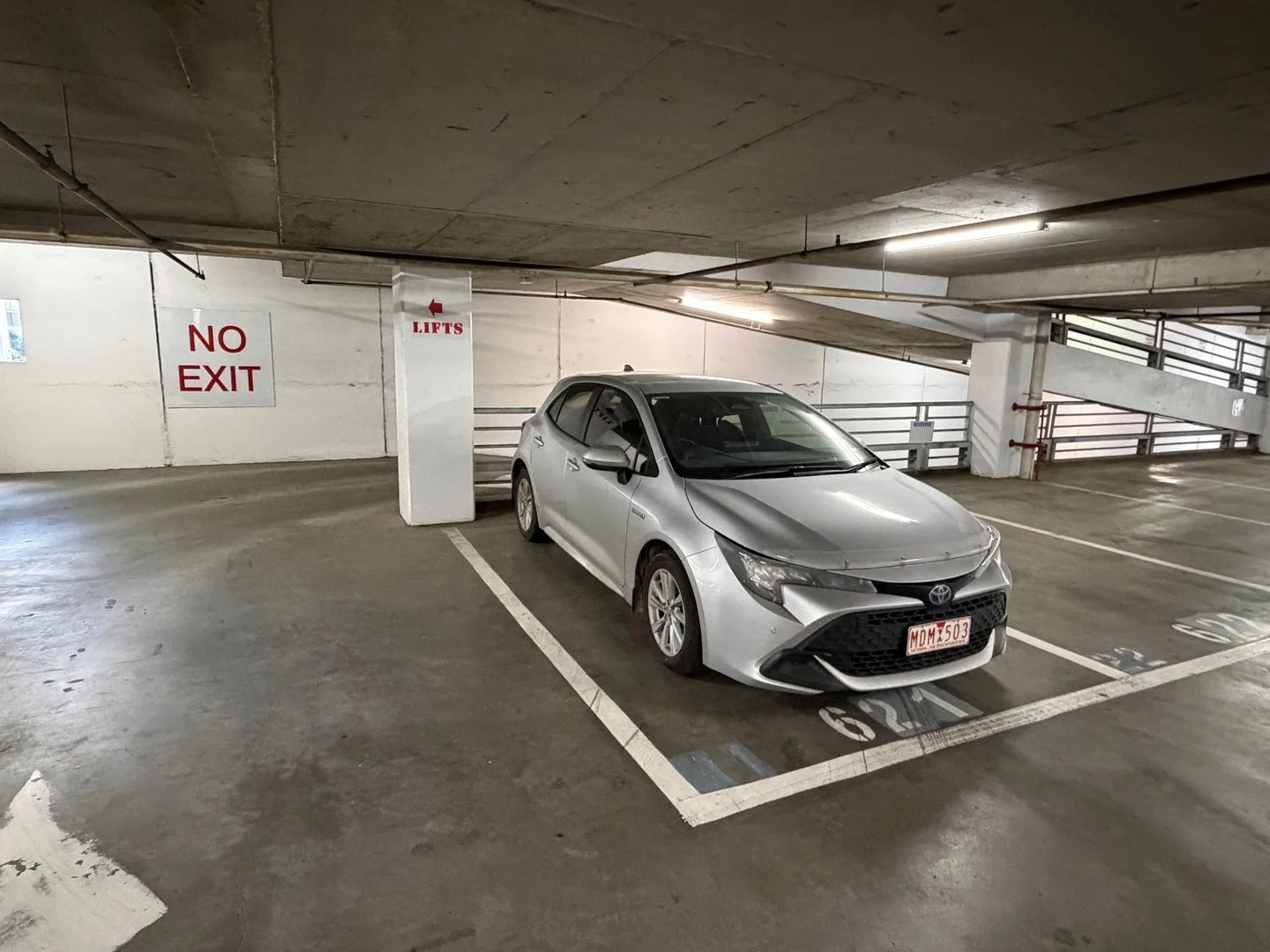 $27,500
propertyType.CAR SPACE
$27,500
propertyType.CAR SPACE
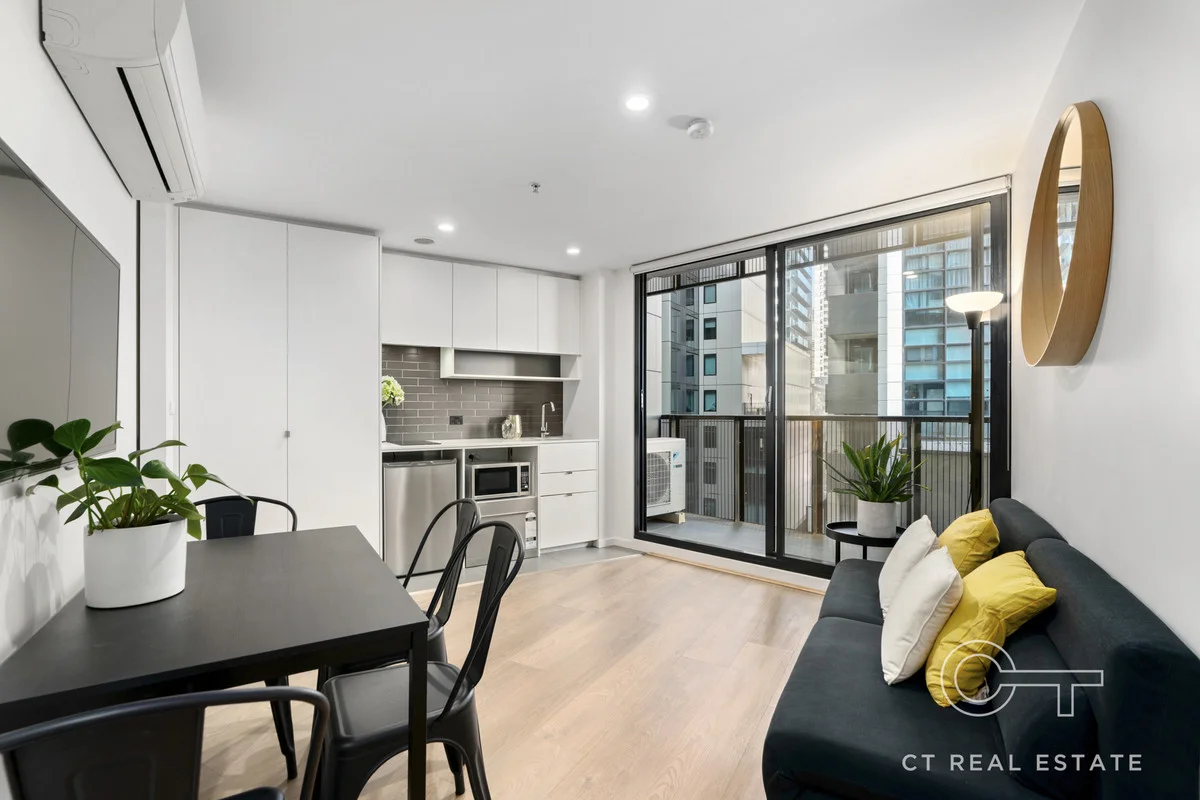 $360,000
Apartment / Unit / Flat
$360,000
Apartment / Unit / Flat
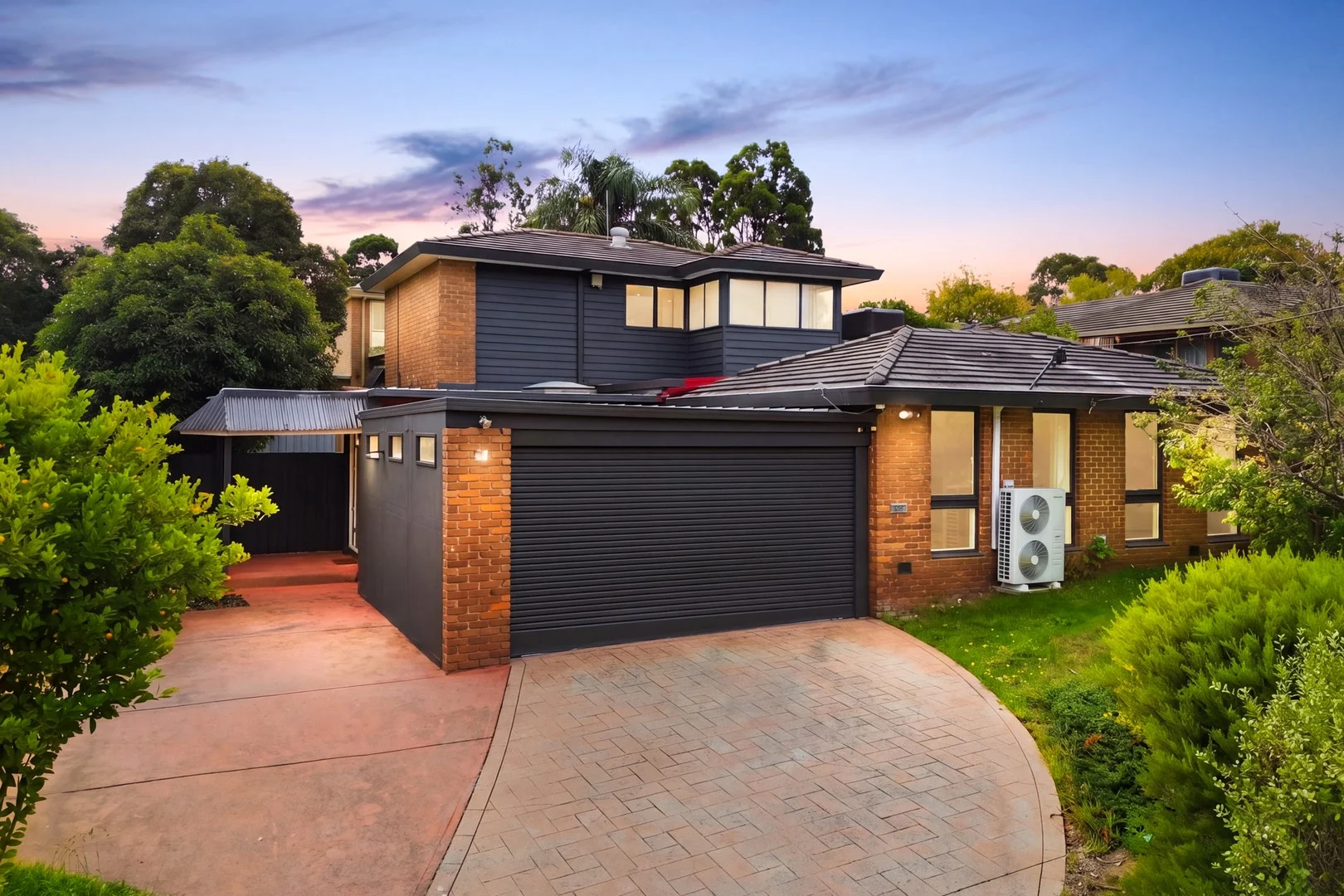 $1,220,000 - $1,320,000
House
$1,220,000 - $1,320,000
House
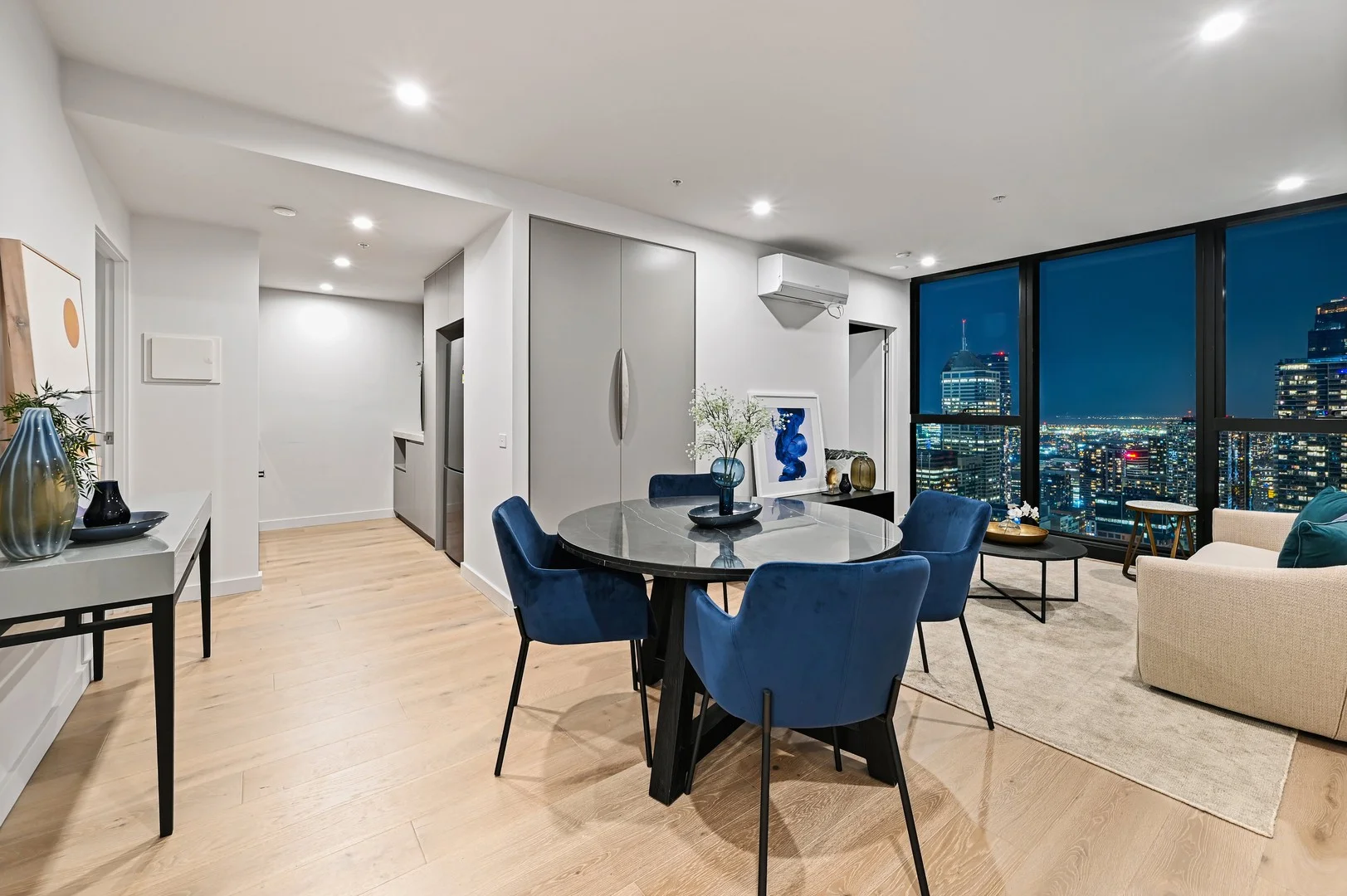 $943,000
propertyType.NEW APARTMENTS / OFF THE PLAN
$943,000
propertyType.NEW APARTMENTS / OFF THE PLAN
 $2,008,000
propertyType.NEW APARTMENTS / OFF THE PLAN
$2,008,000
propertyType.NEW APARTMENTS / OFF THE PLAN
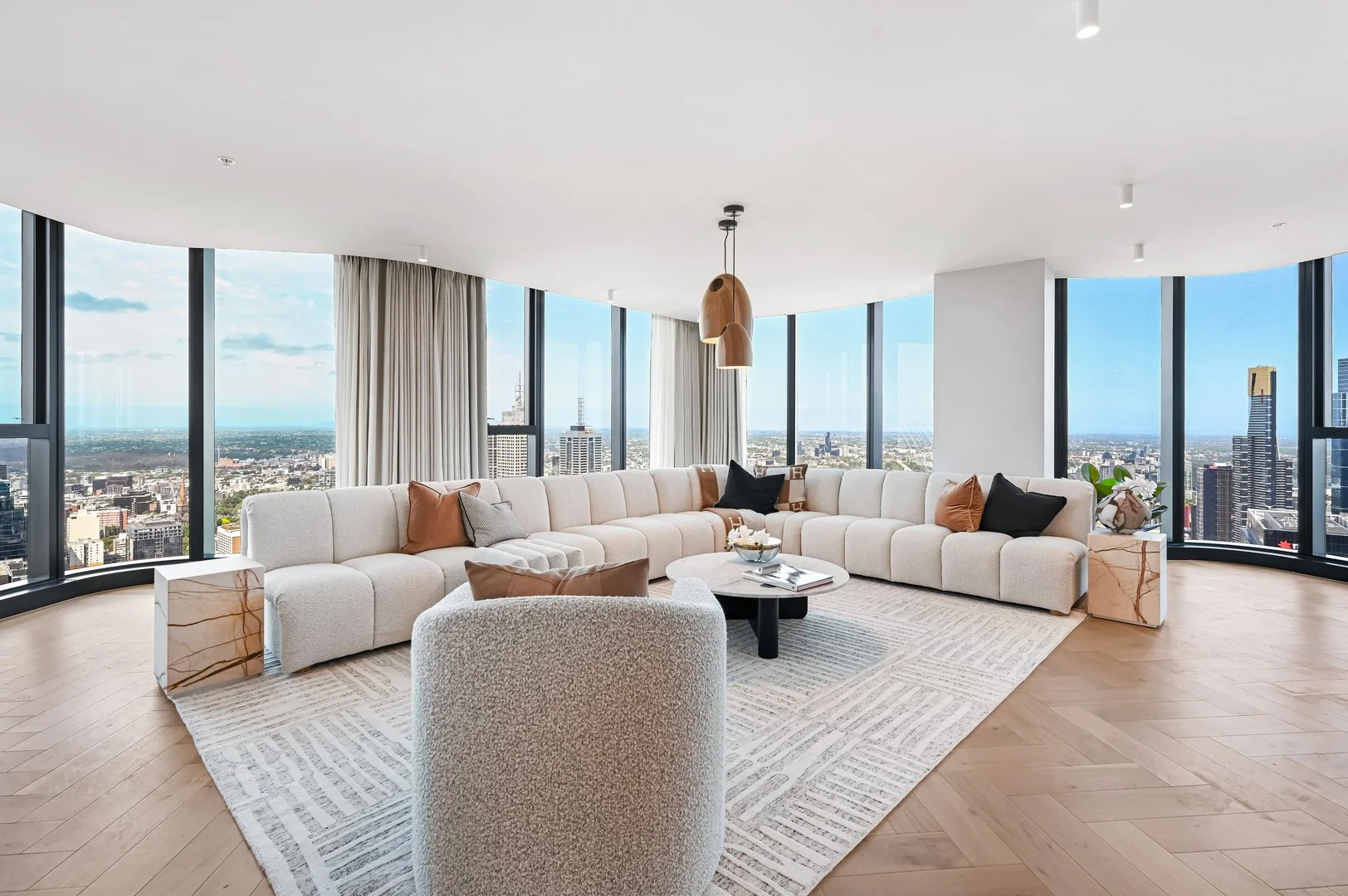 $5,512,000
propertyType.NEW APARTMENTS / OFF THE PLAN
$5,512,000
propertyType.NEW APARTMENTS / OFF THE PLAN
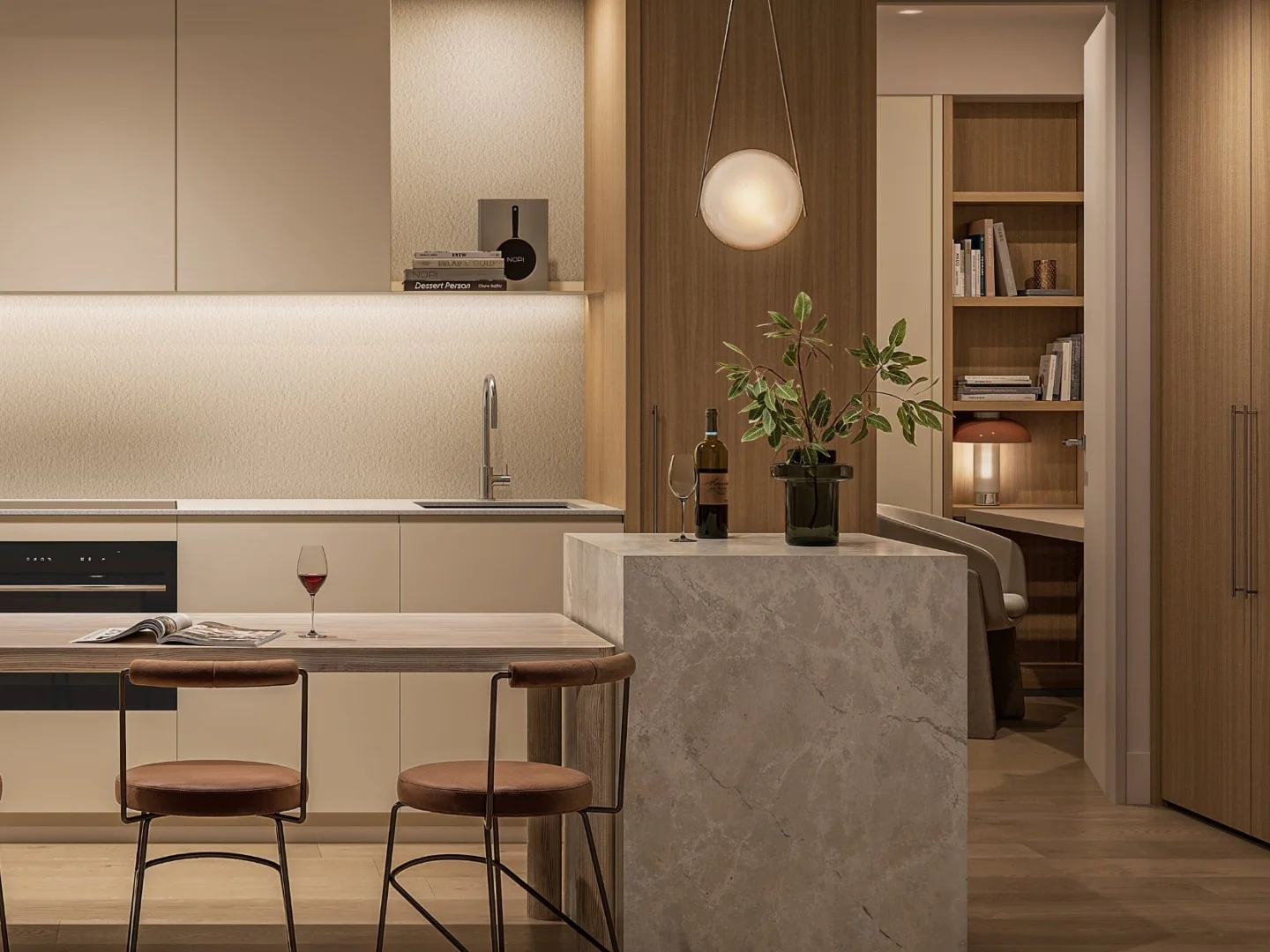 $712,500
Apartment / Unit / Flat
$712,500
Apartment / Unit / Flat
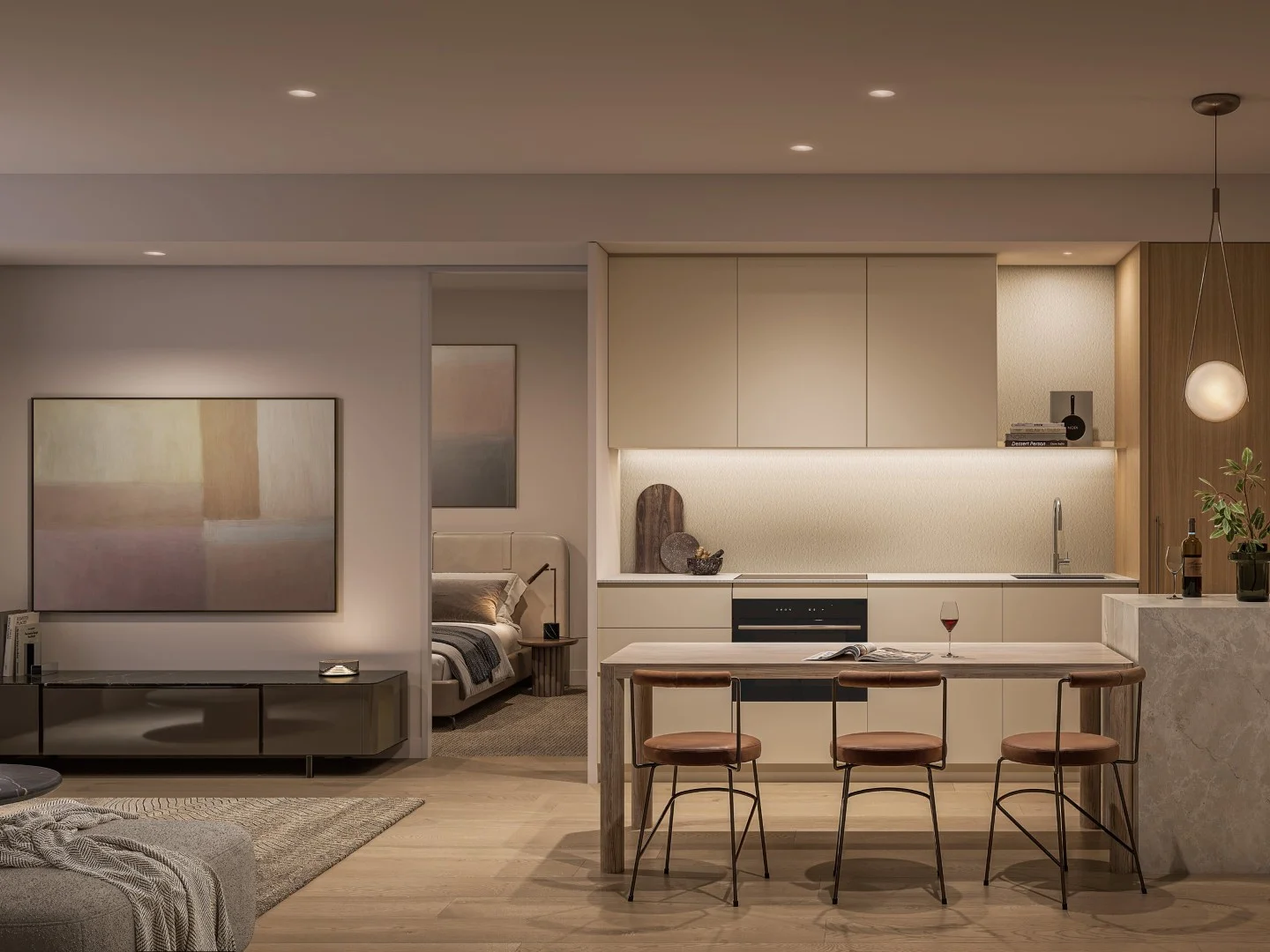 $666,000
Apartment / Unit / Flat
$666,000
Apartment / Unit / Flat
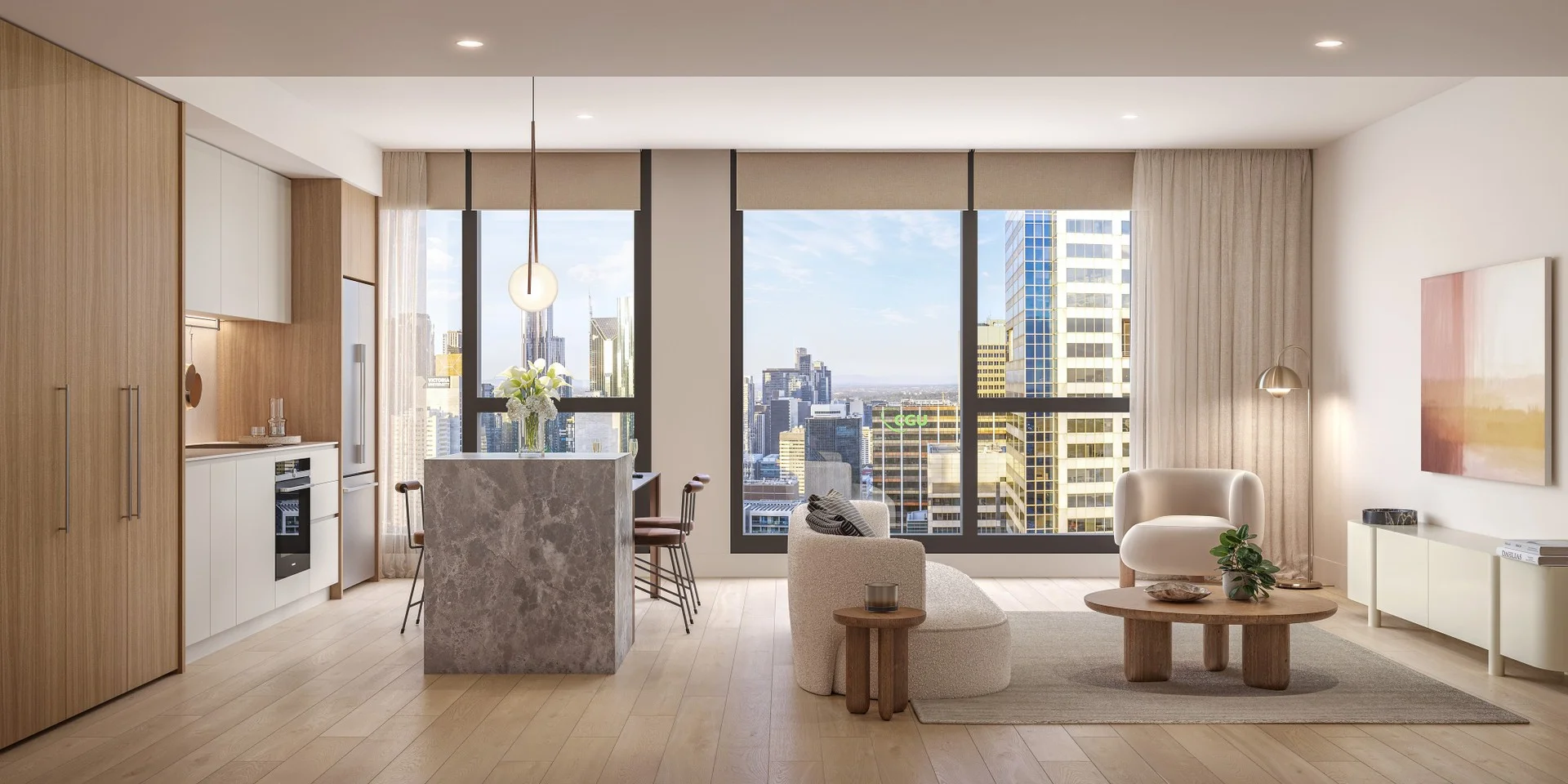 $1,870,000
propertyType.NEW APARTMENTS / OFF THE PLAN
$1,870,000
propertyType.NEW APARTMENTS / OFF THE PLAN